
It’s like trying to fit into your old prom outfit after decades of takeaway pizzas. Or trying to turn the Iliad into a haiku. Condensing Alfa Romeo’s colossal history into a digestible online story is no mean feat.
There are over 110 years to cover. There are planes, trucks, tractors. There’s motorsport, engines and, of course, cars. Some of the most exotic, beautiful and exclusive cars the world has ever seen, plus some of the biggest blunders the industry has ever seen. Usefully, when there’s a need to be brief, there are cars in Alfa’s history that cover both the triumphs and the calamities; take the 4C, for instance.
Before there was Alfa, there was SAID (Societa Anonima Italiana Darracq), a pitiful car company making automobiles in the Milanese suburb of Portello. The cars were totally inadequate for the environment and couldn’t cope with the hills of the Southern Alps. Alexandre Darracq, the ‘D’ in SAID, and chairman Cavaliere Ugo Stella decided they needed to start fresh with a new car company, a new name, and an entirely different attitude.

The new car company would focus on quality and durability, and its name would be Societa Anonima Lombarda Fabbrica Automobili. Which, by the time the company was founded on 24th June 1910, had become ALFA.
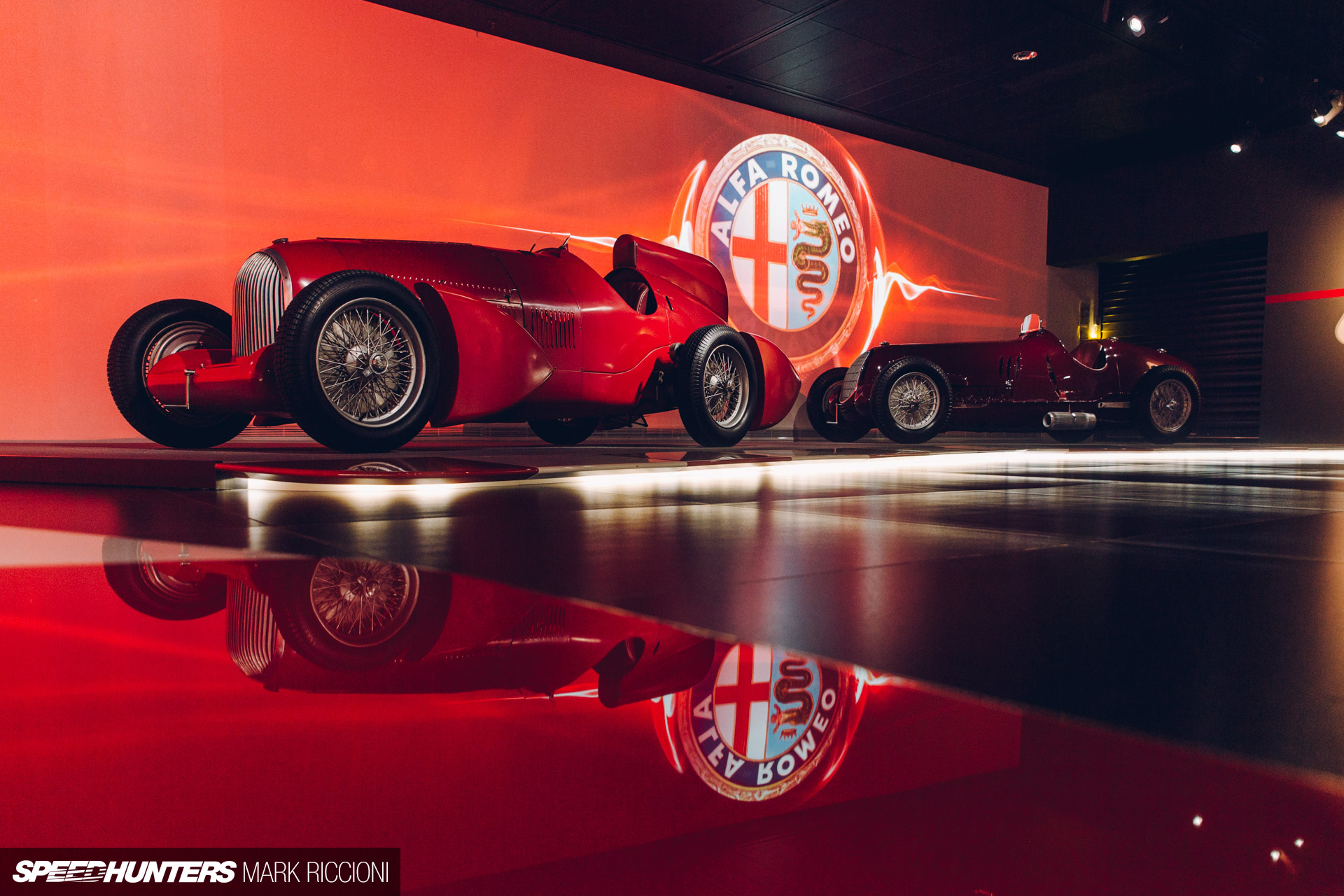
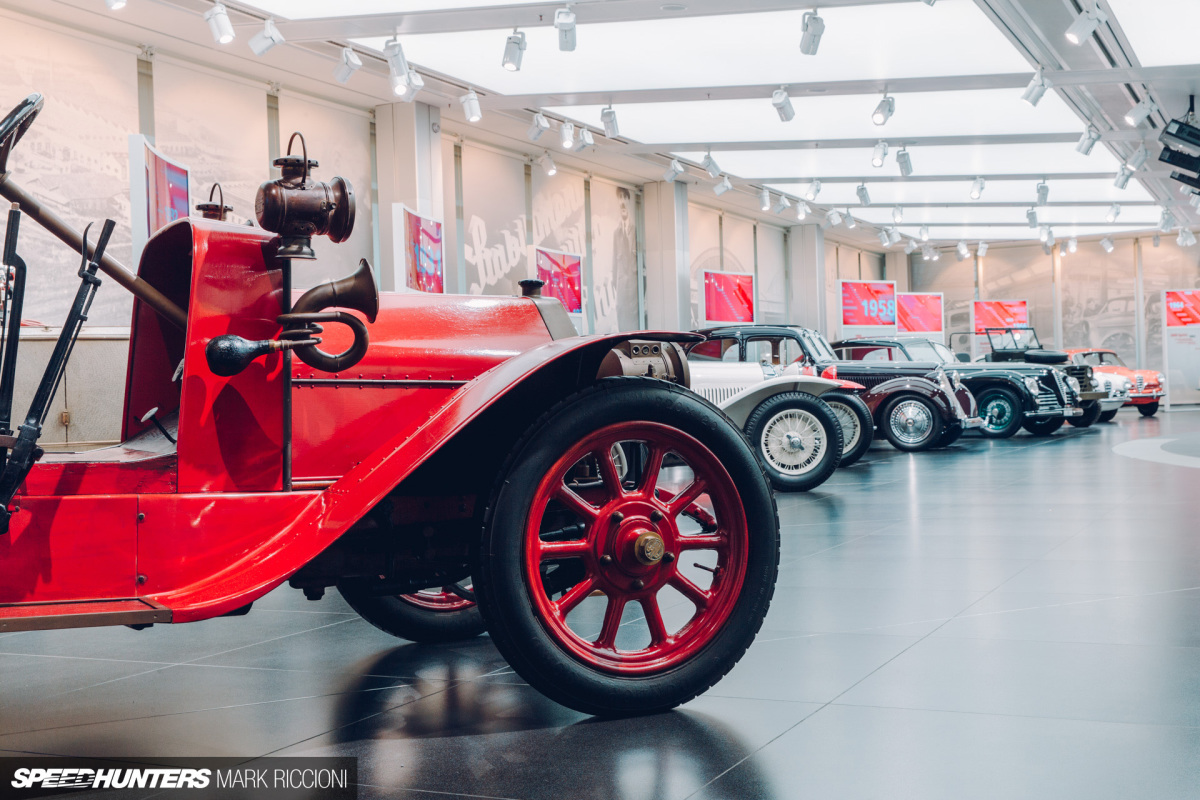
The first two cars, the 4-litre 24HP and the 2.5-litre 12HP, were a significant step up from any SAIDs, but not exactly thrilling. After only a year, Giuseppe Merosi, Alfa’s first designer, built a racing version of the 24HP. He stripped away the heavy bodywork, improved how the engine breathed, and the 24HP Corsa was born. Similar cars were created by Alfa from their road cars and, despite lacking any real delicacy, there was plenty of success in hillclimbs and road races.

To really make the big time, however, Alfa realised the new sport of Grand Prix racing, with its purpose-built single-seaters, was where it’d really galvanise its sporting reputation. Alfa went all-in and Mersosi was given an almost limitless budget to develop a car and engine. The result was a modified Alfa road car chassis with a brand new 16-valve twin-spark four-cylinder engine. The Grand Prix contender was finished just as WWI began to break out and the project was halted.
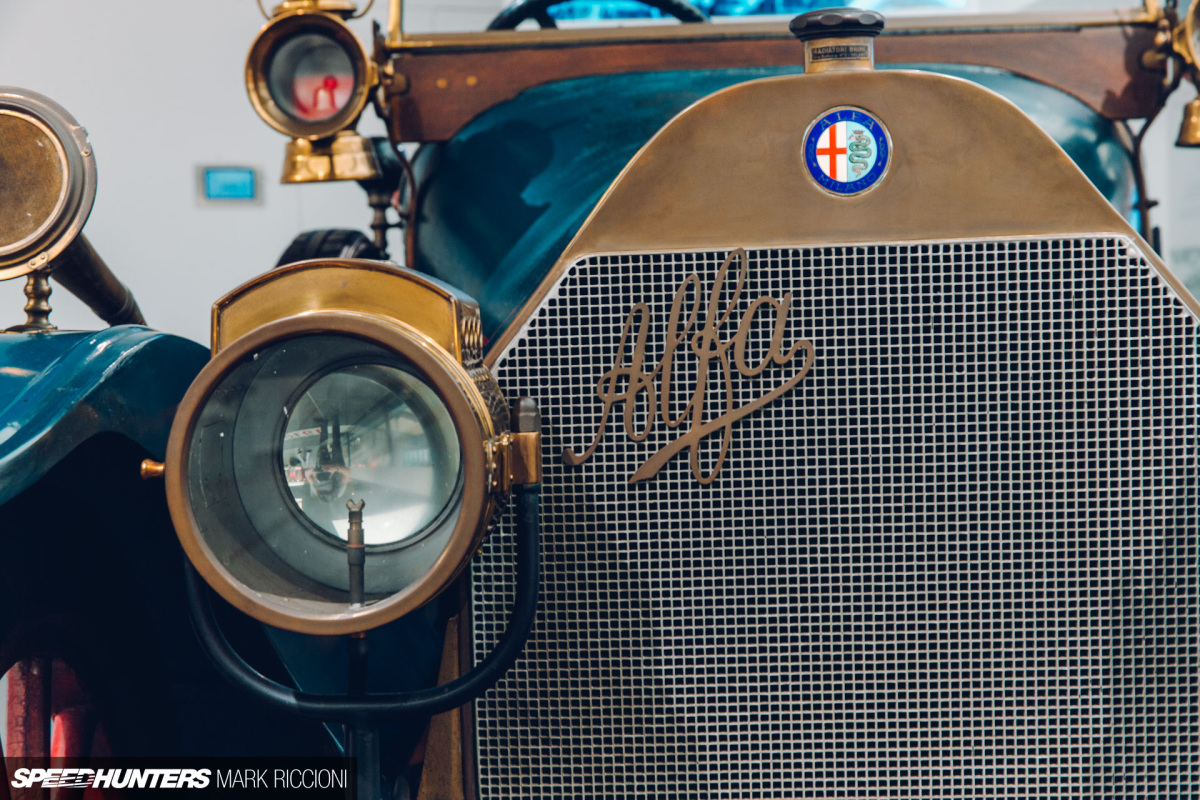
Having focussed heavily on high-end cars and developing a sporting reputation, Alfa was not prepared for riding the economic repercussions of the war. Shareholders of the company pulled out and new investors were needed. A Neapolitan businessman by the name of Nicola Romeo, who had huge government contracts to make machines, bought shares in Alfa. He turned the car factories into compressor, tractor and aircraft engine facilities to support the war effort.

Romeo was not interested in building cars; practical machinery is what had made him rich. But as Italy recovered after the conflict, the army’s need for machines dwindled and the public became desperate to spend money, Romeo anticipated there’d be a demand for automobiles. He also understood that Alfa’s existing reputation was not one to discard, so he simply added his own name to the company’s existing title and Alfa Romeo was created.

Initially, production of the old cars was reinstated, but all-new Alfa Romeos were being built by 1920. At first, the focus was on limousines, but as there was no longer any aristocracy to buy them, these grand luxury cars were a sales failure. No one at Alfa Romeo was keen on producing mass-market budget cars, so it was decided sports cars were the answer and there needed to be a racing programme alongside them. The old Grand Prix car was hauled out of a drugs warehouse where it had been kept safe during the war and racing was back on the cards.

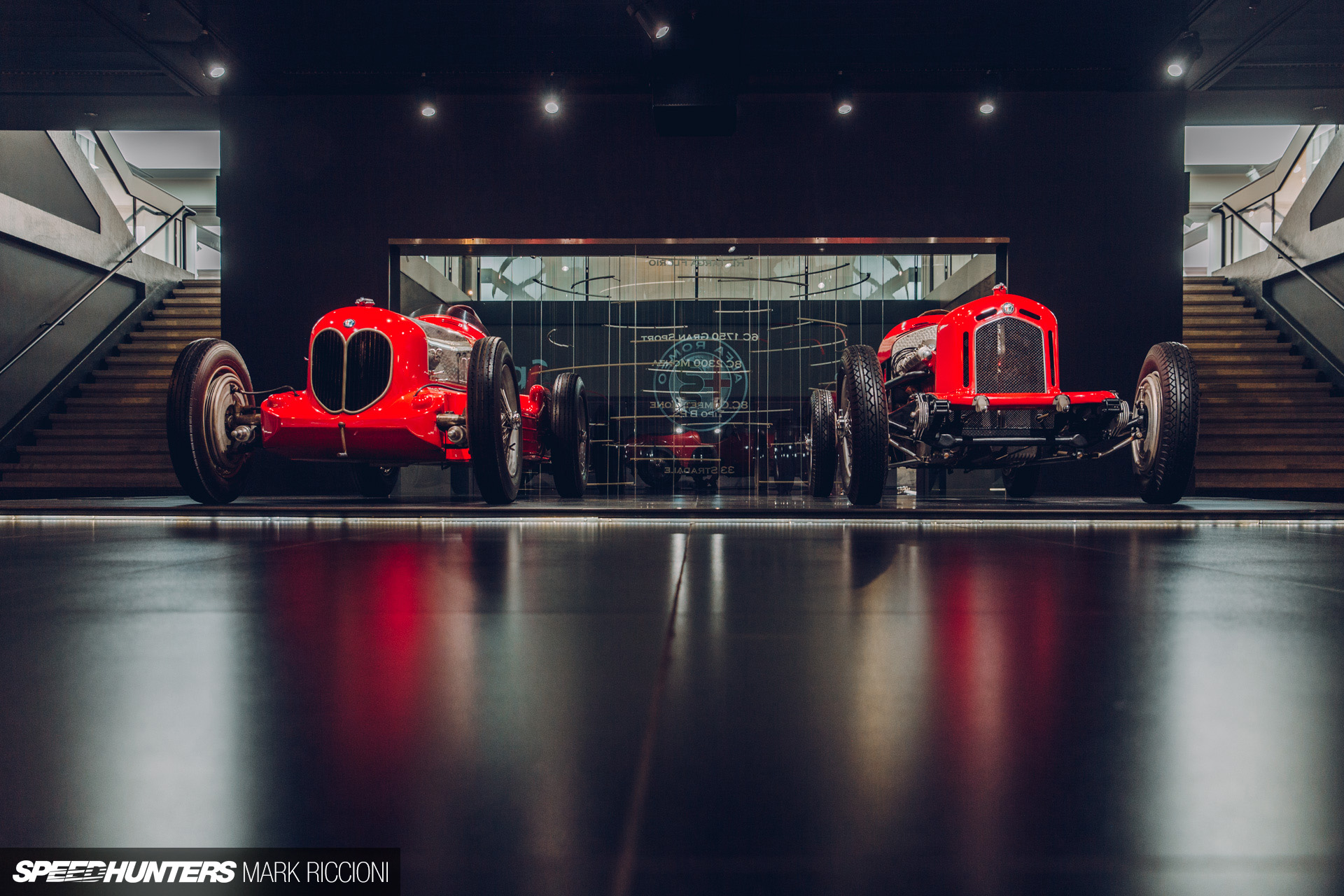
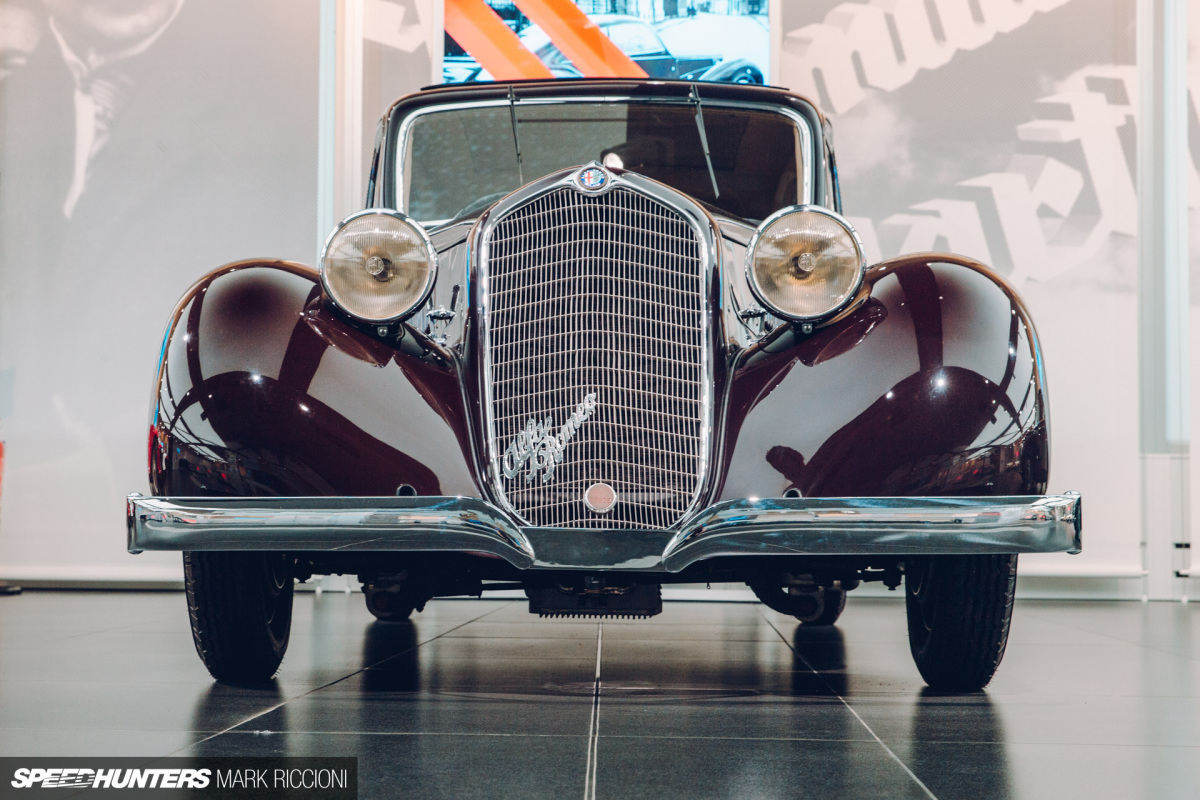
Despite a few upgrades, the old GP car was just too chunky to compete with the likes of Fiat. Alfa Romeo persisted, hired new talent and the following decades saw its race cars succeeding all over Europe. These accomplishments helped sell a range of performance-oriented road cars, but Alfa’s big security came during the 1930’s depression when the government bought a stake in the company. Italy’s then dictator, Benito Mussolini, made sure the company and its high-profile racing was a success with significant financial support.

Then came another war. World War 2 devastated both Italy and Alfa Romeo far more significant than the first. The large factories that bolstered Italy’s prosperous industry were bombed and almost completely destroyed, including Alfa Romeo’s Portello base.
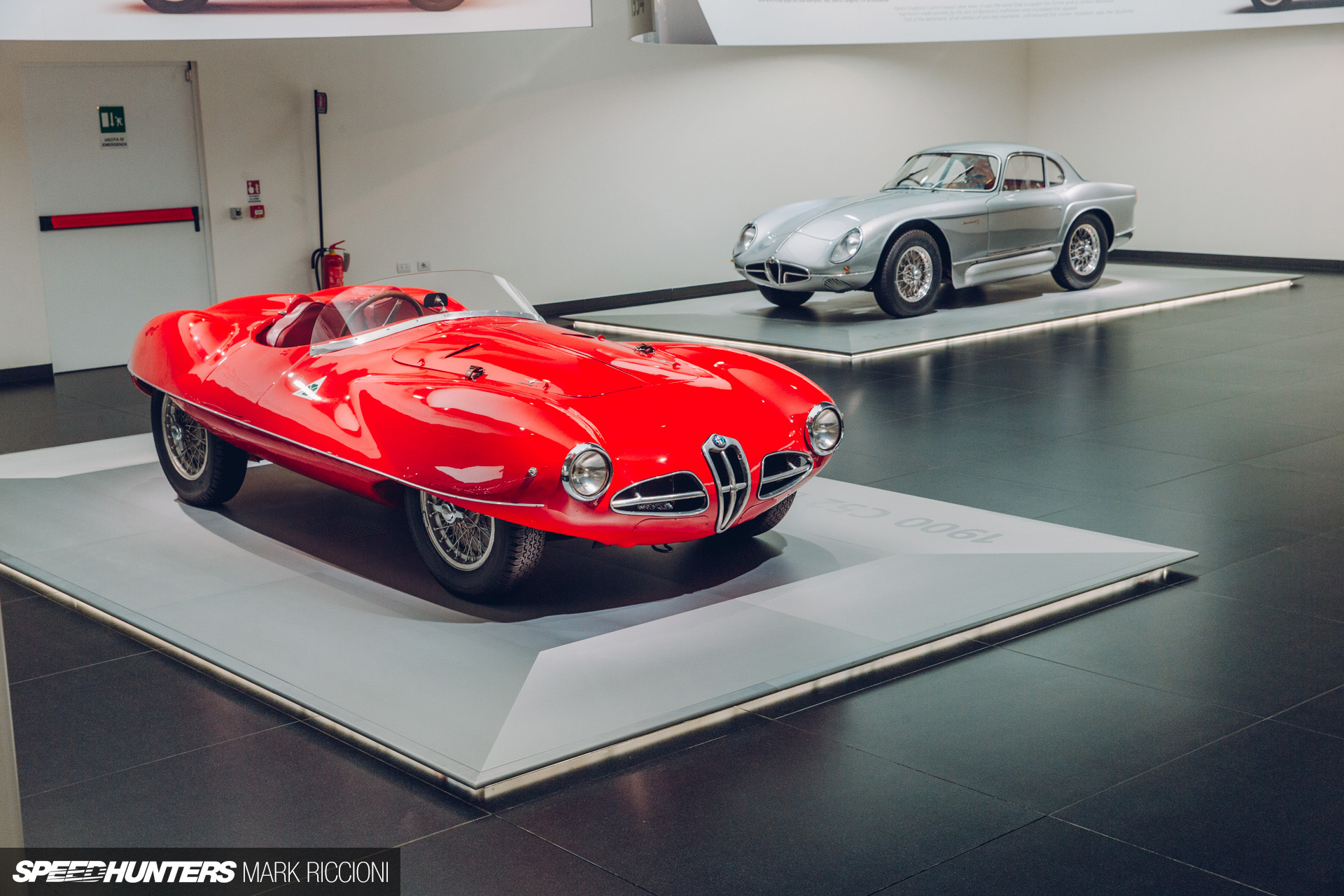
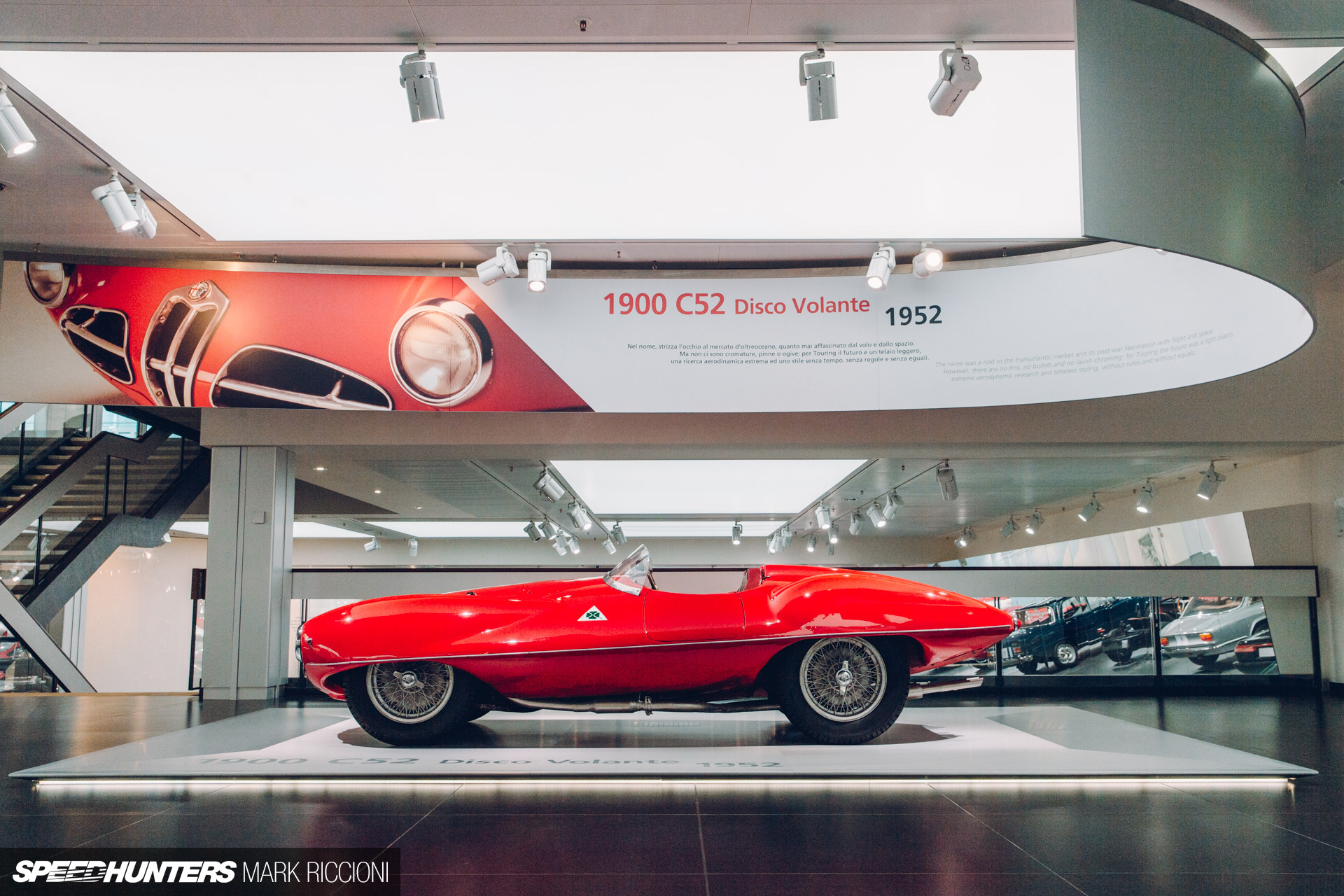
After the conflict ended, and Italy and Europe had started to recover from WW2, Alfa was surprised to find that its sports cars were in demand. In 1947, the company made just five of its Turismo limousine models but produced 276 Sport and Super Sport versions, all of which were essentially the same design of the pre-War cars. Knowing there was an appetite for performance cars from its customers helped form the template for Alfa’s following models. The first of the new breed was the monocoque-bodied four-cylinder twin-cam-powered 1900.

For me, Alfa gets really interesting around the mid-1950s with the Giulietta. This is when it began properly mass producing its cars and truly experimenting with, what we call today, platform sharing. True Alfisti, who have thick 20W50 oil from their pre-War 6C 1750 coursing through their veins, would call me a heathen. They’re probably correct. It’s probably tantamount to saying that the Cayenne was the ‘car’ that got you interested in Porsche.
If you’re upset, take off your Mr. Toad driving goggles and hear me out. The Giulietta that gets me fired up because it possesses all the brio and excitement of the cars that preceded it, all the grace and beauty, but it’s also youthful and accessible.
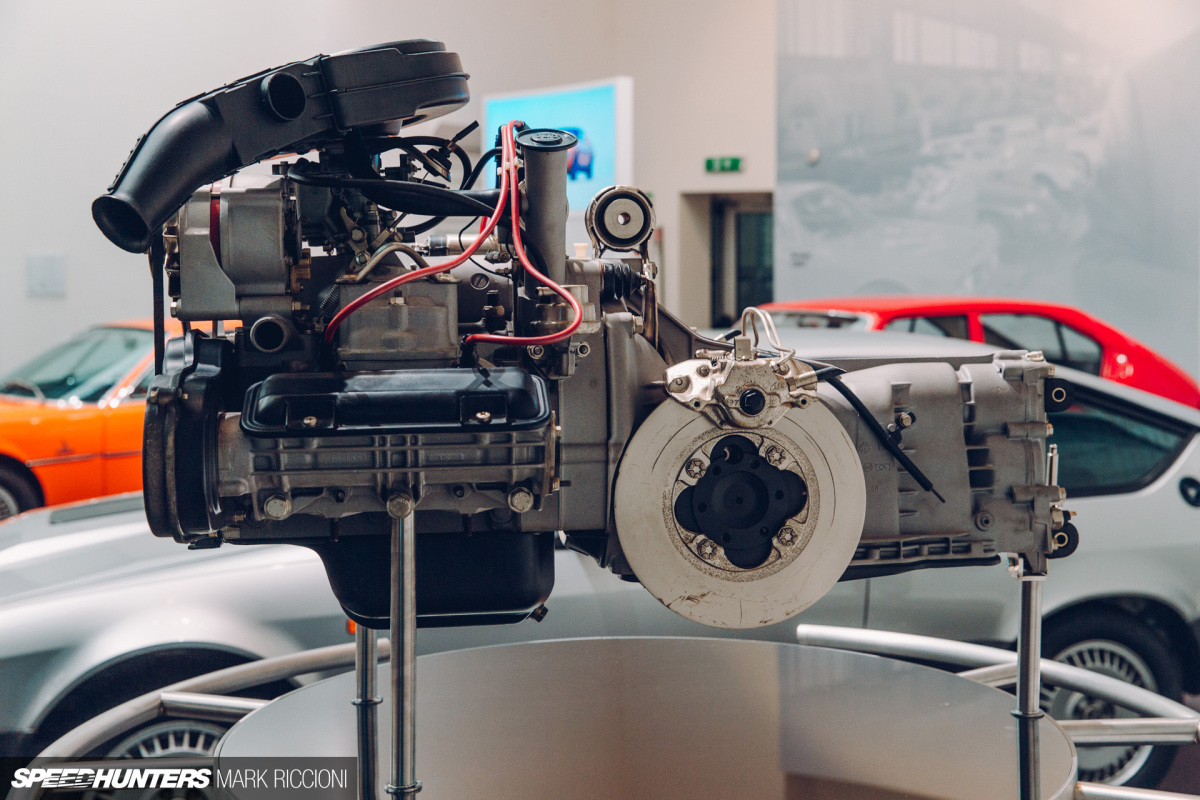
And giving this entry-level practical saloon the all-alloy twin-cam engine and double-wishbone front suspension that would be needed for the coupe and convertible versions, presumably to save money, was a genius move by Alfa.
You see, sharing these components doesn’t diminish the Sprint or the Spider version’s credibility, it only bolsters the saloon’s. Not compromising on the base car’s fundamental engineering also helped create a whole new type of car – the small sports saloon. There may not have been the Lotus Cortina, BMW 2002 or Subaru Impreza if the Giulietta hadn’t proved the formula first.
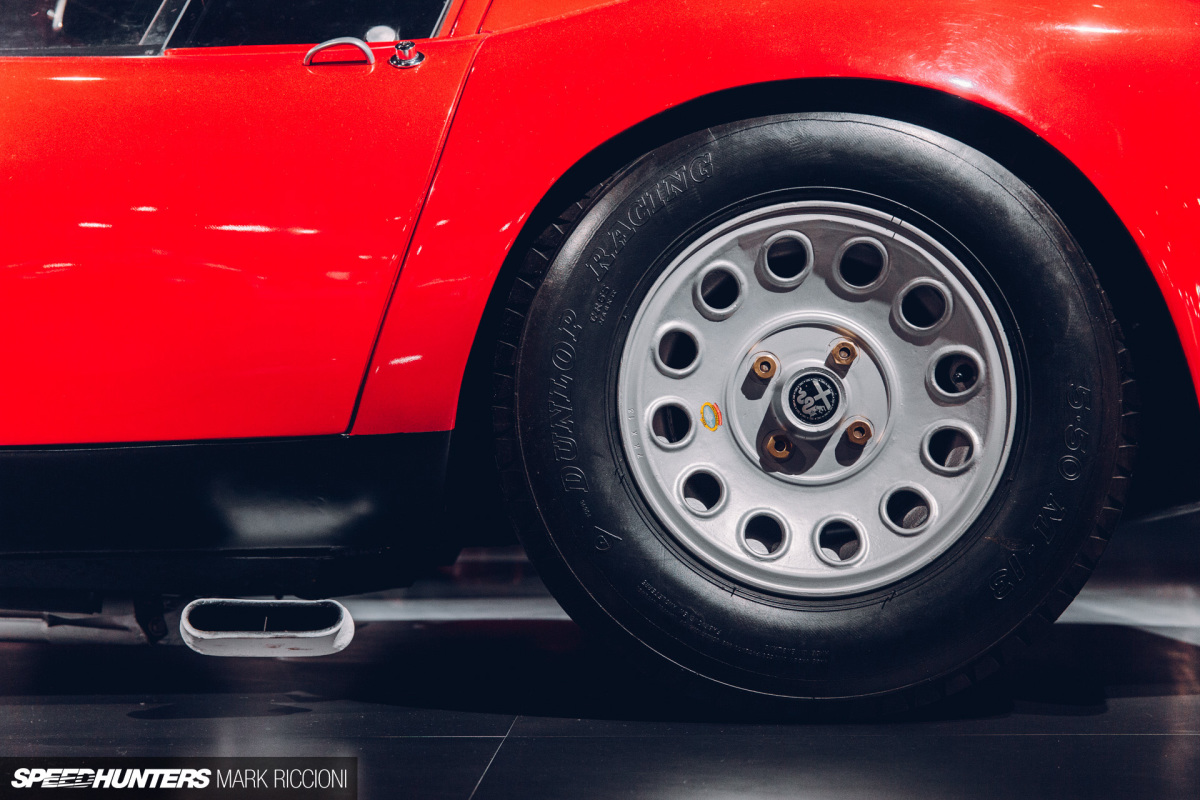
Whether you’re on board with that theory or not, the Giulietta range absolutely paved the way for its successor, the Giulia. Which vitally also include its spinoffs, the Pininfarina-penned Spider and the Bertone-styled Sprint GT, GTV and GTA. To this day, these ’60s cars are considered some of the best-looking, best-handling and best-sounding Alfas, and have established a legacy the company continues to live off.
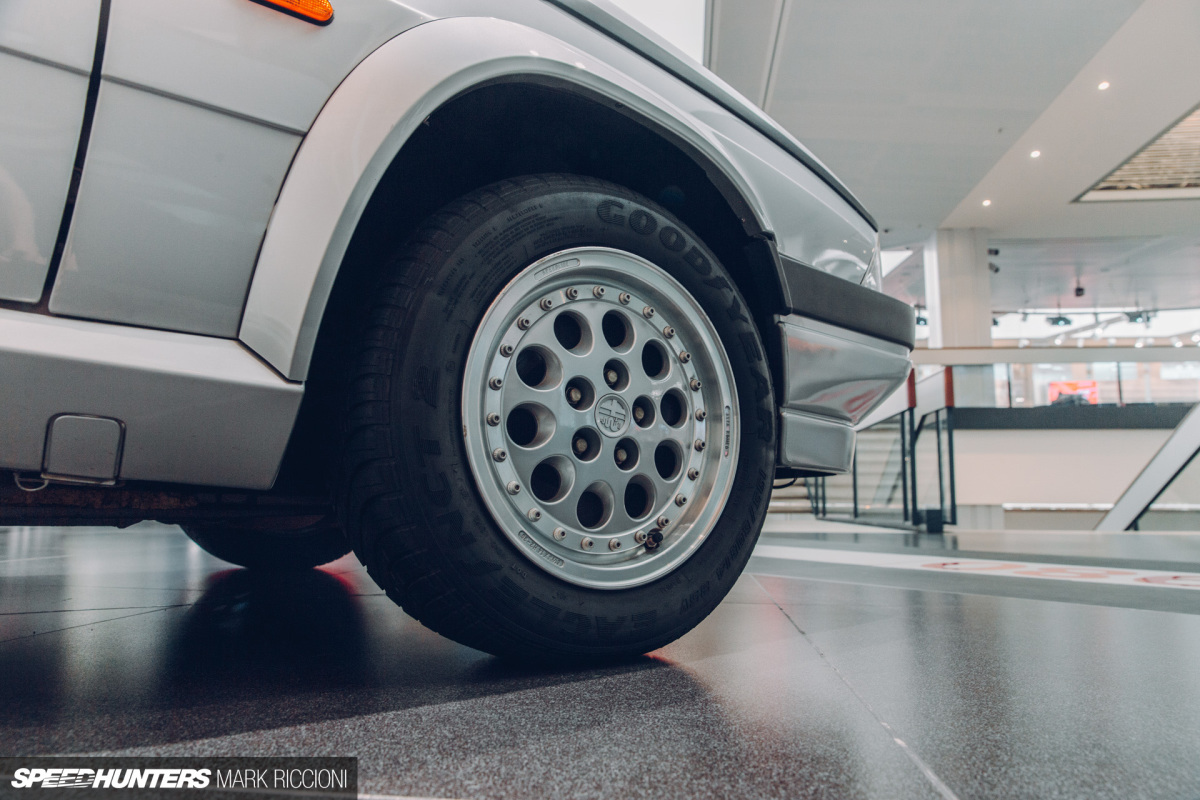
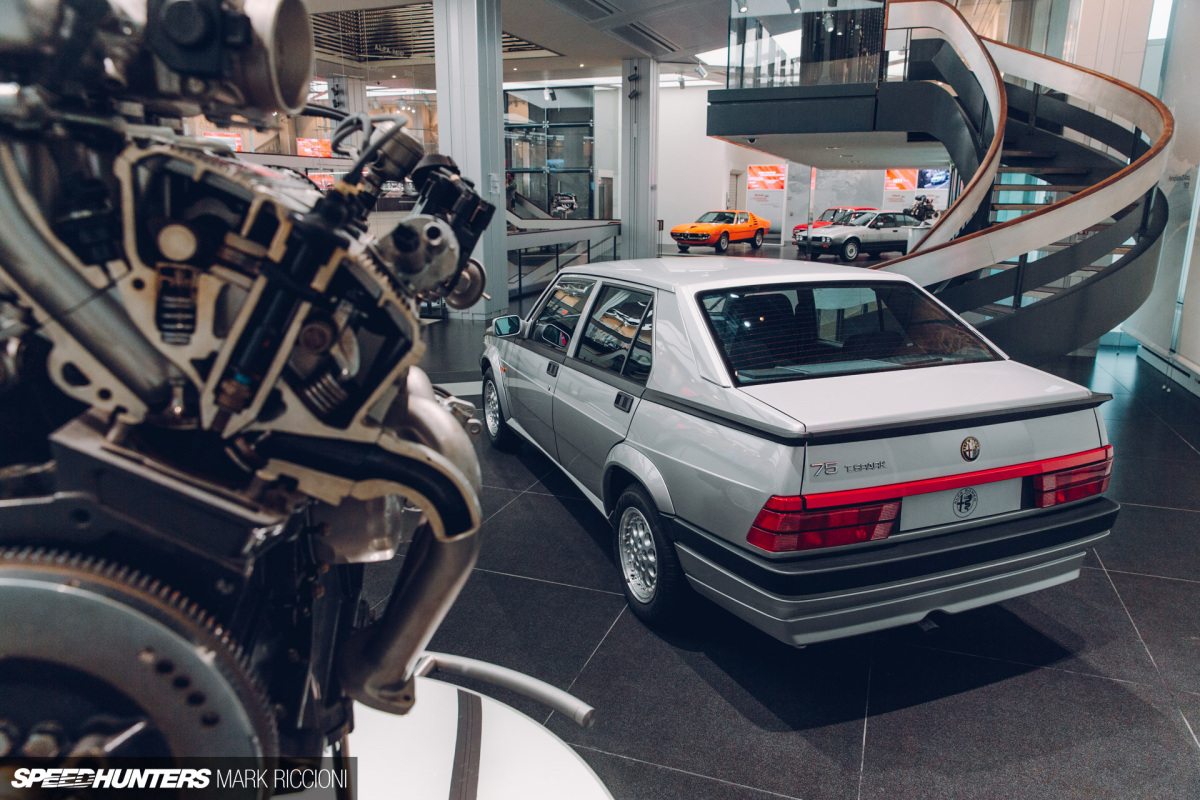
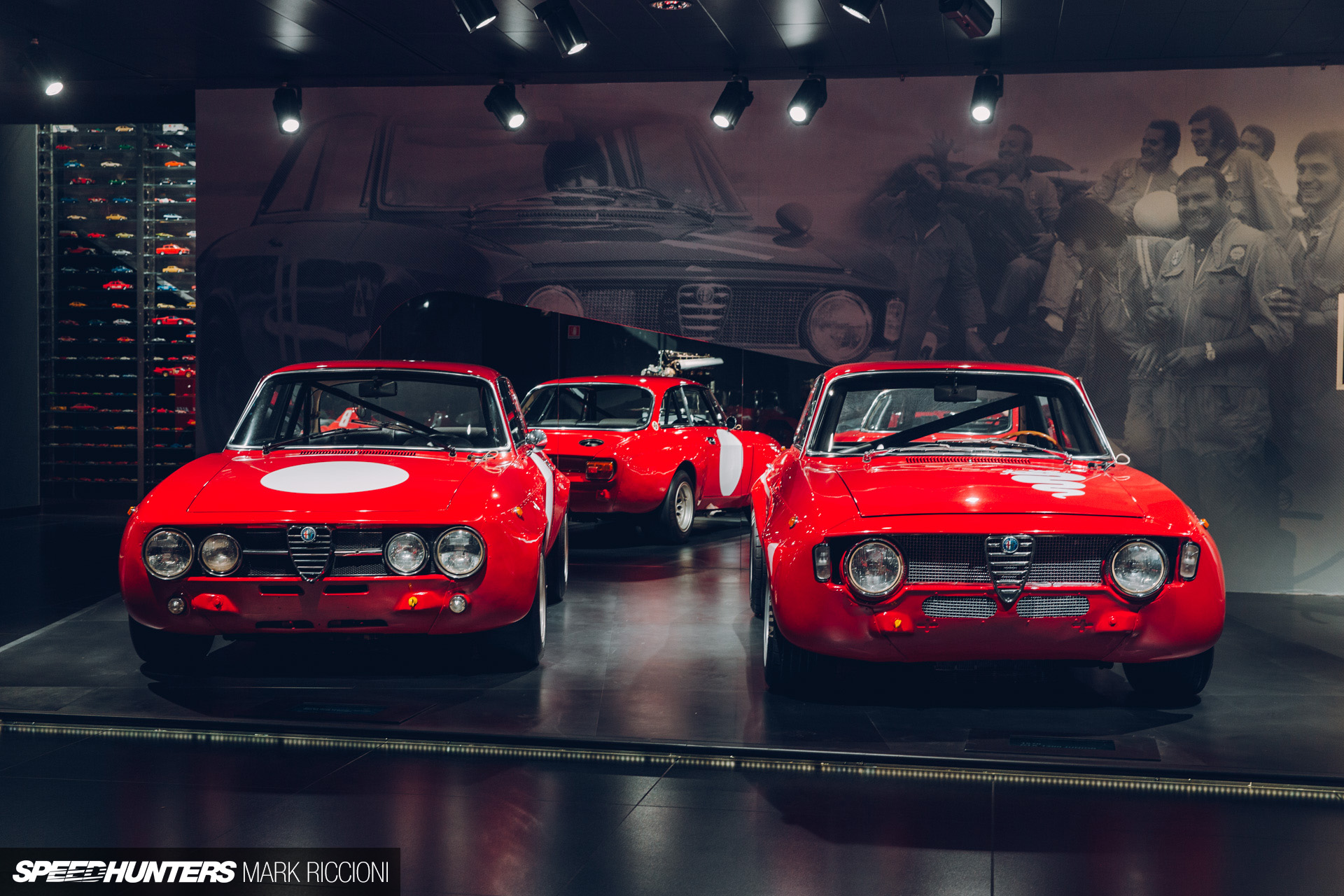
Maybe that’s because the years following the Giulia have been so hit and miss for Alfa. Rust and reliability issues have plagued its reputation, and many die-hard Alfa fans of the brand turned their backs when Fiat platforms formed the base on many of the cars.
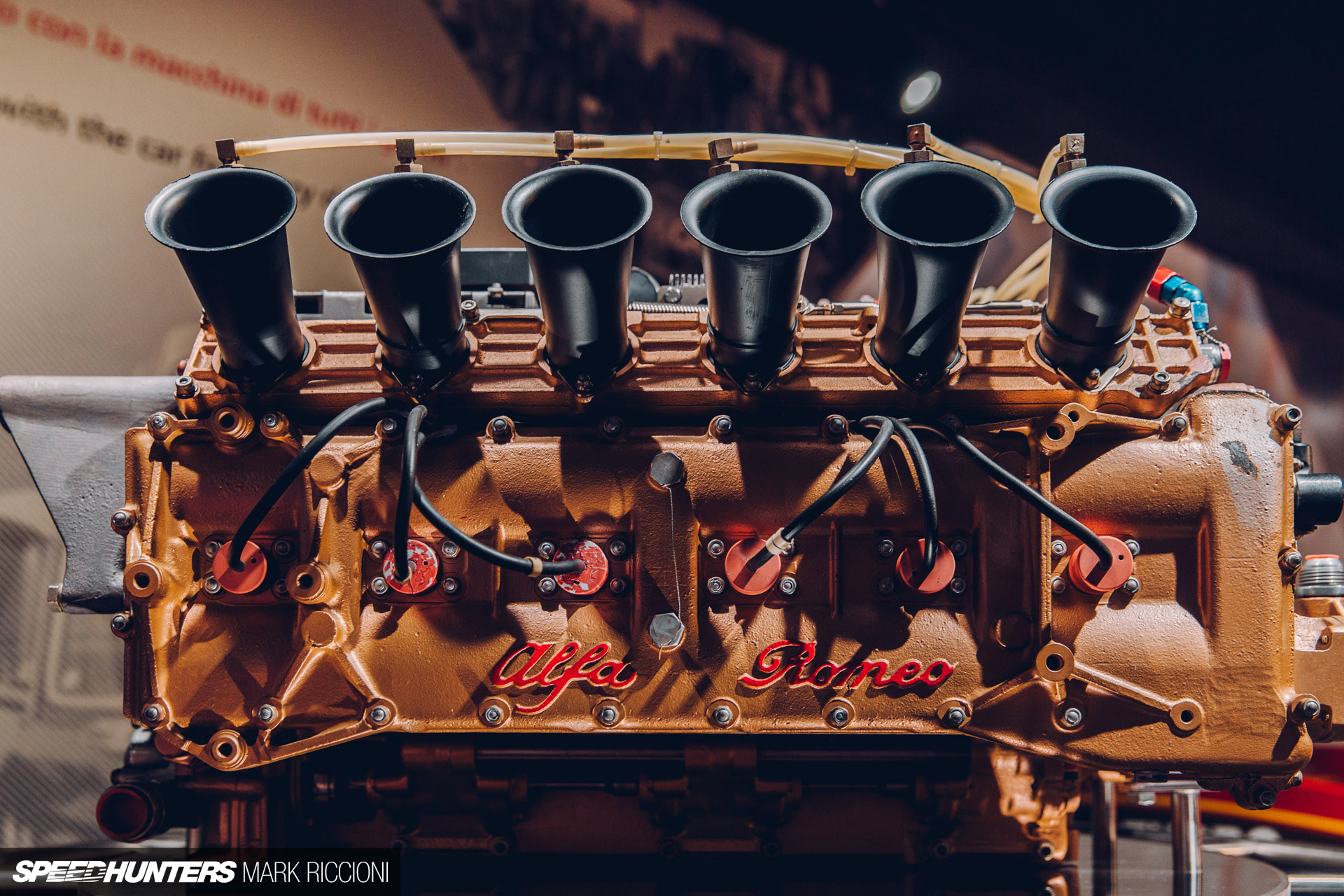
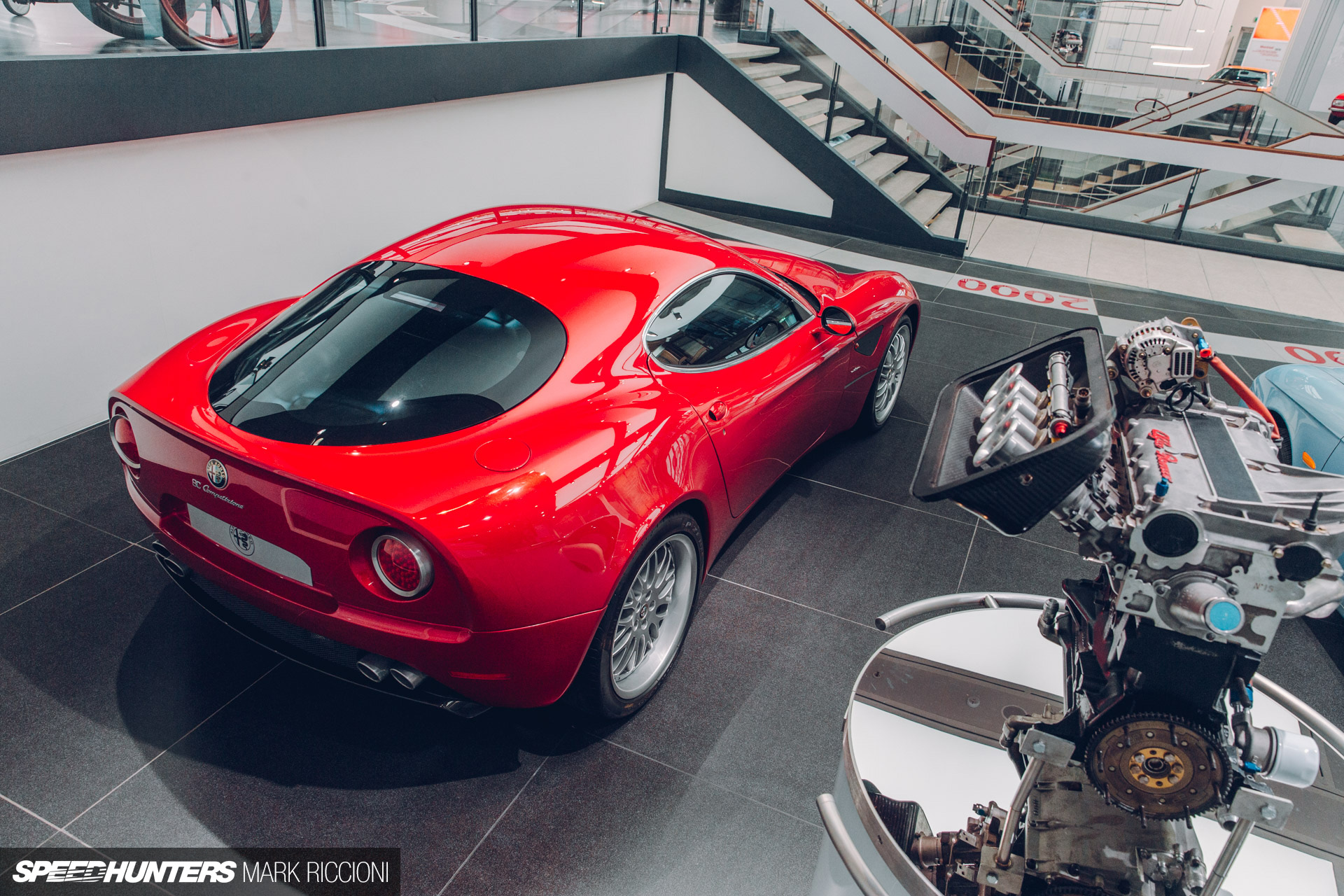
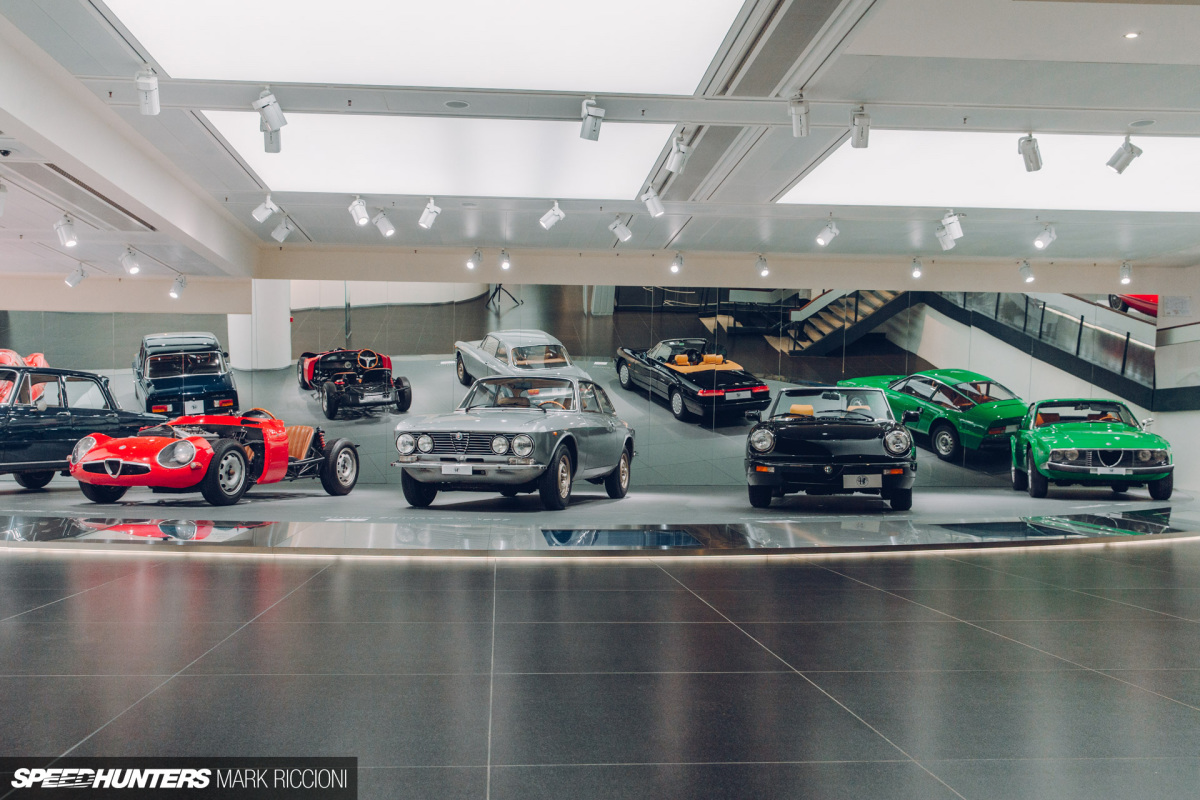
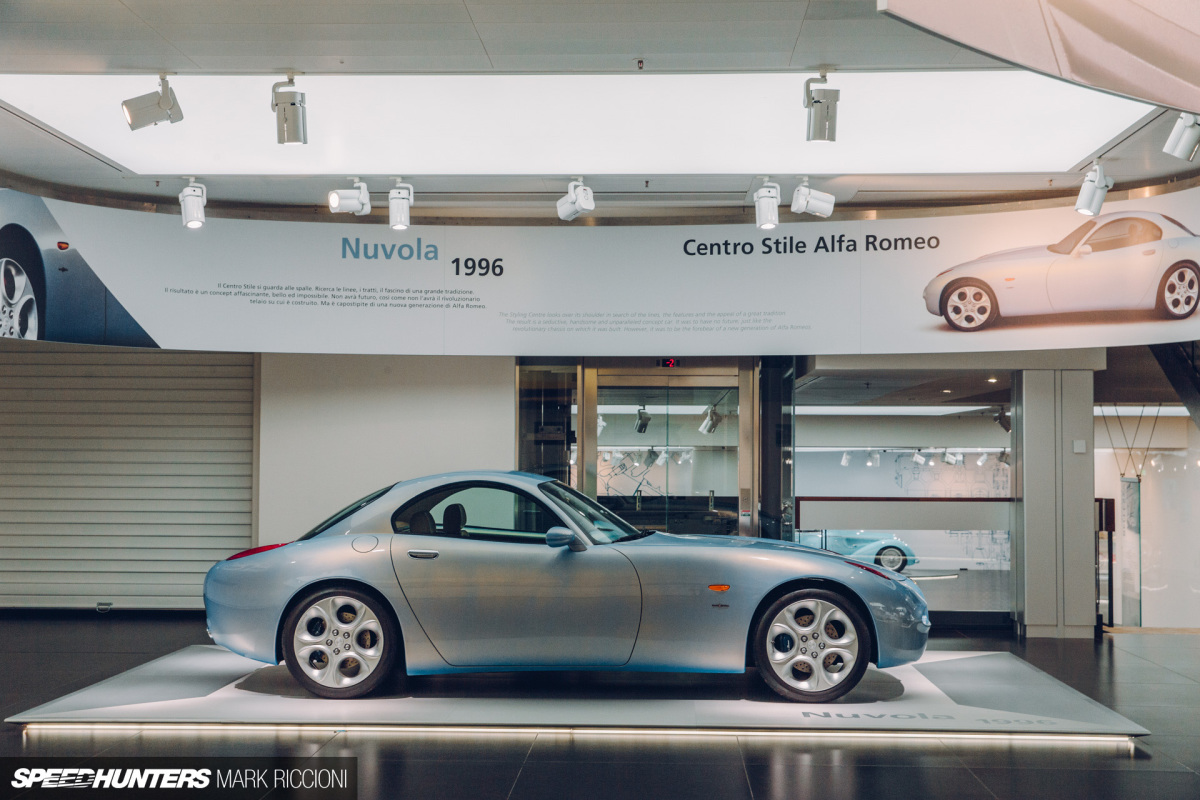
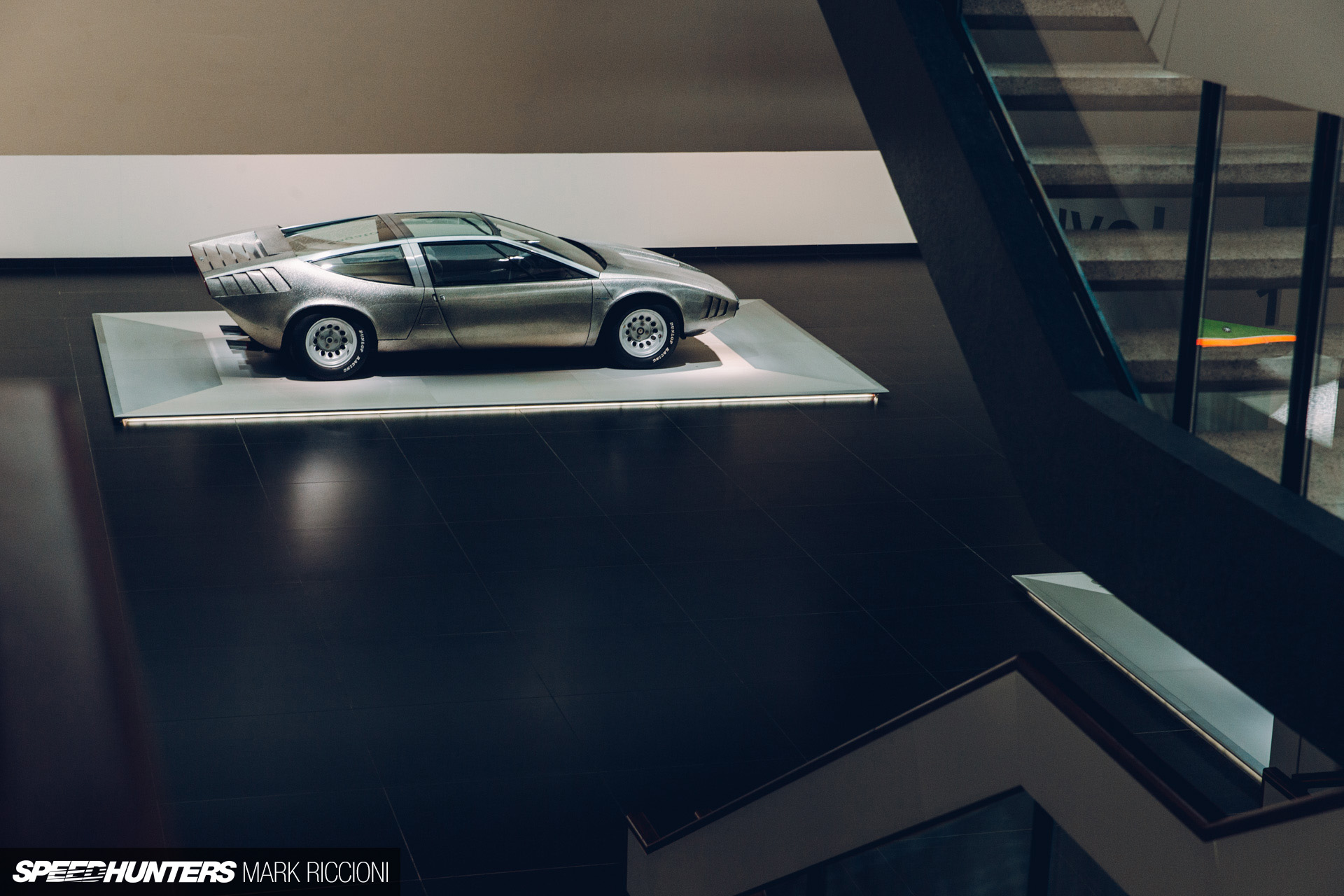
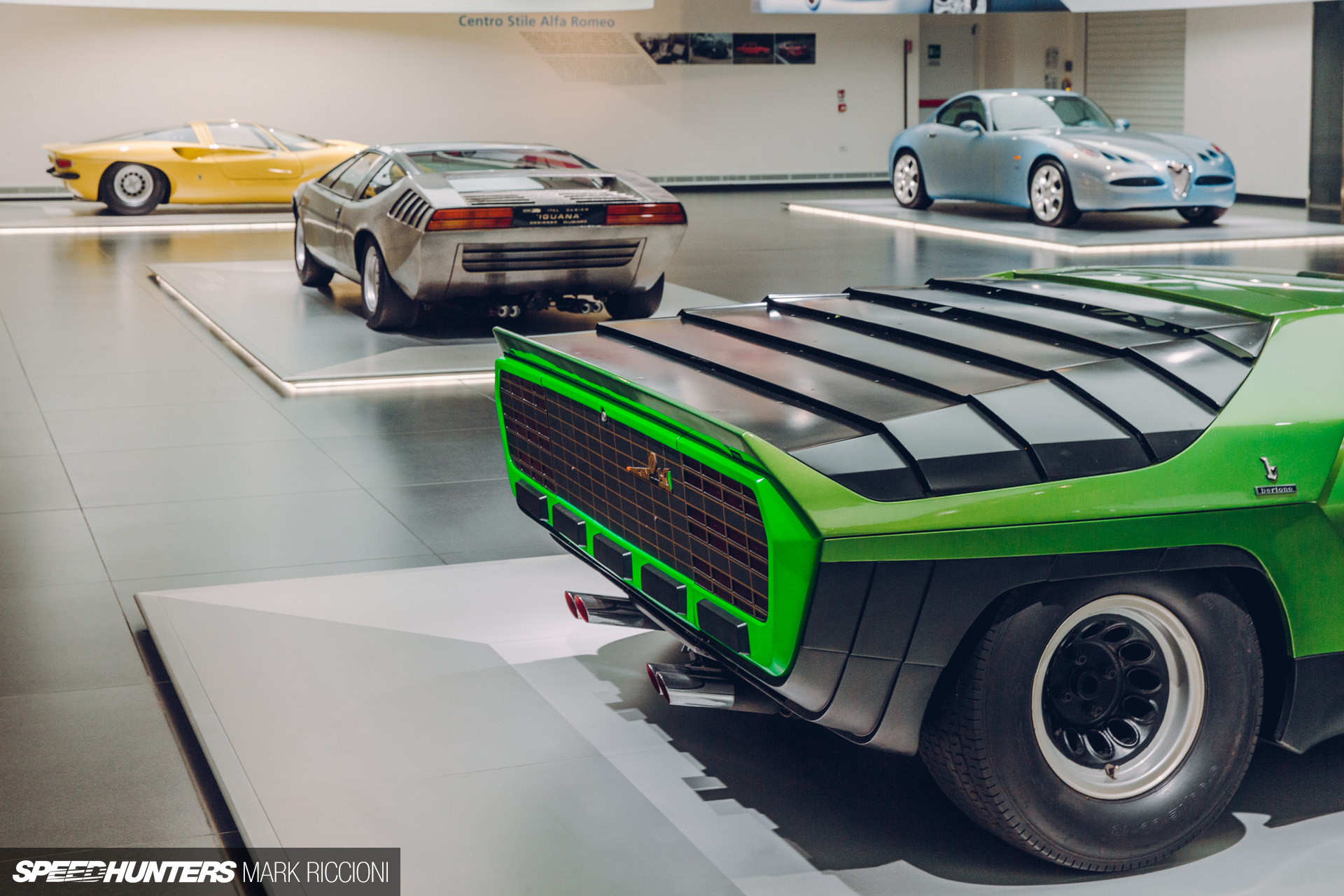
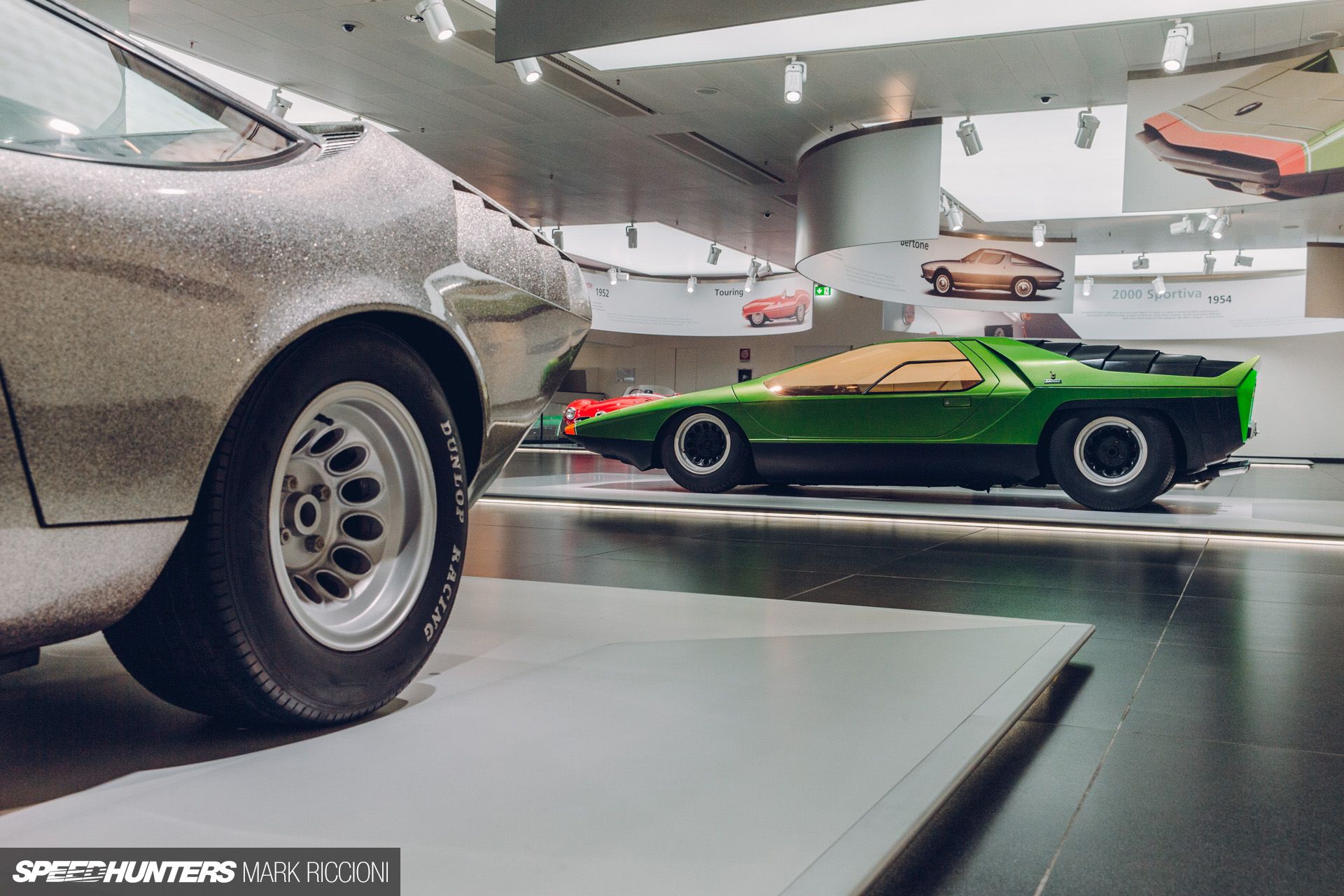
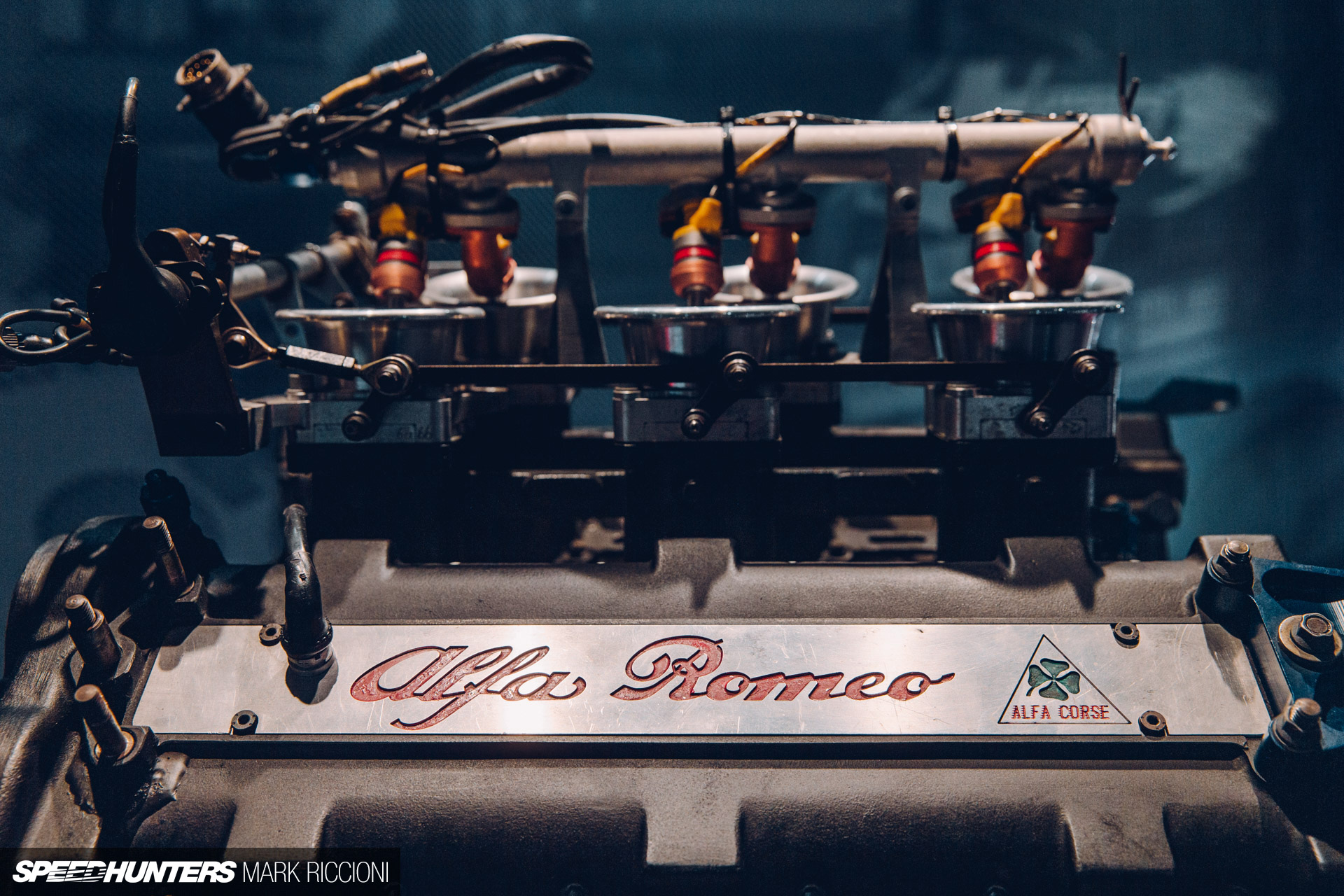
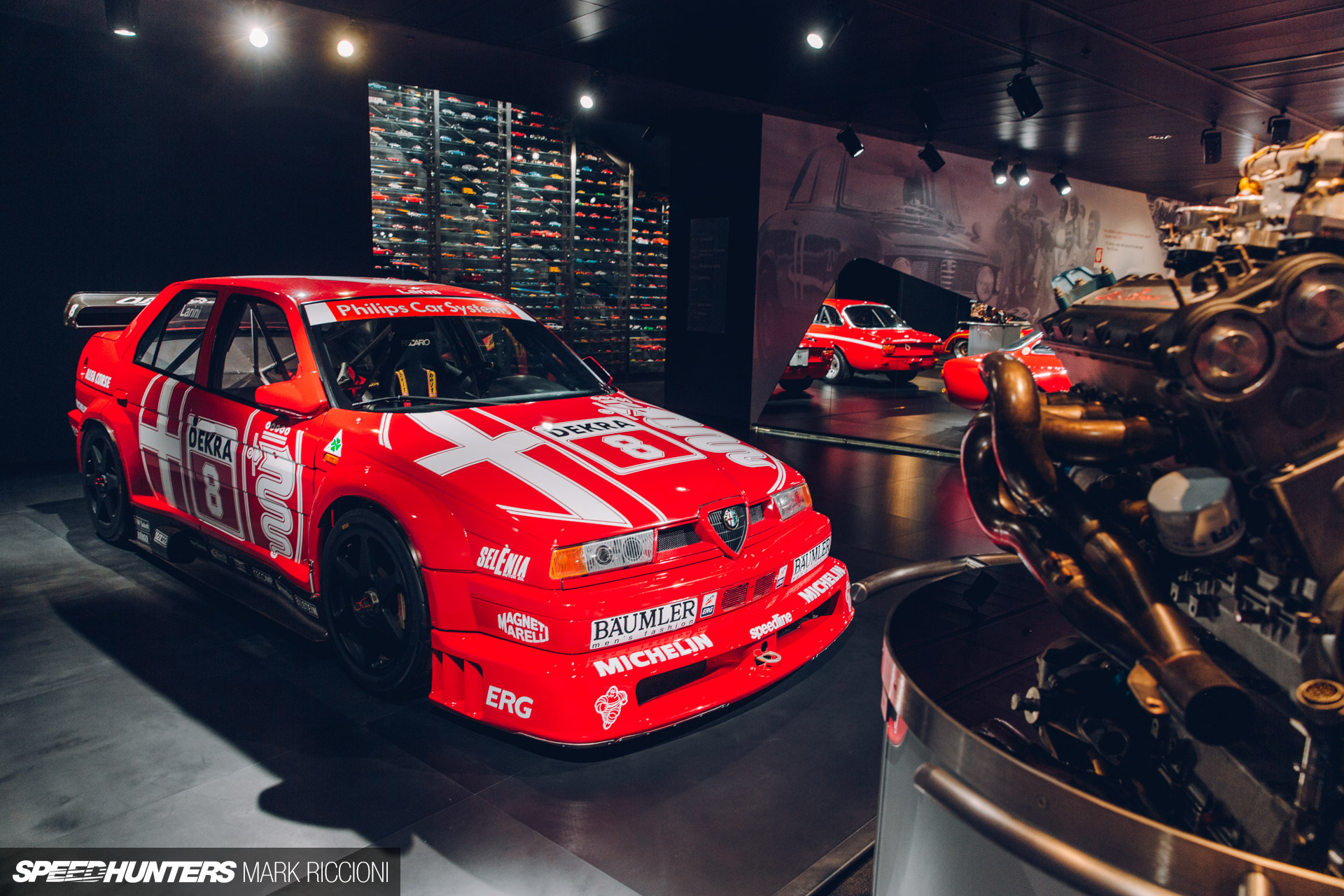
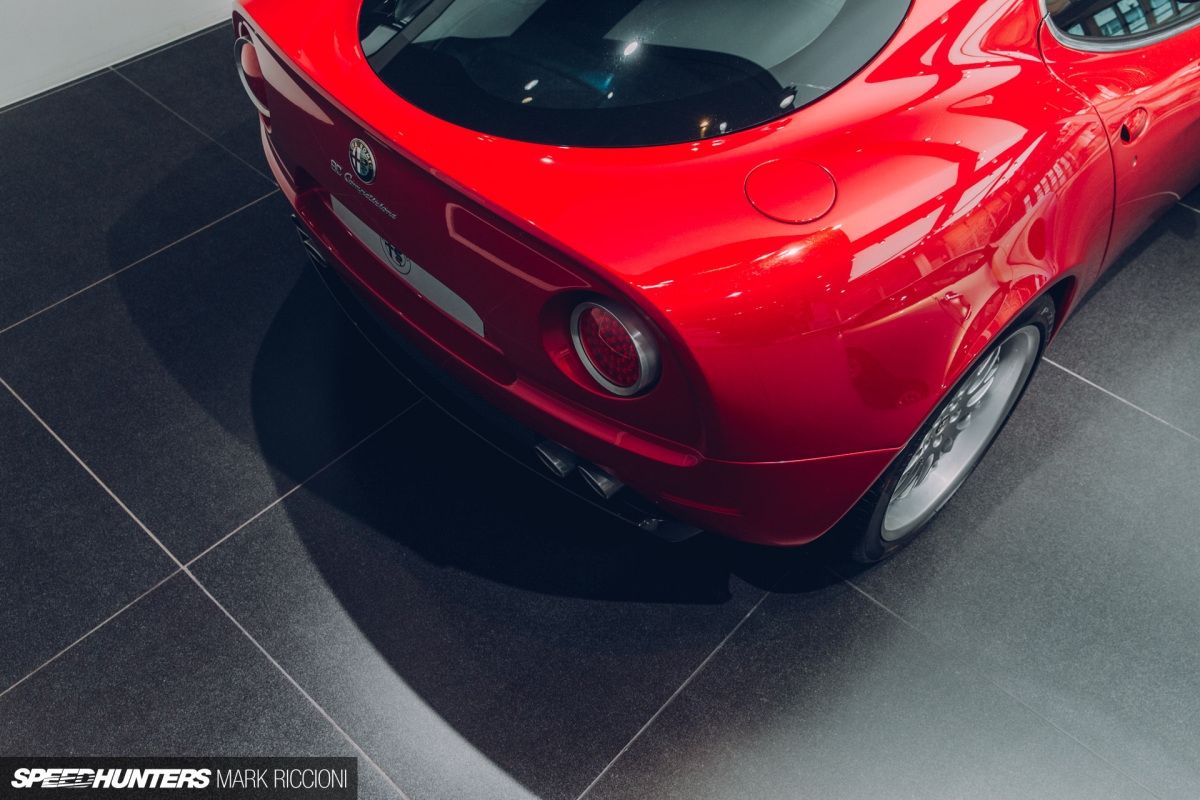
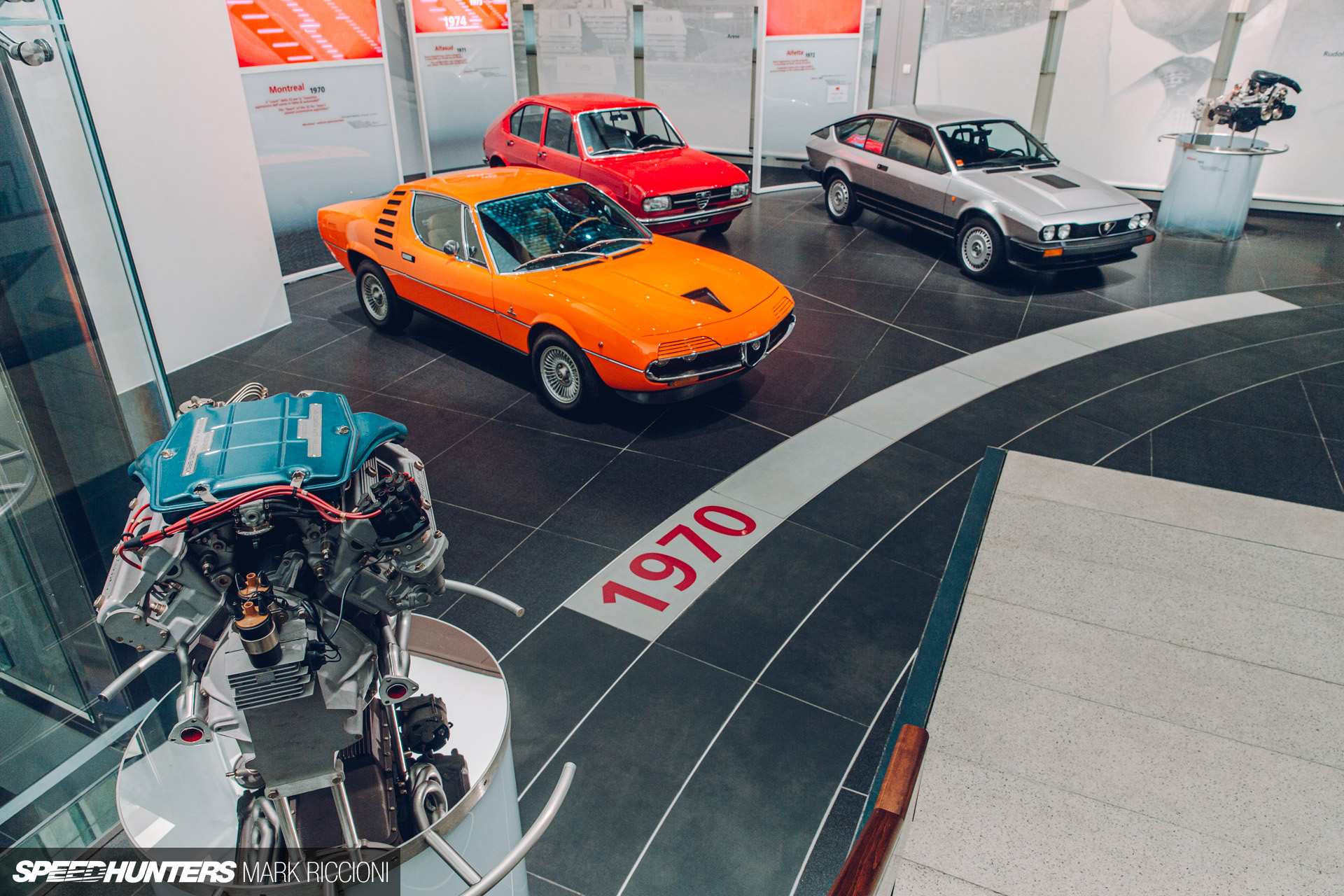
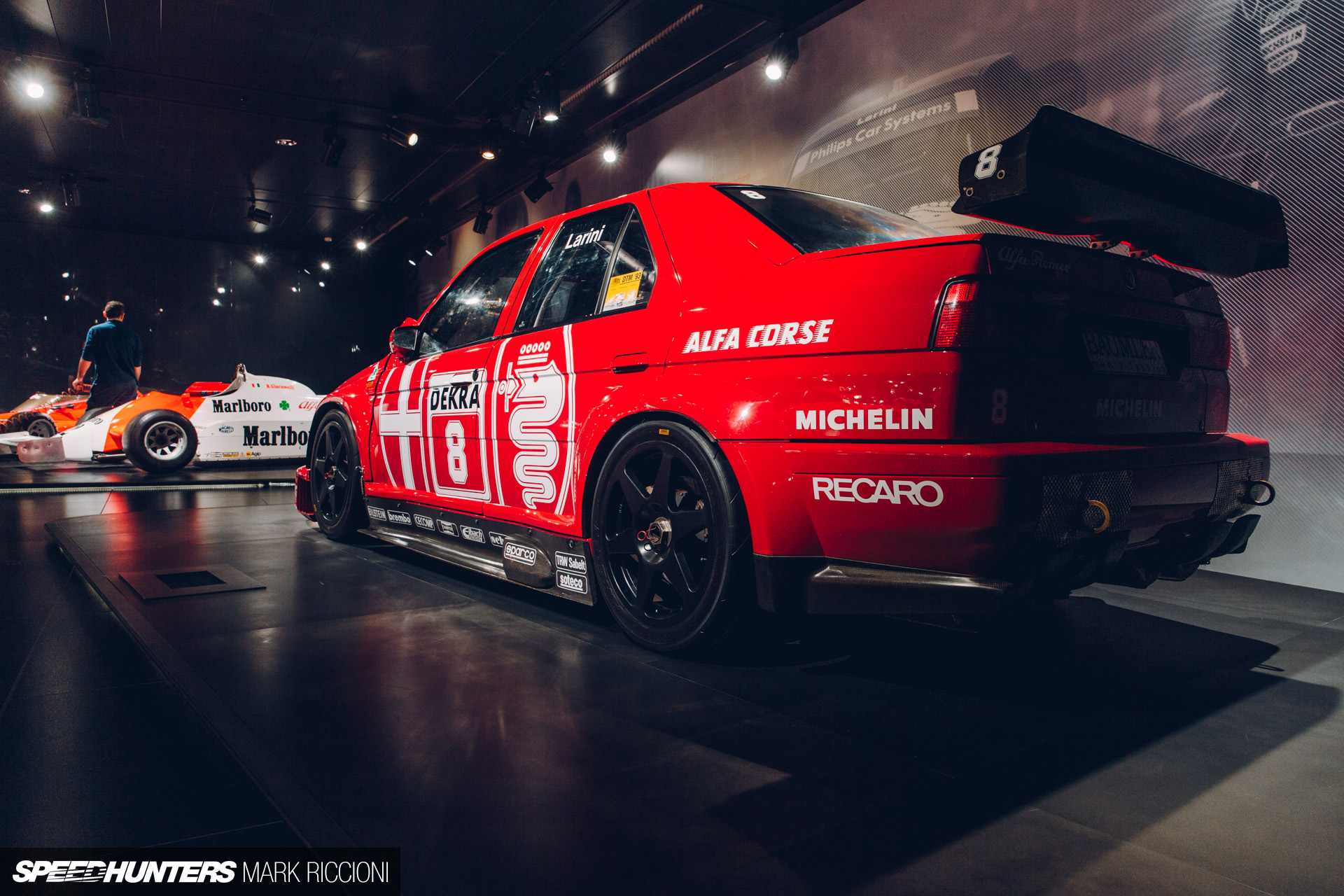
Still, there have been some soaring successes. There’s possibly the greatest production car engine in history, the Busso V6. There’s ultra-rare and drop-dead gorgeous 33 Stradale. Wild era-defining concept cars like the Carabo and Iguana. There are pesky hot hatches like the Alfasud Ti and 147 GTA, too. Beautiful coupes like the 8C and not so elegant, but still fascinating, SZ are clear highlights. And there are many motorsport wins in rallying, sports cars and especially touring cars, where Alfa can trace its success right back to the Giulia.
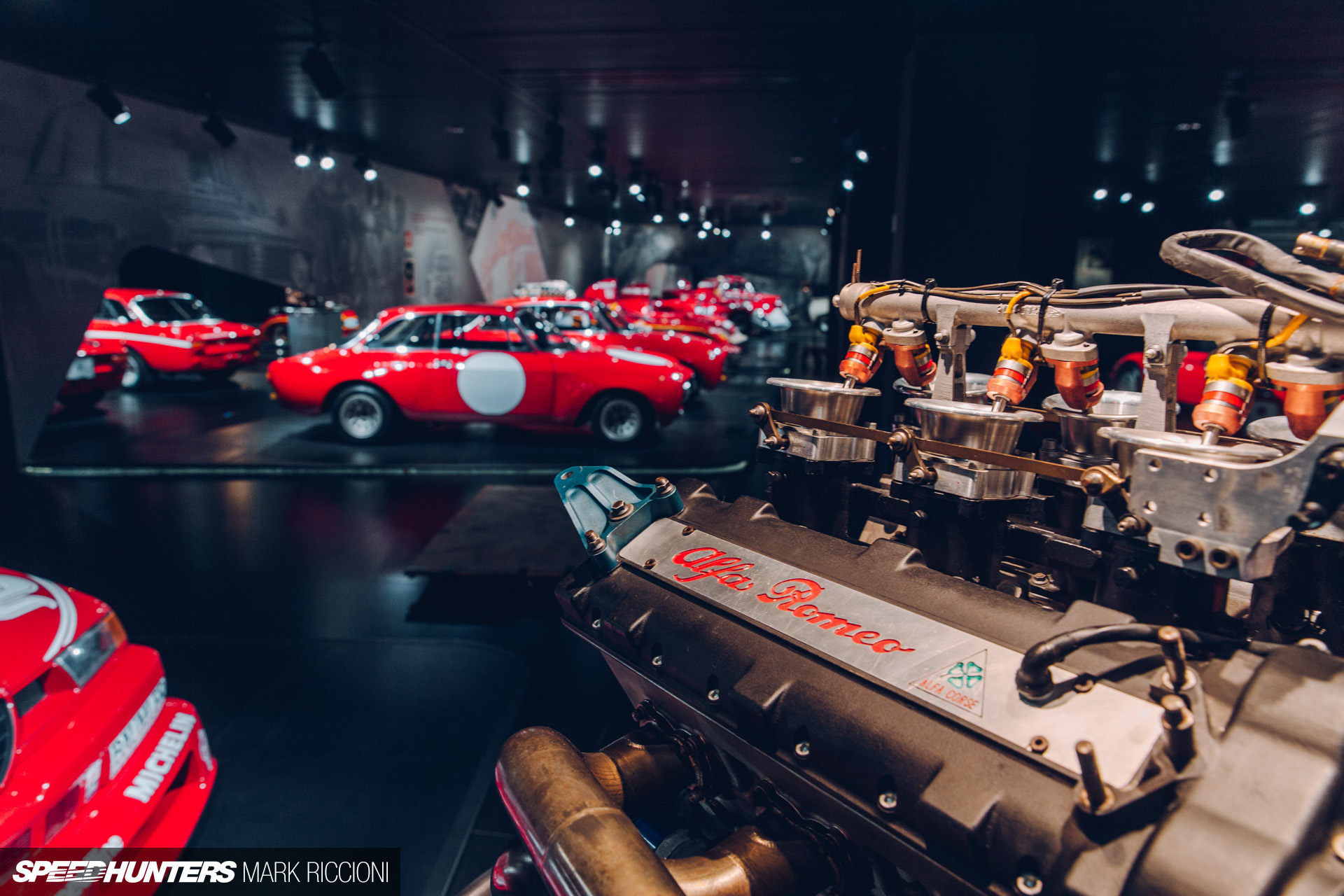
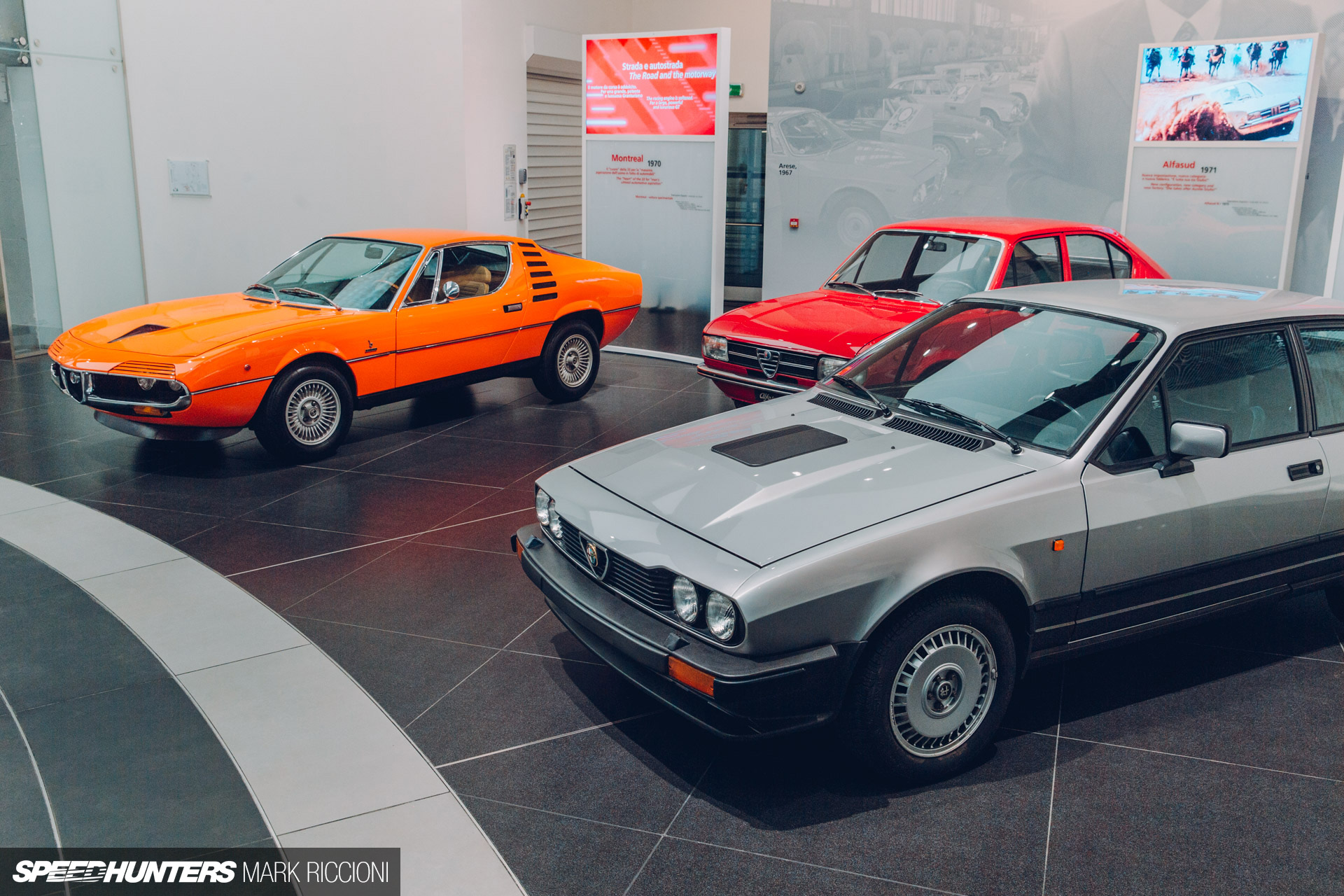
The Arese plant, just outside Milan, was built to construct the Giulia and GT and has been the home of Alfa Romeo’s official museum since 1976. Over a decade ago, Museo Storico Alfa Romeo was an odd place. Wonderfully, exceptionally odd. Its location wasn’t really advertised; you just had to find it in the abandoned city that was the old Arese plant. Then there was the entrance fee, which I think was based on what car you turned up in. If you were in an Alfa you just walked in; something else Italian or interesting and you left your passport as a deposit. What you were charged if you turned up in a dull car, I dread to think.
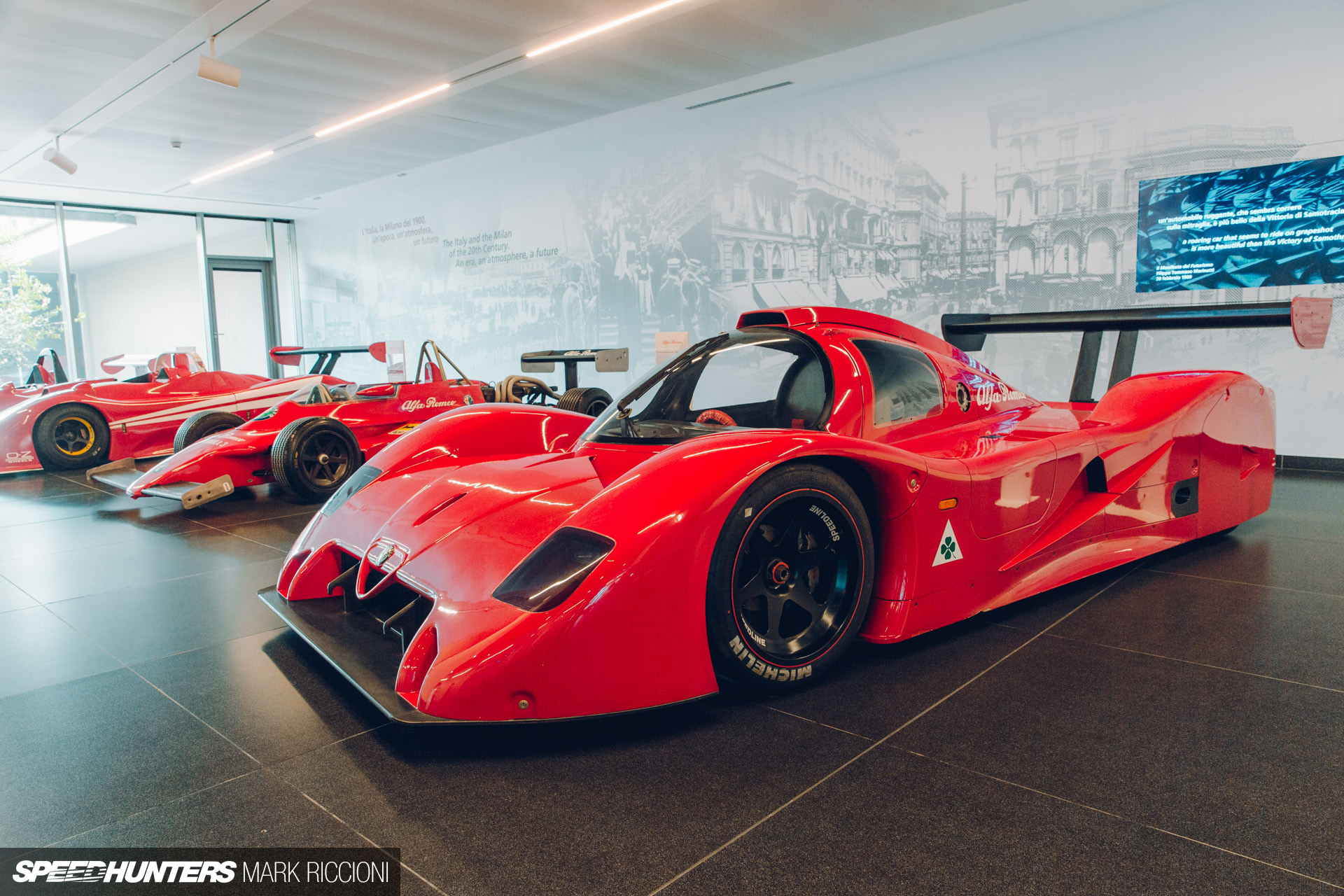

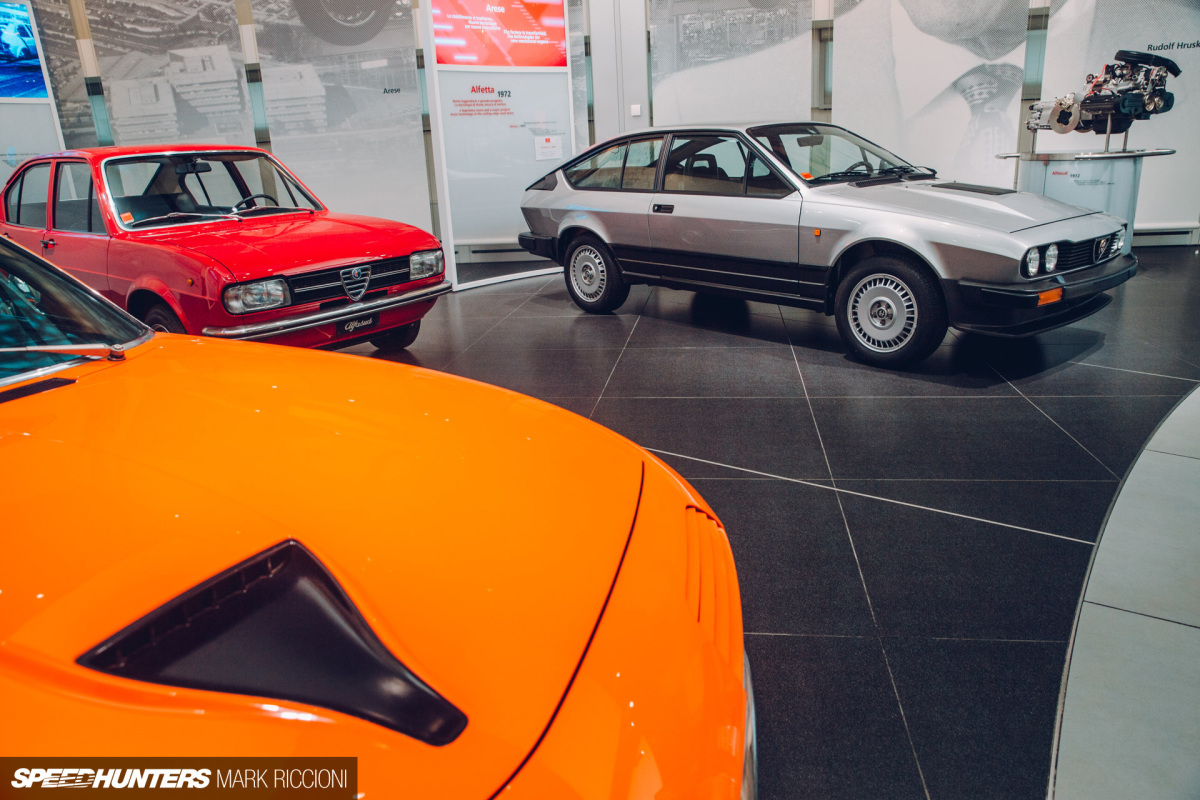
Beyond the initial judgement from the person on the entry desk, there were no other staff. And, probably thanks to its hidden un-signposted location, there weren’t a lot of other visitors either. Inside, it was like an old underground office and all the cars were all parked in dark corners next to funky graphics and old racing pictures. There was also a scant amount of information about any of the exhibits.
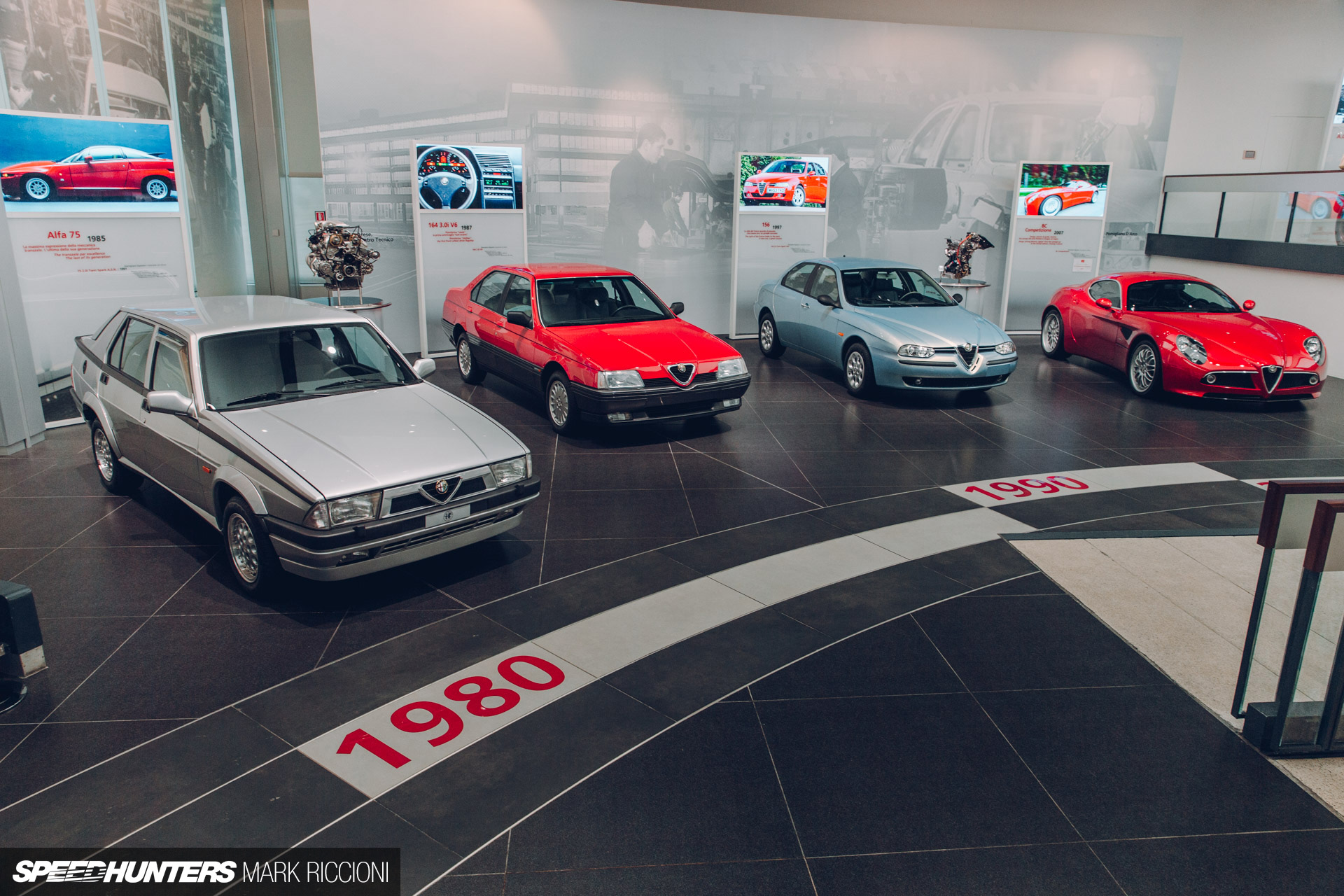
That wasn’t really an issue. The lack of personnel meant that getting up close to the cars was easily possible. Want to know what engine was in any particular car, just pop open the bonnet. What was the driving position like in a 1750 GTAm, just climb inside. I highly doubt opening doors and bonnets was part of the museum rules, but it meant you could find out exceptional amounts of detail and, I can assure you, it was all done with utmost respect and care.

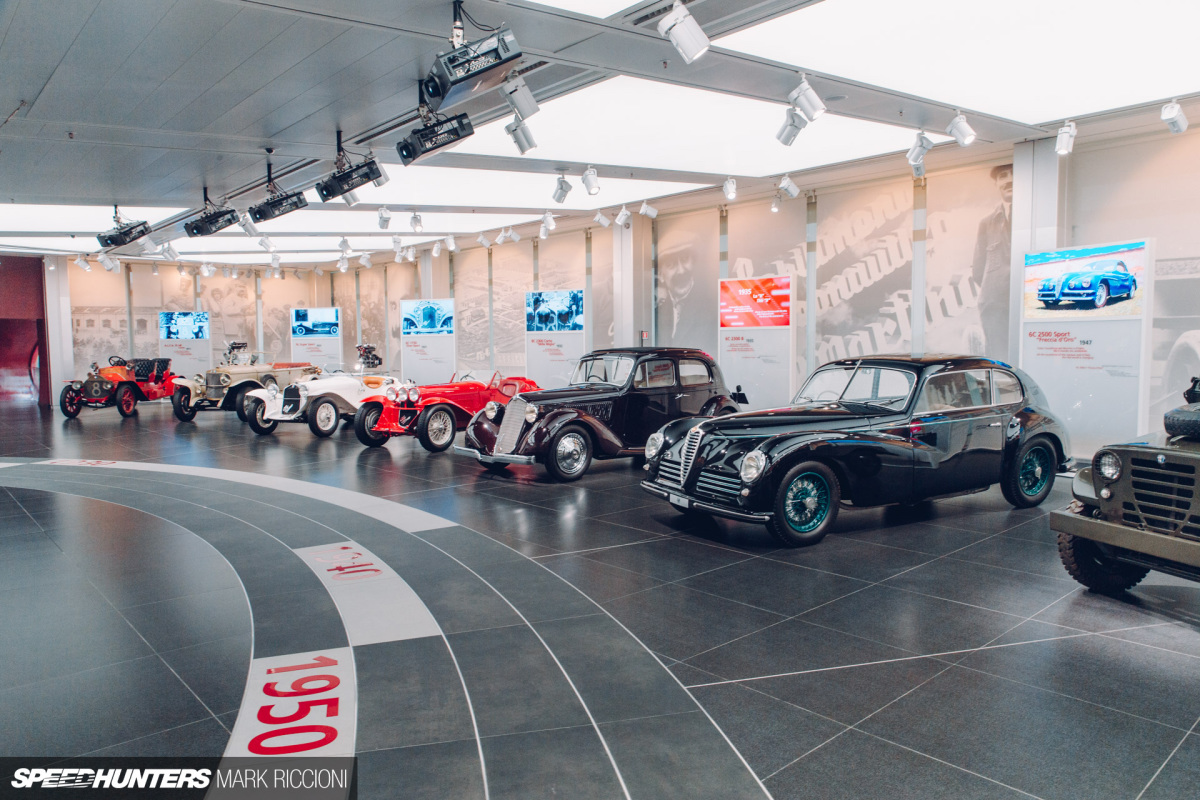
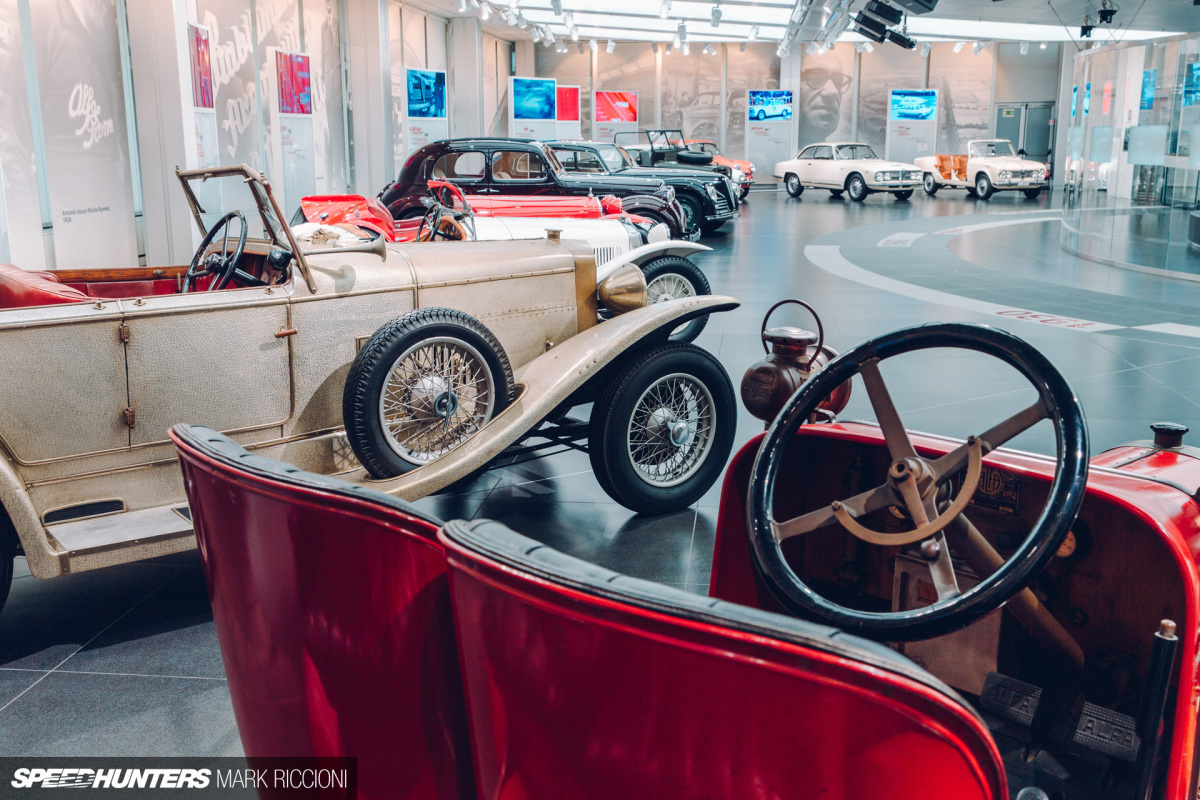
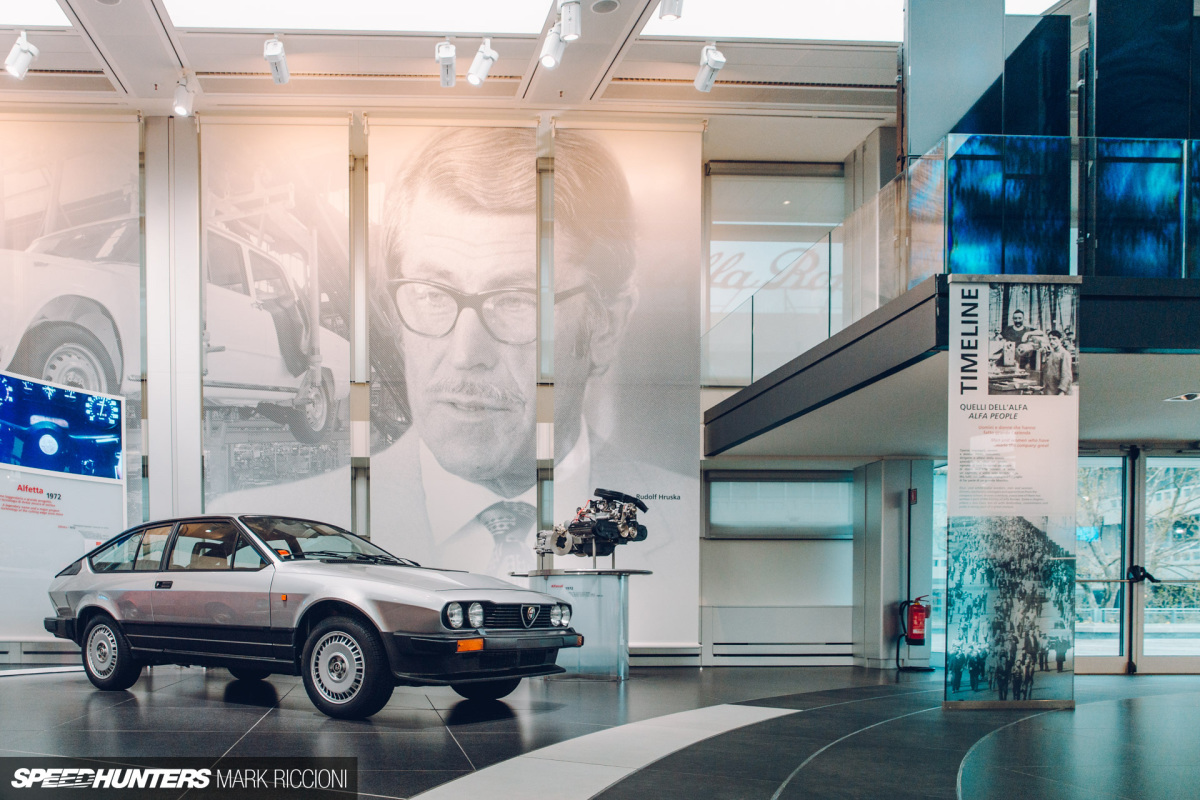
A new museum was opened in 2015; this one is actually suitable and prepared to accept visitors. Excellent if you want a consistent entry price, you want to actually learn about the history of the cars, and you want a bright and airy location to truly appreciate them in. Not so great if you want to poke around them without an angry Italian security guard chasing you out of the building.
Will Beaumont
Instagram: will_beaumont88
Photography by Mark Riccioni
Instagram: mark_scenemedia
Twitter: markriccioni
mark@scene-media.com