
Is the grass really greener on the other side? Or are they just using grass which suits that side better?
Whether it is indeed greener is definitely subjective and really depends on what you’re going to use the grass for. You wouldn’t want to exercise your dog on a synthetic lawn, and you’d be out of your mind to play rugby on Creeping Red Fescue. But that wouldn’t stop you from pawing over the latest issue of Turf magazine and drooling over some premium Emerald Zoysia Grass, would it?
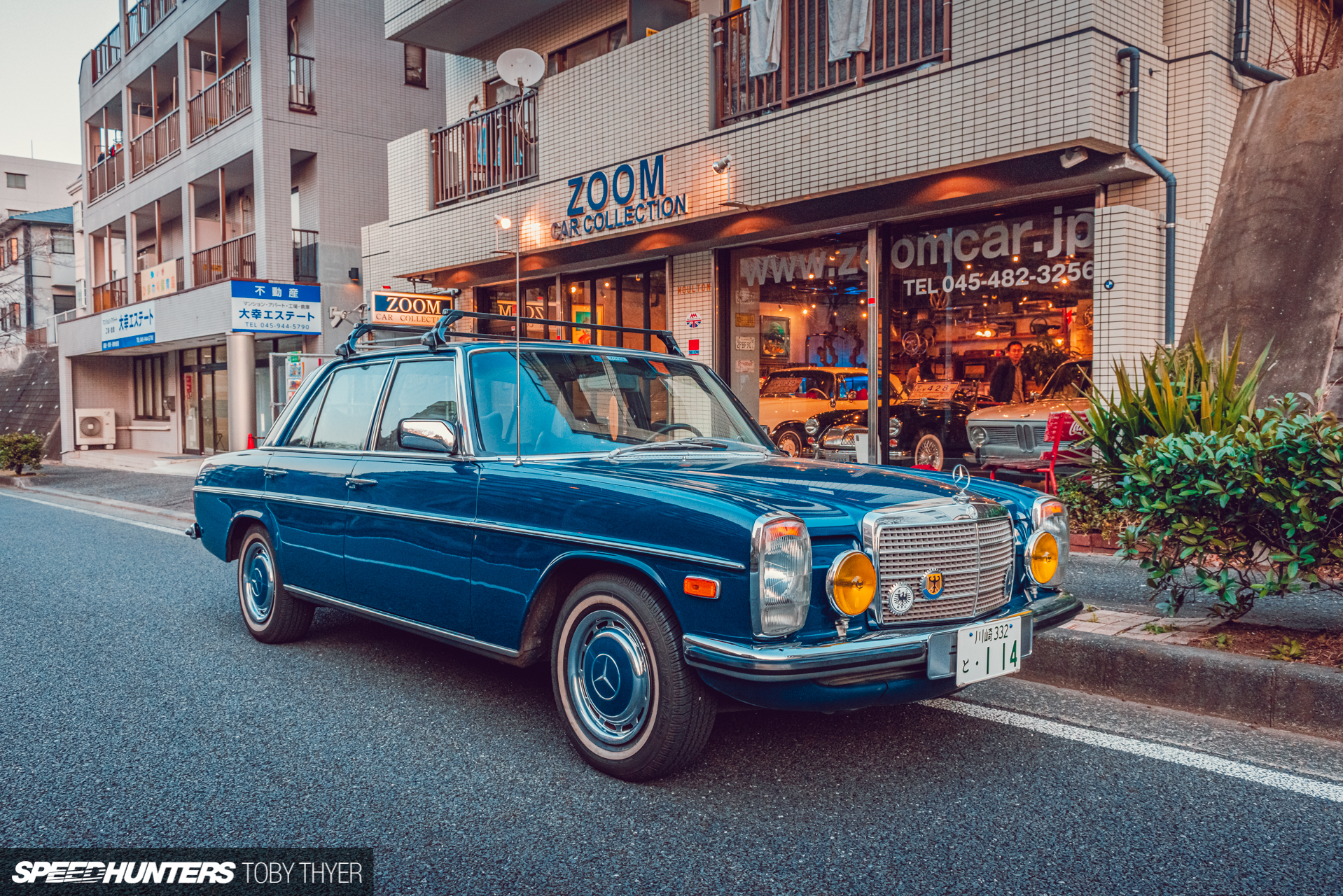
Oh, are you not into that kind of thing? In that case, let’s take a look around Yokohama-based import car specialist Zoom Car Collection, and see if foreign cars really are greener on the other side.
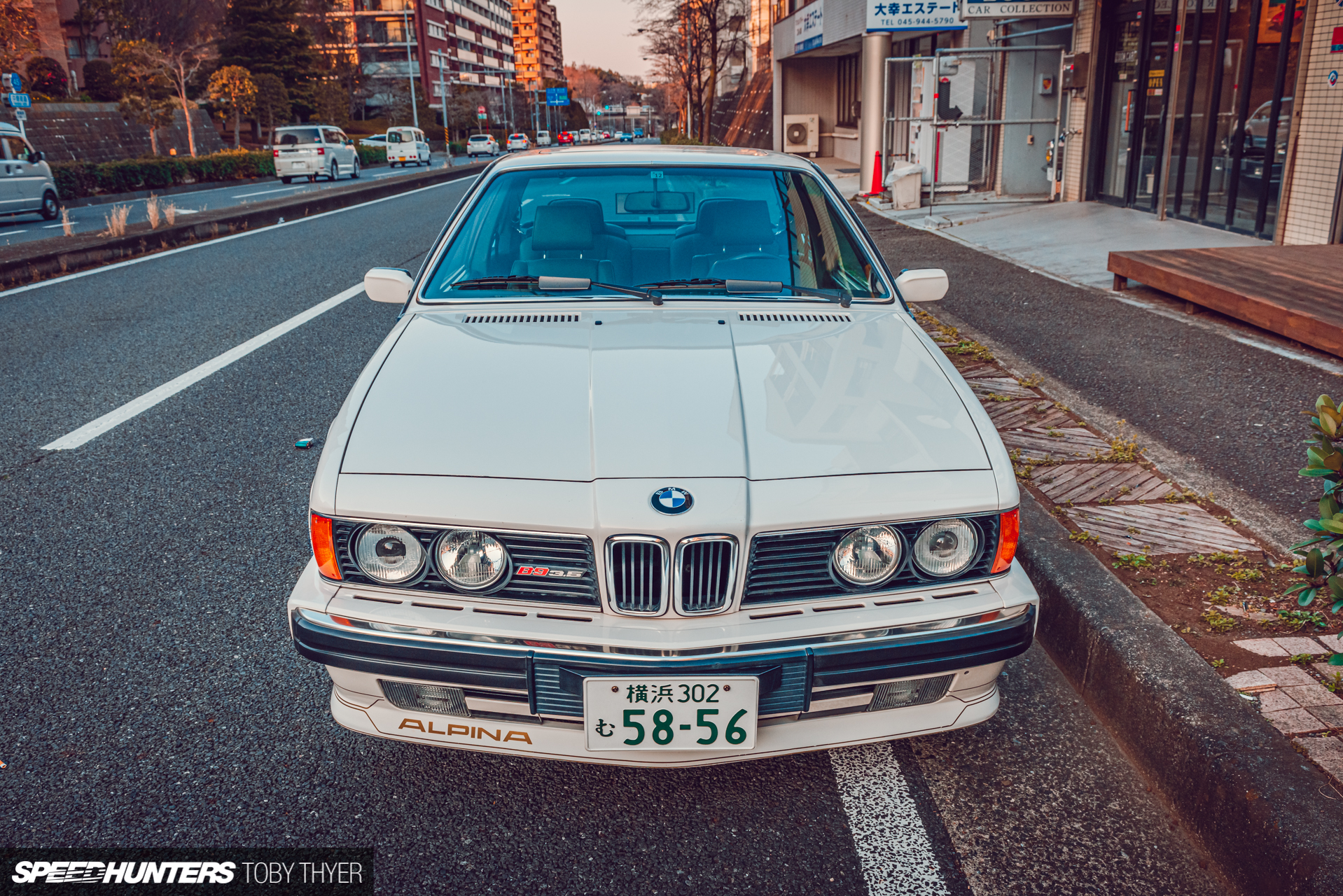
Are these cars better because they’re faster, more reliable or more beautiful? Do we only lust after them because they’re different? Or perhaps because they might be rare or unattainable domestically? In Japan, it’s fair to say that foreign cars – both new and old – are seen as a symbol of prestige.
Of course, true enthusiasts love a BMW Alpina like this B9 3.5 for a multitude of reasons: The styling is tough yet elegant, it’s built like a tank, and being rare bragging rights are high. This was a Zoom customer car, and the owner had just popped in for a coffee.
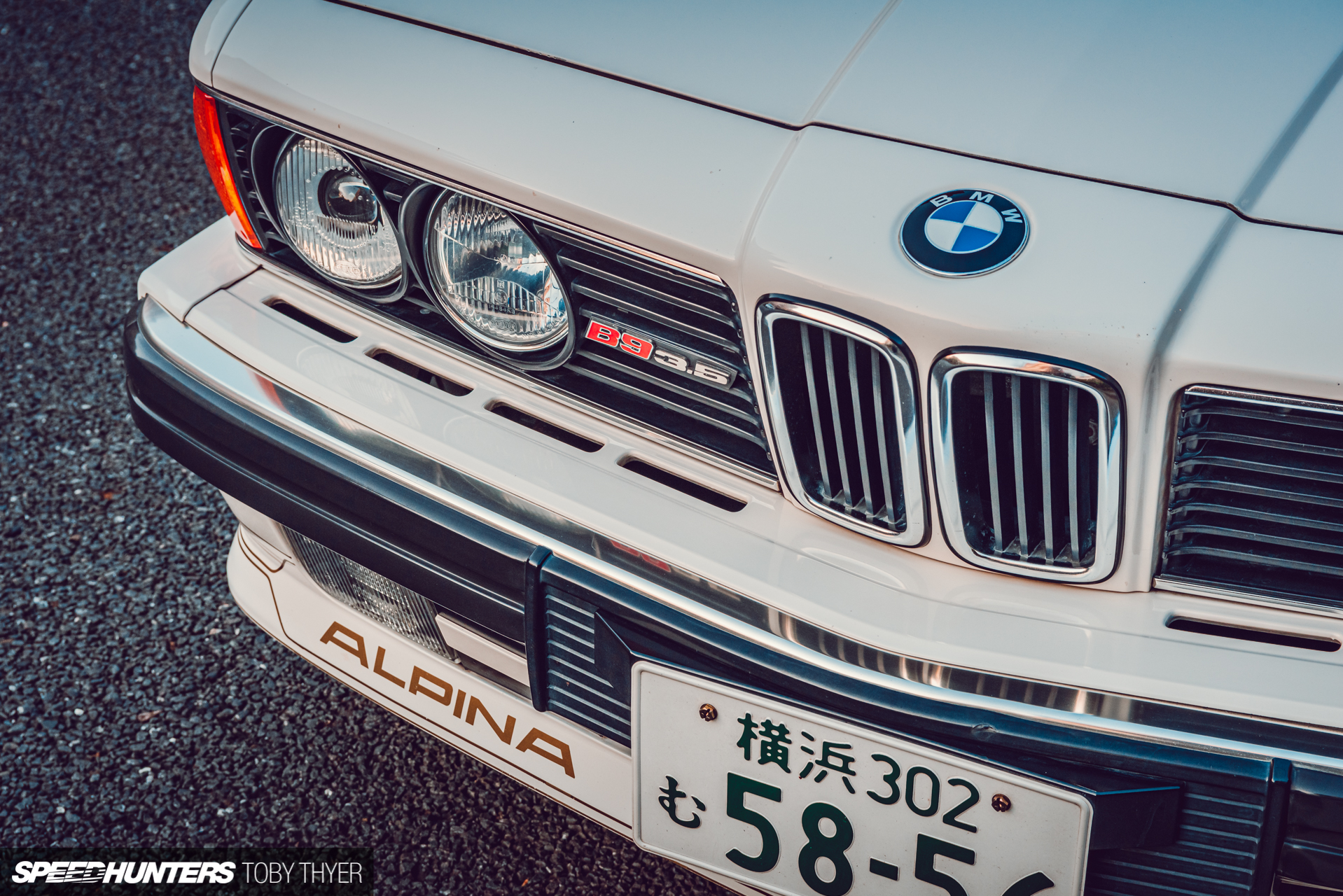
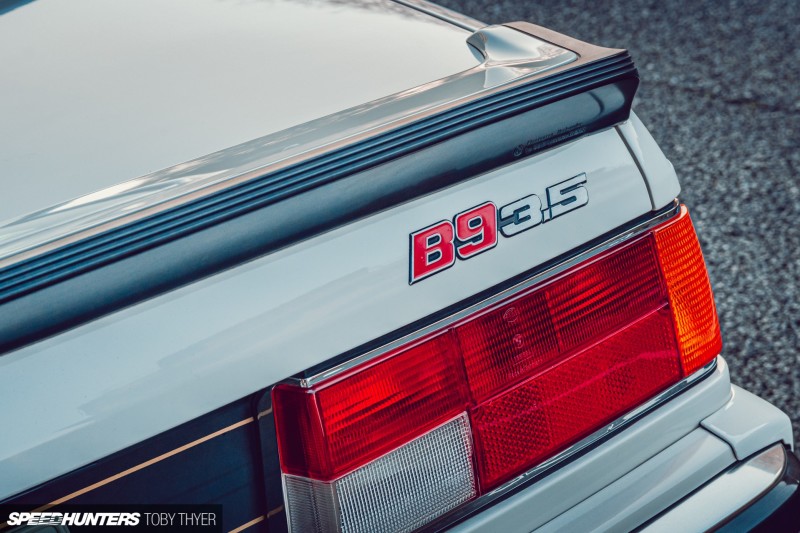
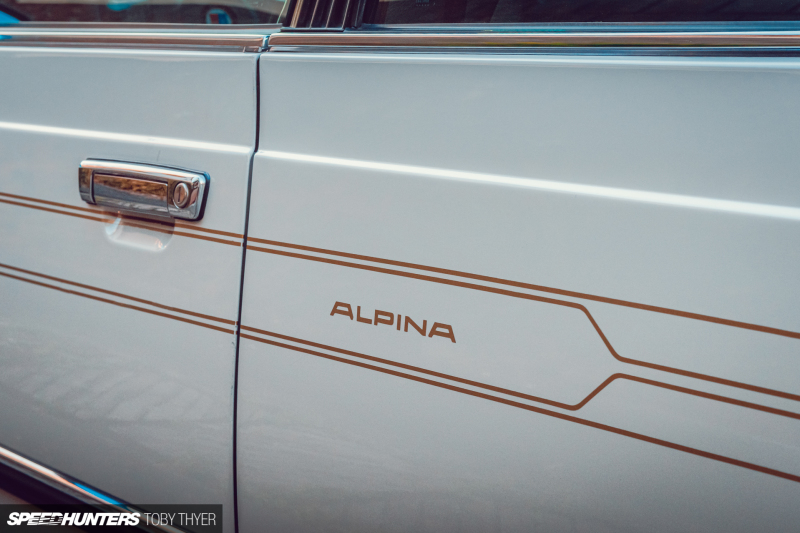
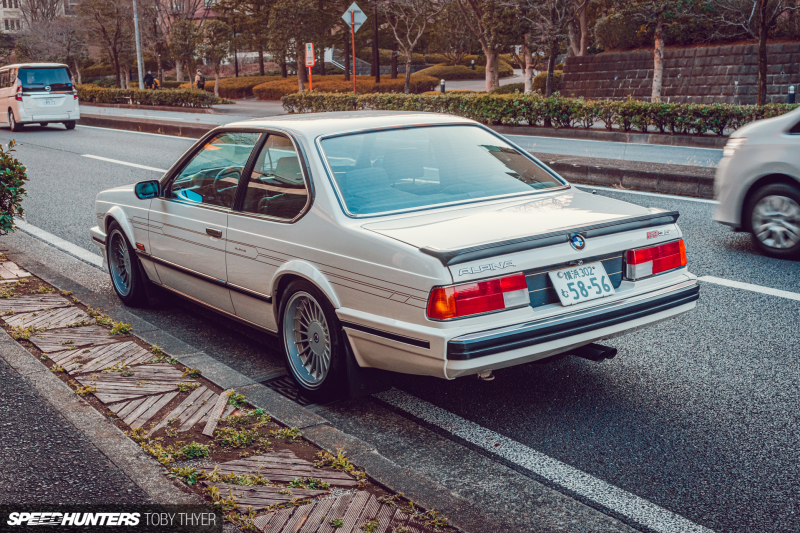
Initially, I was going to say that you would have to be barking mad to drive this big German tank around Tokyo, and that Japanese cars are more suited to Japanese roads. But while that may be the case for modern saloons, this German coupe actually fits right in.
To prove my initial point, I also had an idea to compare the B9 to the Japanese equivalent of a late-’80s grand touring comfort coupe – the Toyota Soarer Z20. But when I checked the body specs for both cars, I found the BMW to be only three inches longer and the same width as its Japanese counterpart. Well there goes that theory.
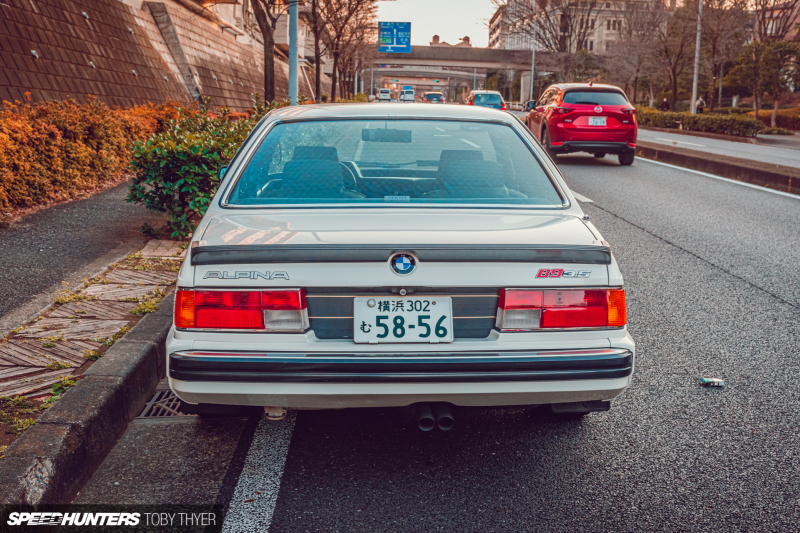
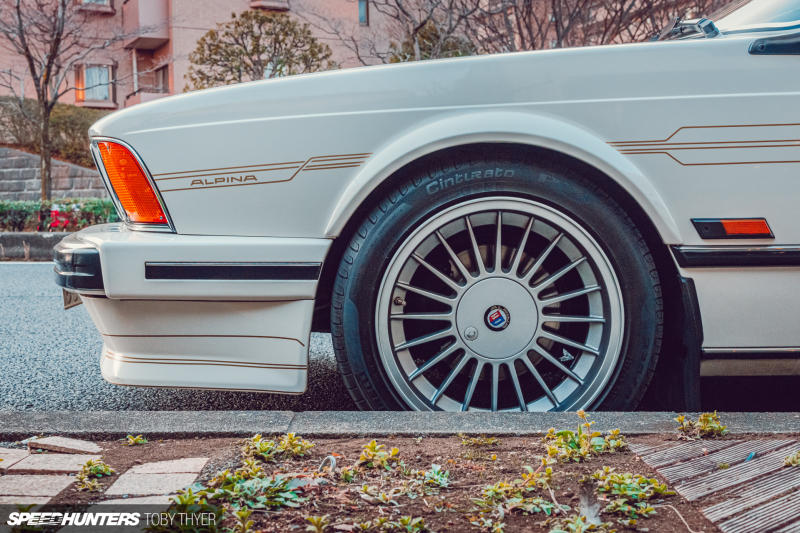
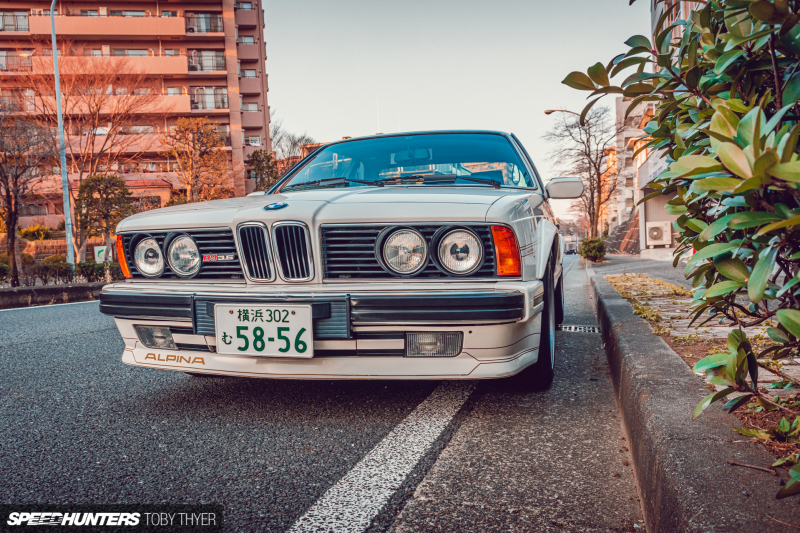
The plush leather interior of the B9 coupe adds to the 100kg weight disadvantage it has over the Z20 Soarer though, and that is quite a lot considering the stock power outputs of these two cars are near identical.
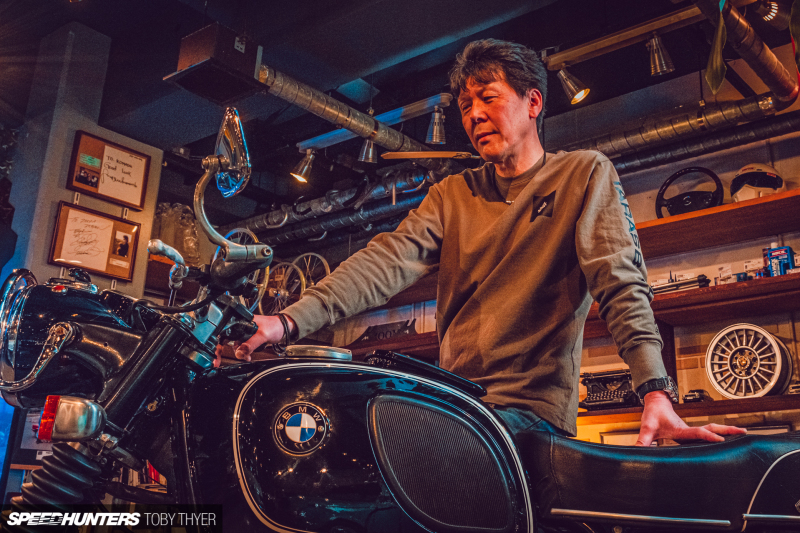
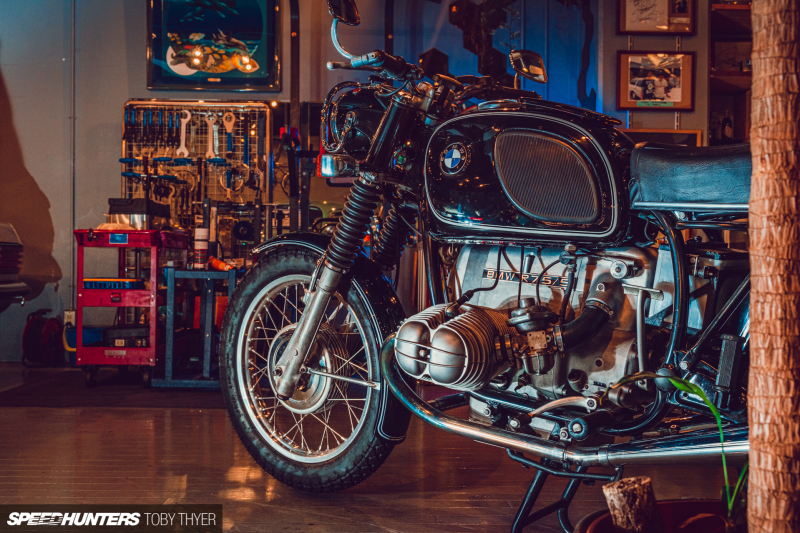
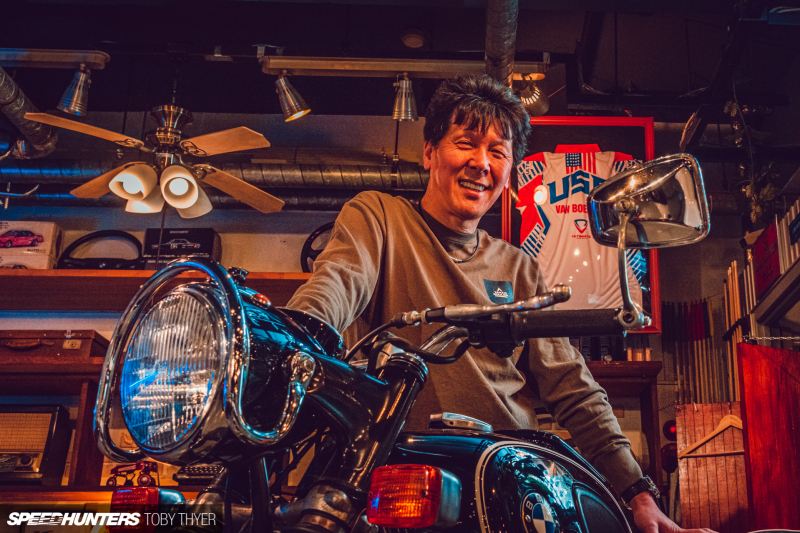
Mitsuo Komada, the owner of Zoom Car Collection, has a small but charming collection of European classics, and I was interested to find out why he chose to specialize in these sort of cars. The shop is full of parts and memorabilia, and Komada-san didn’t hesitate to pose behind this 1972 BMW R75/5 LWB.
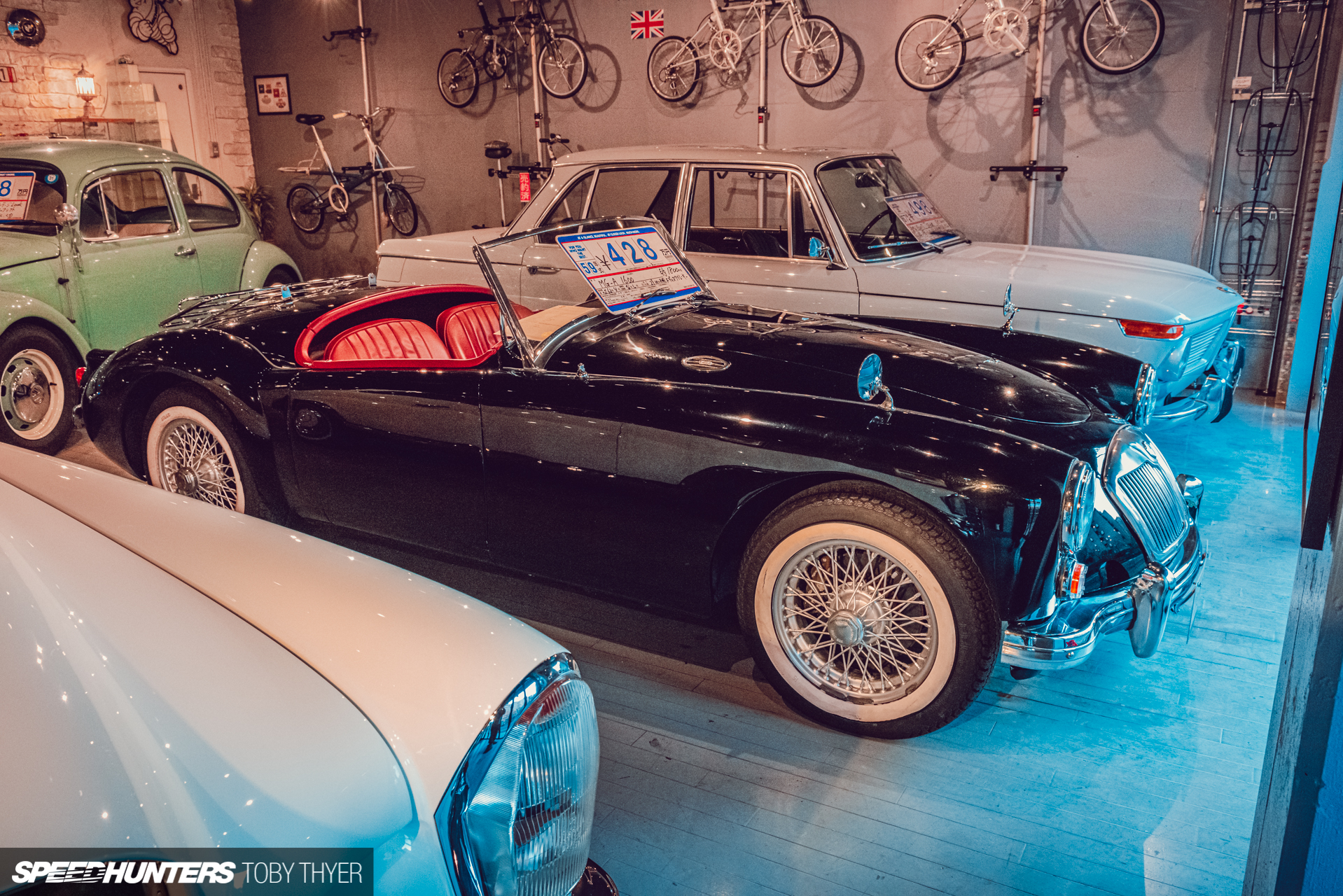
While I couldn’t get an exact answer as to why Komada-san is so in love with European cars, when he began showing me around this pristine 1959 MG MGA Roadster his gentle touch and boyish enthusiasm made it very clear.
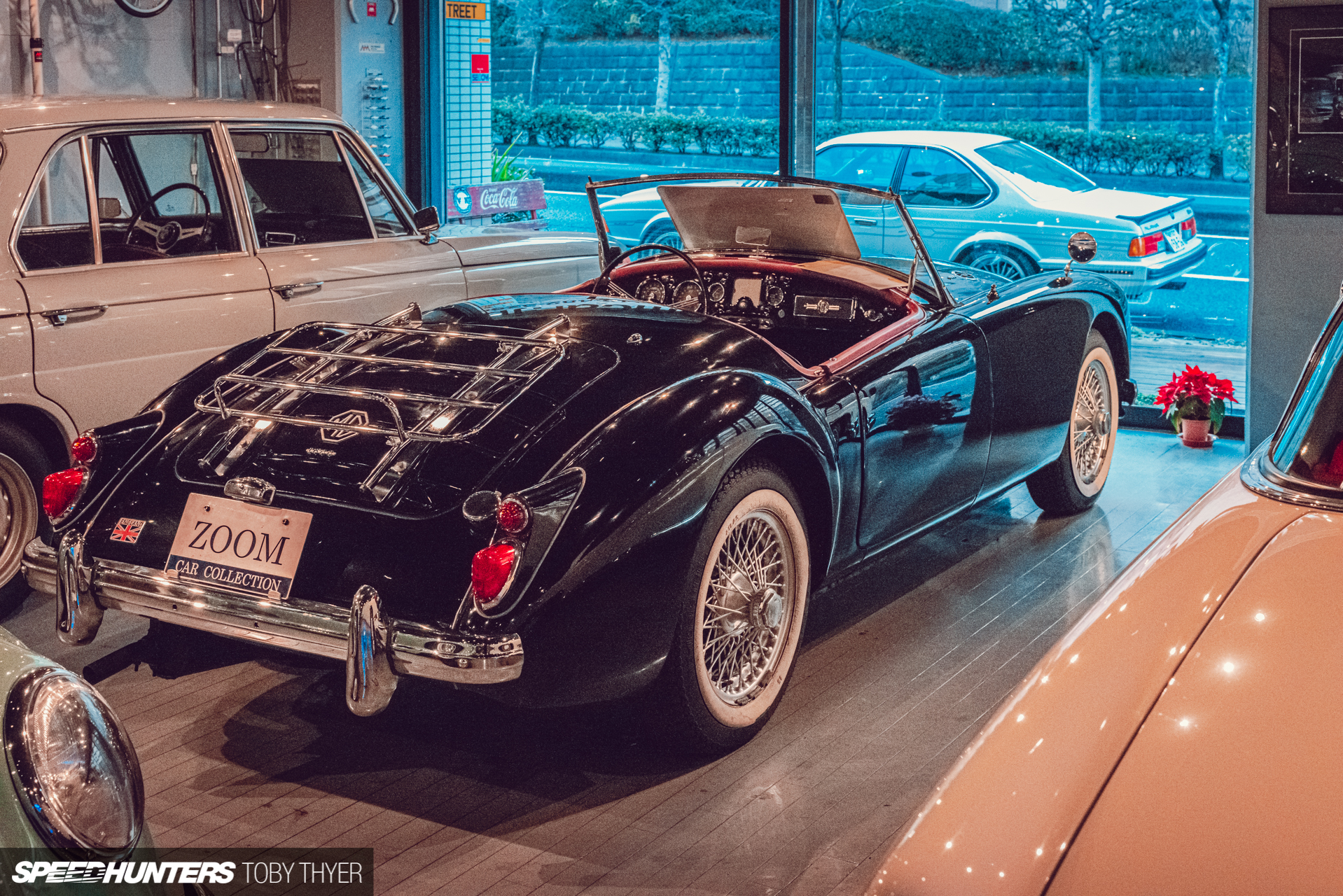
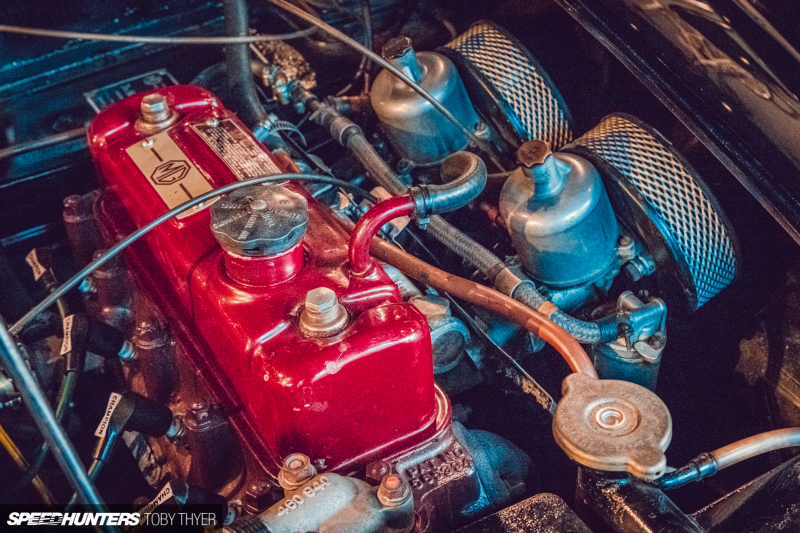
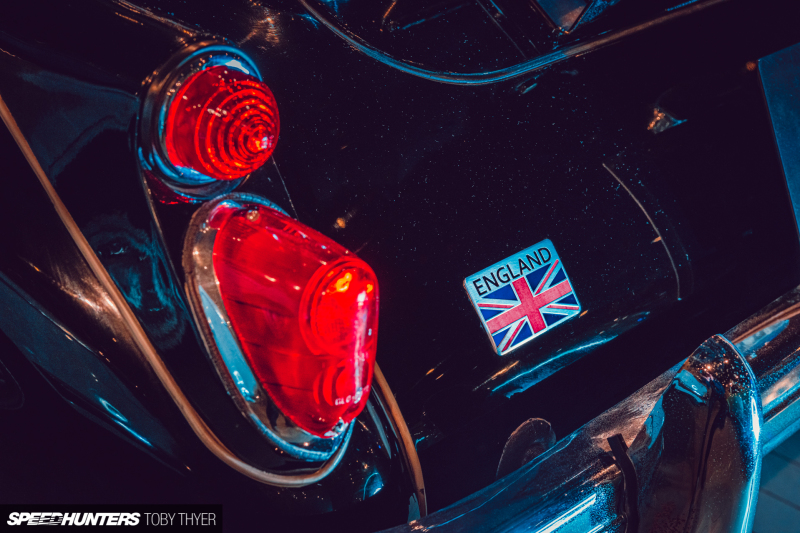
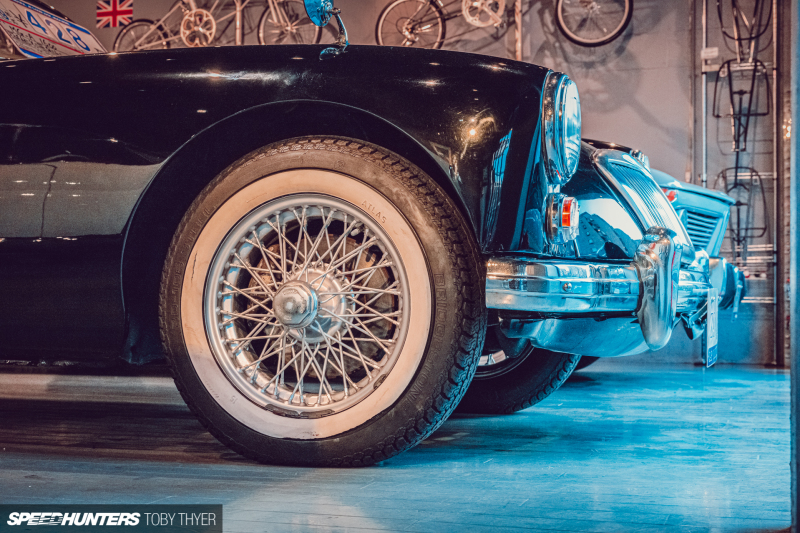
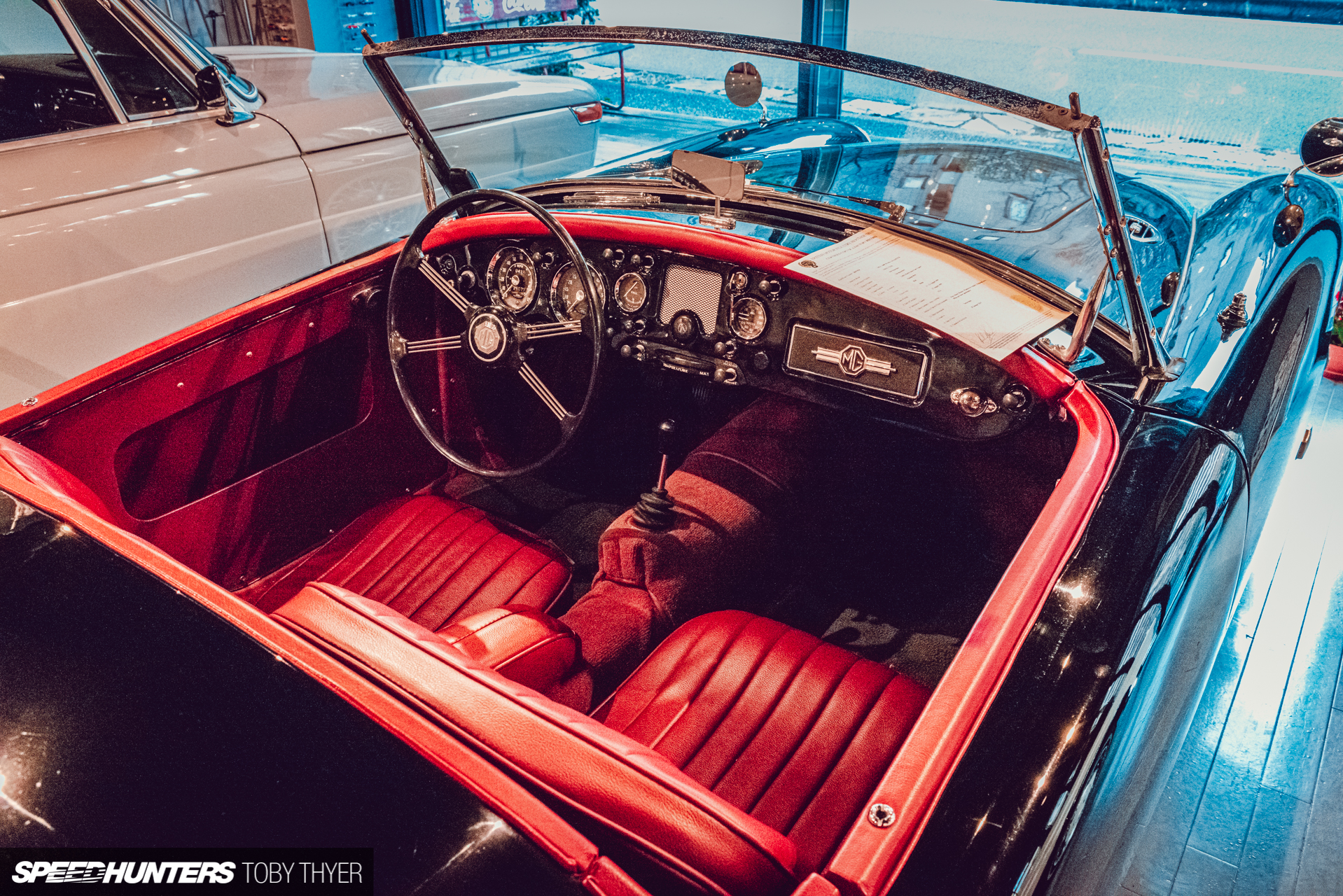
He guided me through the MGA’s certified MGB 1,800cc engine swap in detail, and while much was lost on me (mostly because of my limited Japanese), I could see that he really loved the mechanical side of these exotic time machines. I’m sure there are differences in technologies which, if you like that kind of thing, can be immensely exciting and enlightening.
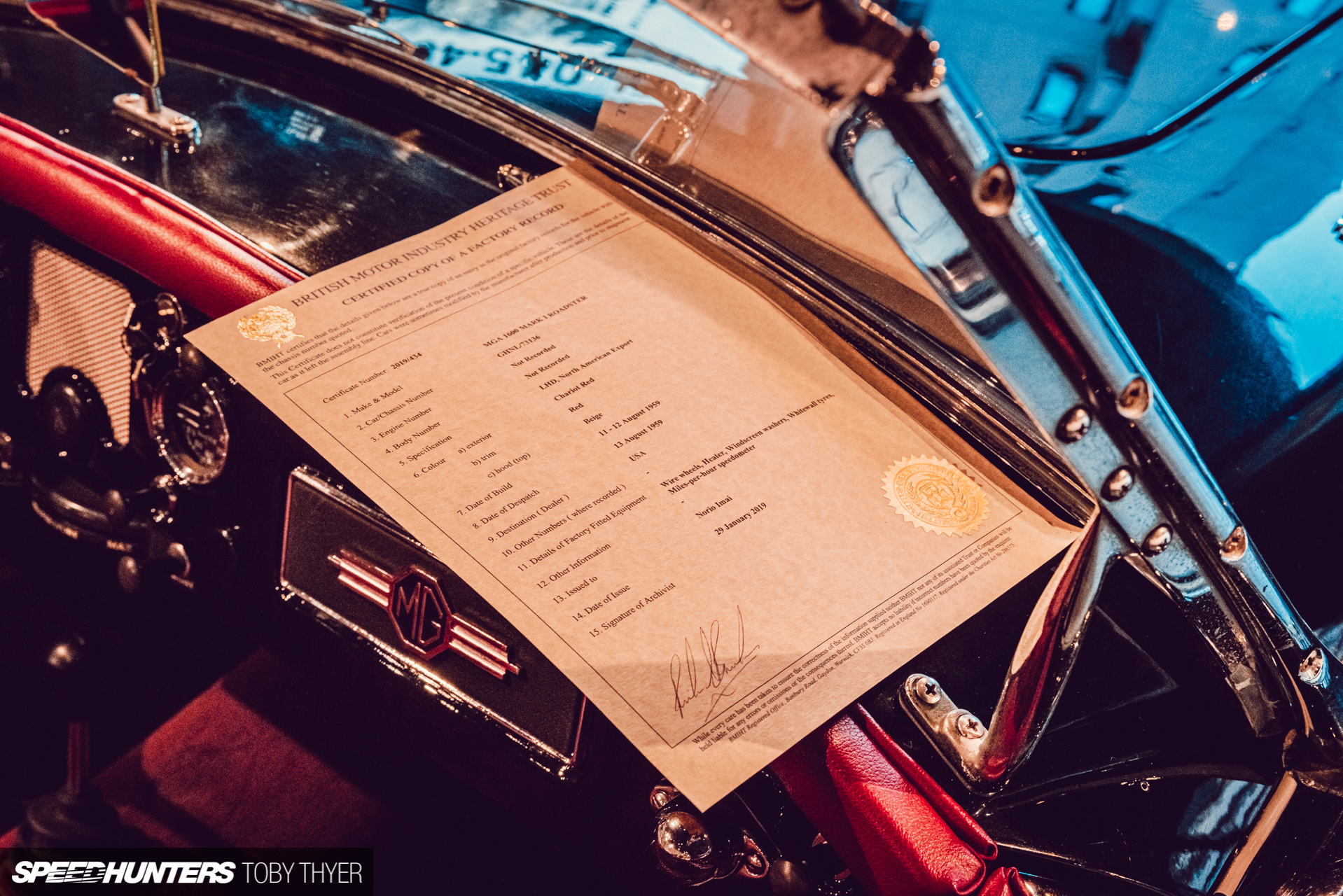
This MG even has a certificate of authenticity from the British Motor Industry Heritage Trust, which is prestigious indeed. This is undoubtedly a beautiful car, but I can’t help but think the body work is a bit bloated compared to the delicate lines of the Datsun 2000 I found last month.
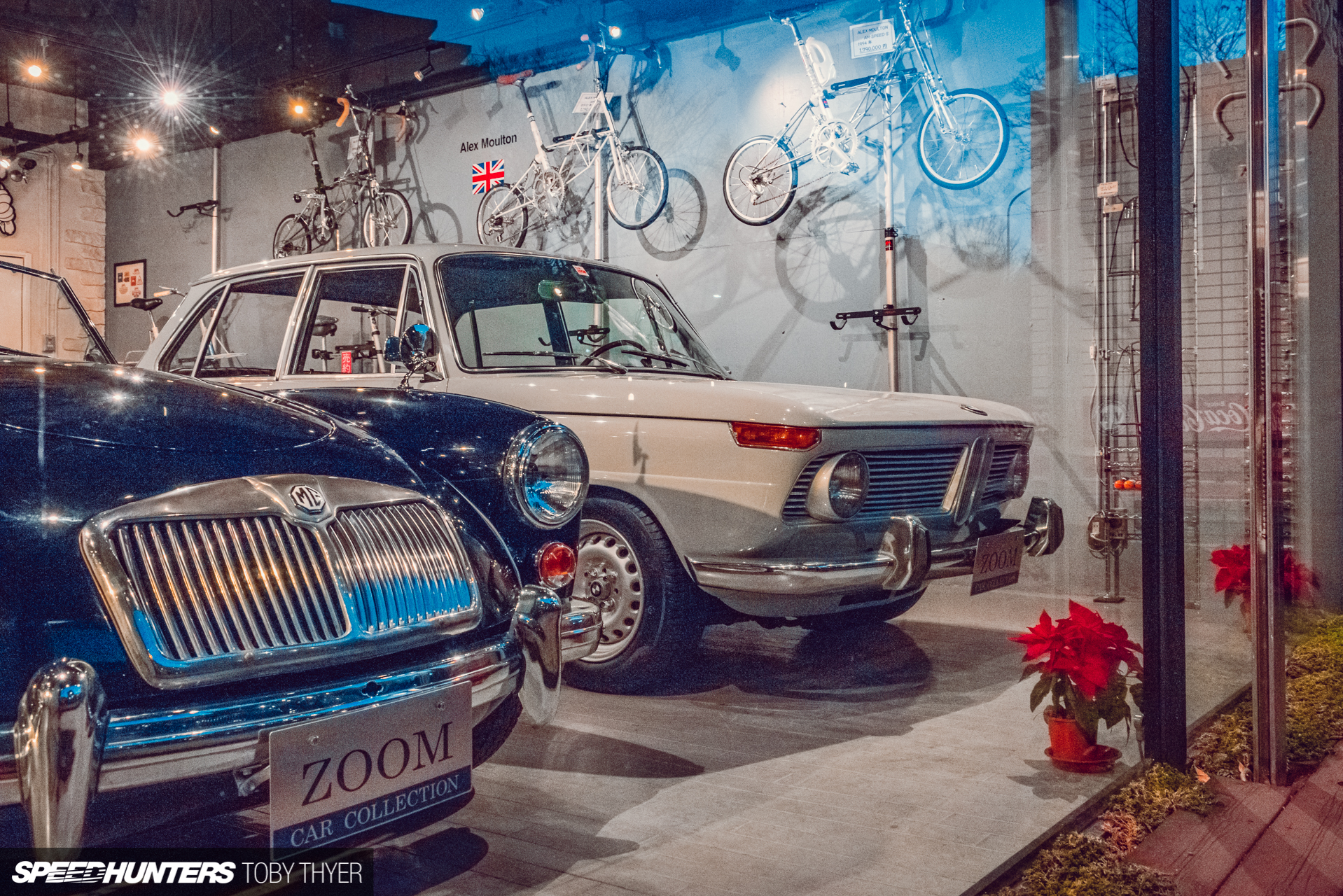
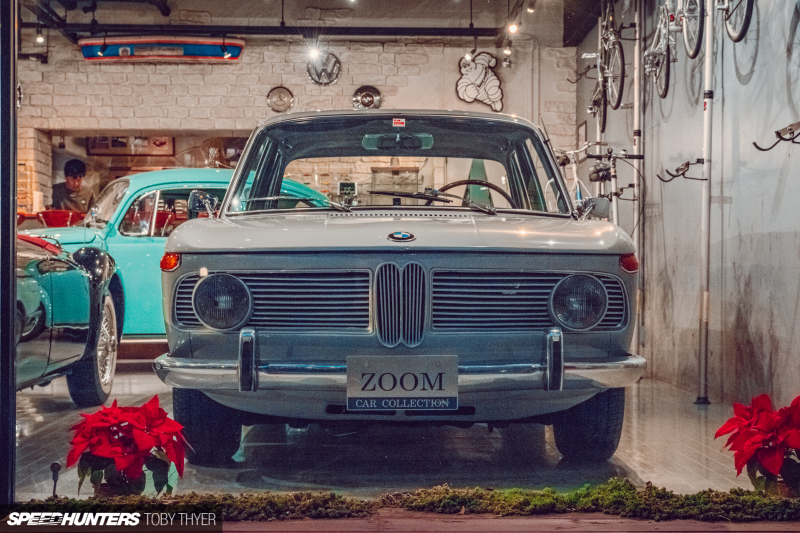
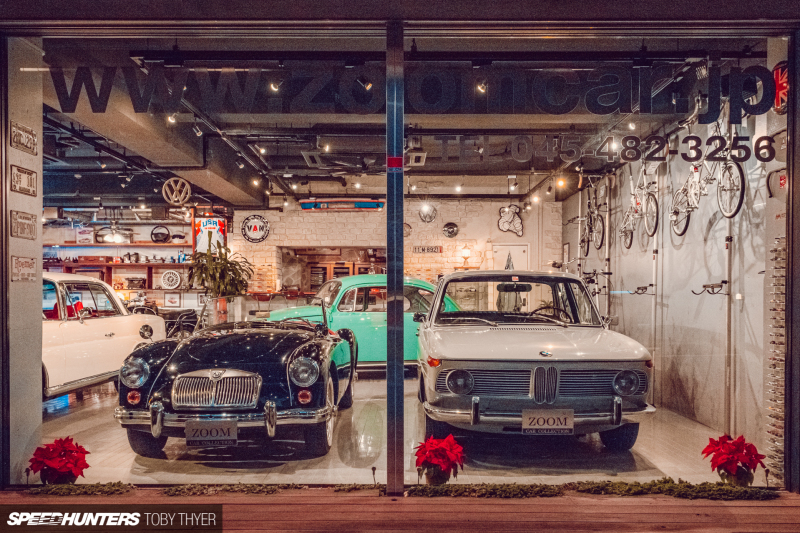
No European car collection would be complete without something from BMW and this rare 1967 1800TI was a welcome sight.
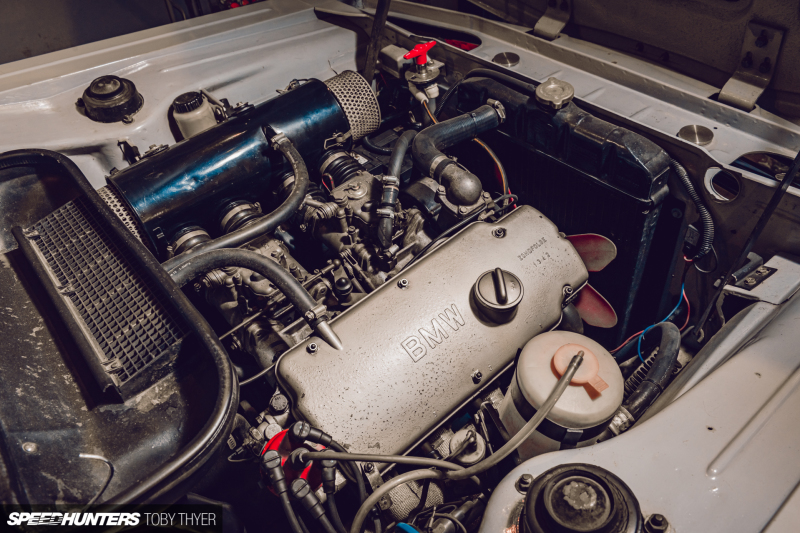
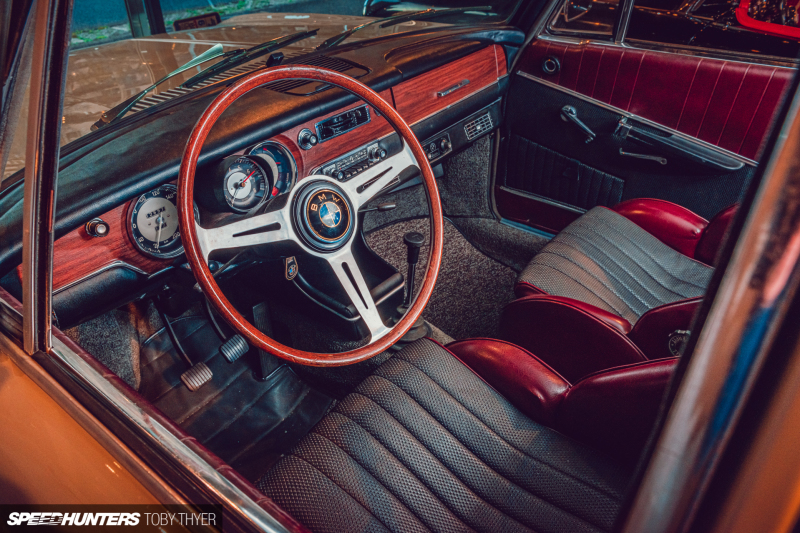
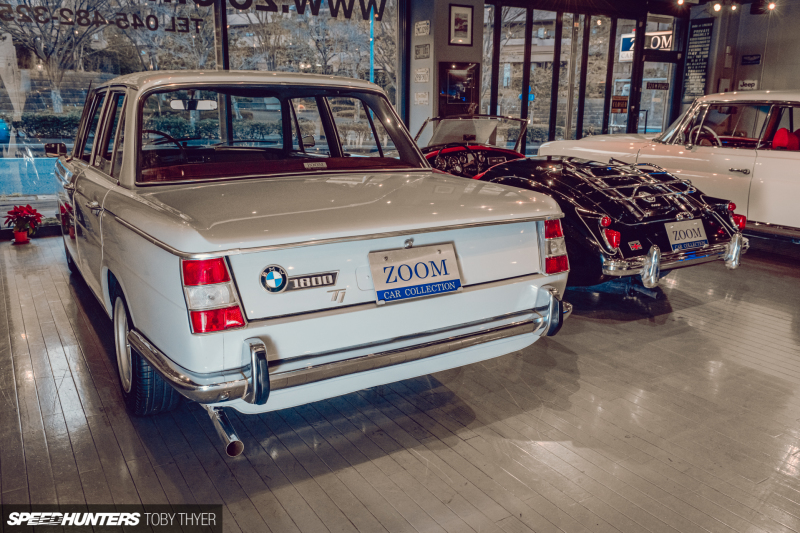
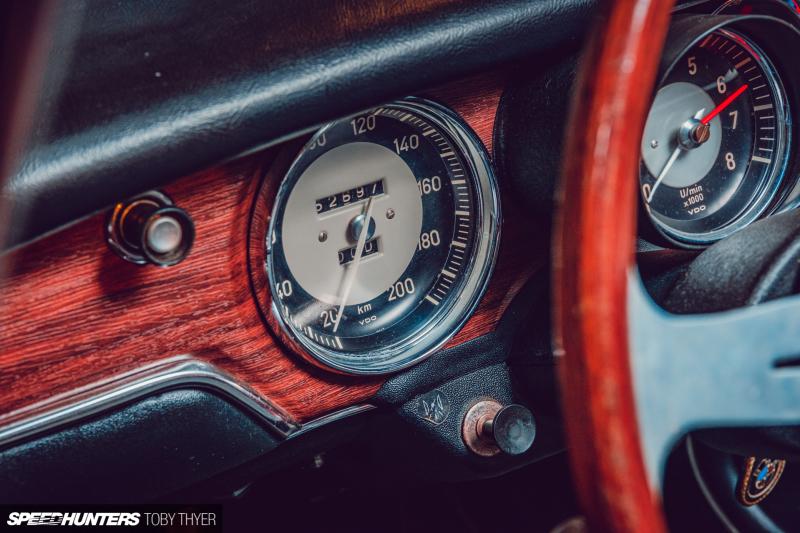
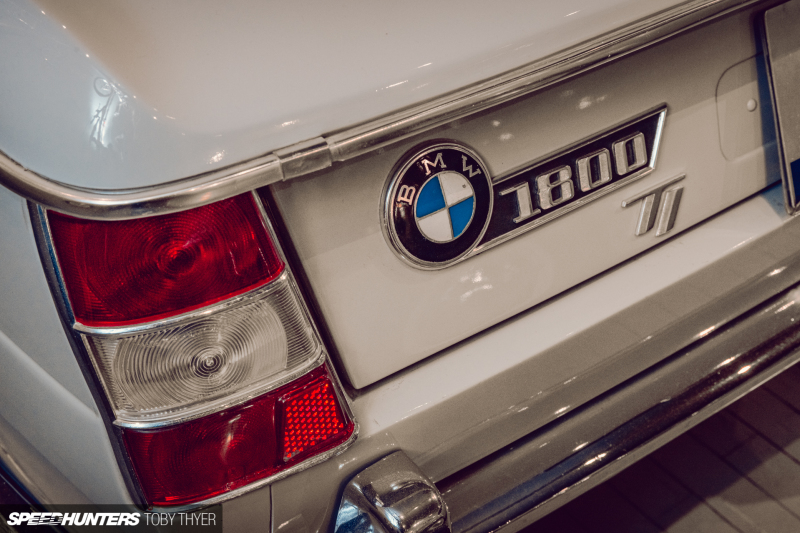
When this family-sized saloon was introduced in 1963, it offered German drivers sports car power in a classy package, winning races on Sunday and commuting to work on Monday. It did remarkably well in rallies of the time, winning the German championship in 1964 and leading lap times at the Nürburgring.
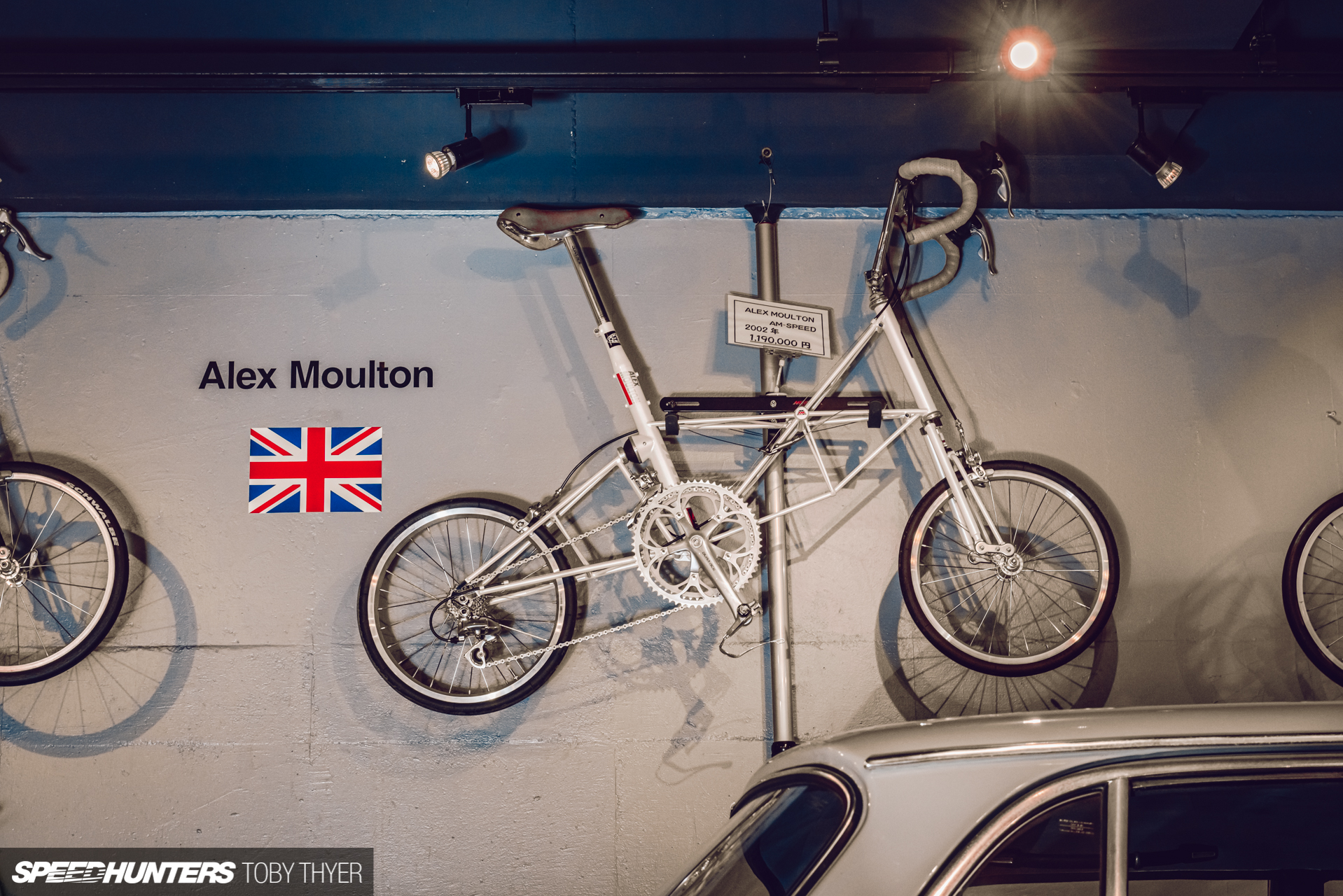
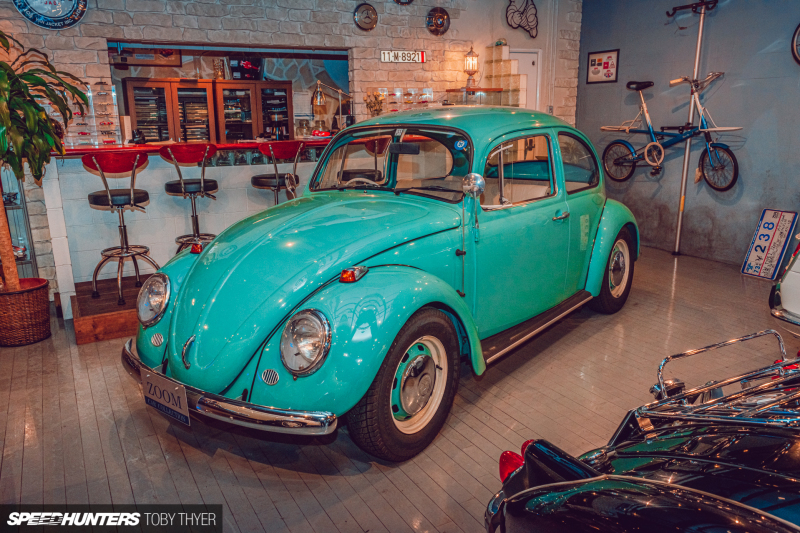
Zoom Car Collection also specializes, weirdly enough, in secondhand Alex Moulten fold-up bicycles. These quirky bikes are quintessentially British, born through necessity during a global economic crisis. Alex Moulton, as it happens, also played a large part in the design and development of the iconic Mini’s suspension.

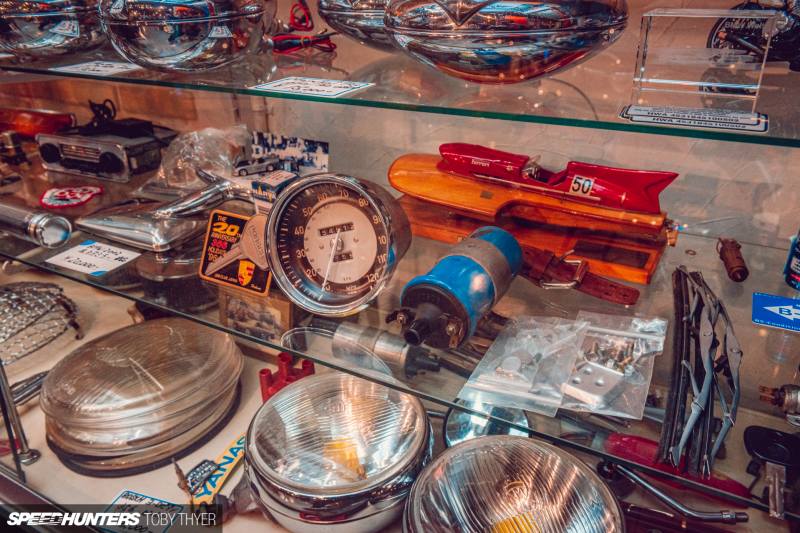
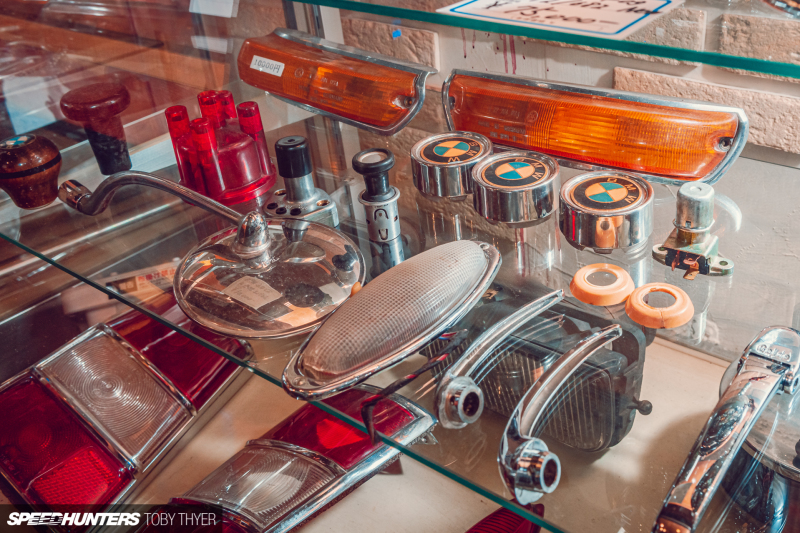
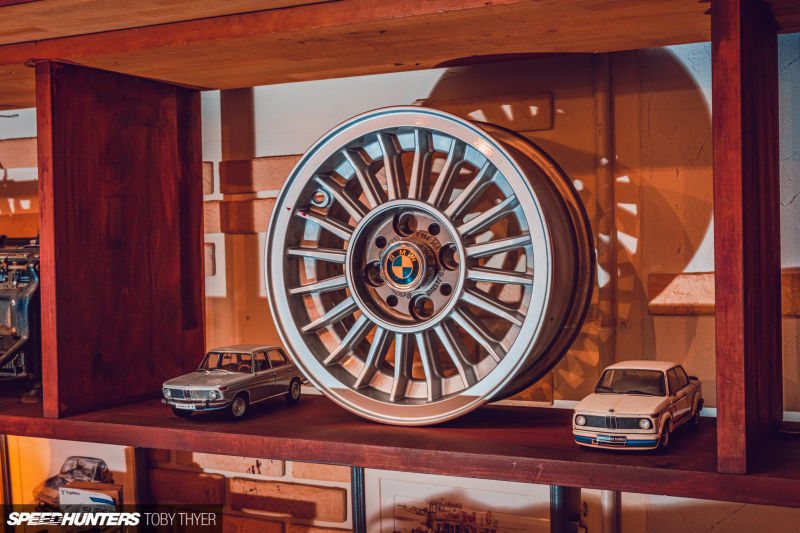
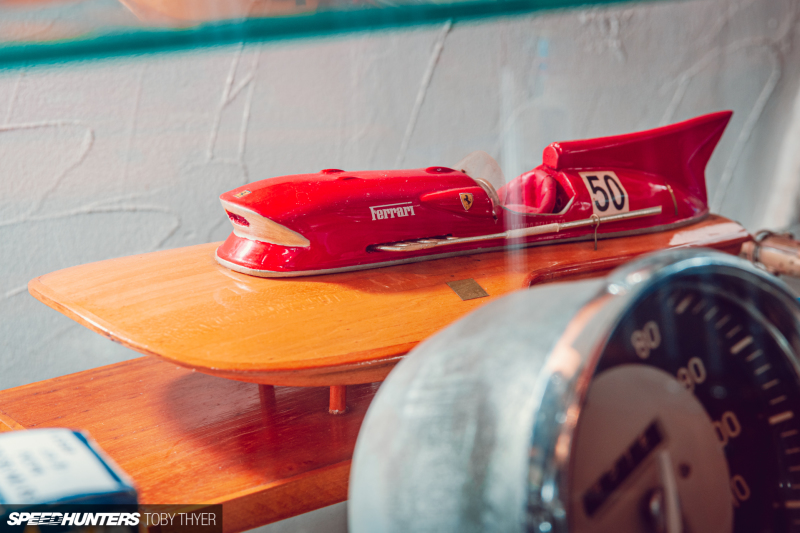

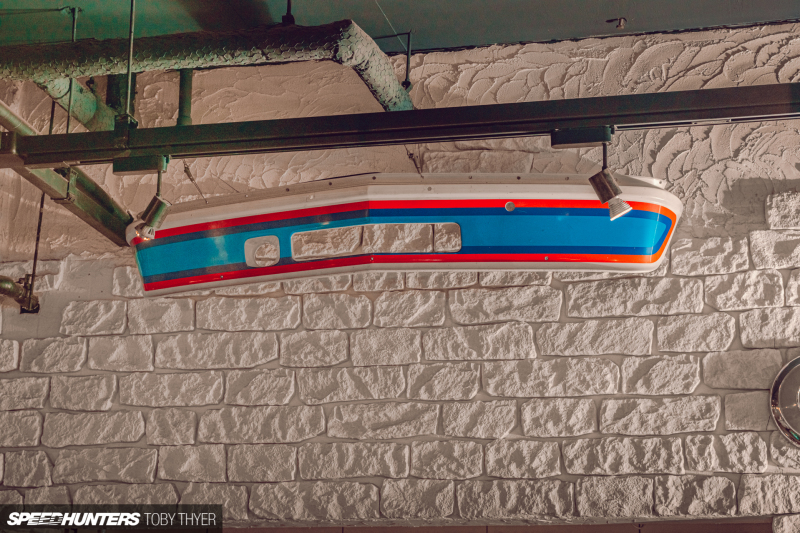

As I wrapped up the shoot, Komada-san said “Don’t forget to photograph the toilet…” I didn’t know if he was yanking my chain, but lo and behold it really was a nice place to sit and think.
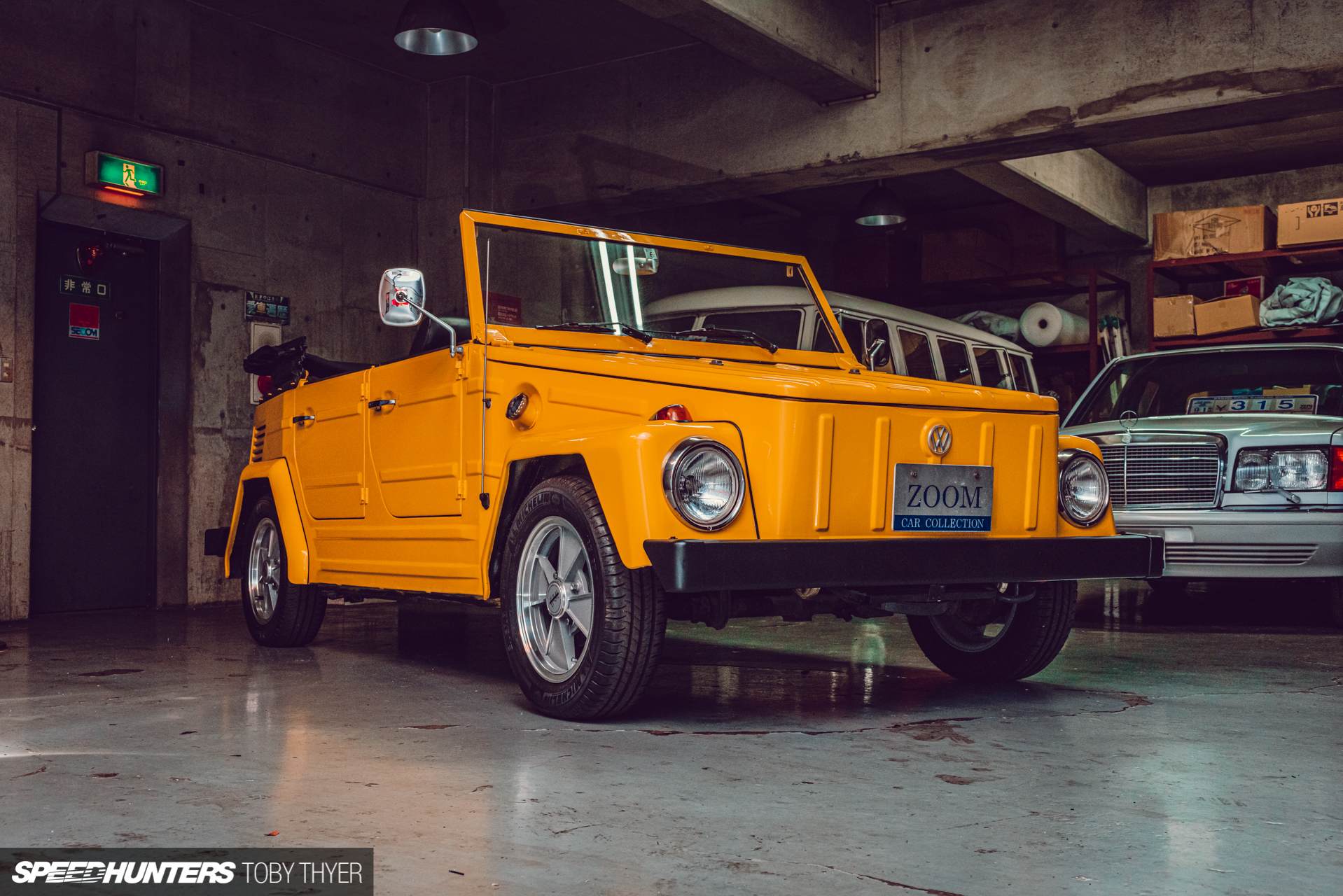
As I was packing away my camera, Komada-san told me of one more car I might be interested in. He led me out of the shop, around the side and into the rear parking area, flicked on the lights and asked: “What do you think?”
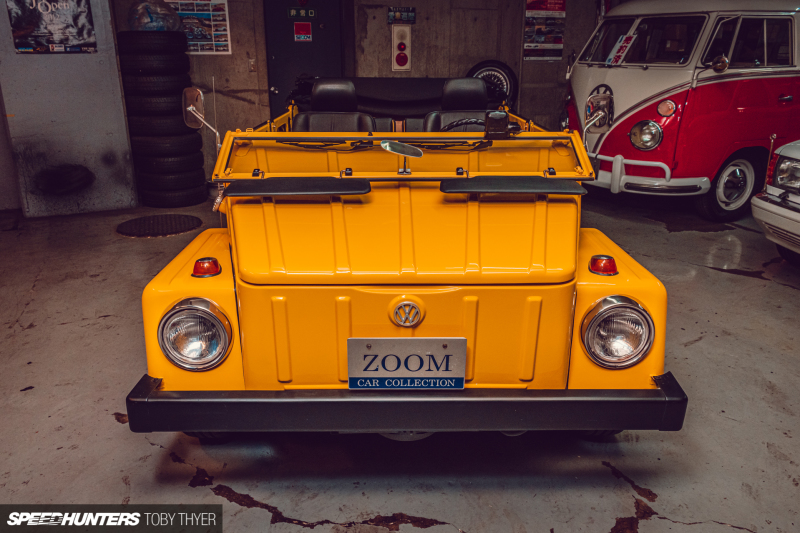
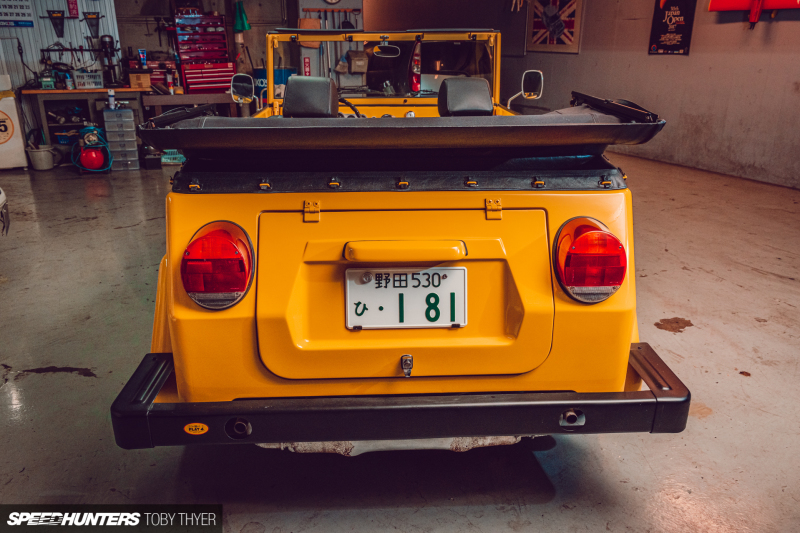
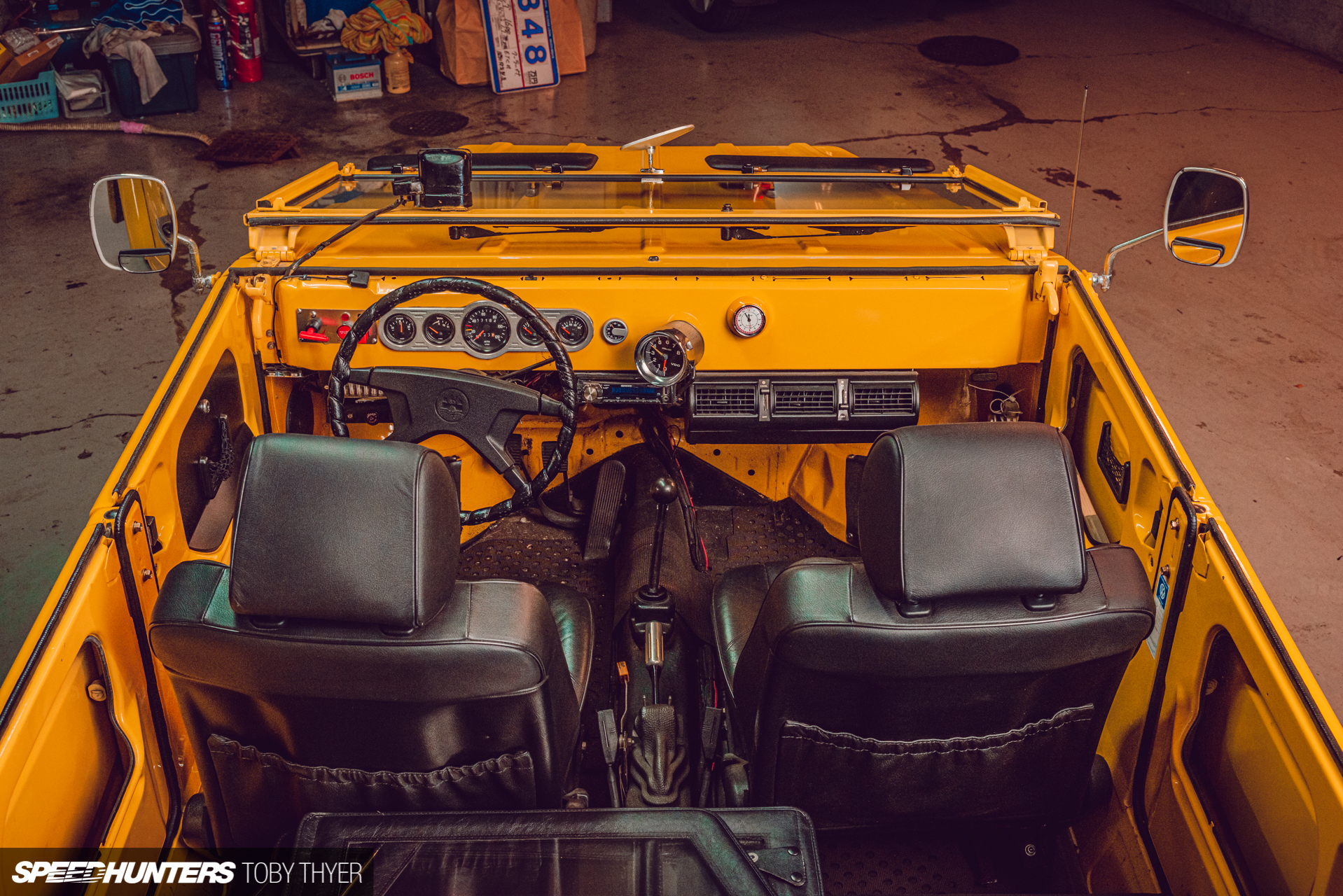
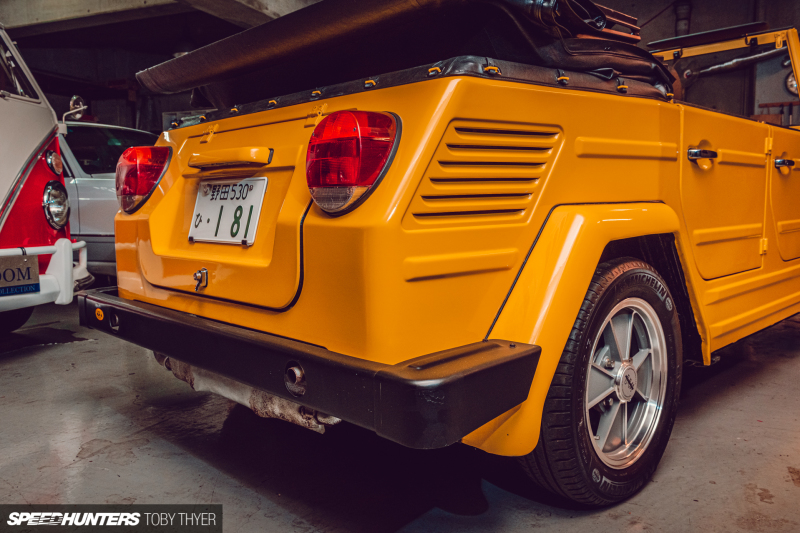
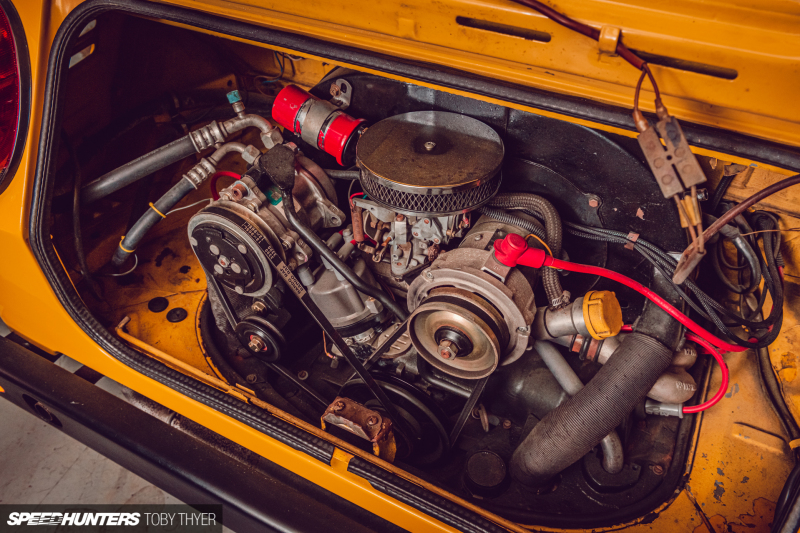
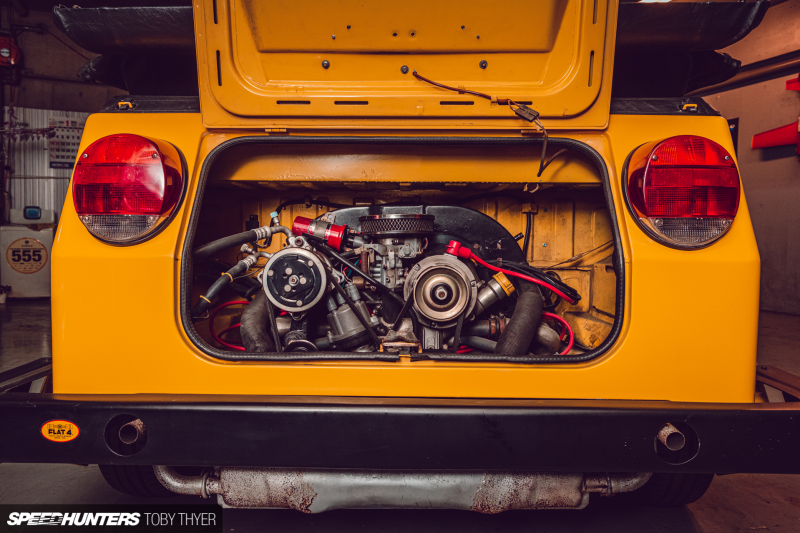
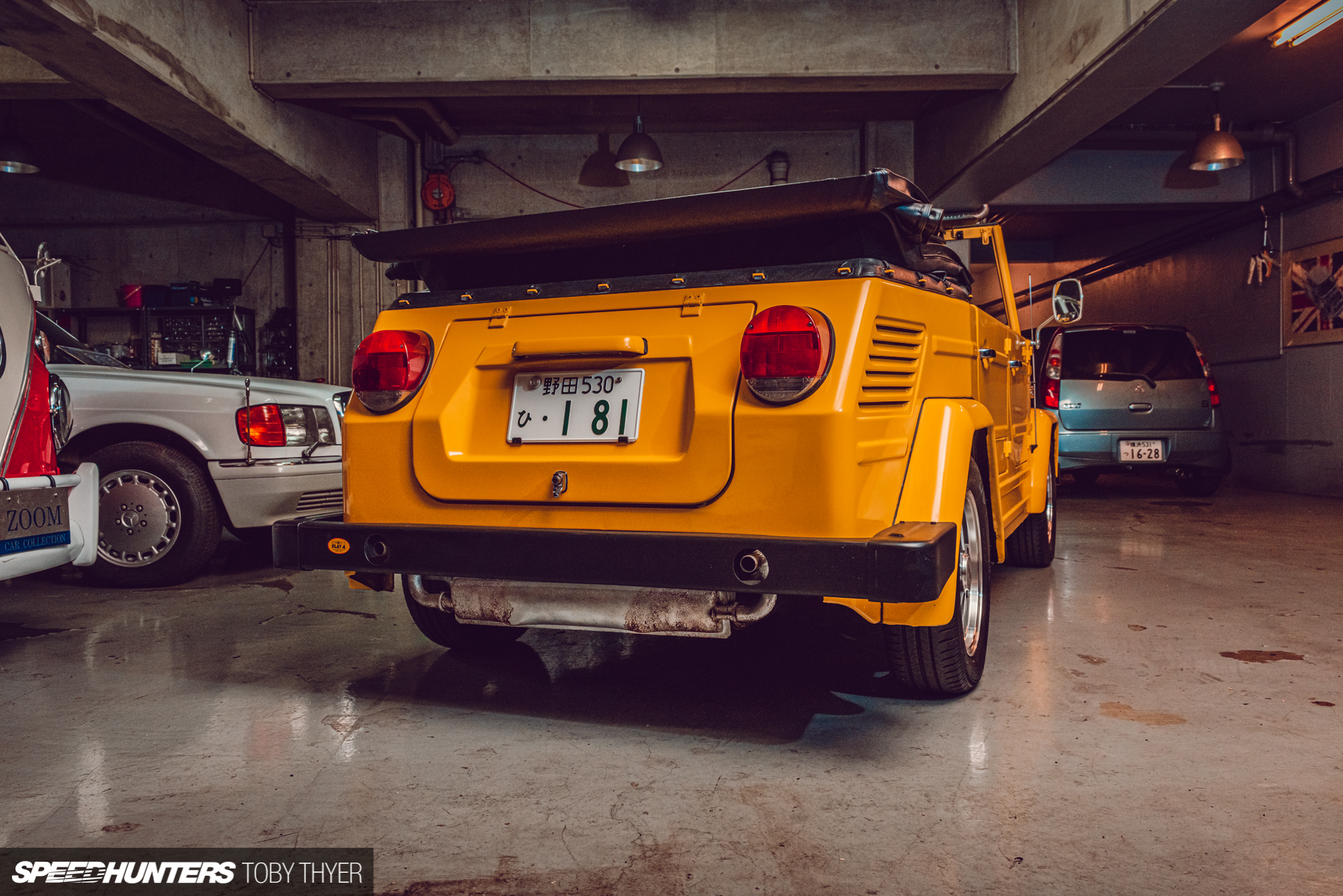
I’m not really a beach person, but I think I’d be down to the shoreline every day if I owned this canary yellow 1973 Volkswagen Thing, AKA Type 181.
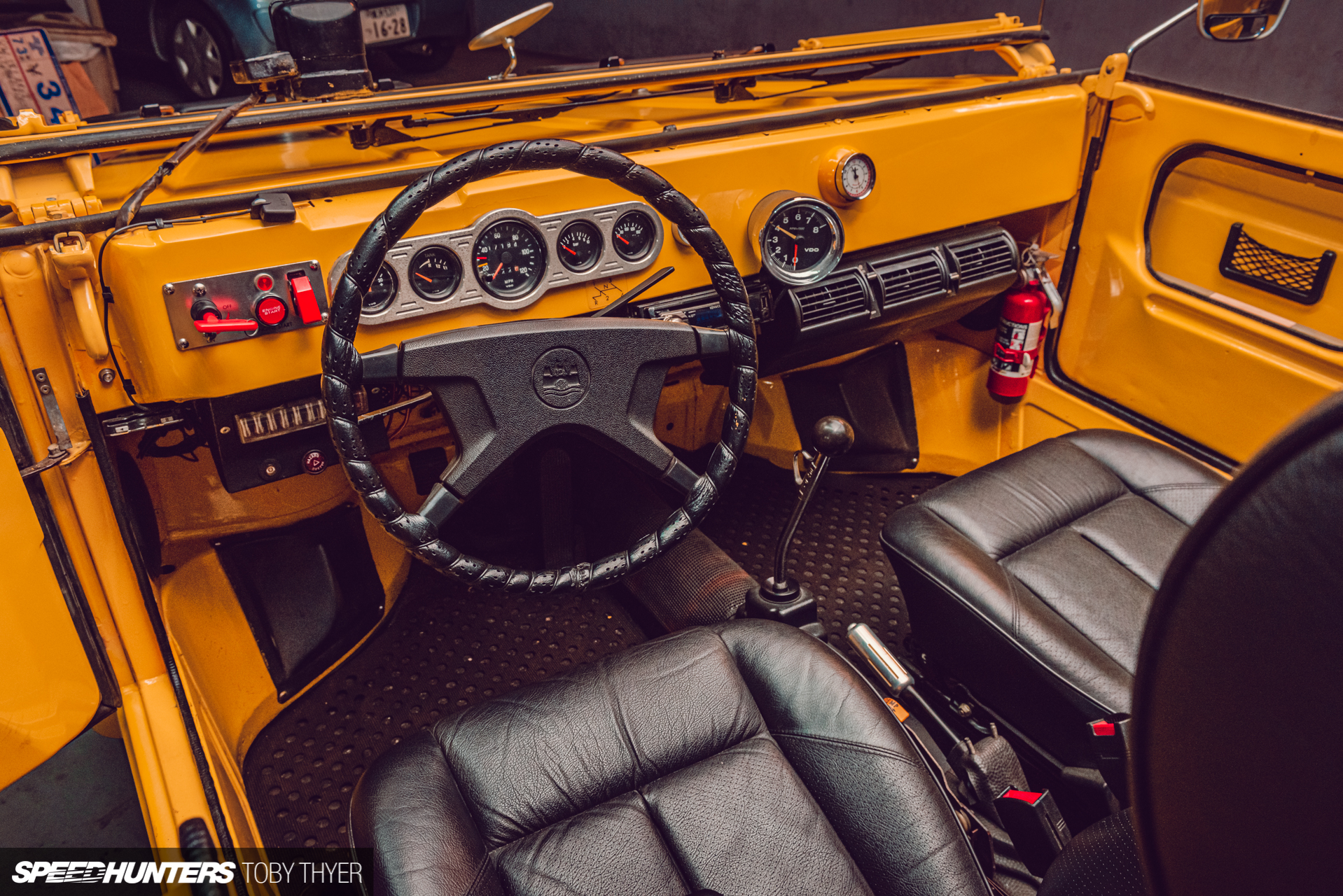
This car is about as different as you’ll get in Japan. A successor to the infamous Kübelwagen, the VW Type 181 was originally built for the West German Army. However, the function-first model eventually became part of Volkswagen’s line-up, sold domestically as the Kurierwagen and with other names for different markets – ‘Thing’ in the United States and ‘Trekker’ in the United Kingdom.

Whether you’re a foreigner or not, I definitely recommend paying Zoom Car Collection and Komada-san a visit if you are ever in the Yokohama area.
As for why people love foreign cars? I think it’s as simple as ‘different strokes for different folks.’ There are so many factors at play and so many are subjective to one’s personal experiences. The element of ‘it’s cool because it’s different’ is, in my opinion, a big factor. What do you think?
Toby Thyer
Instagram _tobinsta_
tobythyer.co.uk