
Show me a warehouse full of Ferraris and any other exotic you might want to throw in there, and you might be surprised at my lack of excitement. It’s not that I’m jaded; I just don’t get excited by supercars as much as I used to.
But, let me into a corrugated iron storage garage full of rare Skyline GT-Rs and you better have a defibrillator handy.
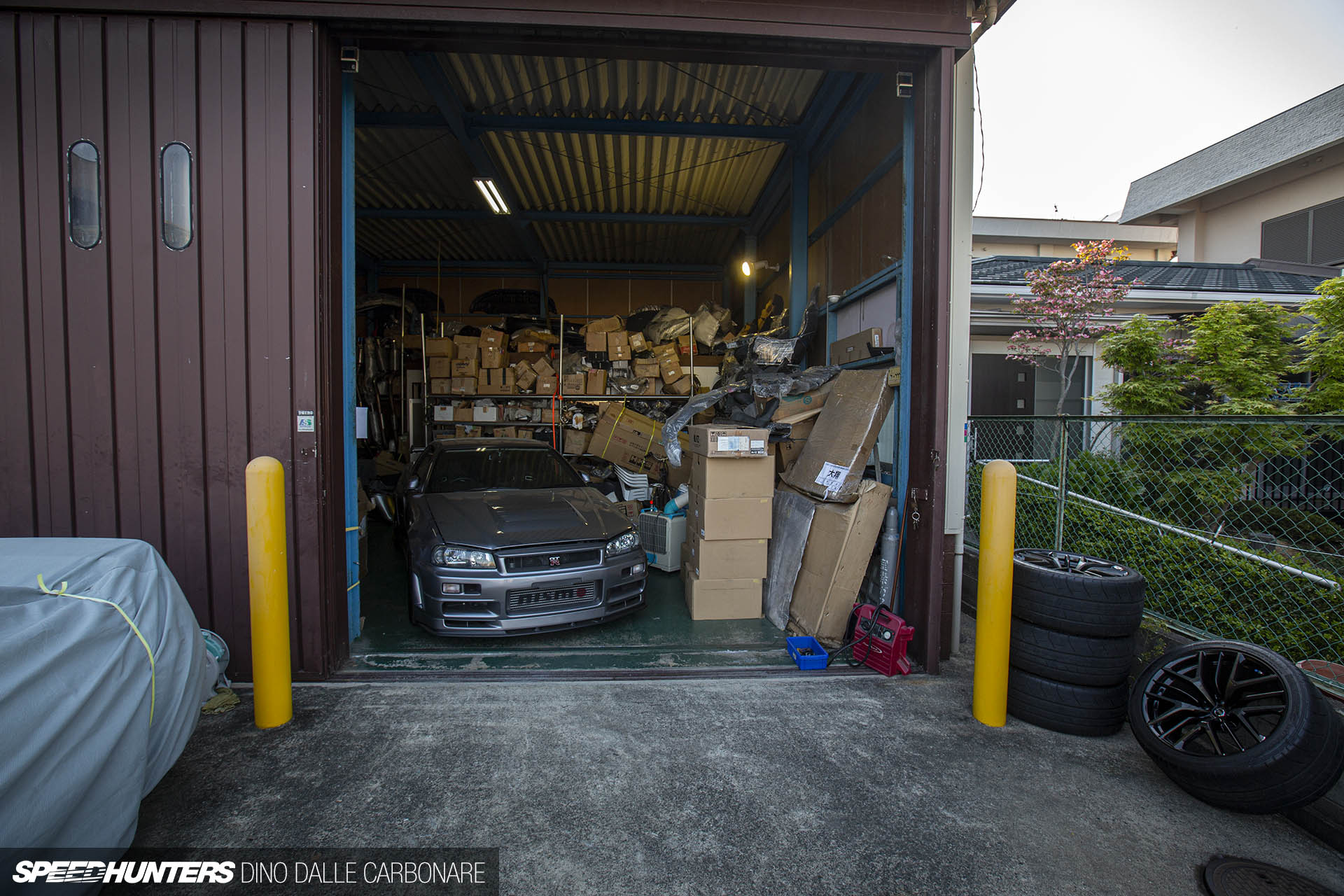
Thankfully though, before bringing me to his secret storage, Yasui-san of Global Auto told me what was inside, just so that I could prepare myself.
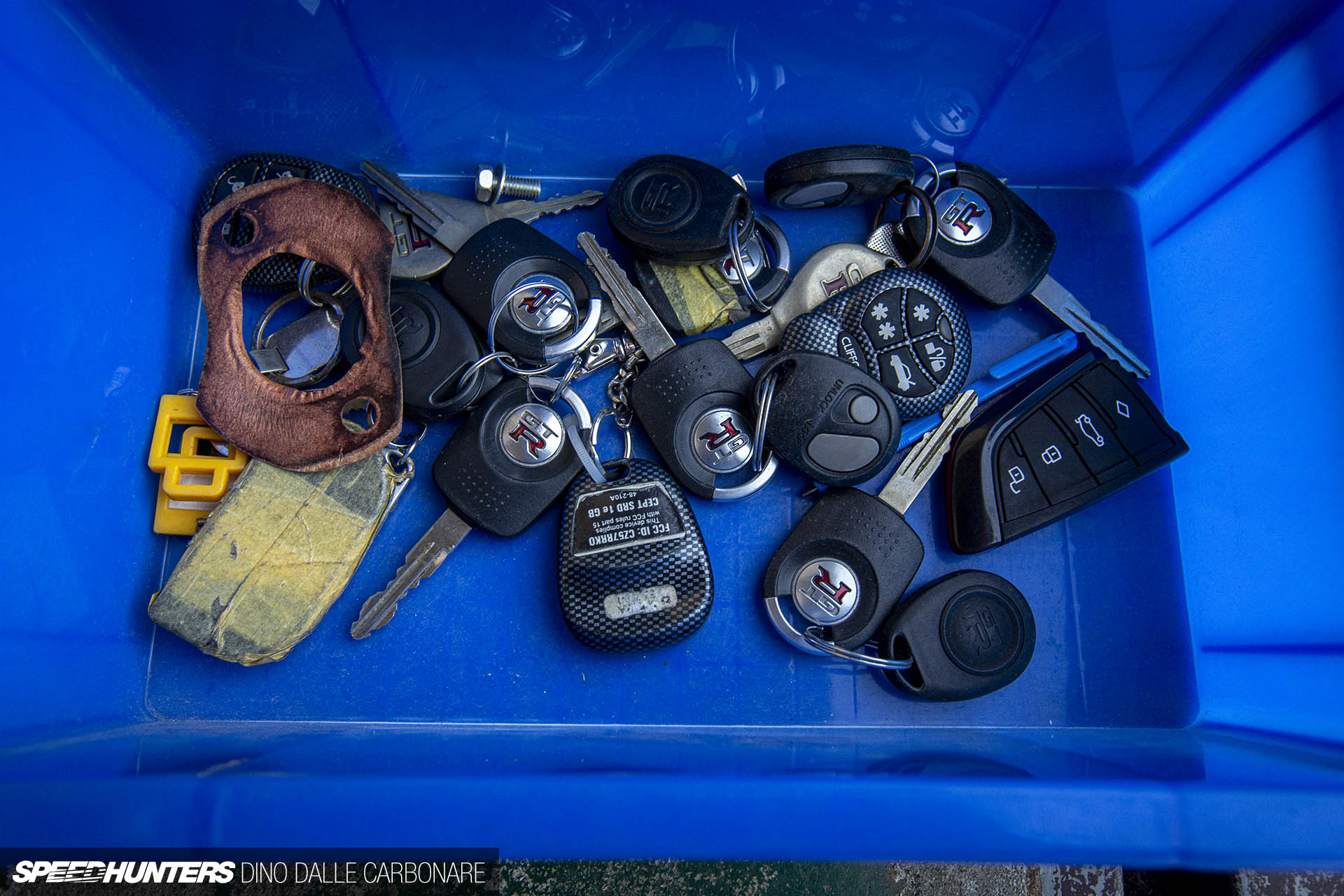
This isn’t about sheer volume; if you want to see that you can check out my recent story on Global Auto’s main yard. What’s kept in here are prized possessions, and as you can see from the keys in the blue box, they’re nearly all GT-Rs. And one BMW. Oh no, sorry, I mean Toyota…
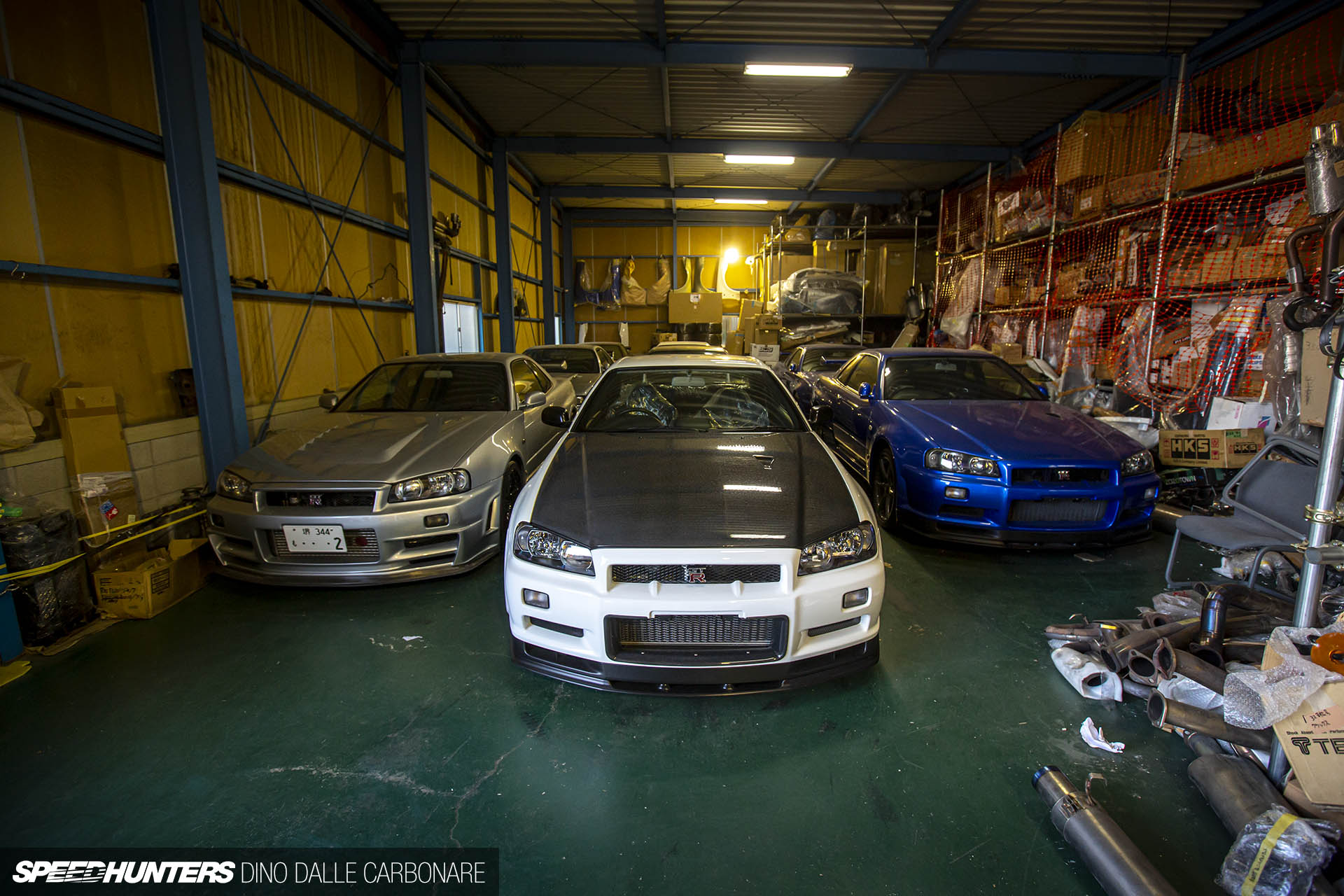
This is the very first time that anyone’s been able to point their camera inside the storage warehouse, and I’m very thankful that Yasui-san extended me the honor. Then he went even further, taking the time to move cars around so I could shoot a couple of them outside.
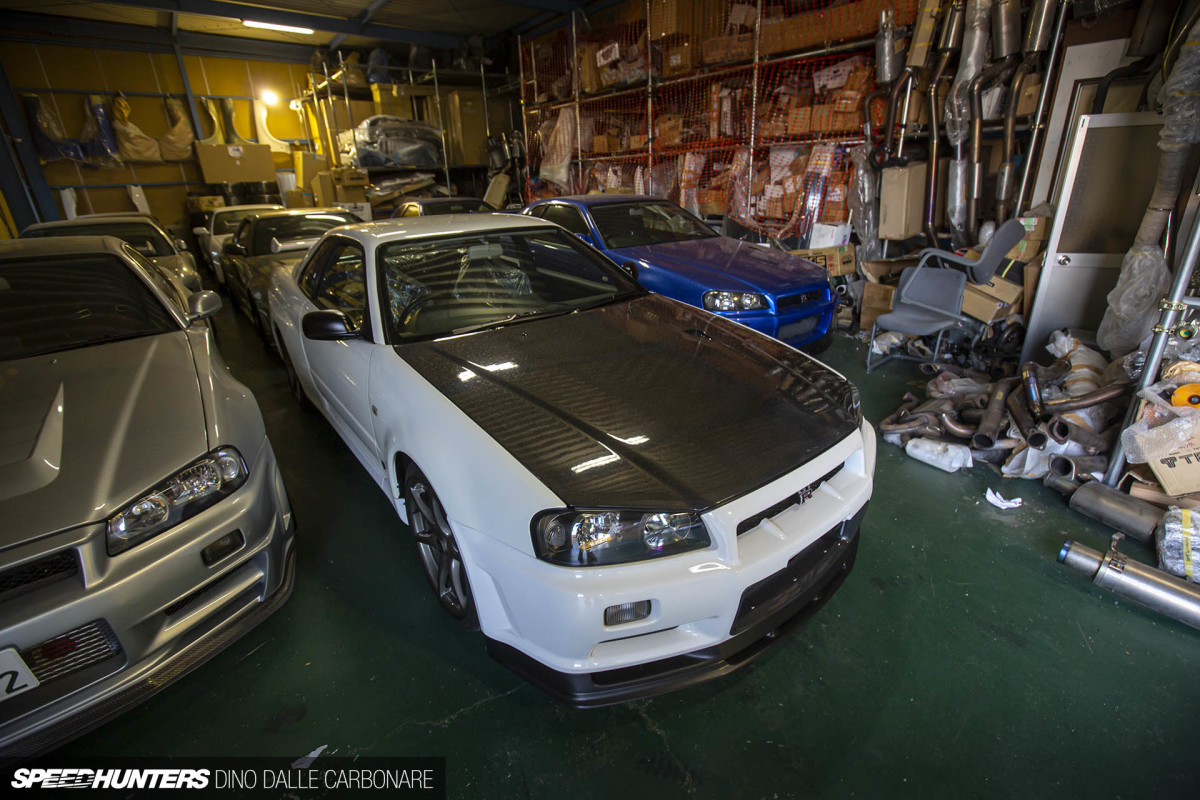

It’s been quite a while since I’ve shot a Z-tune, so the most prized possession of the collection was definitely one I wanted to grab some snaps of. To get to it however, we needed to move the white car parked alongside.
The N1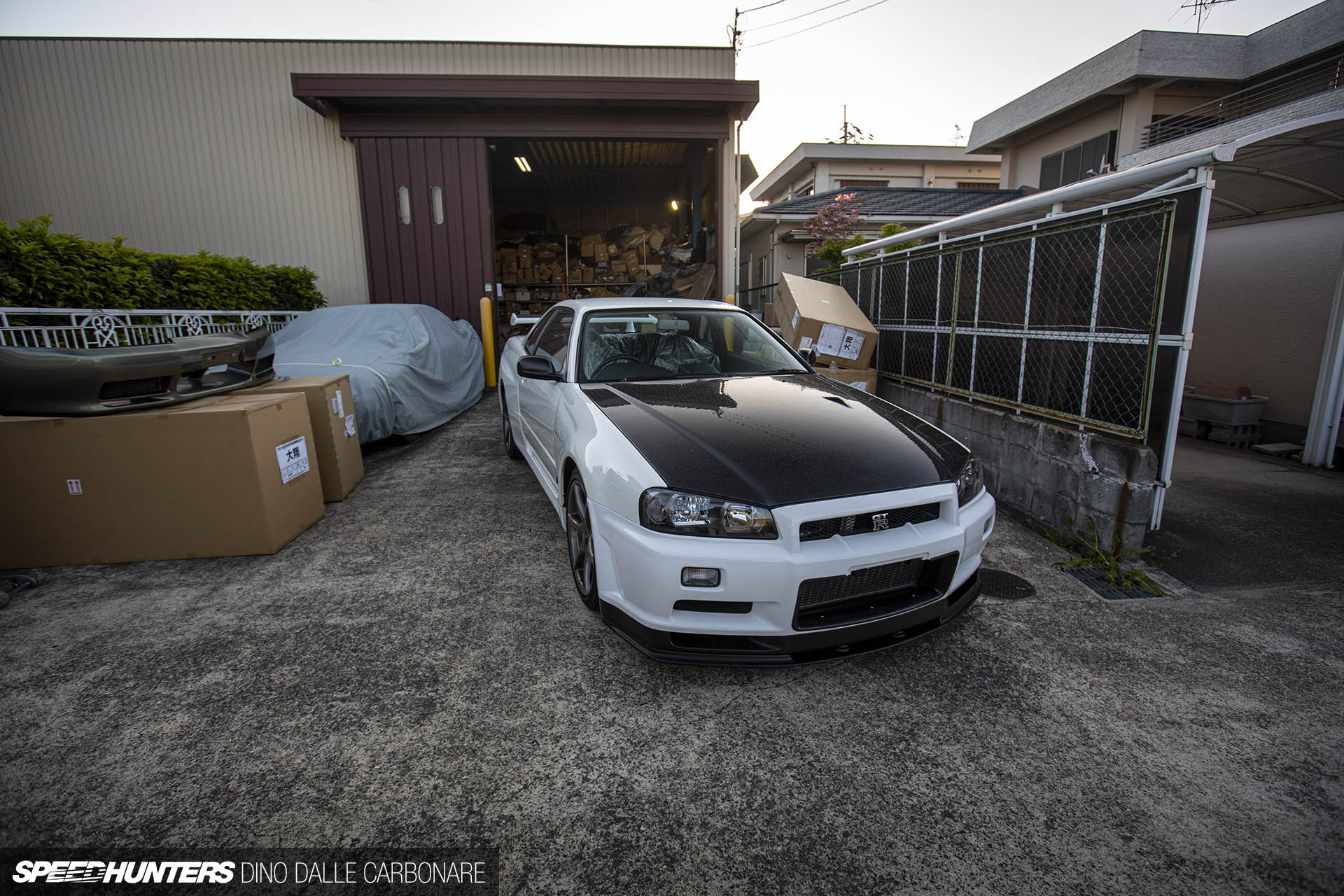
After shifting some more R34s and a bunch of boxes, the Skyline made it out into the daylight.
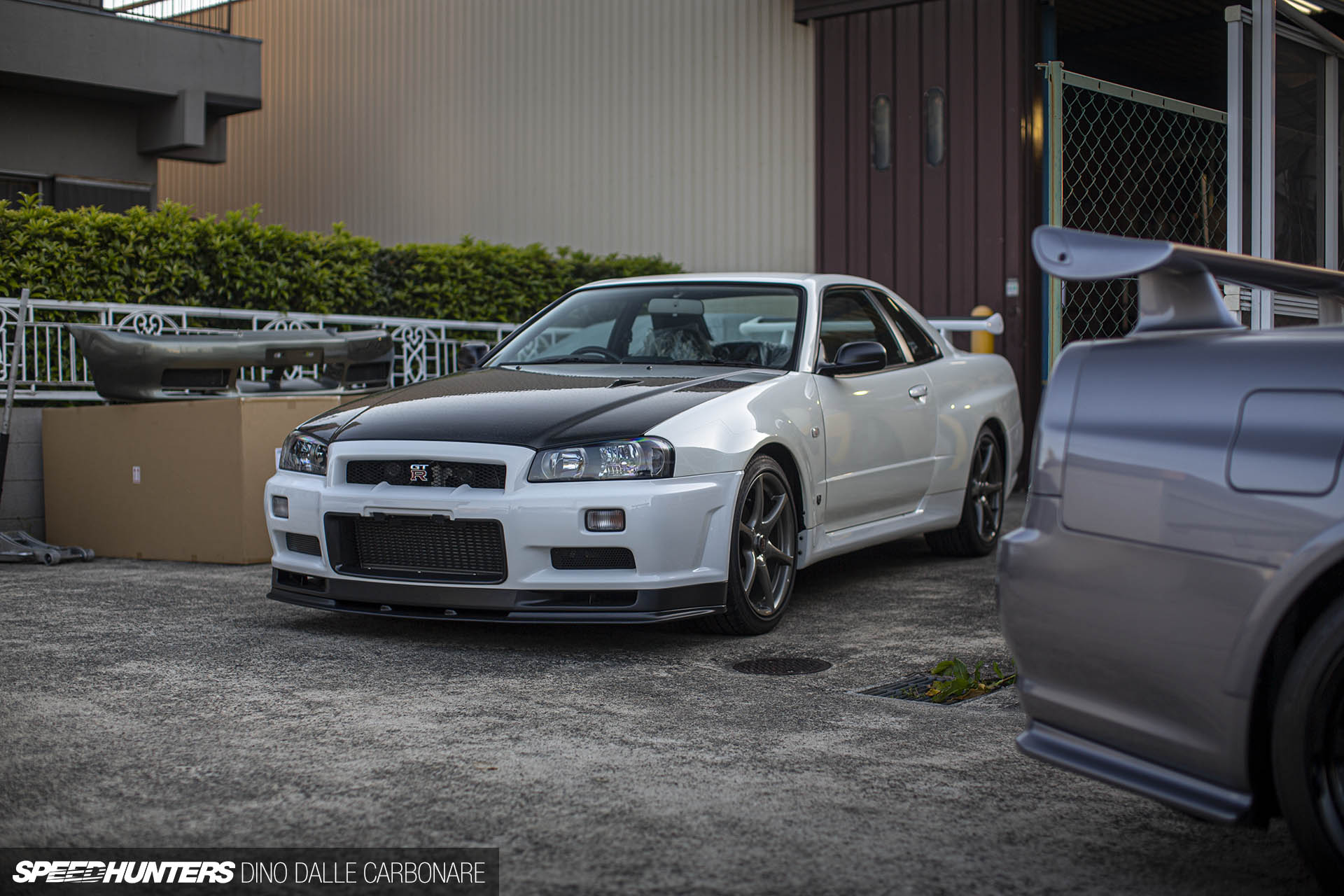
This is without a doubt the second most valuable BNR34 after a Z-tune. Only 25 V-spec II N1s were ever built, and this example is in pristine condition. I’m not sure how many of the 25 still exist, as most were destined to become Super Taikyu race cars, but for anyone else who secured one for a street car, they got the rawest, lightest BNR34 of them all. Raw, because on top of the N1-spec RB26 with non-ceramic N1 turbos and an engine oil cooler, they were stripped of a few things. The most obvious was the air conditioning and audio, but I need to go full otaku and list all of the deletions.
– Rear wiper delete
– Rear fog light delete
– Remote control entry system delete
– Vanity mirror delete
– Cabin air filter delete
– Antenna panel delete (along with audio head unit, replaced by a blanking plastic plate)
– Glovebox damper & glovebox light delete
– Superfine hard coat delete (the special clearcoat Nissans of that era received)
– UV cut glass delete
– Red door marker lights deleted & replaced with reflectors
– Deleted electric adjust for door mirrors & non-body color-matched door mirror color (black)
– Leather-wrapped e-brake lever trim delete
– Non-painted carbon hood
– Any body color as long as it was QM1 White
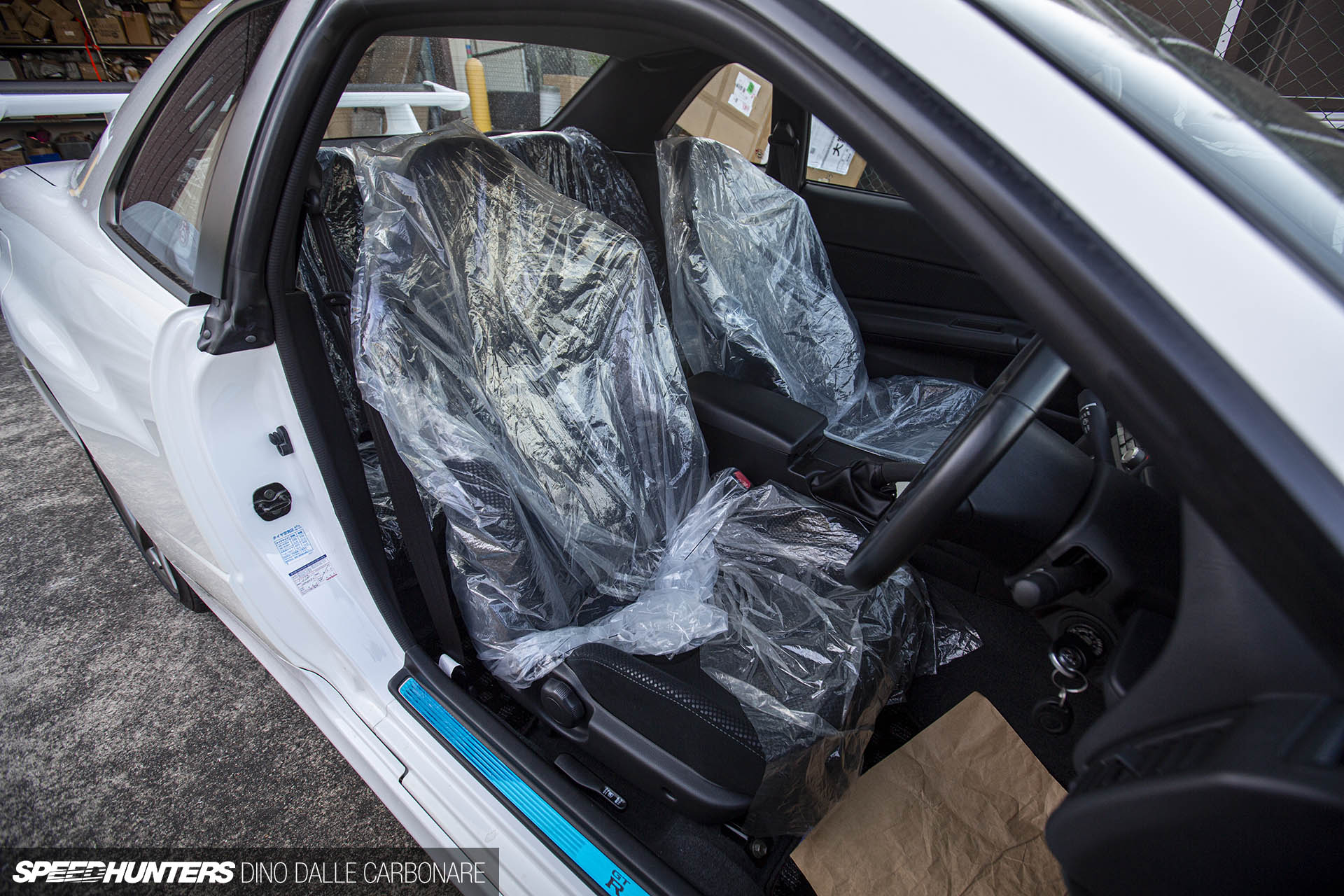

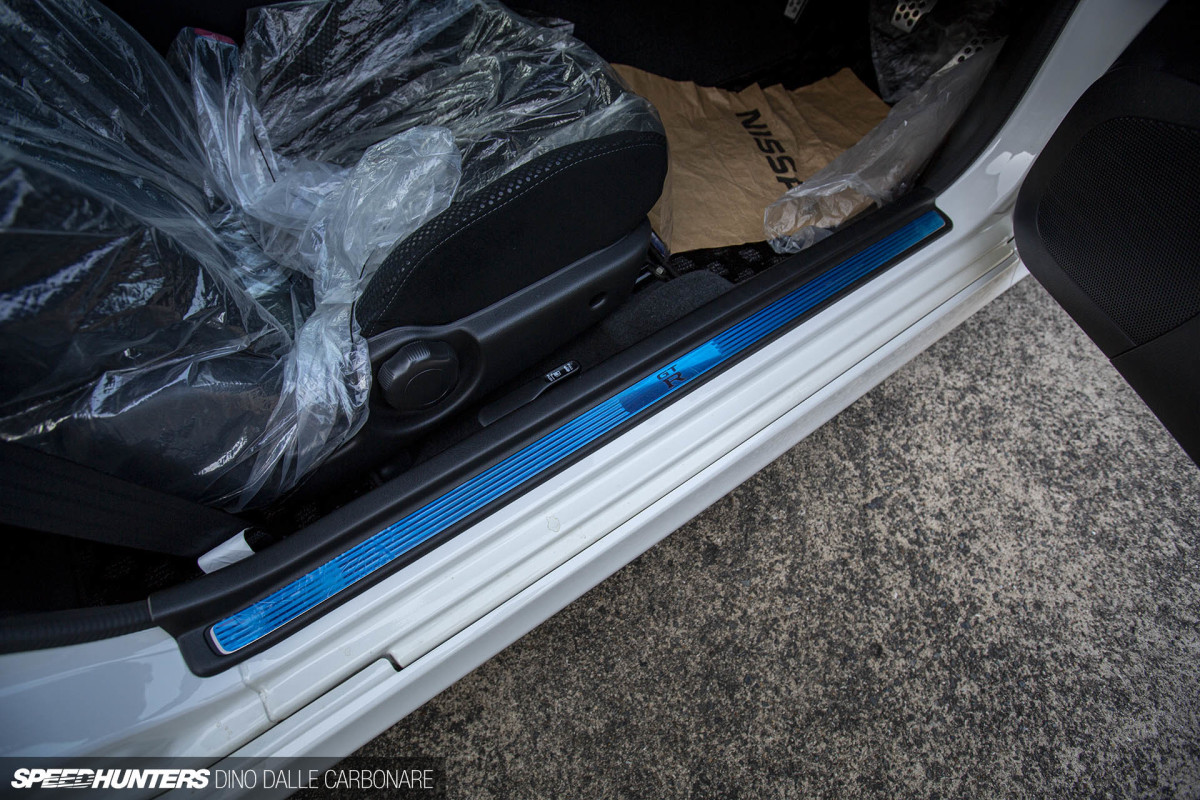
This example still has the factory protectors on its metal sill trims.
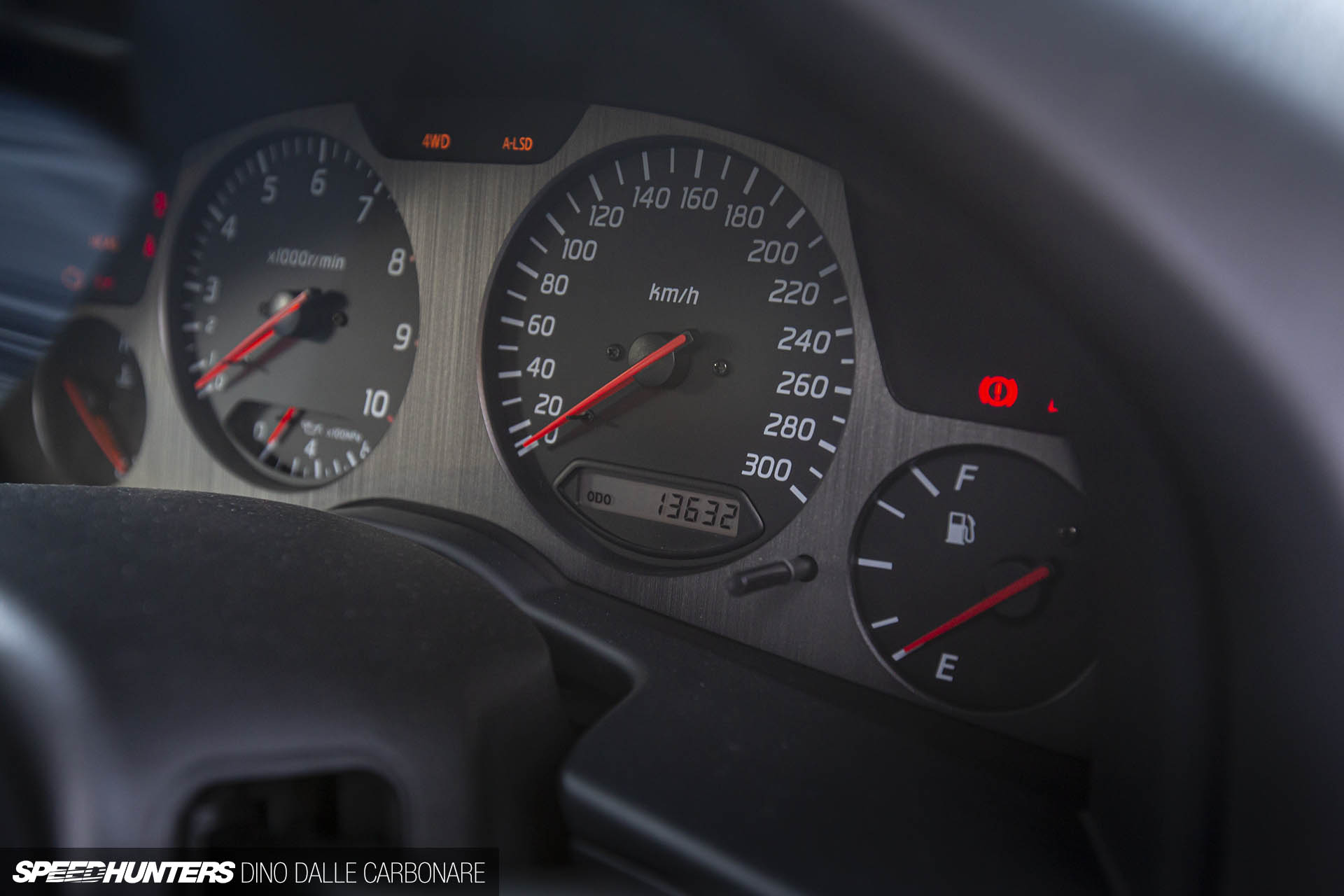
Total mileage, not even 14,000km. Absolutely wild.
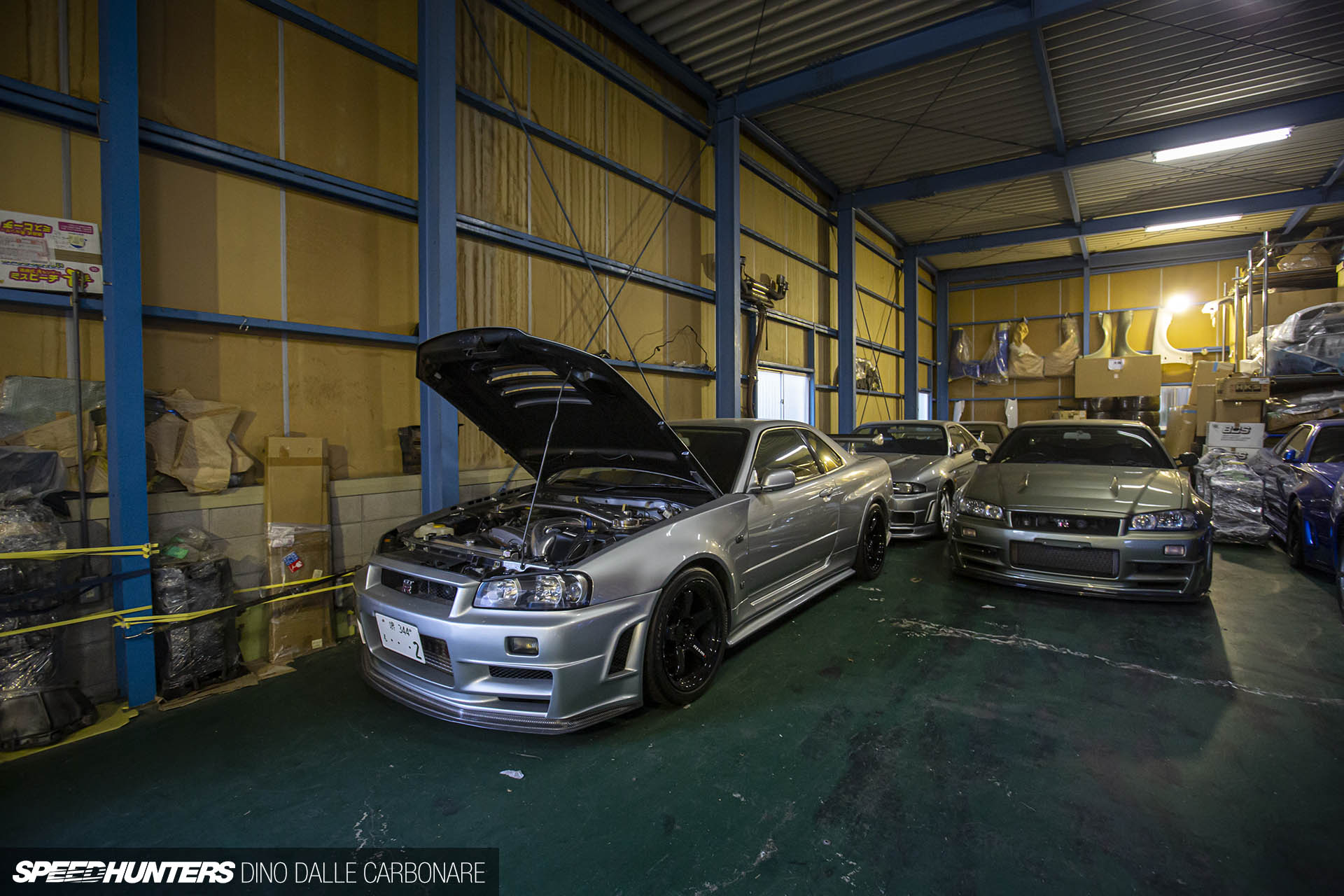
With the N1 out of the way it was time to bring the Z-tune back to life. This is a car that Yasui-san has had in his arsenal for years, Z-tune #2 – the first customer car after Nismo’s own #001 prototype that I drove during the press launch. The hand-built RB28 sparked into life at the first twist of the key, and while it was being moved outside I had a clear view of the rest of the cars.
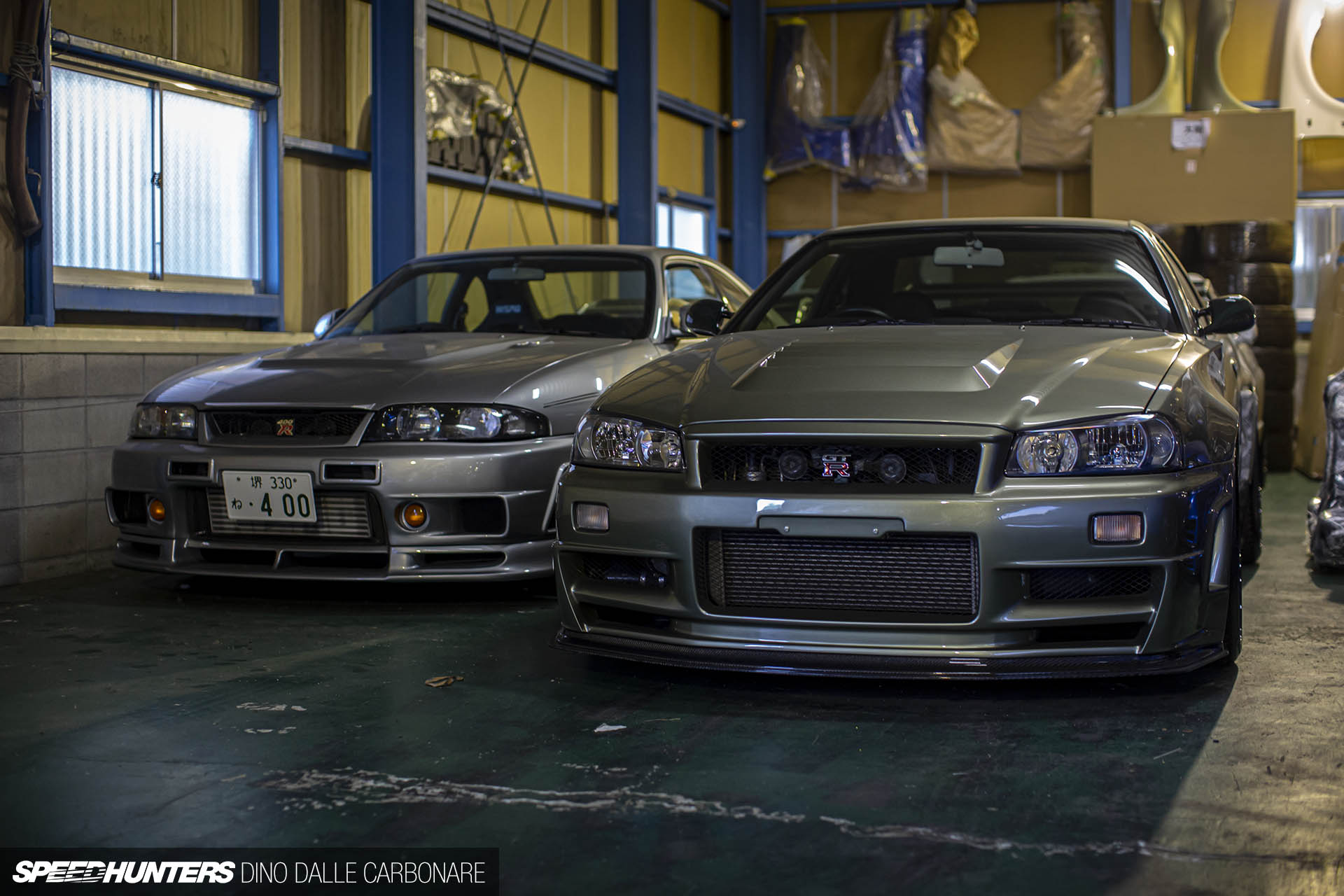
And strangely for me, it was actually an R33 that I looked at next.


Compared to the Z-tune and a V-specII N1, a 400R could be deemed not as rare – but let’s not forget the importance of this particular model. This is the car that put Nismo on the map in the late 1990s, and one that may well be the best ever execution of an R33. Or would that be the RWD R33 GT-R LM homologation car?
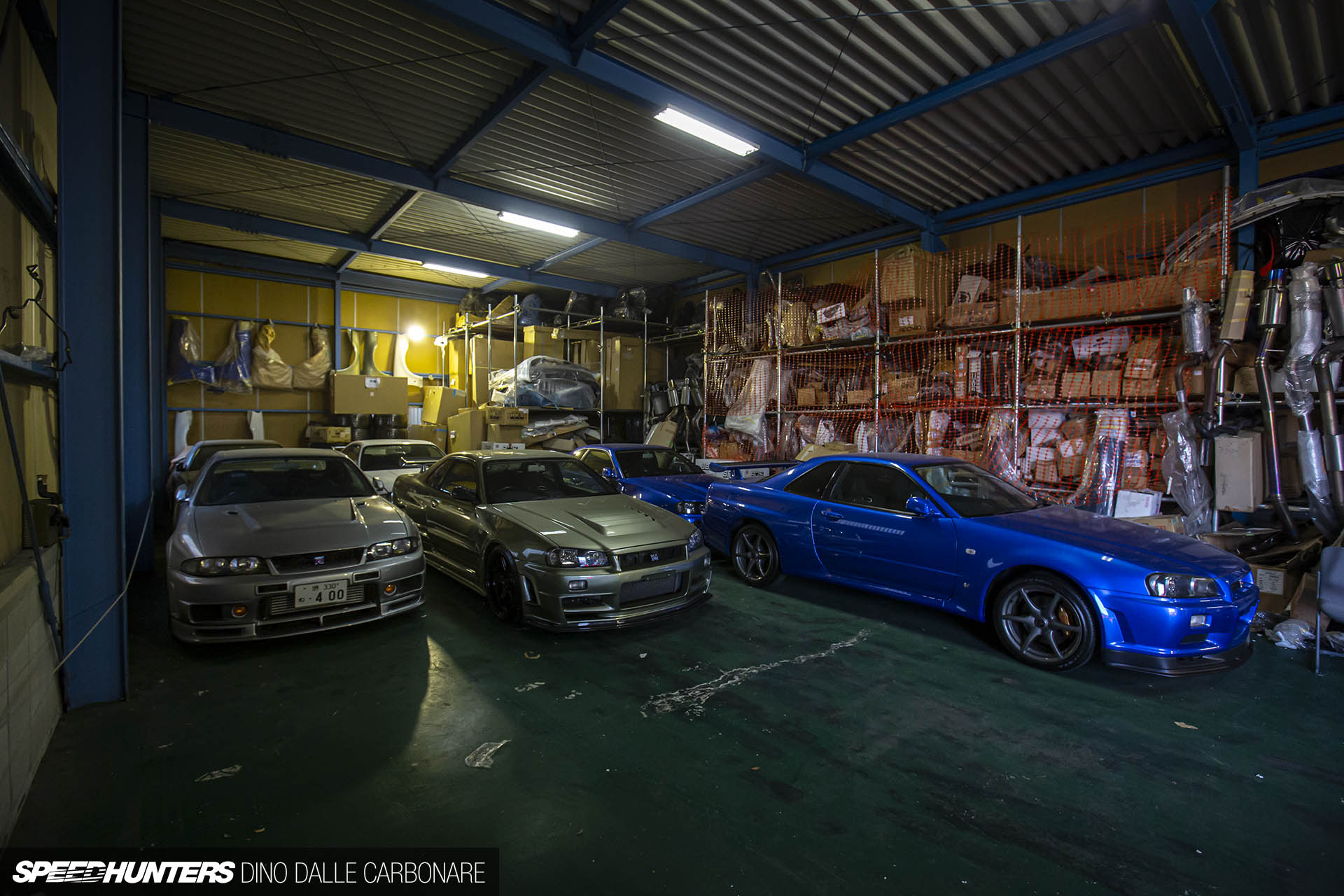


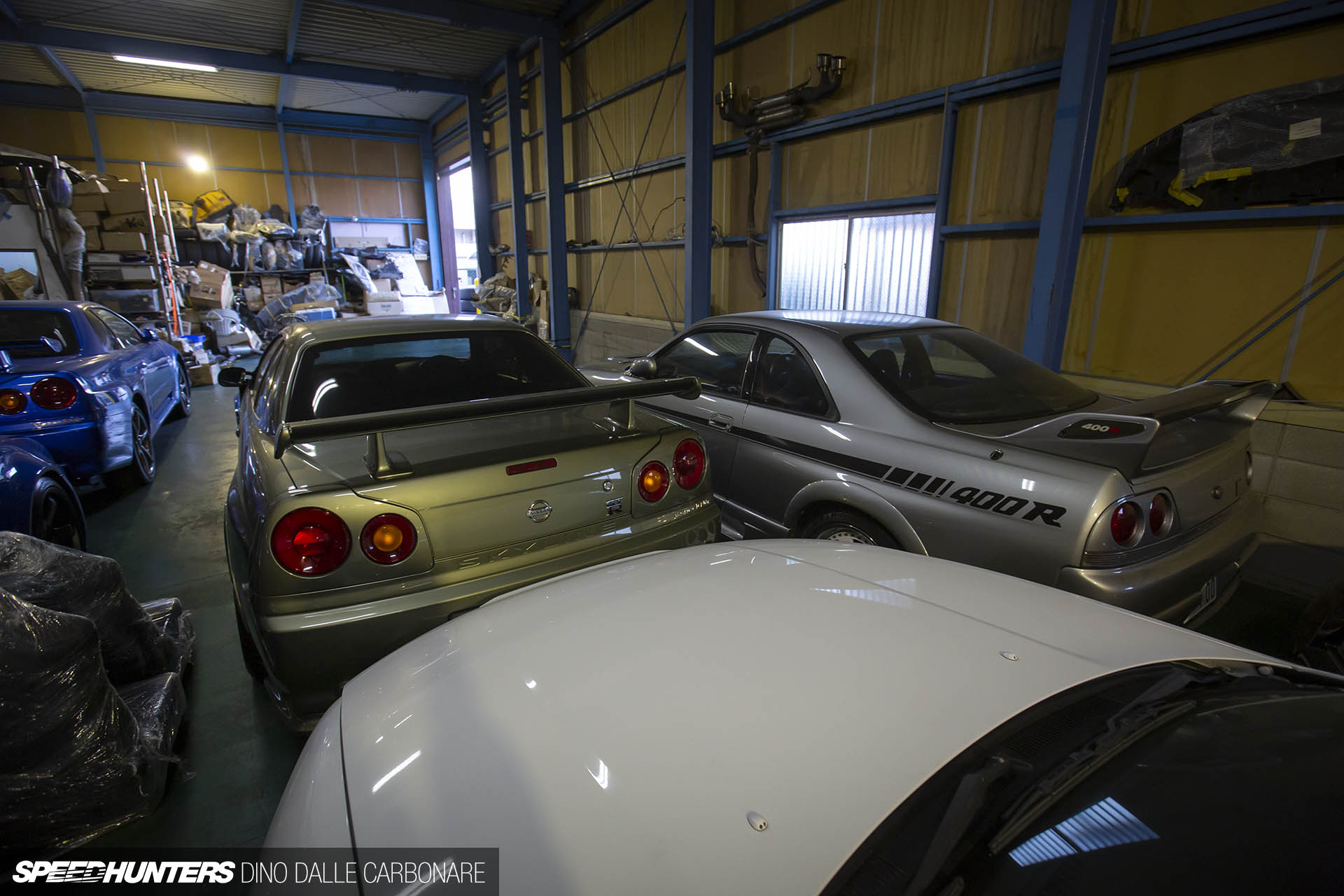
Only 750 or so V-specII Nürs were made in the final 1,000 car run, where each R34 had an N1-based engine. The remaining 250 were M-spec, the Mizuno-specials that came with ripple-control dampers that delivered a slightly more supple ride.
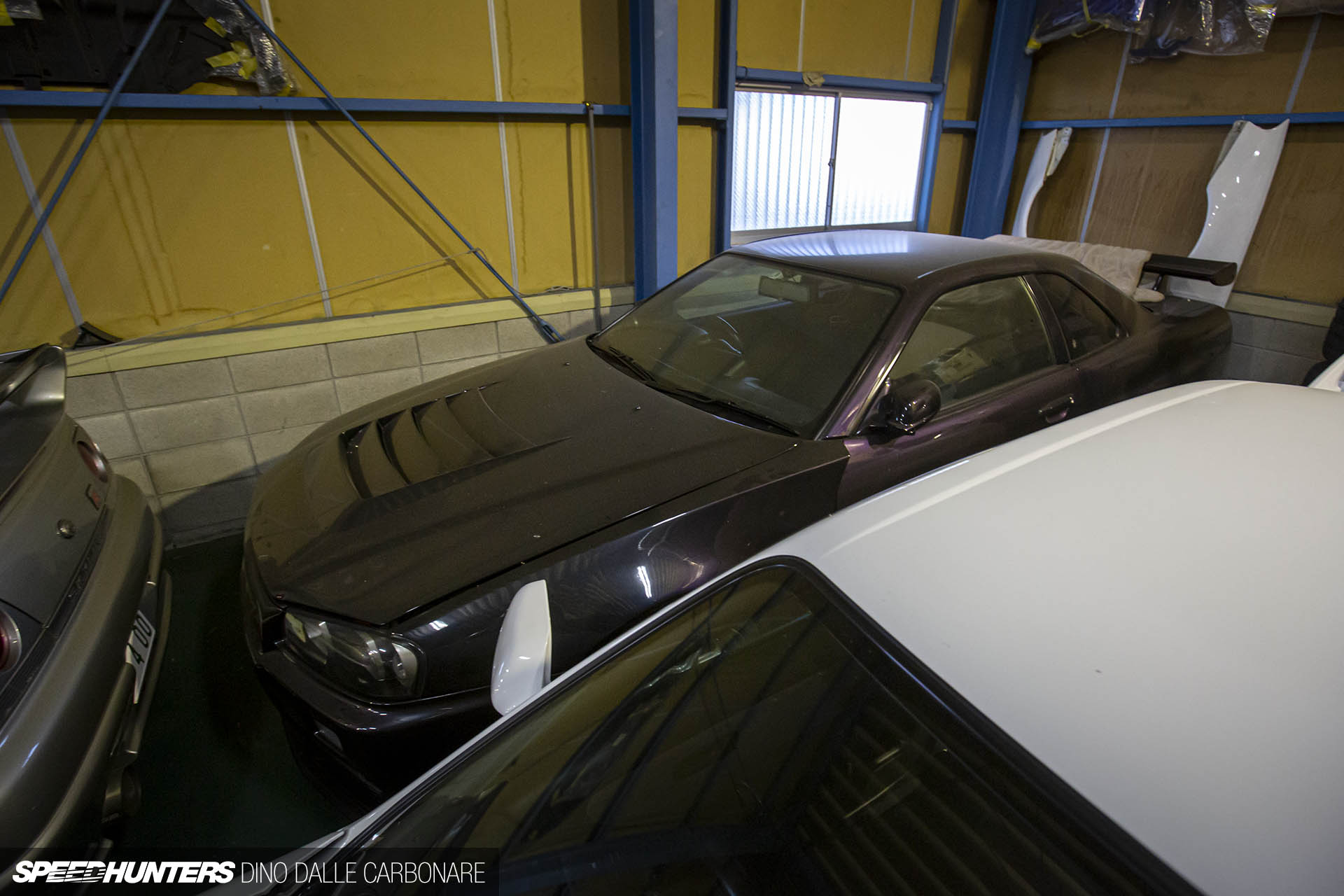
When BNR34 production kicked off in December 1998 ready for the January 1999 launch, 300 Midnight II cars were built and offered up to early buyers. There was one of these in the far end of the warehouse wearing a full Nismo body.
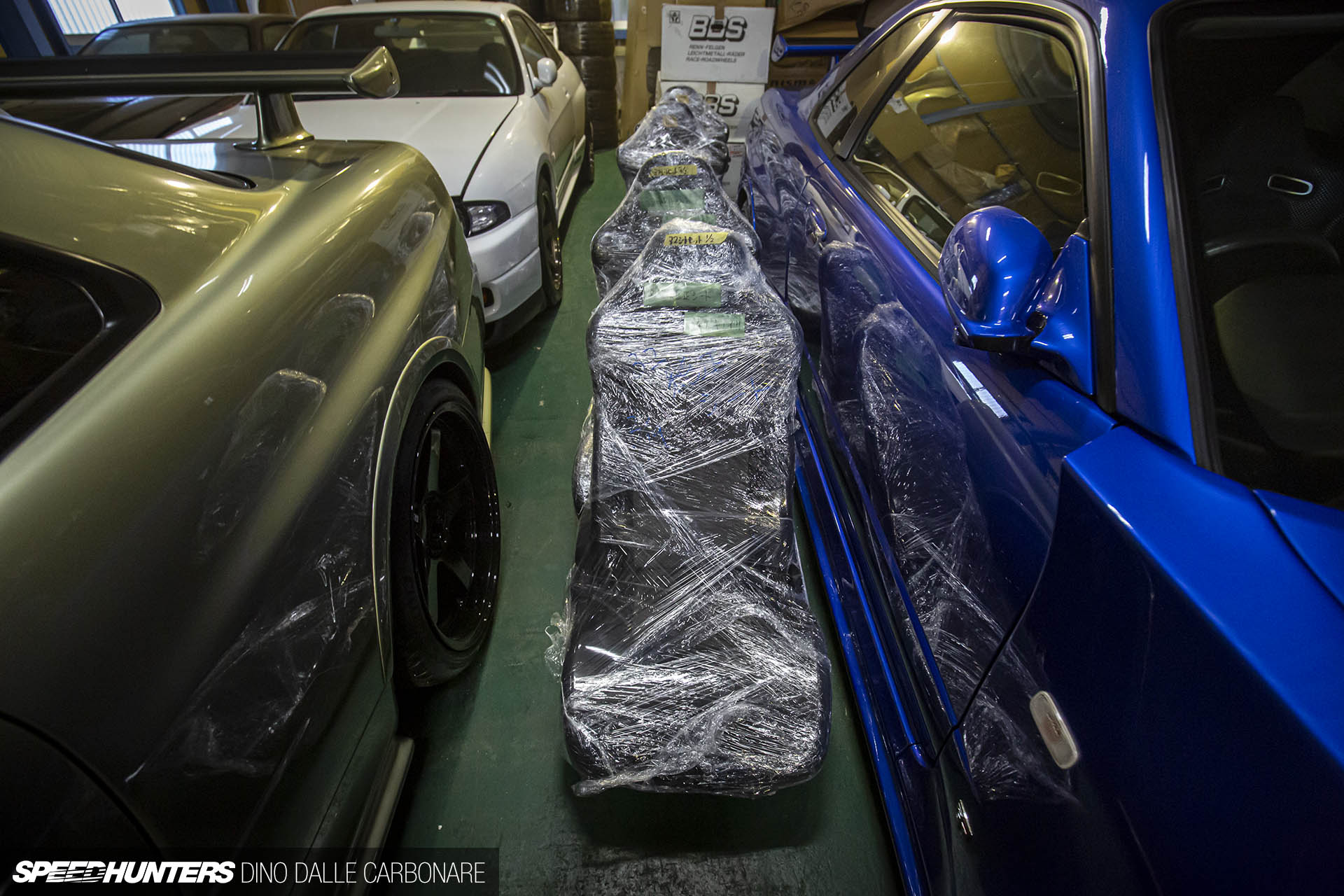
Of course, along with the cars themselves, the market for parts is just as crazy – both for stock items and select tuning bits. Just to entertain myself every once in a while, I’ll go onto Yahoo! Auctions and look at what the original Nismo titanium strut tower brace for the R34 goes for. This is a part that you could pick up from Omori Factory for ¥69,000 (approximately US$630 in today’s money) back in the day. They went out of production in 2003 or 2004, because the price of raw titanium increased and Nismo couldn’t justify making them for their original price. I’ve seen them listed for ¥1,000,000 (approximately US$9,100) recently. And no, I haven’t used too many zeros.


If you’re looking for any R34 GT-R part, there’s a good chance you’d find it in here.
The Z-tune
I consider myself pretty lucky as I got to see the Z-tune development up close back in the day, all the way from the Z1 and Z2 mules to the final production car. At the aforementioned press launch, I got to put car #001 through its paces on the Ashinoko Skyline toll road up in the mountains of Hakone. To top it off, I was commissioned to shoot the build of the very last Z-tune in 2006 by the customer that bought it, so I’ve always felt a close connection to this ultimate R34 model.
Taking the Global Auto Z-tune out and shooting it brought back all those memories, and I have to say it felt very special all over again.
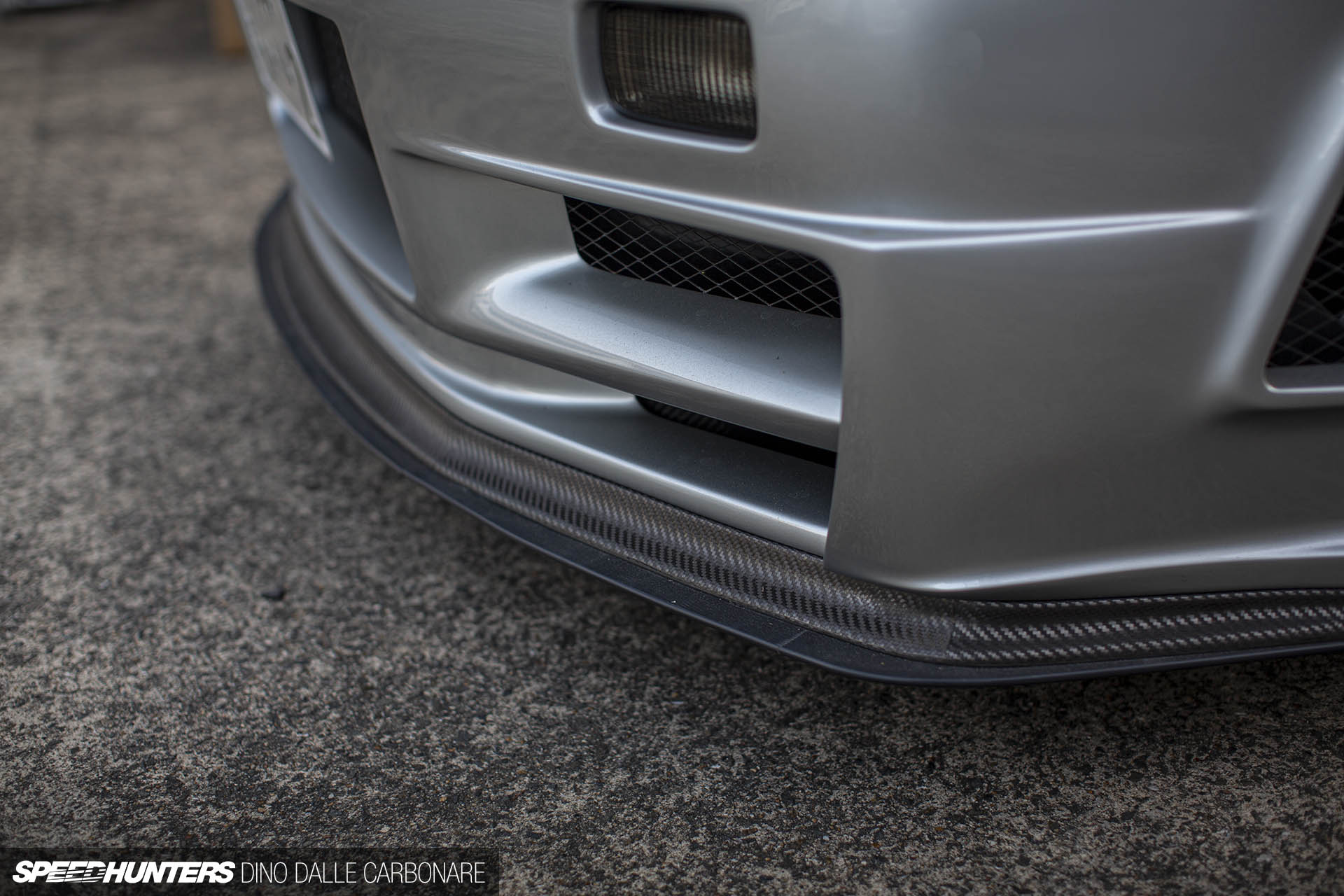
I mean, this was BNR34 perfection for many years. I still think it is, despite many of its aspects having been surpassed by the evolution of RB tuning.
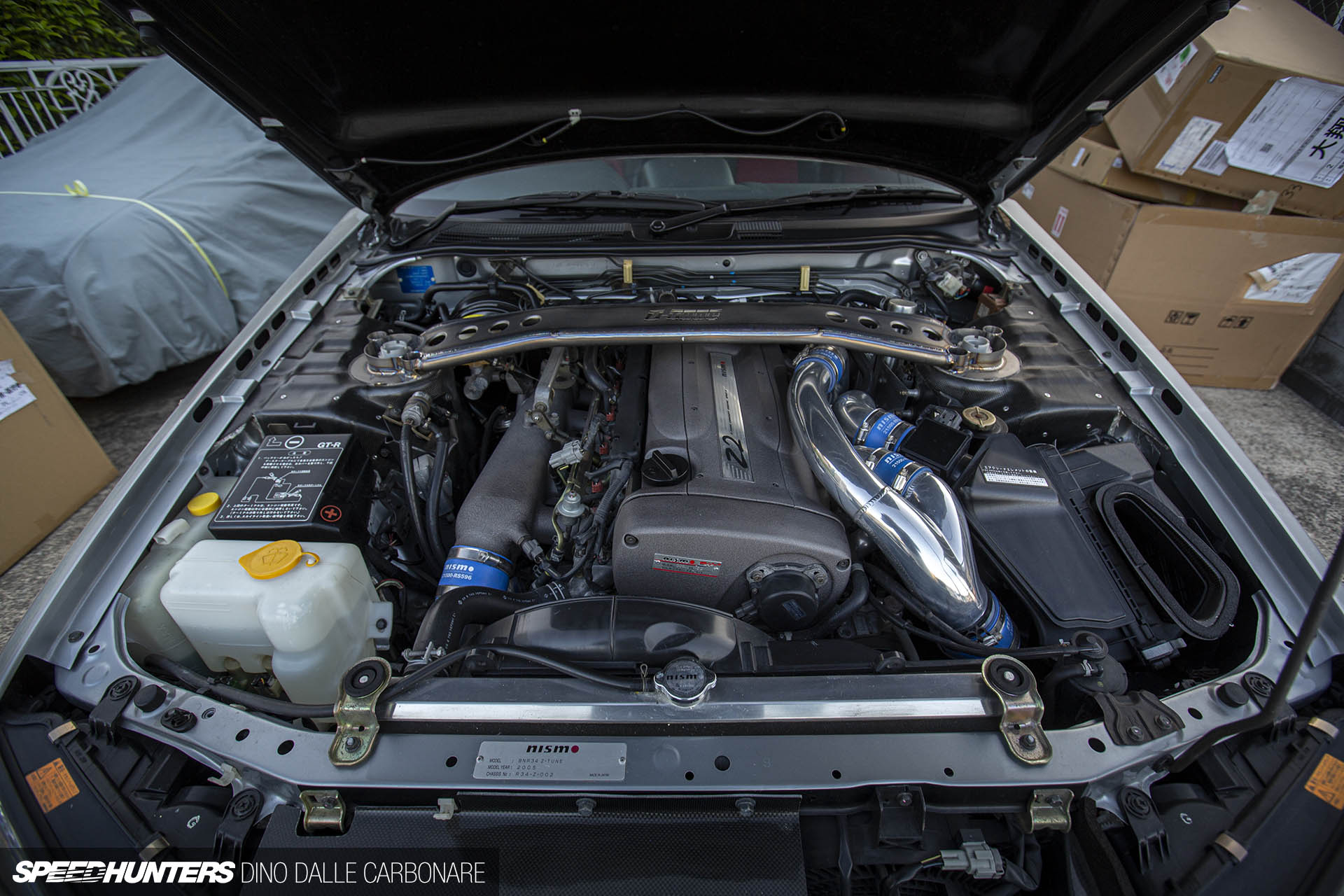
The 2.8L RB that was finalized for production took over where the 400R’s RB-X left off. The engine was ran at way over 600hp for a good year in the Z1 mule, and it spent its time being abused around Fuji Speedway and Tsukuba Circuit.
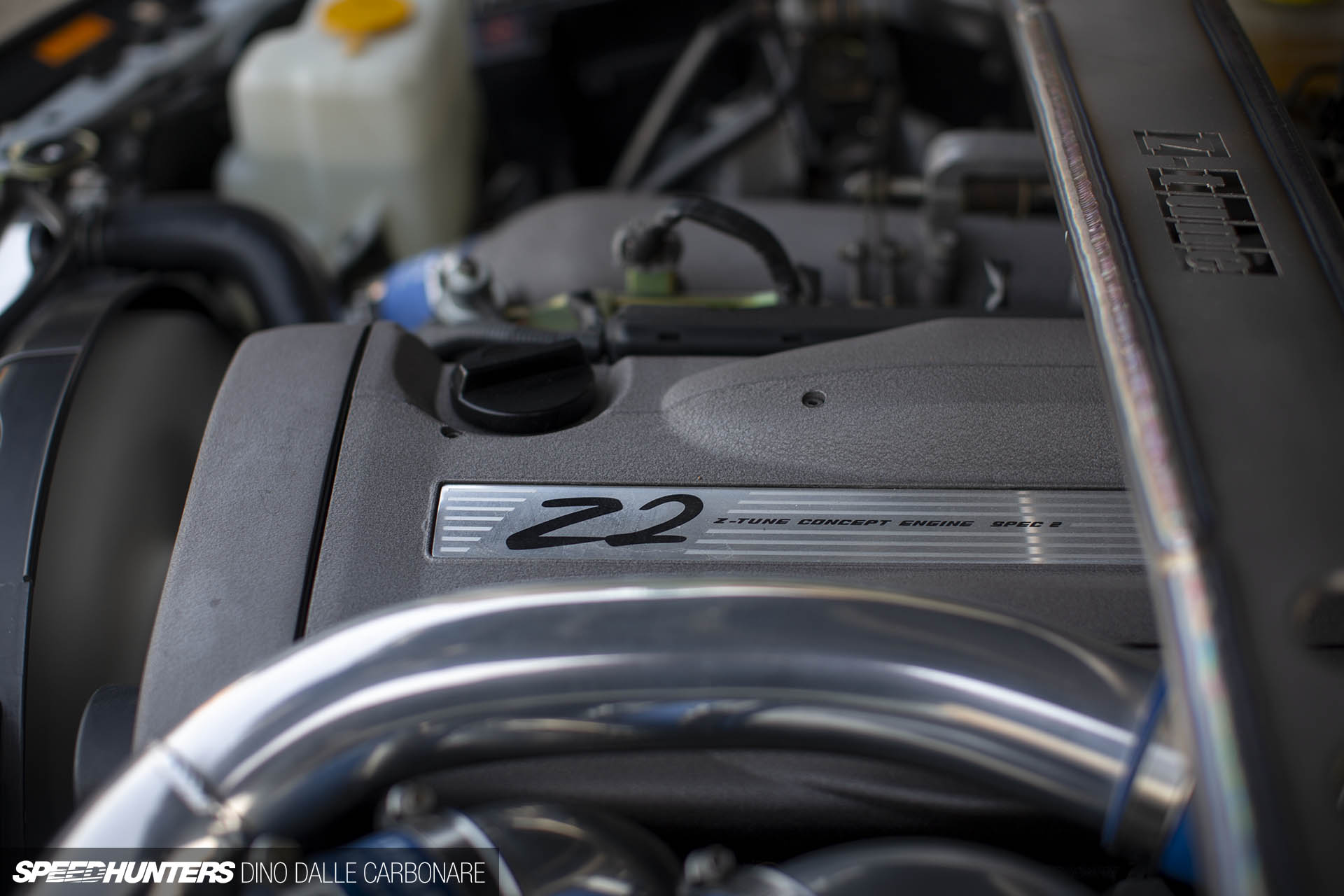
It was then de-tuned to about 500hp (Nismo figures were always somewhat conservative) and given the Z2 nomenclature.
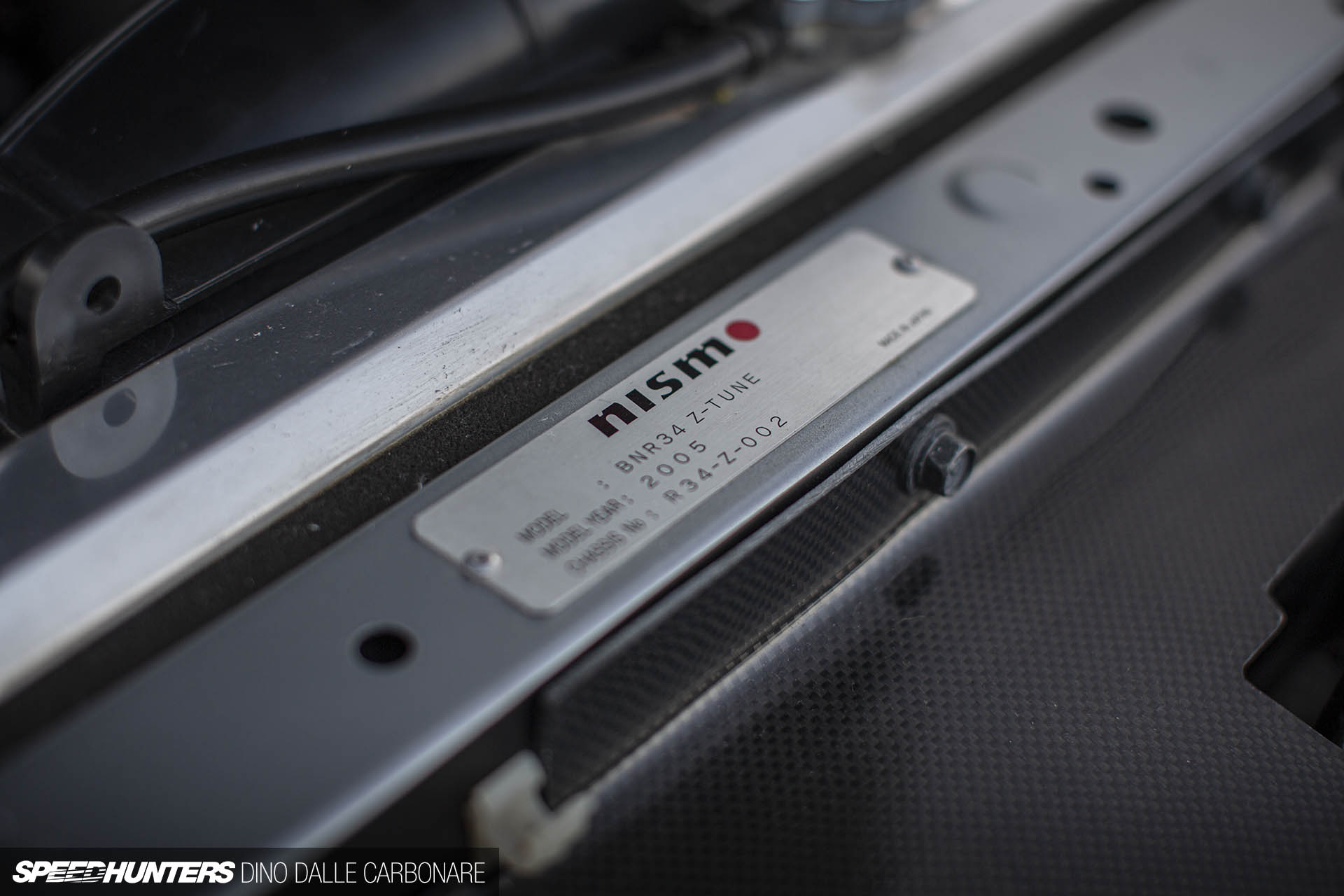
That would be the final spec that would equip the 16 cars that were built in 2005 and 2006.
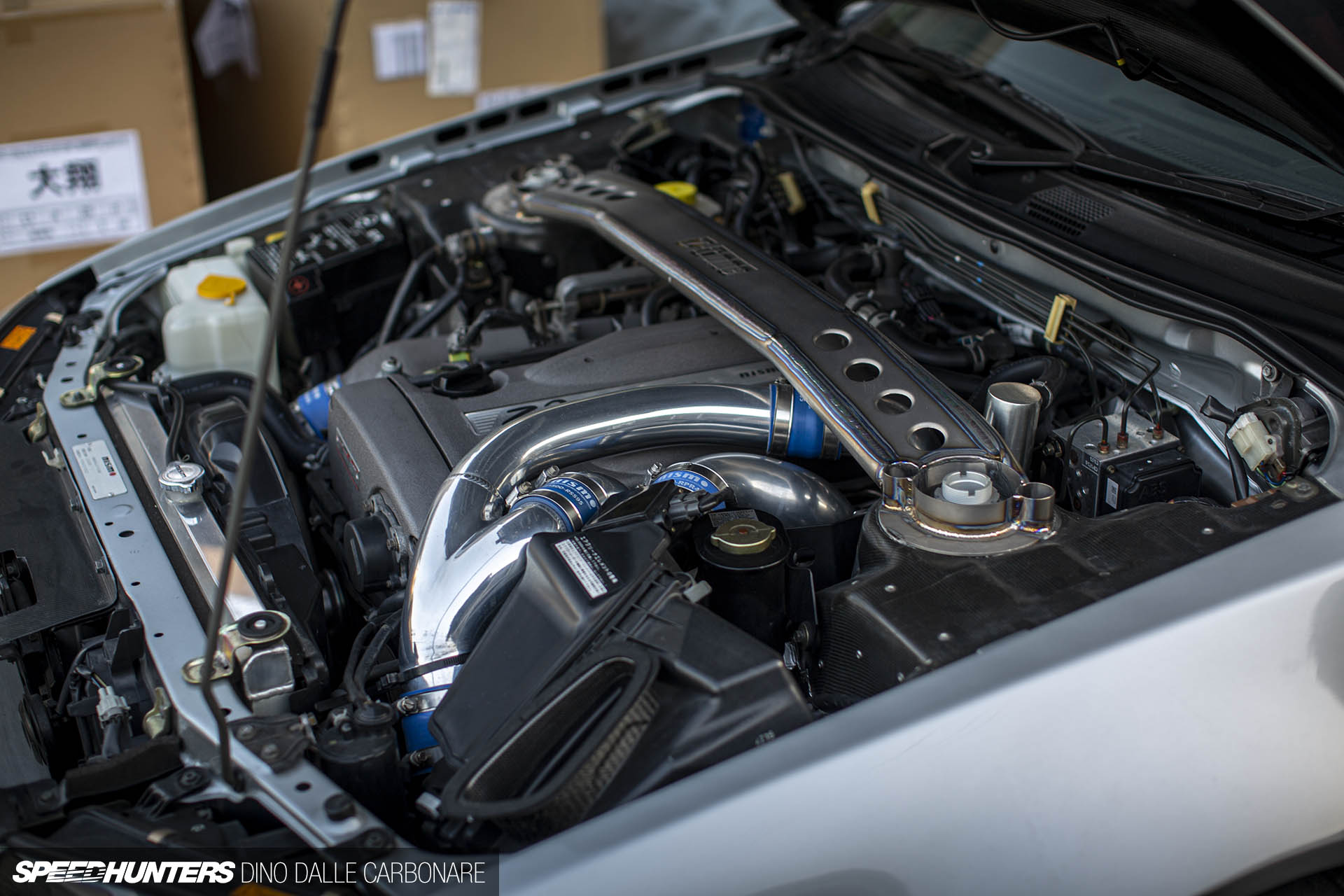
Being the tuning arm of a manufacturer means that Nismo has to ensure longevity is at the center of everything it produces. With this engine it was a fine balance between cost and performance, which is why the Z2 engine was never going to be anything crazy, just an ensemble of tried and tested N1 and Nismo parts embellished with a few bespoke touches. We all know that with modern turbos, a fuel setup devised in this millennium, and an ECU with a tad more processing power than an Hitachi calculator from 1988, this engine could be run at 750hp for eternity. But that’s not how official manufacturer cars work – especially those that are meant to represent the pinnacle of performance. You over-engineer and then de-tune and you are left with safety. Safety is good in cases like these, plus we have all the tuners in the world showing us what you can really do with an RB.
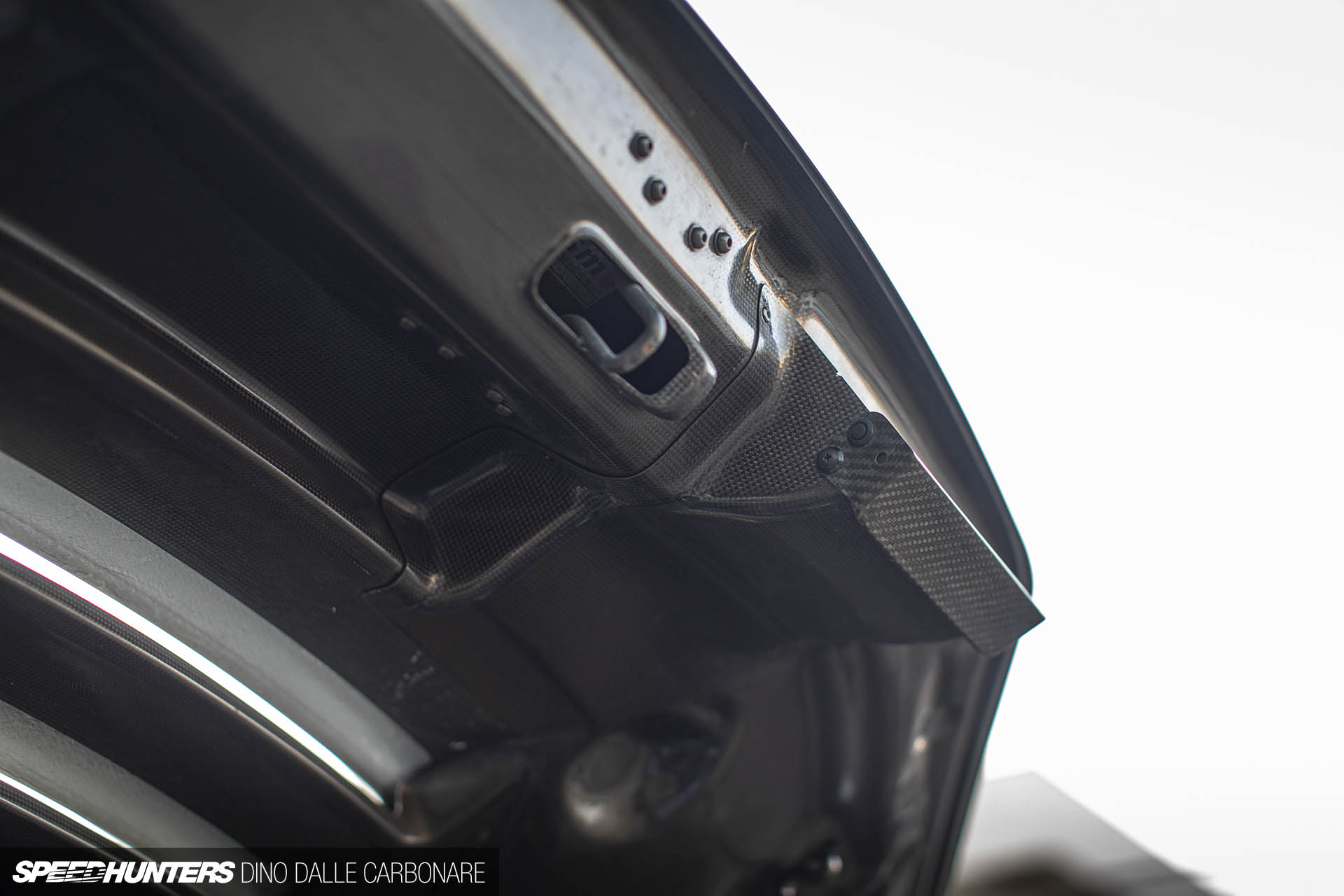
The Z-tune was always going to be a collector car; something bought to be stored away and admired rather than taken to the track and abused. Back in 2005, the Z-tune’s close-to-¥20,000,000 (US$180,000+) asking price was an astronomical figure for a Skyline GT-R; today it’s a bargain for a high-mileage, poorly-cared-for Nür.
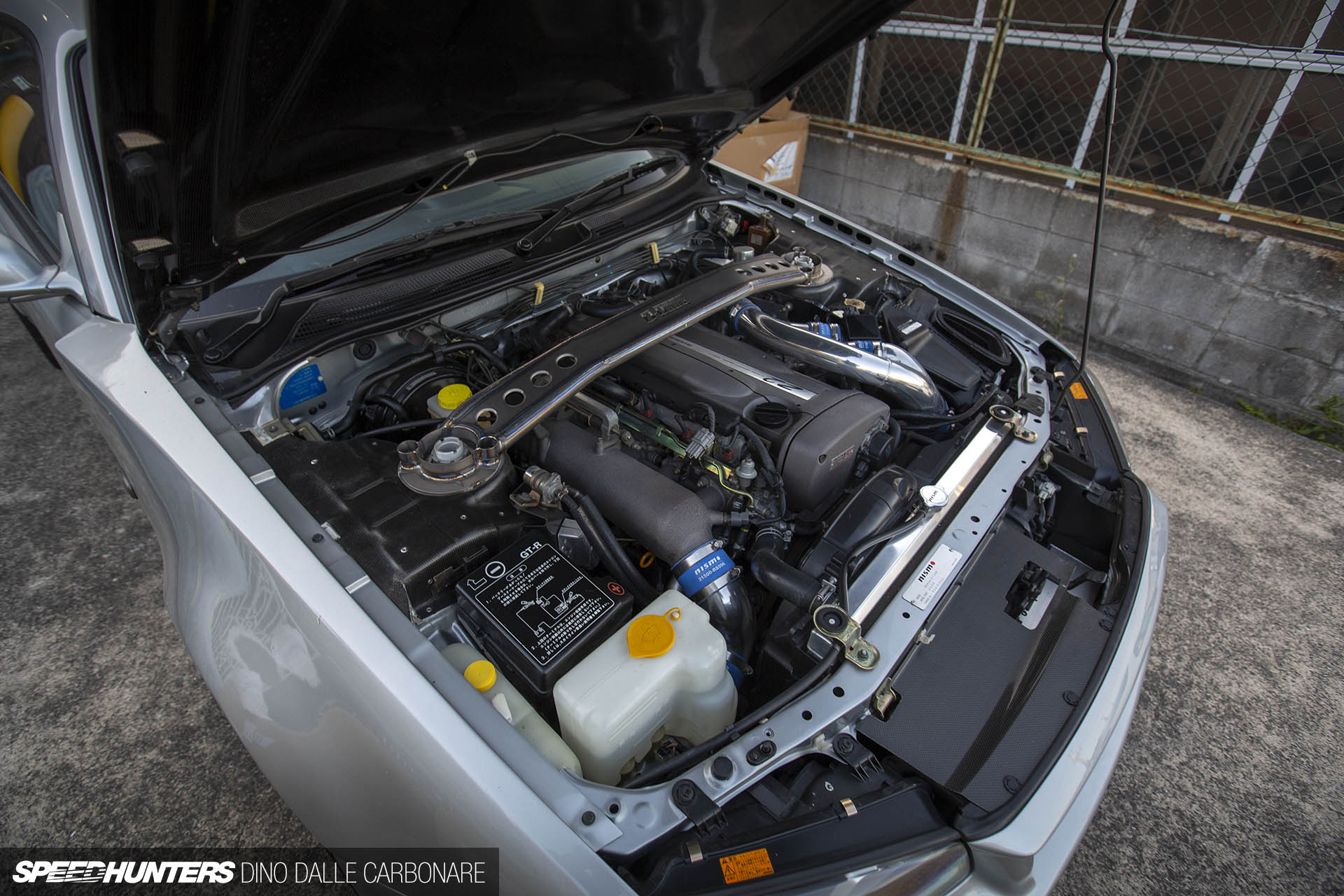
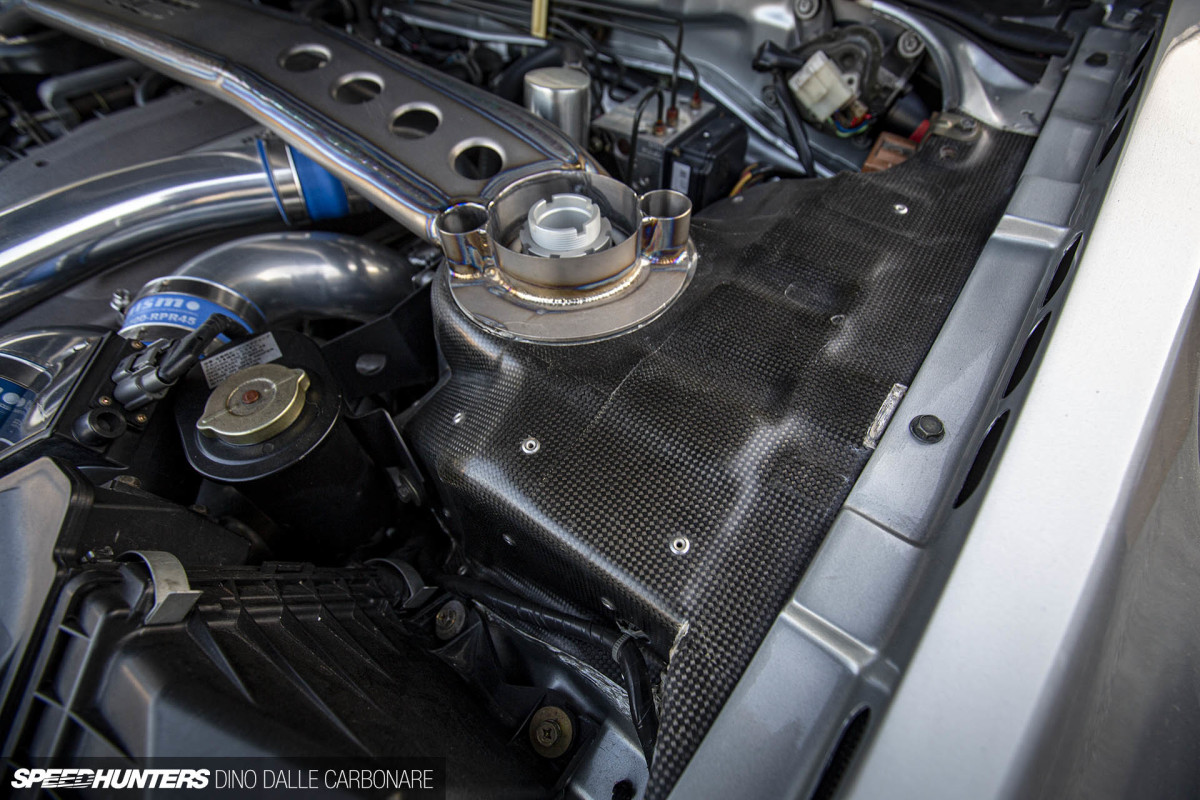

Whatever you make of it, there is no hiding the fact that this is the most legendary Skyline GT-R of all time. We’ll see these cars change hands for 10 times what they cost new sooner than you think.
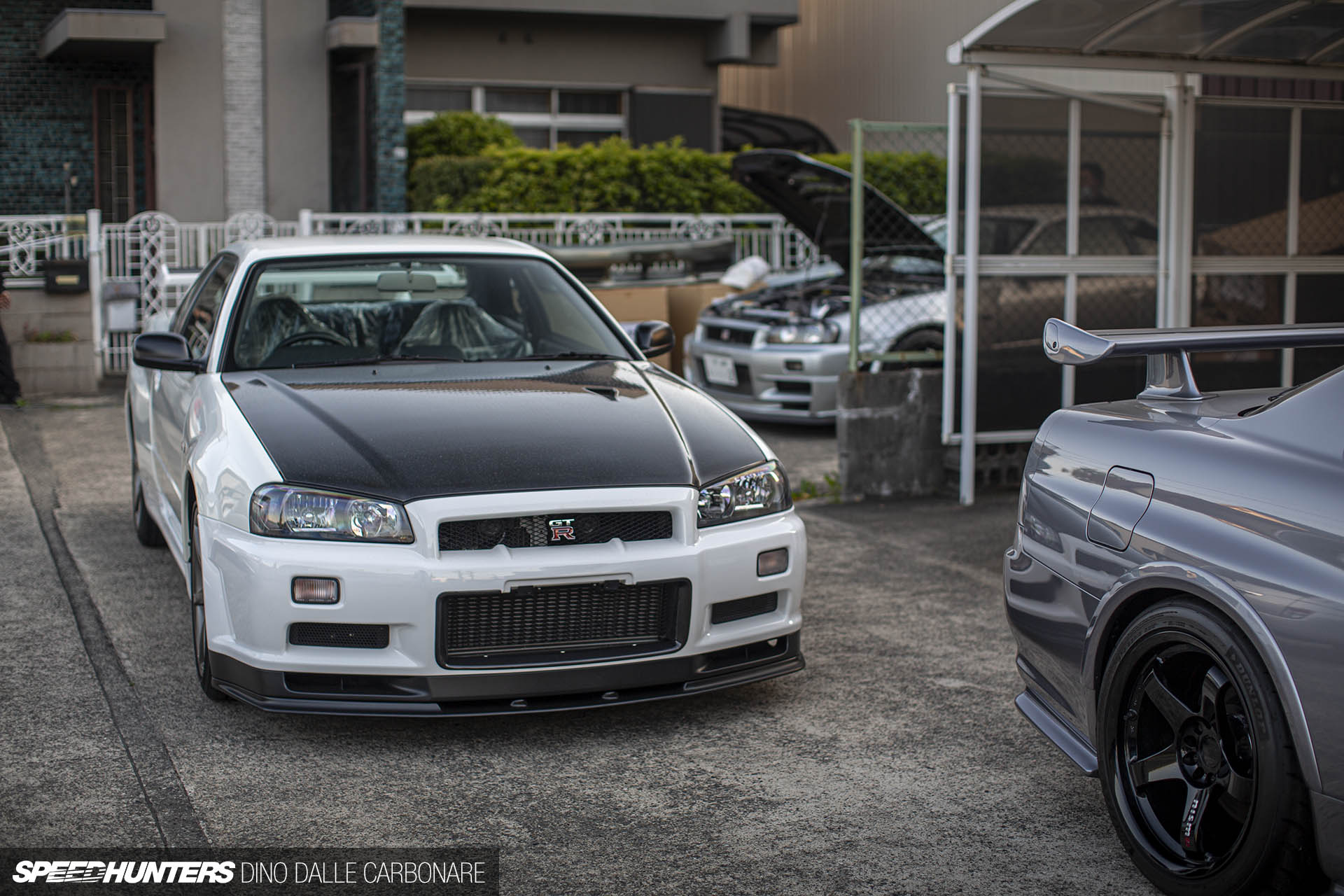
Which kind of makes you wonder what a V-specII N1 with 13,000km on the odometer will fetch…
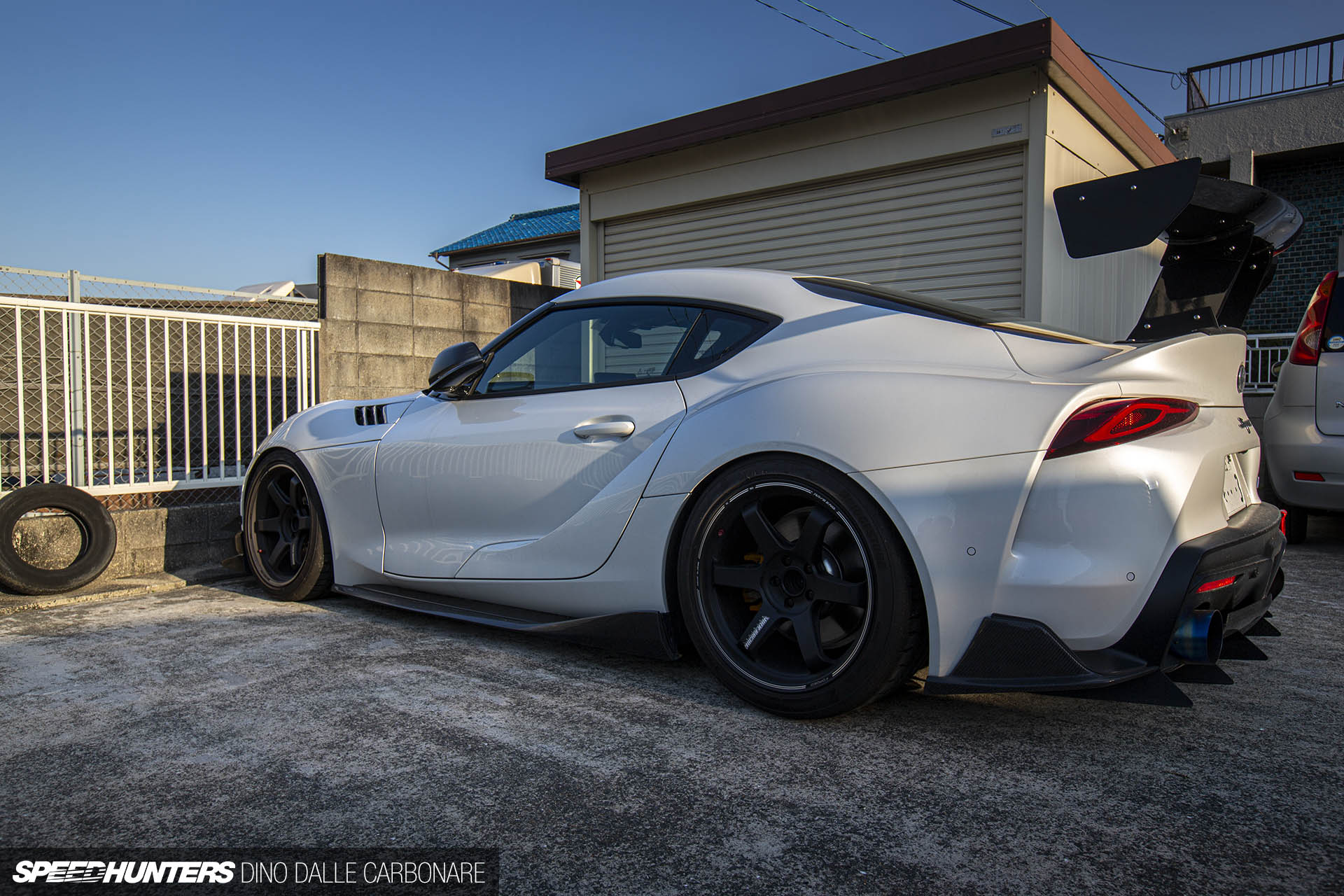
Ah yes, do you remember the unmistakable BMW key in the blue key box at the beginning of the story? This is Yasui-san’s A90 Supra project car, a very nice example sitting on RAYS Volk Racing TE37s. Given the company, it wasn’t really worth a second glance on this particular day, but I promise to take a closer look at it the next time I’m down in the Kansai region.
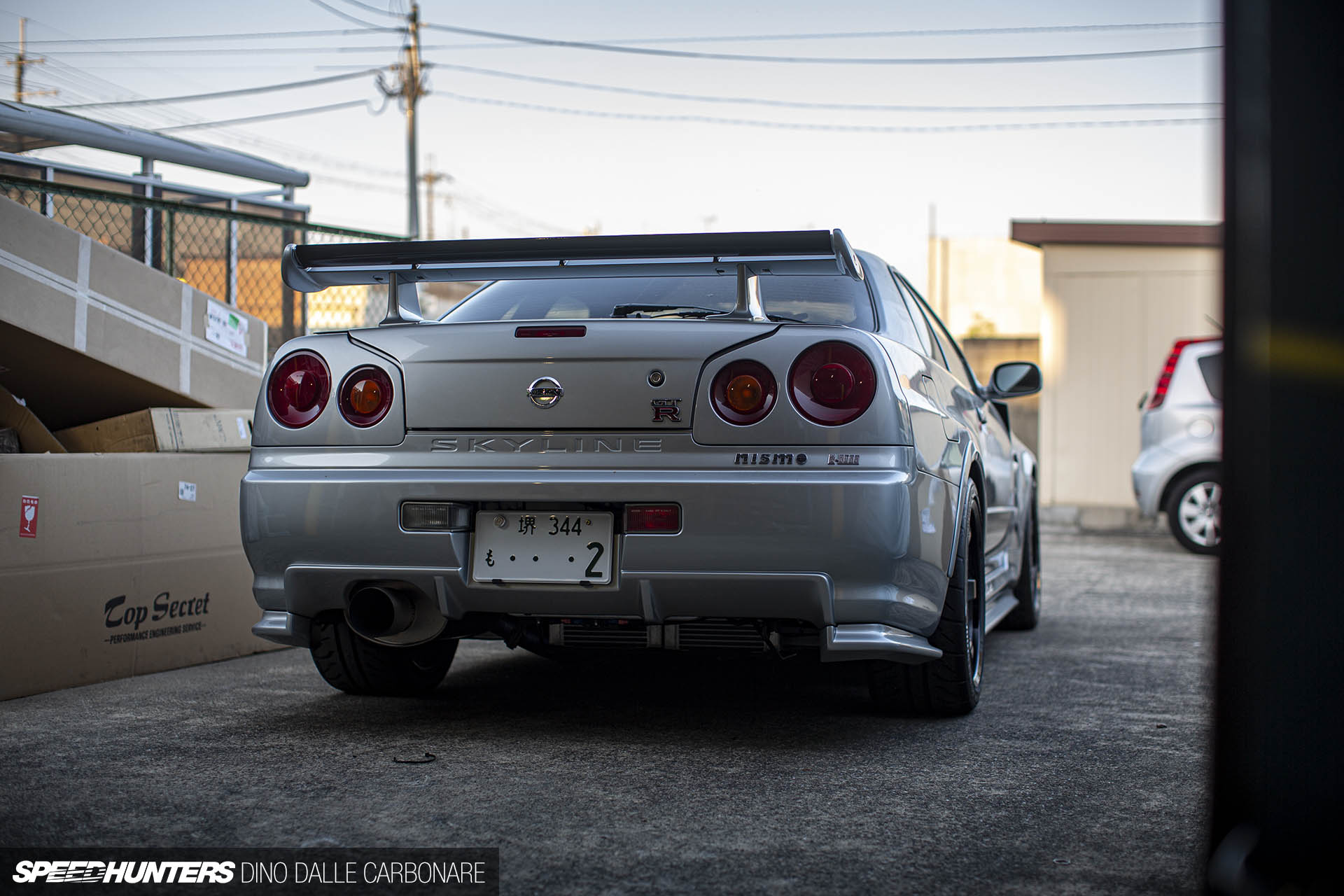
Right, where were we? Ah yes, Z-tune and all the glory that comes with being the most sought after iteration of an already highly sought after model.
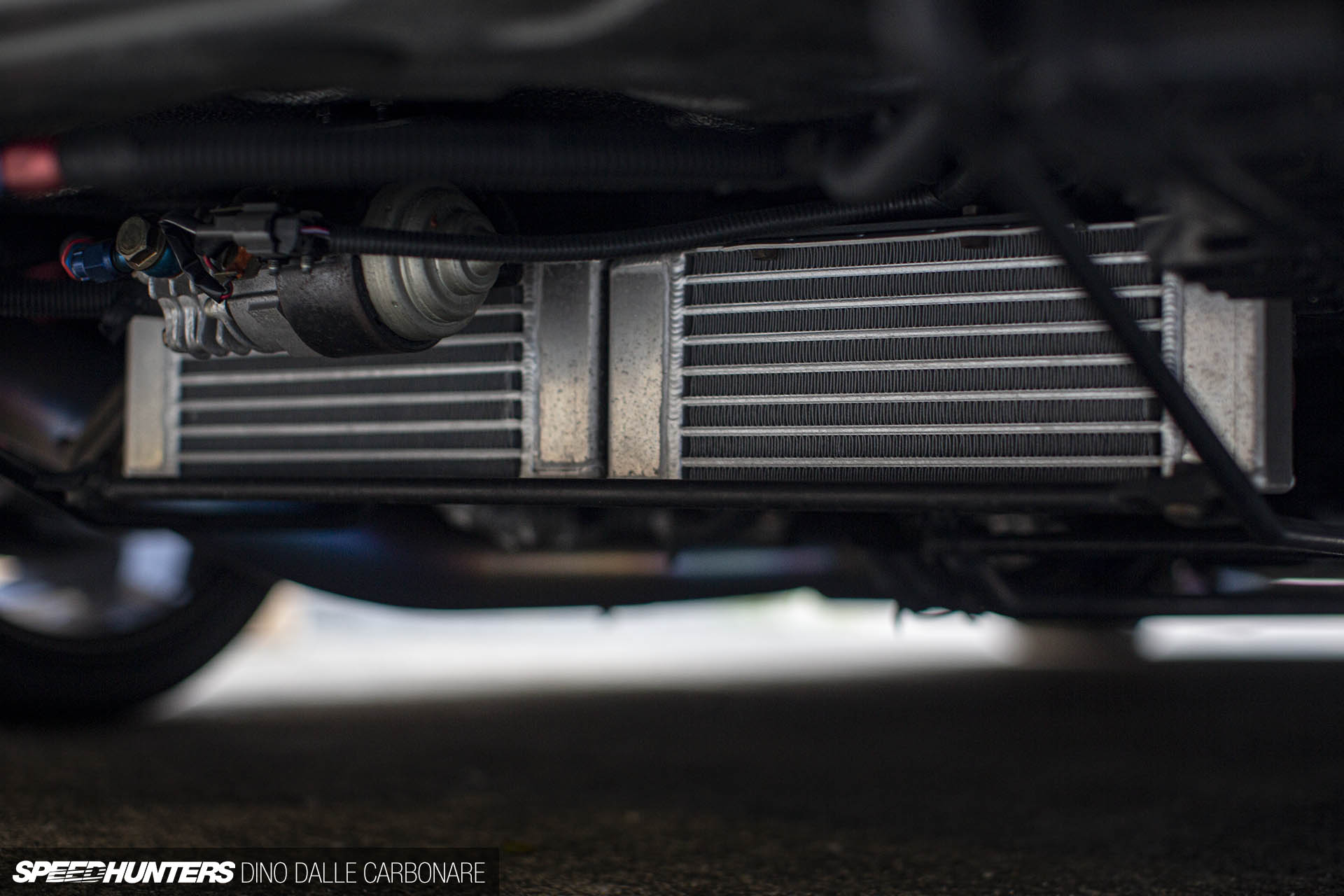
Nismo really did throw the entire catalogue at the car. It even came with a pair of coolers that were originally developed and fitted to the 50 V-spec models that were officially sold in the UK in 1999 through the Nissan Middlehurst dealership. One for the transmission and one for the rear differential, they each came with their own external pumps, deemed a necessity for the European market as everyone there spends the majority of their time either doing 200mph on the Autobahn or hard-lapping the Nordschleife. At least that was the understanding at Nissan in 1999.
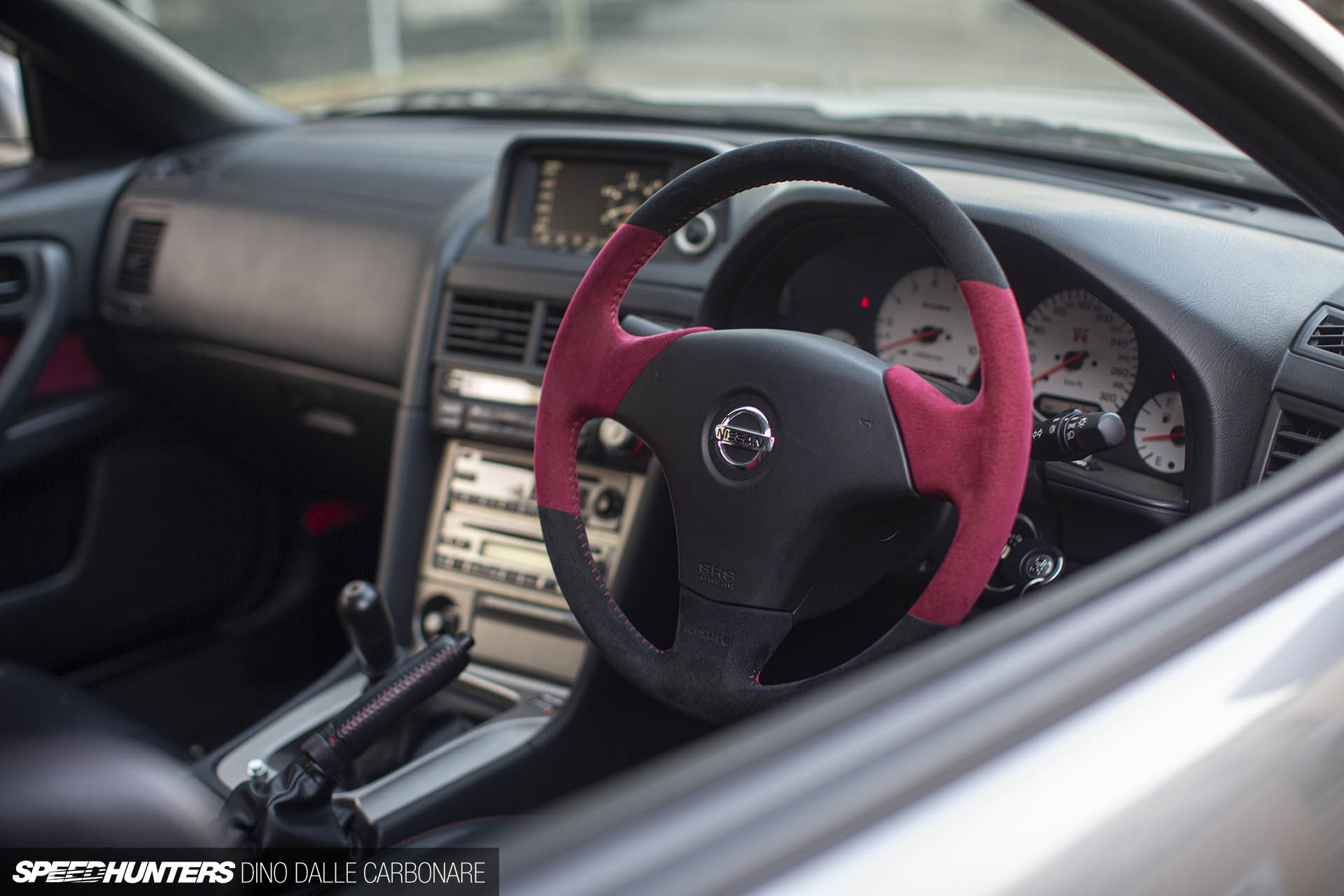

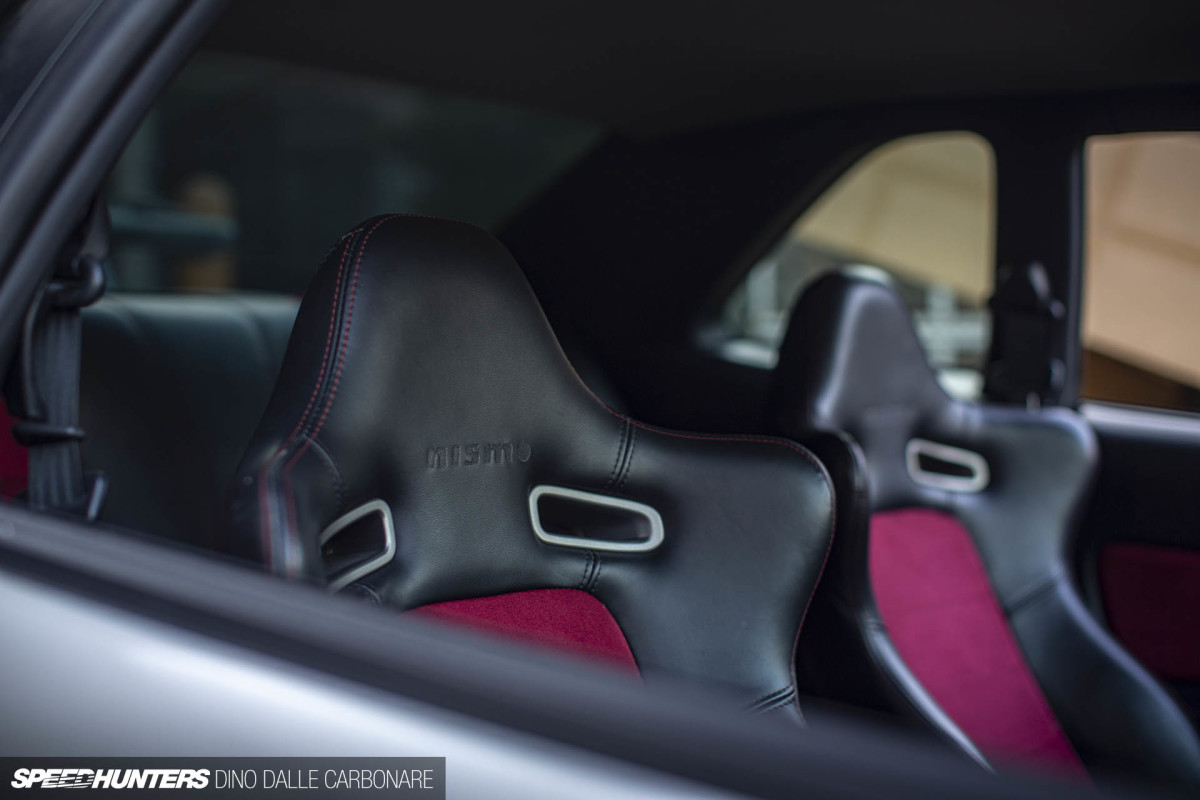
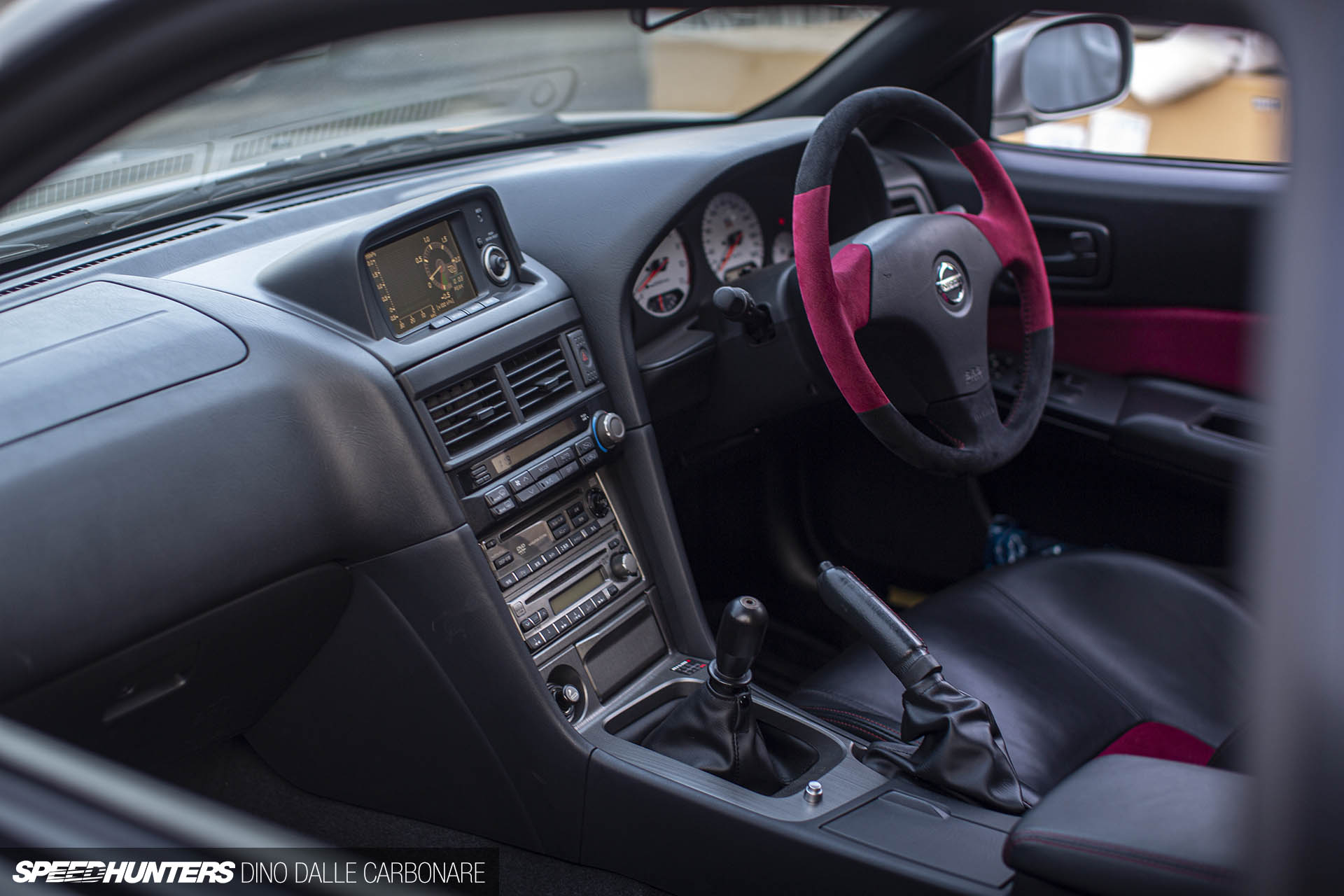
I assume 1999 was the year that Connolly Leather was in full fashion, possibly the reason that the 50 UK BNR34s got a full leather interior and eventually the reason that the Nismo Z-tune also received a bespoke upholstery trimmed in the famed English shiny leather. Connolly went bankrupt in 2002, so maybe Nissan stockpiled a few hides? While I did like the red suede inserts on the center of the seats and door cards, I never – and still to this day – quite understood the steering wheel choice.
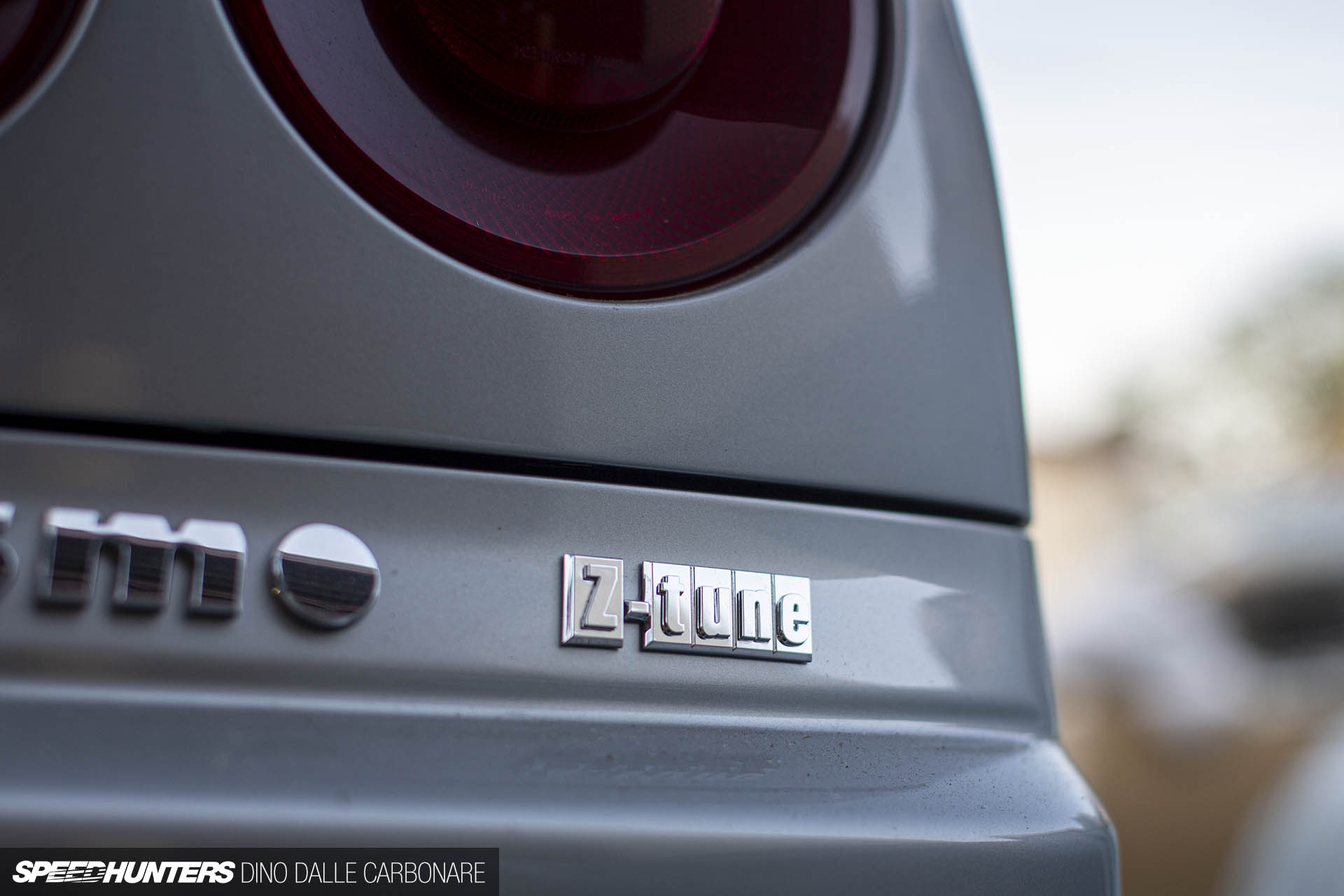
With 35,000km on the odometer, at least this car was fully enjoyed by its previous owner. With that said, Yasui-san sent the Z-tune back to Nismo a few years for a certified full refresh, a very wise move for a car of this caliber.
After spending a few hours at Global Auto, I really did leave with a massive grin on my face. I stopped caring about the whole BNR34 value thing and how parts and maintenance have skyrocketed; I was just happy to have spent time with modern legends and be reminded of the amazing 20 years I’ve enjoyed the GT-R scene in Japan and elsewhere around the world.
Dino Dalle Carbonare
Instagram: dino_dalle_carbonare
dino@speedhunters.com