Day to day life in Japan runs like clockwork and can become pretty predictable. But no matter how unsurprising things may seem, you should always prepare for the unexpected.
People will drive agonisingly slowly and with a level caution like they’re negotiating a frozen lake in the middle of summer. There will be five guys standing in the convenience store reading dirty magazines and hentai comics and not one will buy a single copy. And there will be someone who awkwardly attempts to reply in terrible English to your perfectly natural Japanese question.
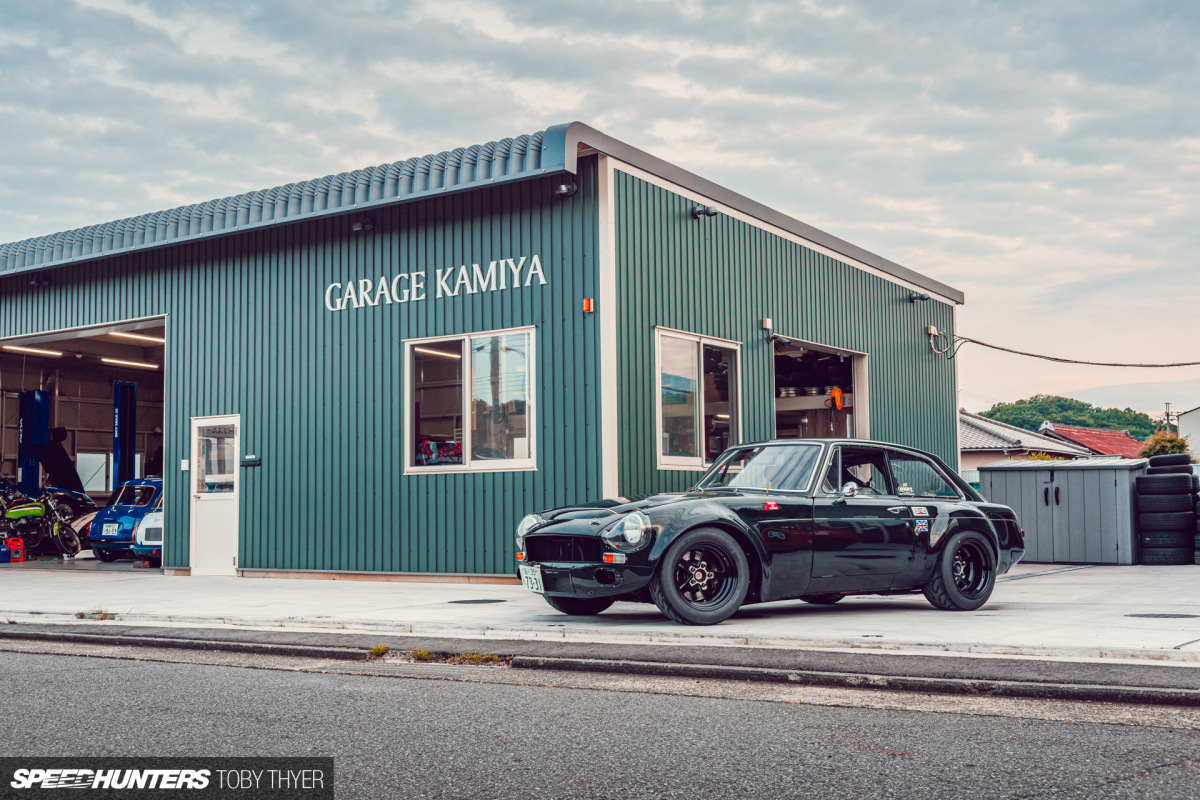
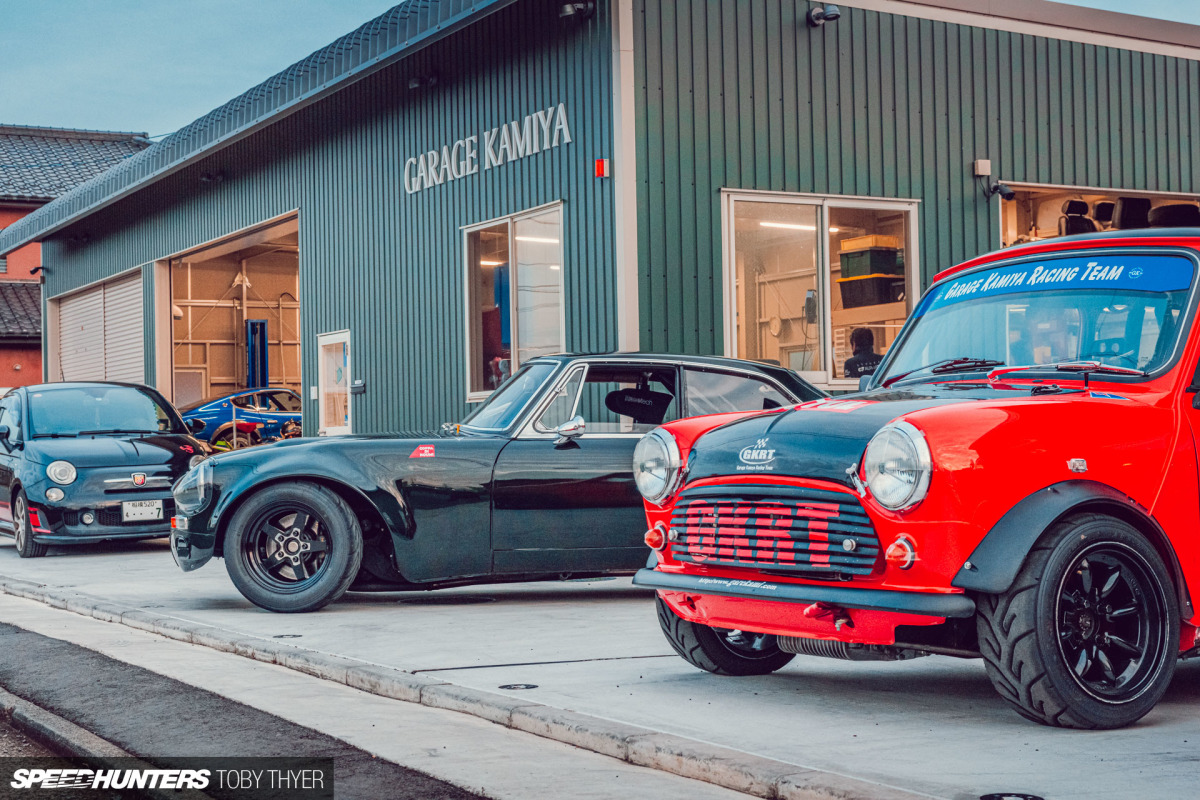
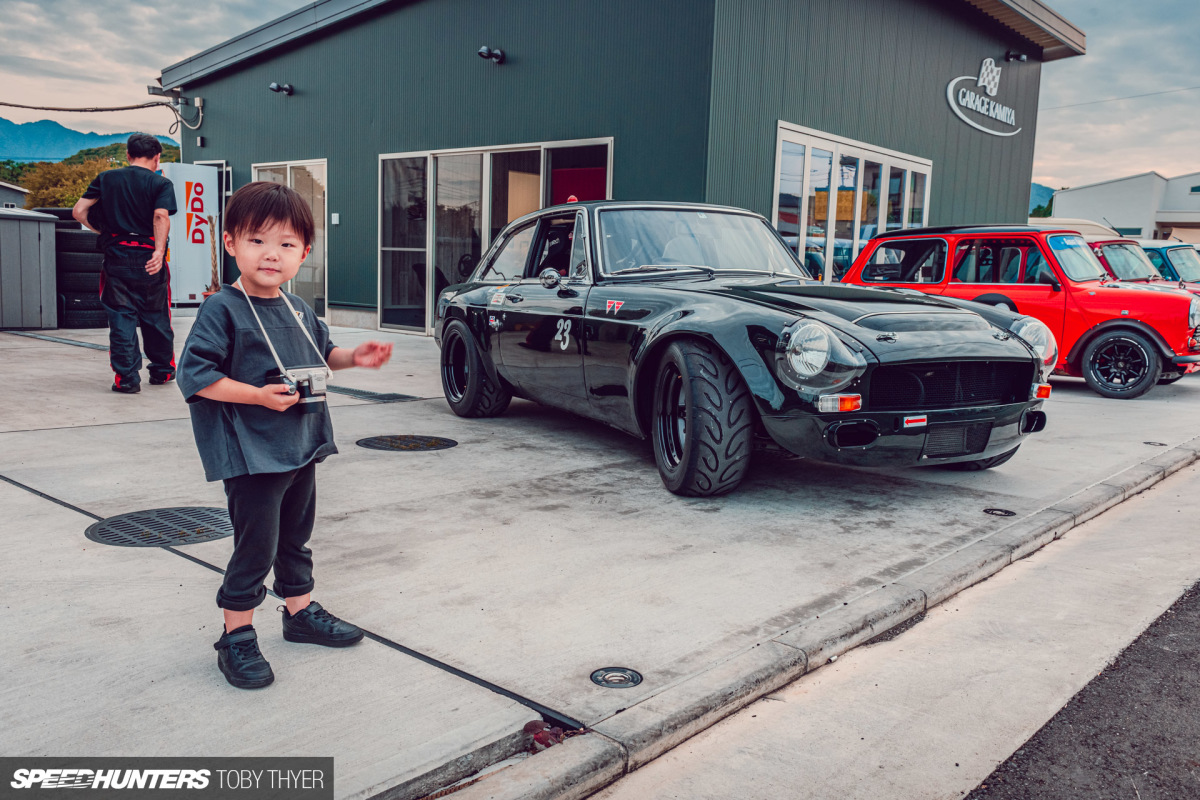
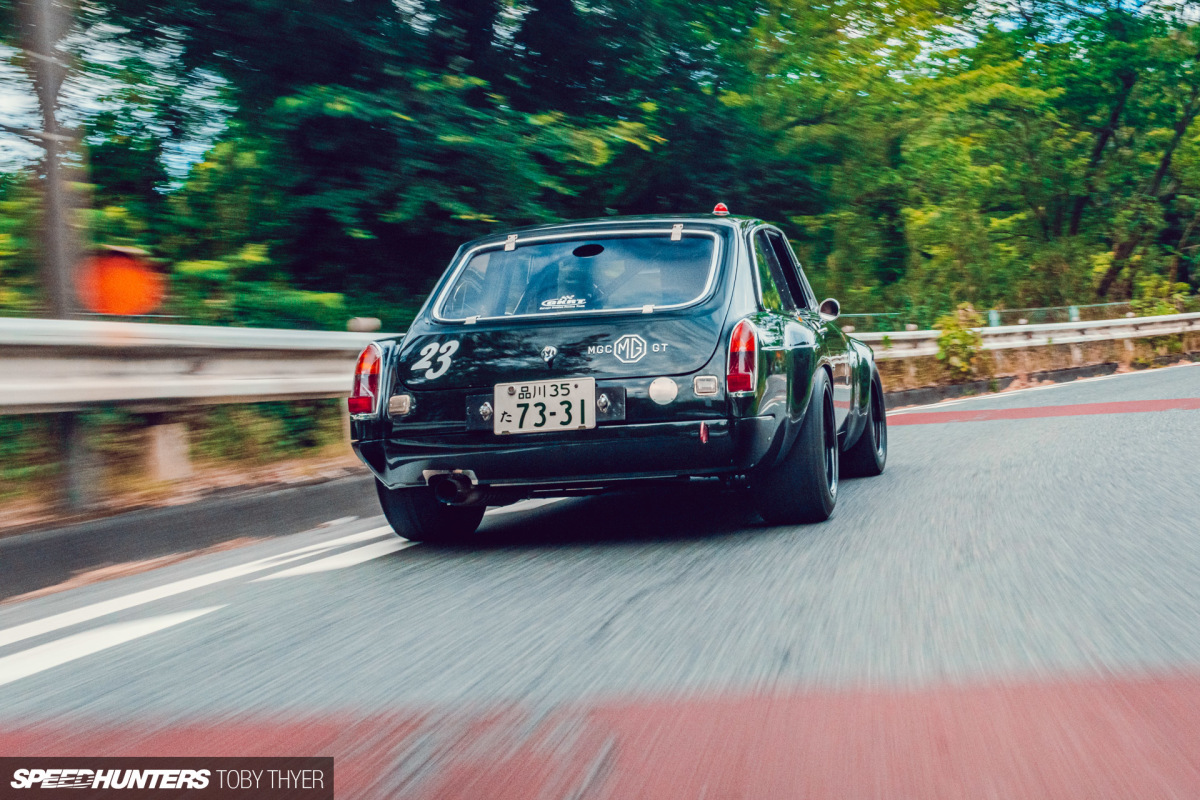
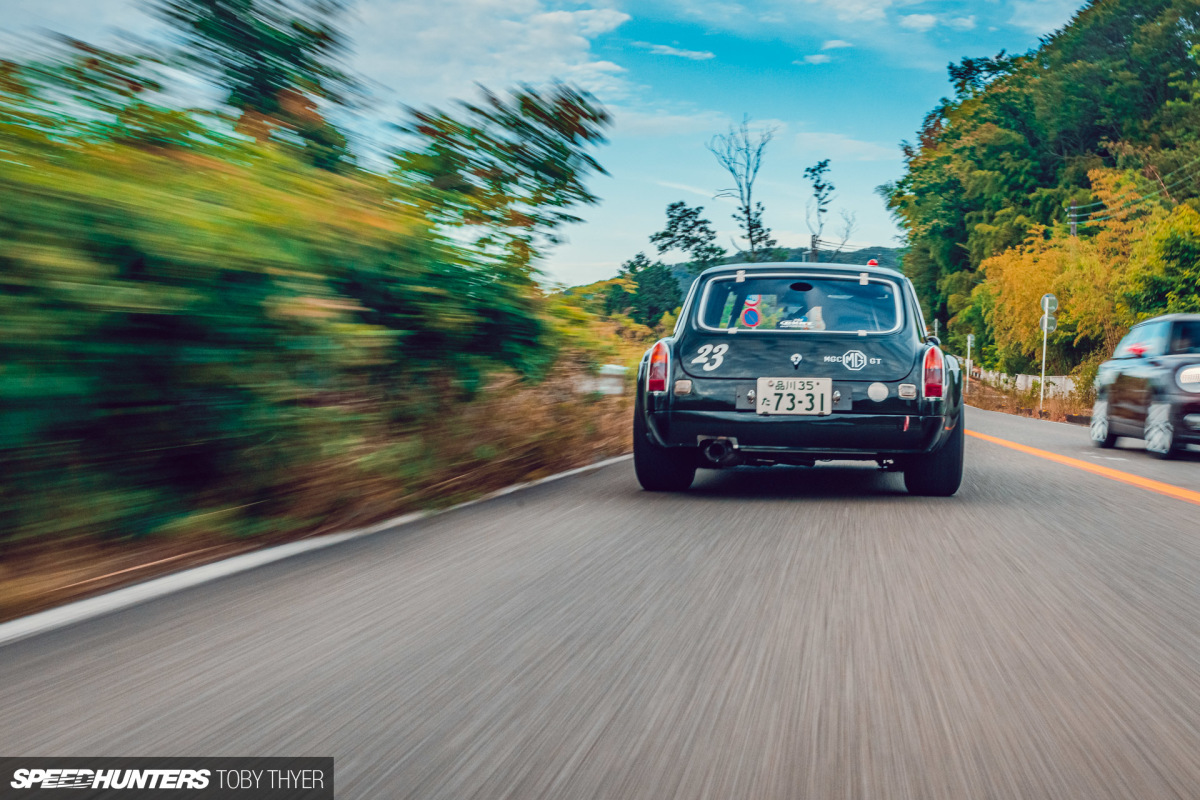
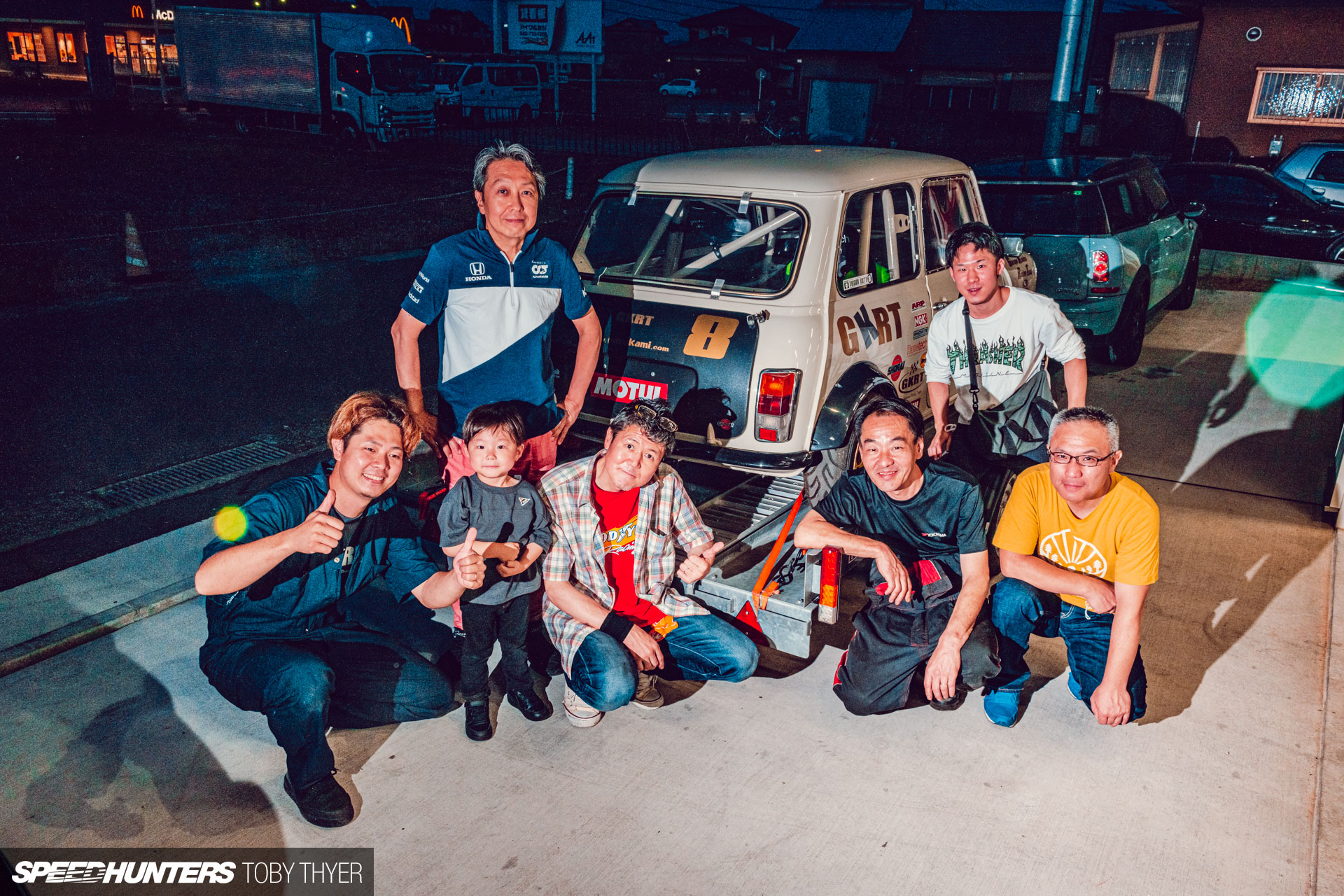
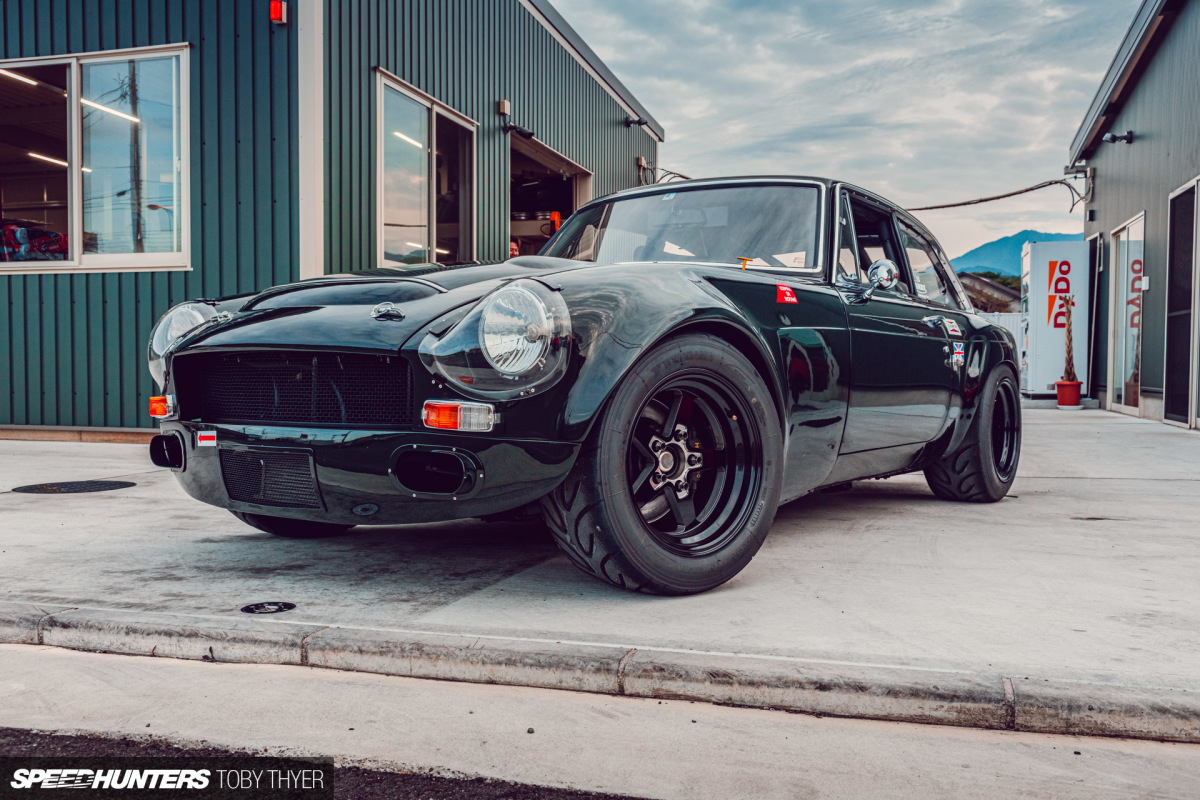
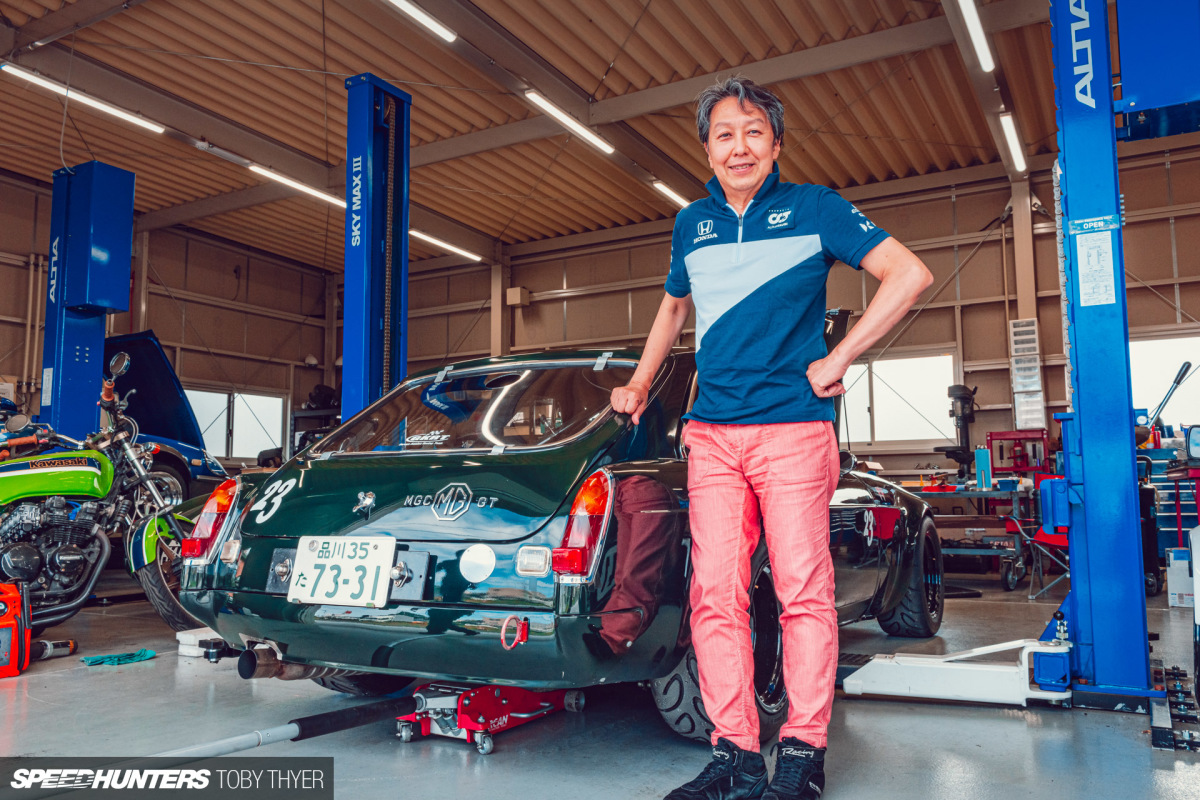
When I visited Kamiya Garage recently, I thought I would be in for an exclusive racing Mini treat, but sitting outside the garage, sparkling in the light summer rain, sat Akamatsu-san’s MGC GT Sebring works car replica. I did not expect to see a track-prepped MG so far from the rolling hills of Old Blighty.
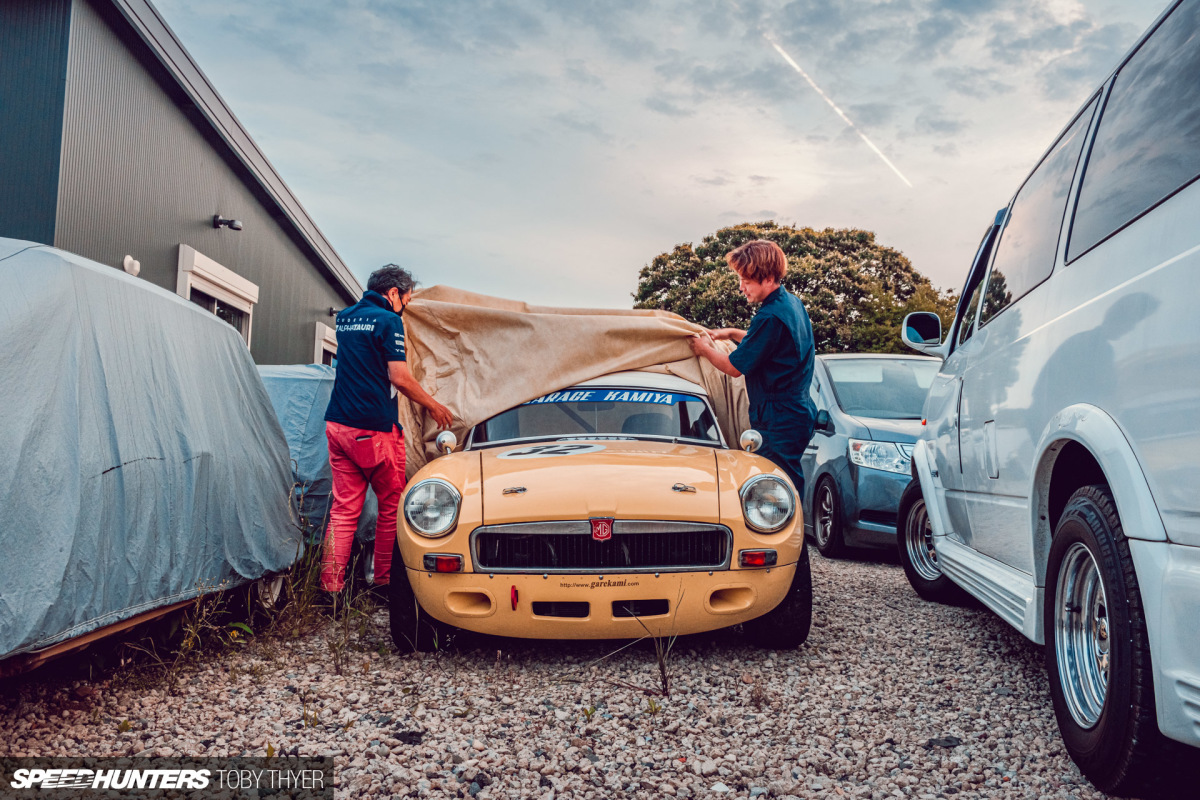
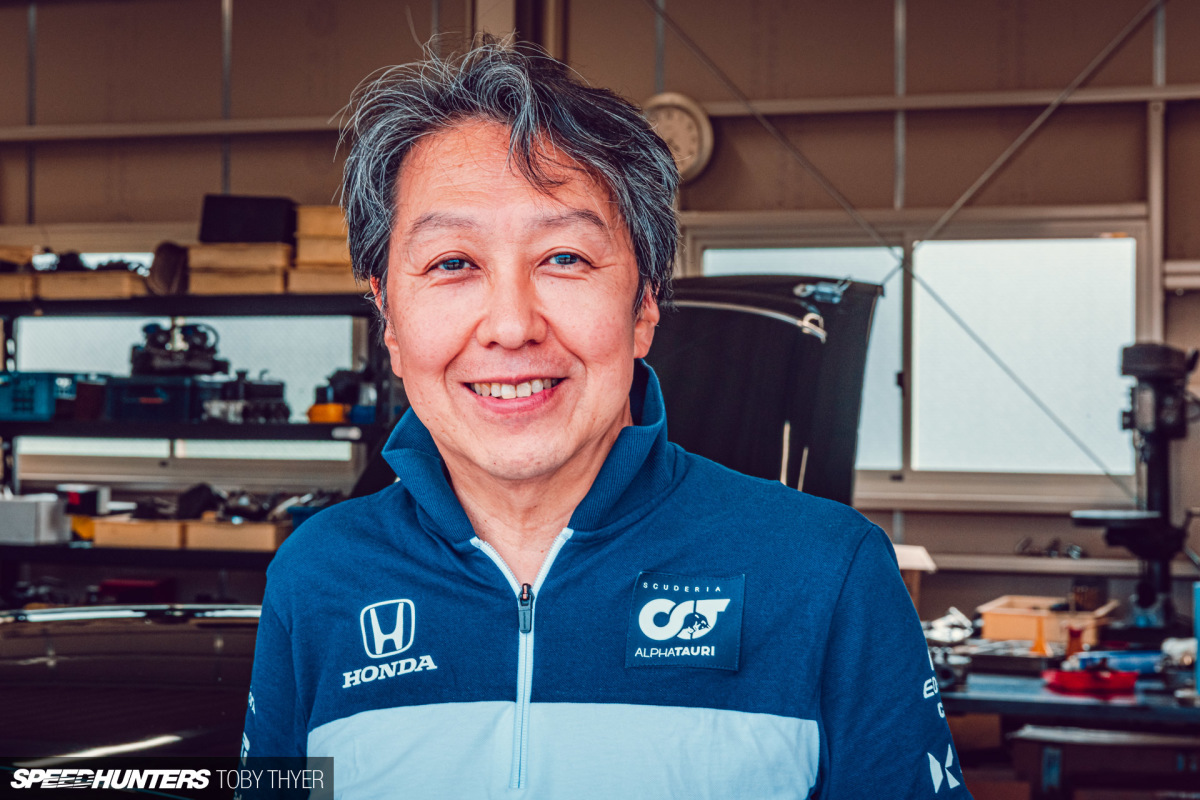
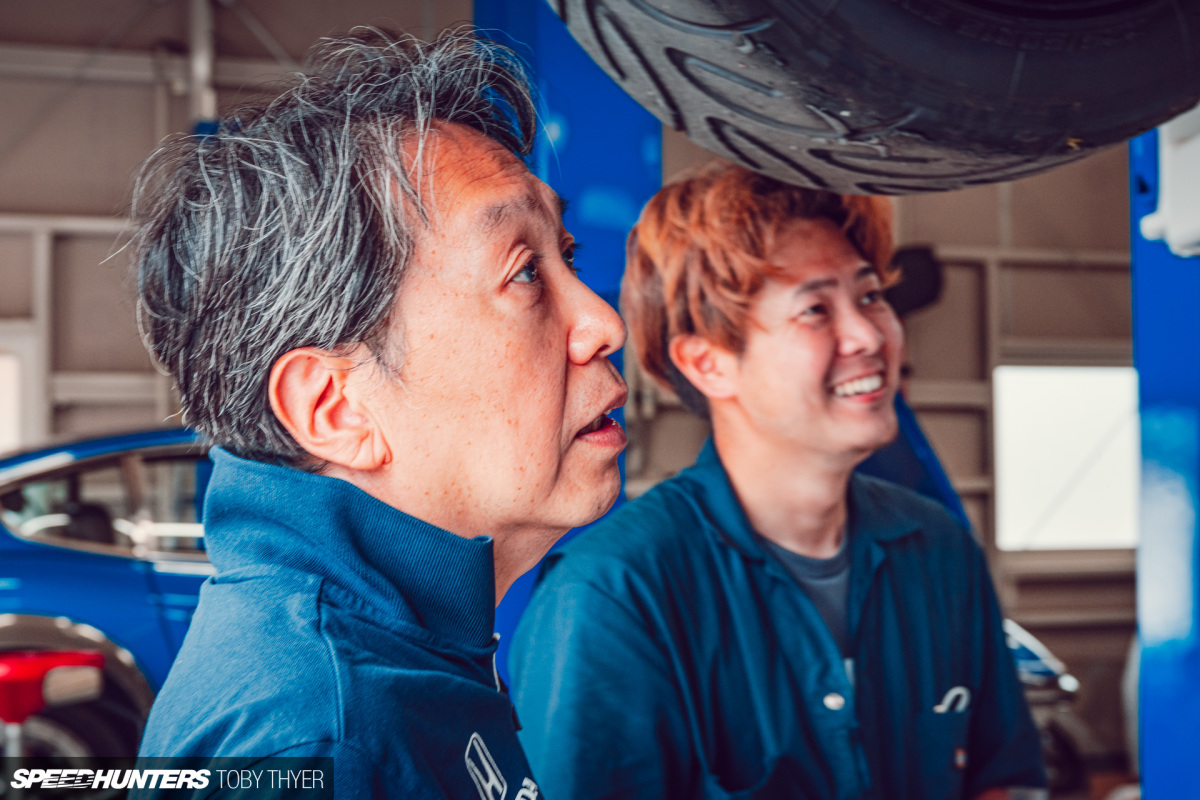
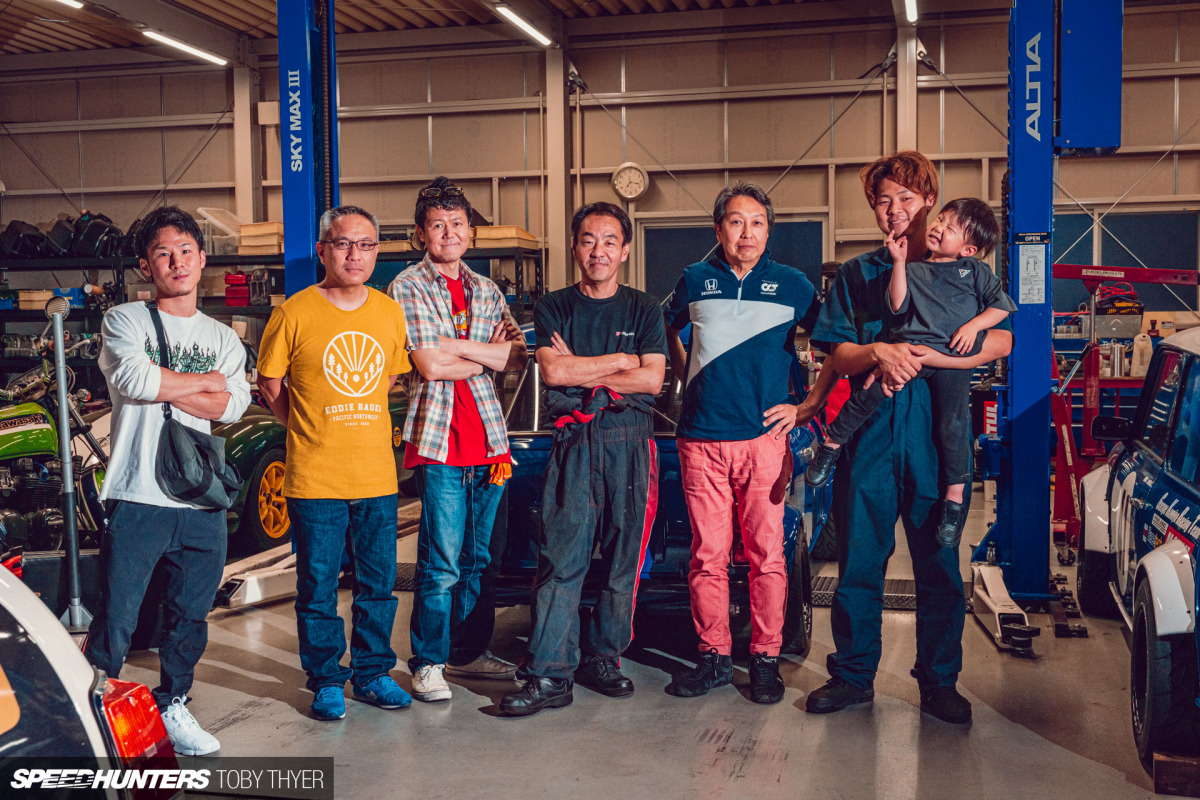
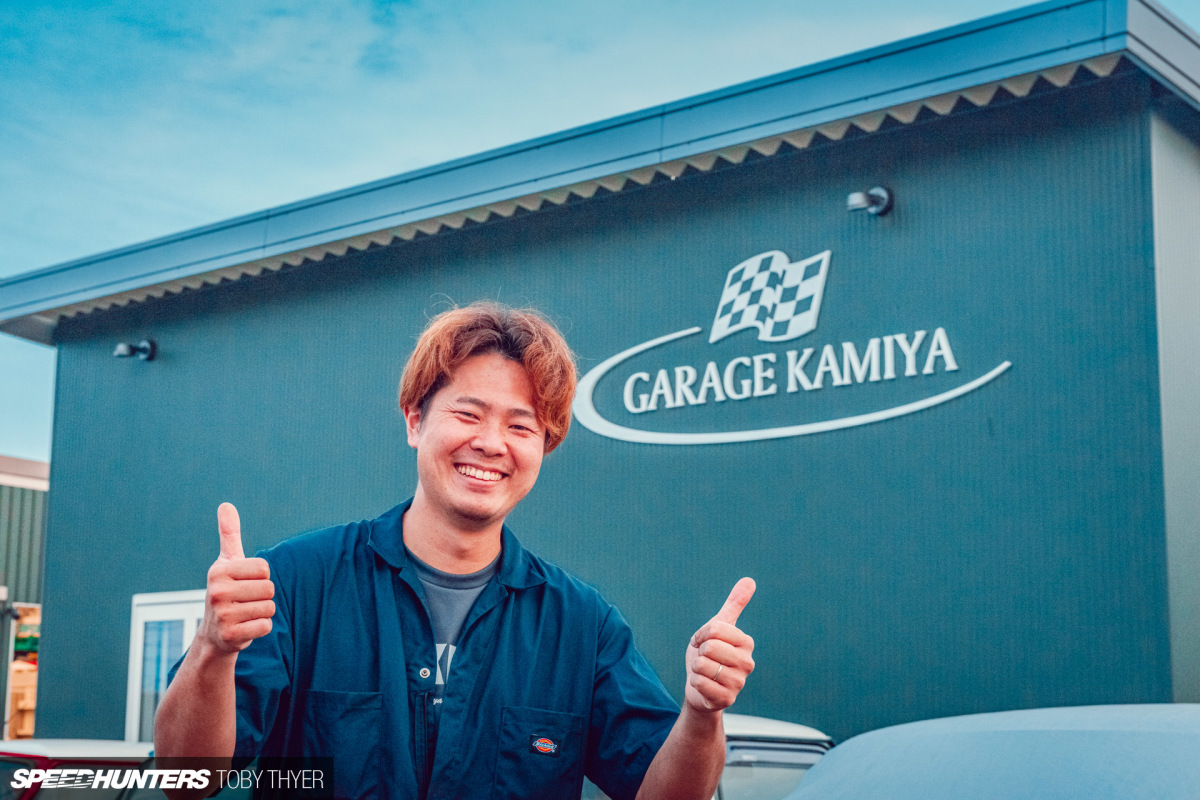
It turns out that MGs in Japan aren’t as unexpected as I had first thought. In fact, they’re how Akamatsu-san met Kamiya-san many moons ago. You see, Kamiya-san is not only a Mini master but also an MG expert. But before we get there, let’s rewind back to when Akamatsu-san first purchased his MGC.
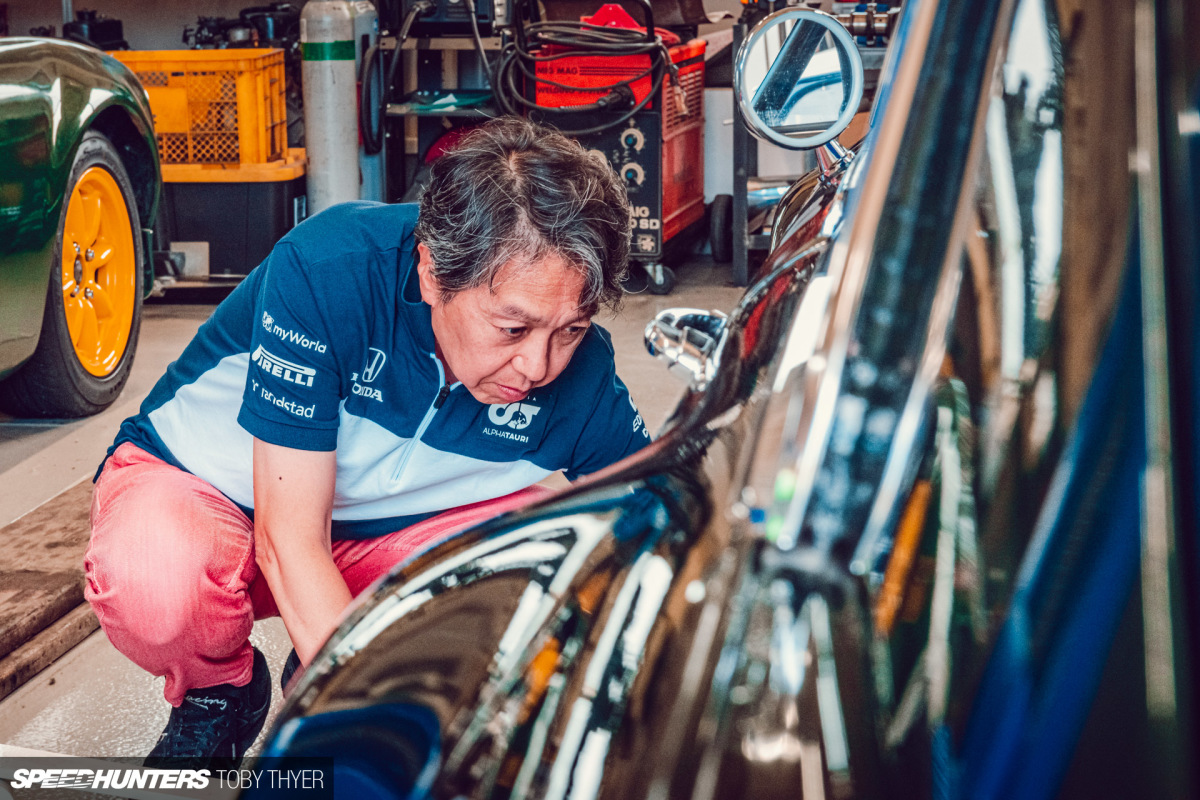
Twenty years ago, Akamatsu-san moved to the metropolis of Tokyo with his wife to take up residence as a plastic surgeon at a prominent surgery. At the time he was driving a Morgan 4/4, another remarkable British sports car definitely worth opening an internet rabbit hole – if you’re into that kind of thing.
Soon enough, the couple were expecting their first baby boy, and it quickly became apparent that the open-top Morgan wouldn’t cut the (English) mustard. Apart from the lack of a seat for their first-born child, the soft-top didn’t really live up to the challenge of keeping out the torrential rain Japan experiences every wet season.
Being a proper British car, naturally it had many proper British problems, so Akamatsu-san regularly visited a proper Morgan garage in Tokyo, Garage Malvern. It was here, while lamenting over the Morgan’s many inadequacies, that the garage owner suggested an MGC as a more suitable family car. Luckily, said garage owner just happened to be selling one. What are the chances?
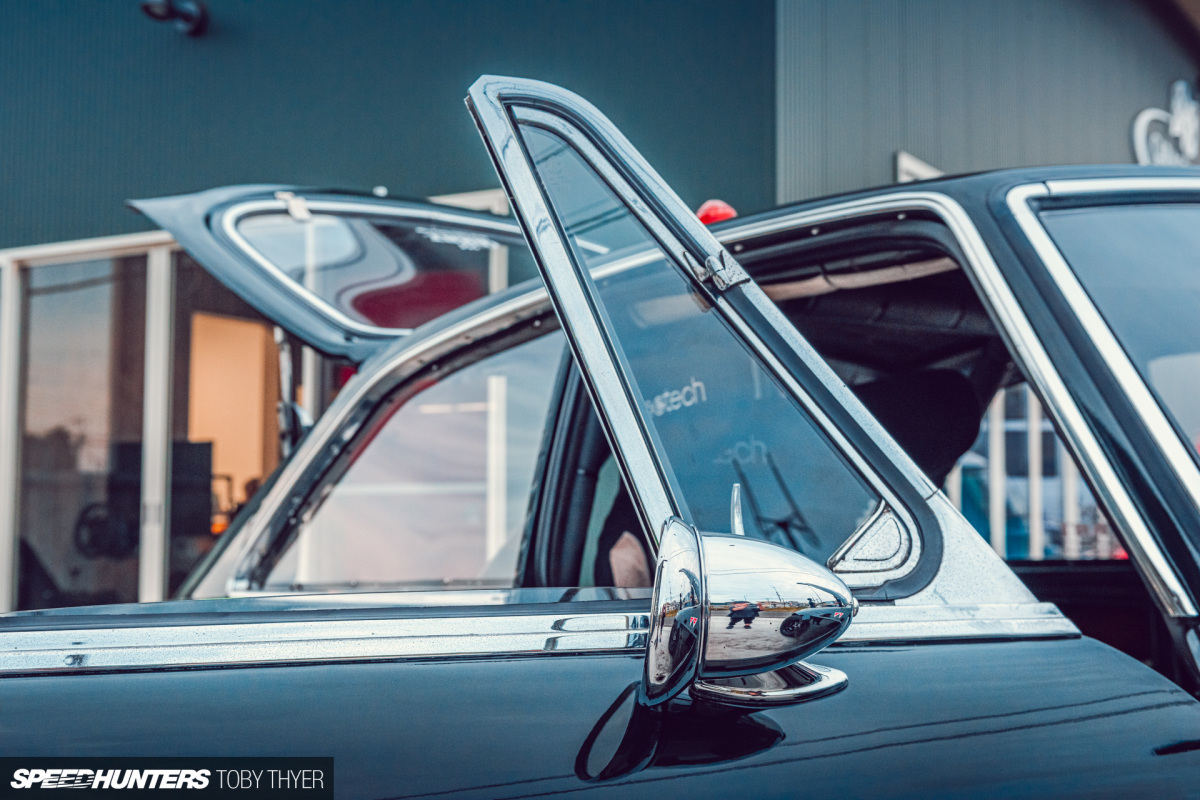
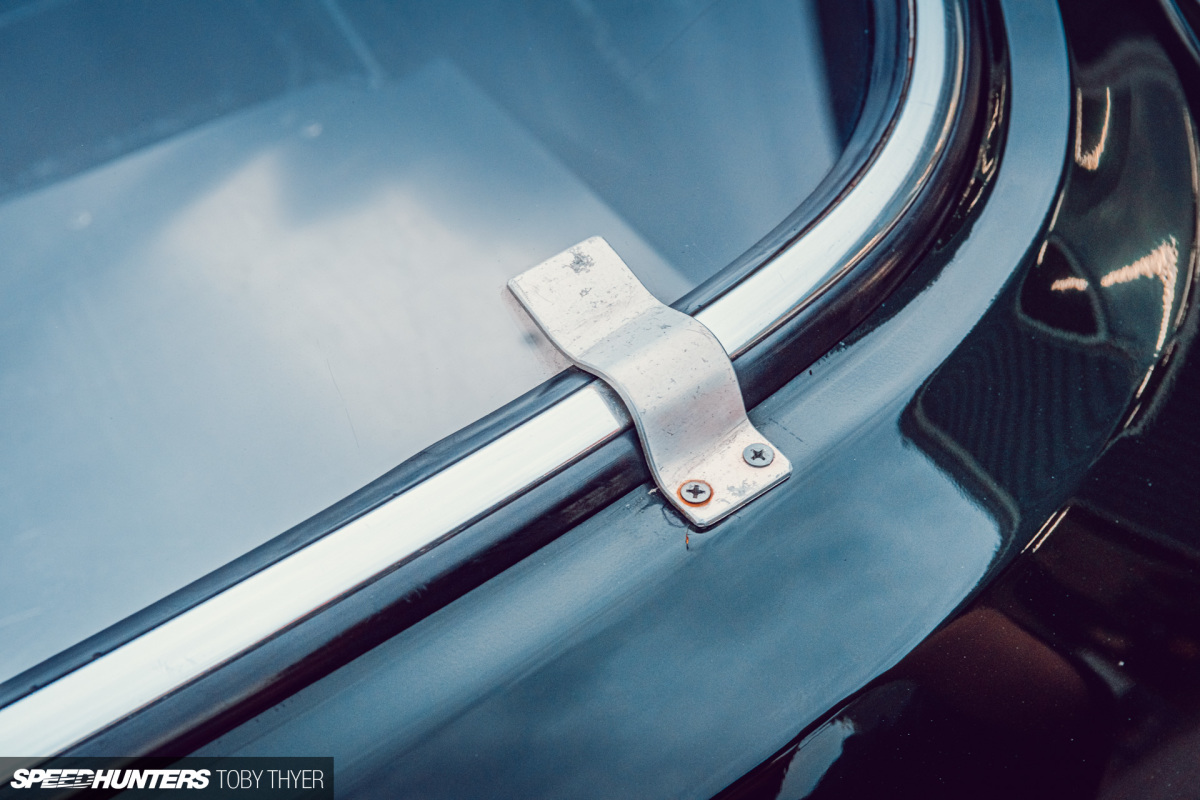

For the next five years the new MGC faithfully took on daily driver duties for Akamatsu-san’s young family, and his wife was pretty happy. The leather seats were comfortable and soft, the ride was supple, and best of all the lovely hard-top kept the rain out.
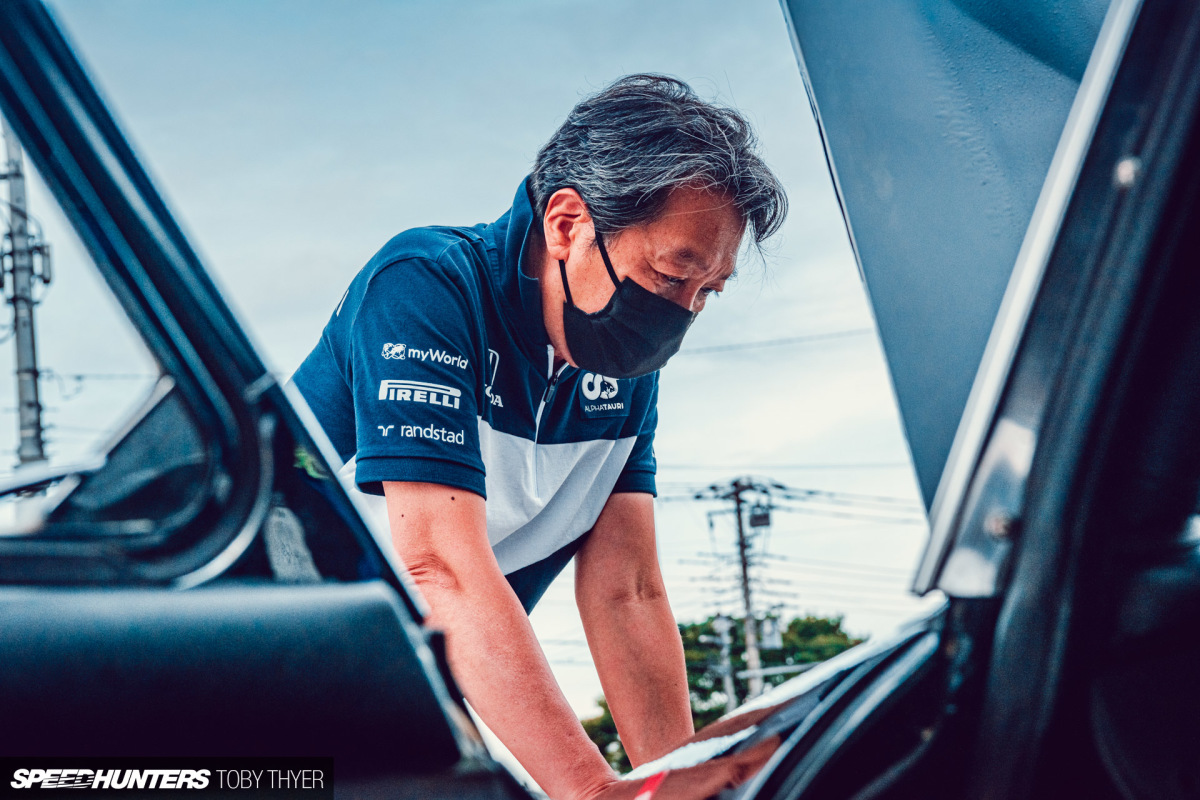
If you hadn’t guessed, Akamatsu-san is a bit of a petrol-head. Whenever he had the chance, he took the MGC to club racing days for a bit of fun.
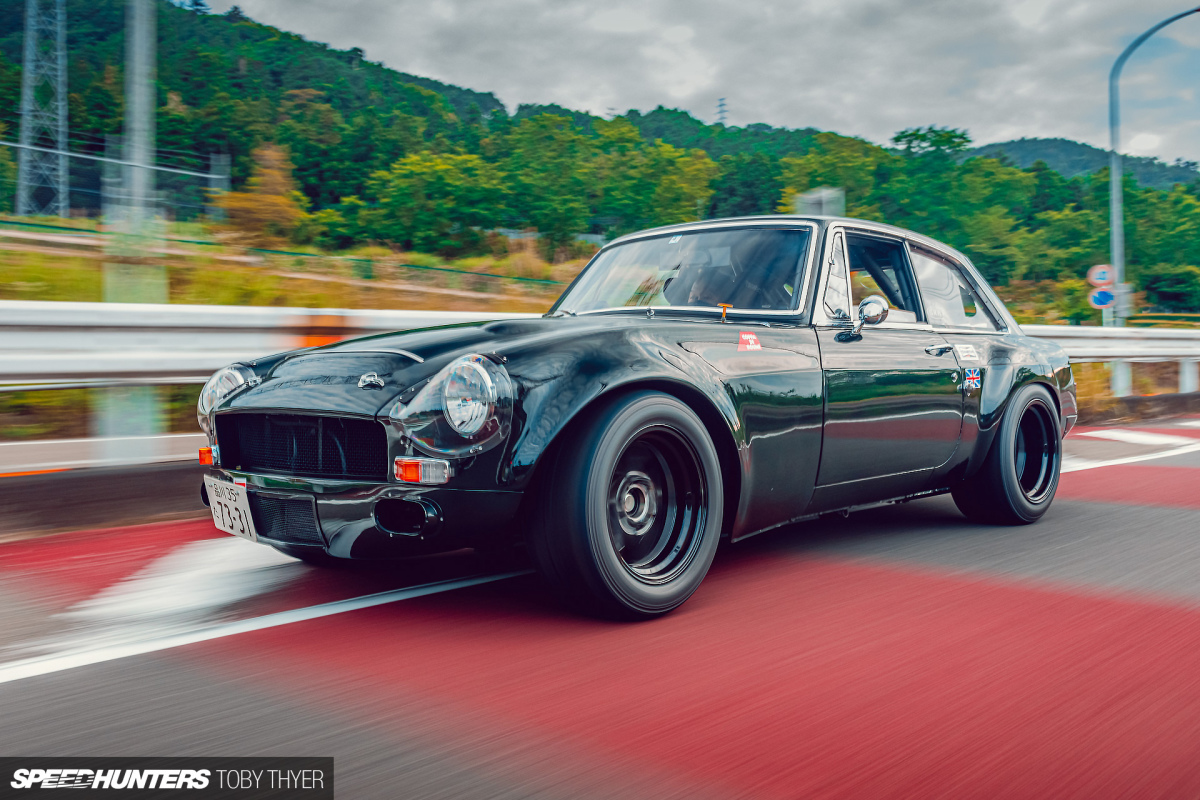
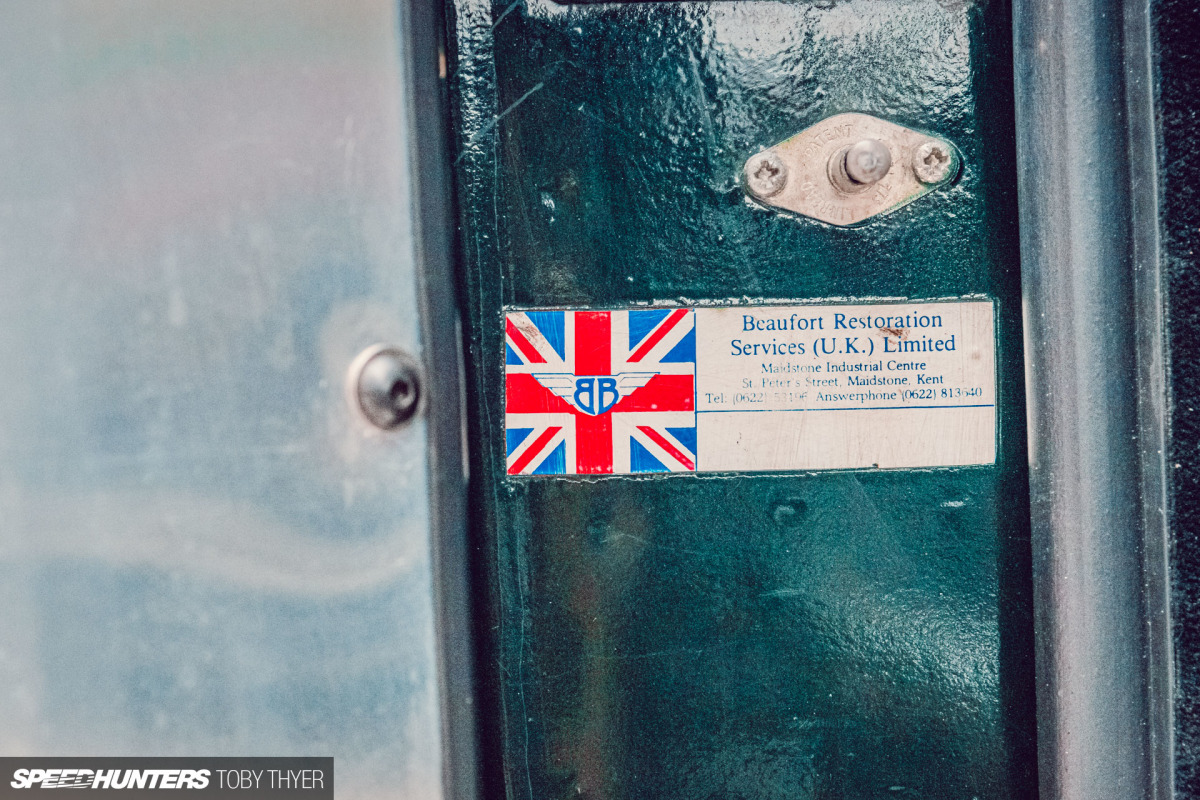
Again, being a proper British sports car, the MGC often required the attention of a proper British sports car mechanic, and upkeep was entrusted to MG specialist Carry Shop in Tokyo, Here, Akamatsu-san, together with the previous owner, formulated a plan to transform the boat-like MGC into a track car built in the style of the Sebring race cars of the ’60s. Of course, there would be a few Japanese twists thrown in for good measure.
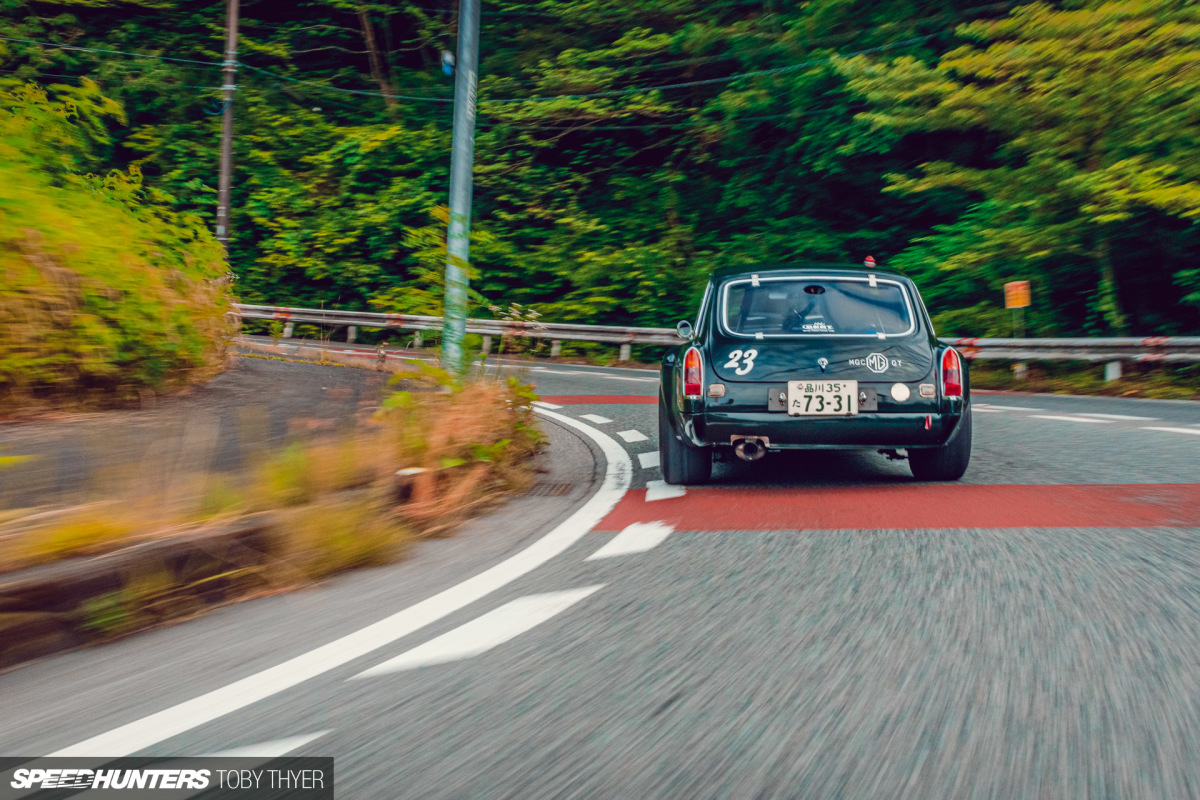
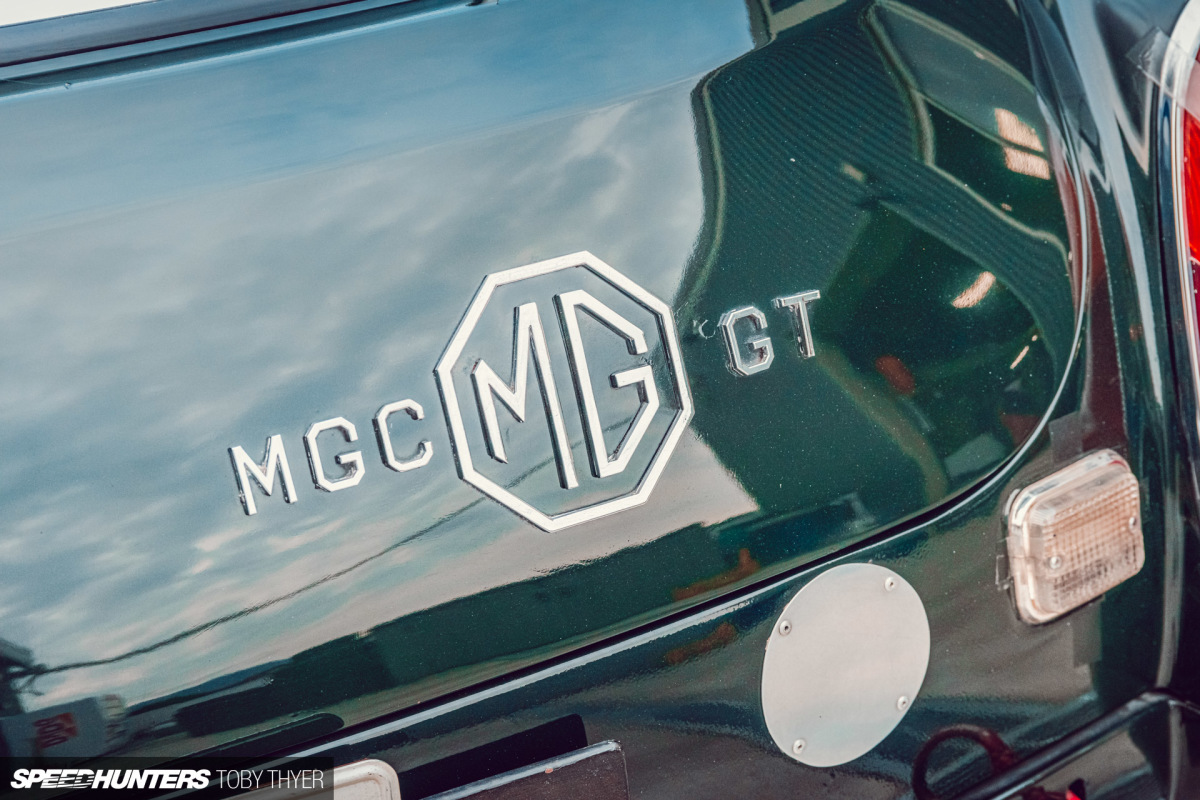
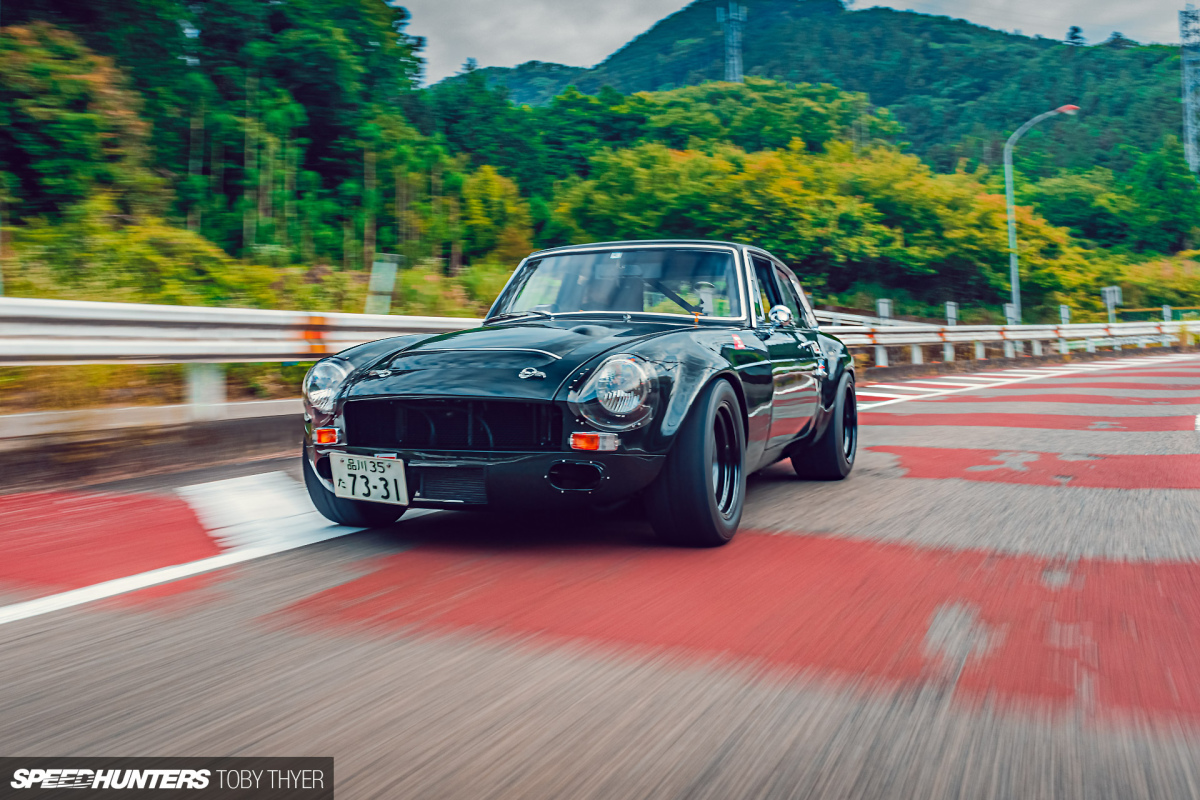
Only two complete Sebring MGC GTS cars were made by MG Works in Abingdon, UK. There were also four shells which later went on to be finished by racing driver, MG enthusiast and Austin Healy expert John Chatham. The original works cars were basically stripped-down production cars using aluminium fenders, roof, bonnet, doors skins and a GT hatchback. A short, disappointing, but not completely terrible foray into the world of racing at the 1968 Sebring 12 Hours race saw the car nicknamed ‘Mabel’ cross the line 11th out of 22 finishers, and 1st in the Prototype class.
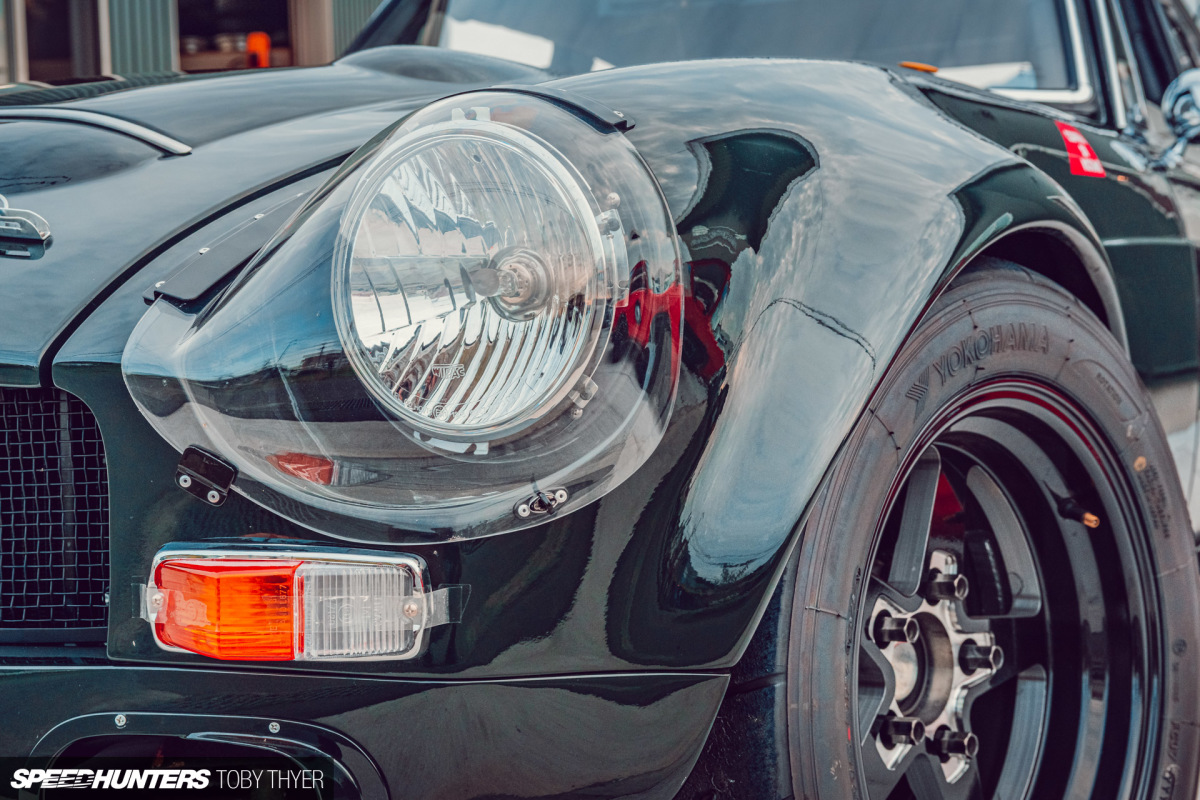
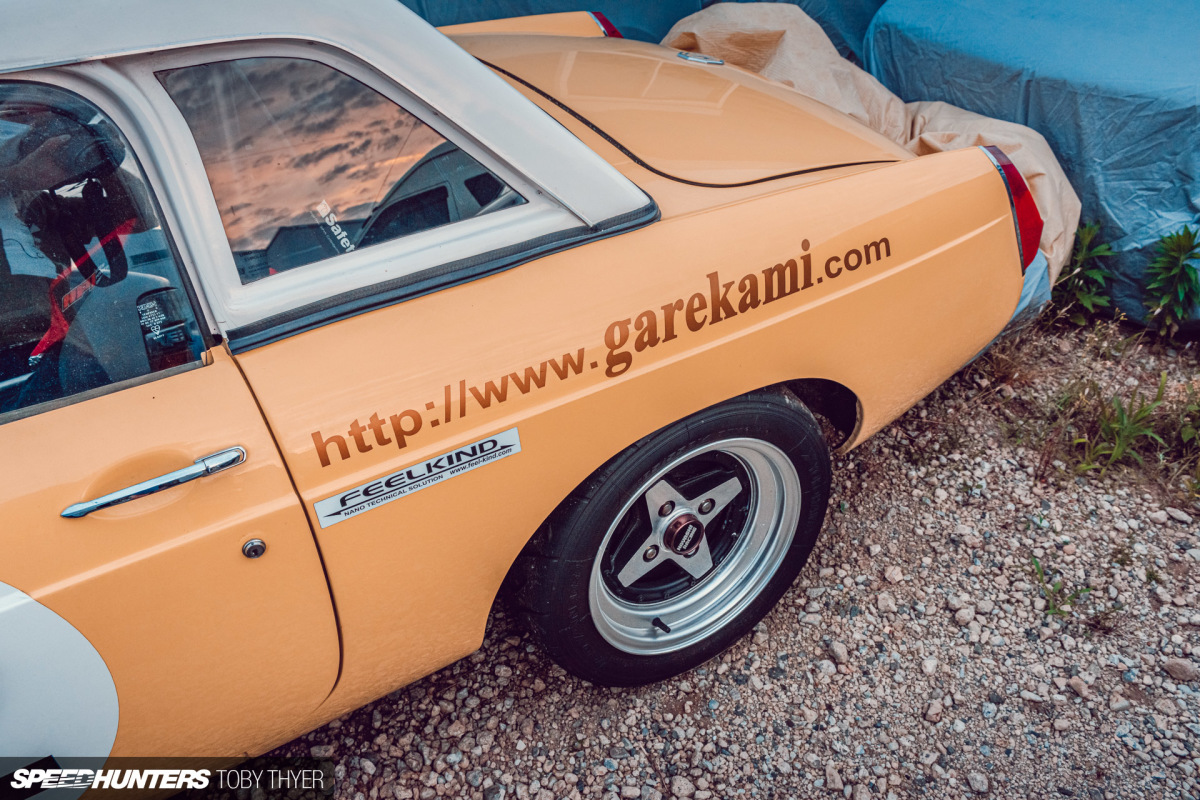
The car that Akamatsu-san has built takes a lot of inspiration from those Sebring GTS racers. Working with Kamiya-san, who was at the time racing his own yellow MGB, the pair transformed the plastic surgeon’s leather sofa on wheels into a bare-bones weekend race car. Many of the parts were sourced from MG Motorsports in Bovingdon, UK.
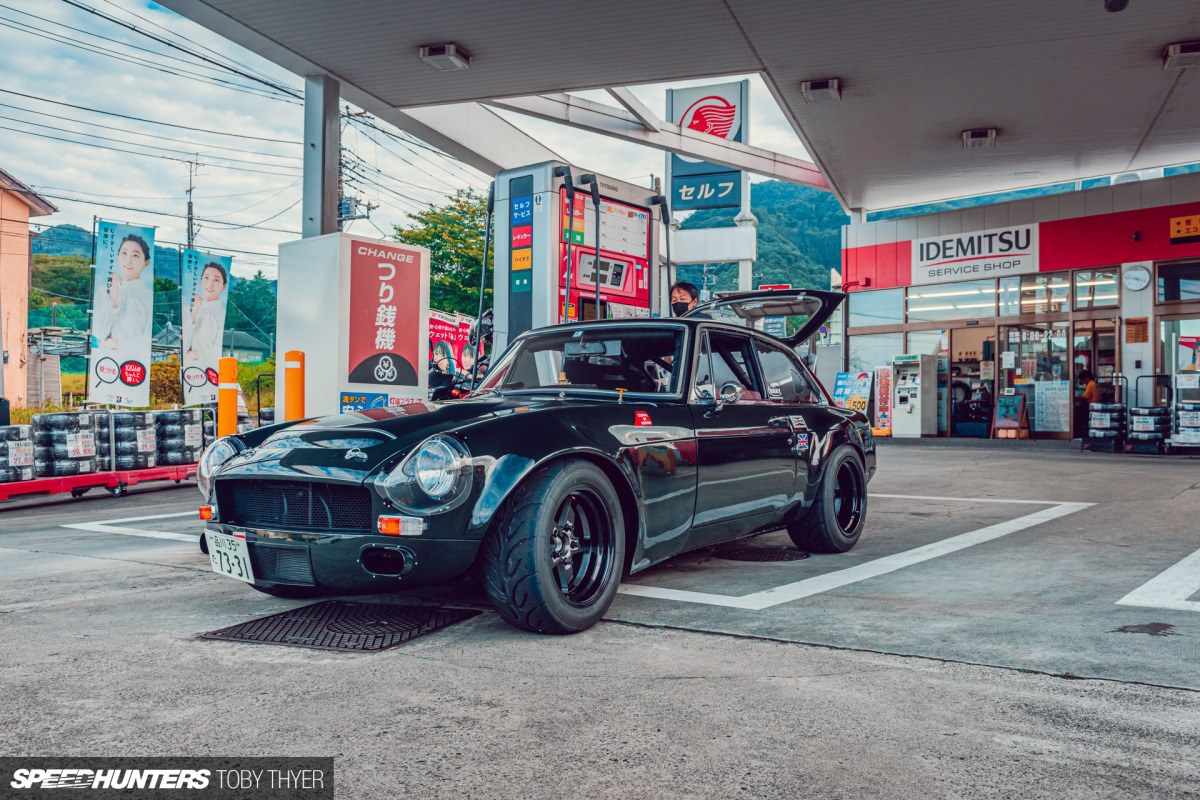
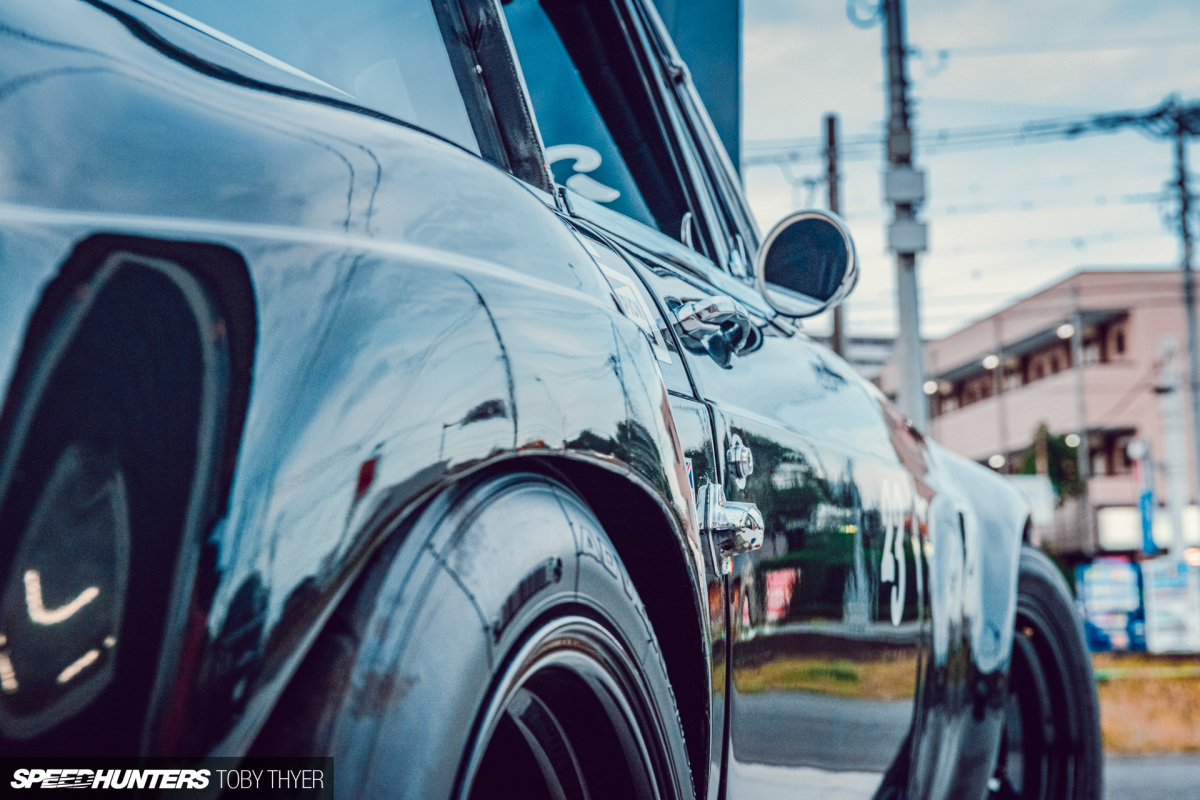
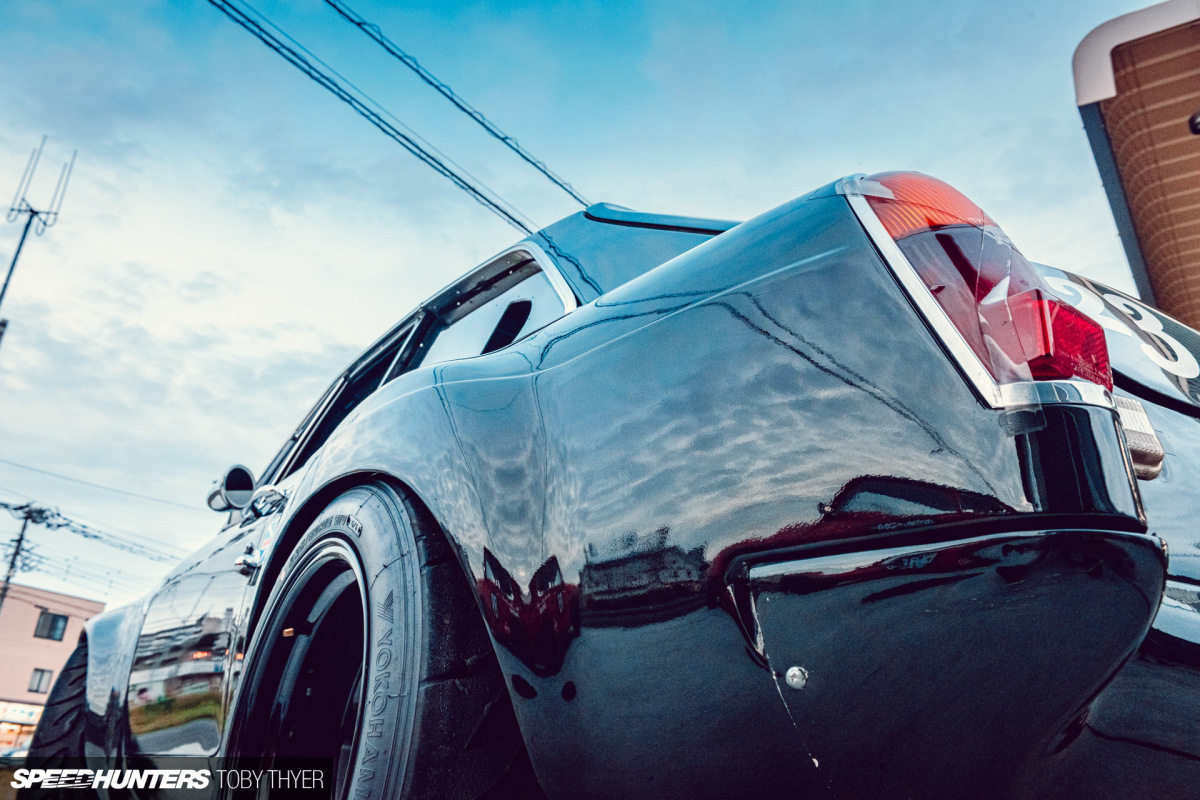
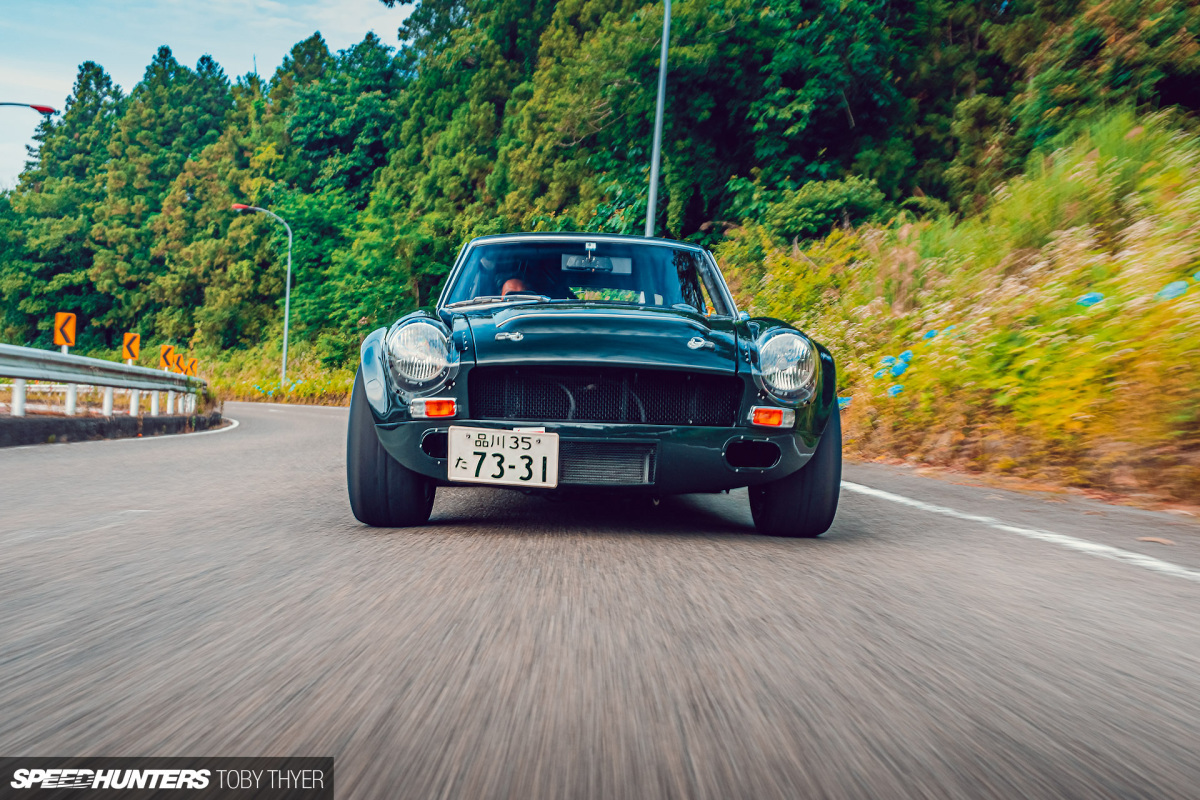
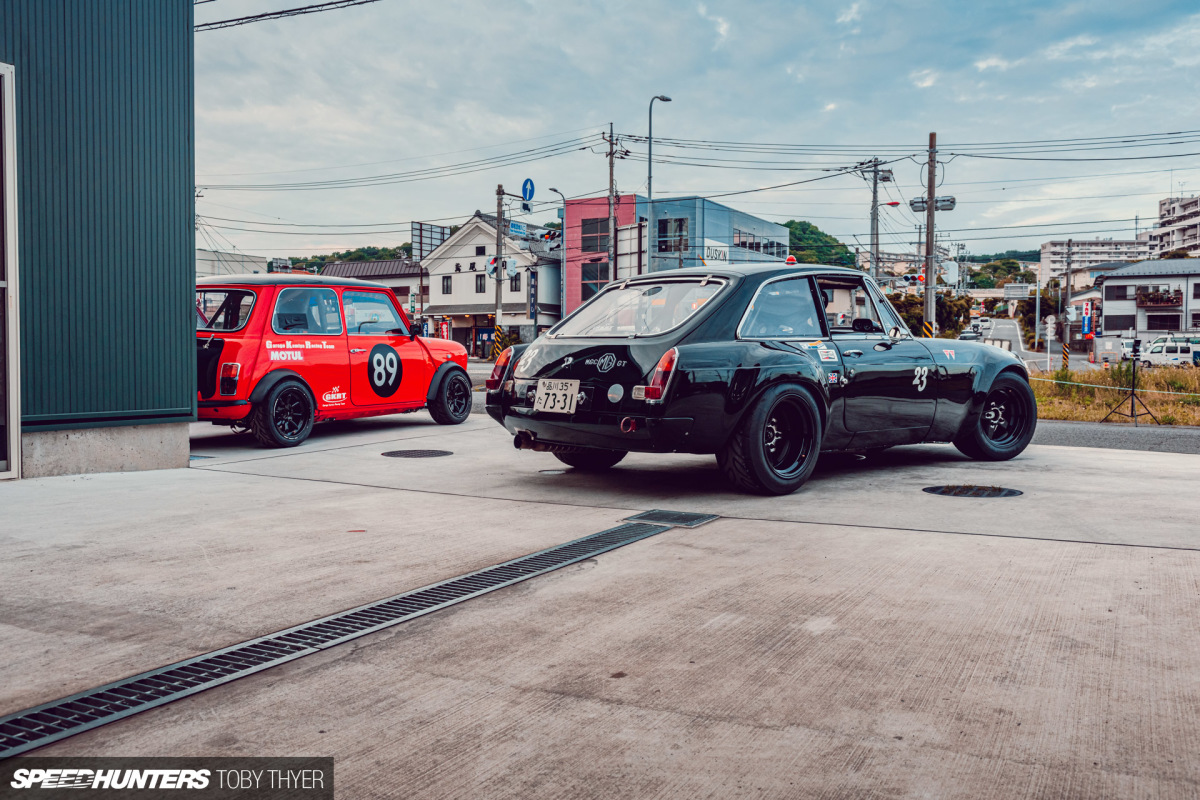
To get the body looking right, Akamatsu-san entrusted Yamada-san of Yamada Auto in Kawaguchi to construct the oversized fender flares, by hand, with nothing more than a pile of photos and the book MGC GTS Lightweights: Abingdon’s Last Racers. The rear fenders are still Yamada-san’s work, but the front fenders have since been replaced by an MG Motorsport FRP set, after a wet track day at Tsukuba left the originals beyond repair.
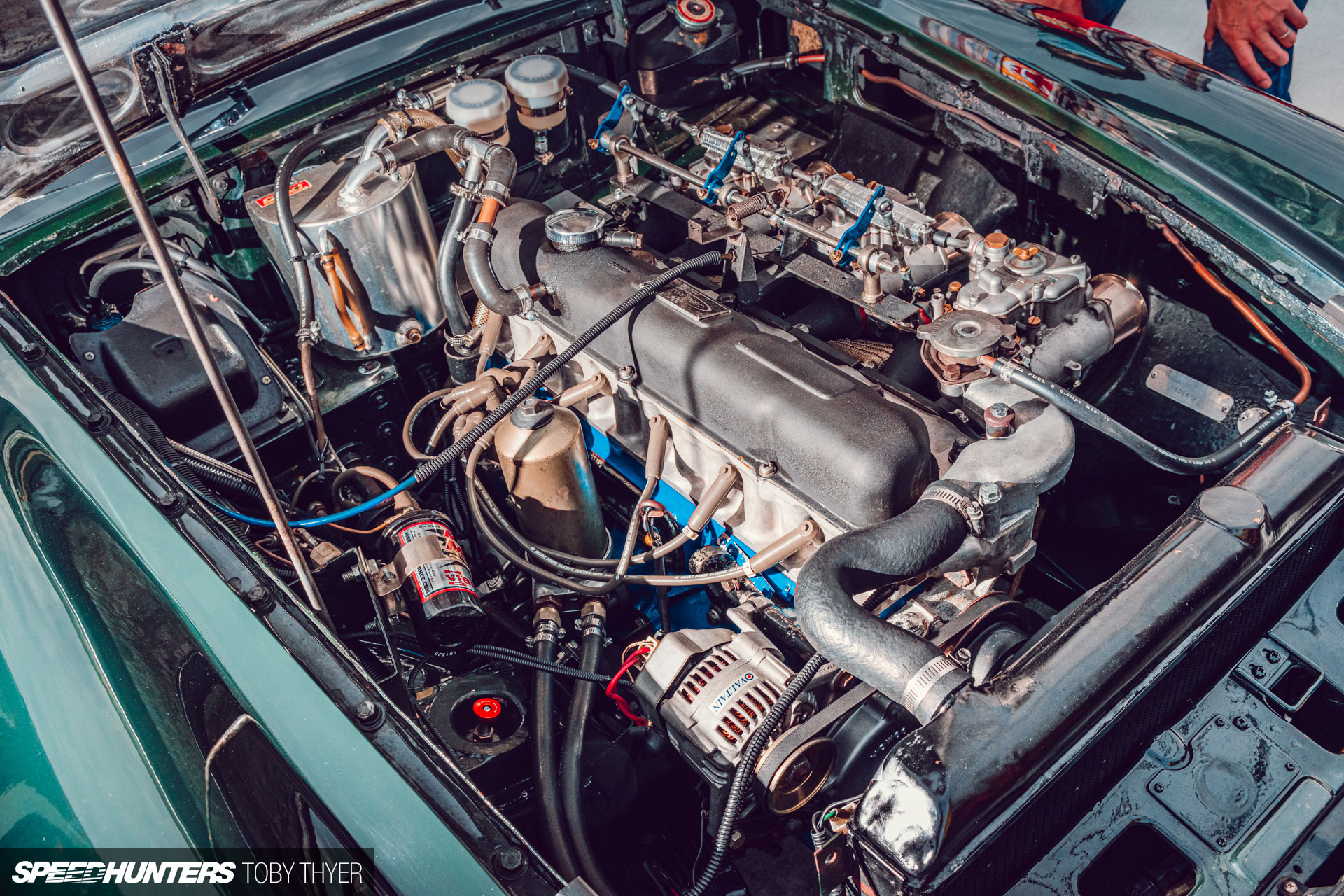
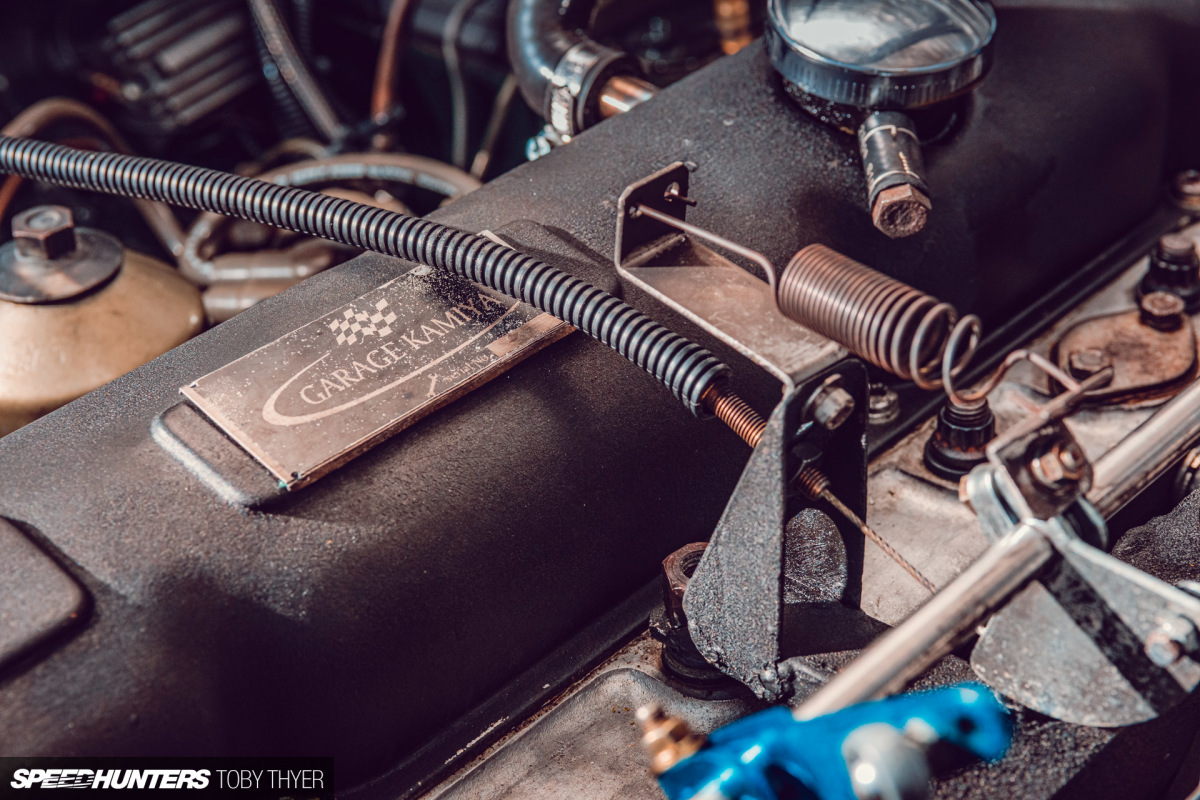
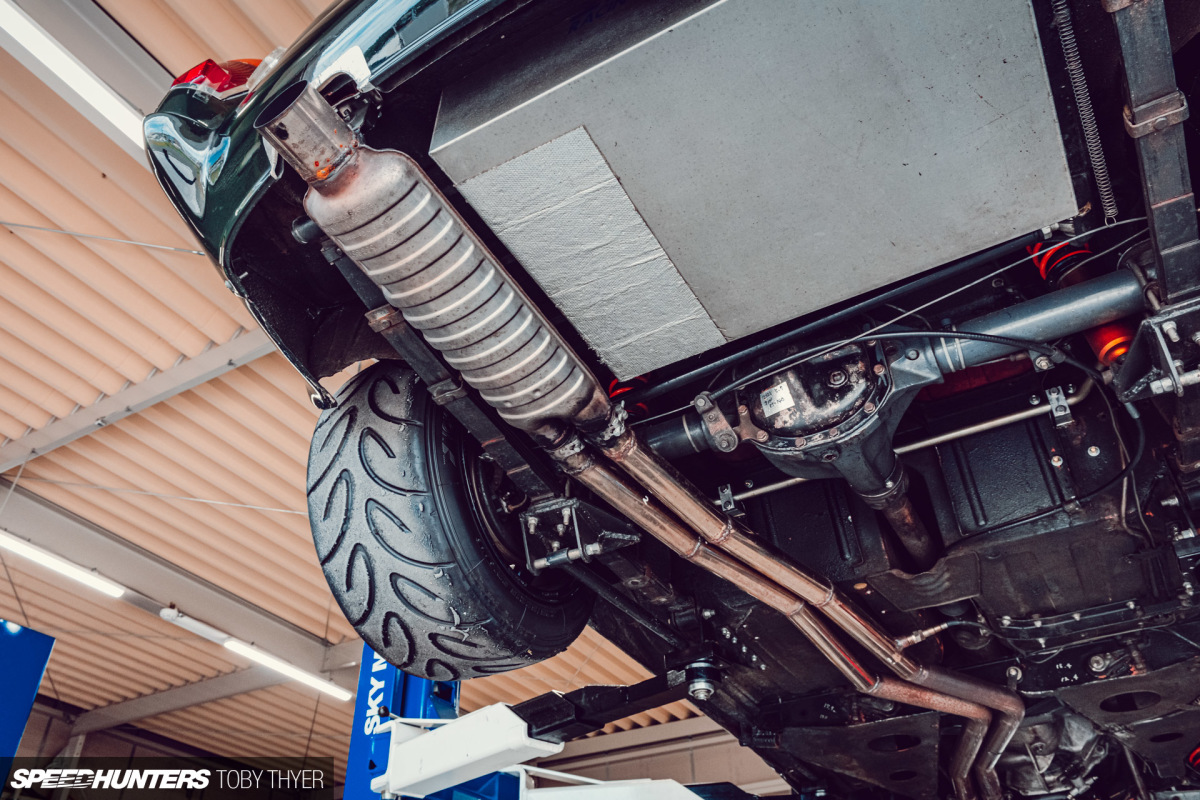
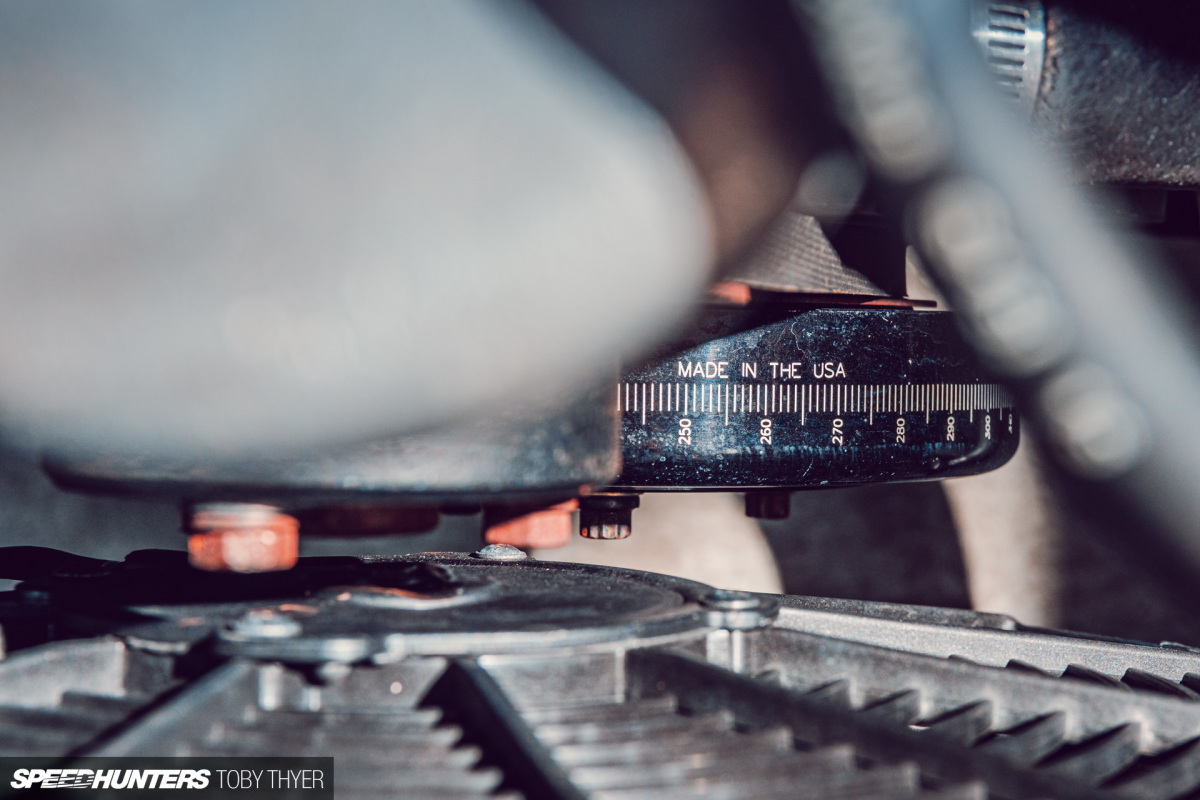
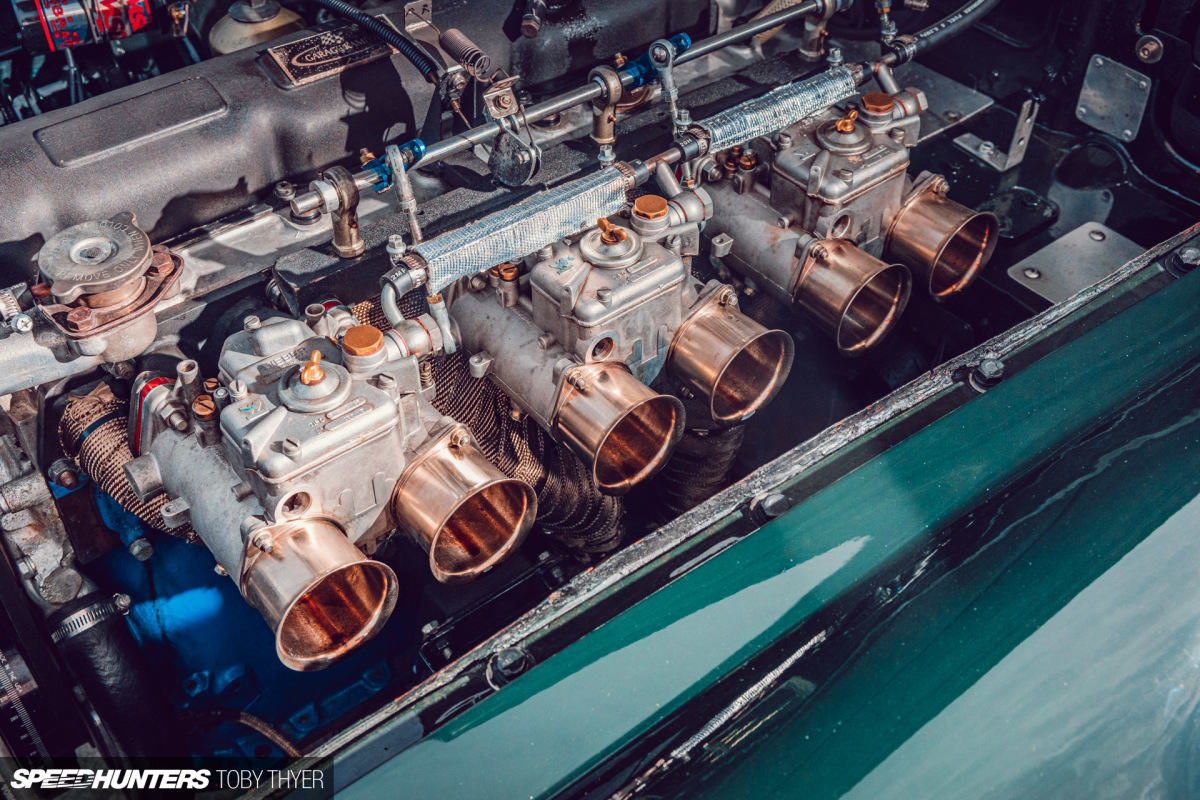
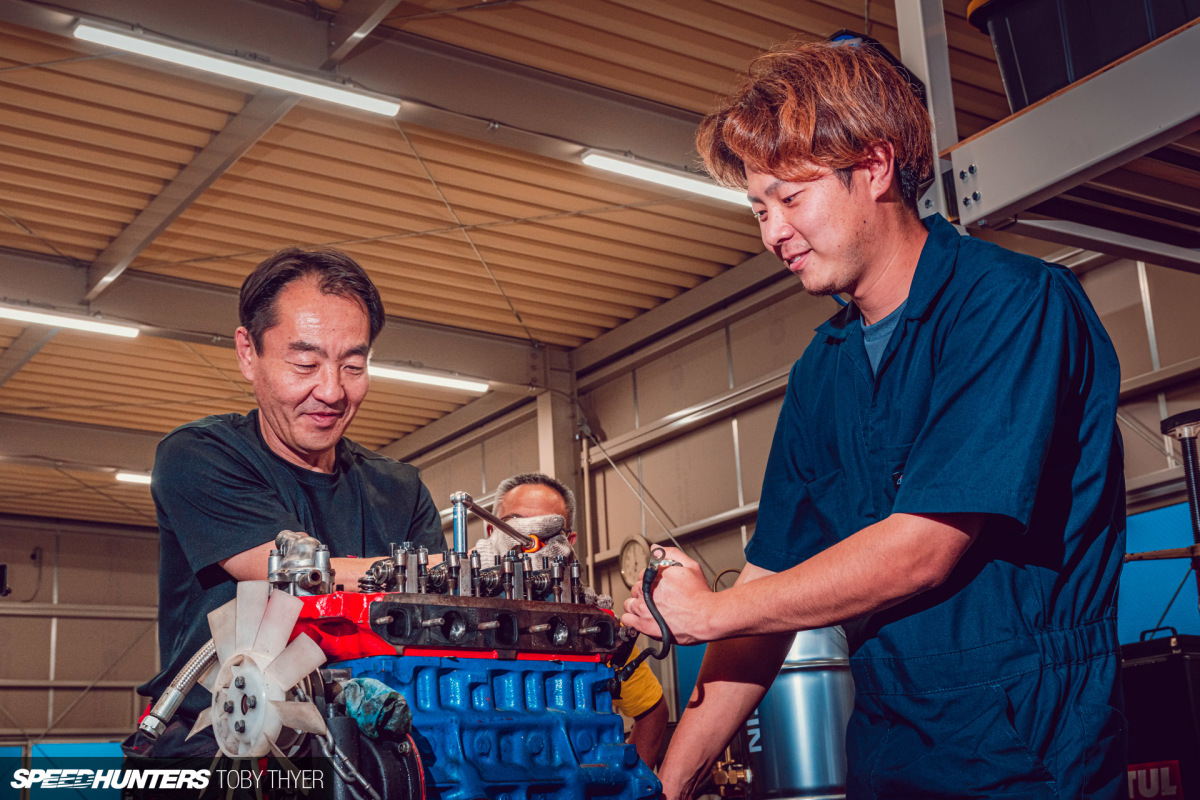
You can imagine Kamiya-san’s delight when Akamatsu-san gave him a bunch of engine parts – also bought from MG Motorsports – and asked him to rebuild the original BMC C-Series iron block straight-six. They used an alloy cylinder head, just like the Sebring cars, Cosworth forged race pistons, an MG Motorsport camshaft and tubular race push rods, all of which increased the engine’s rev limit from 5,000 to 7,000rpm.
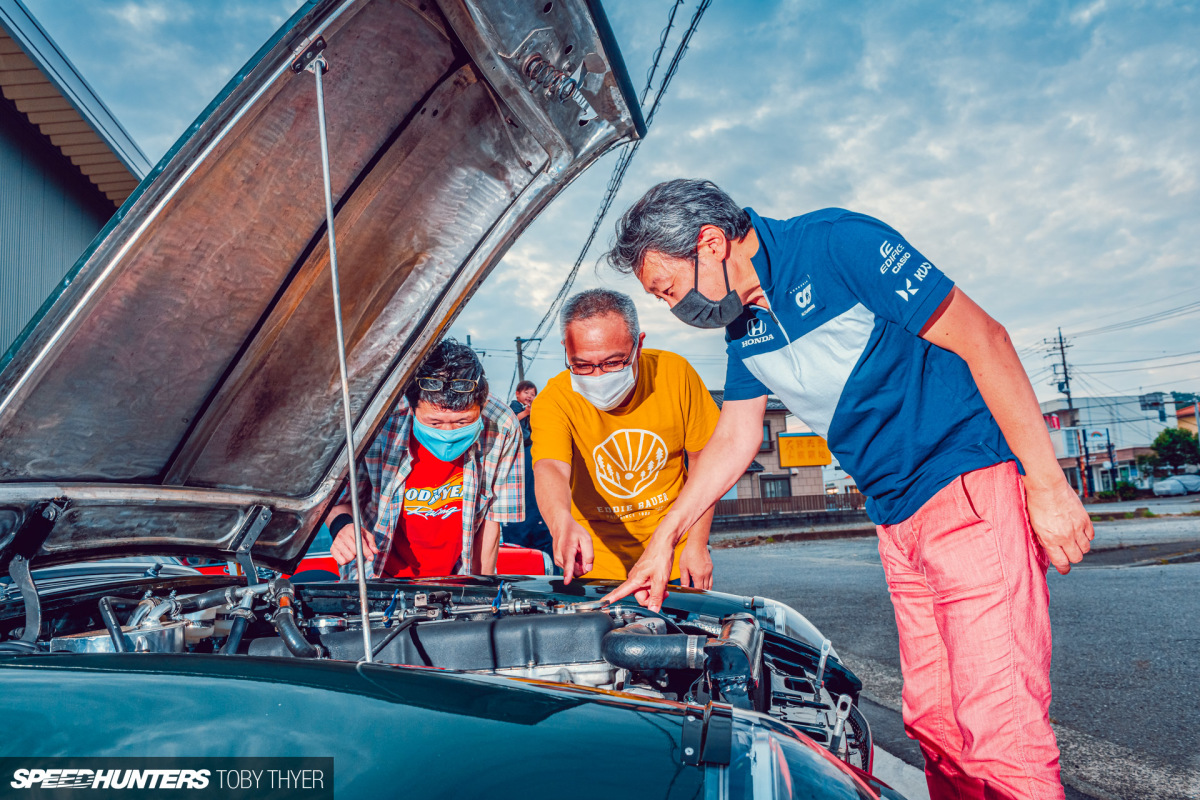
They rebuilt the engine again in 2015 after it broke on the main straight at Fuji Speedway, this time with a forged steel full counter 12-bolt crankshaft, aluminium flywheel and forged conrods from Denis Welch Motors. The engine also received a new oil pump, which was the cause of the blow in the first place.
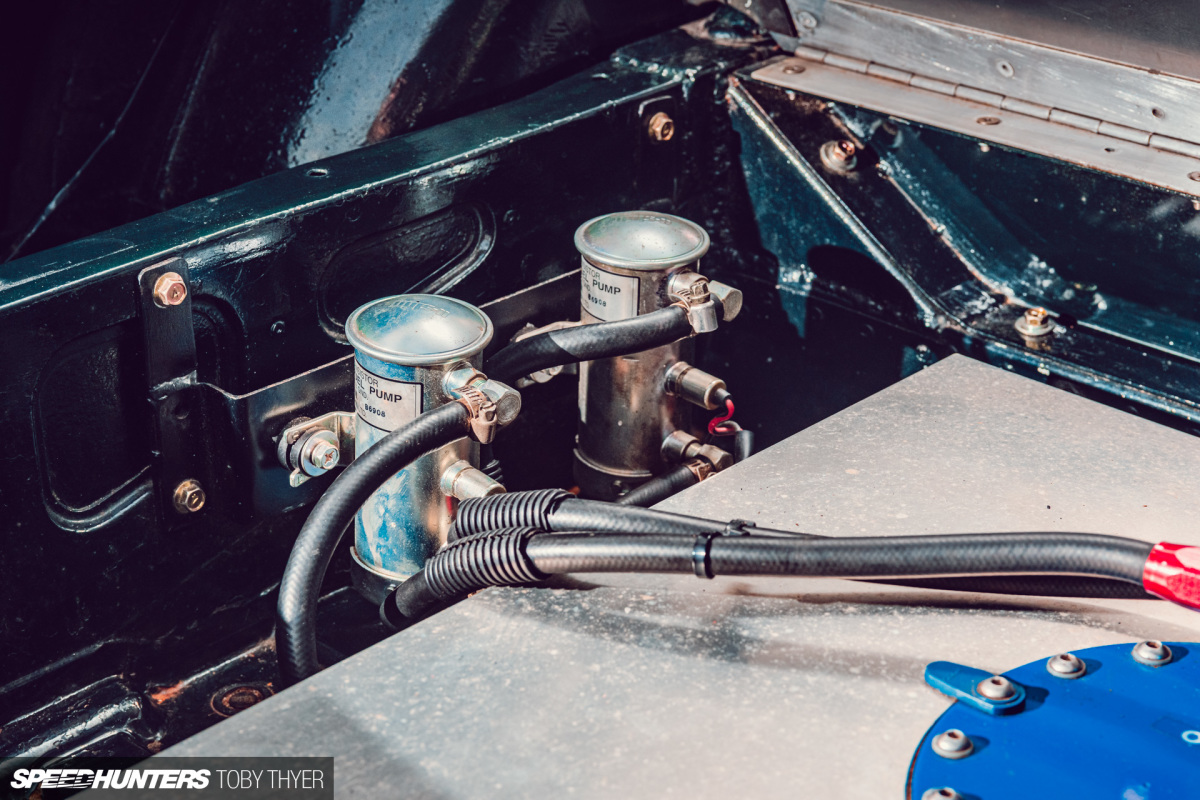
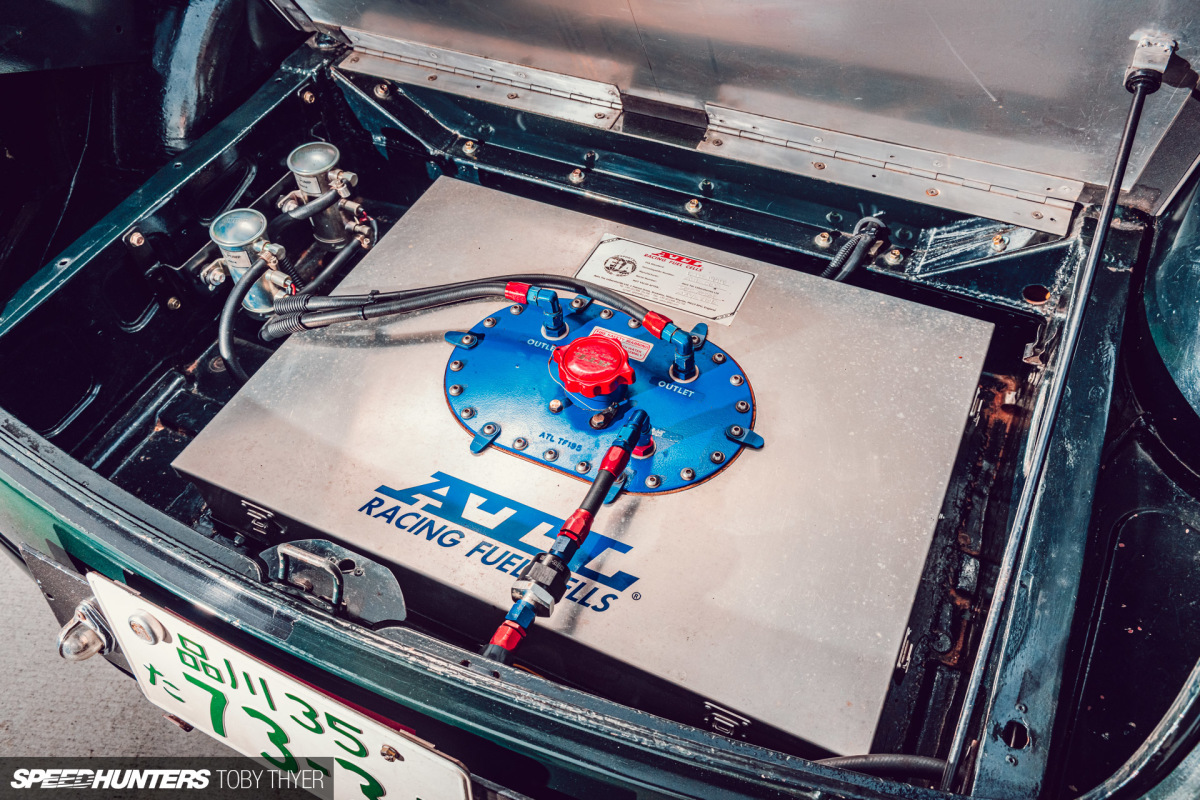
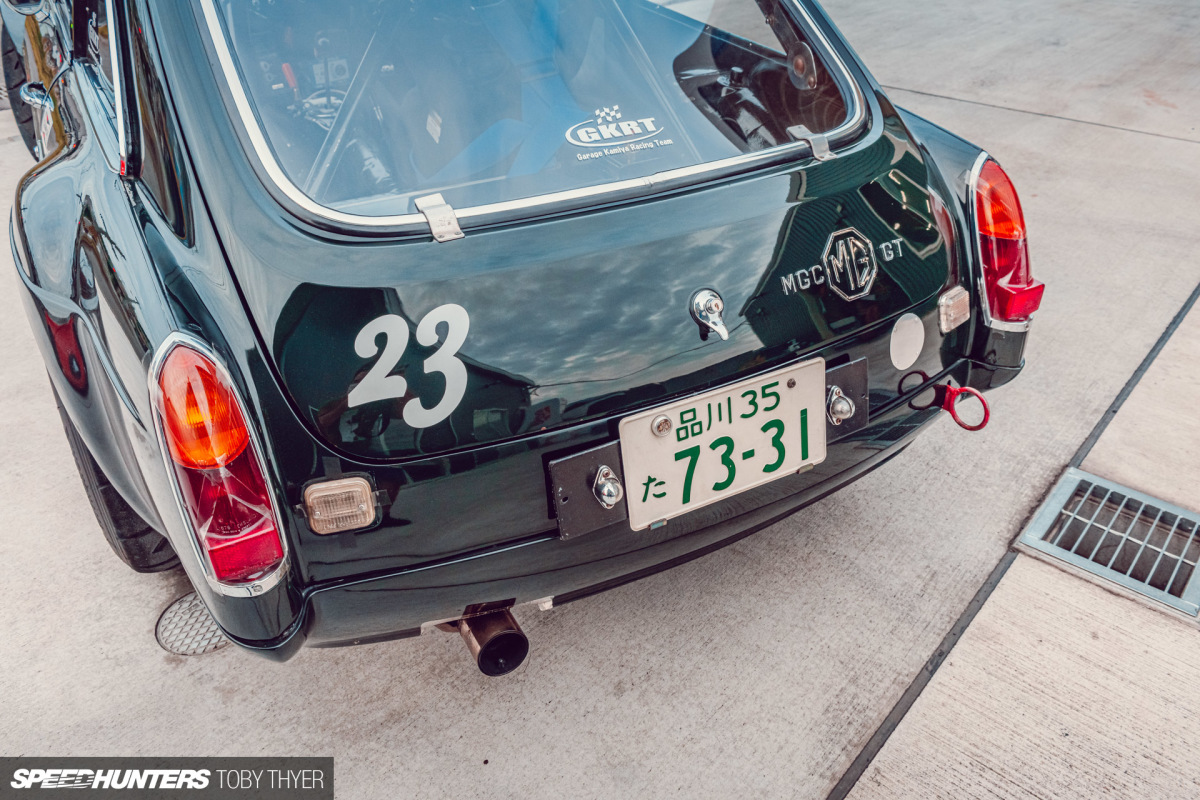
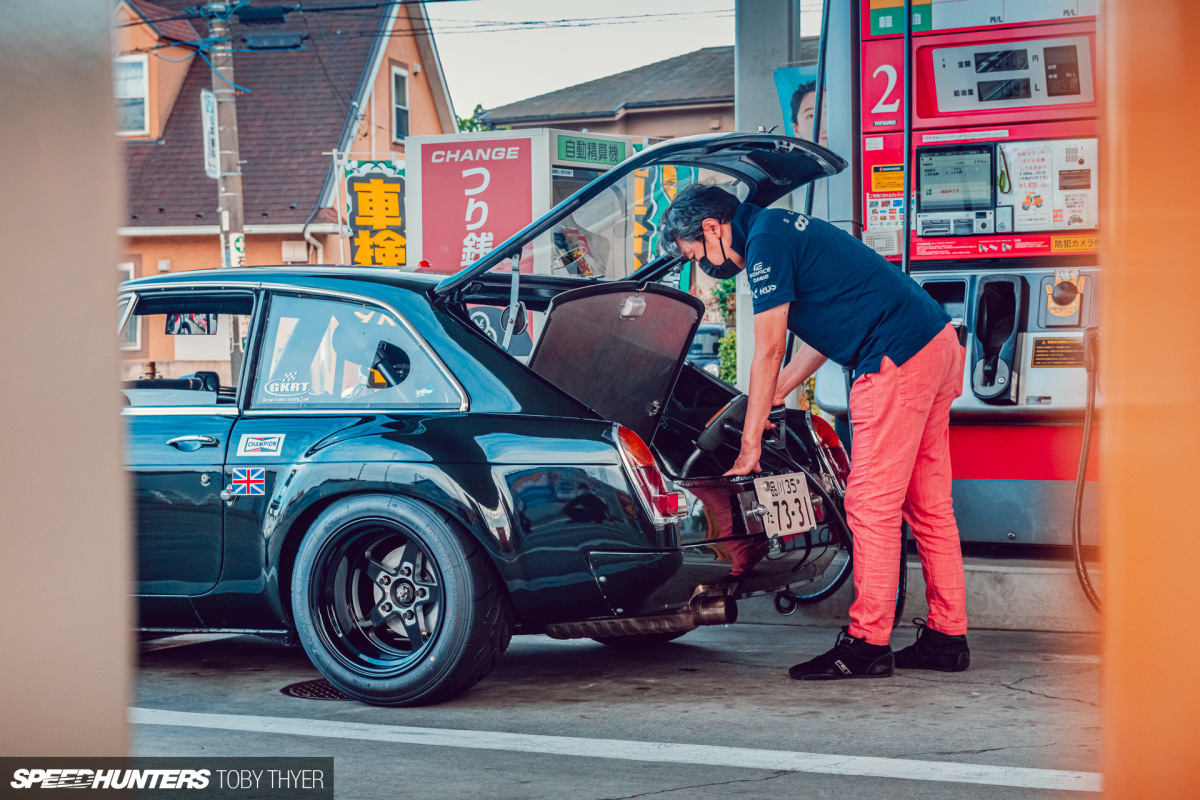
The boot no longer keeps duffel bags, picnic baskets or golf clubs; instead, the floorpan was cut out to fit a 60L ATL aluminium race tank, along with twin Nismo fuel pumps. See, I told you there would be some spicy wasabi in the mix.
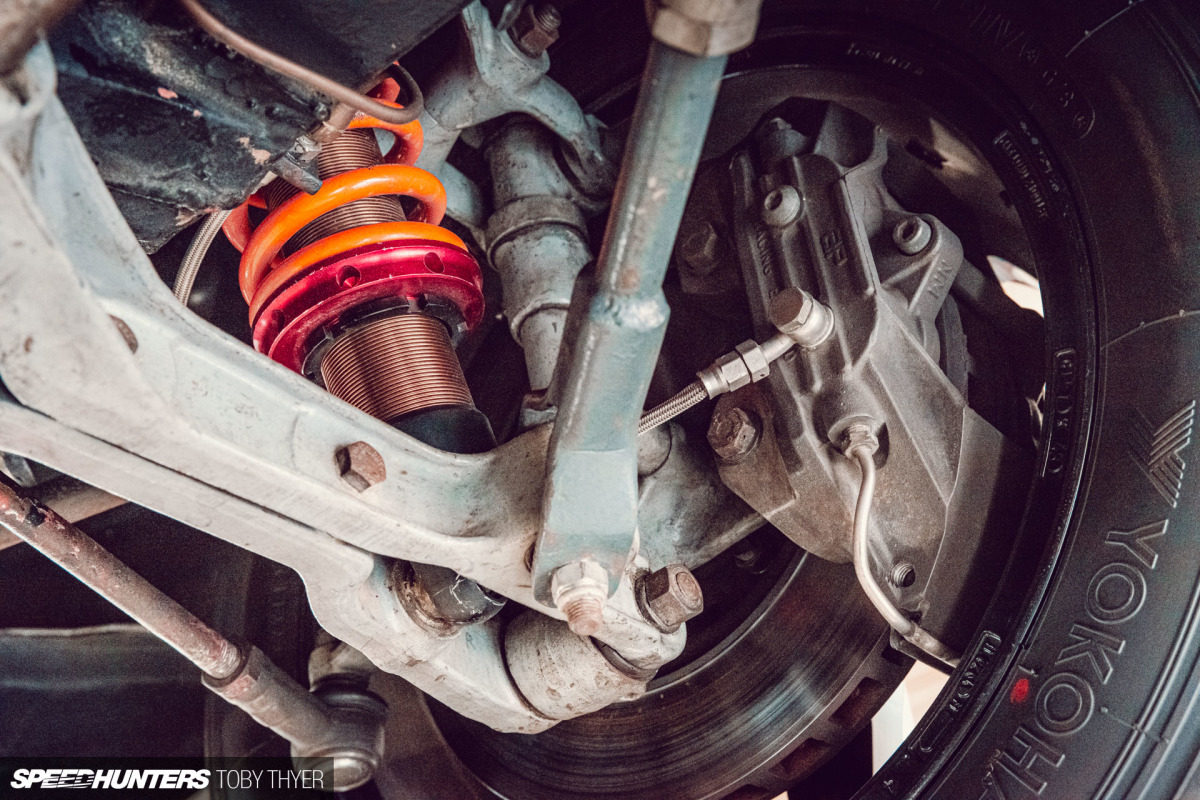
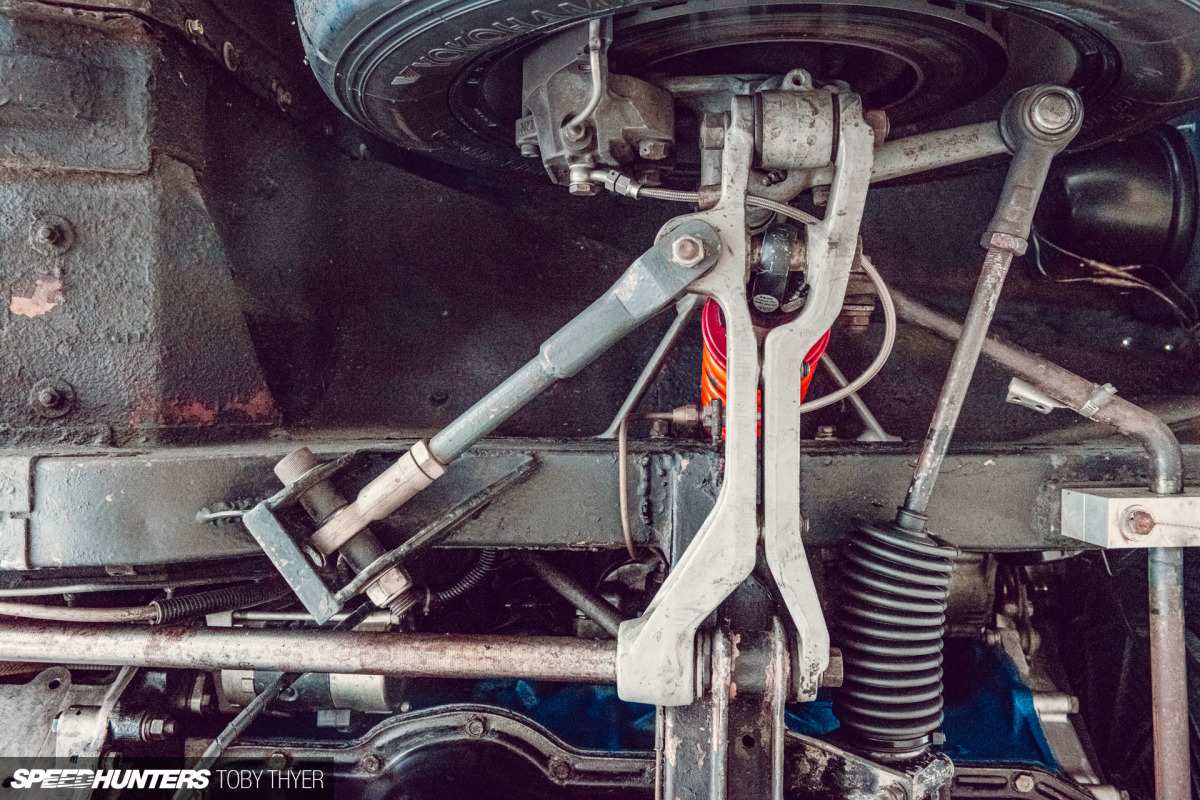
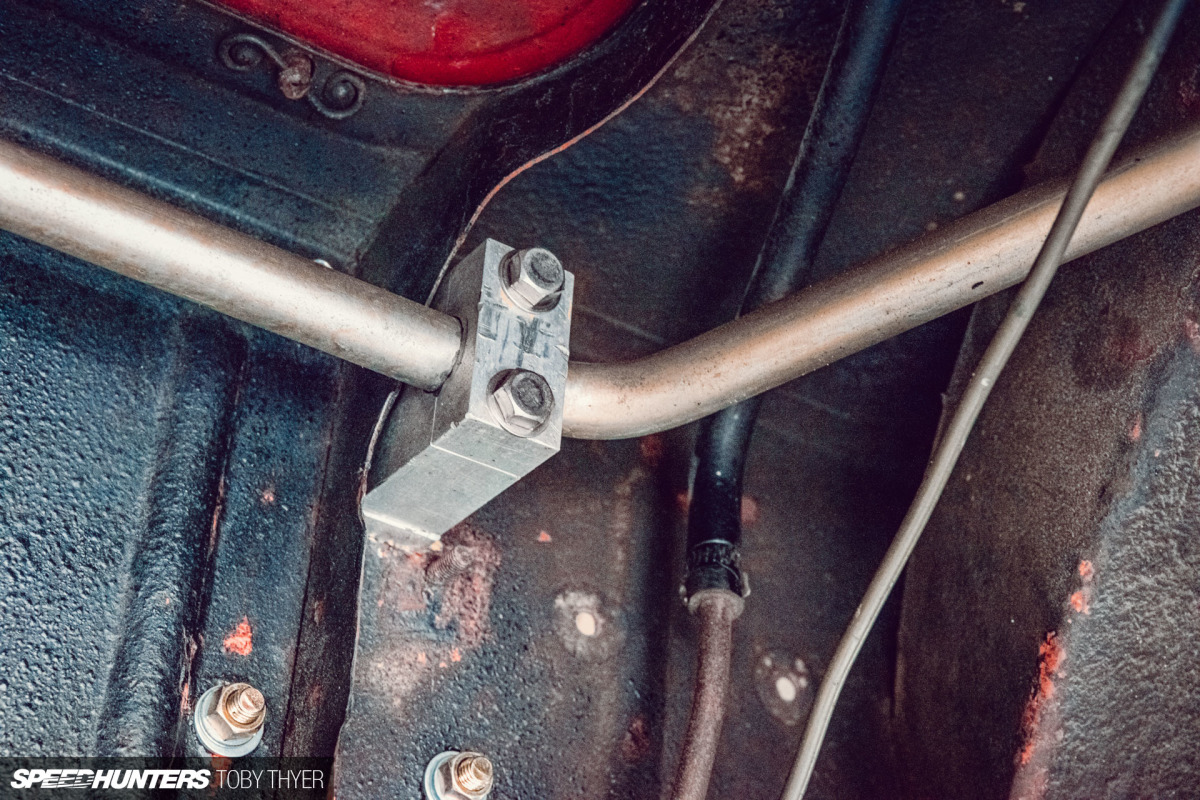
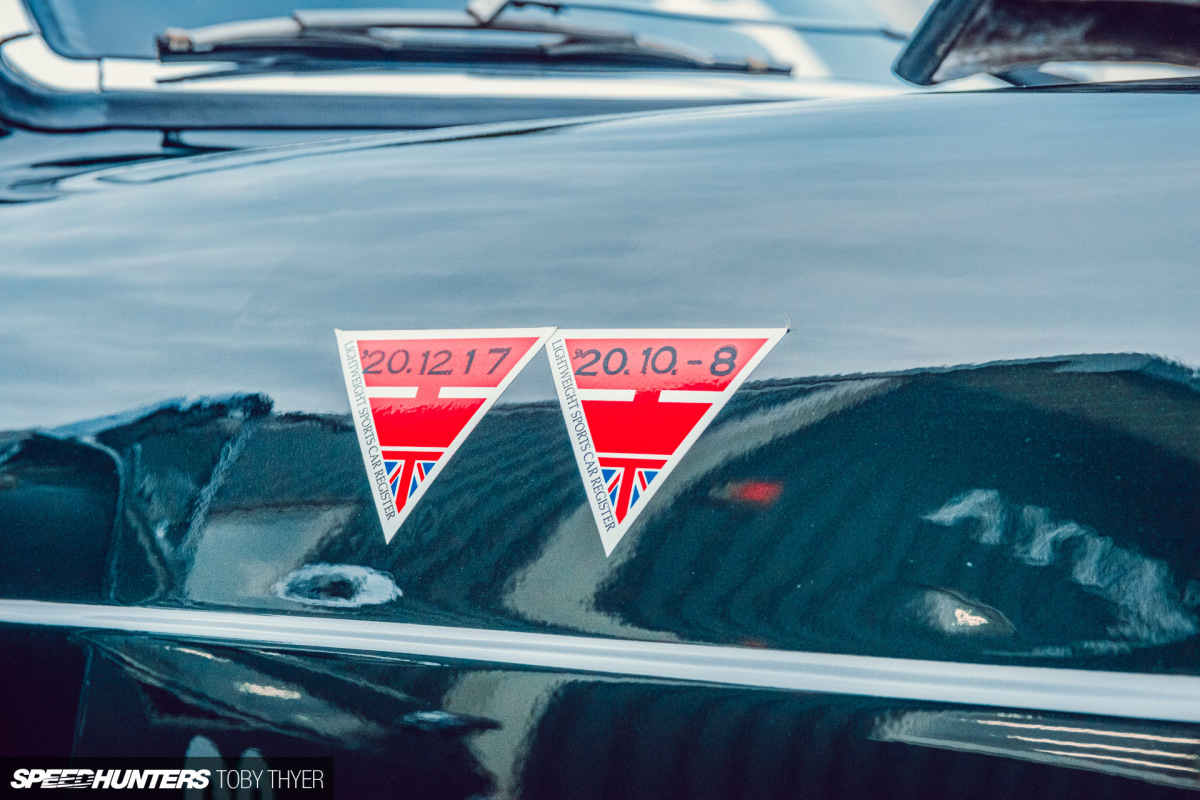
Akamatsu-san regularly participates in historic club days at various circuits, and because of JCCA (Japan Classic Car Association) regulations, certain parts of the car have needed to be kept original. Most notable is the suspension setup. Although springs and dampers have been added in the form of Aragosta coilover units, the front torsion bar system and rear leaf springs have been retained.
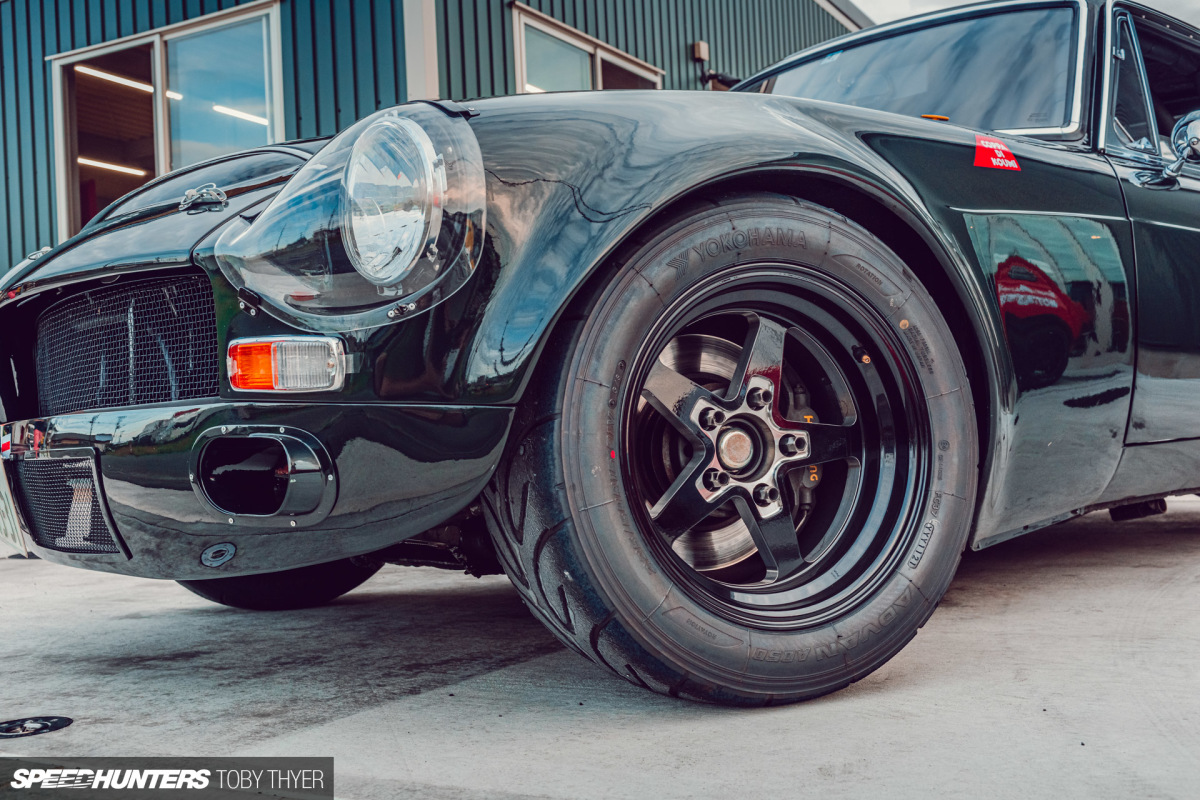
As this old GT car is now making almost double the power of its original self, stopping power has also been modernised. The brake rotors are from an Evo VII and Akamatsu-san has gone with AP Racing PC3307 4-pot callipers up front but kept original units in the rear. Apparently Kamiya-san had a hard time fabricating custom brackets for the AP callipers, because someone didn’t consult with him first on which size to buy. But hey, what’s a few millimetres between old friends…
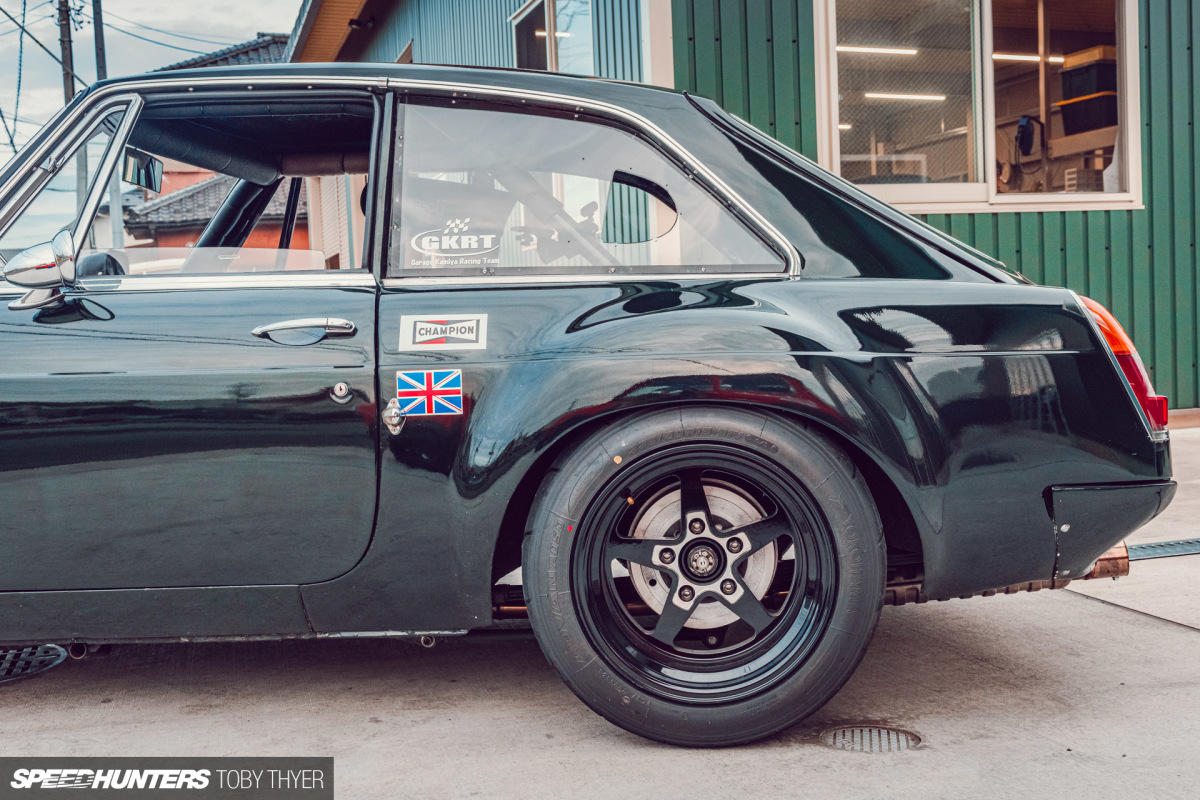
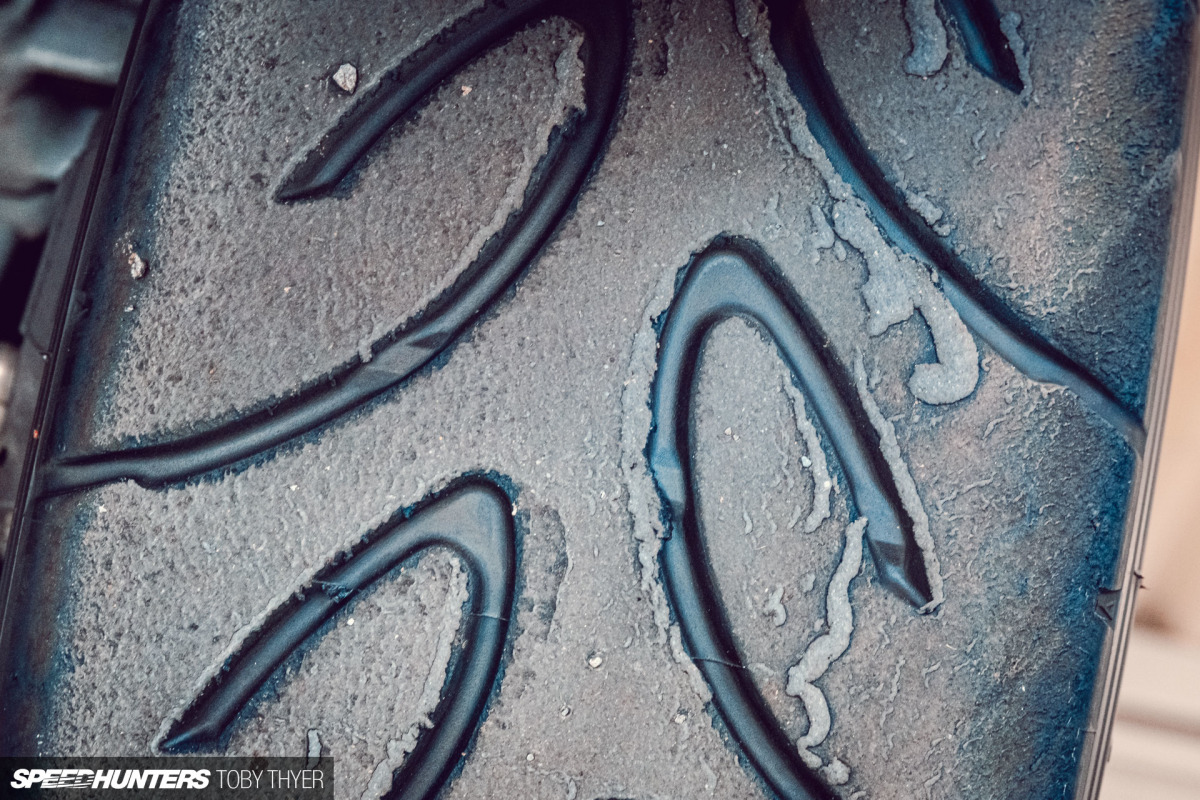
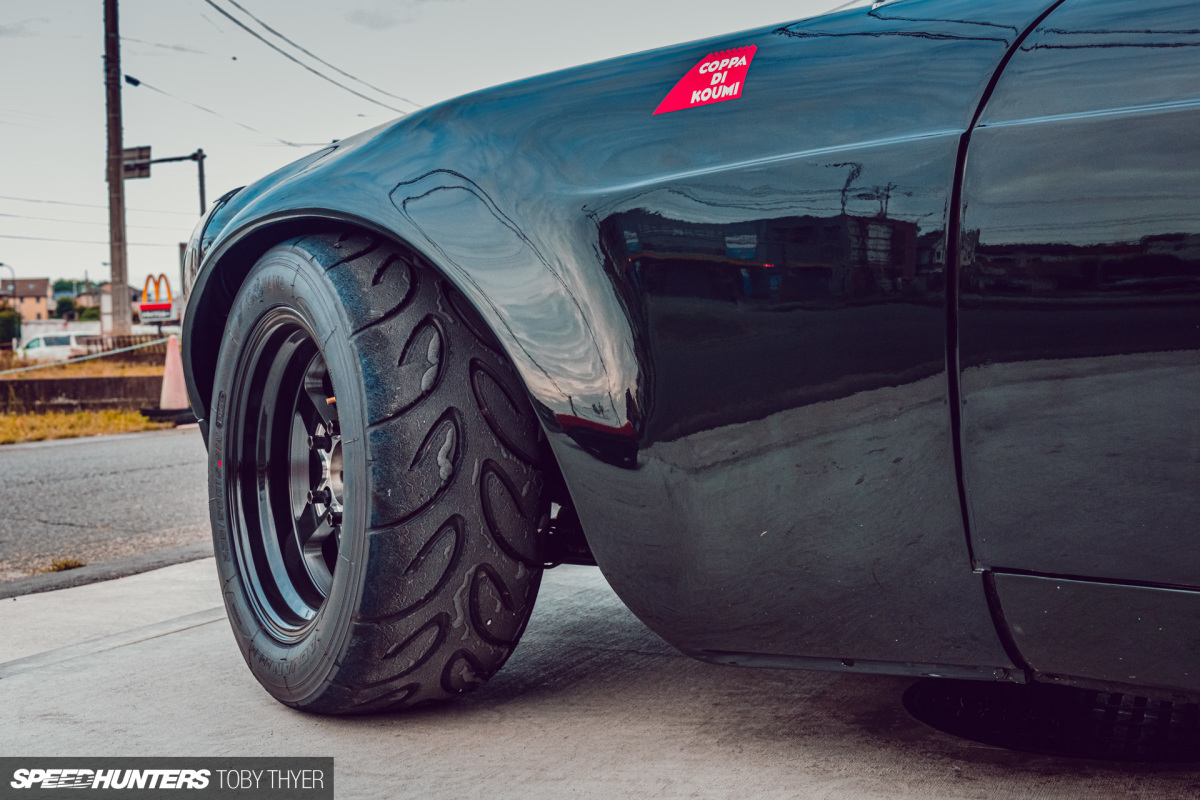
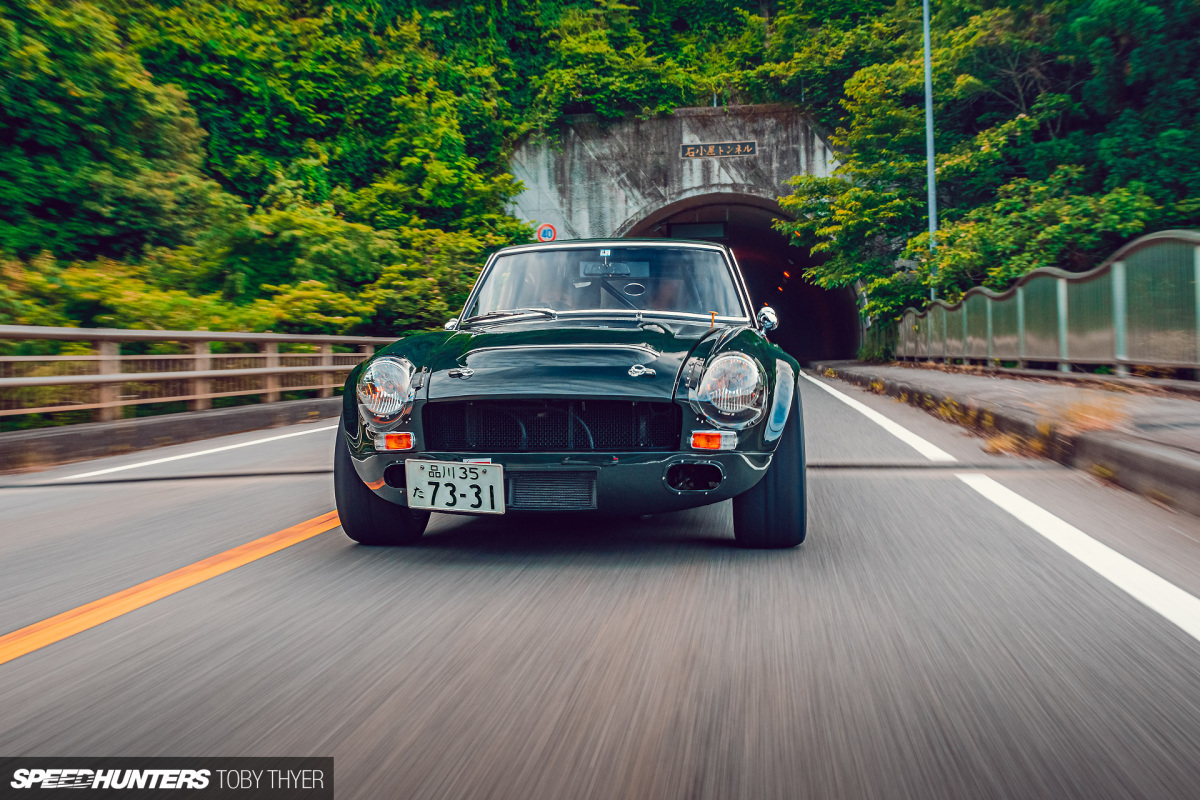
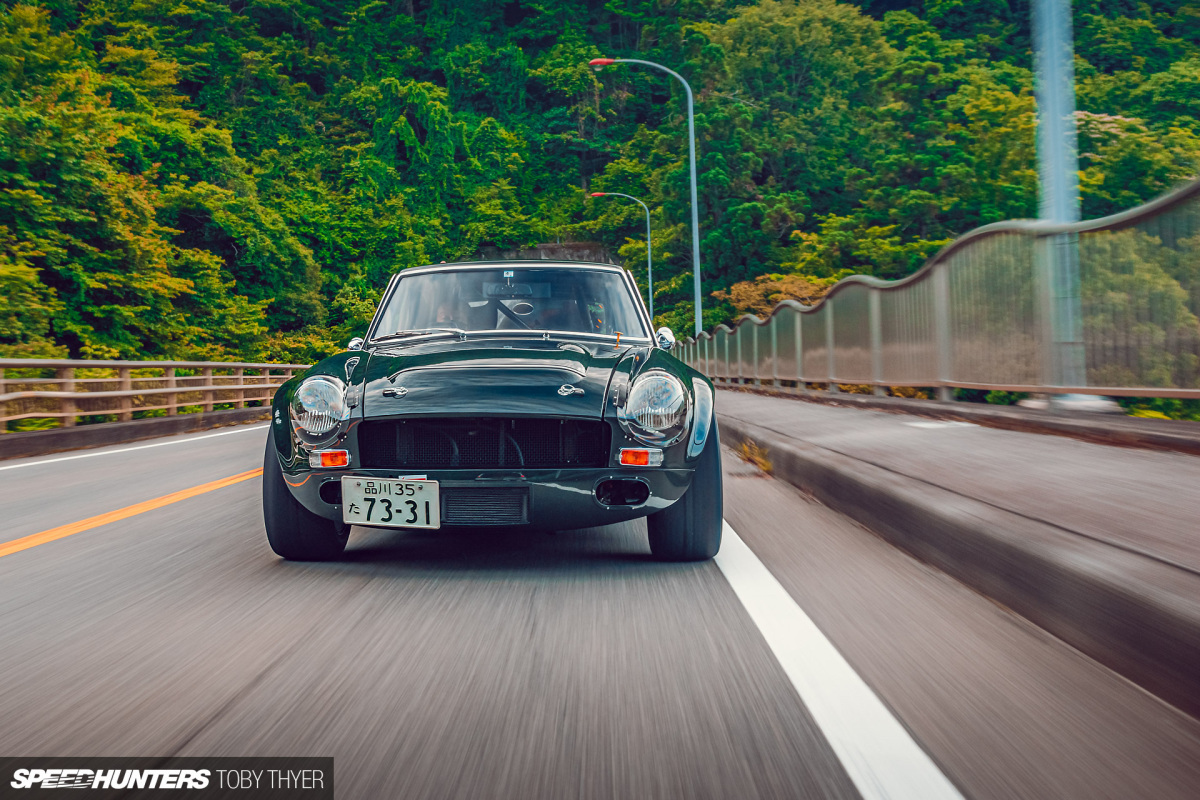
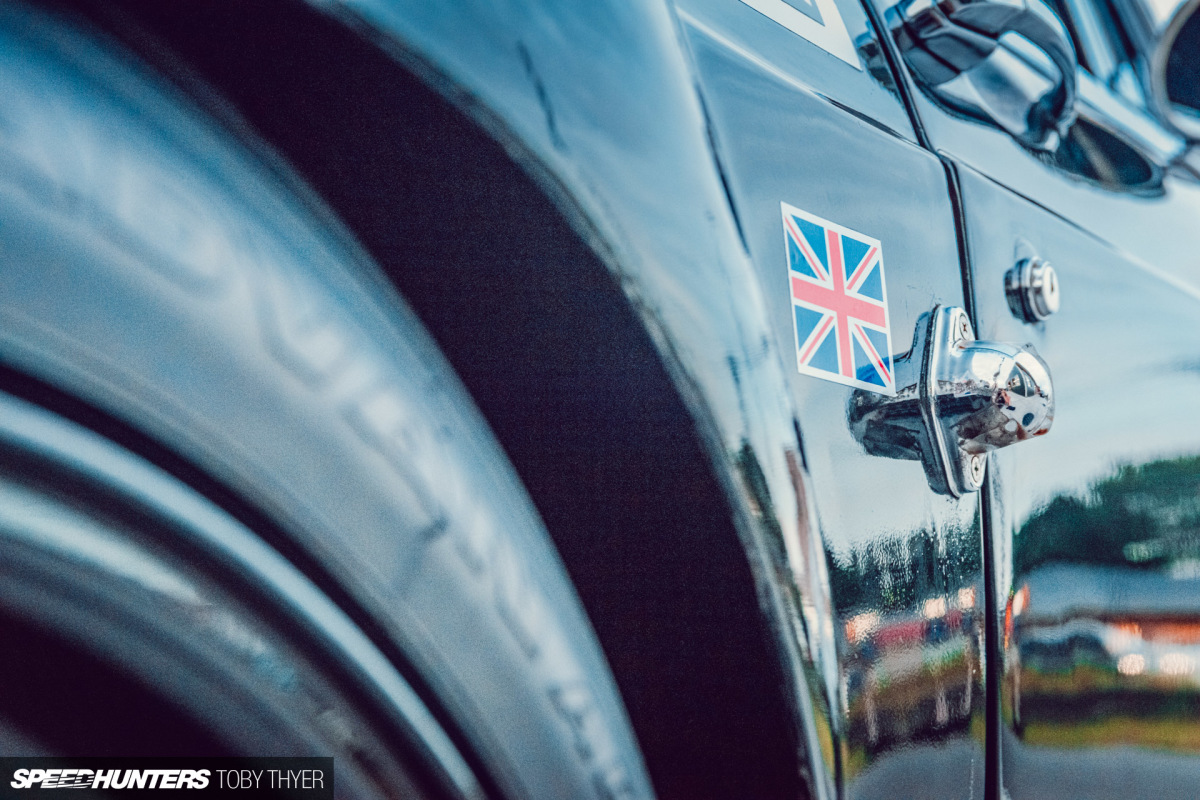
The flared arches are wrapped around some Jegs SSR Star wheels – 15×8-inch front and 15×10-inch rear – a sizeable upgrade from the original 6.5-inch-wide wire wheels. The sticky and wide Yokohama Advan 225/50R15 rubber is probably overkill for this car, Akamatsu-san admits with a smile, but everyone is using them, so why not? Apart from looking beefy, they also help to keep the nose-heavy MGC from understeering too much.
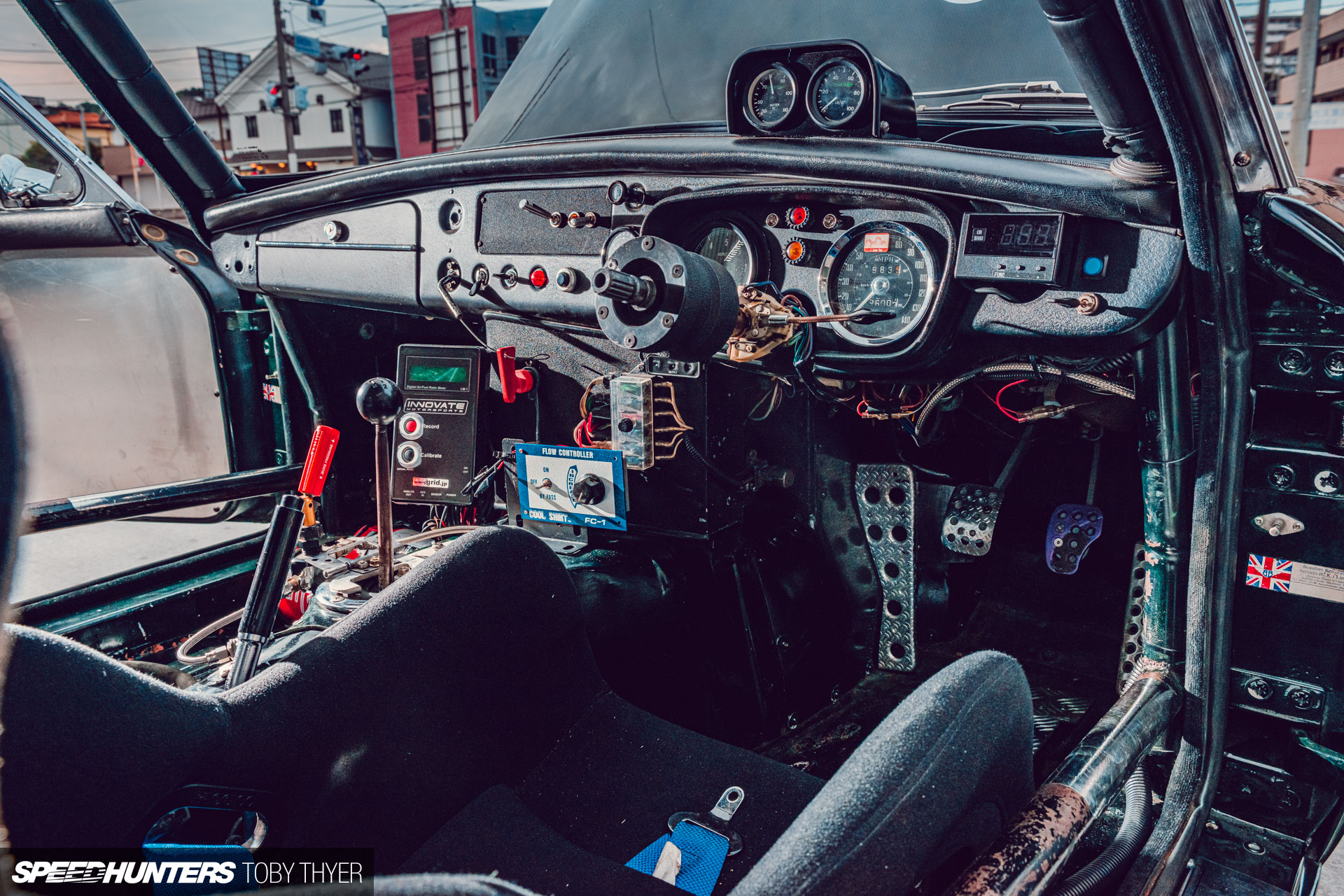
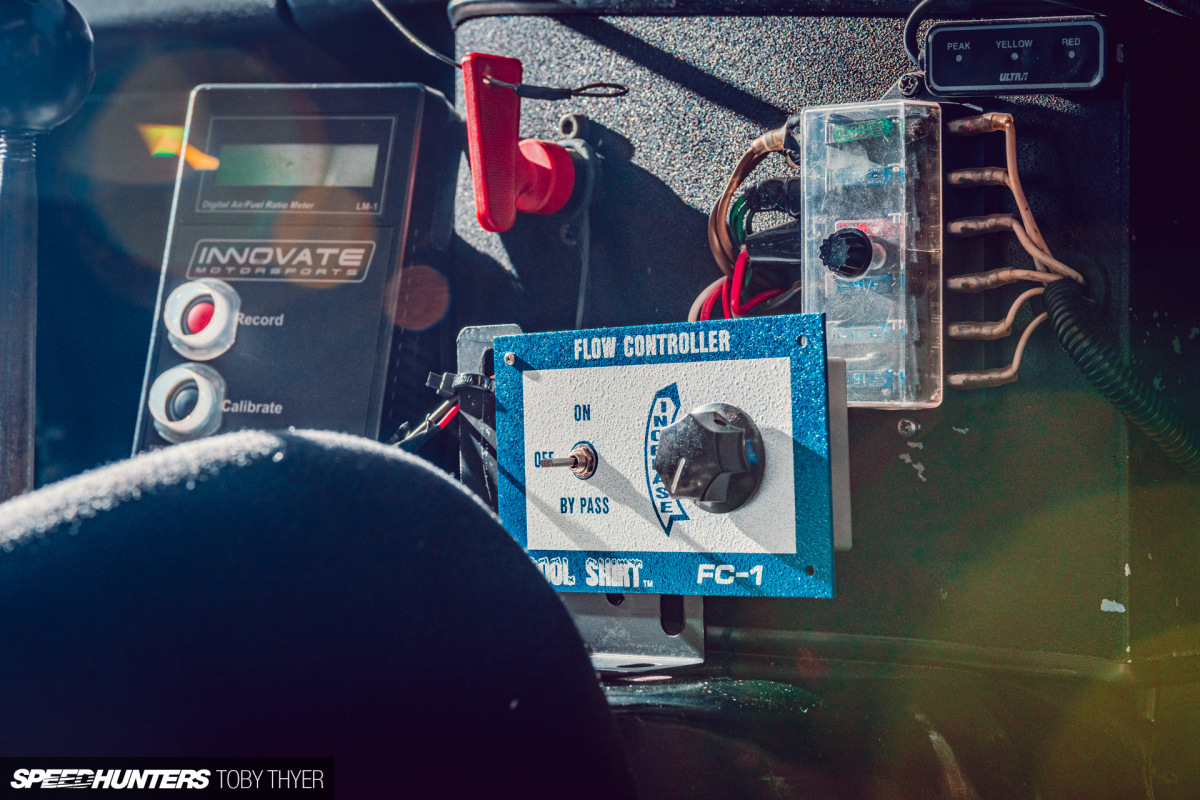
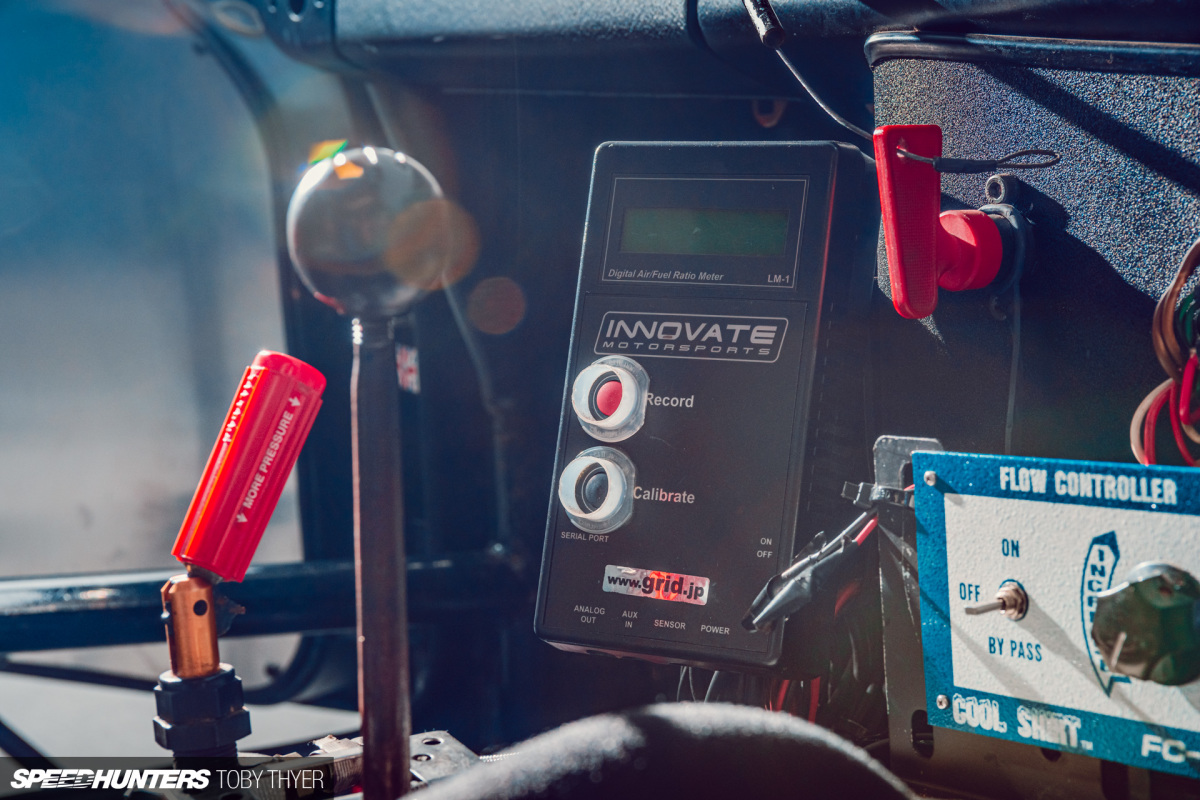
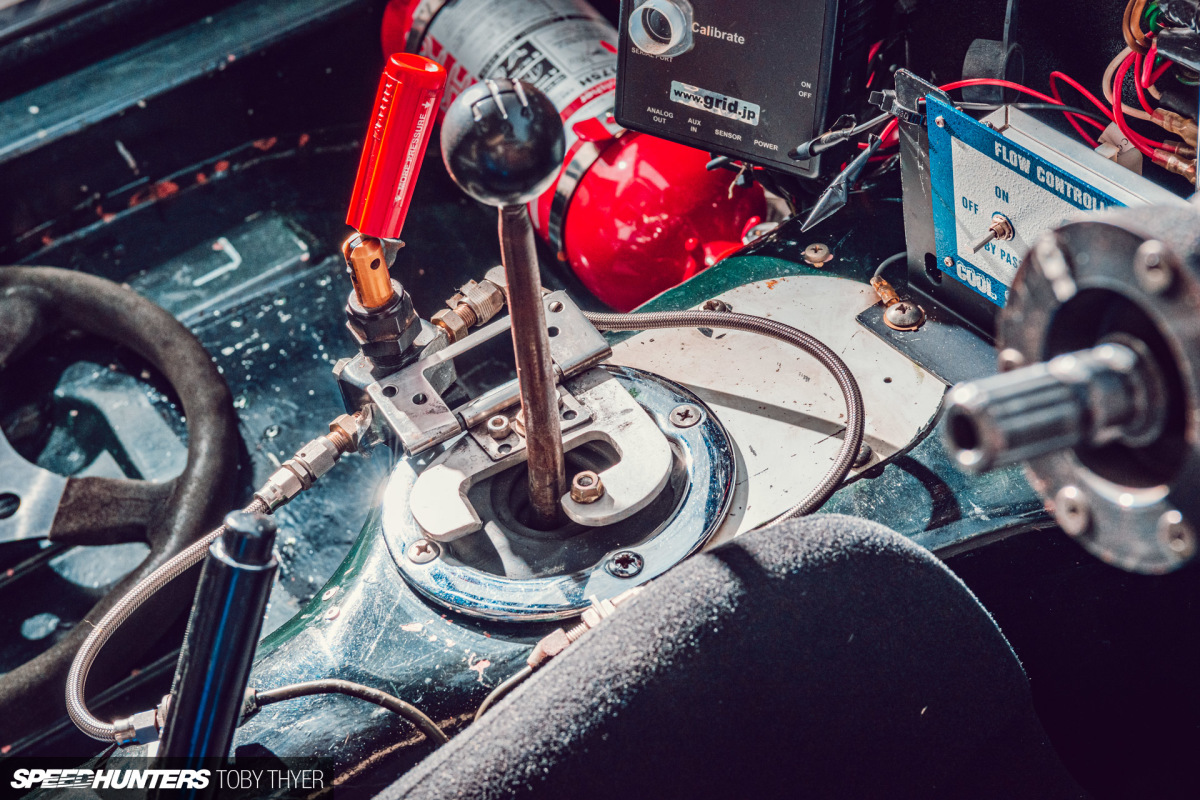
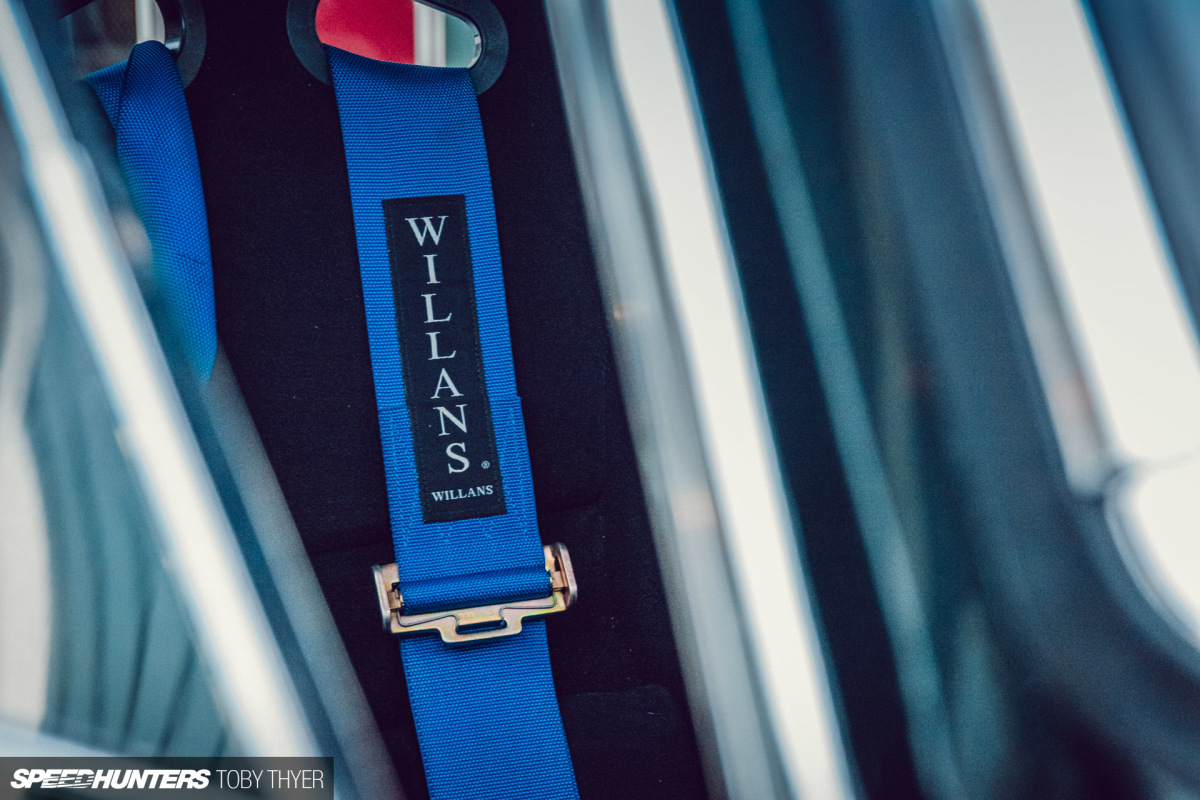
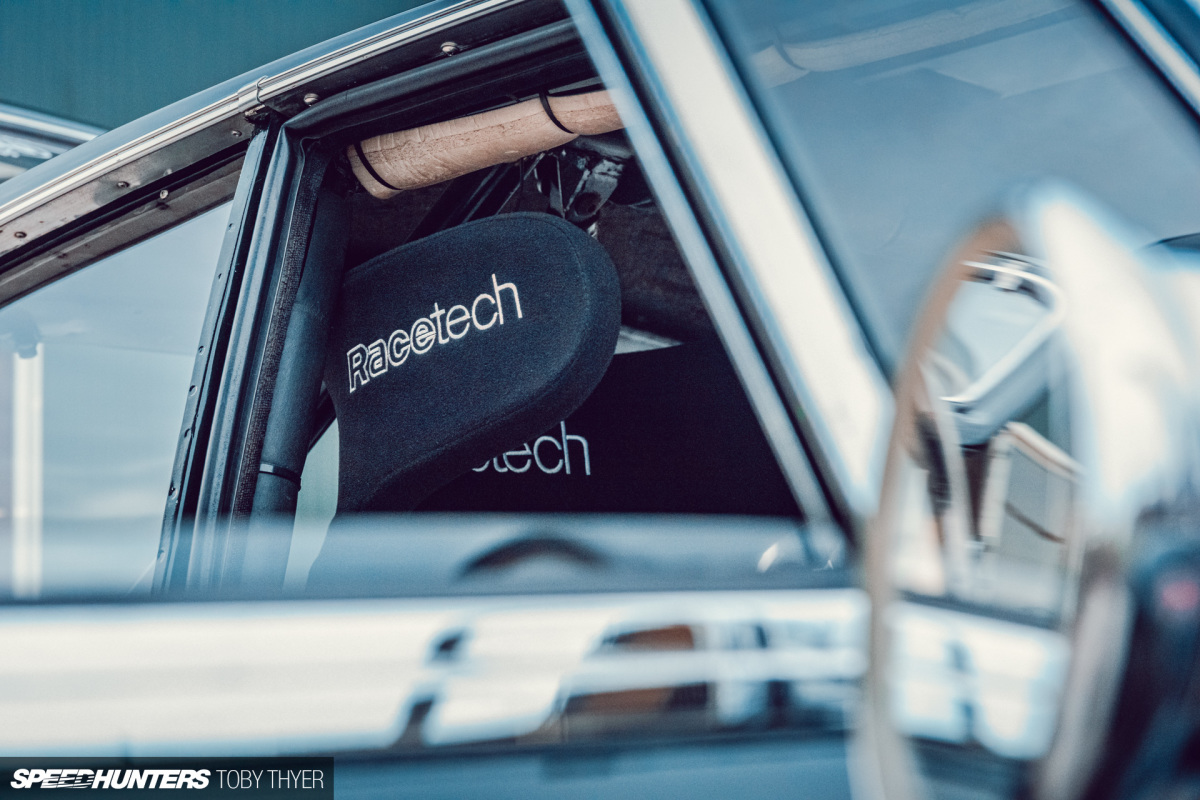
While the MGC is pretty old school and analogue, Akamatsu-san’s car features a few modern components here and there, including a Racetech seat, Lumenition optical ignition system and Innovate LM-1 digital air/fuel ratio meter. Essential for any race car with no air-conditioning in Japan is the Cool Shirt Club System24 driver cooling system.
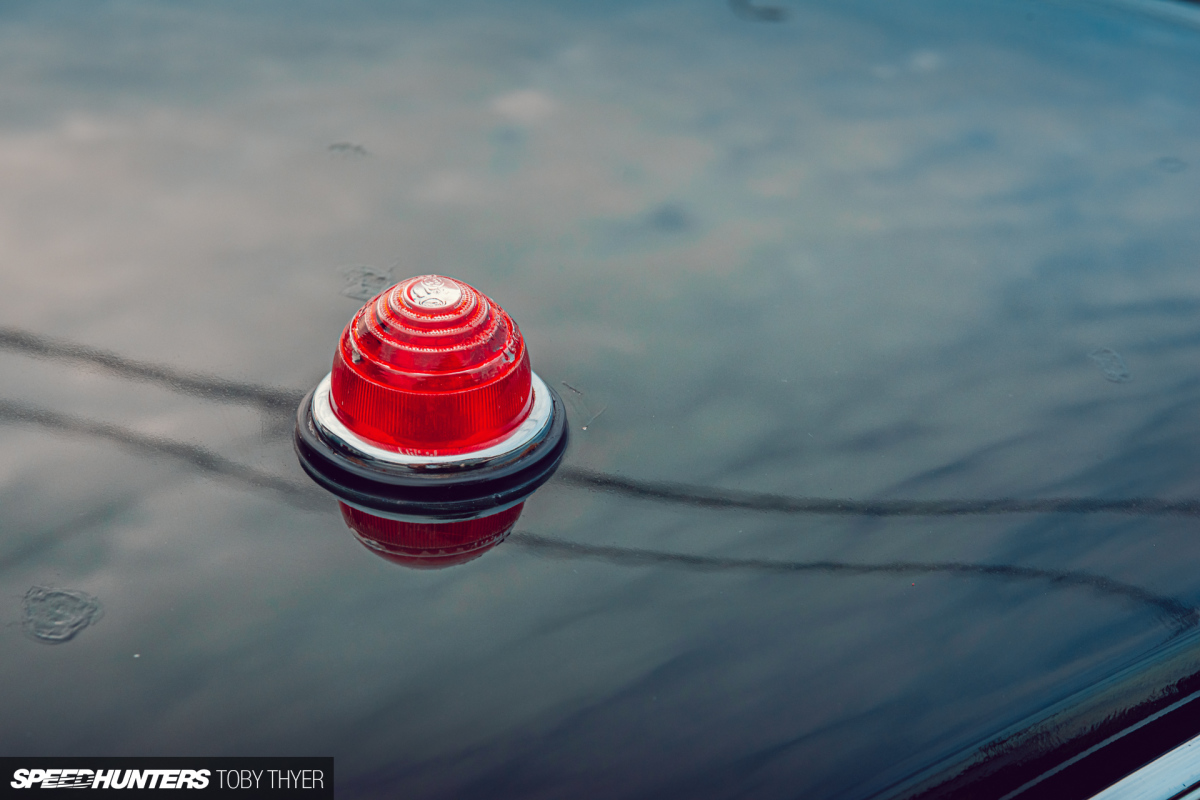
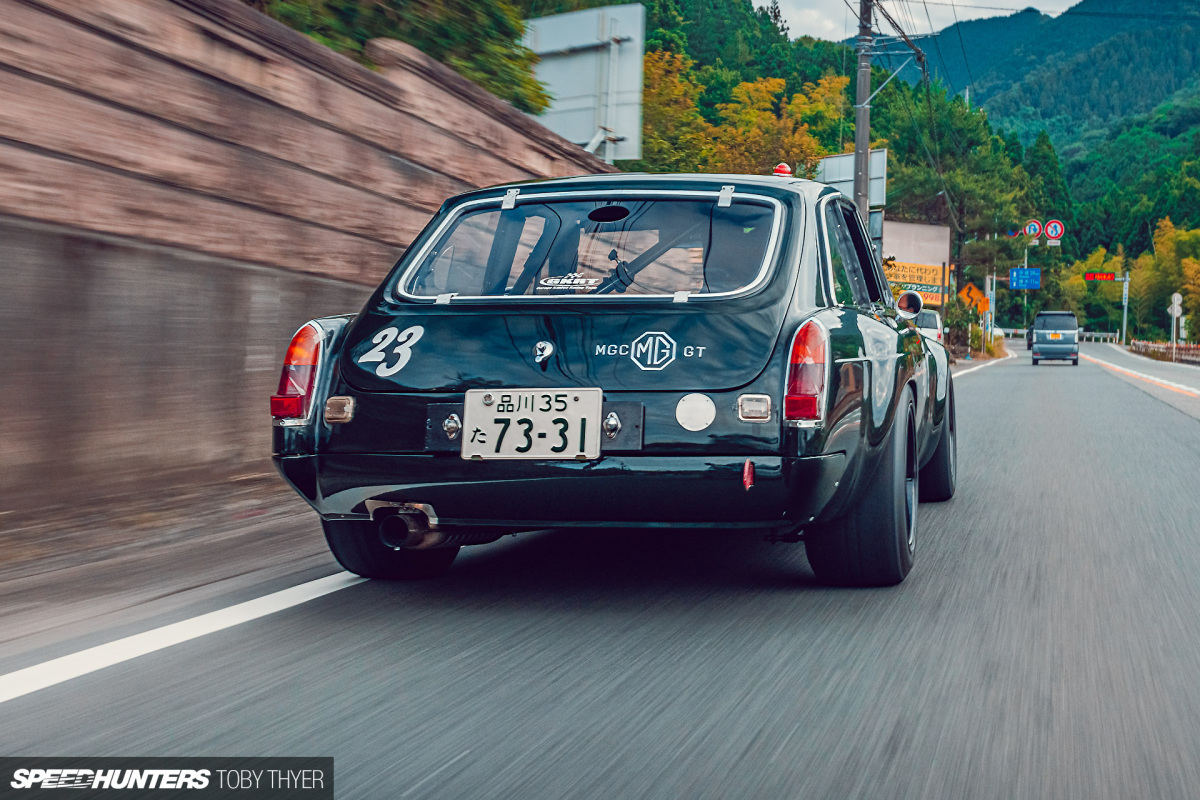
When I asked Akamatsu-san what his favourite part of the car was, he thought for a while and replied “this light” pointing to the roof. He explained that during overnight endurance races like the Sebring 12 Hour, cars needed to have lights on the roof to be seen by other drivers. After further reflection he added, “that might be my favourite, but the most useful is the gear shift guard.”
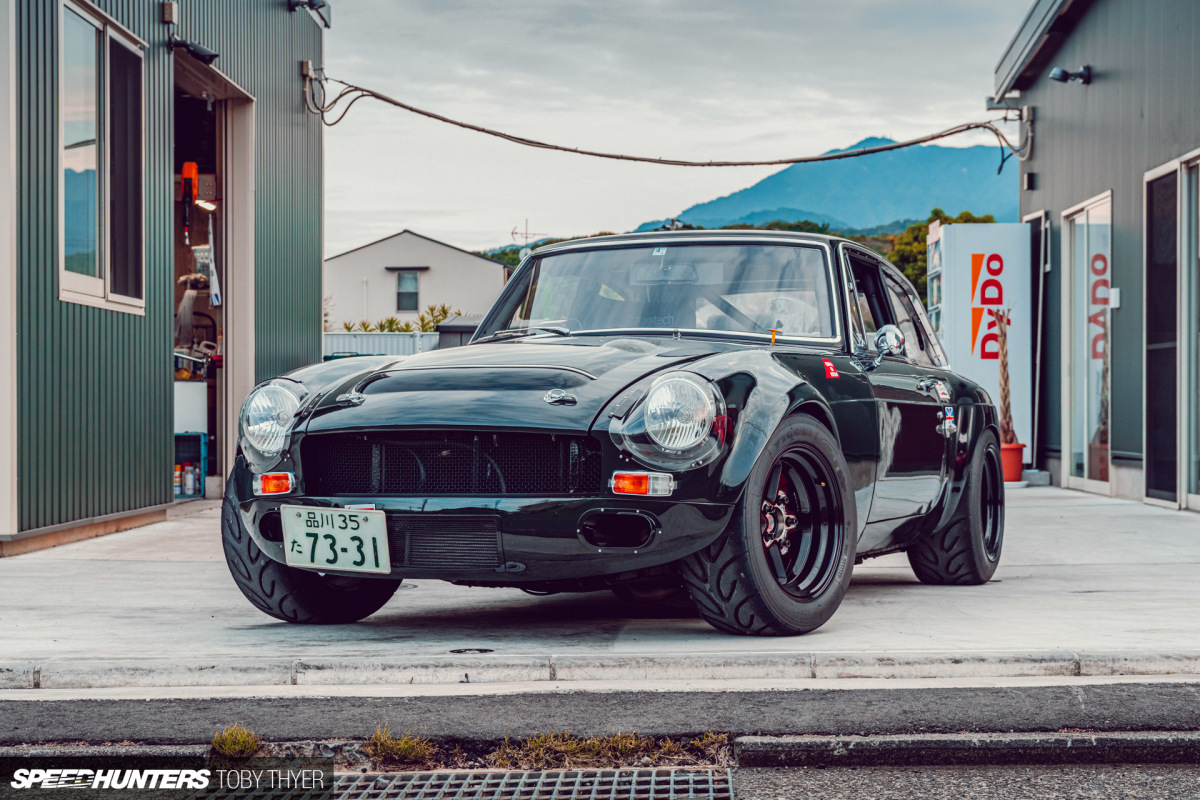
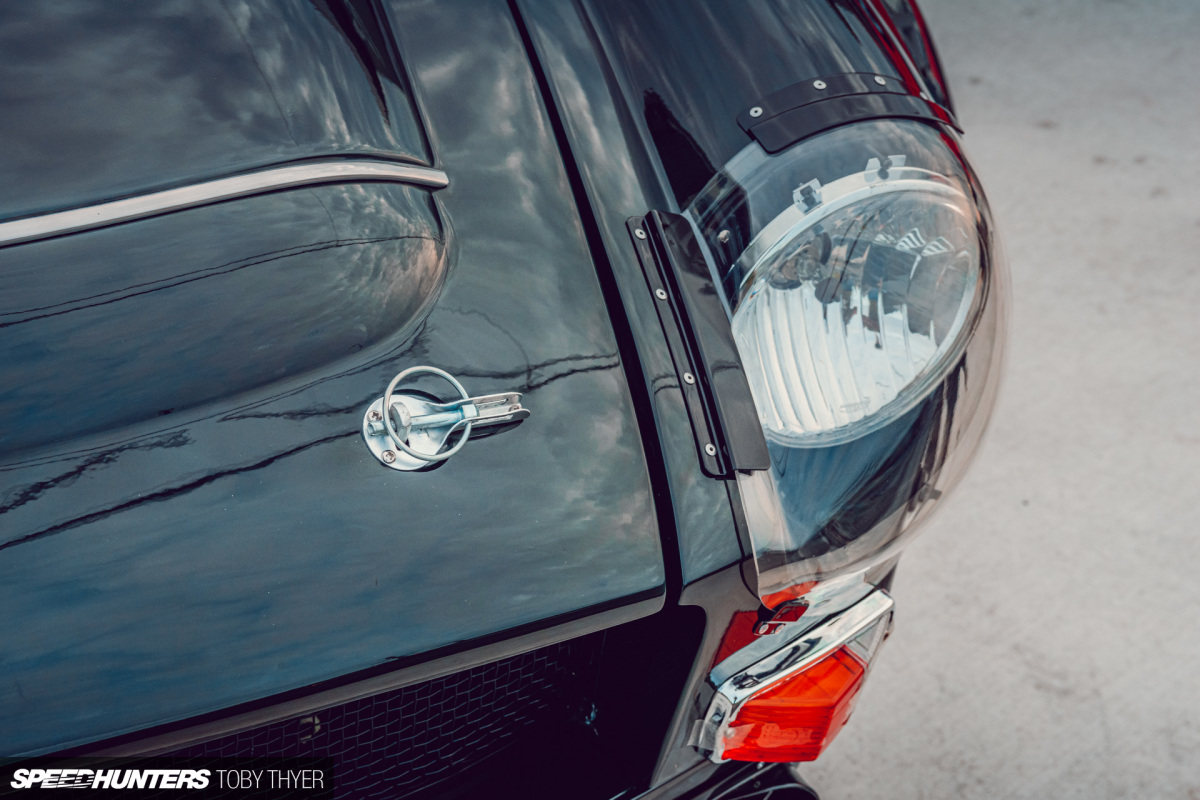
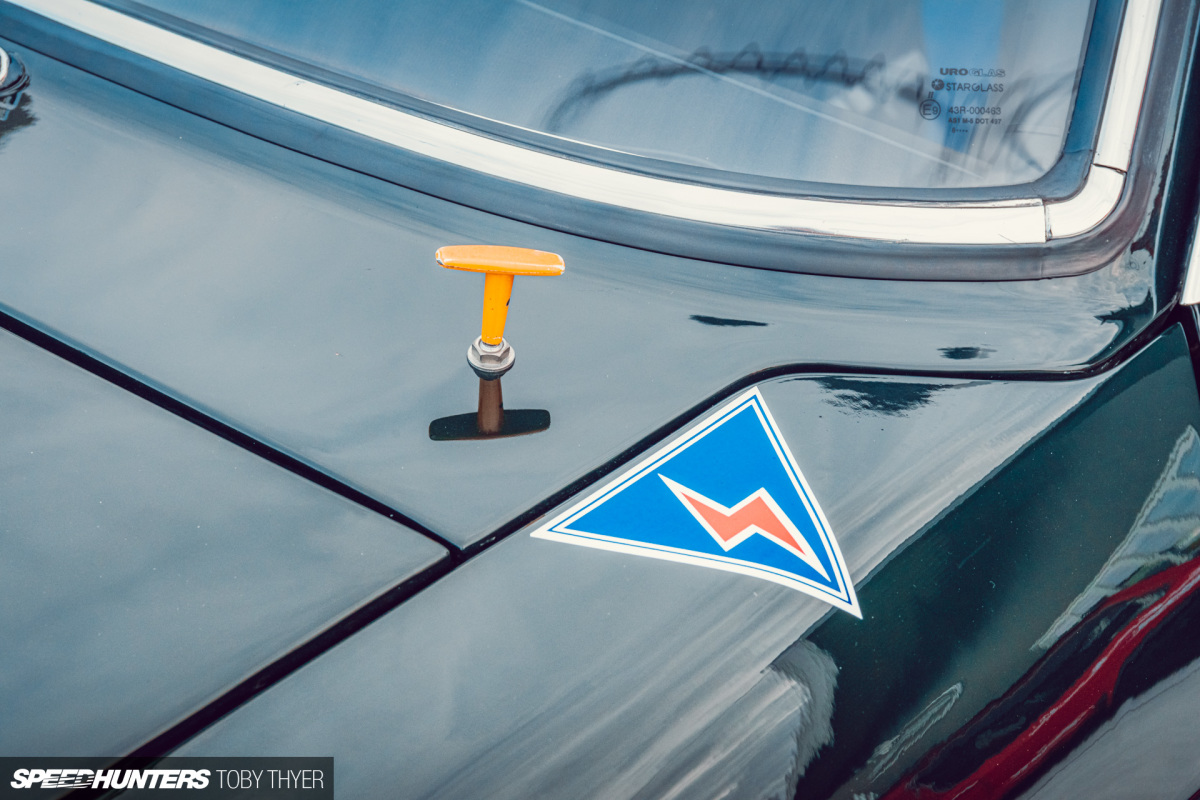
Personally, I love those wide, brutish rear fenders, the acrylic headlight covers and that deep British Racing Green paintwork. I think Akamatsu-san has struck a nice balance between using some uprated modern components, while also staying period correct by using the same parts used by the original Sebring cars. What do you think?
Toby Thyer
Instagram _tobinsta_
tobythyer.co.uk
MG related stories on Speedhunters
Gallery