
When was the last time you saw an AE111 Toyota Levin or Trueno?
For a while at least, these sleek and elegant Corolla-derived coupes seemed to be all the rage here in Ireland. In my local town, it wasn’t uncommon to pass a sizeable quantity every evening, each appearing to be home to the frenetic buzz of a 20V 4A-GE just bursting to be let loose at high revs. These were cheap and affordable performance JDM machines for a generation that I grew up amongst.
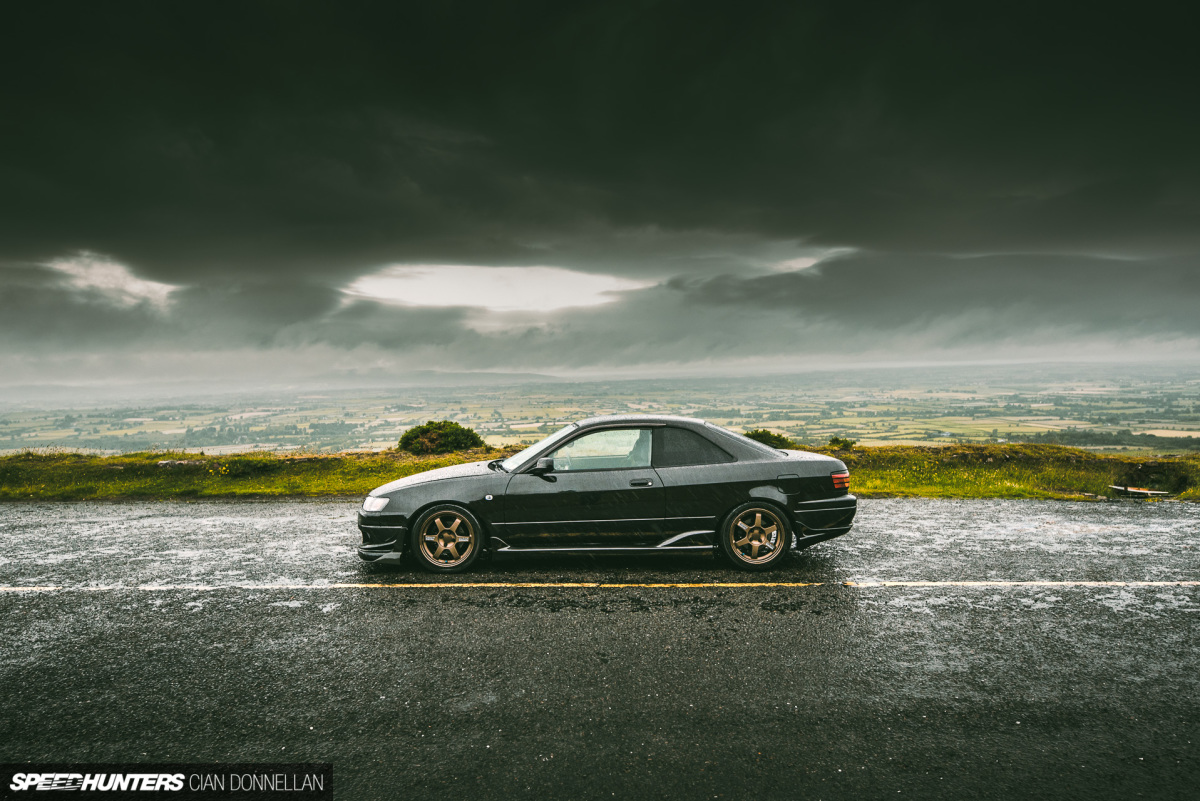

While most Japanese performance cars of the AE111’s time gained JDM icon status, the poor Toyota in BZ-G, BZ-V and BZ-R model guise just seemed to fall into the shadows. So is now the time we begin to appreciate just how good these machines are?
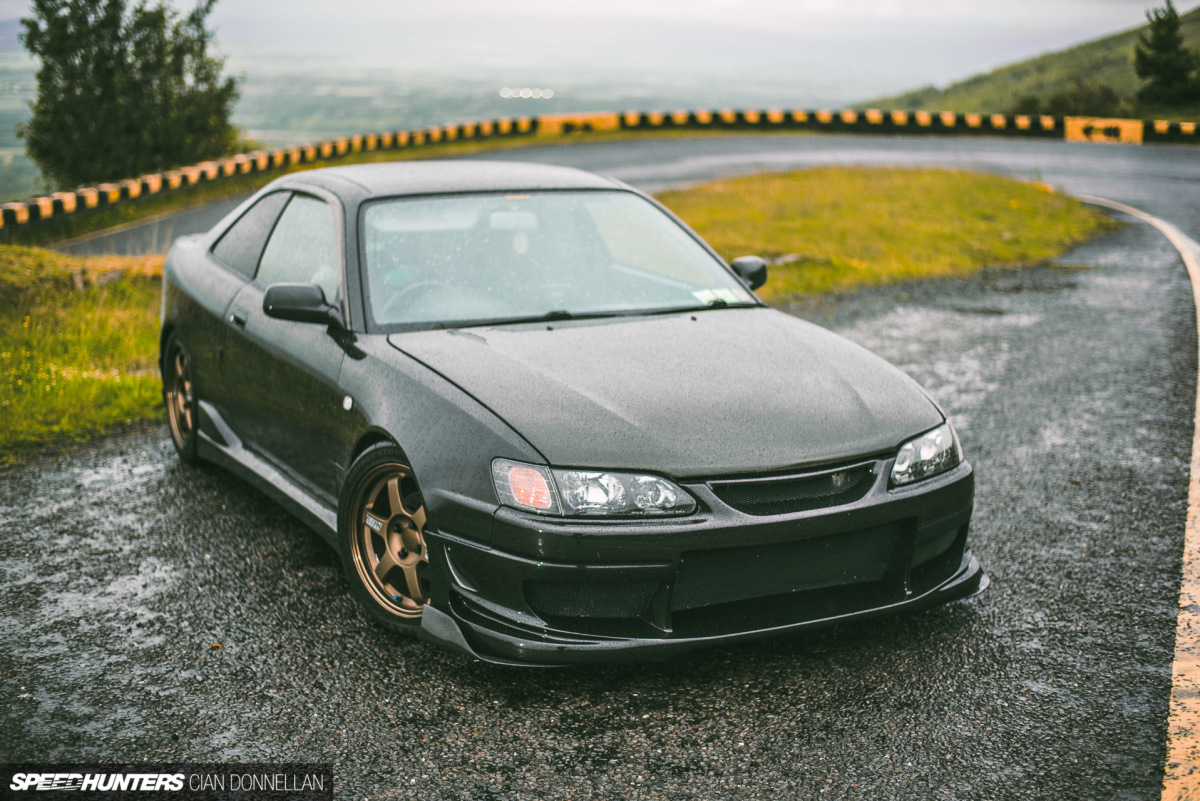
It’s something I thought about a lot recently, and I knew if there was a time to make a case for these cars – the very last Toyotas to be factory fitted with the venerable 4A-GE – I best go and find one of the best examples possible. Paul’s 1998 Levin BZ-R is one of the finest Levins around.

The days leading up to this shoot were sunny and pleasant, yet somehow the two wettest hours of the week happened to coincide with our time together. What it did though was accentuate the menacing and tough look of Paul’s Levin, and guaranteed an almost deserted mountain pass devoid of day-trippers and cyclists.
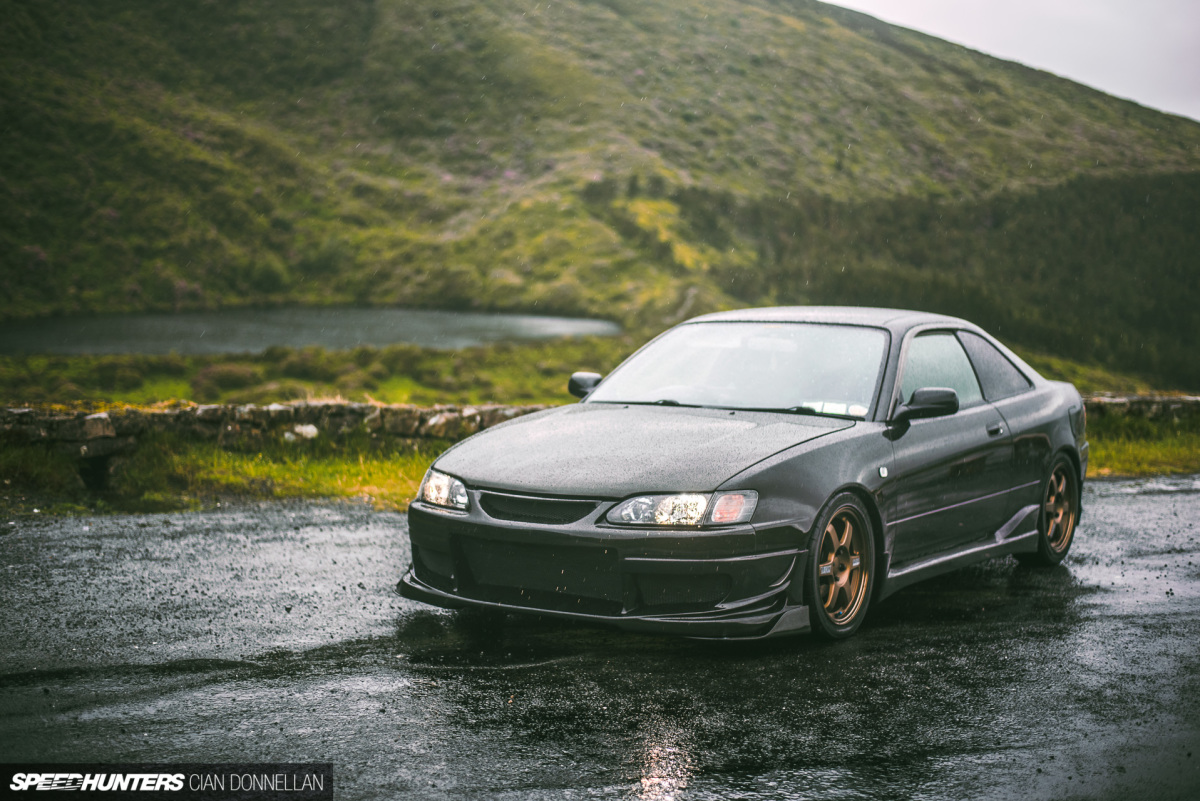
As I stood in the rain, slowly feeling the moisture seep through my poorly-thought-out clothing choice, I spent a moment taking in how great the Levin looked while pondering the question I posed at the beginning of this story. It feels like years since I have seen an AE111 in the wild, and I’m pretty certain this is the very first one featured on Speedhunters. How many other two-door JDM performance coupes from the ’90s fall into that category? Not many.

It’s clear to see just how thorough a build this Levin has become in Paul’s hands. He’s owned it for many years now, and during that time every area has seen improvements.


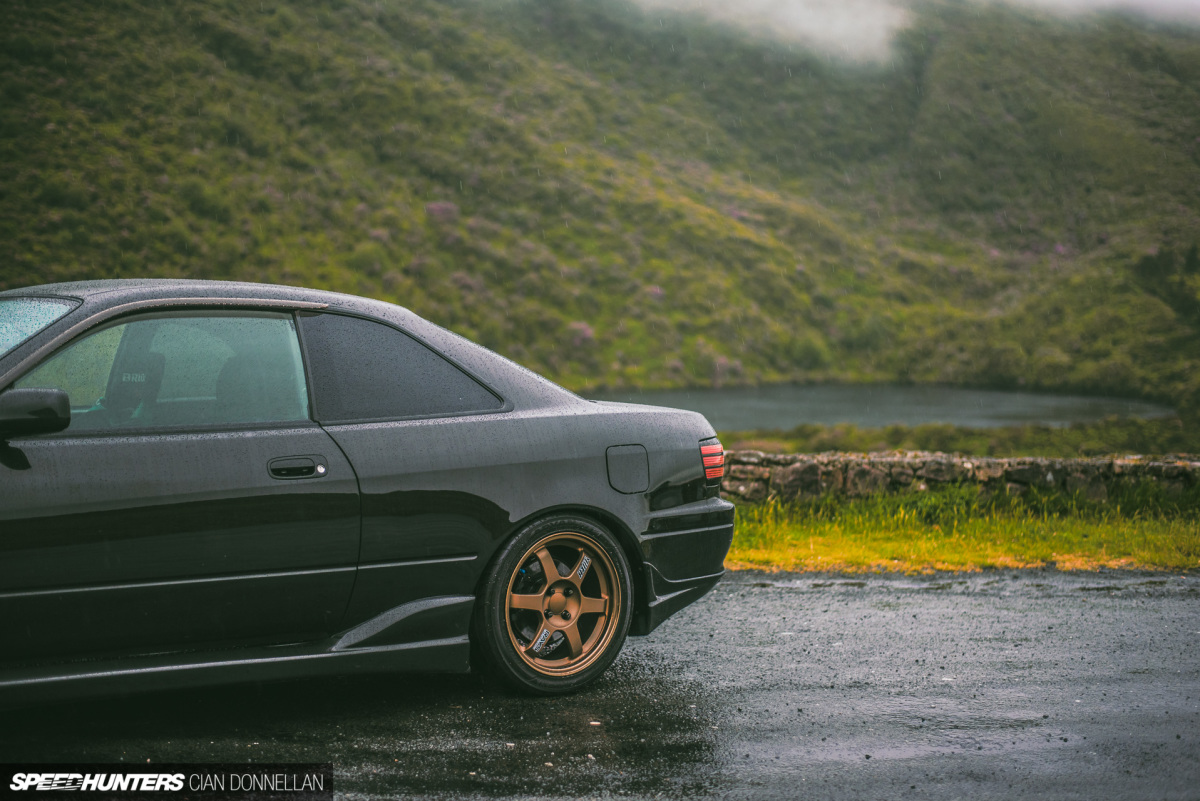

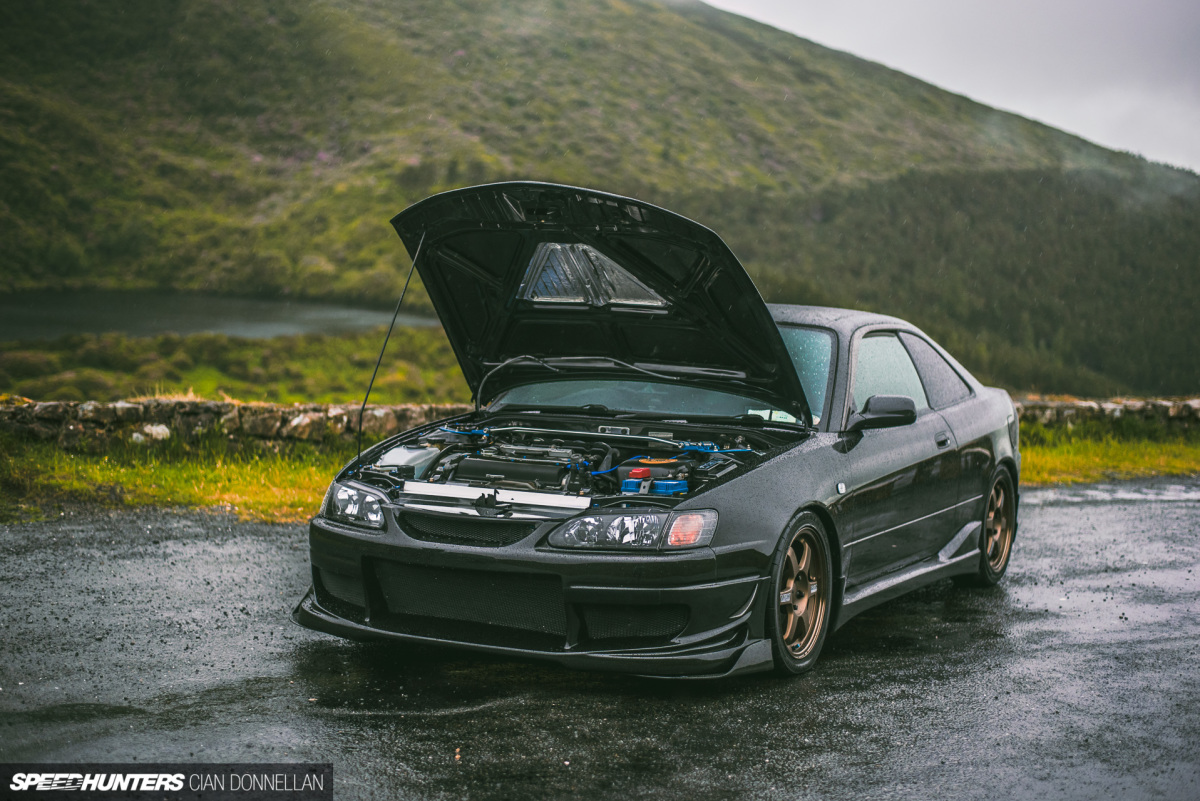
A de-spoilered boot lid gives the swooping rear a very clean and simple look, but forward of this things ramp up a notch. The Varis carbon fibre hood blends in seamlessly with the gleaming factory Metallic Black 205 paint, but it’s the Bomex bumpers and side skirts that steal the show for me.
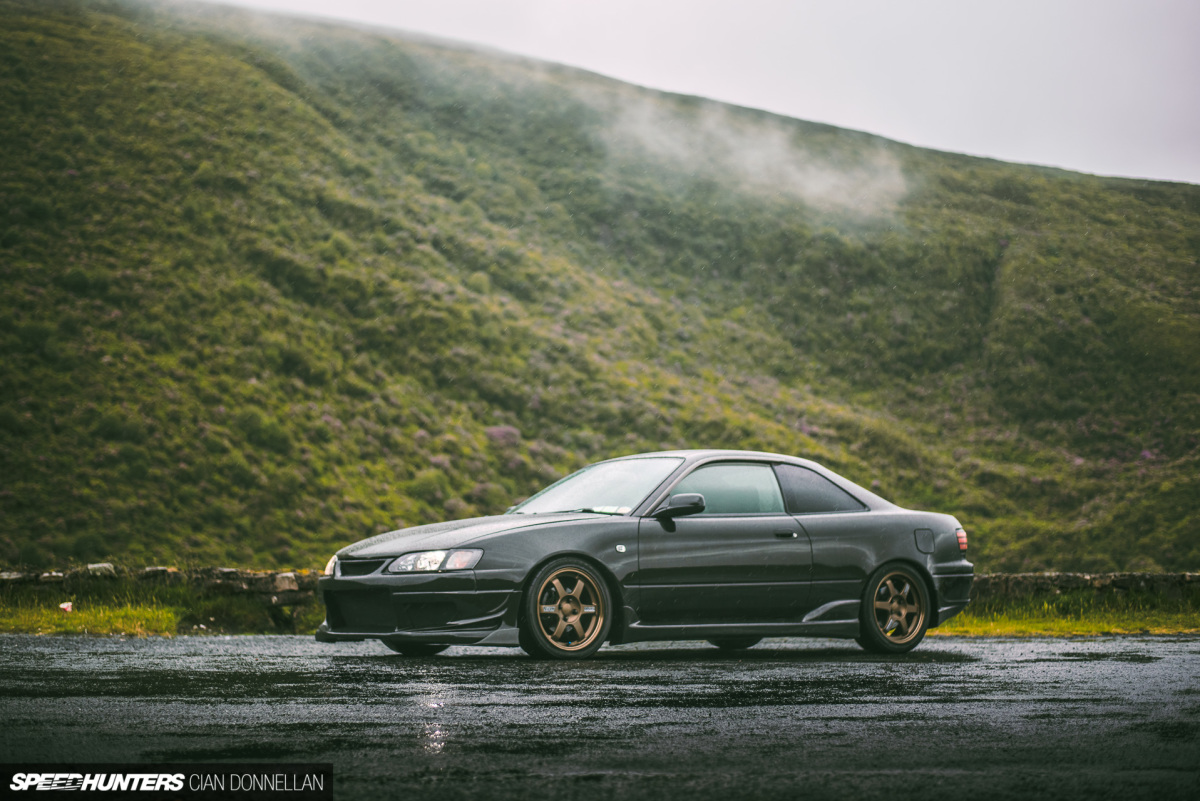
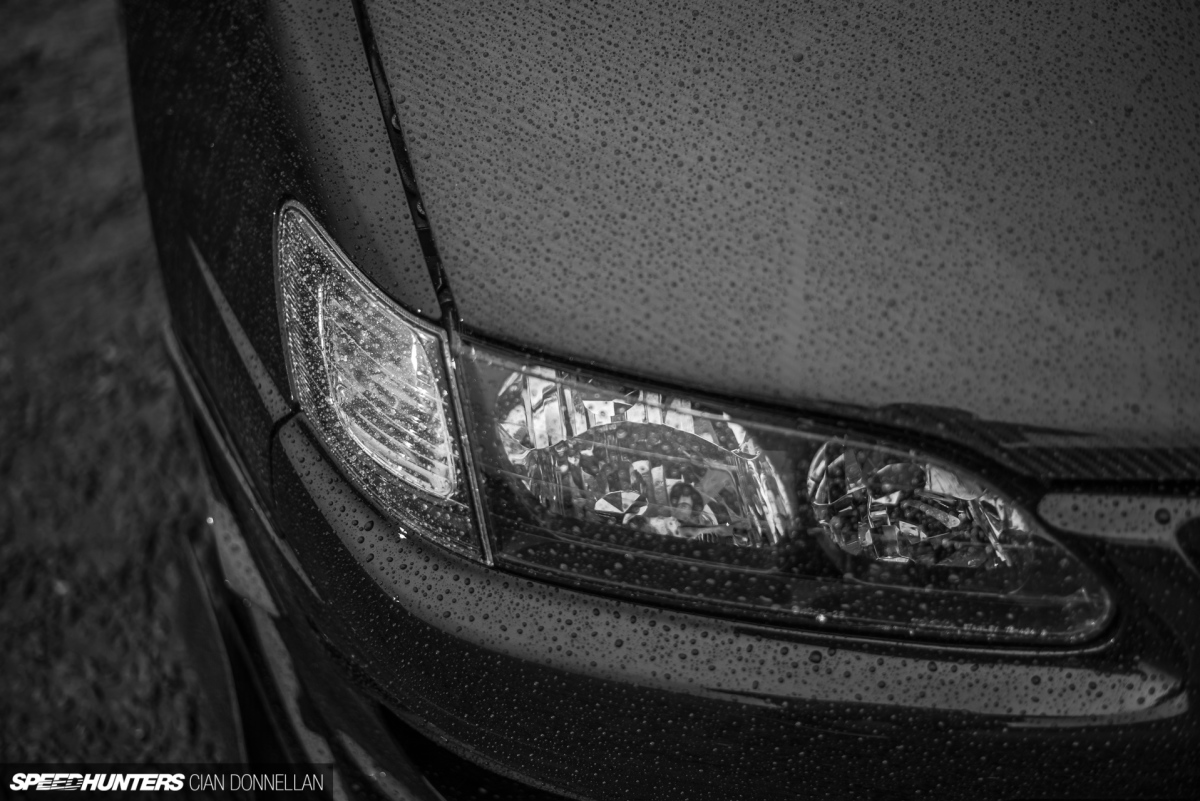
The aggression is added to by a set of carbon fibre winglets and canards at the front, giving a subtle but menacing vibe. Having had the car in my rear-view mirror for some time on the way to our shoot location, I can confirm that the addition of brand new headlights and clear indicators really make the front of the car pop. The tail lights are fresh OEM stock too.

Under the hood sits the original 20V 4A-GE. As far as four-cylinder engines go, the Toyota lump has a stunning reputation, but much of that praise has come between the chassis legs of cars that were never graced with a ‘Silvertop’ or ‘Blacktop’. Remember again how rare it is to see an AE111 Levin or Trueno? Well, a lot of that is the result of many cars being scrapped for their power plants alone.

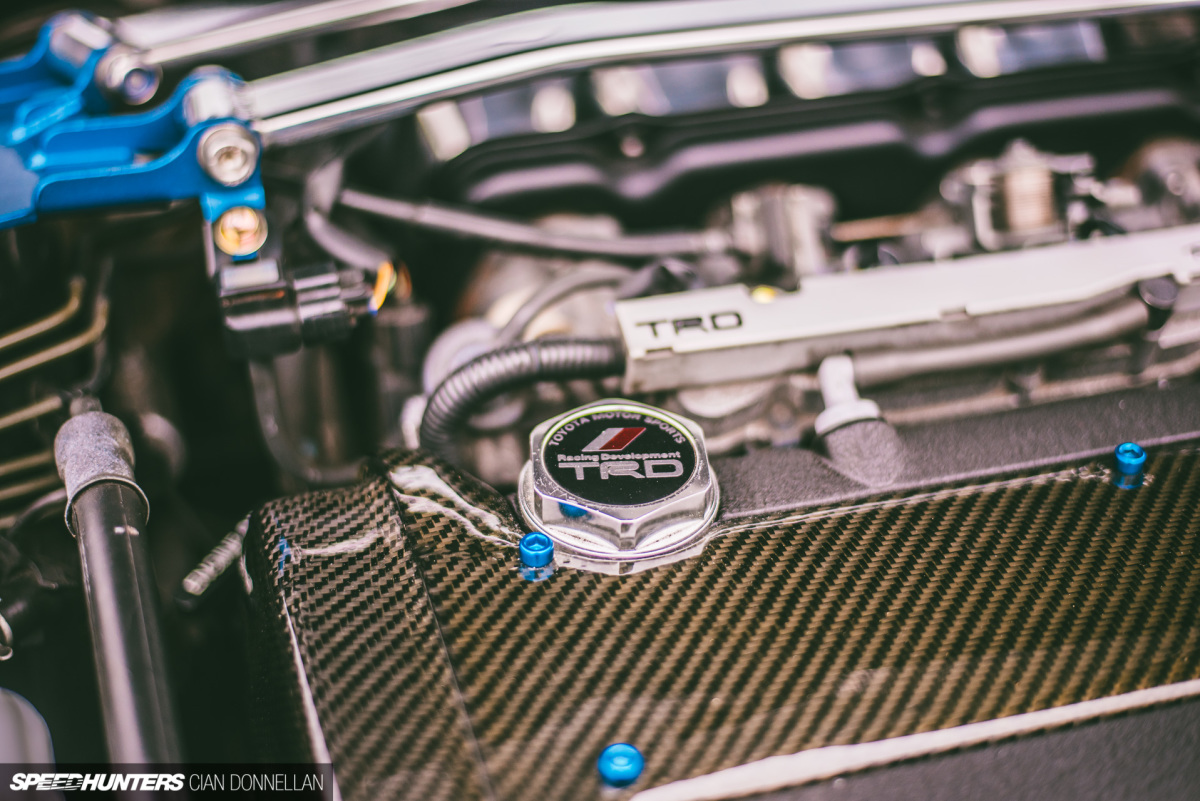
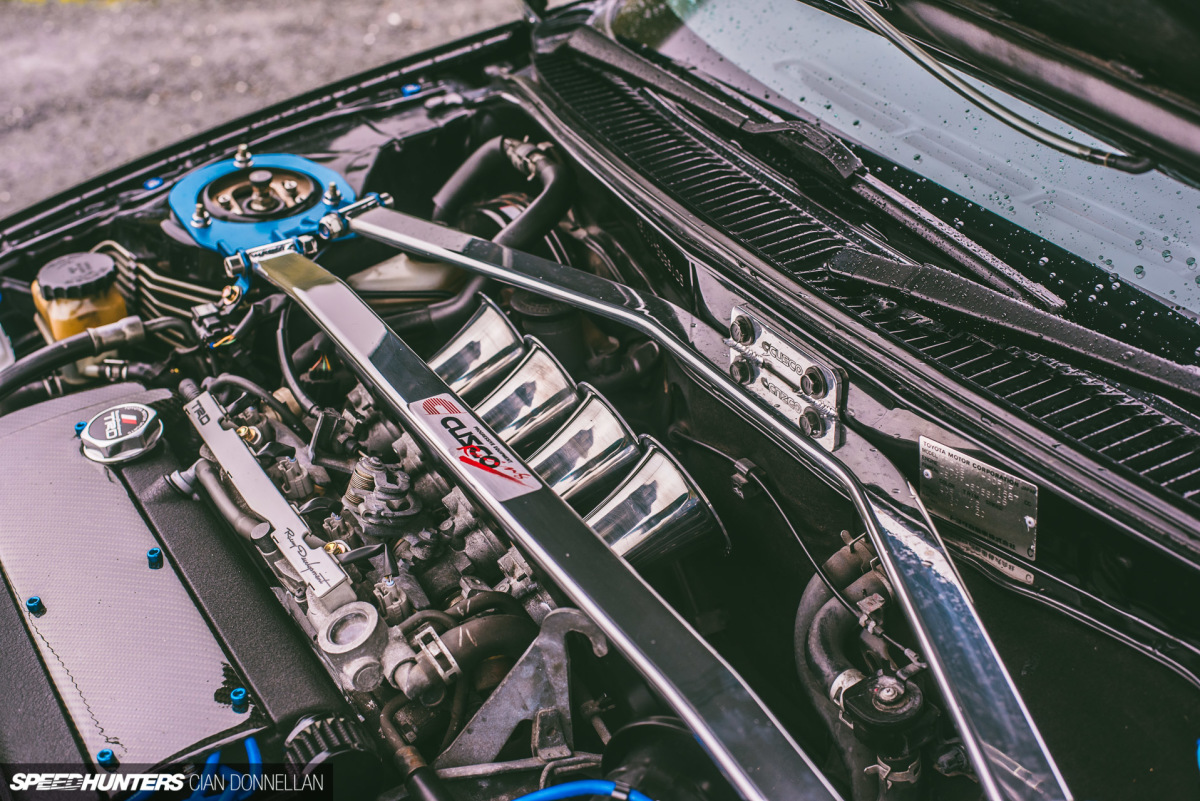
Paul’s 20V remains internally stock, but otherwise benefits from an A’PEXi panel filter and FGK 4-2-1 manifold running into a full Fujitisubo stainless exhaust system. There’s also a Cusco catch can, Carbing radiator cooling panel, and the pièce de résistance – 115mm trumpets by Flo’s that replace the original intake plenum on the factory quad throttle bodies. Trust me when I tell you they make this car absolutely sing.
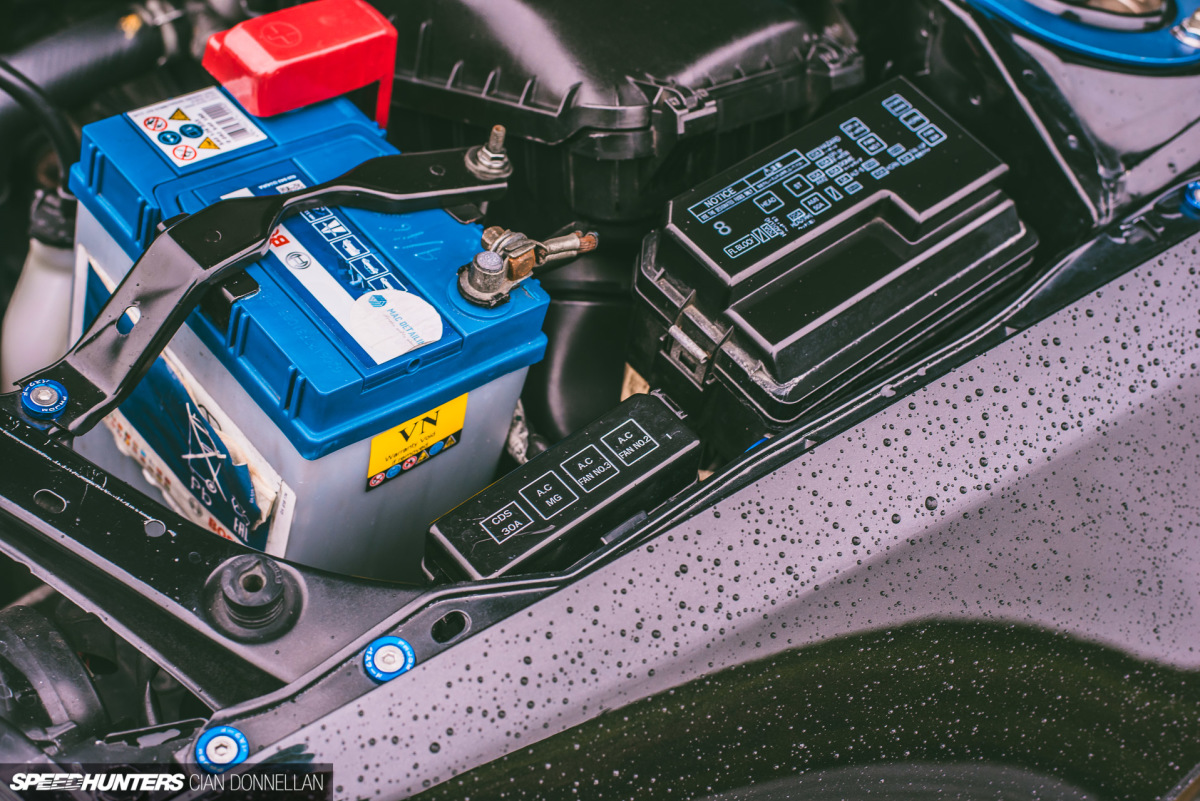
Like the rest of the car, everything under-hood has been put together to the highest standard and with incredible attention to detail. All the small touches have been thought through, like the quality of the fuse and air boxes, both stock items but reconditioned to look like brand new. Every bracket and bolt visible also seems to have been detailed beyond the level of care you expect from showroom-fresh cars.


Towards the rear of the engine bay, a rare Cusco 3-point strut brace is fitted, matched to a lower brace also from Cusco. Coupled with a set of BC Racing coilovers and Hardrace suspension arms in the rear, this BZ-R is set up to corner with speed, pushing the limits of what was already an incredibly balanced FF chassis from factory.

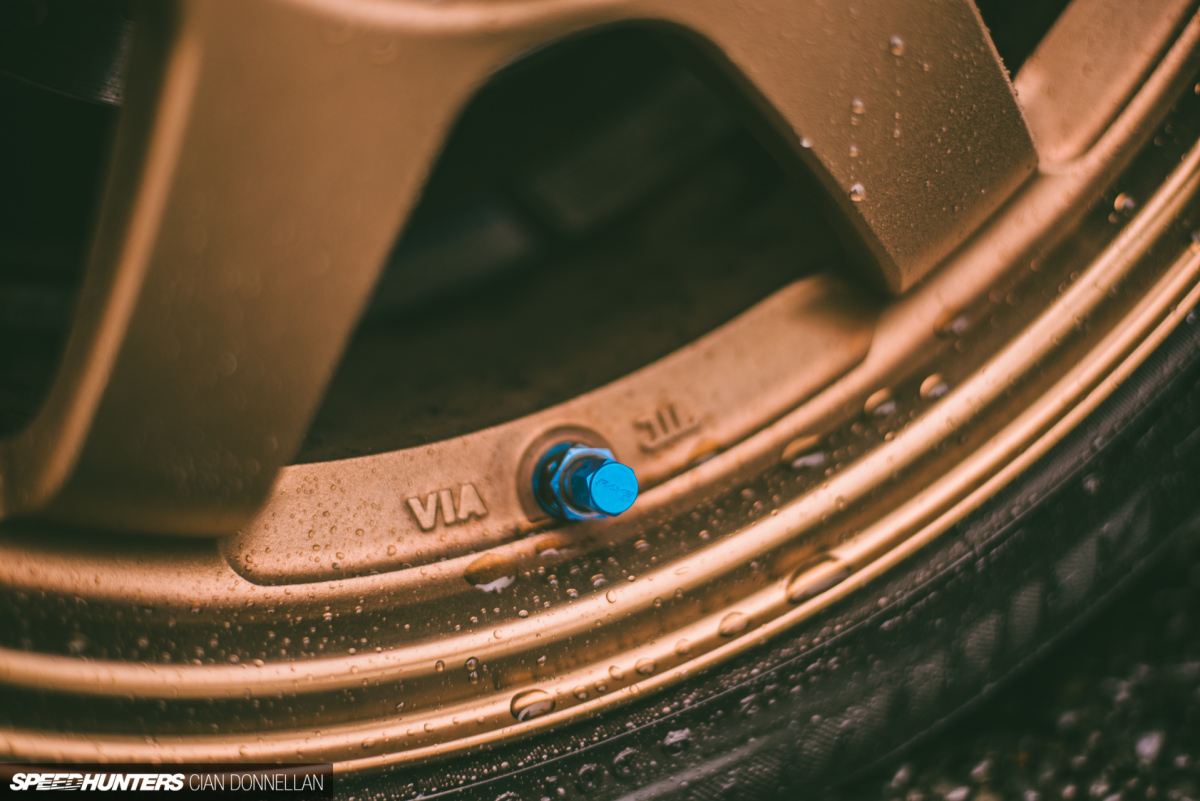

Isn’t there something so sweet about a black and bronze combo? Similarly, is there much better than a JDM coupe and RAYS Volk Racing TE37 combo? With optional centre caps direct from Japan and all the RAYS hardware, the wheels really make this Toyota special. Behind the grippy Bridgestone Potenza RE111-shod fronts sit a 2-pot Toyota calipers and grooved rotors, while the rears make do with a single-pot setup.


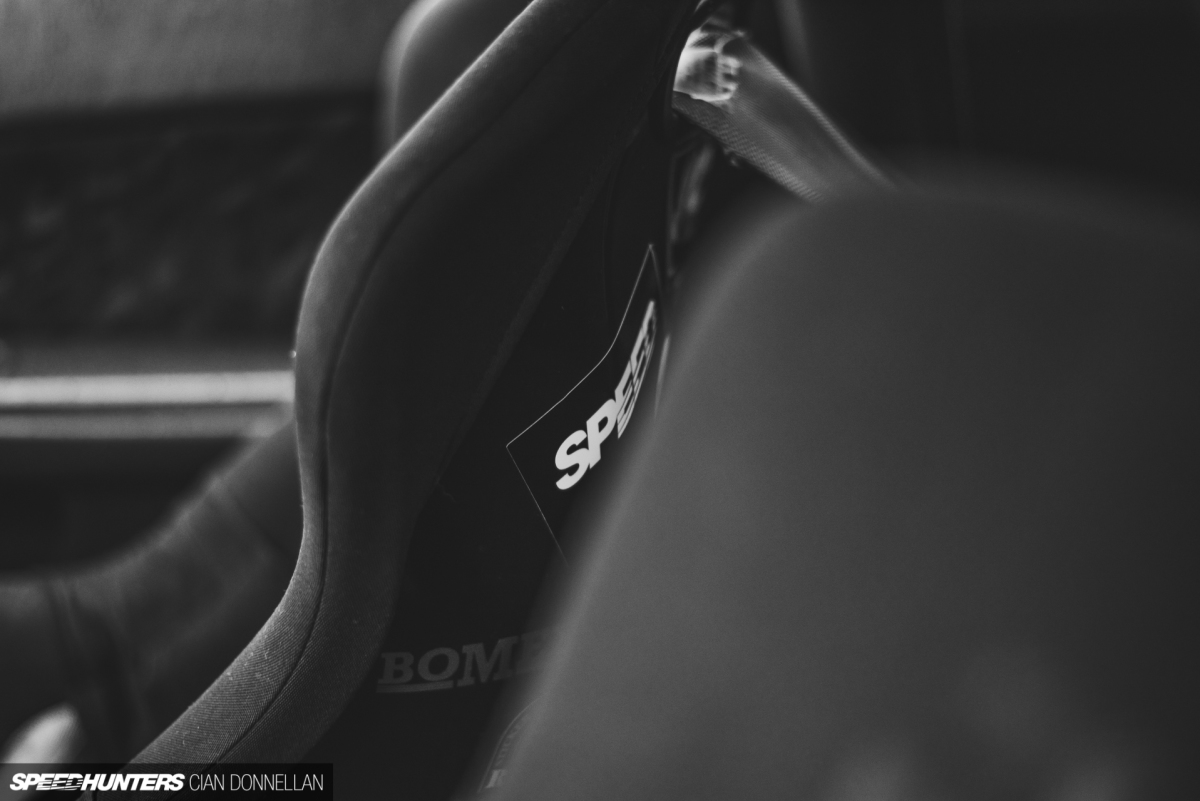

Opening the driver’s door of Paul’s Levin, the carbon aramid Bride Low Max VIOS II seat is a real attention-grabber amongst a tidy-yet-purposeful interior. This is a machine built to tackle a twisting road, and the seat and its accompanying TAKATA Racing harness keep Paul firmly in place.


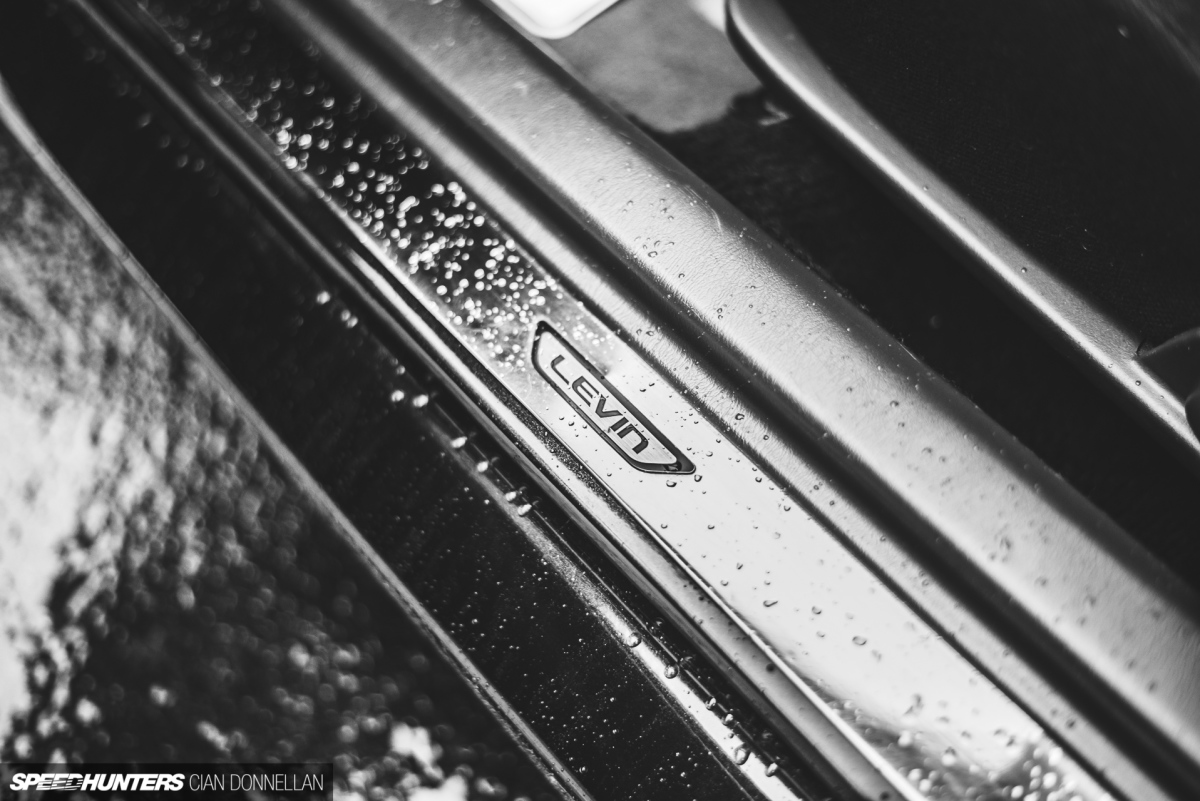
It’s the small details in here that really count. The 330mm Nardi steering wheel, Tomei shift knob and A’PEXi RSM are all fitting touches for a car of the late-90’s JDM era, but it’s the subtle additions of optional extras – often sourced from online auctions or from cars that died to give up their engines – that really set Paul’s AE111 apart. Small bits like the 5-piece Levin mat set, extra footwell lights and ignition barrel light, a pair of ‘Levin’ sill plates and even a non-smoking ashtray.
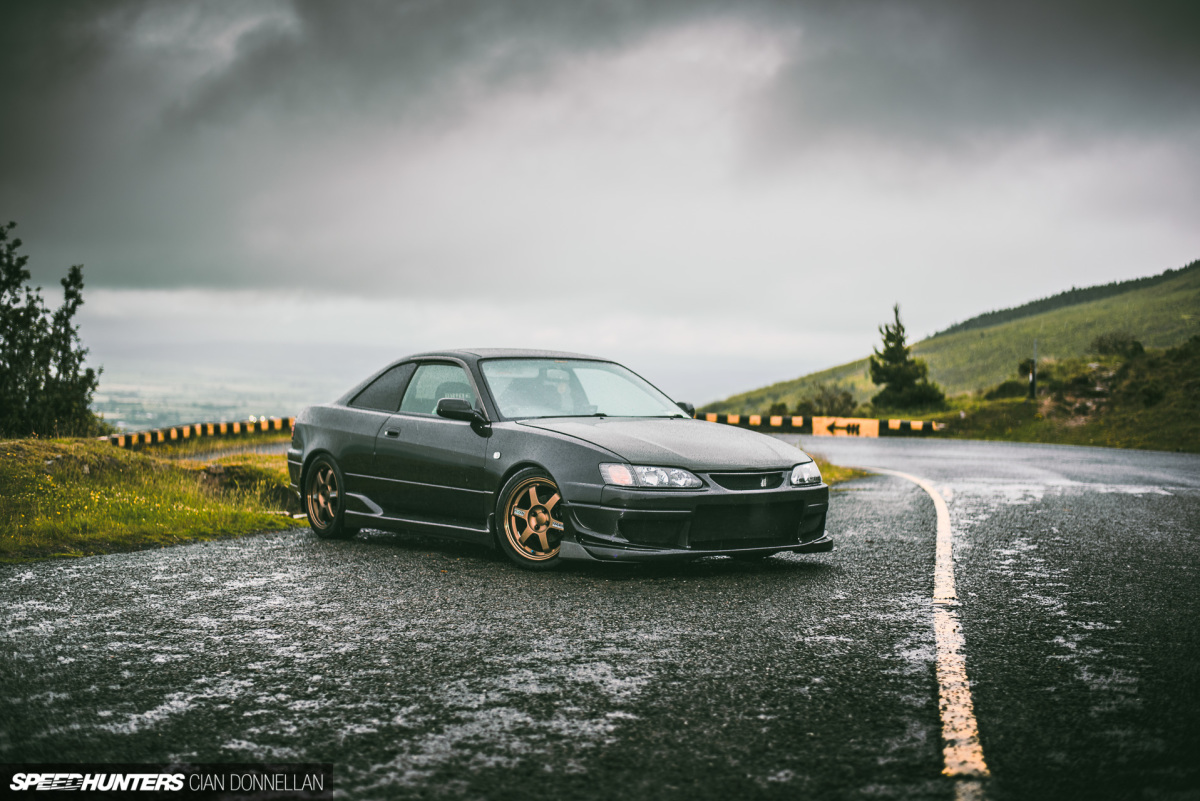
As the rain got heavier and the light faded, we said our goodbyes. Paul drove off, but I stood for nearly 30 seconds as the rasp of the ITB-fed 20V reverberated off the mountainside. It made me so incredibly happy, but sad as well, thinking about how few AE111s are probably left in the wild. While numbers dwindle ever further, I know that cars like Paul’s BZ-R are a sign that there are still a core of die-hard AE111 enthusiasts out there who are loving their own slice of JDM magic, even if they’re overlooked by others.
Cian Donnellan
Instagram: Ciandon
Facebook: CianDonPhotography