
They call football ‘the beautiful game’ and if you can ignore what sometimes happens off the pitch, it’s a fair description. No other sport has both lasted as long or influenced people in as many corners of the globe as soccer. There is also beauty in that any kid around the world can play the same game as Cristiano Ronaldo without money, specialised equipment or even open spaces.
Then there’s motorsport. Beautiful? Unbelievably so. Accessible? Once the cost of a car, consumables and safety equipment are added up I struggle to think of a more expensive hobby, bar Jeff, Elon and Richard’s recent interest in private space exploration. And things are only getting worse instead of better as cars get faster and as a result more complex.
But does motorsport really need to be about ultimate speed to be fun? Listening to any pro driver enthuse about the joys of kart racing suggests not.
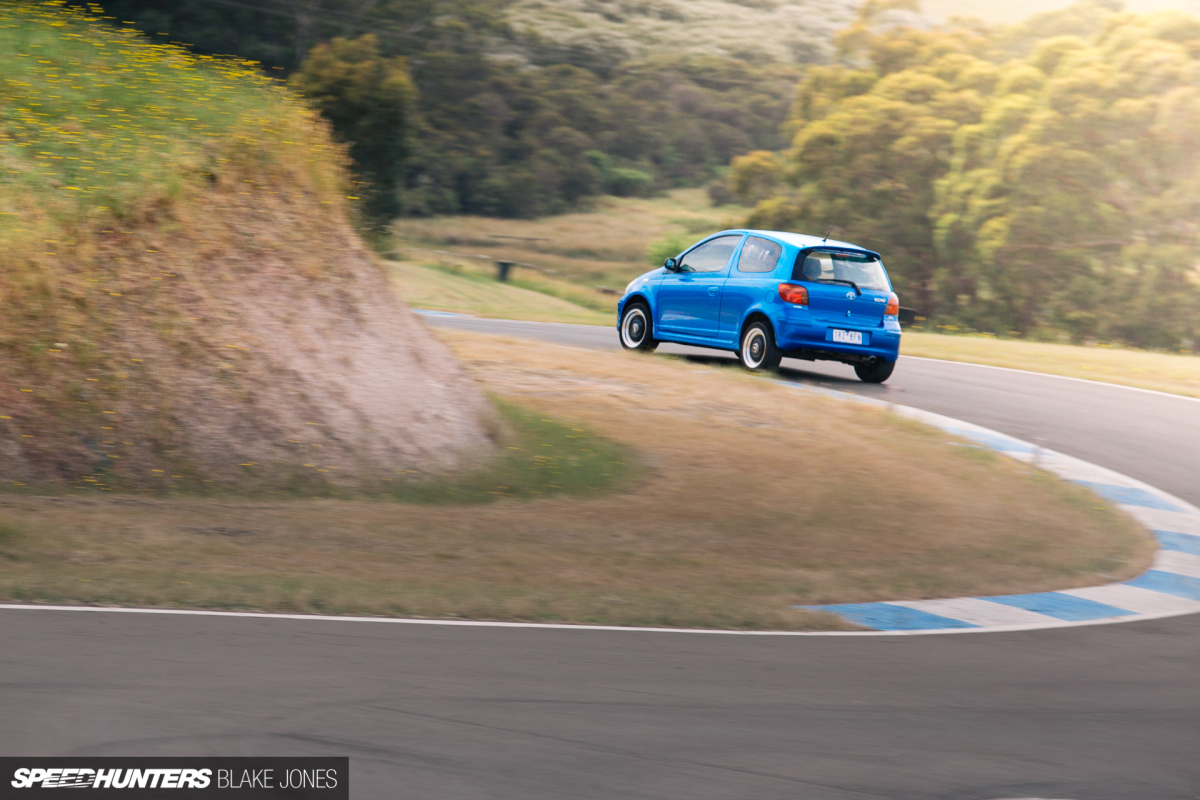
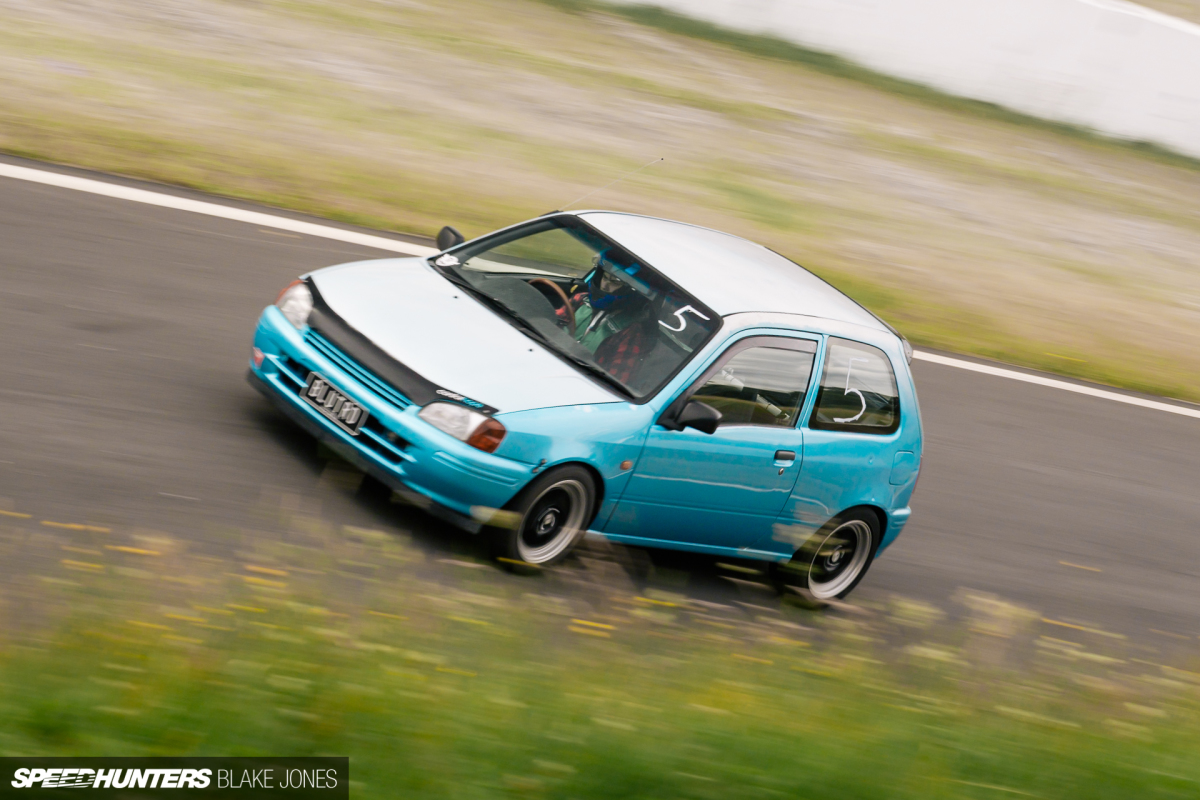

Time attack – a beacon for unrestricted development – still requires a road-based chassis and treaded tyres. Even the pinnacle of contemporary motorsport, F1, concedes that faster cars are not always better with their new regulations to prioritise close racing and lower costs over outright speed. Will they be any less engaging as a result? F1 argues the opposite will be true.
So what happens when you take this idea to the absolute extreme? When a whole competition car costs less than a single wheel on a modern performance machine? You get something like Australia’s Nugget Nationals, AKA the NugNats.
The rules are simple – spend under AU$3,000 ($5,000 allowing for track-prep) on a car that has less than 1.5-litres of engine capacity and go racing.
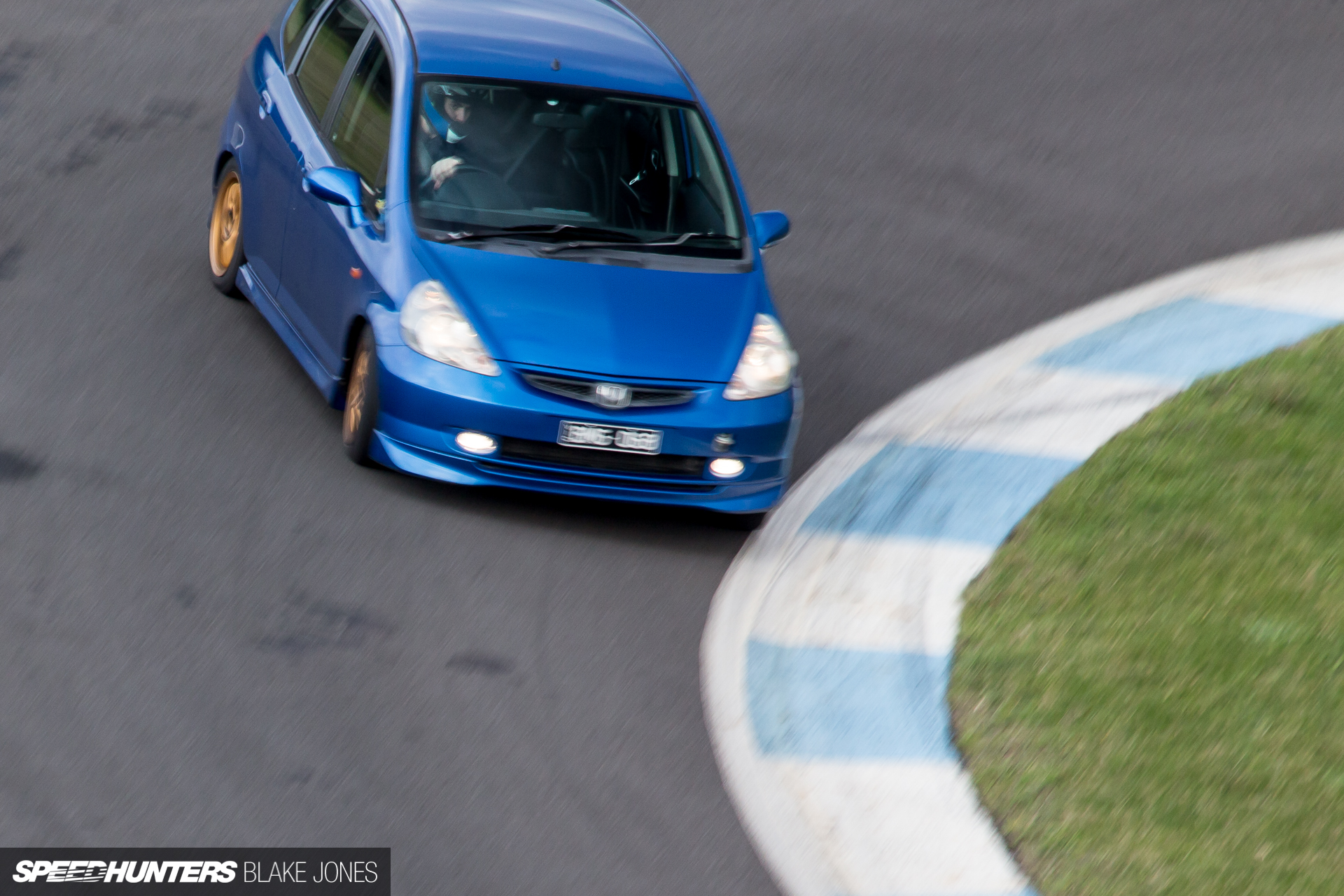
Before you ask, no rotaries are allowed. Furthermore, no engine swaps, no engine modifications beyond intake/exhaust, and no LSDs either. Tyres must be above 140 tread-wear rating and there are limitations on the extent of suspension changes too, but safety modifications are unlimited.
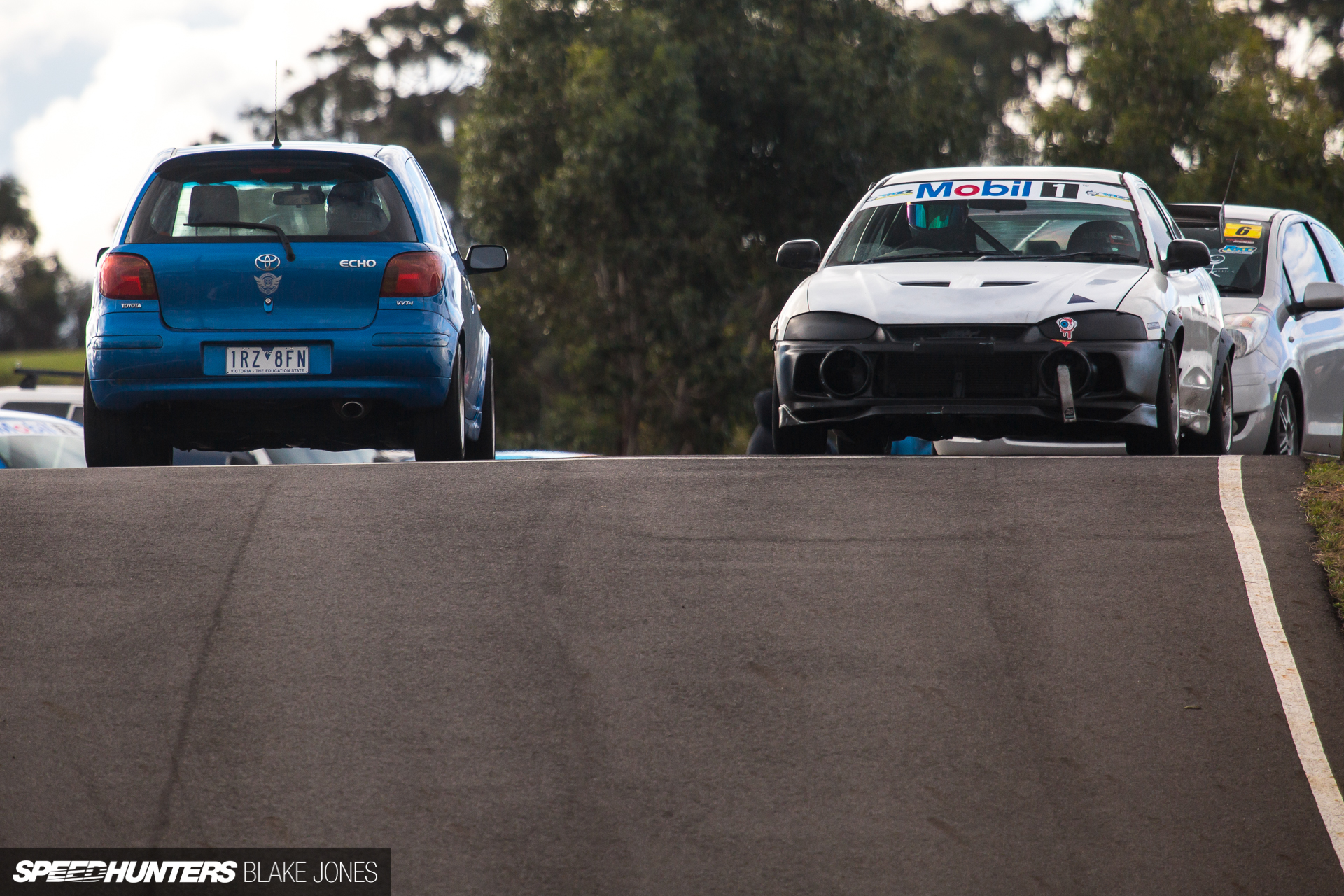
I’d heard a complaint of ‘why not allow up to 1.6L engines? There are so many more options.’ But that is missing the beauty of the 1.5L cap. At 1,600cc of capacity there are genuine sports cars with racing pedigree; think 4A-GE Corollas, MX-5/Miatas and any number of VTEC-powered Hondas. Although the cost cap should limit the silliness, it is so much harder to enforce than a simple capacity limit.
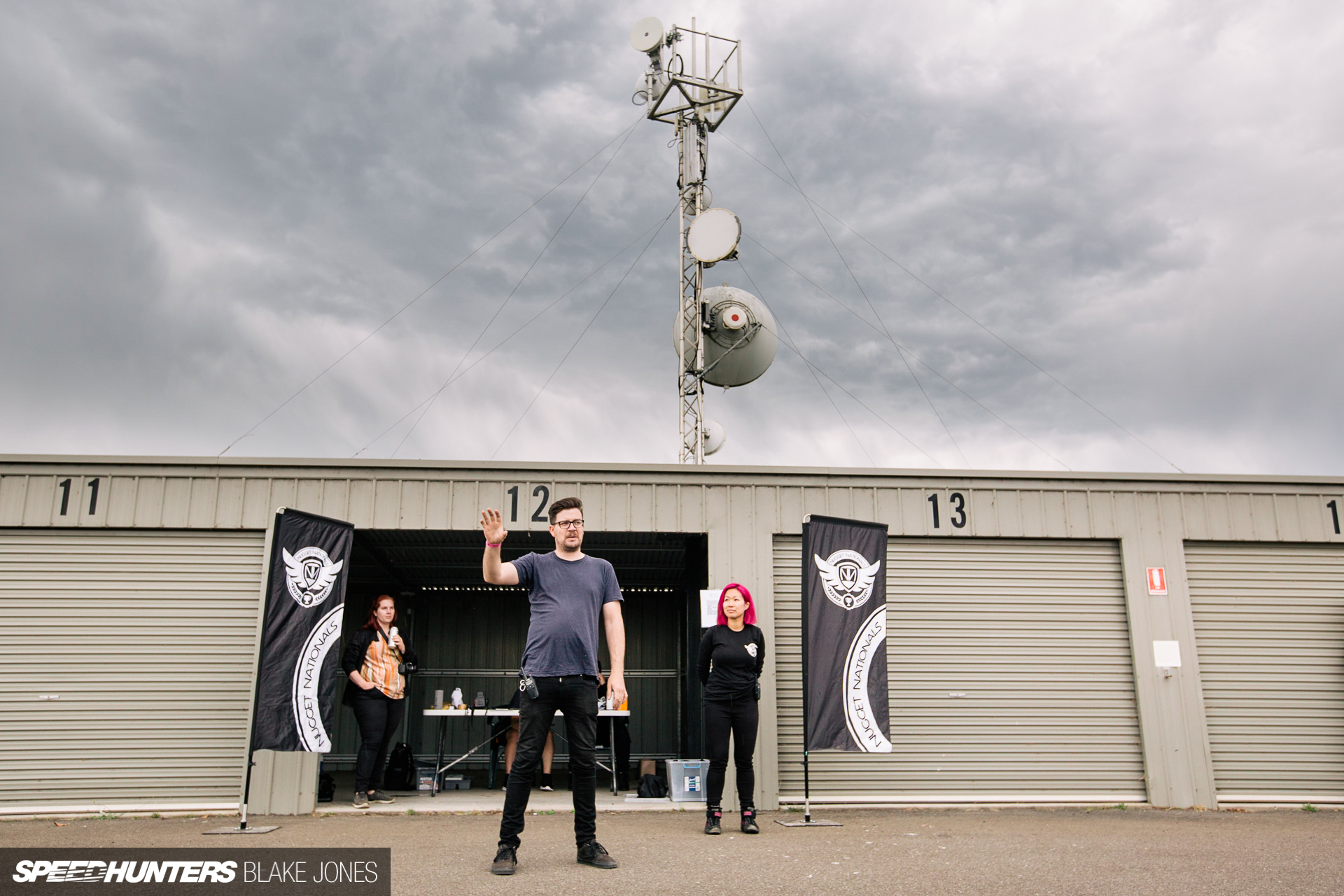
The driving force behind the series are Technical Director Tom and Racing Director Ying, who put an insane amount of work into making the event a success on top of day jobs and other racing activities. From what started as a cheap excuse to get on track when their ‘proper’ track cars were under repair, the staging grids now fill up quickly with 40+ entries.
Choose Your Flavour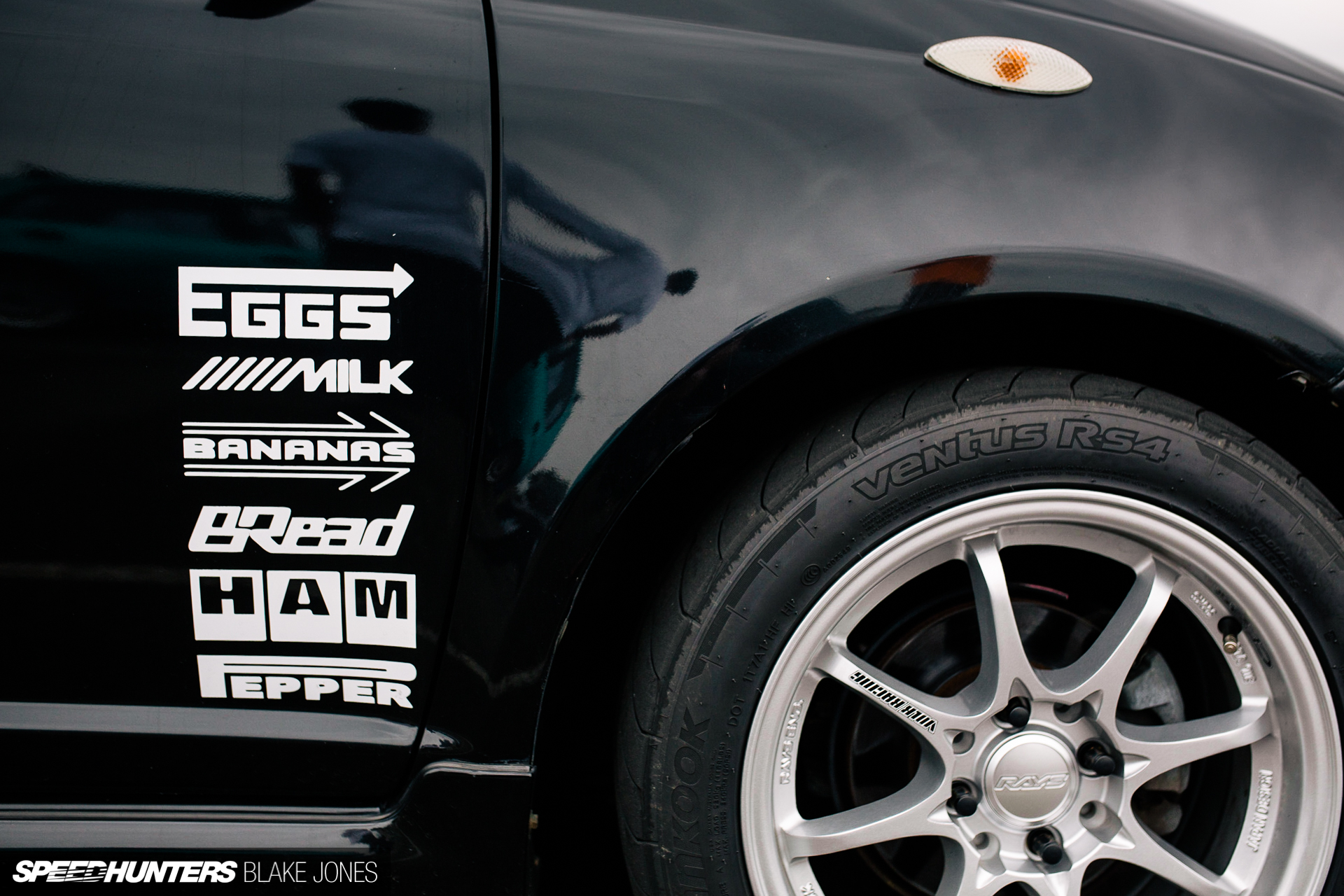
So now you know the ingredients for a nugget, it’s time to sample some of the menu. This is absolutely not an exhaustive list, but is an example of some of the popular makes and models that roll up to each of the six championship rounds. On the day I attended, the NugNats were being held at the Bryant Park Hillclimb track, or as it is more commonly known, Haunted Hills.
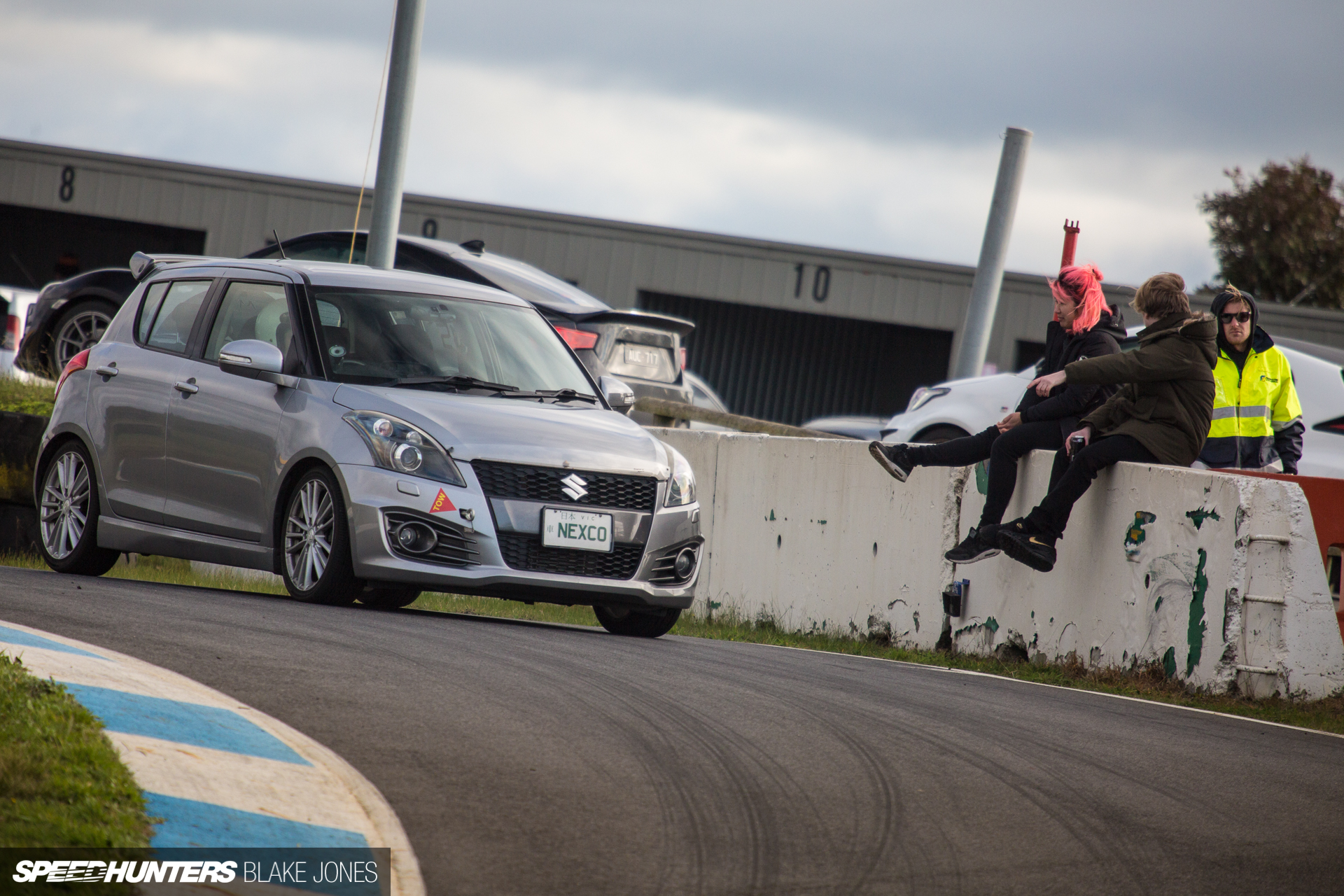
Contender #1: Suzuki Swift
Strengths: Great aftermarket support, newish with cheap parts.
Weaknesses: Power-to-weight isn’t stellar.
The Swift nameplate is well-known in Australia thanks to the GTi of the ’80s and ’90s which was a proper firecracker for the time. Those early cars would be a fantastic fit for the NugNats but are probably impossible to find under $5,000 these days. Although these later model cars lack the outright speed of the early cars, they are a well-rounded package which can be upgraded over time thanks to strong Japanese aftermarket support.
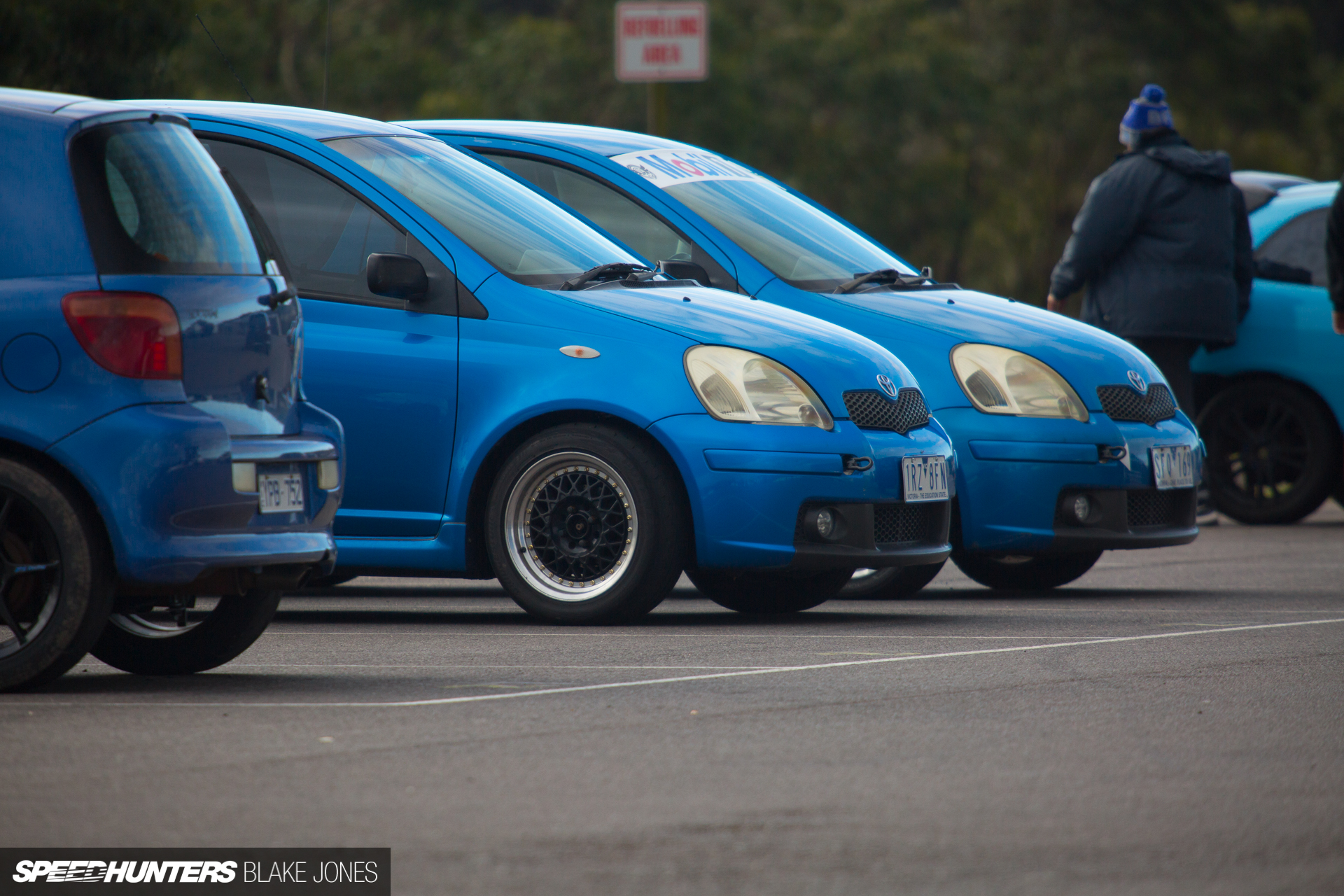
Contender #2: Toyota Echo Sportivo
Strengths: Modern Toyota reliability, 110hp VVT-i engine is torquey, relatively light, high likelihood of being befriended by Ying (the Bernie Eccelstone of NugNats).
Weaknesses: The safe choice, perhaps?
If there was a go-to choice for a nugget, it would have to be the Toyota Echo Sportivo (aka Yaris TS and Vitz RS). With just a good set of tyres and decent seat you are ready to rip lap after lap, and a strong support amongst the field means knowledge on maintenance and setup is just a few steps away.
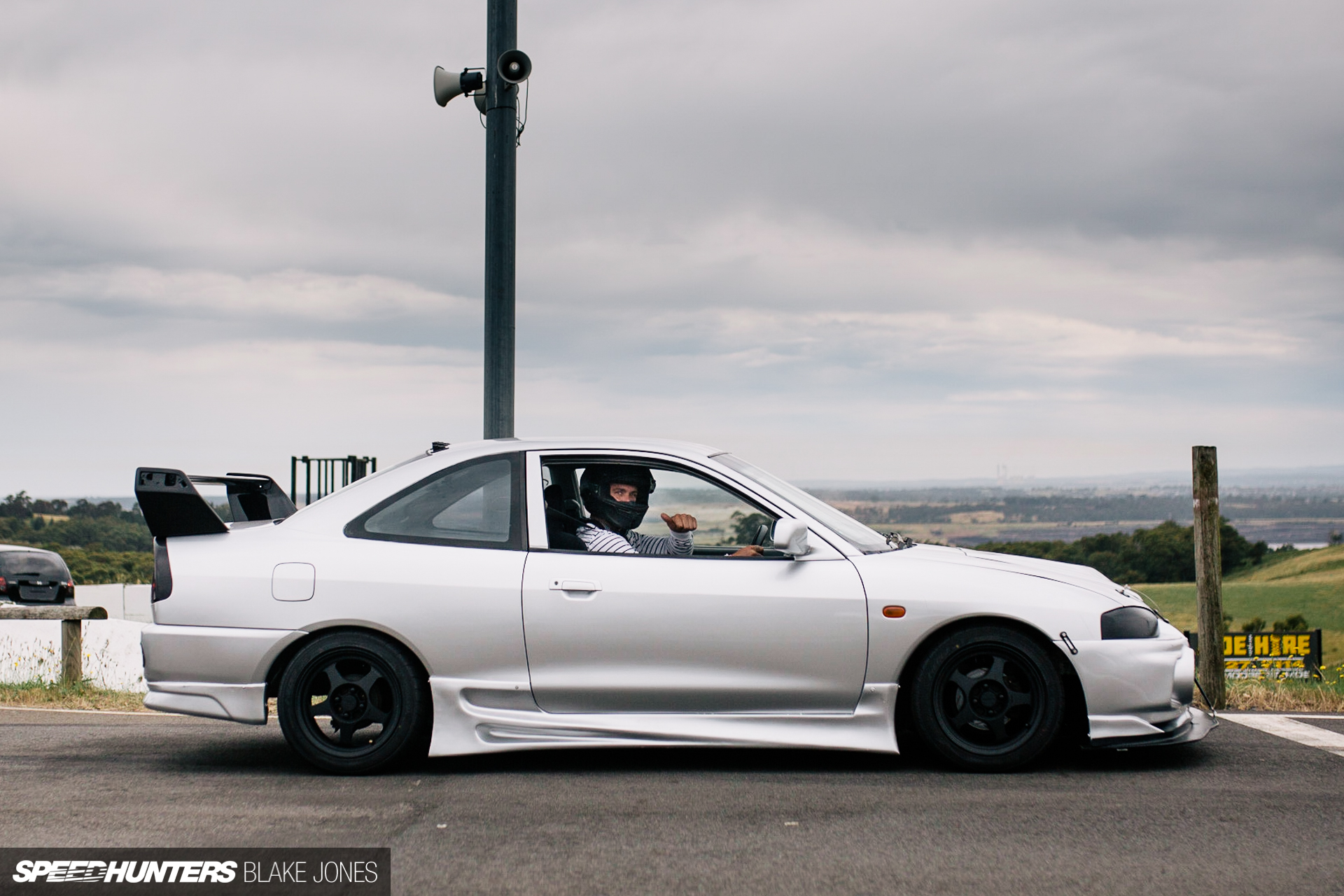
Contender #3: Mitsubishi Lancer/Mirage
Strengths: Actually looks like a sports car, engines are reliable and sound great, parts are readily available.
Weaknesses: The 4G15 makes only 92hp.
I spent my teenage years hooning around in my mum’s Lancer Coupe (albeit the big block 1.8L MR, excuse the flex) and know these to be agile and especially good at handbrake turns. Sorry mum.
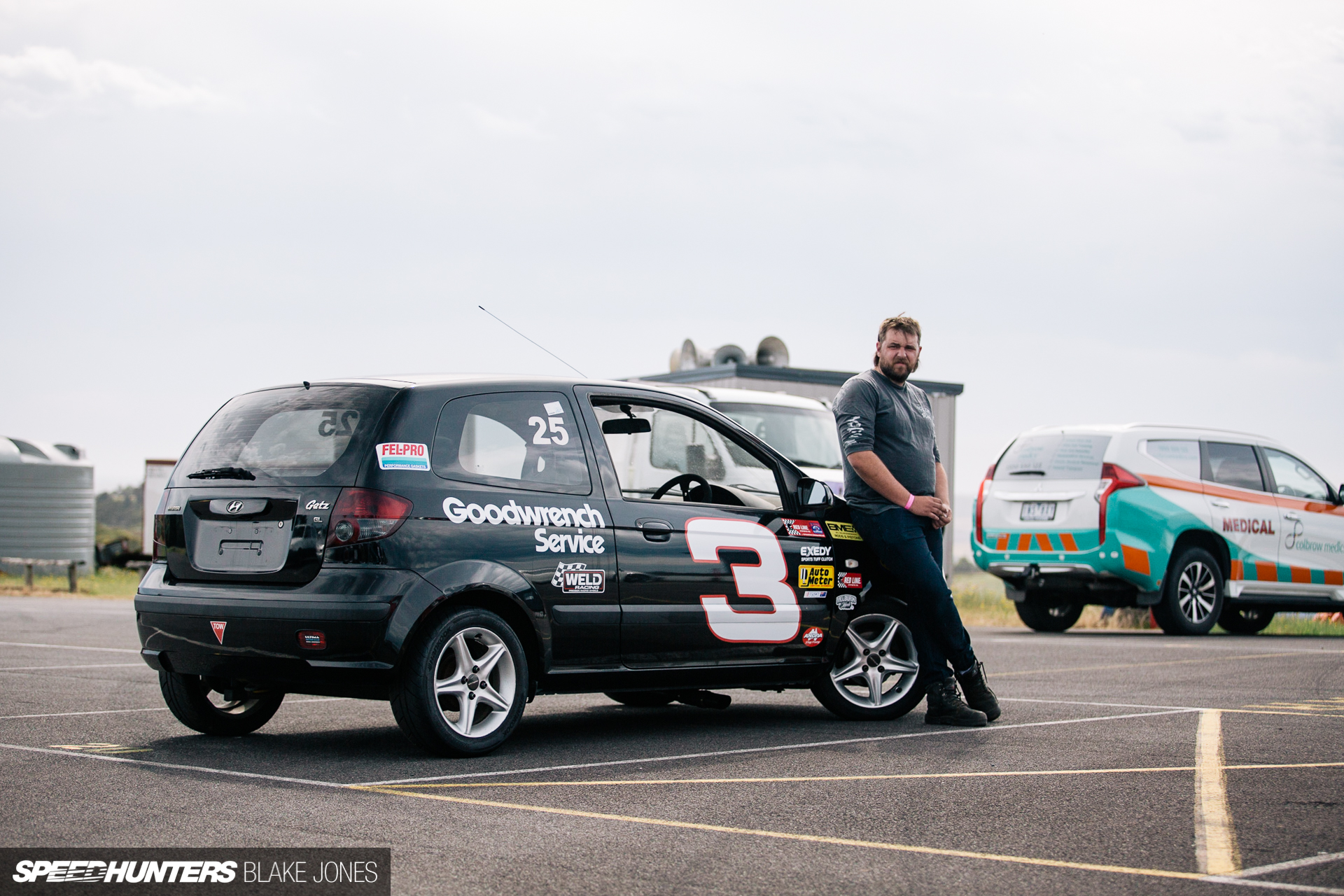
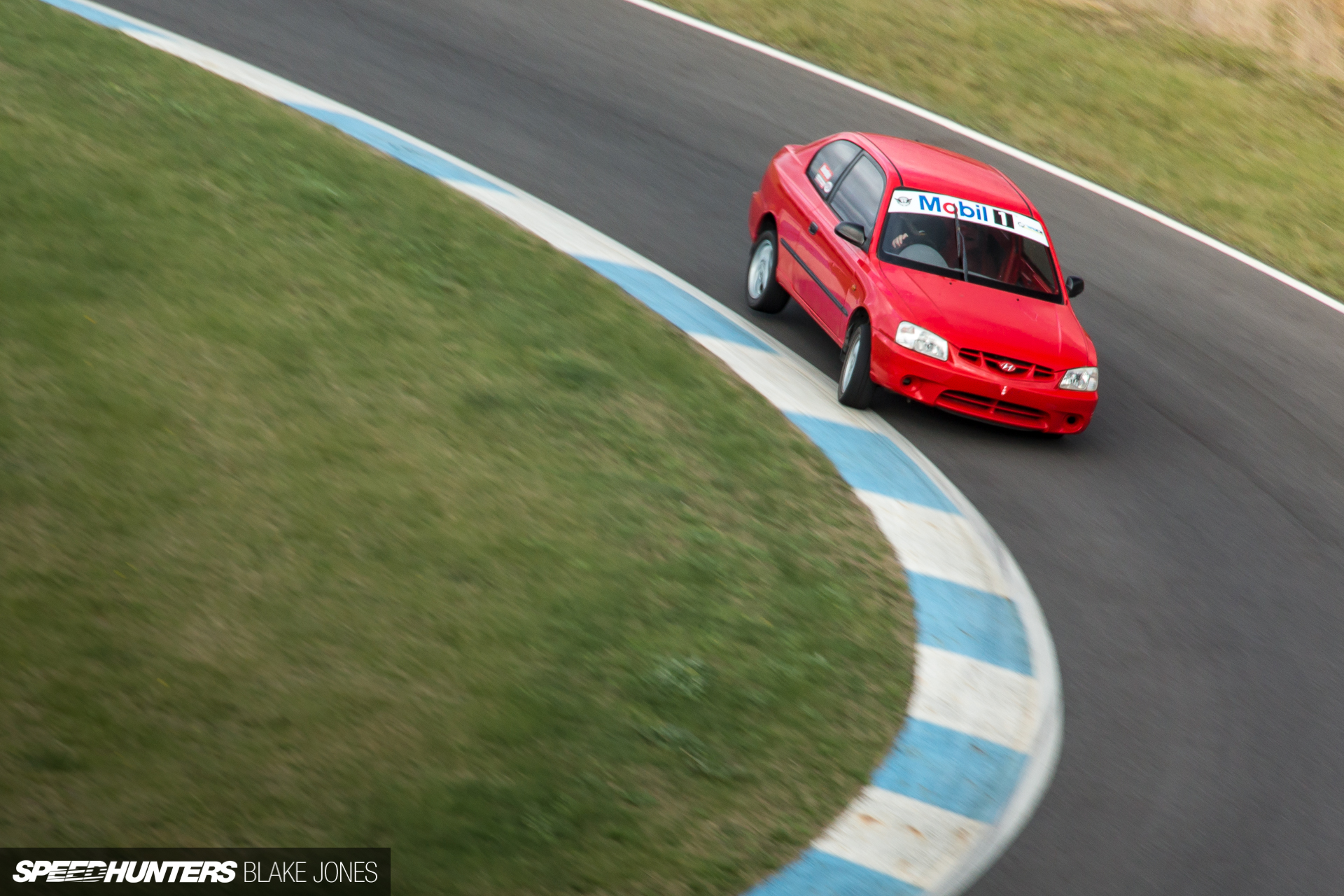
Contender #4: Hyundai Getz
Strengths: Extremely plentiful, cheap parts, 100hp 1.5L 16V engine.
Weaknesses: ABS and ESC of questionable value on the track.
In Australia, the Hyundai Getz is so popular amongst young female drivers that you’d think they were handed out upon learner driver graduation. Thereafter, most disappear into the ether, but not this one, which is driven by the manliest bloke I’ve ever seen.
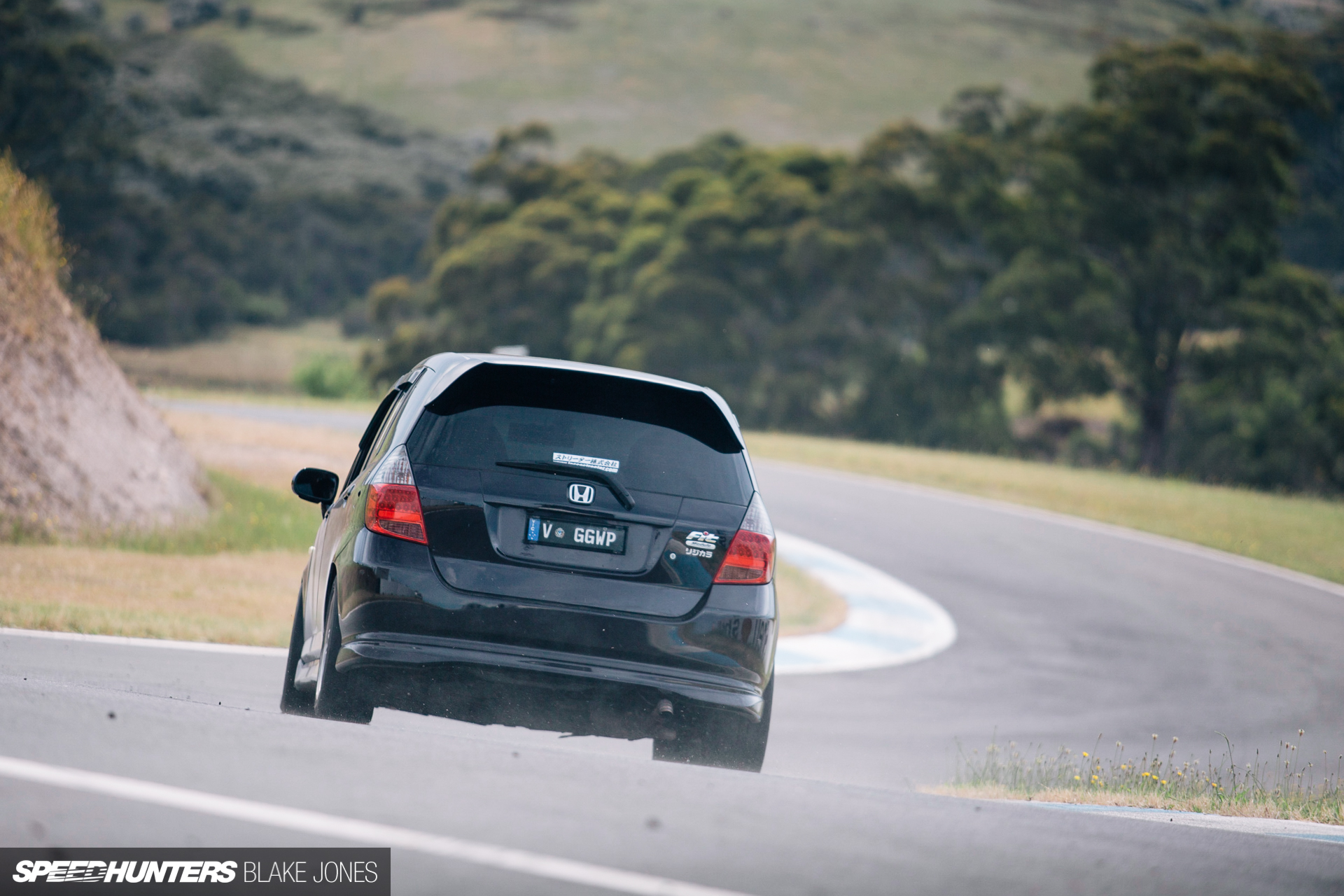
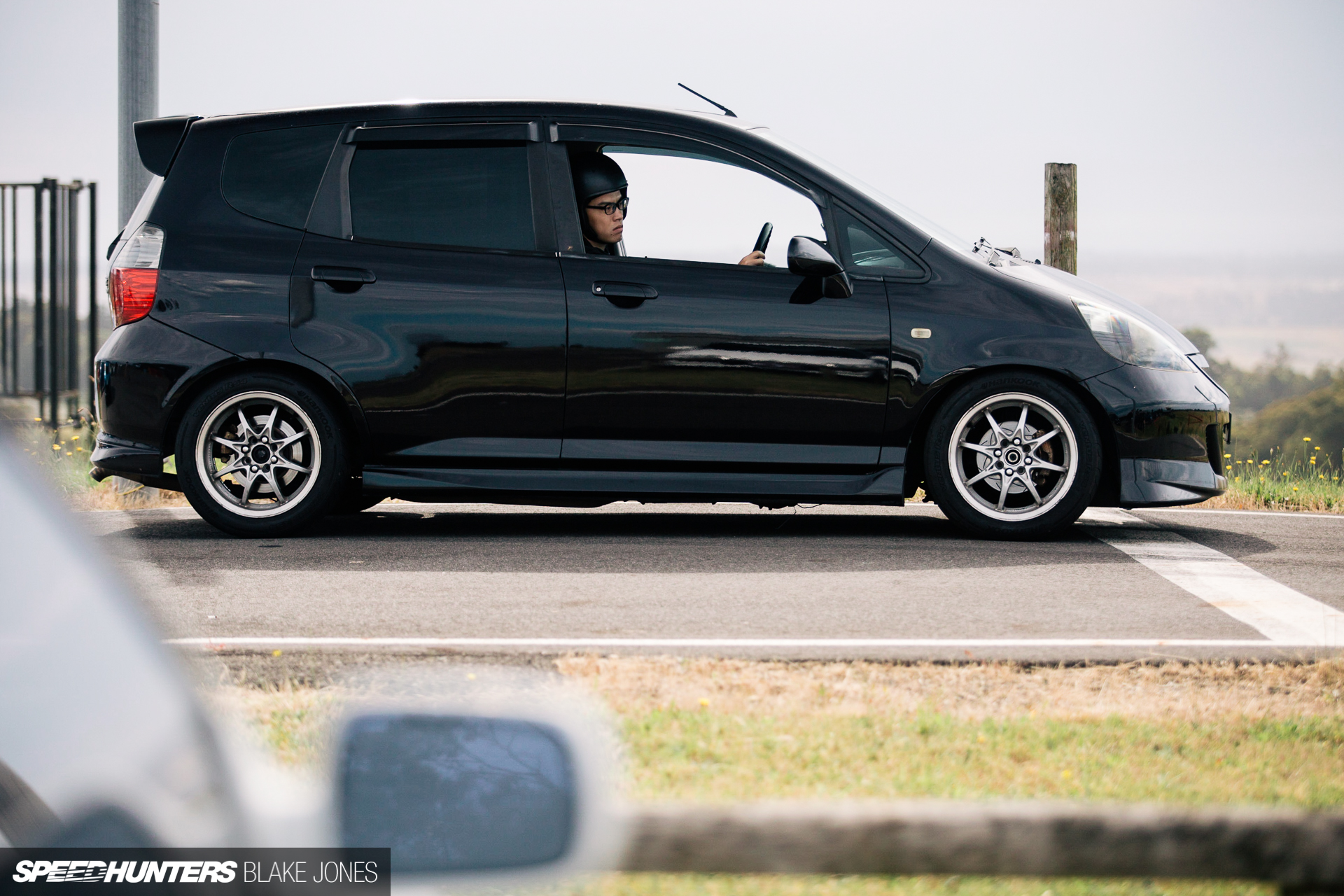
Contender #5: Honda Jazz/Fit
Strengths: Actual VTEC for an impressive 108hp, chassis stiffness, extremely practical, welcoming meme community.
Weaknesses: Heavy in this company, electronics (electric throttle and steering) not ideal.
It could be argued that the Honda Jazz is all the car anyone ever needs. Amazing interior space, fuel efficiency and great impact protection made it a top seller, but typical of Honda, fantastic driving dynamics were baked in.
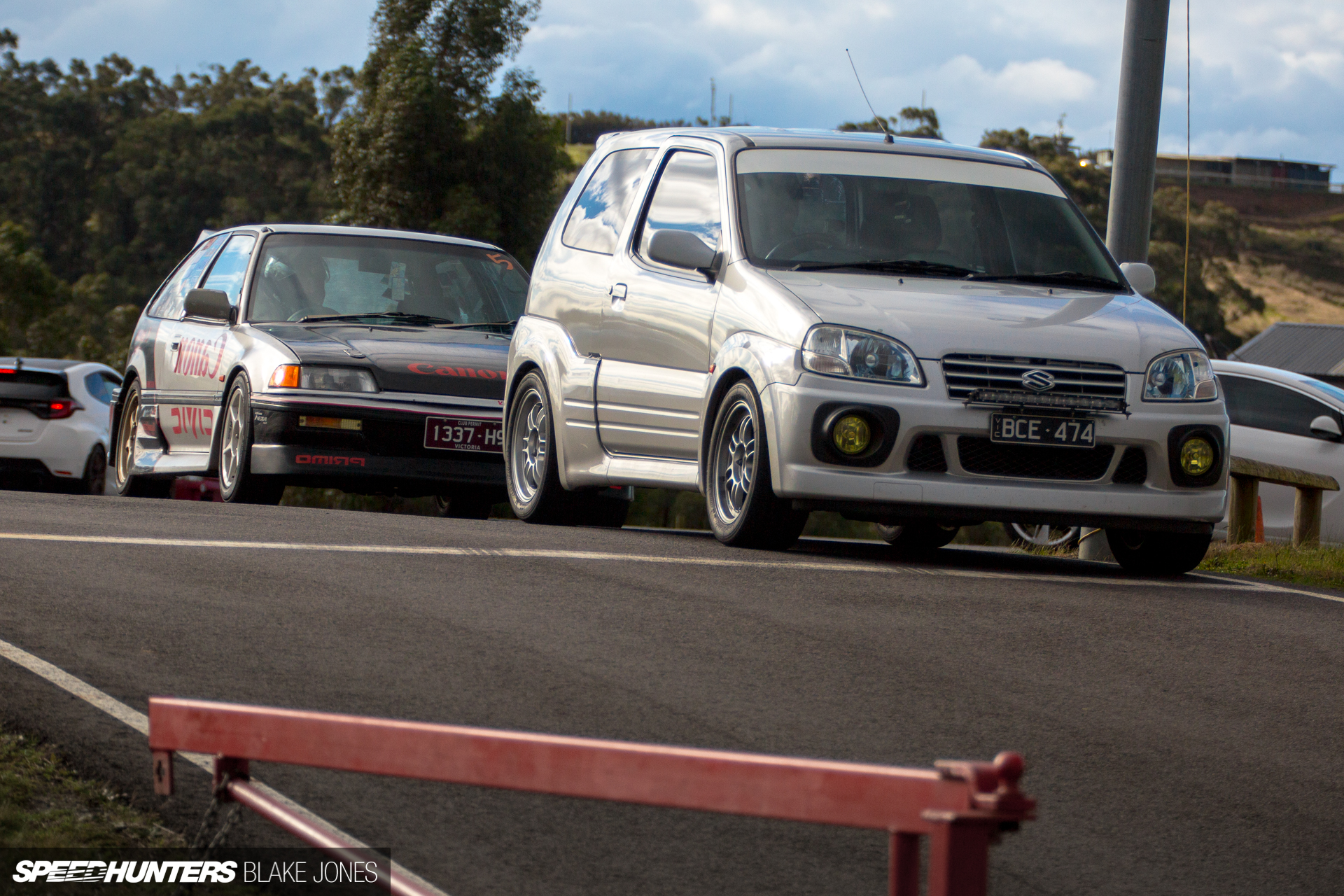
Contender #6: Suzuki Ignis Sport
Strengths: High-compression M15A engine is a 114hp powerhouse, car weighs only 935kg.
Weaknesses: Impossible to find, everybody thinks it’s a Holden Cruze, your times will be compared to those of James Dyer.
An Ignis Sport is campaigned by James Dyer, an experienced Bryant Park veteran. Combined with an impressive power-to-weight combo, James and the silver ‘Iggy’ are a formidable combination.

Contender #7: Honda Civic
Strengths: Double-wishbone suspension (basically F1 technology), massive aftermarket support, light weight.
Weaknesses: Rear drum brakes, vacuum-actuated carburettors, price and availability is getting worse.
I can’t end this chapter without mentioning the humble Honda Civic. Honda fitted its trusty 1.5L D-series donk in both ED/EF and EG chassis but sold the greatest volumes in the earlier model, which also benefits from being ridiculously light. Even at NugNats a Civic will struggle to gain on the straights, but in the right hands is hard to match in the corners.
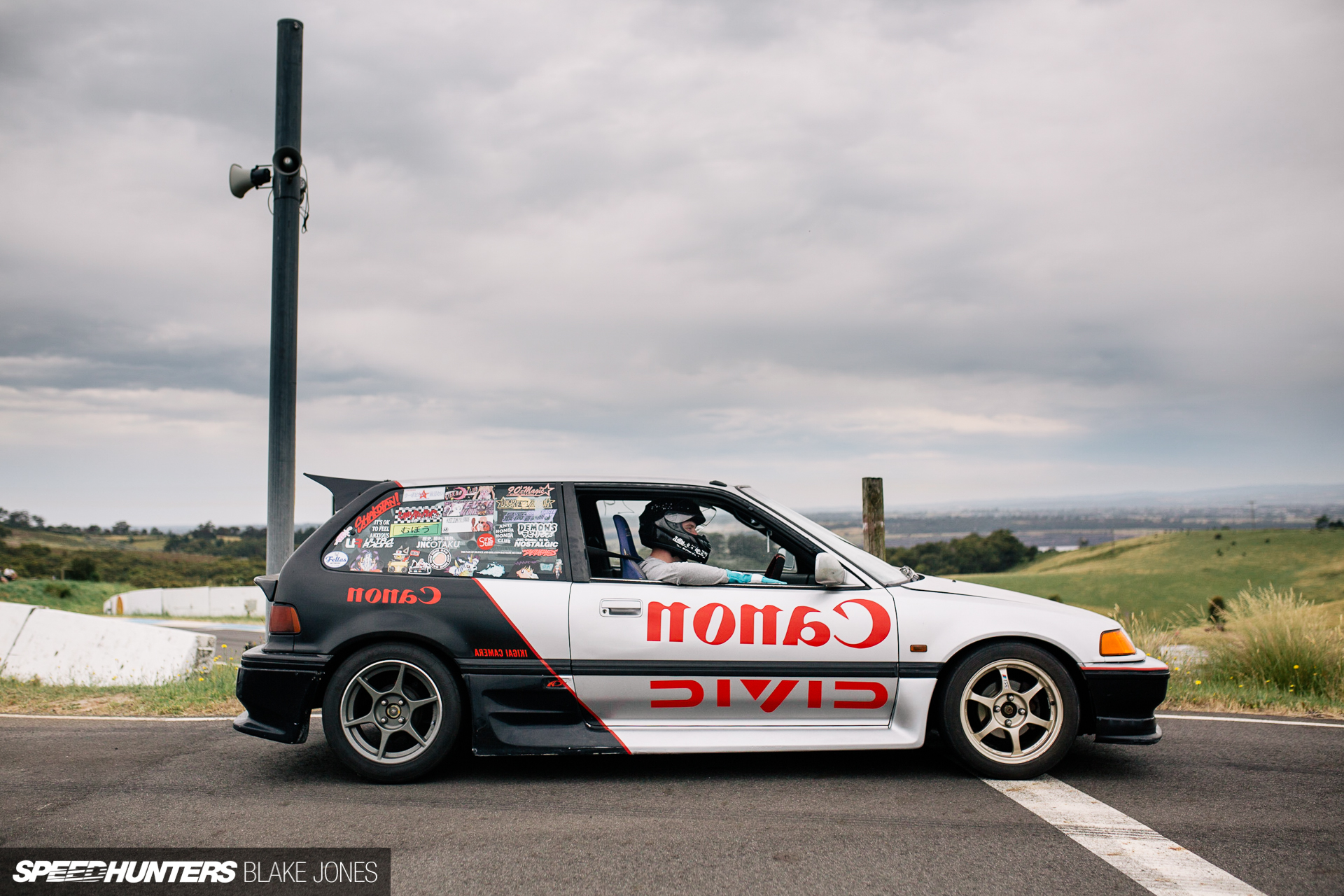
The best thing is that despite the many differences, anything can be competitive. The series has been won by an Echo, a Civic, a Mirage and even a Mazda 121.
It’s at this point I’d like to ask you, fantastic person reading this story, what would you bring to challenge the Nugget Nationals field? Remember – naturally aspirated, 1.5L or less, sub-$5,000. Head to the comments section and let me know…
Meet White Meat
You probably guessed that all this fun was something I’d want to be a part of. Developing and driving Project NSX is a real privilege, but the cost and risk does weigh on my mind; I don’t really push the limits and thus miss opportunities to learn from mistakes along the way.

Out of all the great nugget options it was only ever going to be a Honda for me. I’d seen what a well-driven ED was capable of, so when this standard 1991 came up at auction close to home, I committed. As it turns out, most of the other bidders were NugNats drivers too, so it seems White Meat already has more crowd appeal than I will ever have.

Under the hood sits one of Honda’s many D-Series variants, this one in non-VTEC, twin carburettor form. While it hasn’t been pampered it has at least been serviced, with evidence of a timing belt and new distributor in recent times.
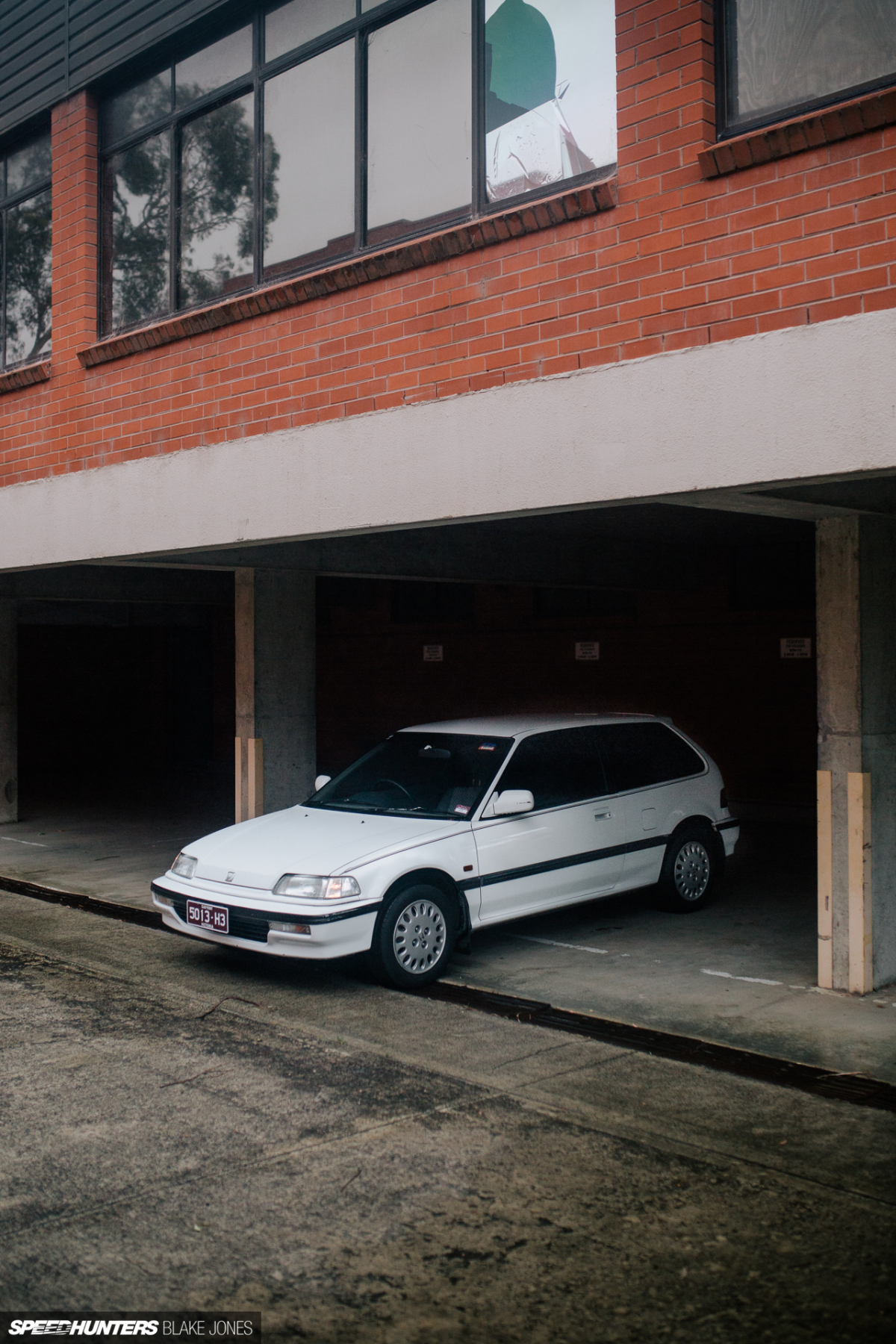
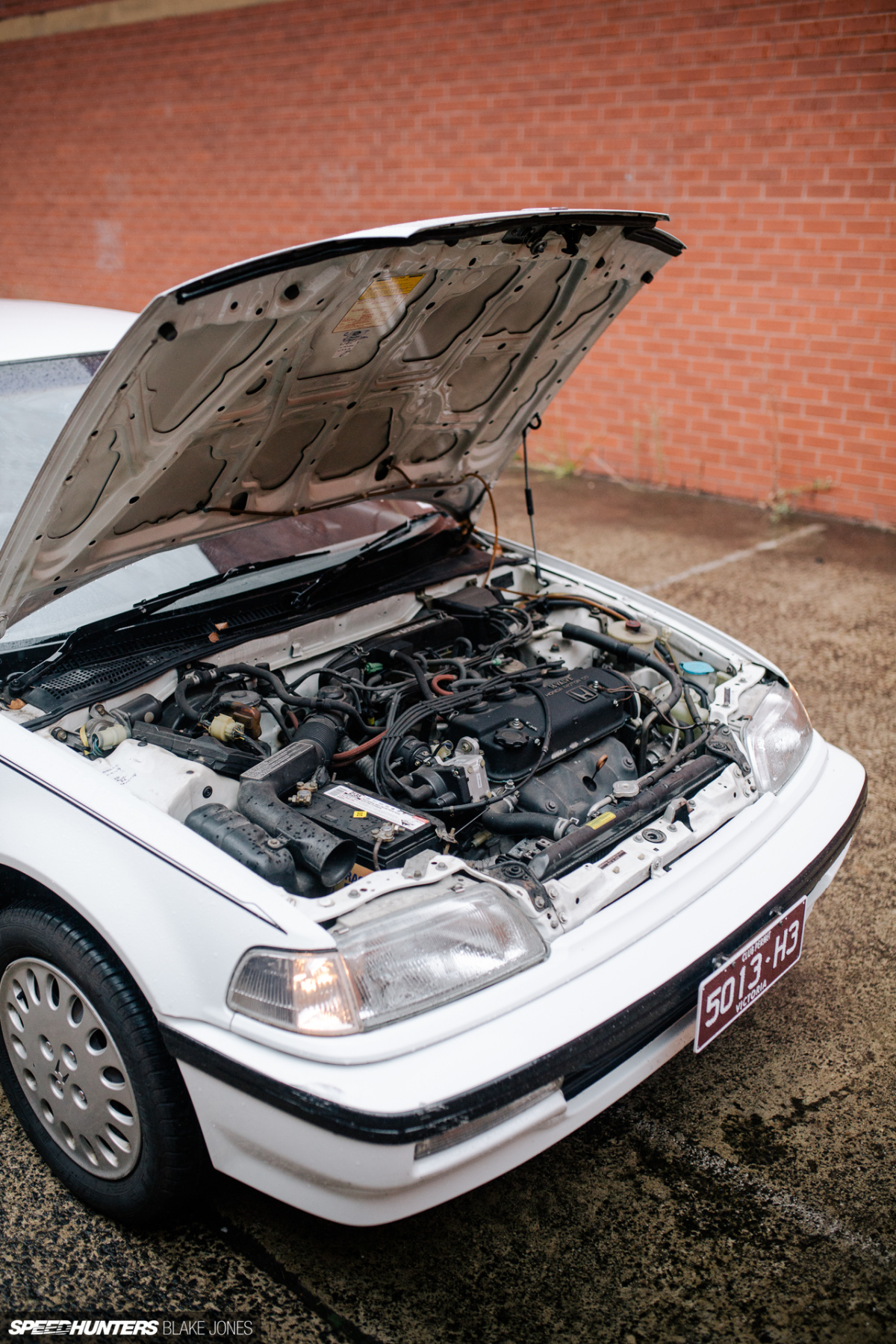
There’s nothing wrong with carburettors in practice, but for the fact they don’t play well with catalytic converters and emissions controls in general. Honda put an insane amount of effort into making these early ’90s carb-fed engines compliant through a complex network of vacuum hoses and computer controls to try and keep the fuel burn as clean as possible. However, finding ’90s-era Honda carbs that work as intended 30 years on is tough, and repairing them is almost impossible.
The same basic engine carried through to the curvier EG chassis, but by then the carbs had been put out of their misery and replaced with electronic fuel injection. A side note is that in 2021 we’re now approaching another complexity barrier for EFI engines to meet the ever-stricter emissions regulations; this time the ‘step change’ is to full electric.
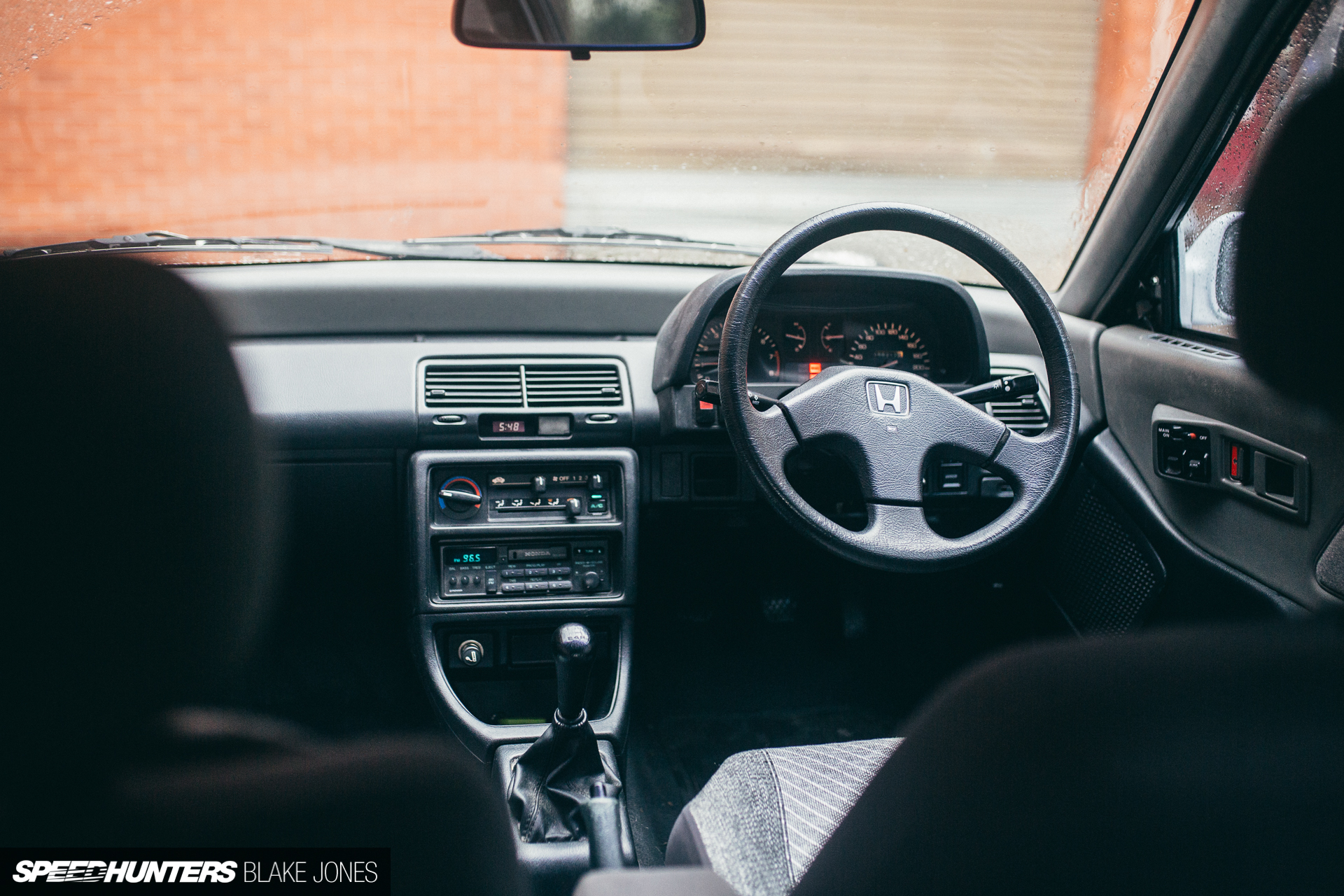
Everything is as it left the factory in 1991 with a thick layer of patina. It’s slow, painfully slow in a straight line, but drives nice enough to have me thinking maybe this should be spared from the racetrack and make a nice daily driver.
Adding Some Spice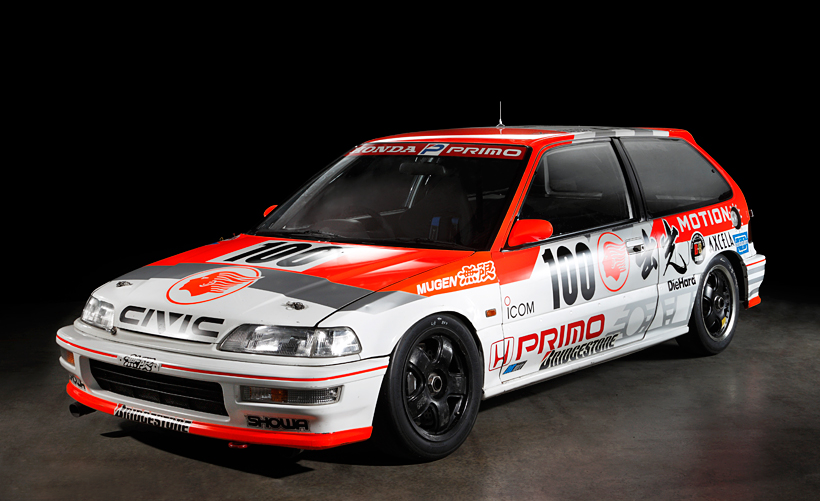
But one look at the Idemitsu Group A-spec EF9 Civic SiR is enough to banish those thoughts.
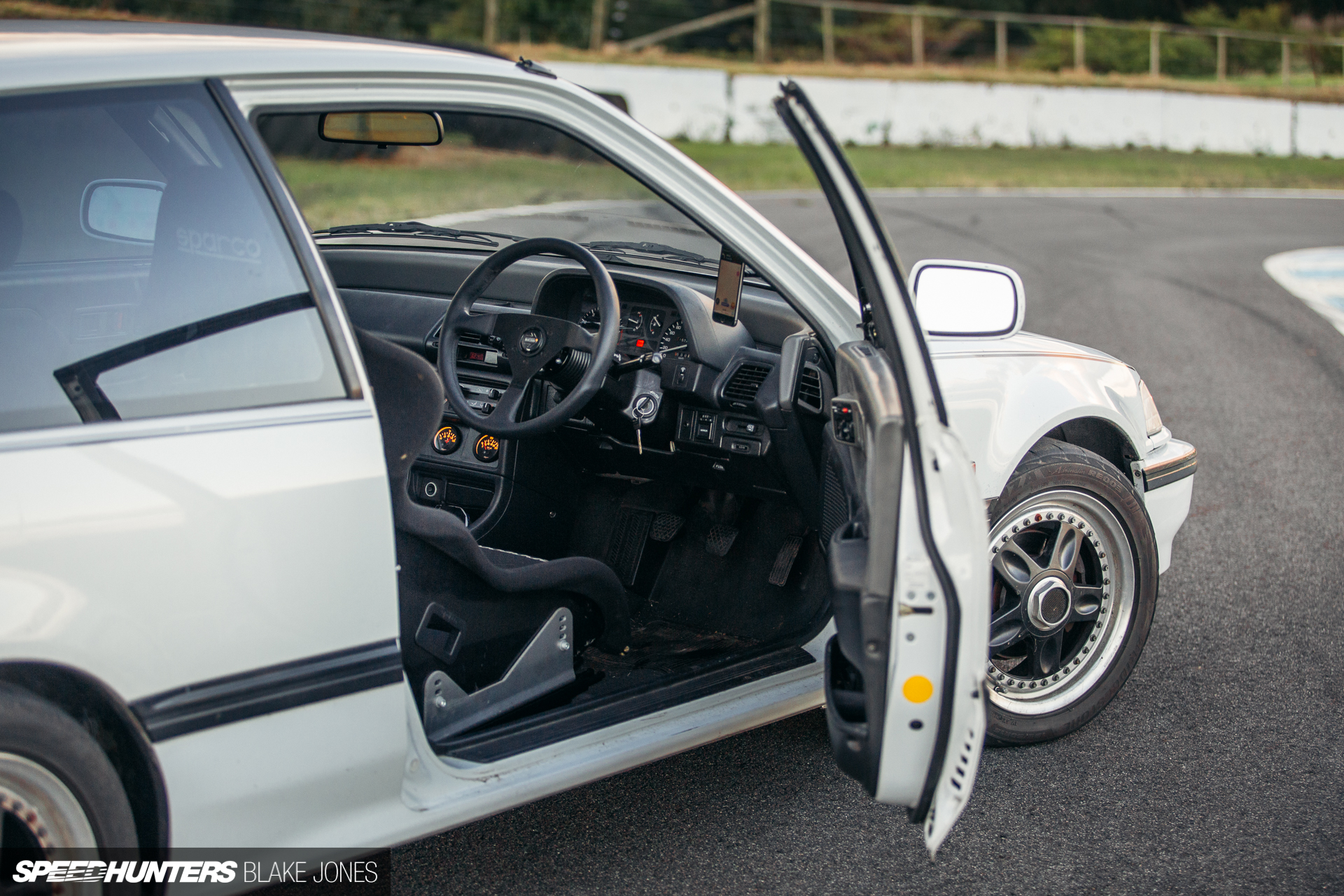
According to Ross Bentley, author of Speed Secrets, a comfortable and safe cockpit is the first step in setting up a car for the racetrack.
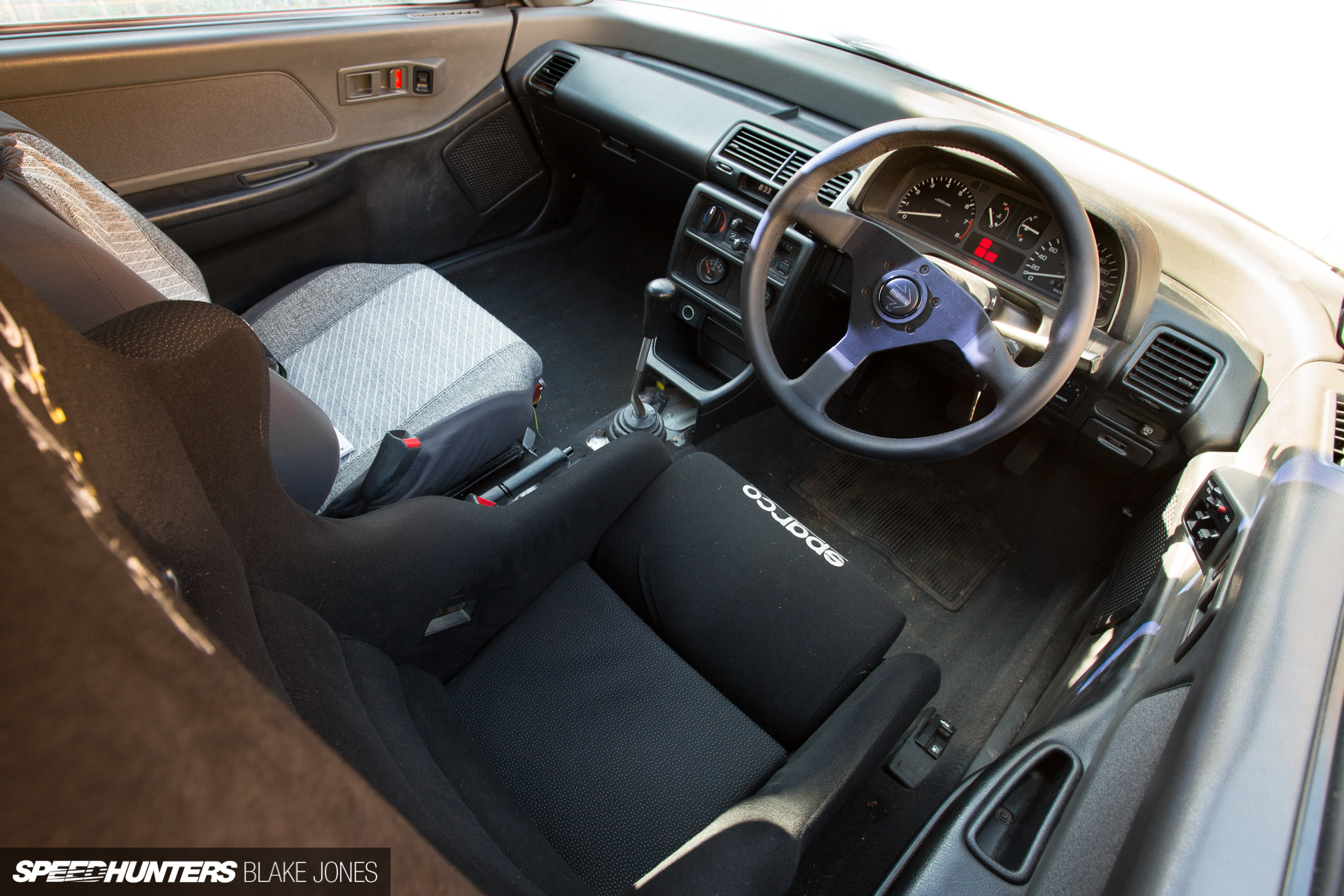
Comfortable is debatable, but I’ve made sure that the seat and wheel are placed well relative to the stock pedals. I’ve had this Sparco for eight years and it fits well enough on the Bride rail. A 50mm spacer behind the Momo wheel brings it a little closer to my chest, where it should be.
The one mandatory concession to safety is a hard-mounted fire extinguisher just fore the passenger seat. To keep Mr. Bentley and my mother happy, a half cage, 5-point harness and HANS device are at the top of my shopping list.

Moving the seat and wheel back left the gearstick in a bit of an awkward spot, so a two-bend shifter topped with a 50mm extension brings it backward and up closer to the wheel for some super-speedy shift action.
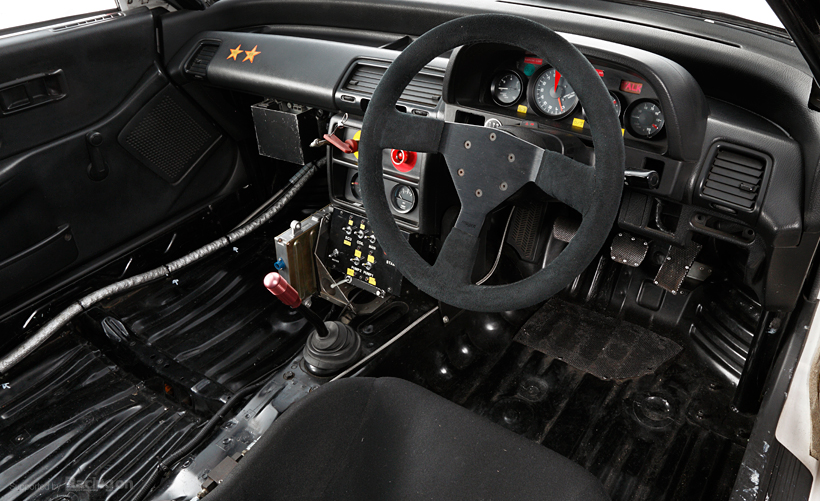
Replacing the whole dash cluster with race-ready gauges like in the Group A car might be a little outside of scope, but spying the two gauges which replaced the radio in the centre console gave me an idea for new 3D printing project.

Do I really need to monitor oil pressure and water temp on a stock, base-model Civic engine? I figured it couldn’t hurt. At least I might spot something going horribly awry before the engine goes pop and leaves me stranded at the side of a track 200 kilometres from home.
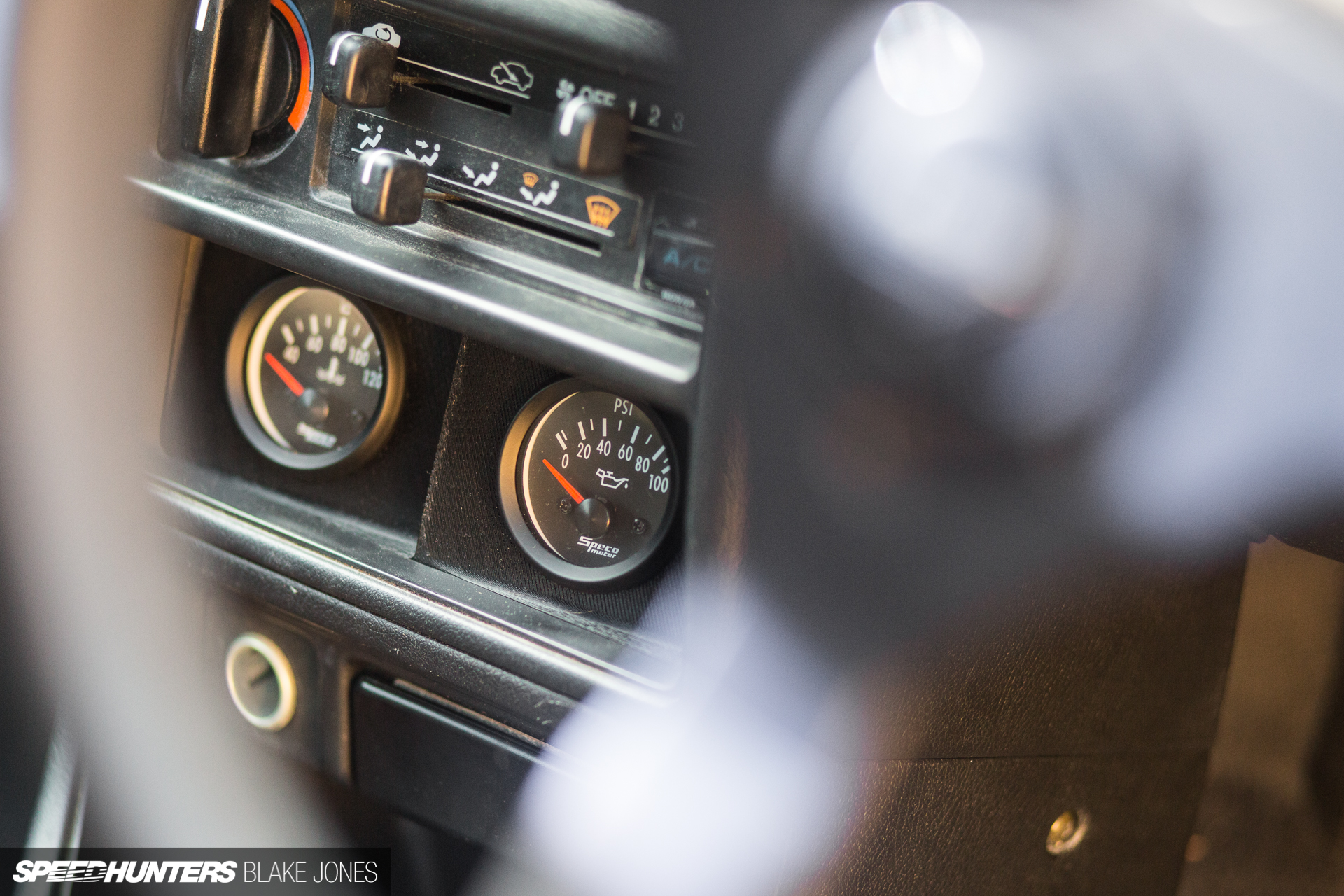
It’s mounted with tabs identical to those on the radio so fit the slot with ease. The gauges are angled 5-degrees upwards and 15-degrees towards the driver which helps with legibility from behind the steering wheel. Oil pressure is measured from a filter sandwich plate while the coolant temp sensor was spliced into the upper radiator hose.
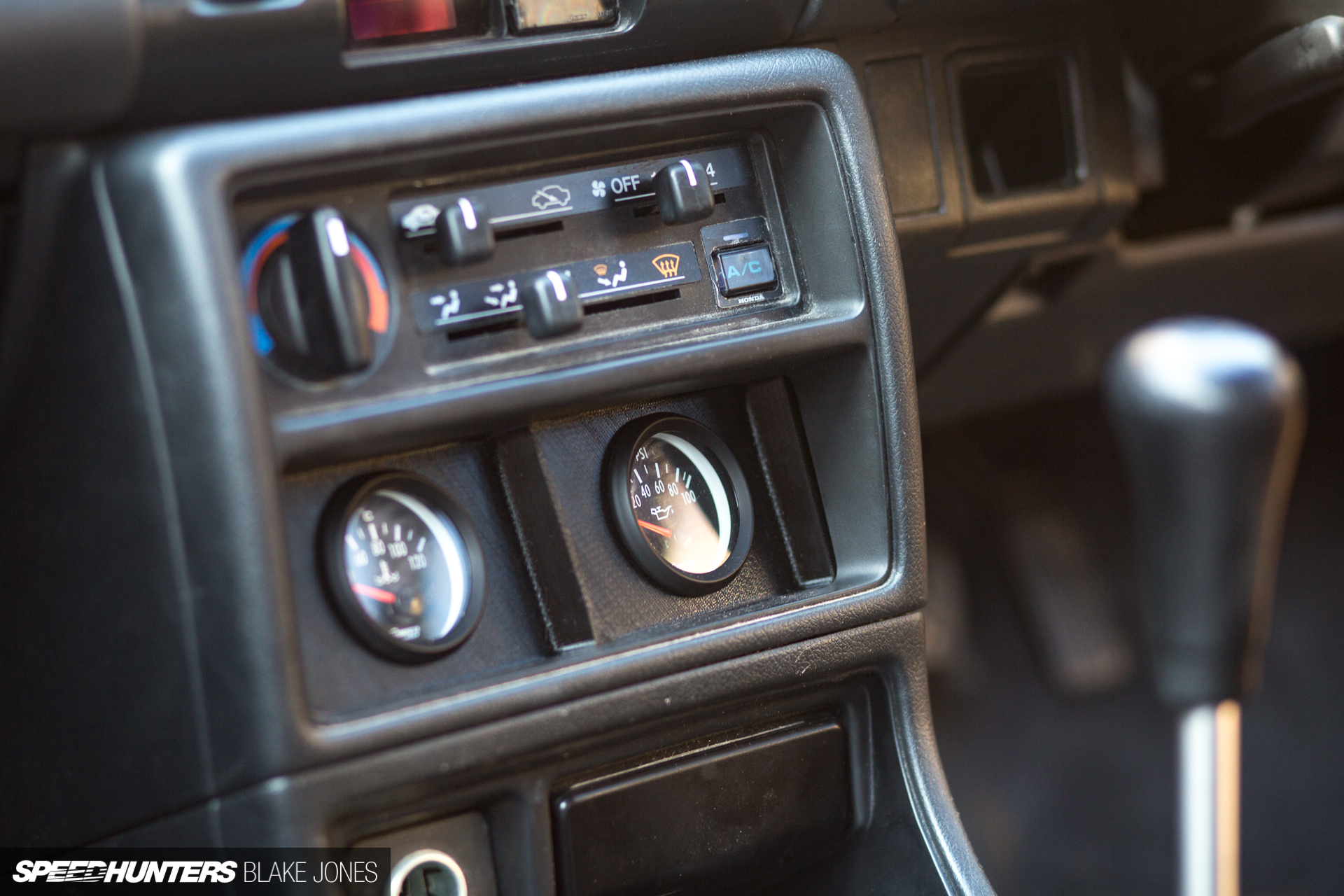
Overall it integrated pretty nicely. There are some small changes I’d make if I were to print a version two, but hey, race cars aren’t meant to be perfect.
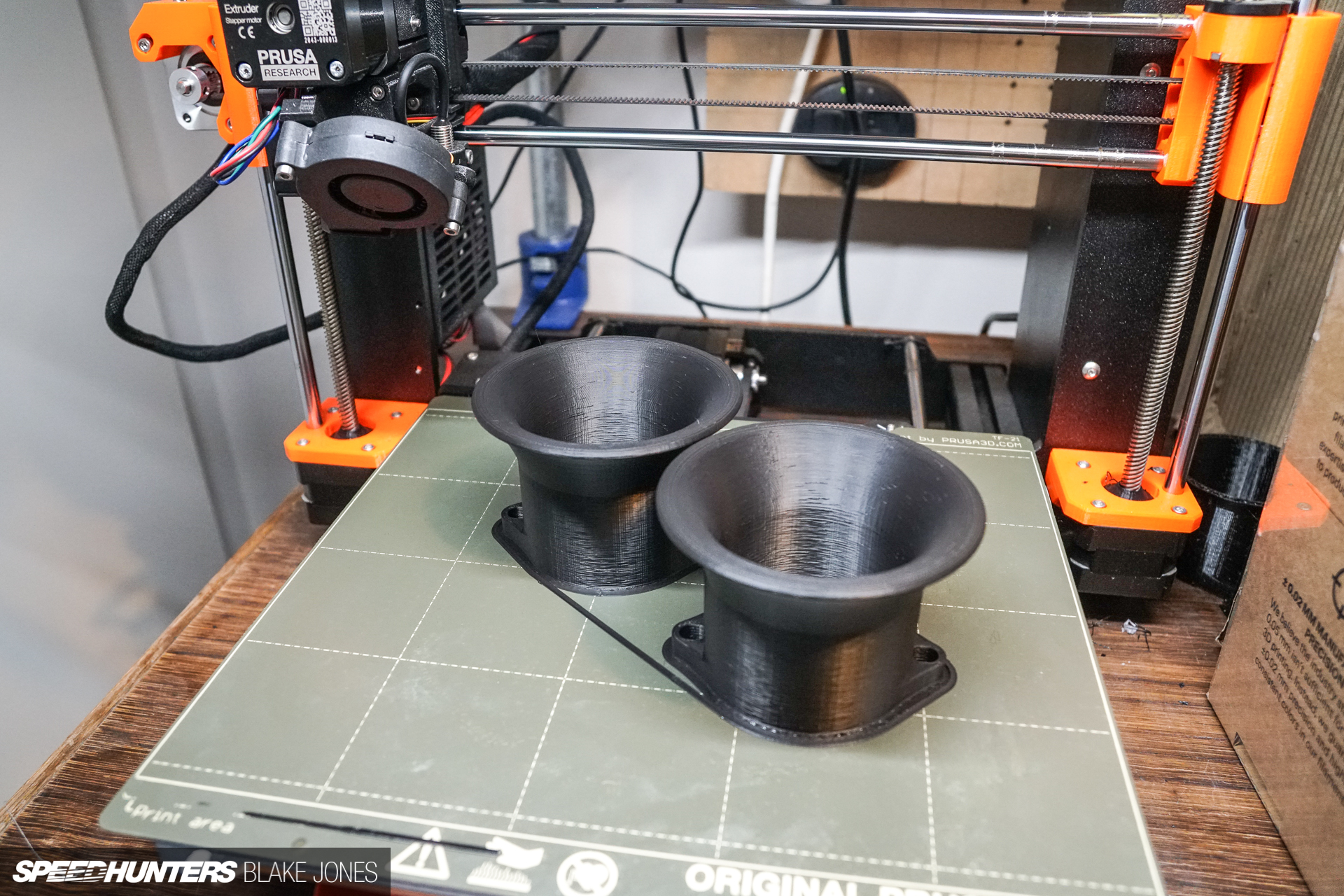
The printer wasn’t idle for long. Next was a few prototypes for an intake trumpet designed to match up to the standard carburettor throats in place of the stock air box.
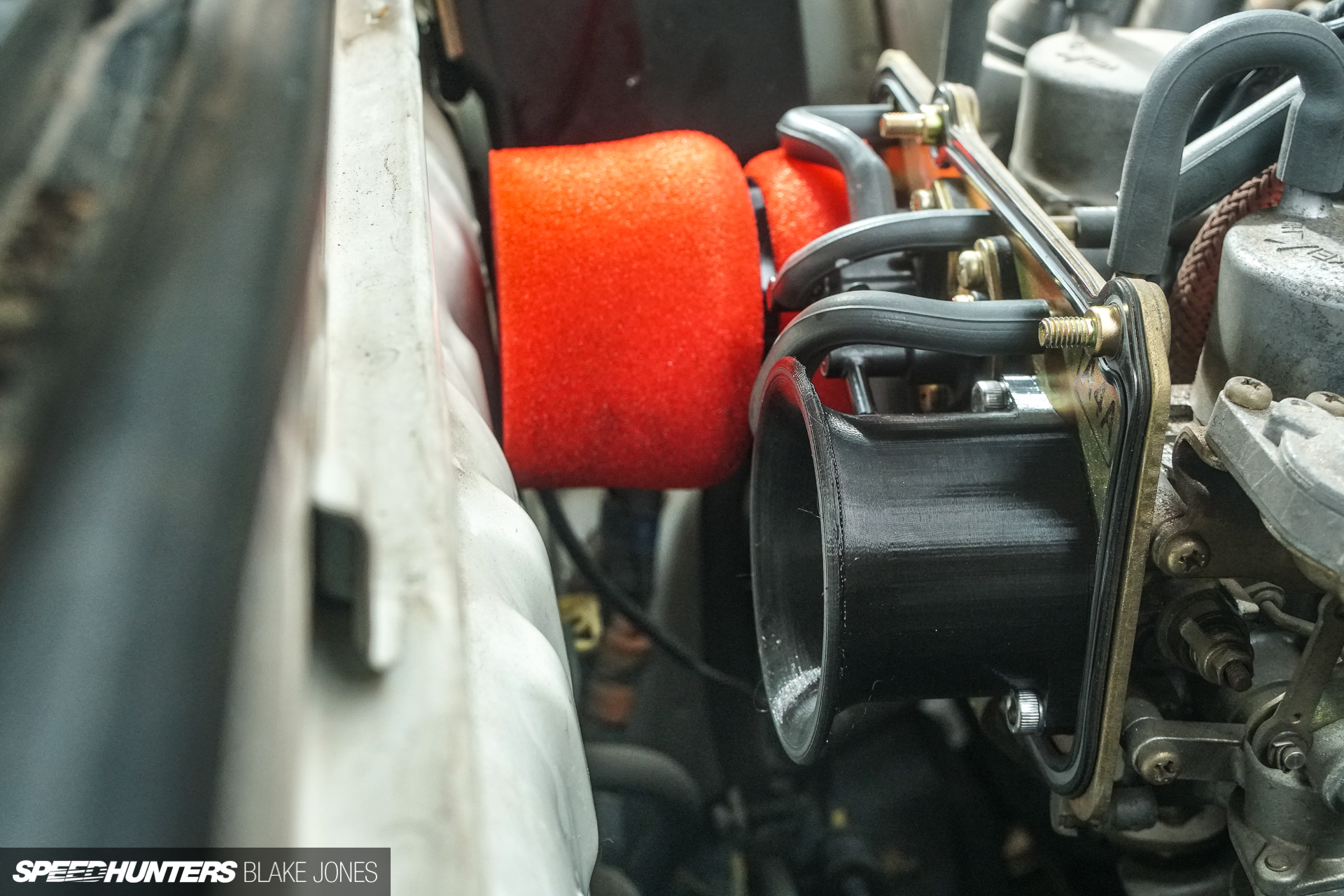
These are printed in ASA (a modified version of ABS plastic) which means they are temperature-stable up to about 95°C (203°F), so will be fine for the intake side of a naturally aspirated engine.

The filters are just off-the-shelf, appropriately-sized Unifilters. These are the oiled type which can be removed, cleaned and re-oiled from time to time. I wasn’t expecting much of a performance gain, but the engine does seem a bit happier to rev above 4,500rpm now, and it sounds surprisingly sporty.

The 3D-printed stuff is just a bit of fun – the key to unlocking the latent potential in White Meat would come from smart suspension tuning.
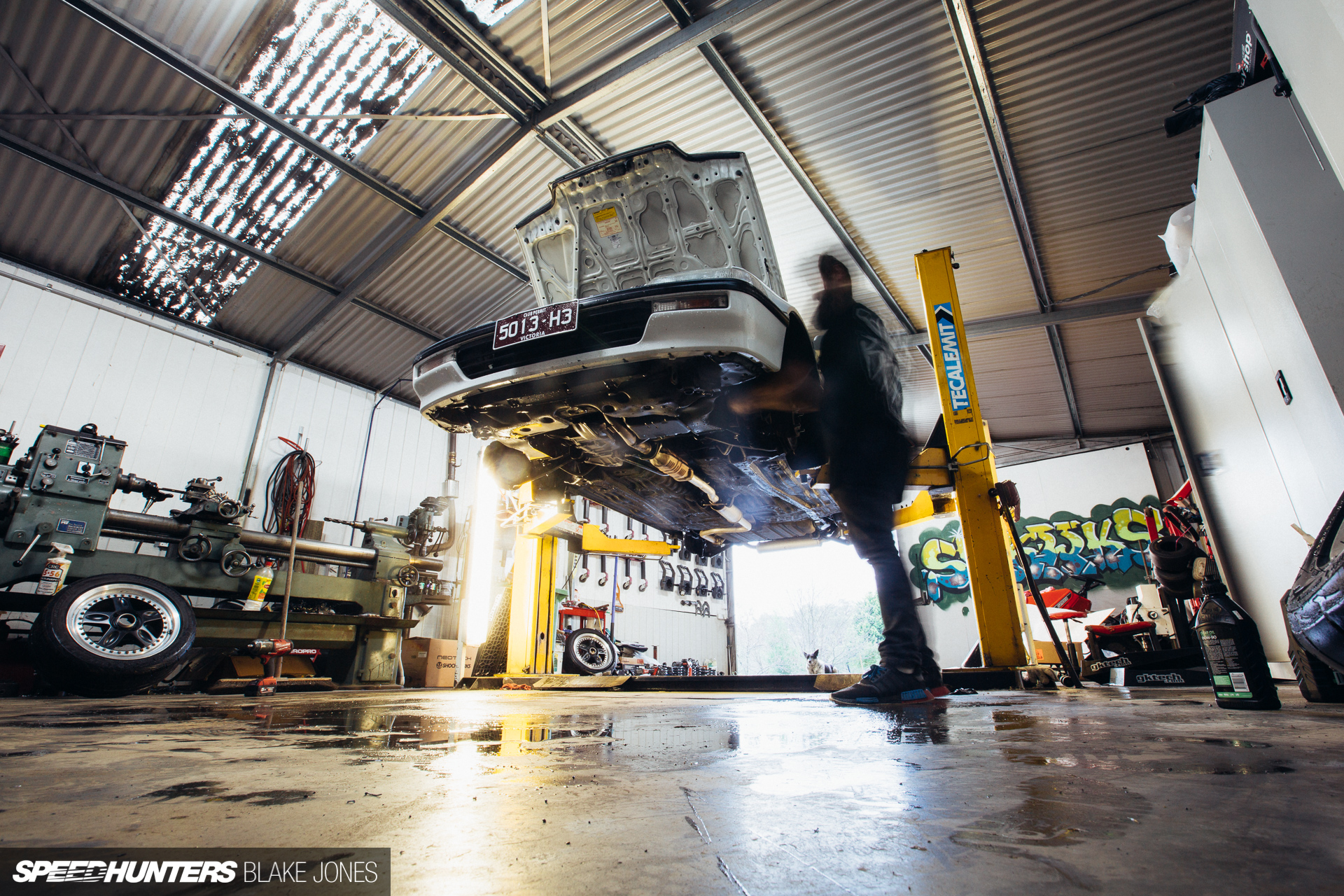
The guys at Shockworks have an impressive amount of knowledge on the ED platform and flew through the custom coilover install and setup process. The longest task was setting the ride height, which took a few test drops to ensure that each corner was set down to the millimetre. This will be one of the last installations in the ‘old’ workshop – an impressive facility has just completed construction next door and will provide the room for growth that the young company needs.

Once the install was buttoned up, Chris took me out for a blast through his local test and evaluation route. I was equal parts scared at the corner speed and impressed with the damping relative to the bumpy road conditions. I’m looking forward to spending more time behind the wheel myself so I can start to work out what it takes to drive this sub-100hp wonder fast.
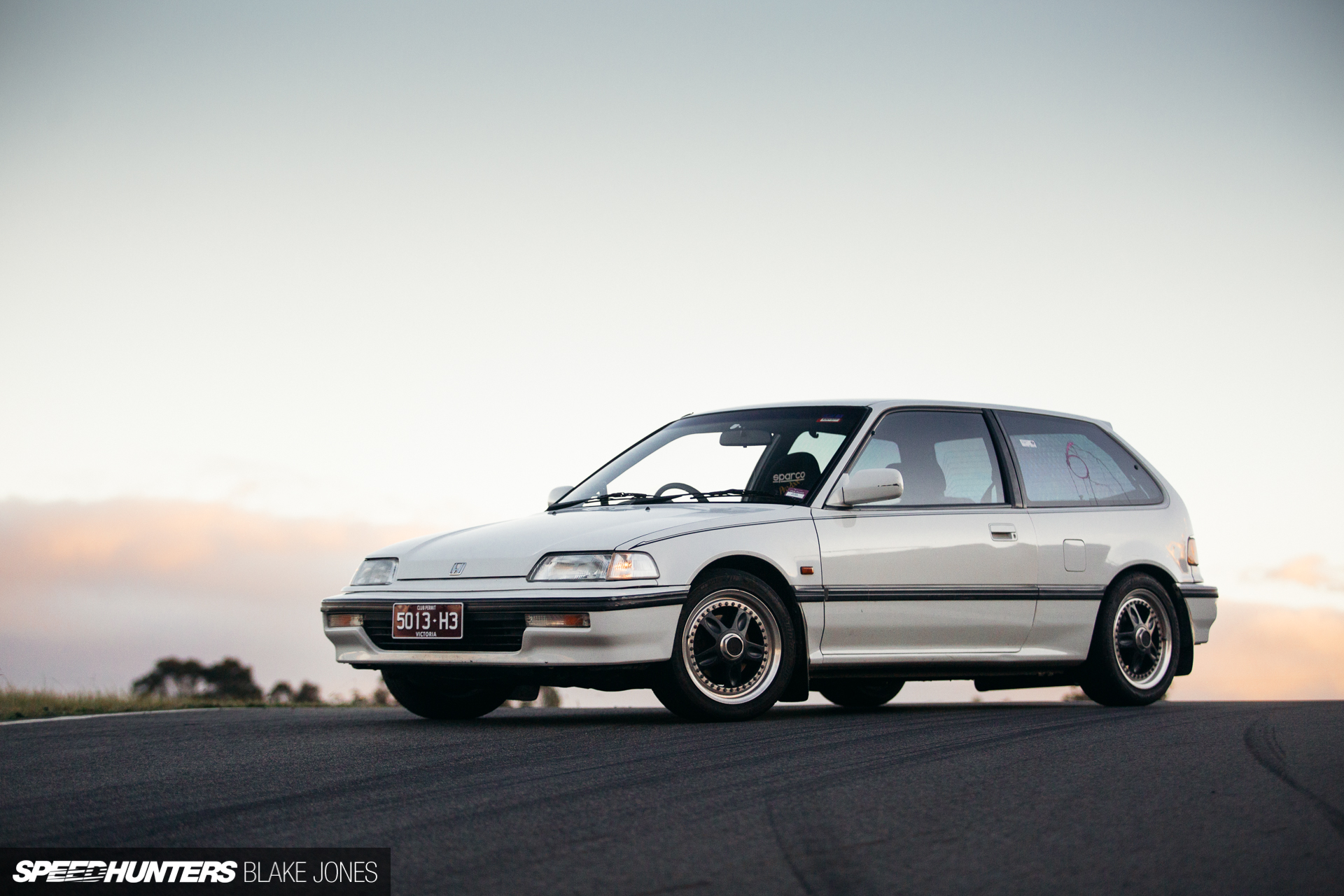
White Meat has a set of low-mount suspension top plates, which has helped get the floorpan significantly closer to the tarmac. We might even go lower in the future.

I almost forgot to mention the wheels – very well-used RAYS Volk Racing GRCs in a 15×6.5-inch fitment, wrapped in Bridgestone Potenza RE003s found on Facebook Marketplace. They use a specific wheel nut which was a right pain to source, but now they are on I’m loving the period-correct look even if they are a bit on the porky side.

There are a few maintenance items that need attention, but now I just need to get an alignment and start stacking up seat time. Hopefully I can get these second-hand tyres to hang on through the remaining three 2021 Nugget Nationals rounds while I learn the car and tracks, then a new set can start us off for a more competitive 2022.
Blake Jones
Instagram: blaketjones
blake@speedhunters.com