The longer I’m in Japan, the more I’m finding myself drawn to smaller, local race tracks than the big-name ones like Fuji Speedway or Suzuka Circuit.
I’ve got nothing against the bigger circuits, but there’s something special about these smaller facilities. Tracks like Mobora Circuit and Sports Land Yamanashi all have a grassroots vibe about them. You can tell that for most, the goal isn’t to try and set a new personal best lap time or break the track record – it’s simply about having fun.

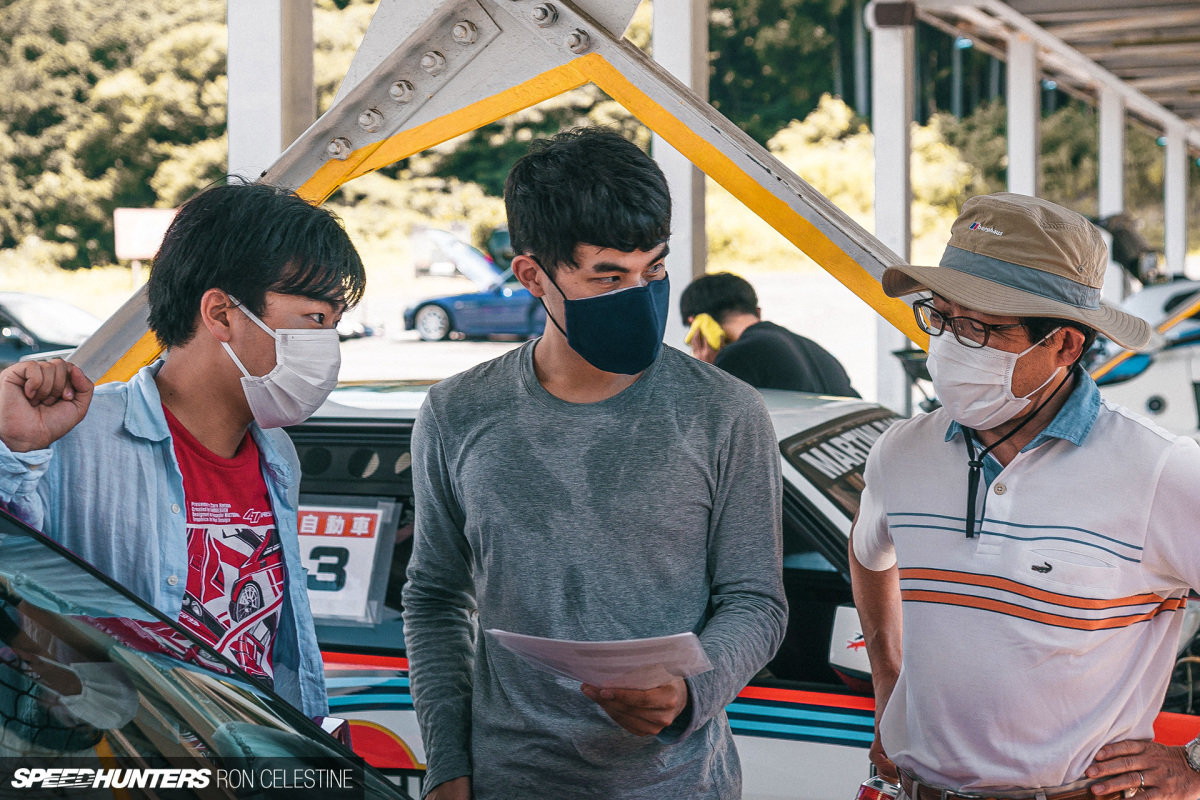
That sense of fun and enjoying motorsports with your friends and other like-minded sorts is exactly the premise behind the ‘One Ton Challenge’. Before I get into that though, a little bit about Hero Sinoi Circuit.


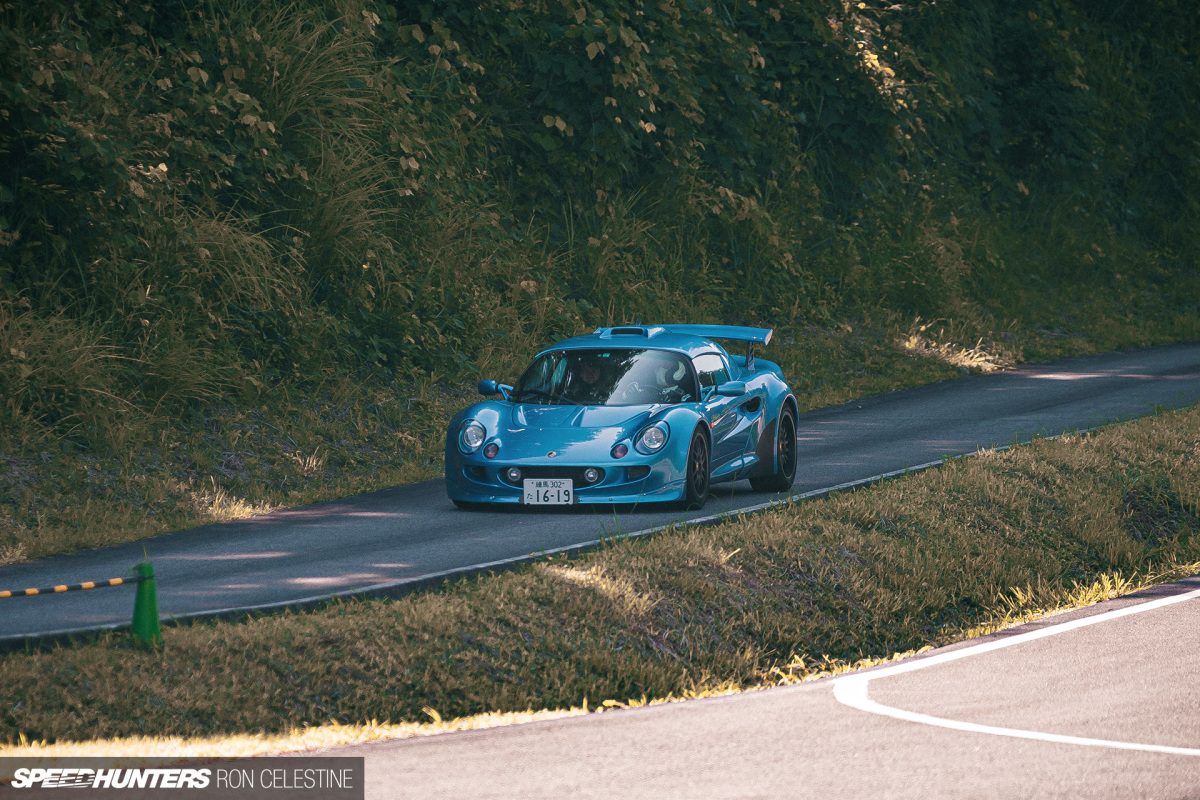


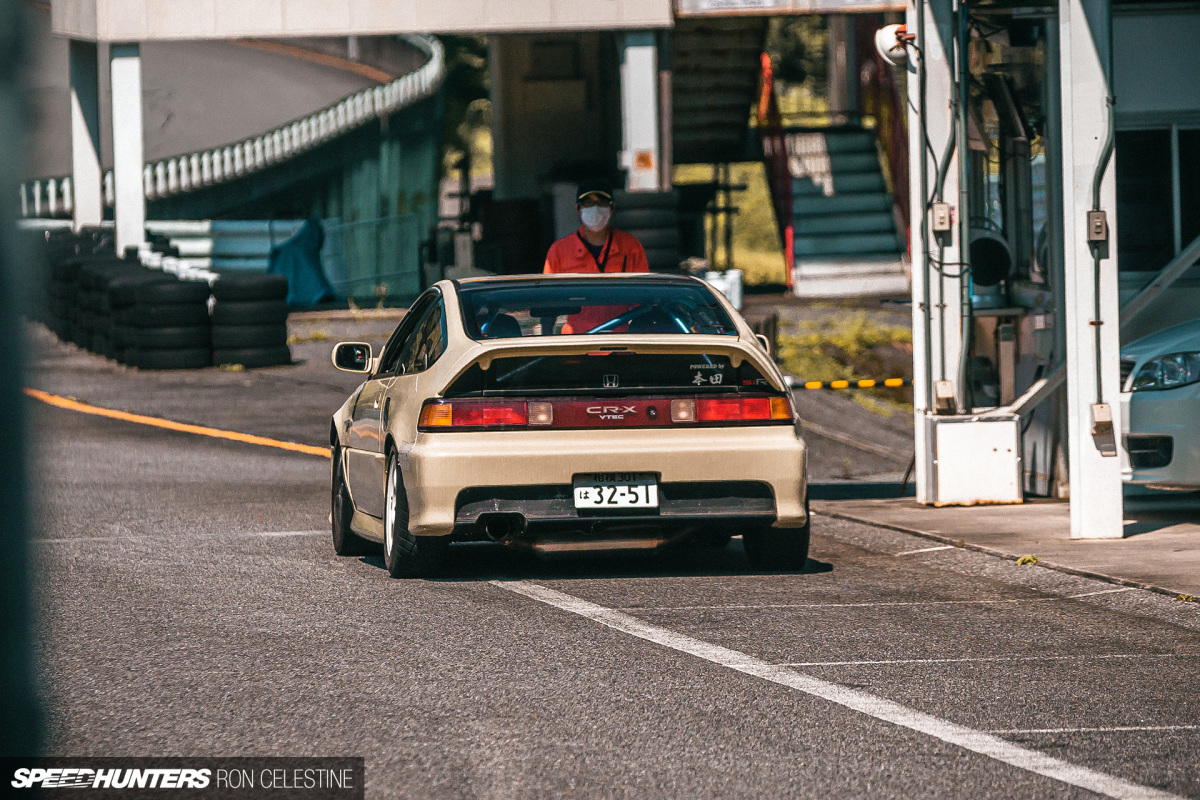
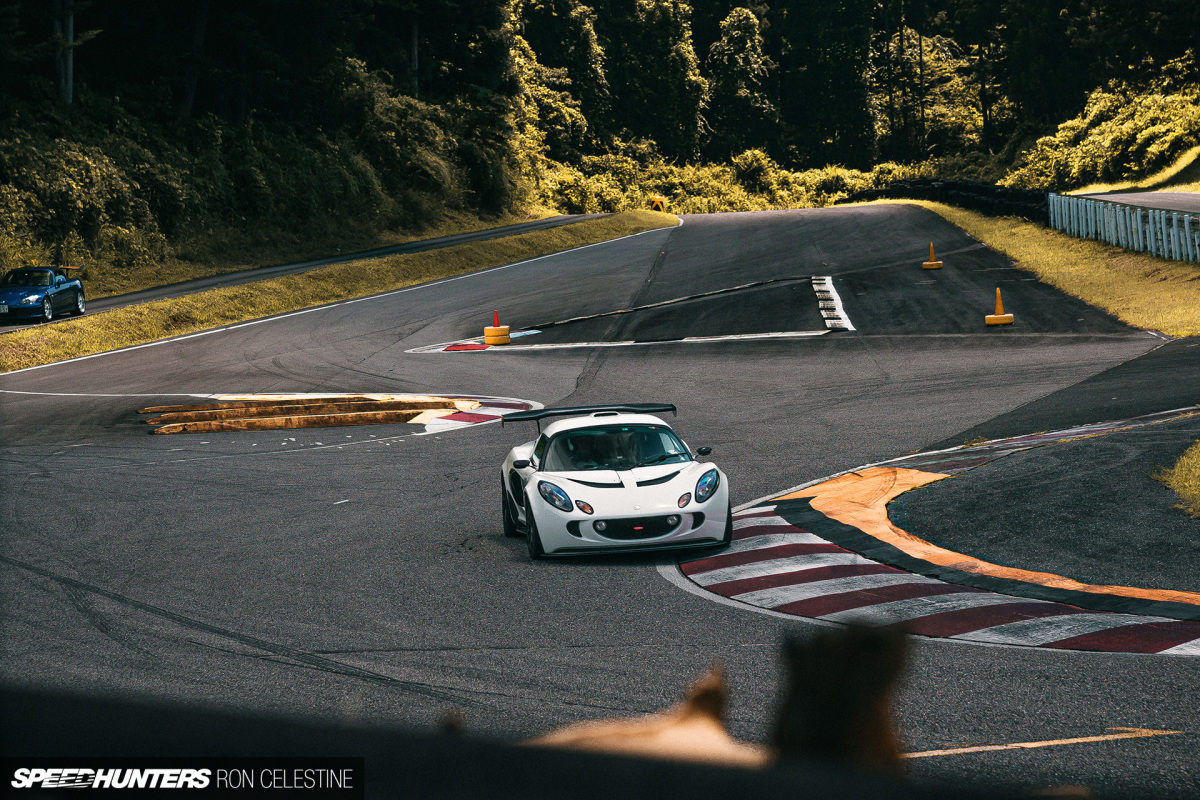
Located roughly 20 minutes away from Nikko Circuit, Hero Sinoi is a 1.35km-long, sprint-type track somewhat hidden from the outside world. Similar to Sports Land Yamanashi, Hero Sinoi Circuit is surrounded by forest, giving it a very picturesque backdrop. That said, with no virtually no run-off areas, you don’t want to get it wrong at speed here.


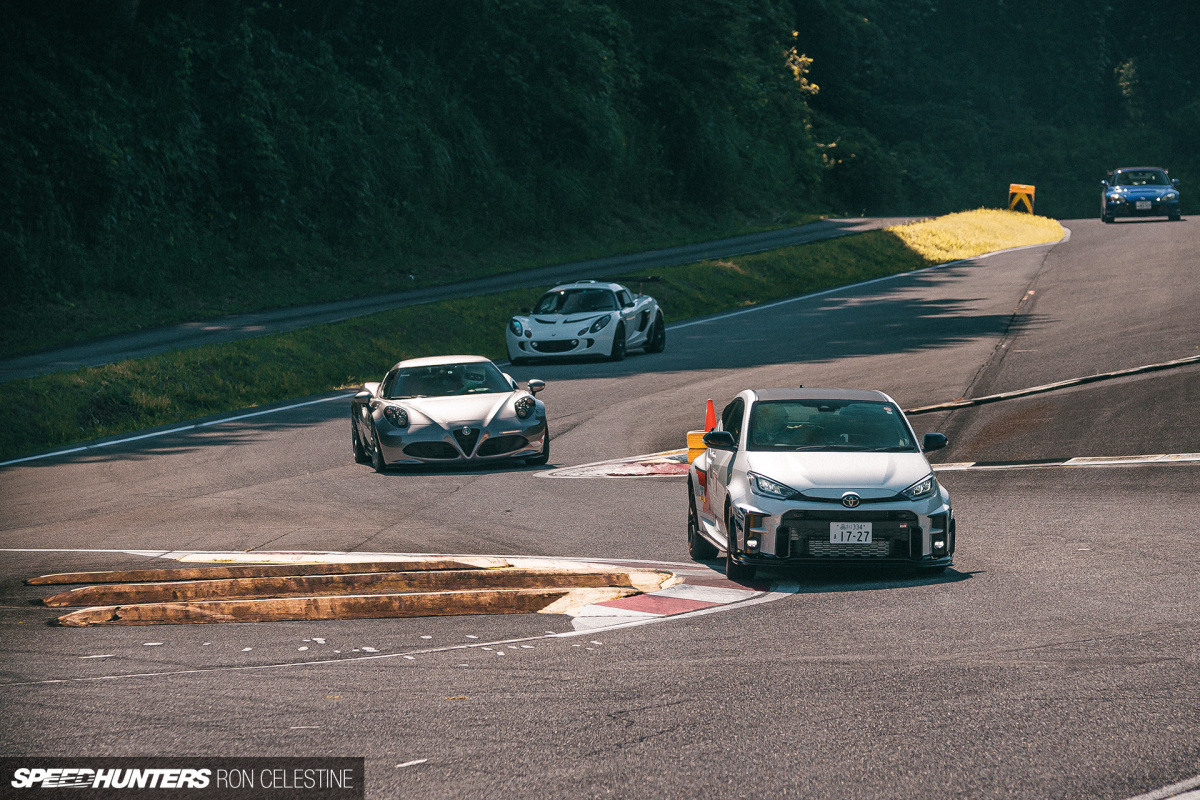


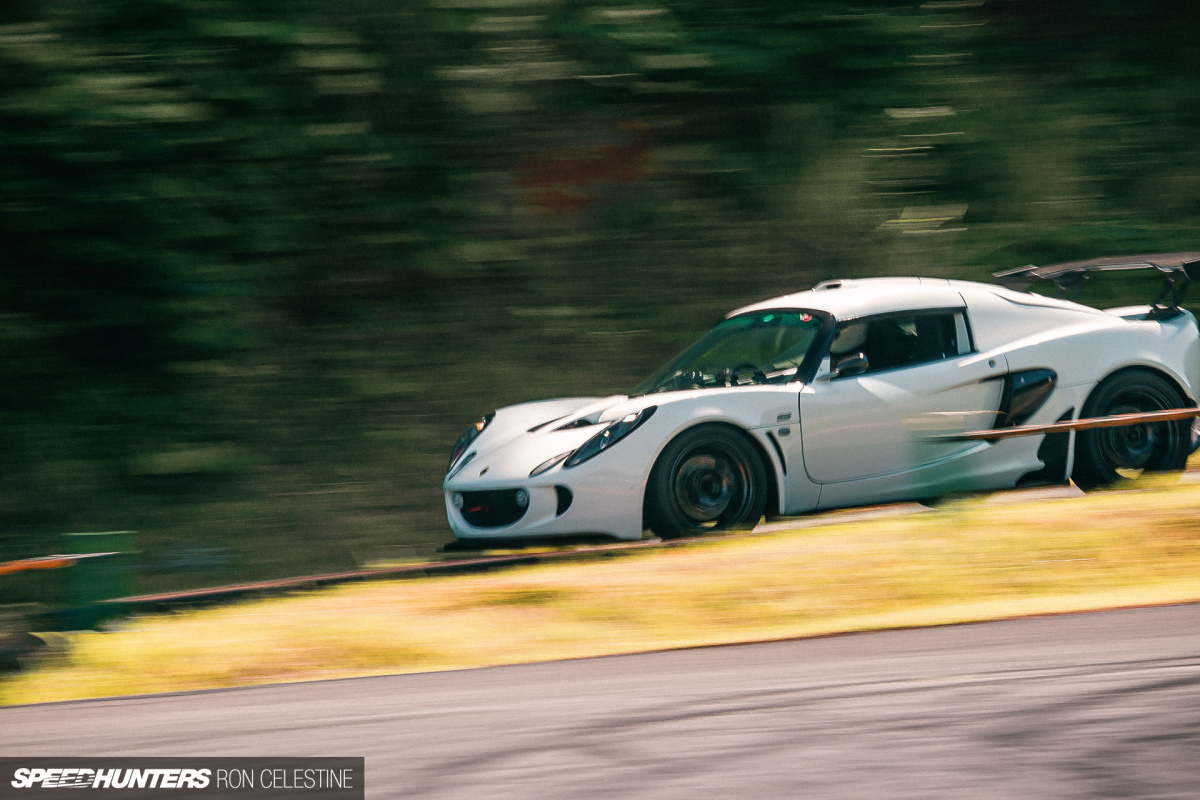
Although short in length, the track layout has a real touge feel to it, which only adds to the grassroots atmosphere. Fast flowing sections, hairpin turns and elevation changes provide a fun and exciting challenge for drivers.

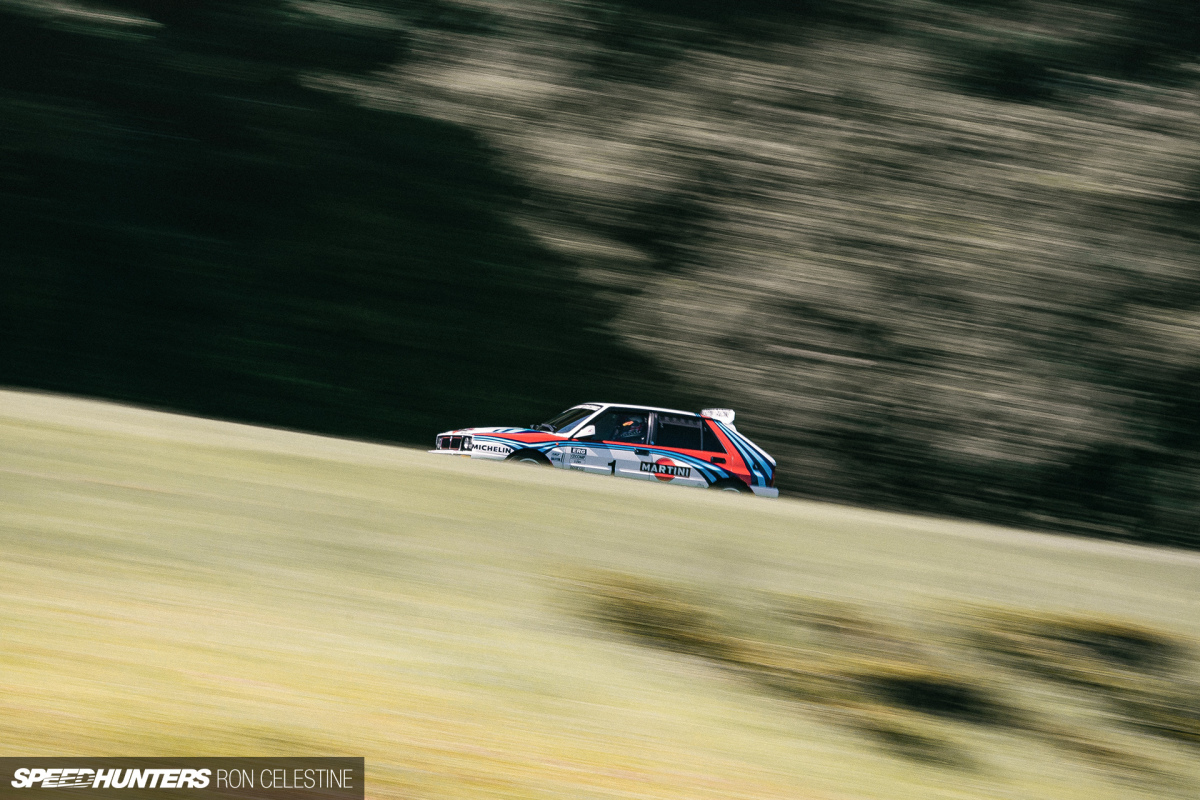
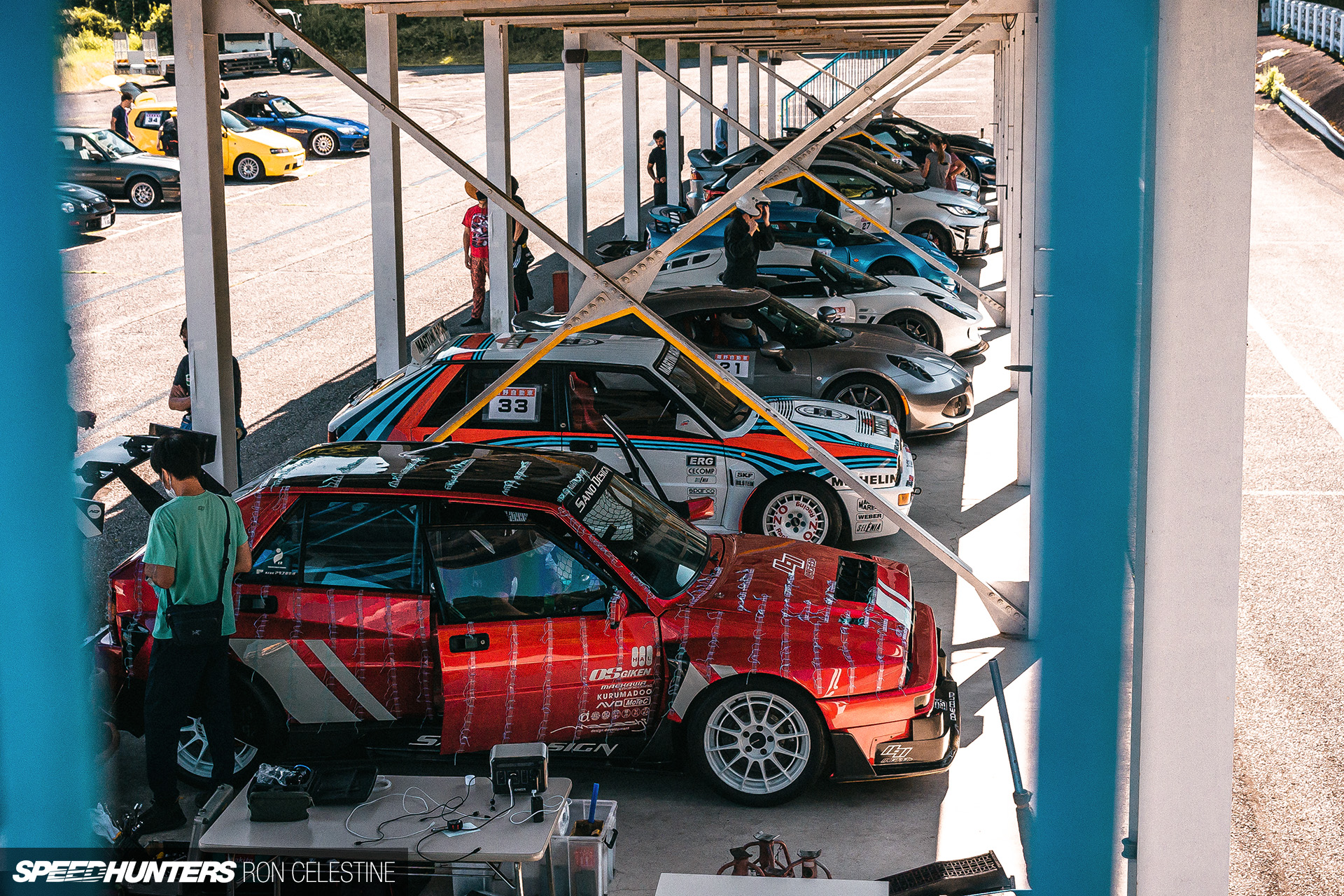
So why was I here? If you cast your minds back to last month, you might remember my road trip to Hero Sinoi Circuit where I was scheduled to catch up with the guys from Cars Hatano and watch them shake down their wild Delta Fenice 105 project. But there was something else going on at this private track day that warranted a closer look.


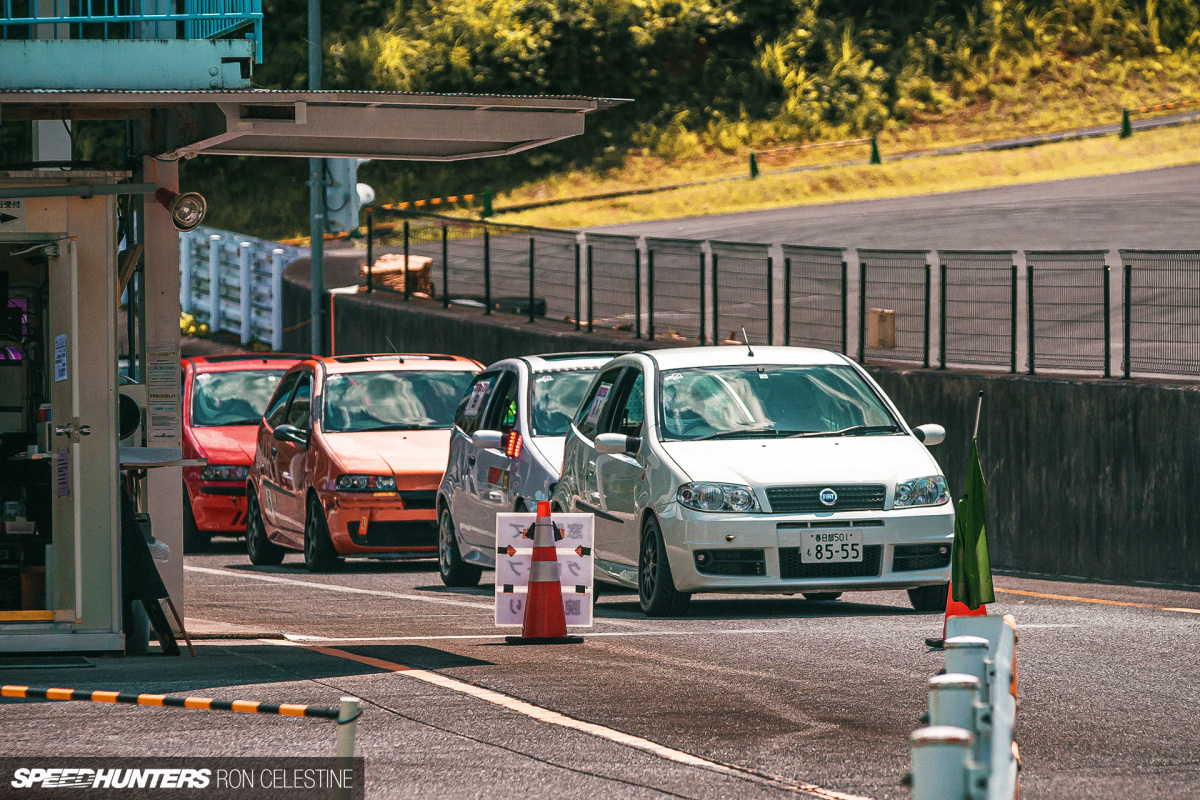
The One Ton Challenge is run by Hatano Masato, who is also the Lancia’s project head. As the event name suggests, to be eligible cars must weigh under a metric ton (1,000kg). They also can’t have more than 100hp under the hood.


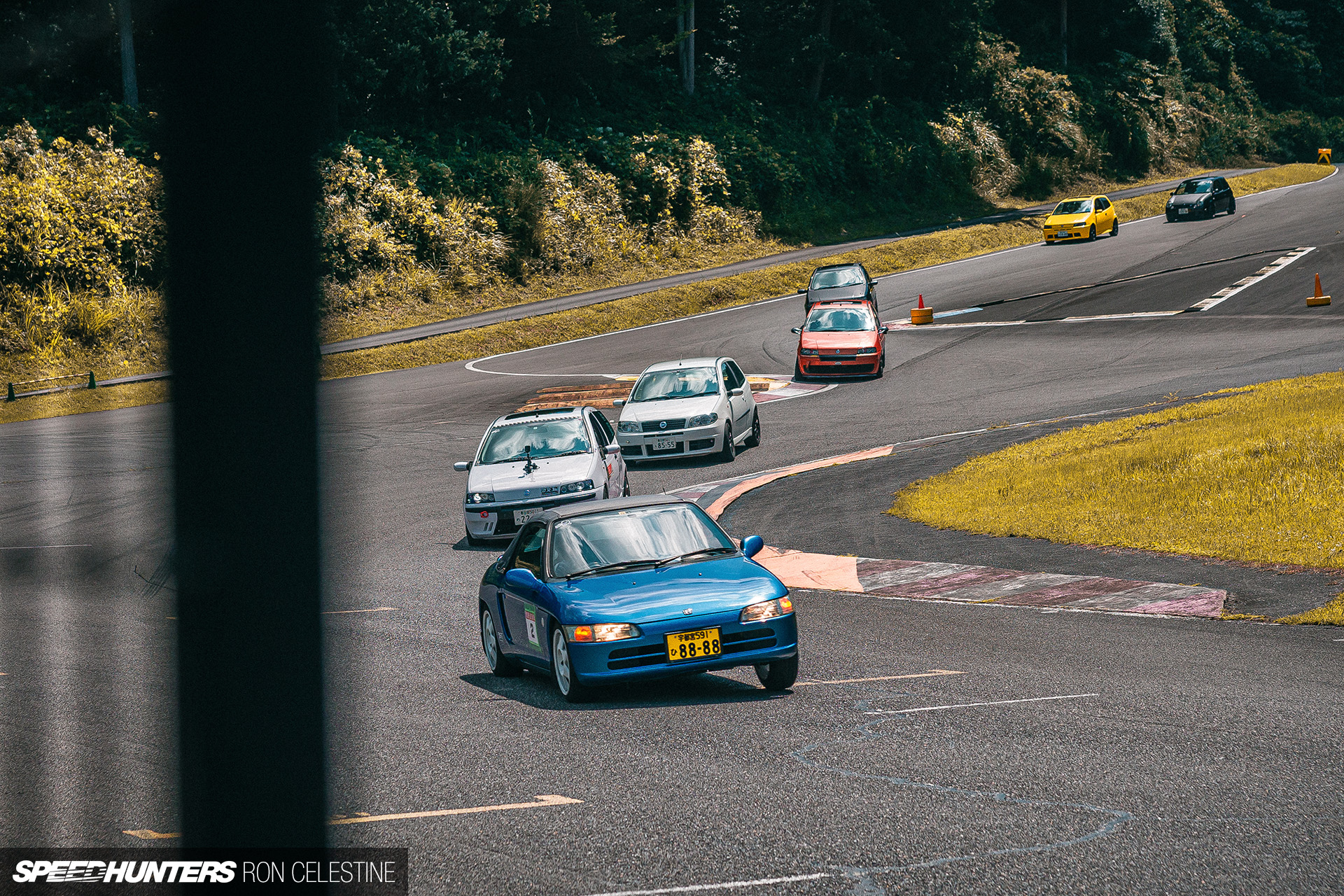
The idea is that One Ton Challenge cars shouldn’t cost too much nor be too difficult to find replacement parts for. This actually makes the typical kei sports car not the most ideal choice, as values have increased over the years and parts can be hard to come across. That doesn’t deter some, like the owner of this Honda Beat.


The second generation Fiat Punto, however, fits the brief perfectly.
Before the group started to collect them, you could purchase one of these Puntos for as little as ¥150,000 (roughly US$1,500), so the buy-in price was very affordable. While engines, differentials and ECUs must remain stock, and tires are limited to 195/50R15 size, some modifications can be made for the One Ton Challenge. Things like changing out the intake, exhaust, suspension and brakes. Most competitors will also strip out their car’s interior and add safety features like a roll cage and harness.


The only other rules are to have fun, be safe, and let your skills as a driver do the rest of the talking.
Here’s a video from a One Ton Challenge race earlier this year, which does an incredible job showing not only the Hero Sinoi Circuit track layout, but the kind of wheel-to-wheel action you can get with these little Fiats. Don’t mind the music though.


If you couldn’t tell from the video, the drivers don’t really hold back in any way. Oil pans tend to not last long and the occasional ‘love tap’ does happen in the heat of the battle.
No one was really sure why, but at the event I attended one Punto’s driver door hinge sheared clean off. If I was a betting man, I’d say repeated jumps over the track’s red and white rumble strips caused the failure.

There is something about driving cheap cars to the absolute limit (and beyond in many cases) without a care in the world, all in the pursuit of beating your fellow driver a truly fun and exciting experience. At a track like Hero Sinoi, it’s even better. I wonder if I can persuade someone to let me have a drive next time…
Ron Celestine
Instagram: celestinephotography
More stories from Japan on Speedhunters