
Japan’s annual Supra Owners Club (SOC) meet at Fuji Speedway is an event I’ve been trying to get to for years. I knew seeing hundreds of Supras in one place at the same time would be an amazing spectacle; I just wasn’t counting on absolutely atrocious weather when I finally made it out.
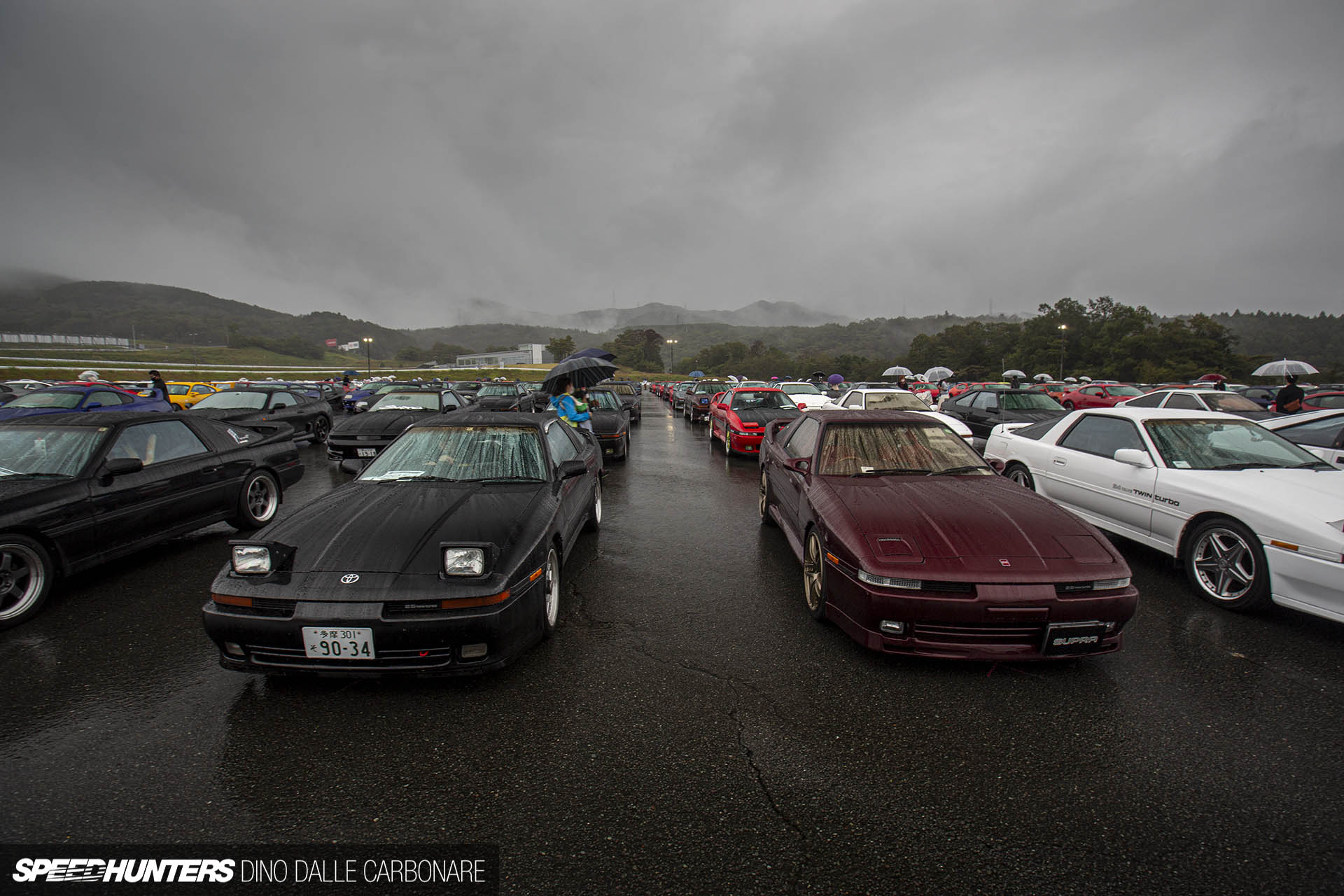
But despite the non-stop rain, the event wasn’t ruined. Unbelievably, 700 cars showed up to Fuji Speedway.
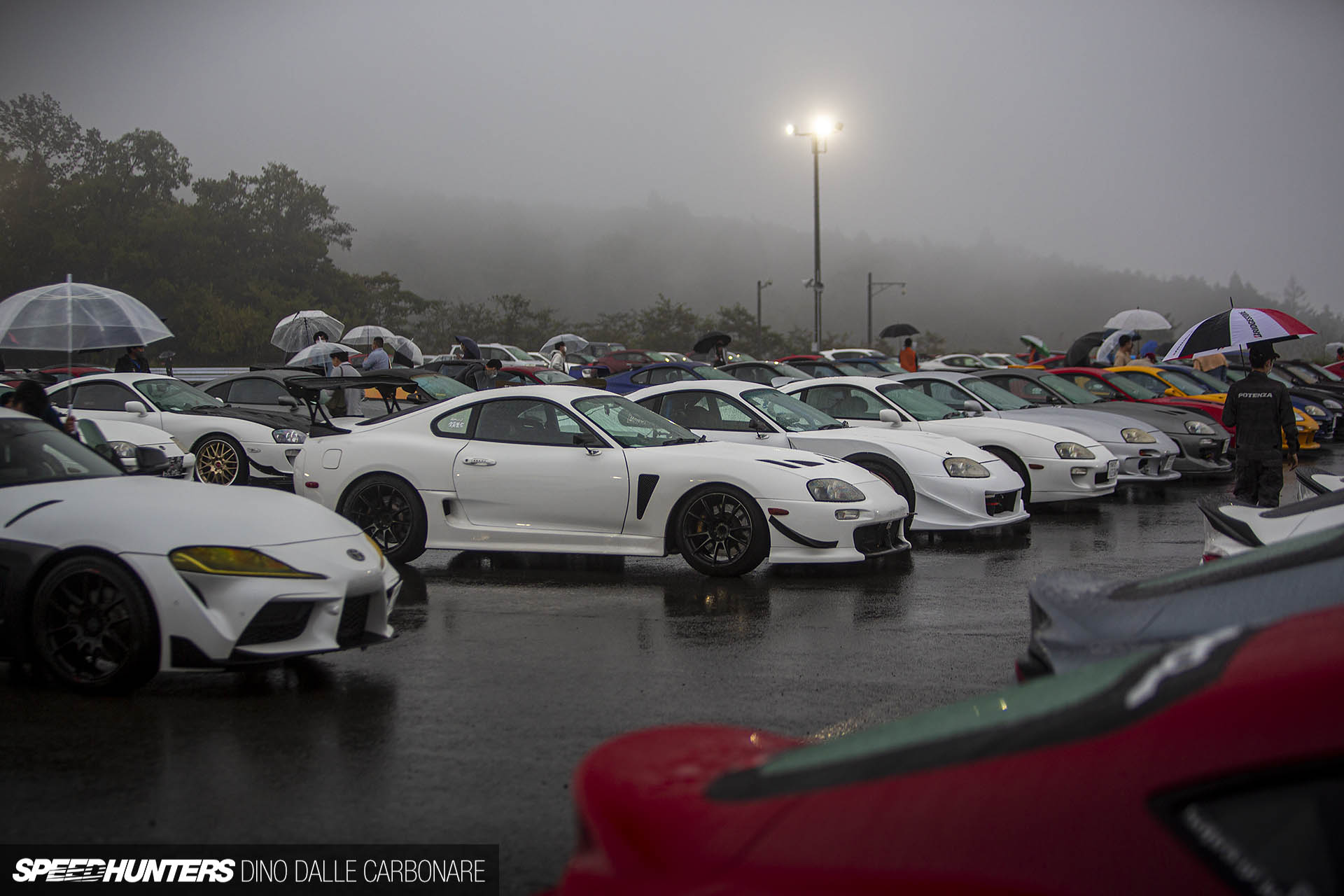
I’m no stranger to views like these, except it’s always been of the Nissan variety, with events like the Nismo Festival and R’s Meeting offering up rows upon rows of GT-Rs.
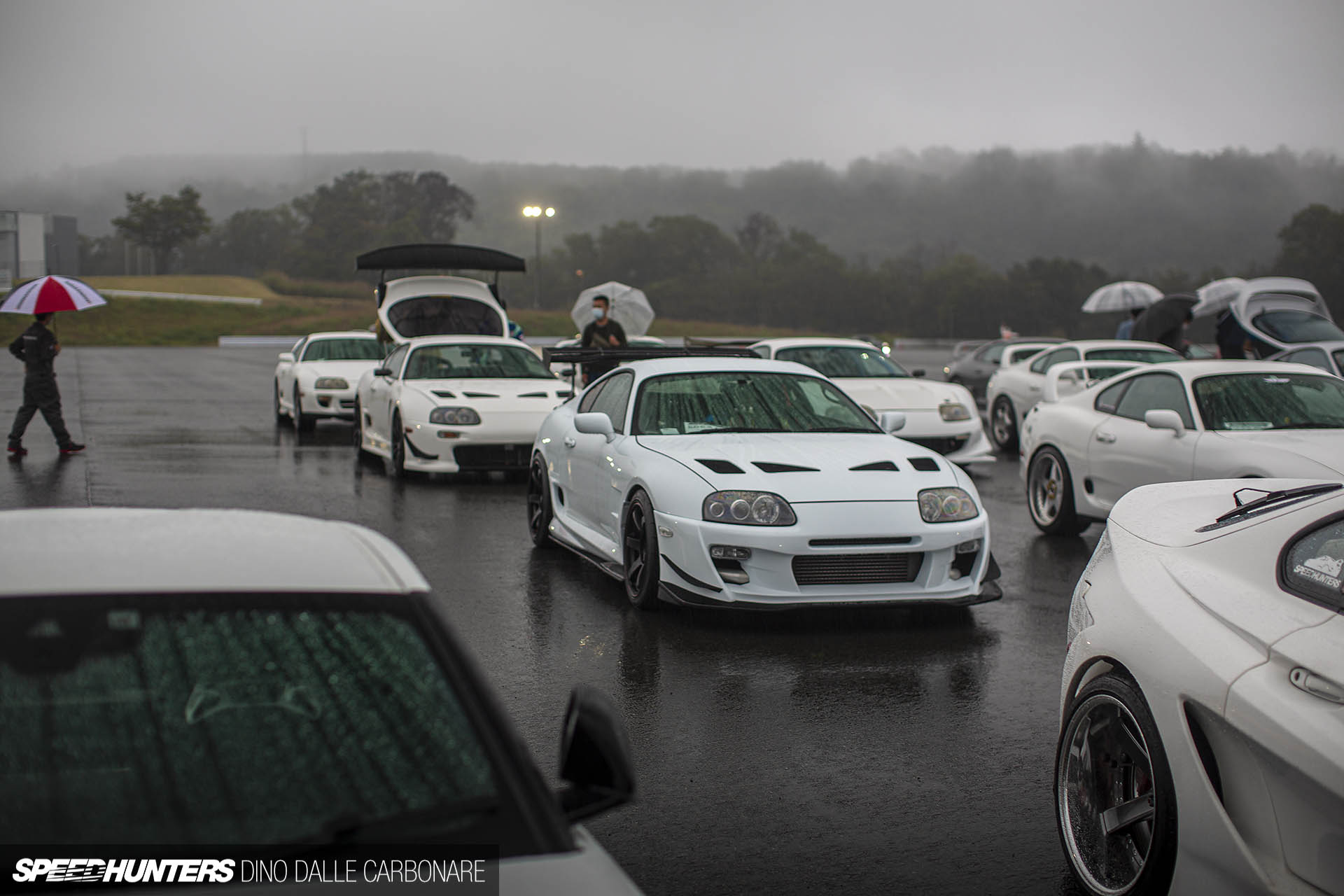


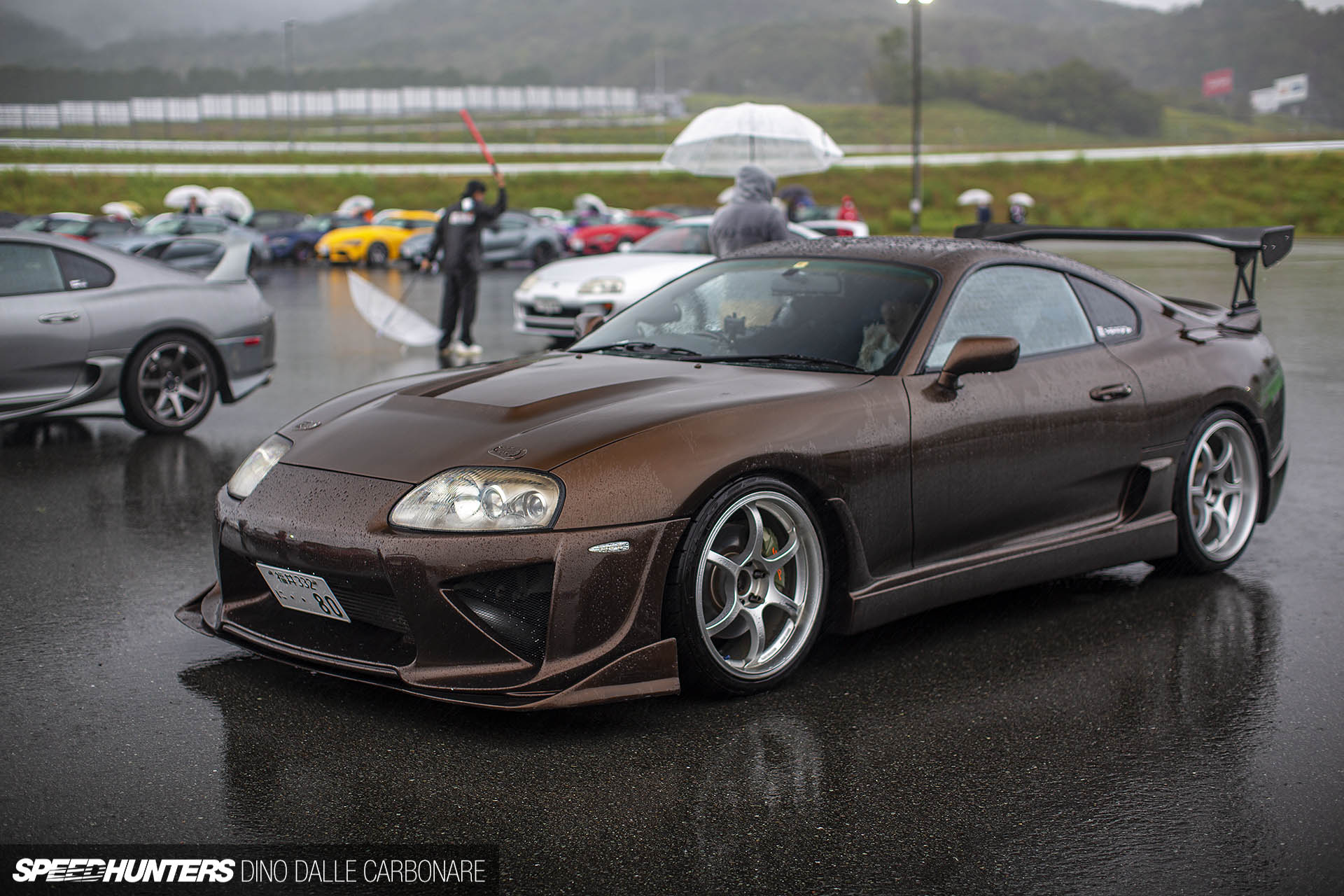
This time it was Supras, with models from most generations present.
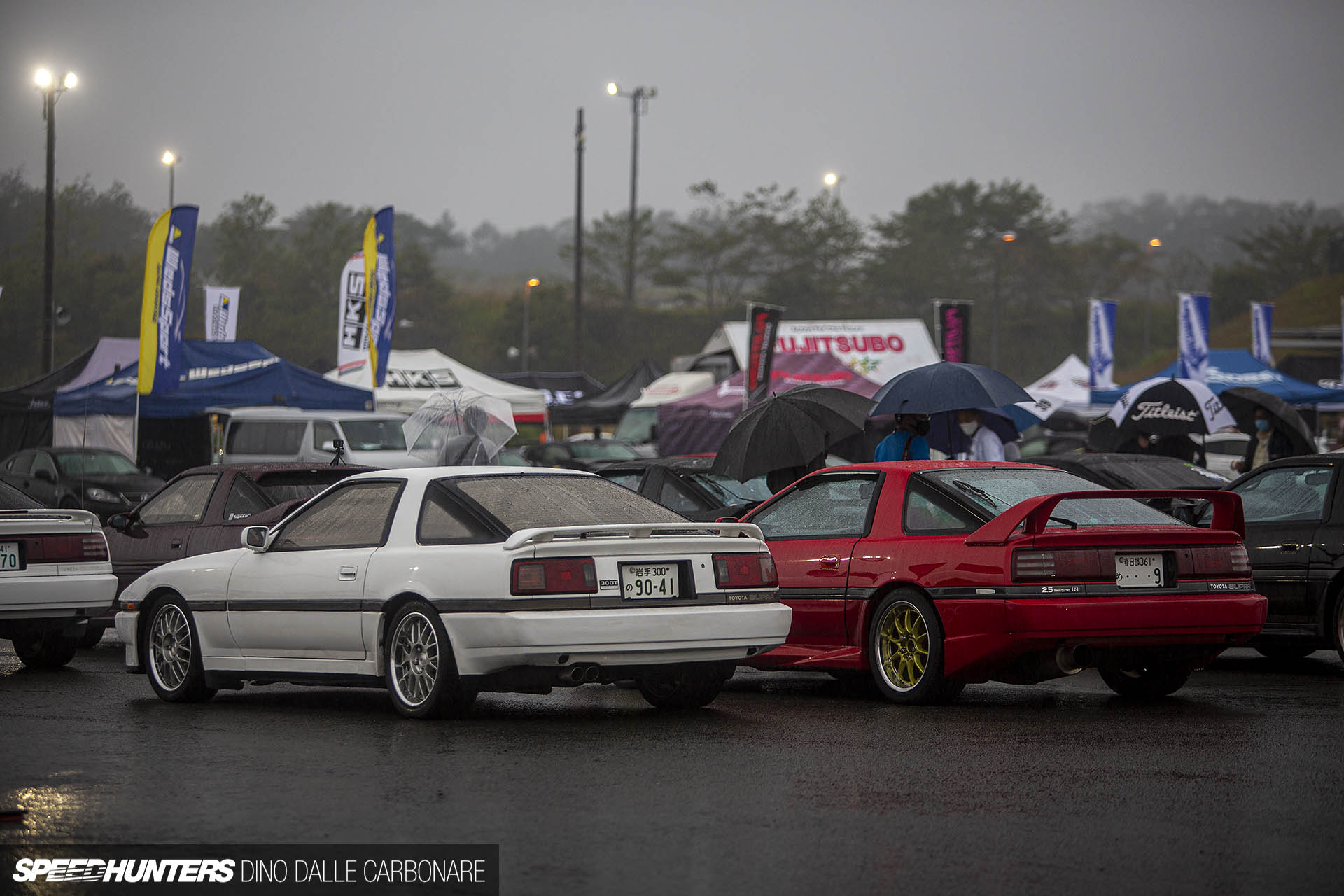

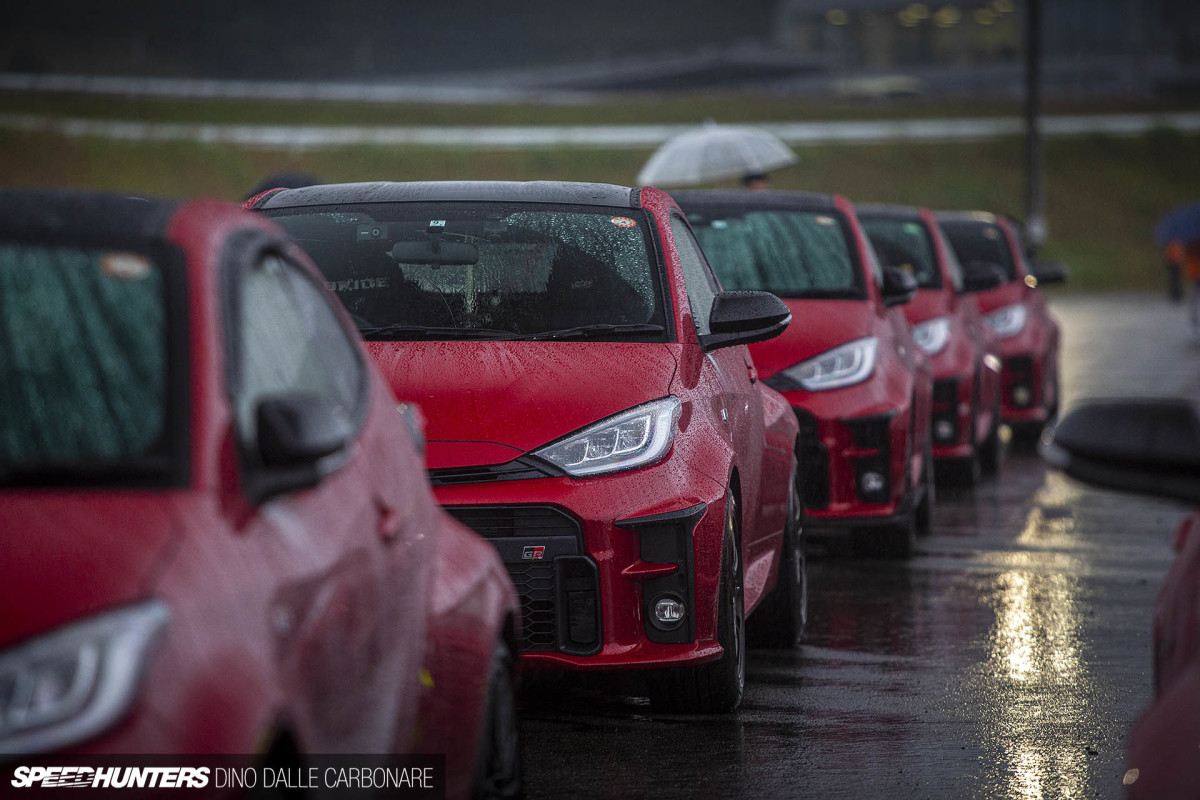
Other Toyota cars joined in too, including the GR Yaris and 86. We’ll leave those cars and the A90 contingent for the next story; this time around I’ll concentrate on the A80 and older cars in the mix.
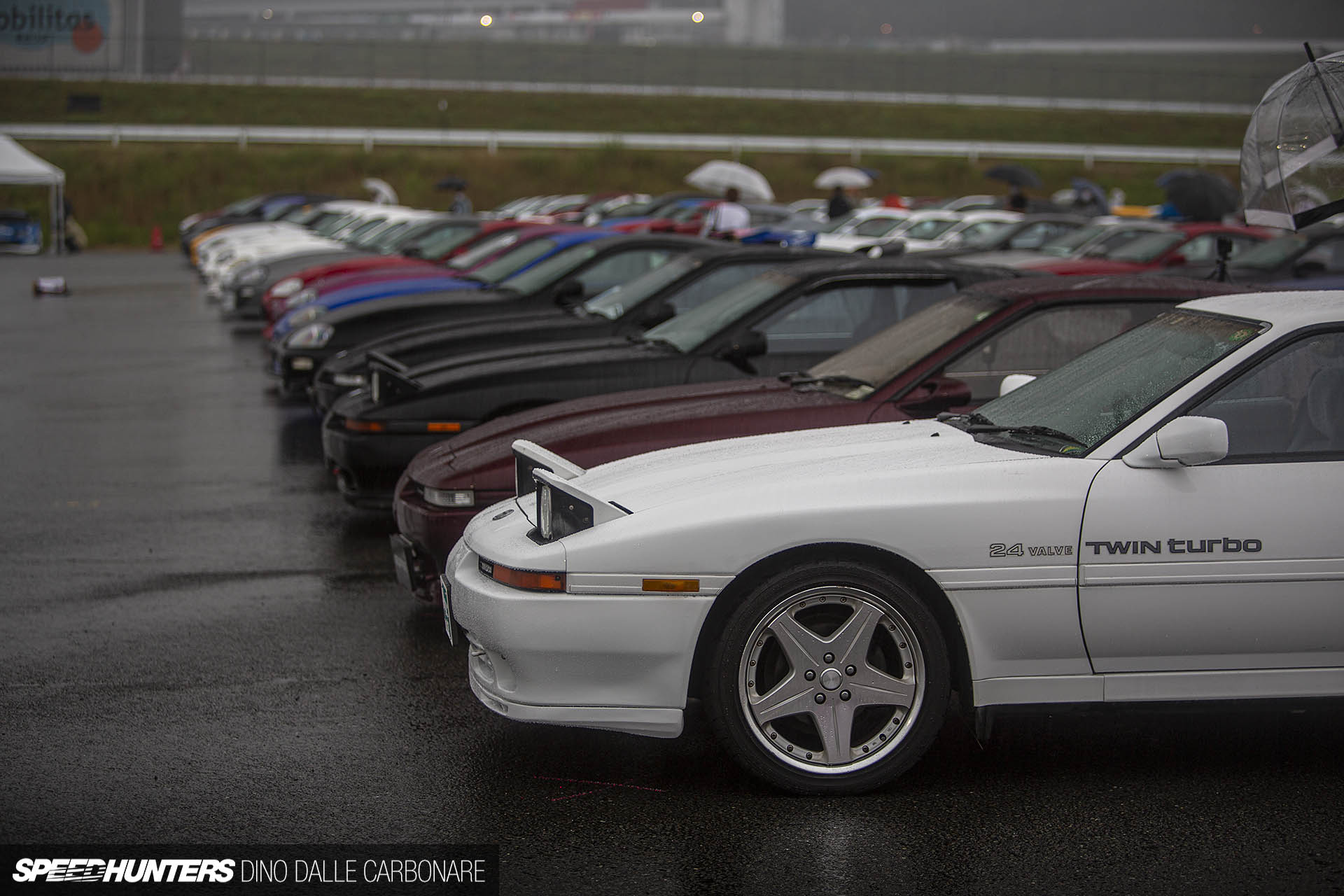
As you’d expect from an event in Japan, having the cars perfectly lined up was of utmost importance for the organizers. It’s never an easy feat, and in this case a large number of staff were on hand to guide each car in one by one, separating them not only by generation but even by color.
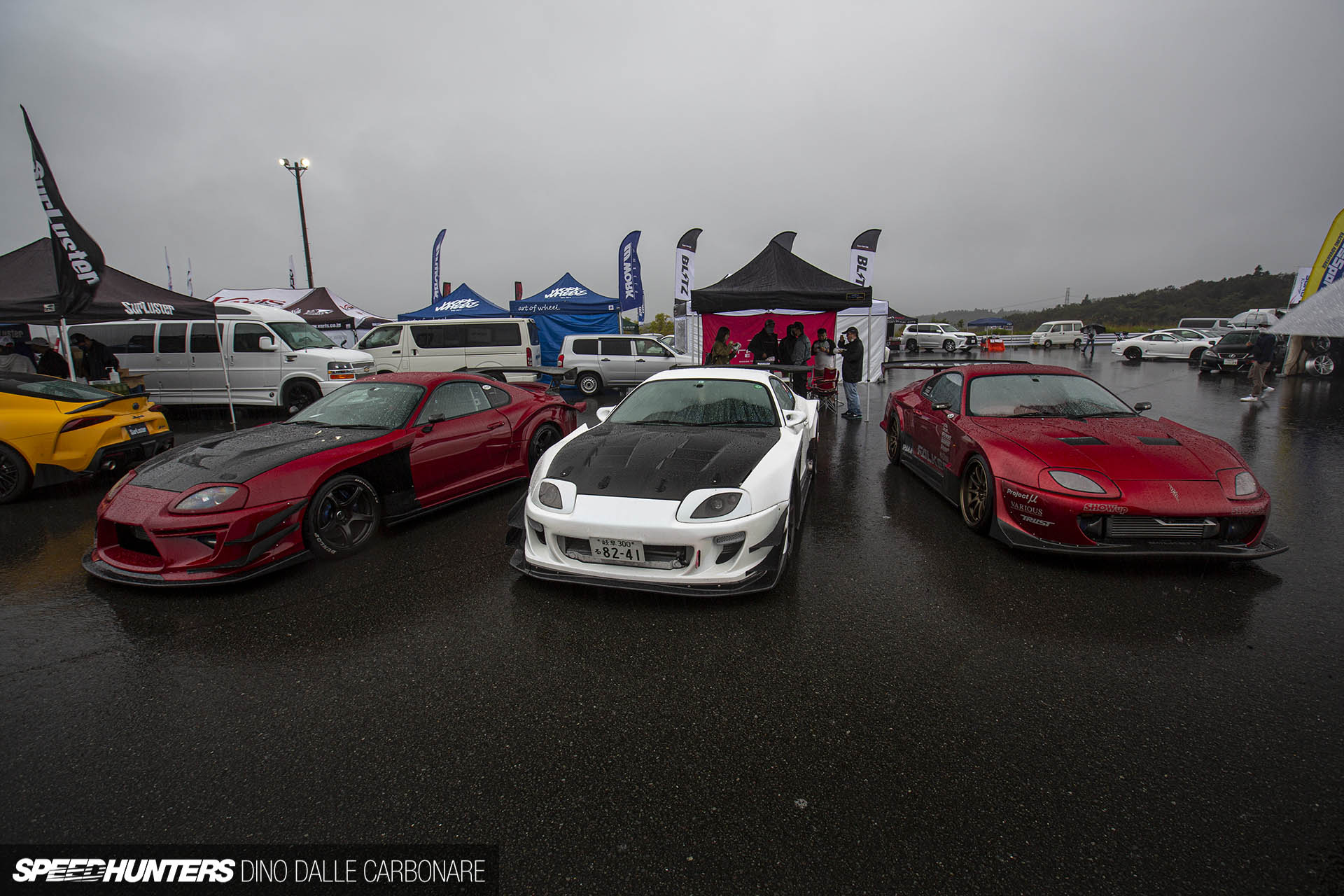


Also expected was a number of tuners and parts manufacturers, each with their own booths displaying products and demo cars, like Tamon Design above. However, since most of these companies are catering to new cars – like the A90 – I’ll include them in the next story.
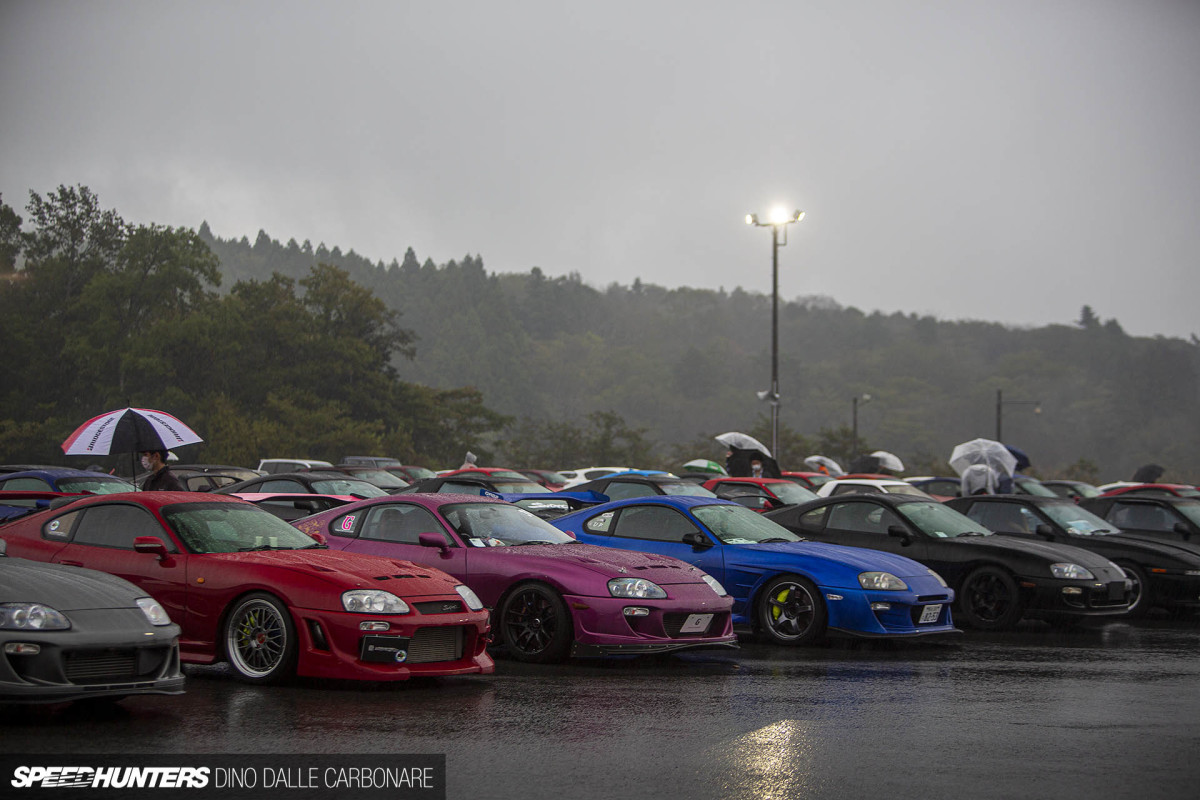
Color-Coded Lines
So bad was the weather, that I could only shoot for a few minutes at a time before having to return to the warm confines of my car to dry my camera gear off.

That said, it was still a lot of fun walking between the rows of cars and seeing how each Supra was different to the next.

Then a friend from the Supra Owners Club told me that Toyota had dropped off a few cool race cars too.
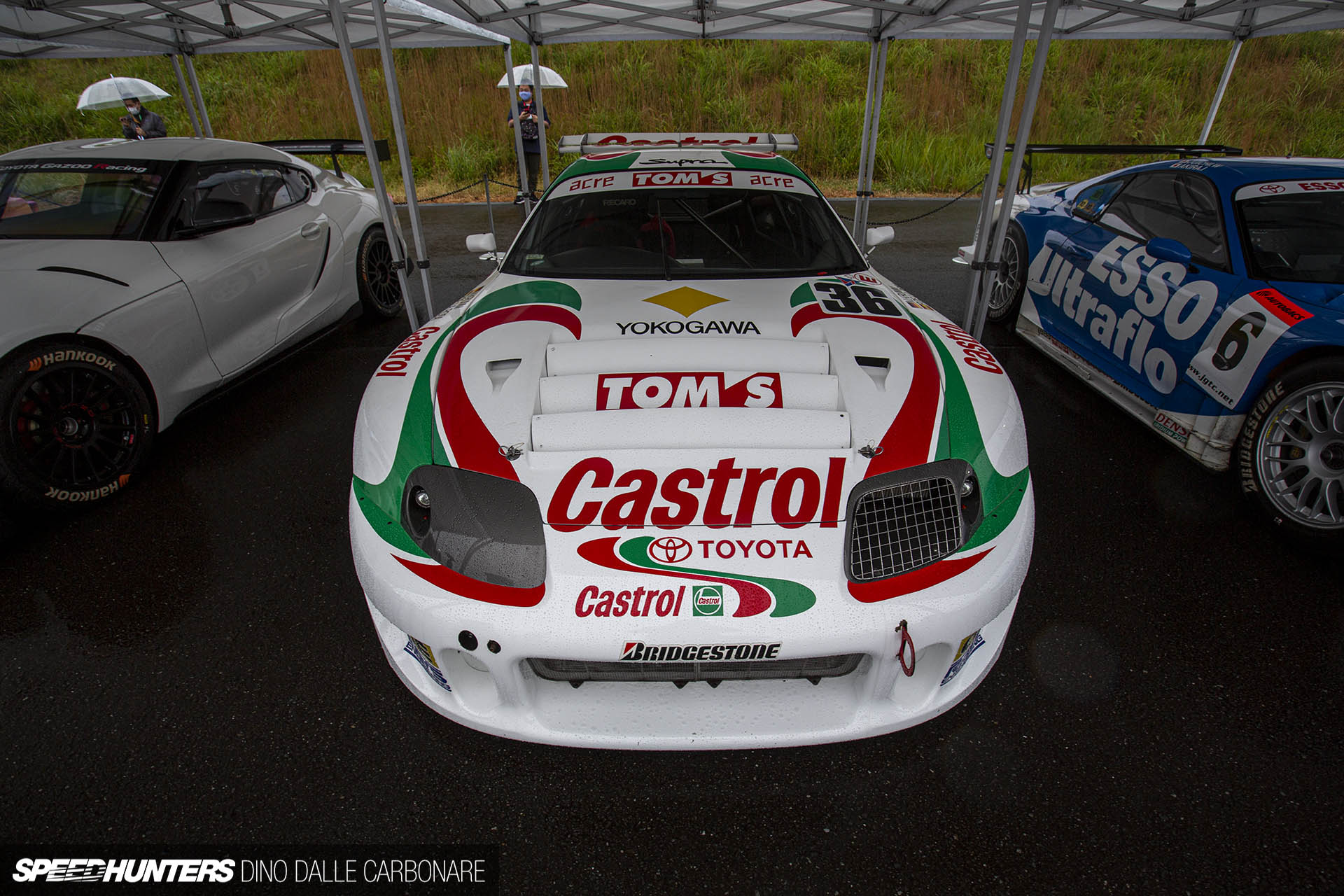


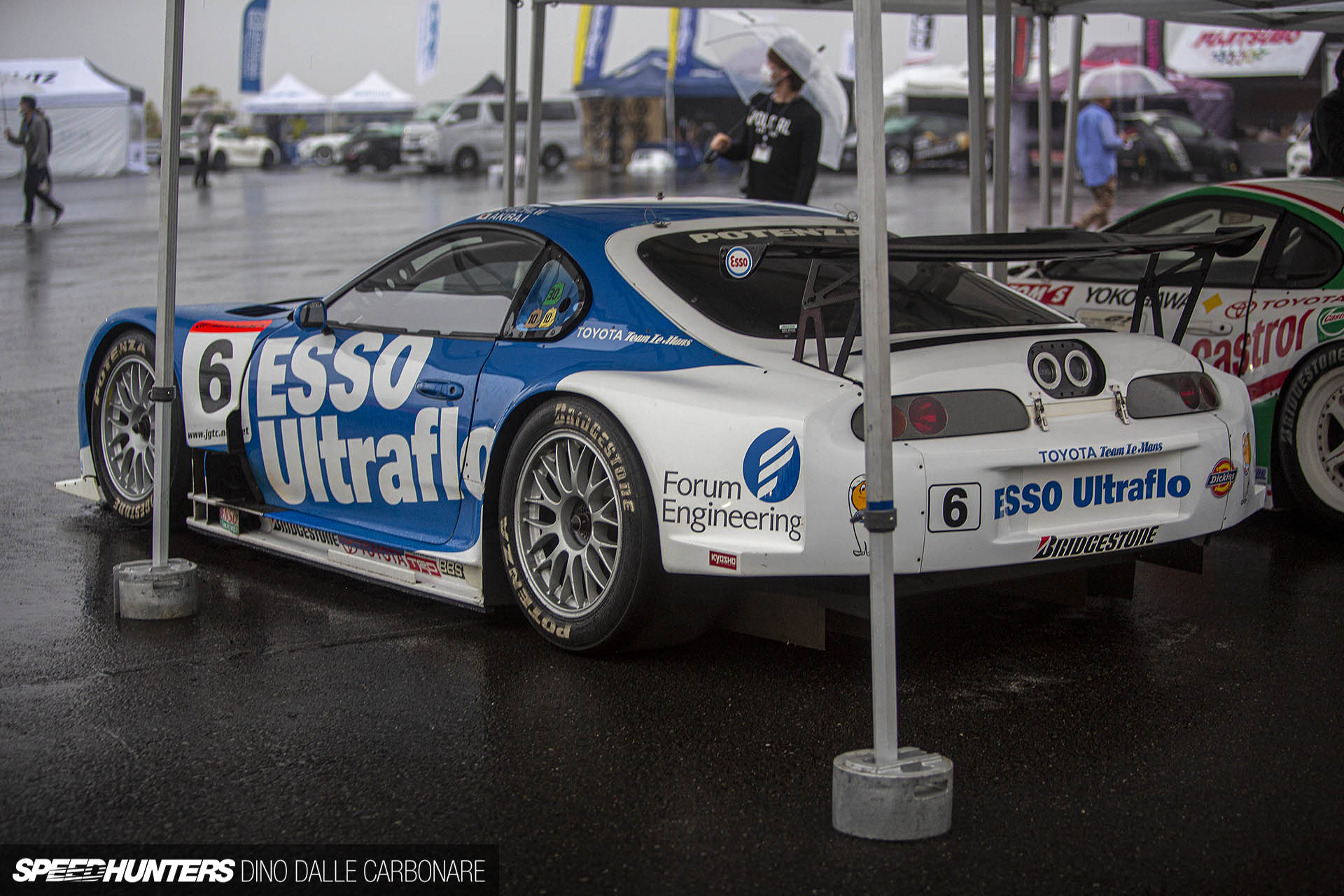
I had a bit of a moment seeing these two JGTC Supras; they come from a very special time in Japanese motorsports, and were some of the first race cars I lusted over. I’m sure everyone is familiar with 1997 Castrol TOM’s Supra, and the 2002 ESSO Ultraflo Supra was racing when I began covering JGTC events at circuits like this one and Motegi.
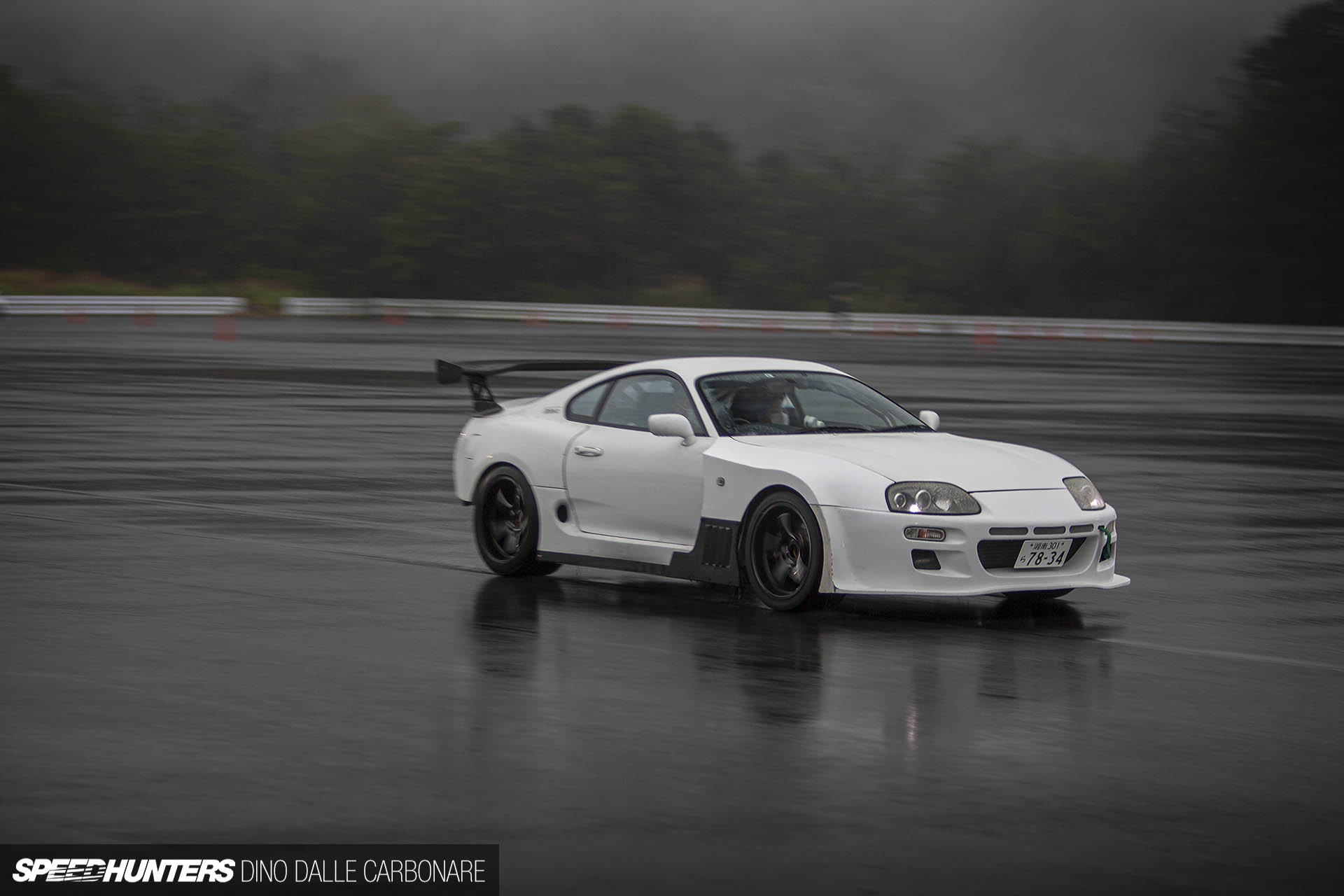


Here in Japan, these GT cars have always been a huge source of inspiration for anyone taking their A80 Supra street car to the next level with a wide-body conversion.
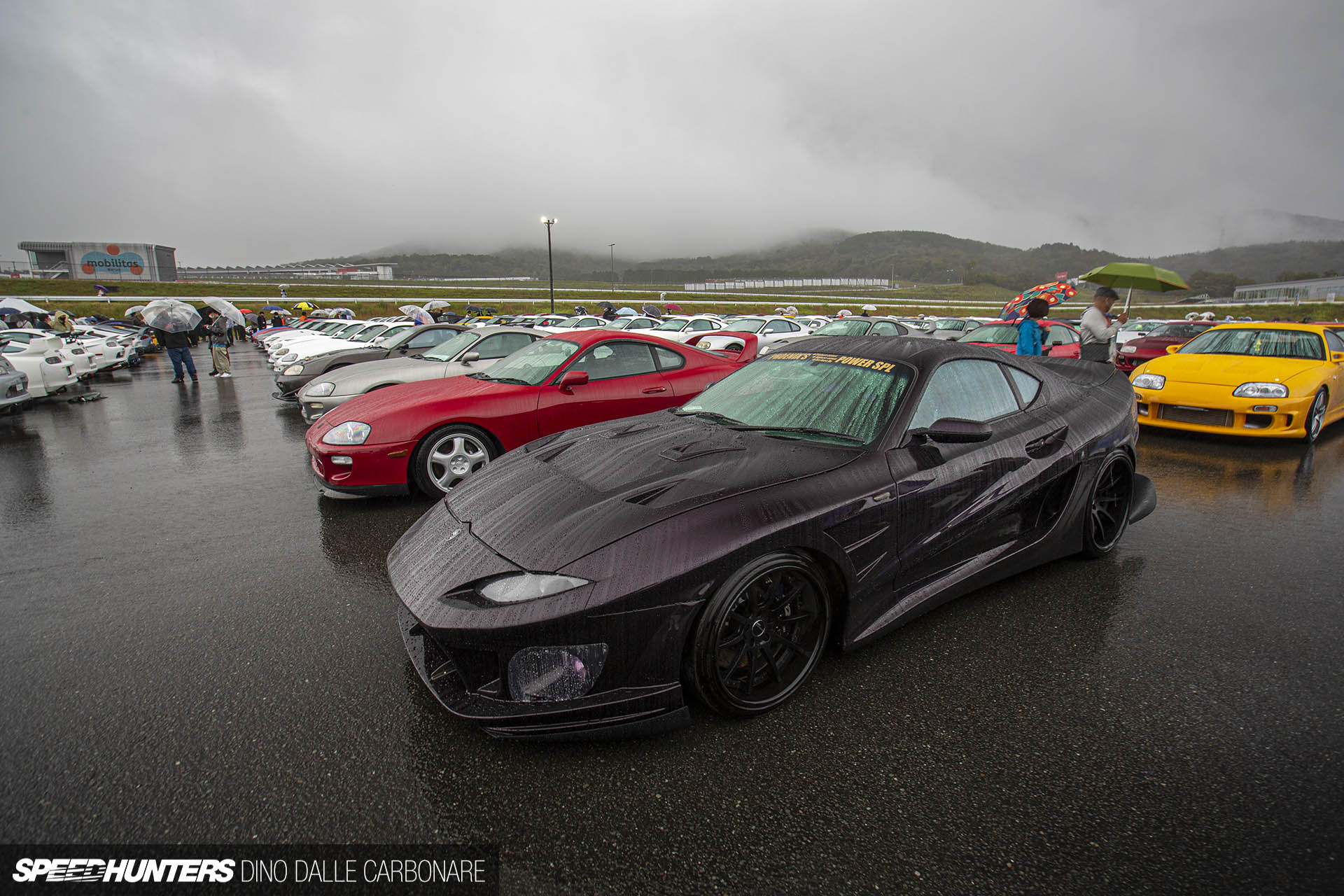
And there were no shortage of those on this rainy day.
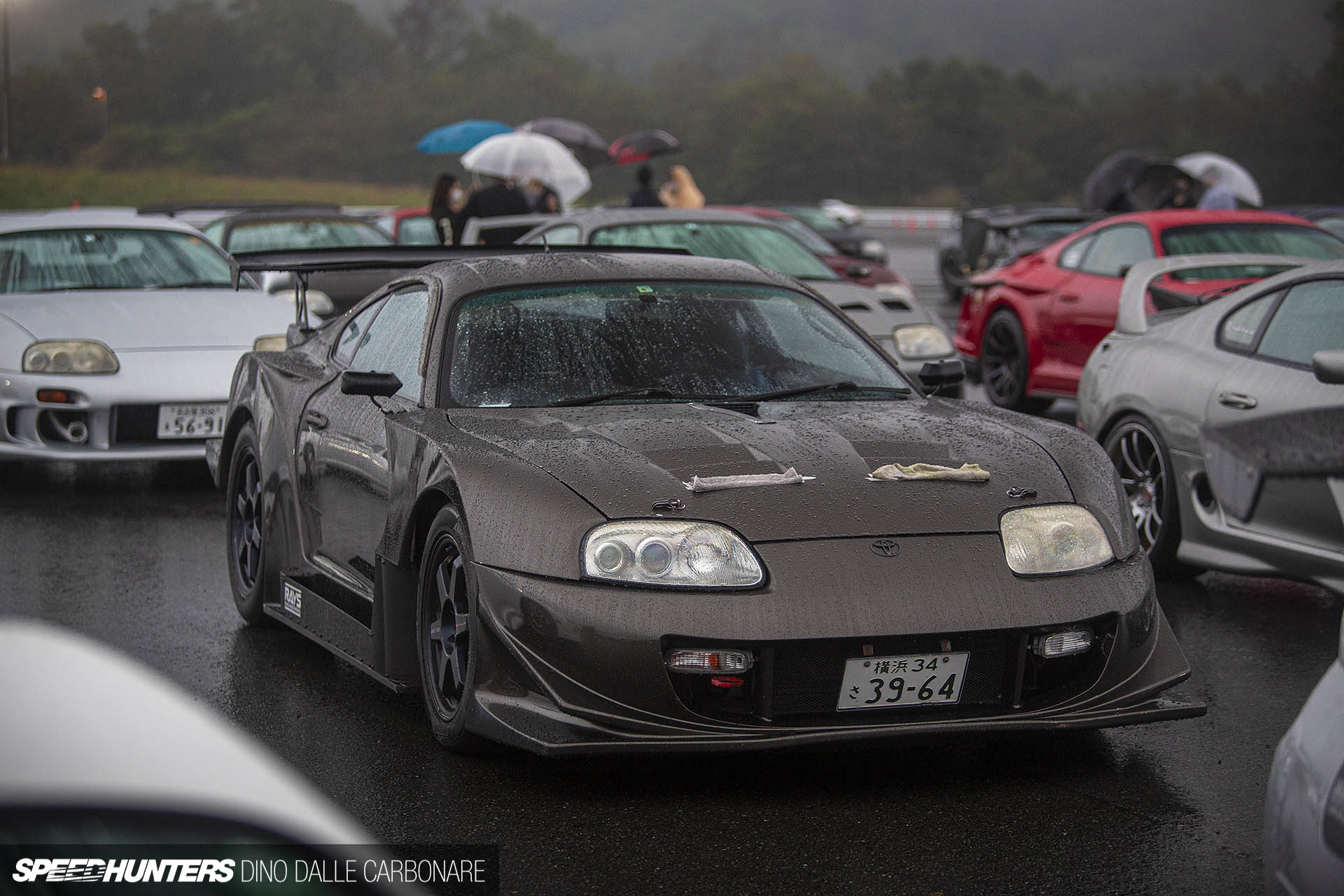
From big box fender-type conversions, to the more modern rounded-off variety.
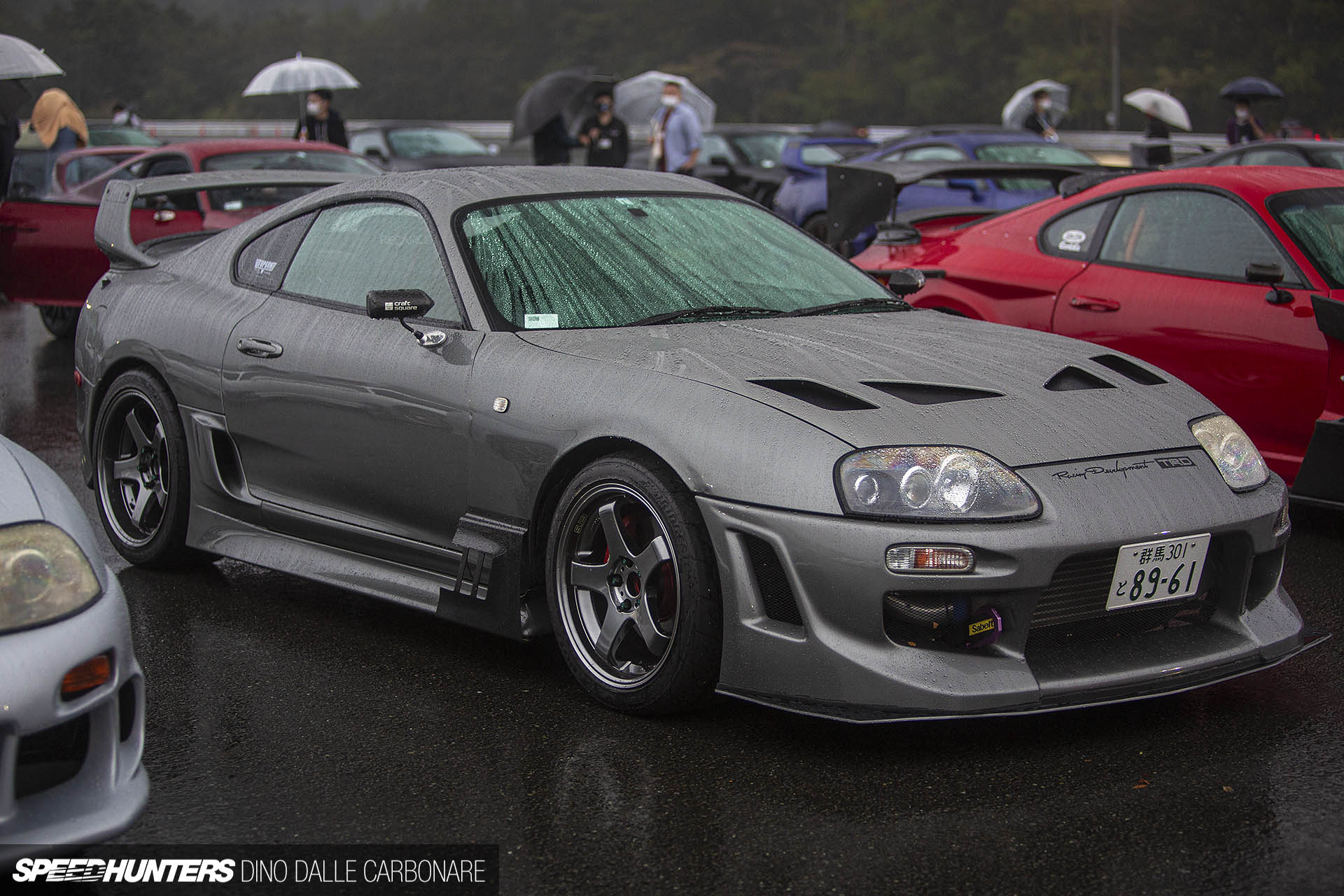
Personally, I always prefer the simple approach.

What’s your preference?
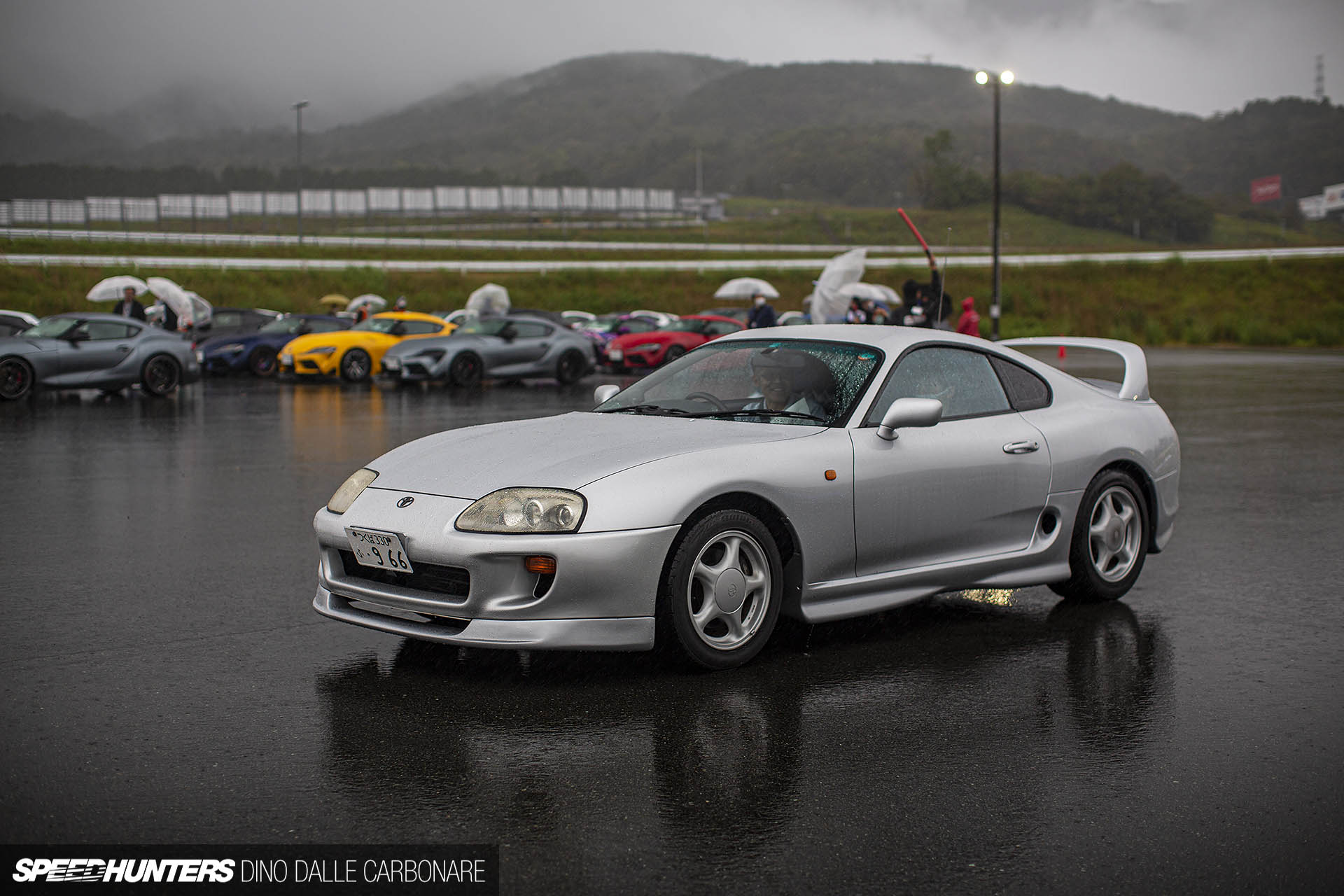
I can’t believe there are still completely stock-looking Supras around too.
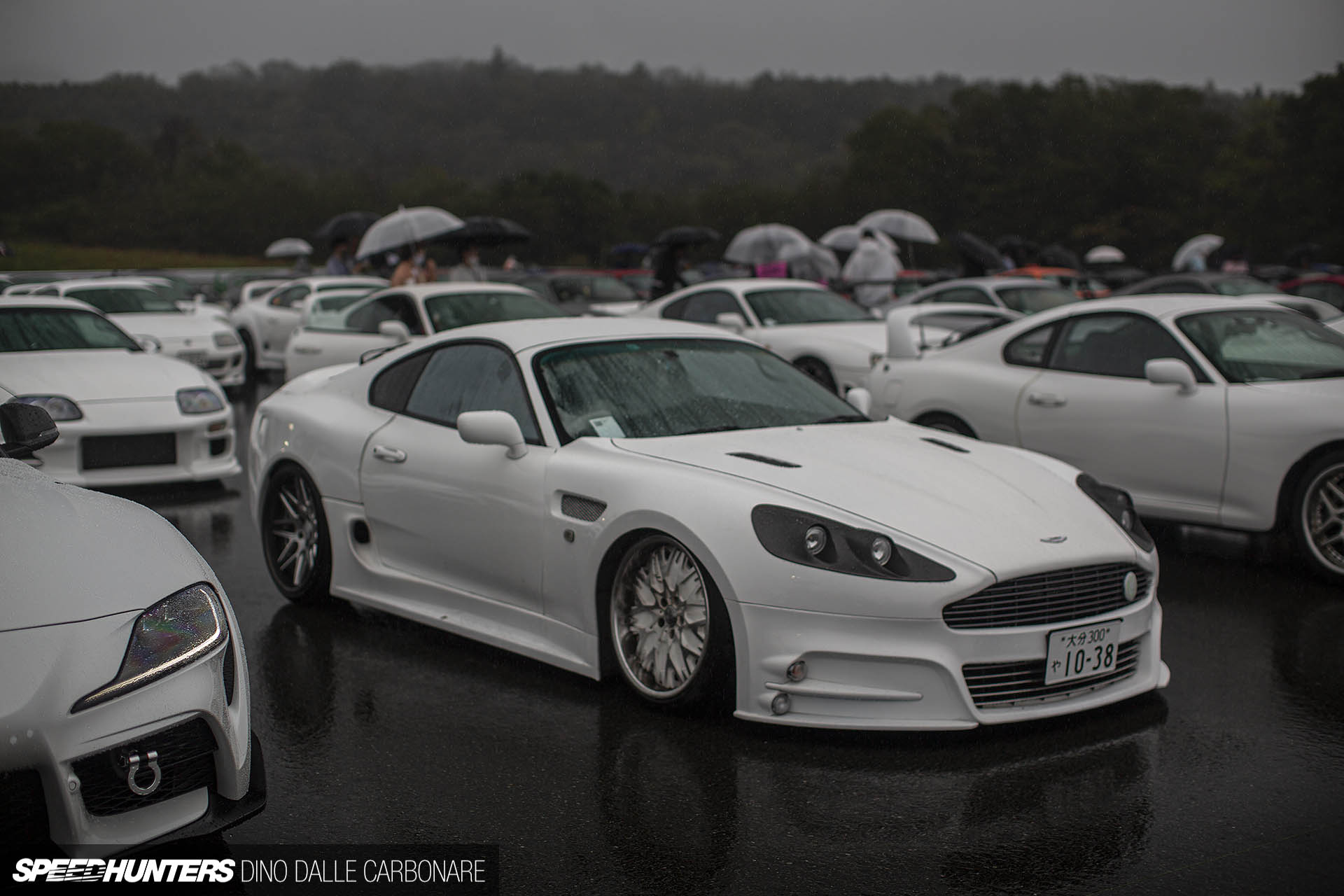


And from the wide-bodies to more track-focused approaches and right down to untouched cars, we end up at the full-on transformations. The A80 Supra has always served as a big blank canvas for tuners, and many have taken truly wild approaches.
The Early Cars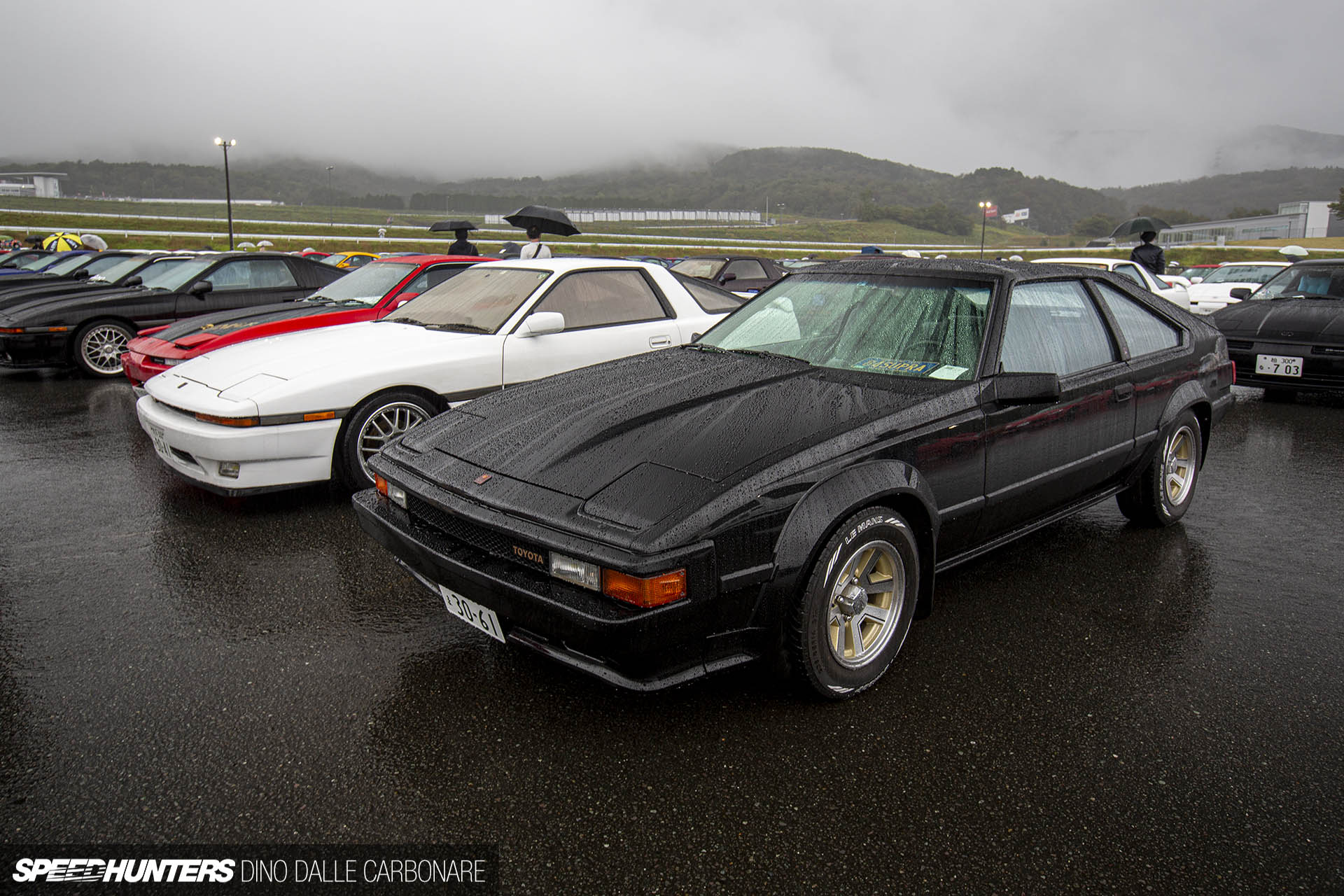
Among the sea of A70s and 80s, there were a couple of much-welcomed late arrivals to visually remind us where the Supra name started.


The black A60 was a USDM car, and it was fun comparing it with its Japanese Celica Supra counterpart. It’s too bad that no A40/50s made it out.


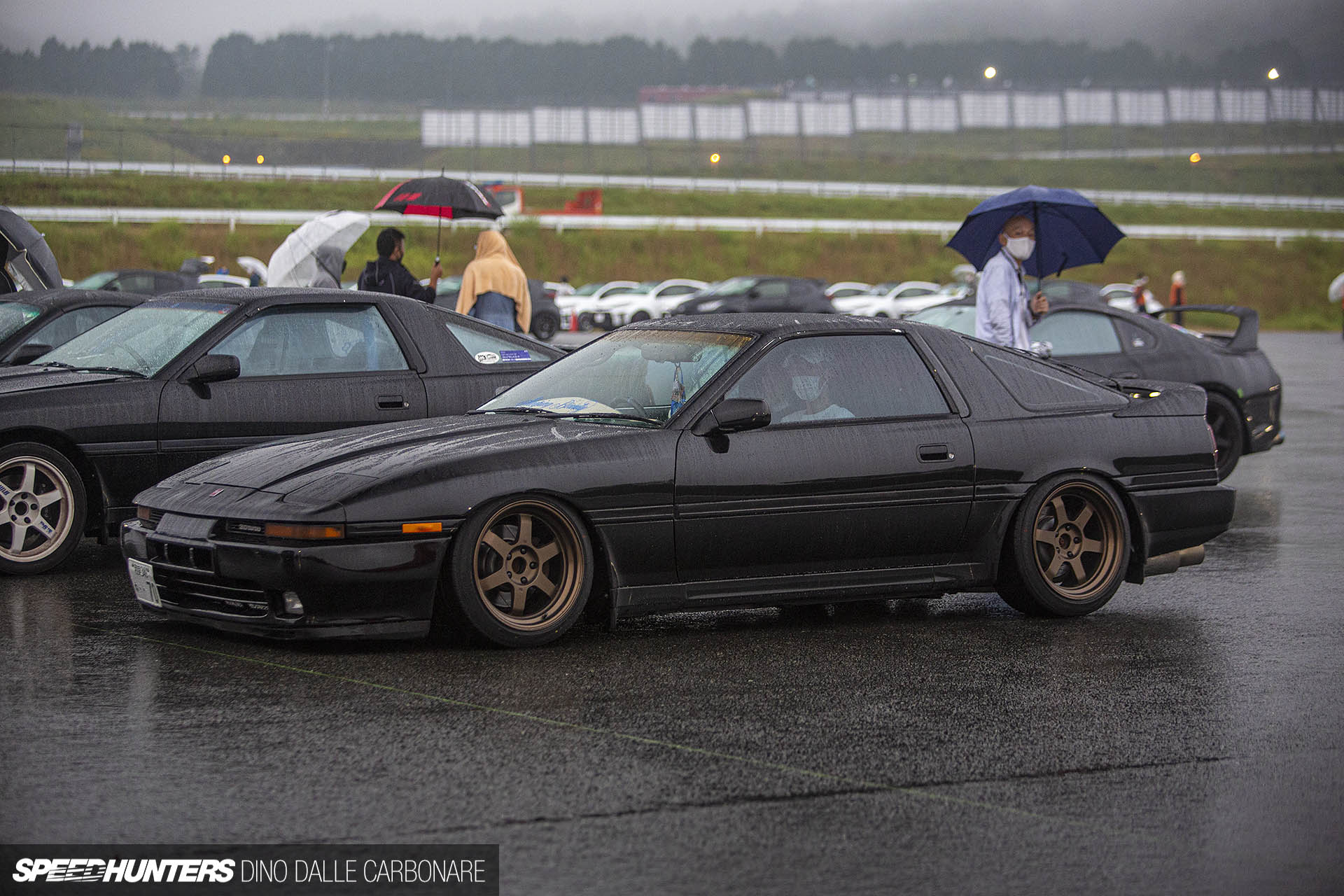
This A70 slammed on RAYS Volk Racing TE37Vs continuously grabbed my attention.
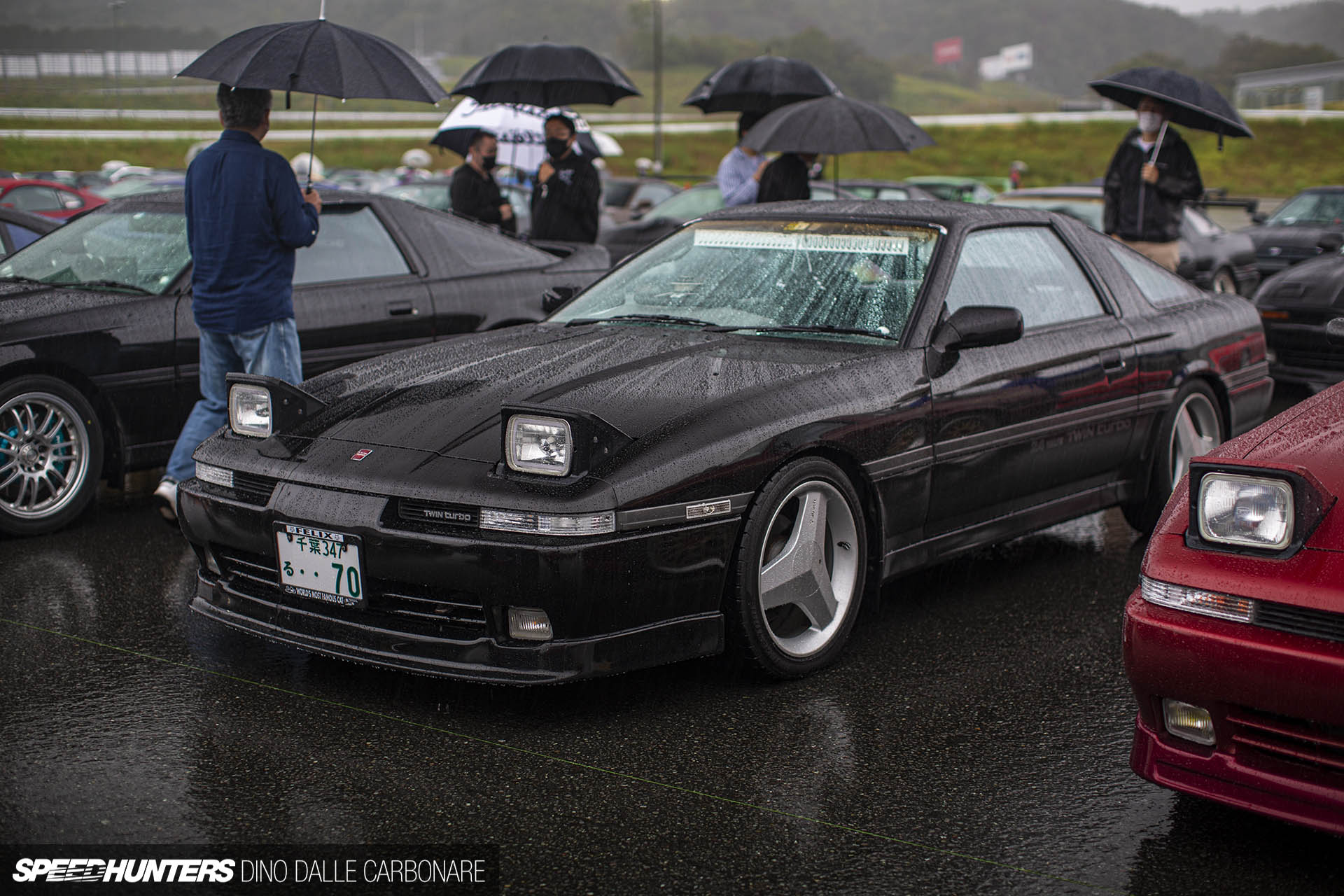


Or if you prefer to keep things period correct, there are a variety of ways to achieve it.
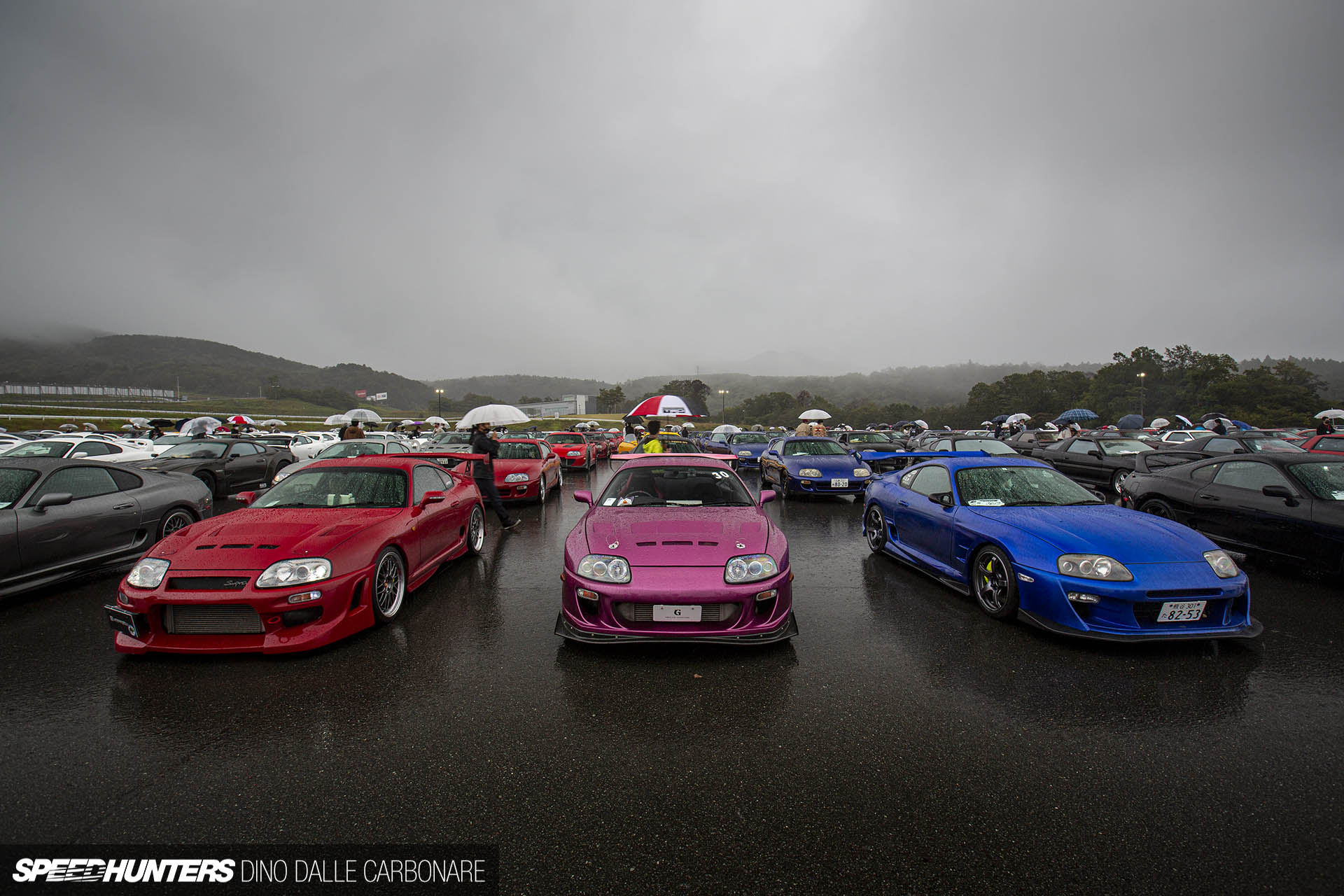
The Supra has certainly gone down in history as one of Toyota’s most tuneable enthusiast cars, and one that’s finally been given the chance to live on with a whole new generation.
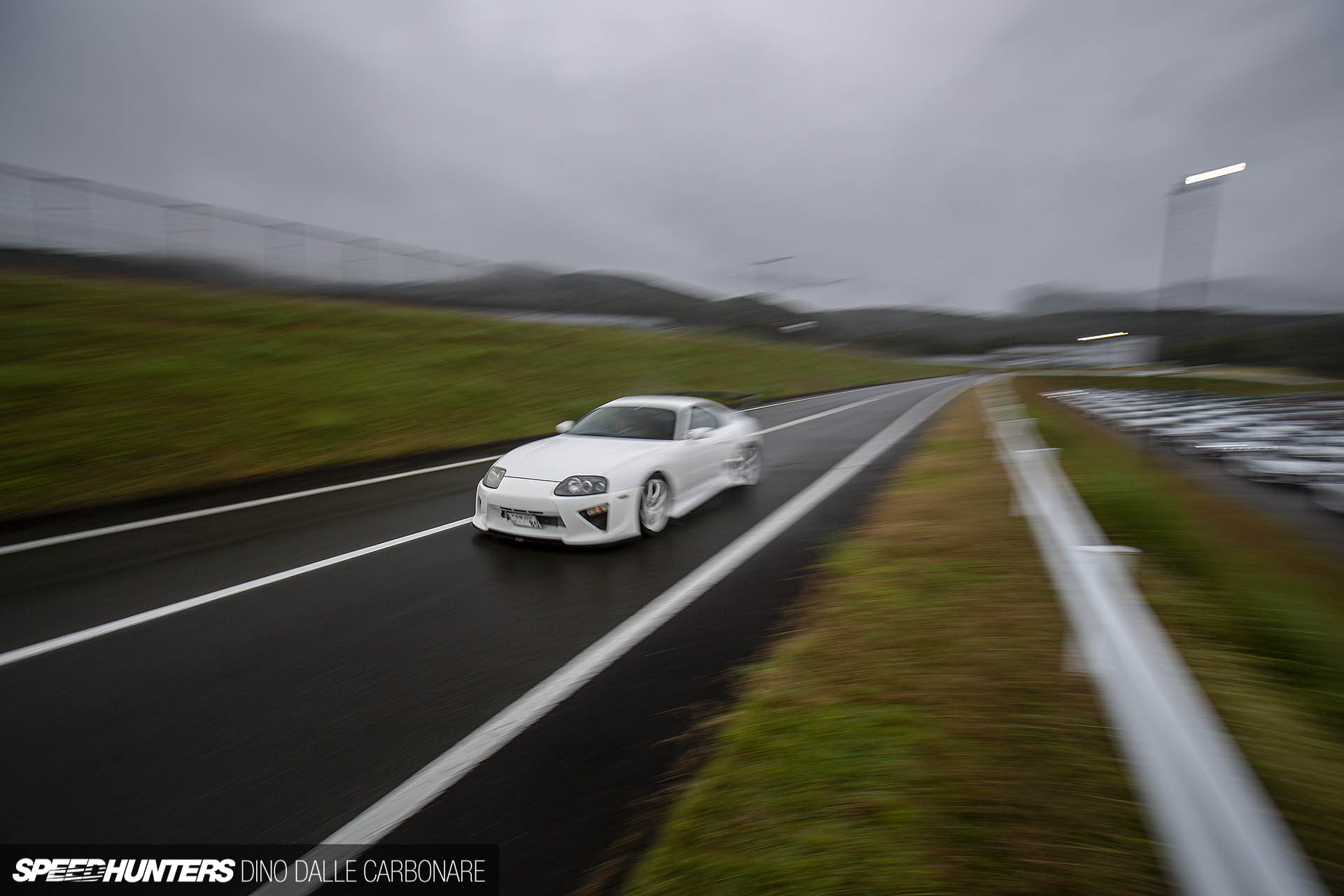
Which is what we’ll look at in detail in the second part of this coverage from the Supra Owners Club 2021 meet at Fuji Speedway. Check back soon for more.
Dino Dalle Carbonare
Instagram: dino_dalle_carbonare
dino@speedhunters.com