It’s been a pretty wild, if not unusual ride covering the SEMA Show remotely this year.
I previously explained why I’ve been reporting on the event from the guts of 8,000km away. It’s not how we would typically cover these major automotive events, and hopefully normal service will resume in the very near future.
In the meantime, I’ve been trying to consume as much media from the event as possible in order to get a better understanding of what’s potentially coming down the road for us as enthusiasts.
This is sort of the point of any of these large-scale trade events. It’s both for companies to share their vision for the next big thing, and also for them to gain vital feedback from consumers. It’s a give-and-take situation which helps to keep the wheels turning.
While things have always been done a certain way in the decades since the aftermarket really established a foothold, we are on the cusp of revolution from both an OEM and aftermarket perspective.
It’s important that we engage with this process, as opposed to casually dismissing it.
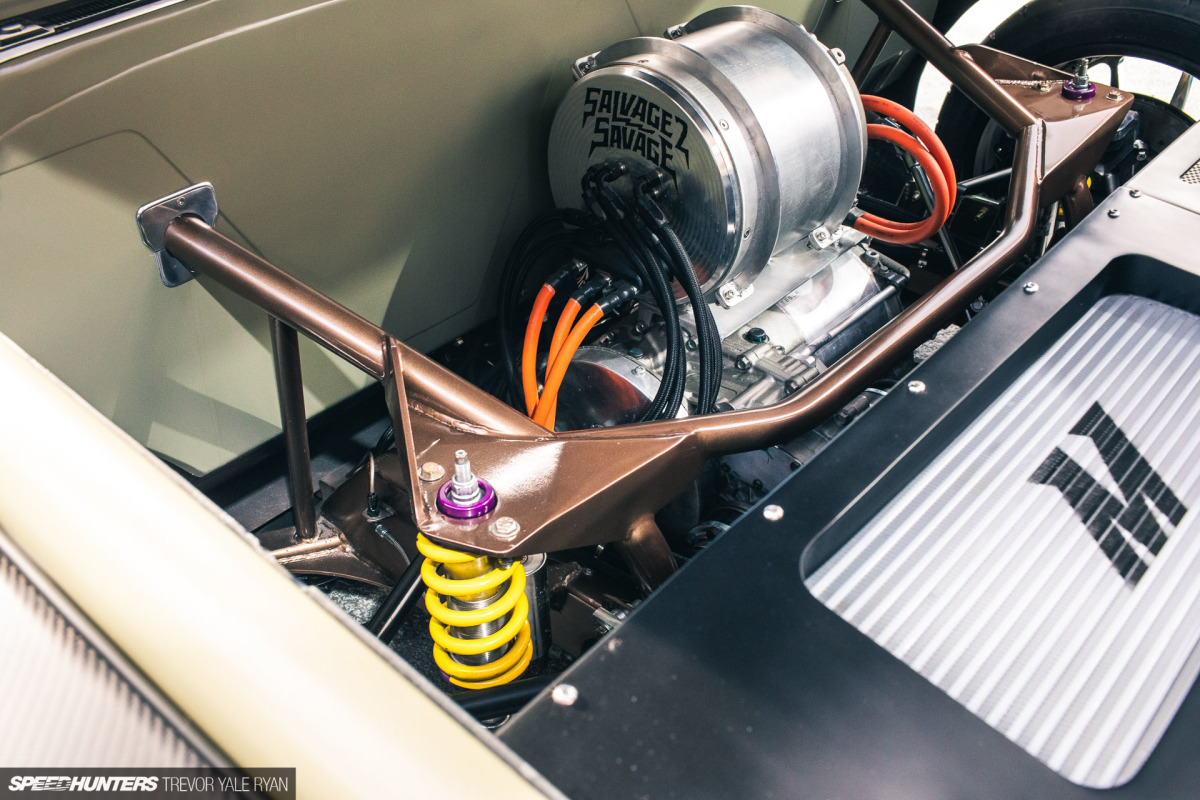
Naturally, I’m talking about electrification. While this wasn’t the first year all-electric vehicles have been presented at SEMA, I do feel like it marked a turning point. Not just from the presence of modified electric vehicles themselves, but that outright conversions and off-the-shelf electric crate motors are becoming more and more popular.
This isn’t a story about electric vehicles per se, although they will feature while I try to figure out my own thoughts on them.
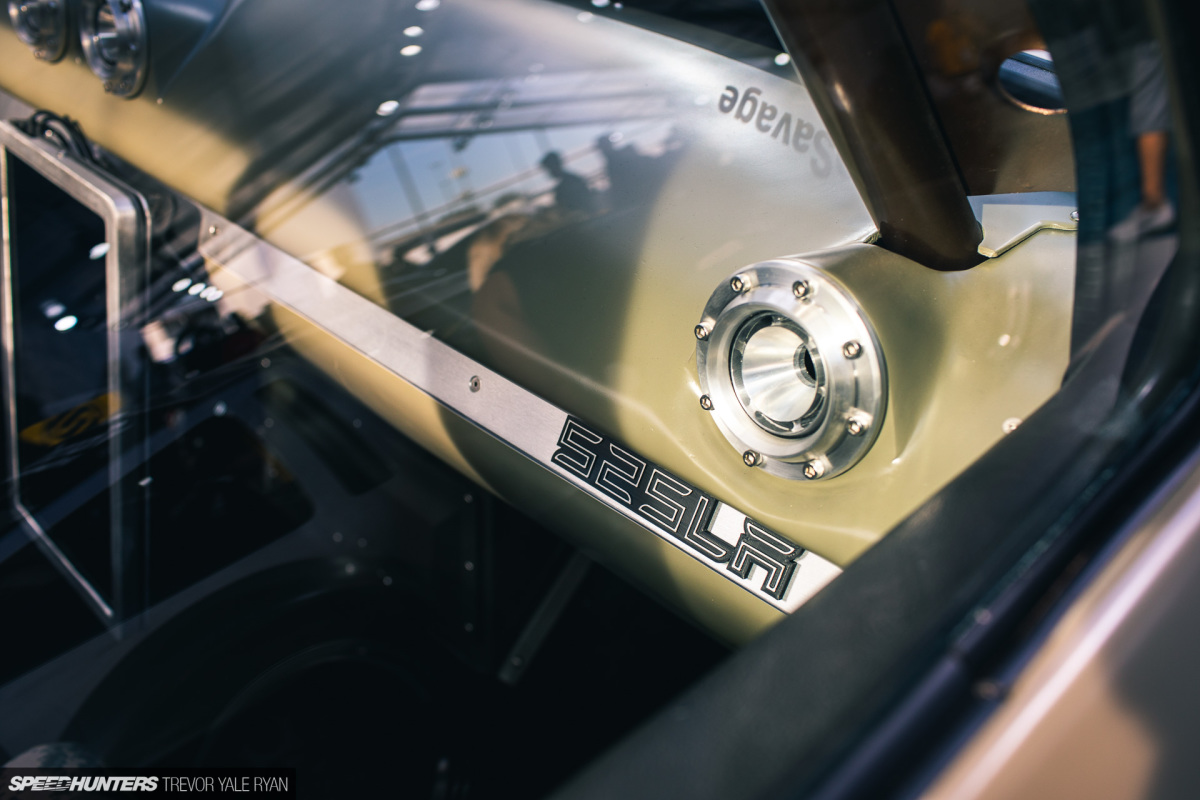
Here’s where I currently stand on things: I currently don’t think electric vehicles are perfect by any means. Similarly, I don’t think traditional internal combustion engines are perfect either.
From the limited reading I’ve done on the subject, I don’t think hydrogen or e-fuels will be a viable solution in the long run (the energy involved in creating the former and the almost guaranteed prohibitive cost of the latter being just some reasons), which is why I’m willing to give electric vehicles the time required to develop.
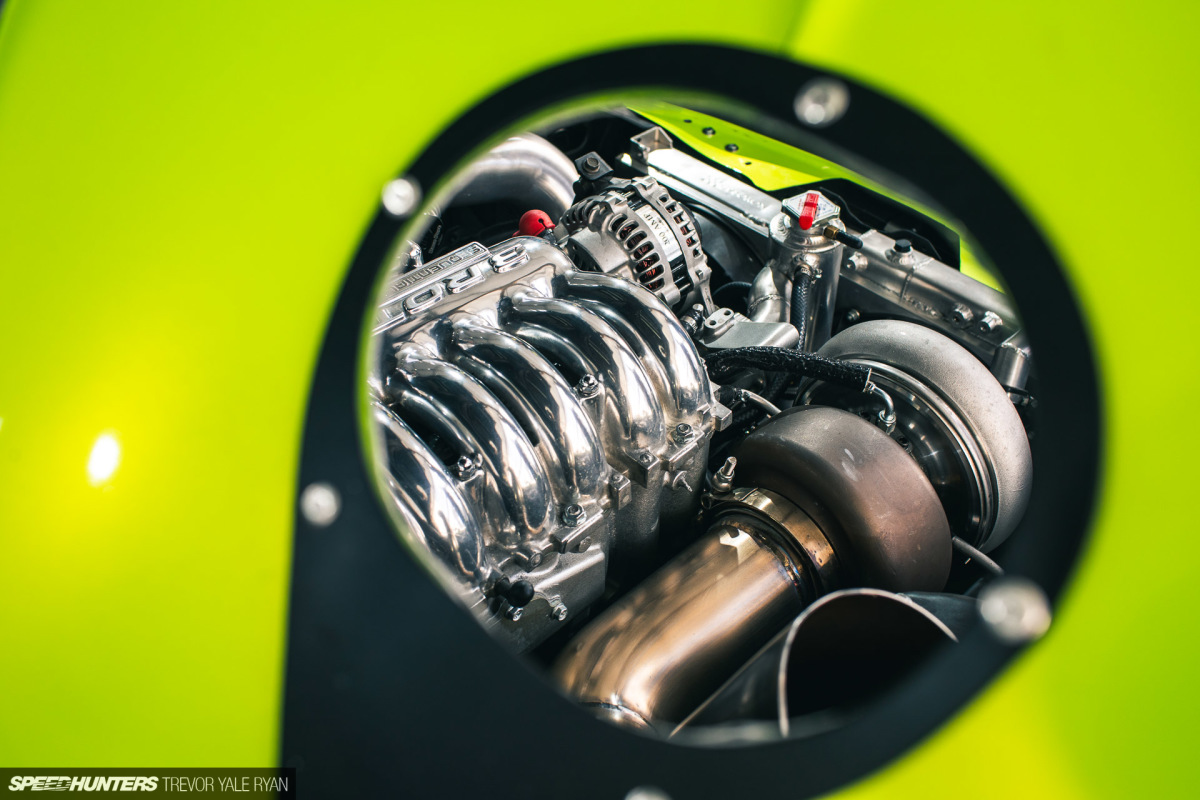
I also think that there’s more to cars than just their powertrains, although I’m happy to concede that there are some pretty damn special ones out there.
For me, the most special part of any car is how it feels from behind the wheel. If it drives really nice and happens to be fast, I’m onboard regardless of the energy source.
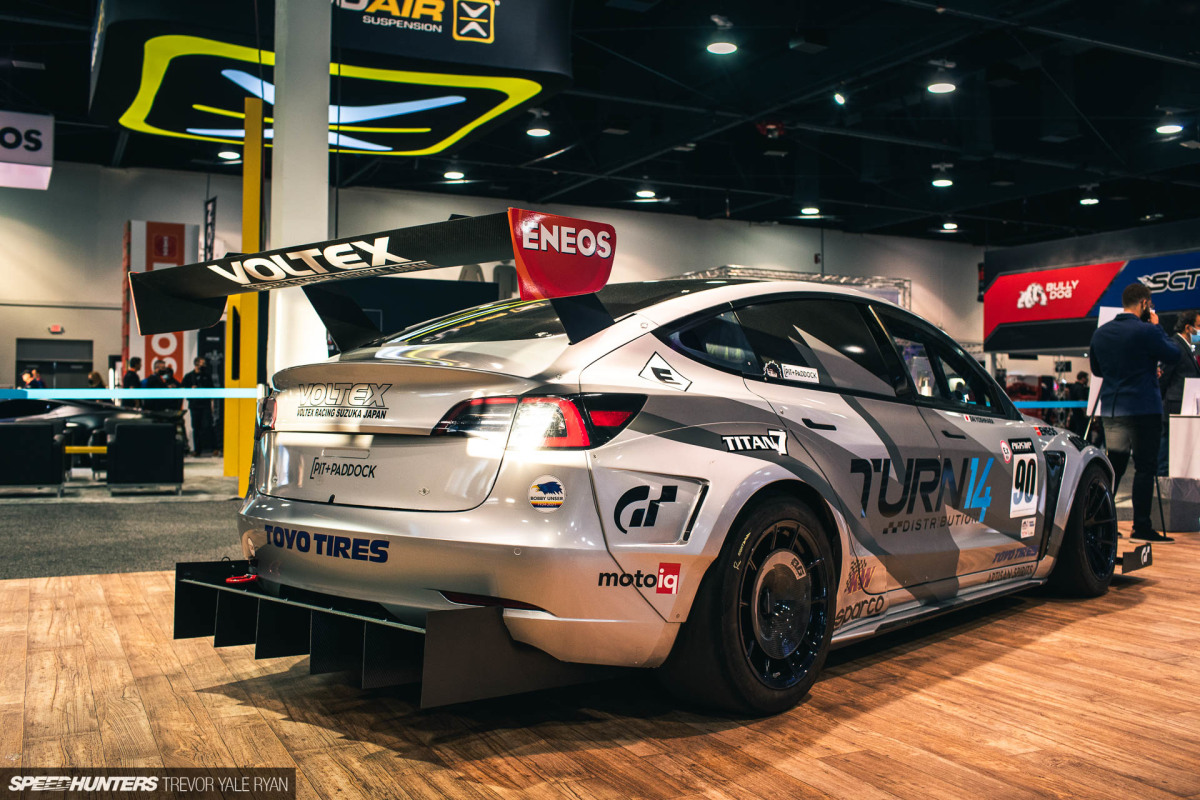
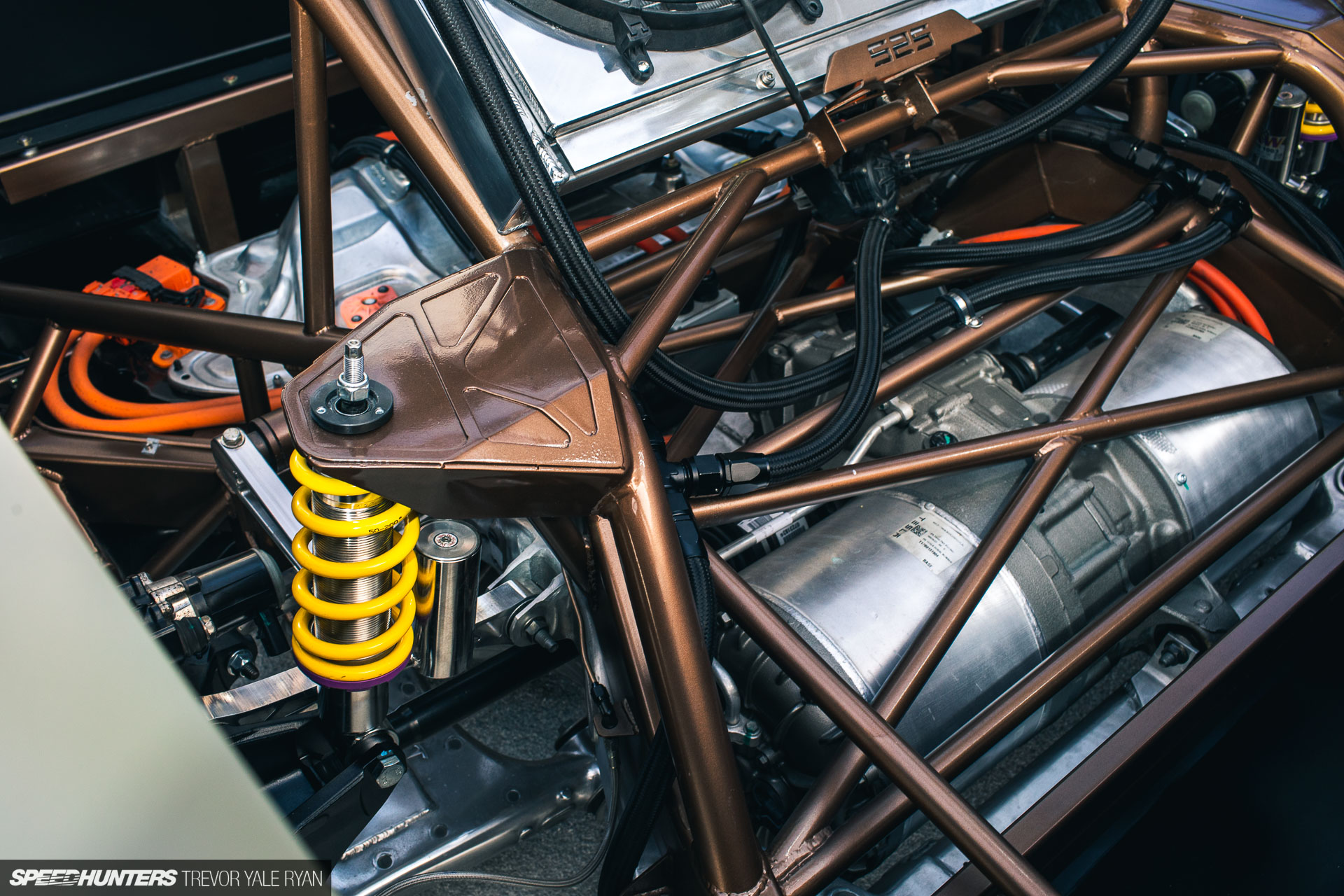
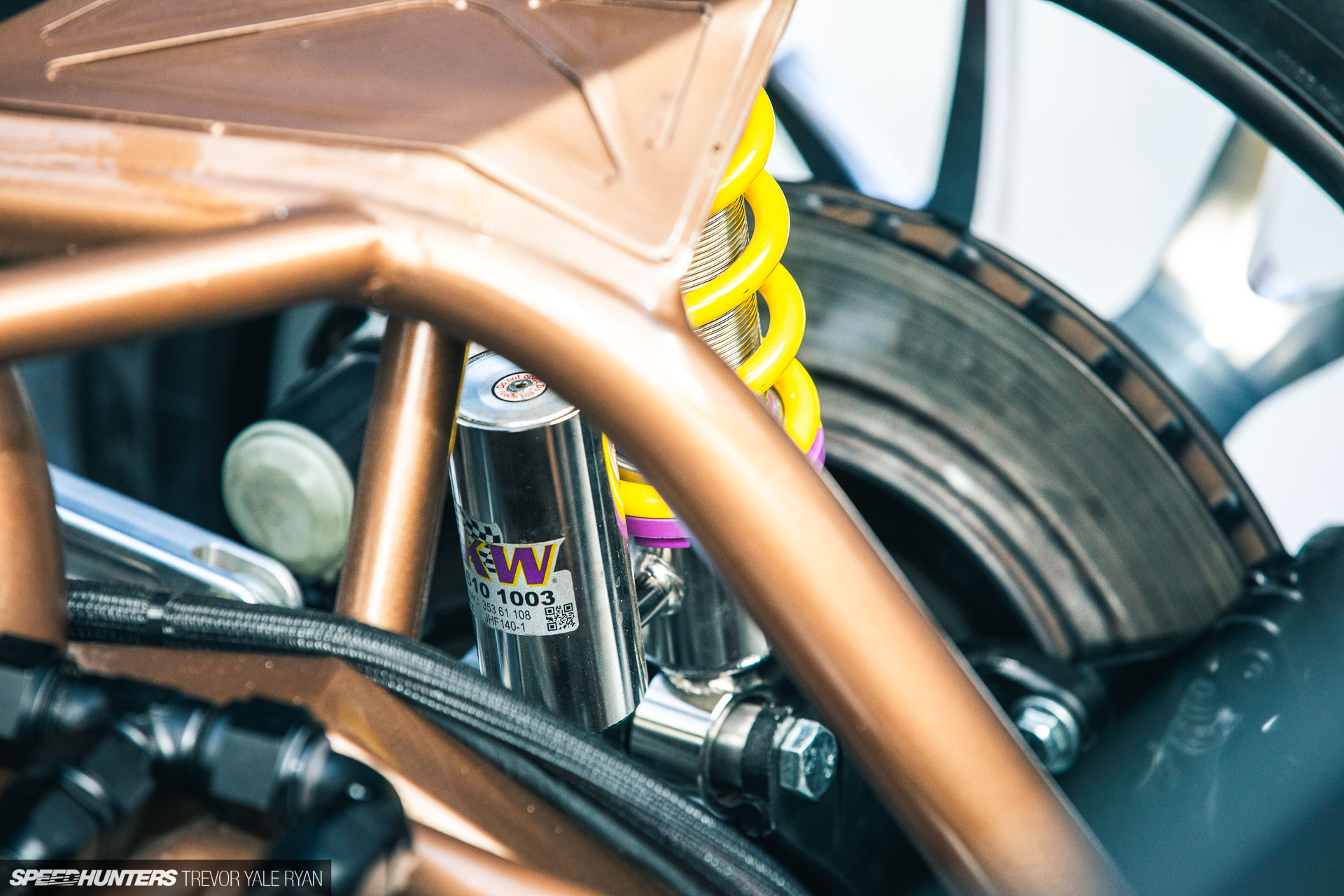
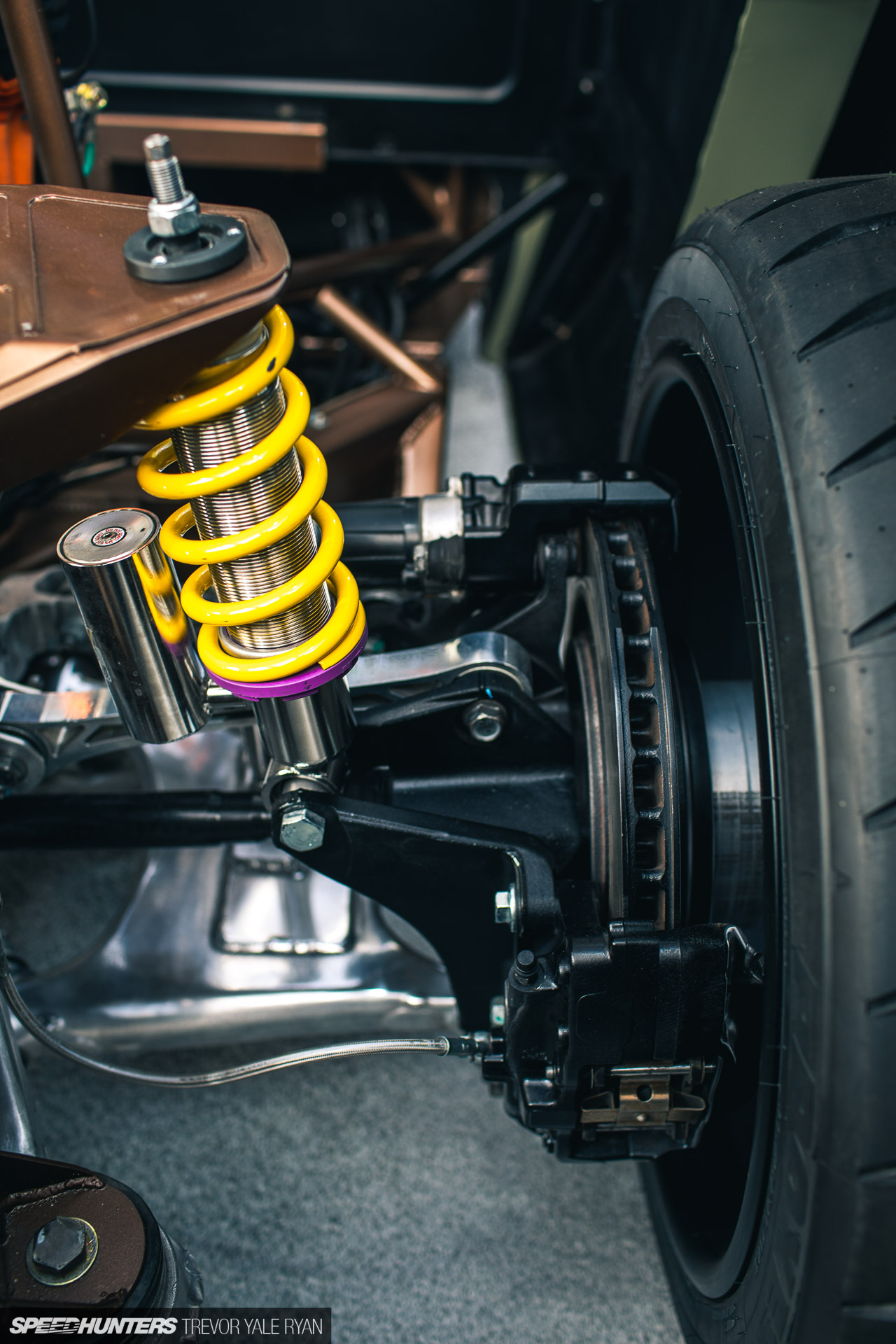
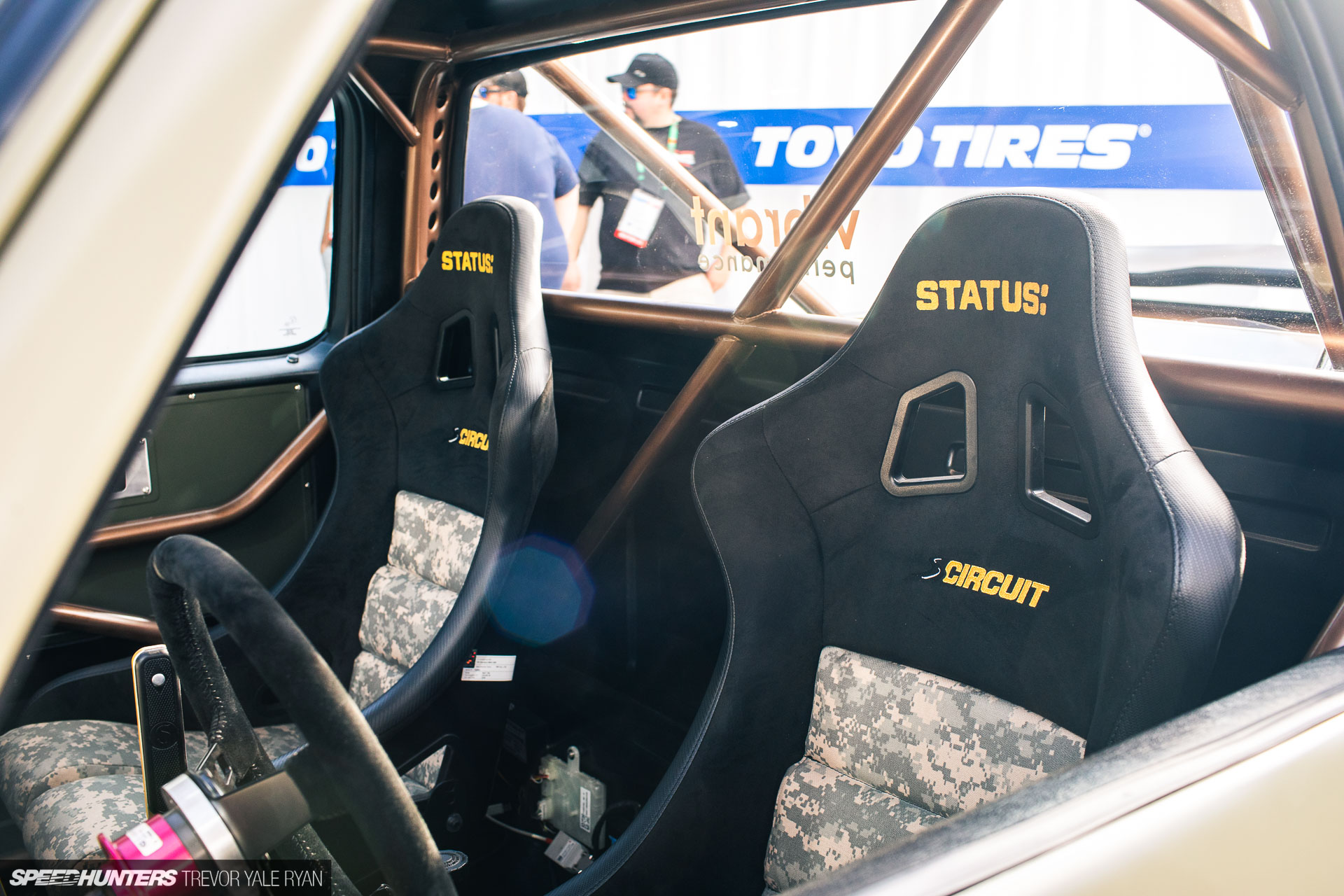
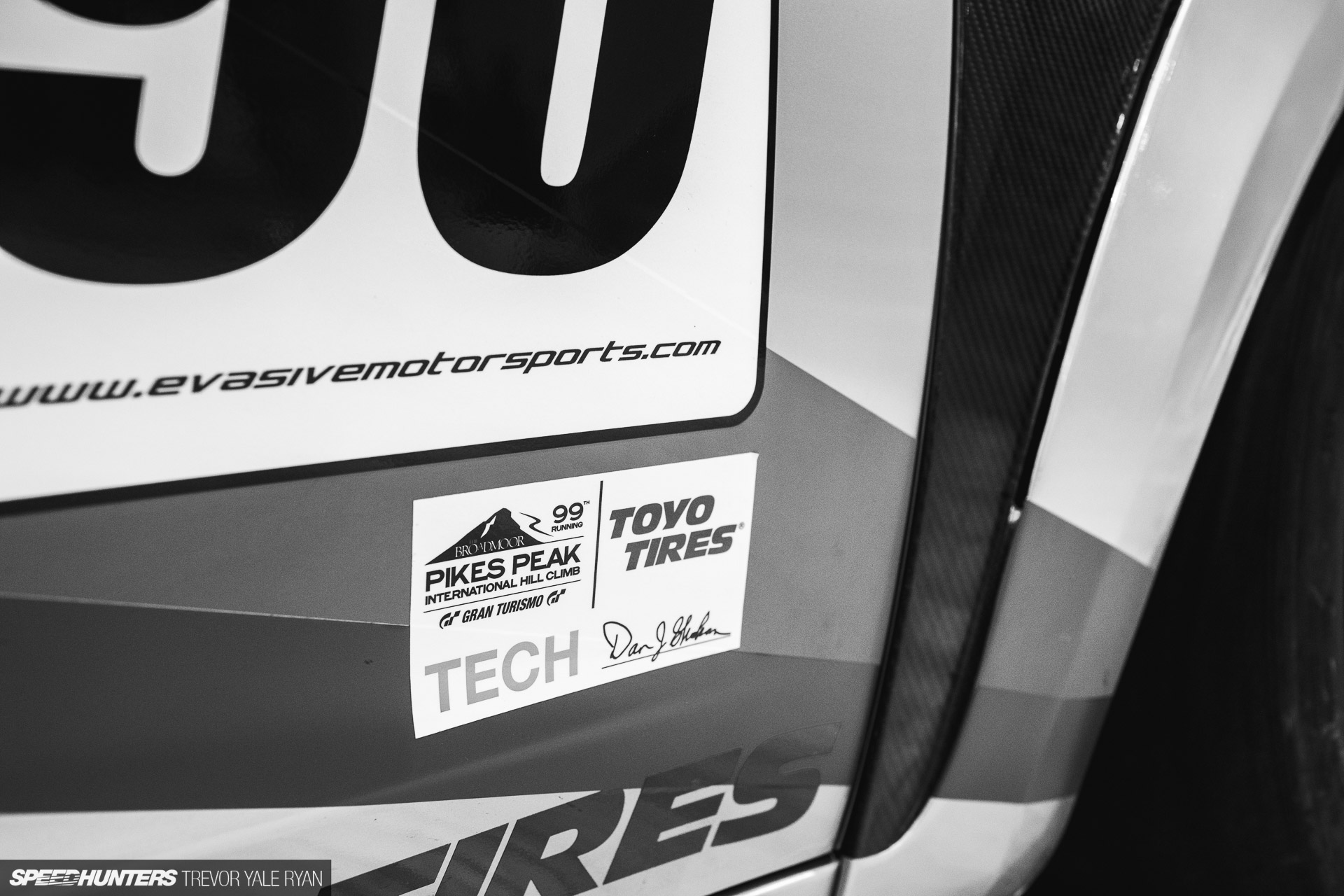
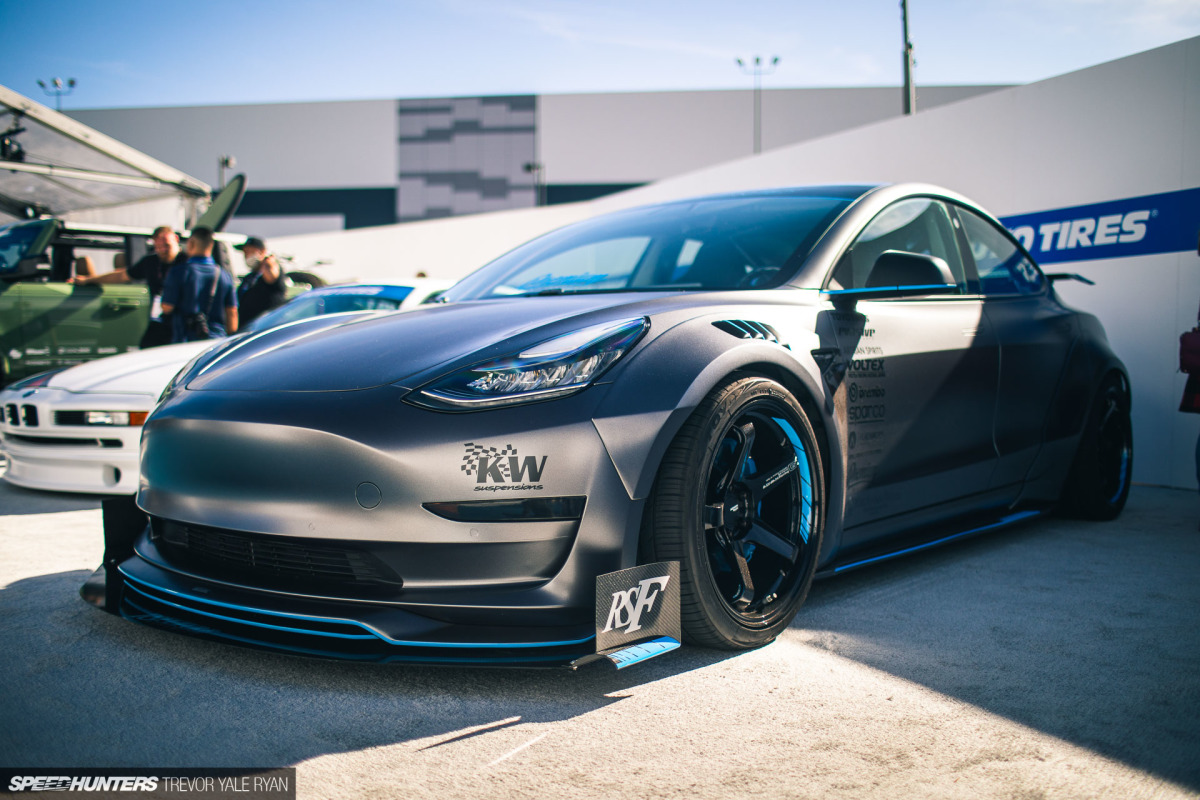
At the end of the day, fast is fast, which is why I feel like the Evasive Motorsports Pikes Peak Tesla Model 3 is a pretty good place to start a look at the best KW suspension-equipped cars from SEMA 2021.
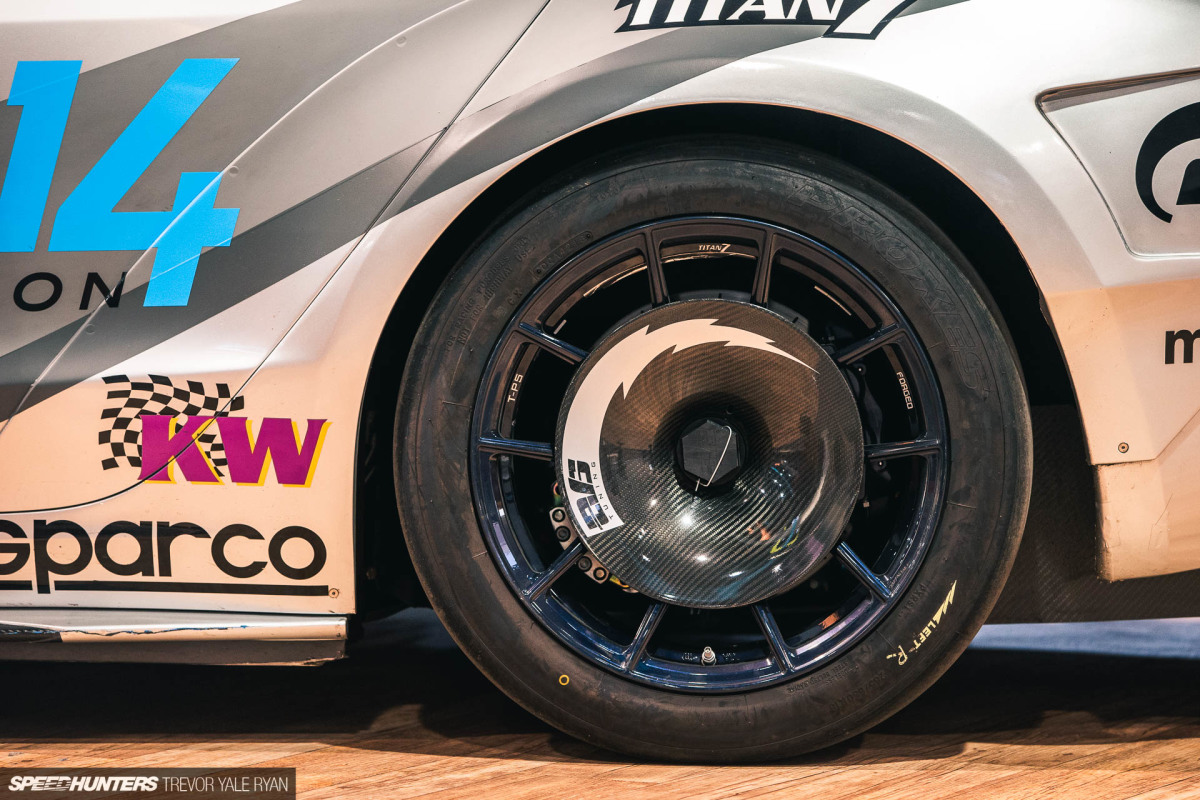
This is one of the first all-electric race vehicles that has really caught my attention.
Naturally, being an EV makes it perfectly suited for racing at altitude. There’s no power loss for electric motors when compared to their internal combustion relatives when racing above the clouds. The thinner air might affect aerodynamic performance, but it has no effect on the efficiency of the powertrain.

While it differs in one obvious way to its ICE rivals, it’s more alike than you might realise. Both ICE and EV race cars need to be suspended; they need to turn and they need to stop. While the EV has the disadvantage of carrying the weight of its battery packs, the placement of these batteries along the lowest point of the vehicle negates this to some degree.
There’s little weight of any significance above the hubs in an EV.
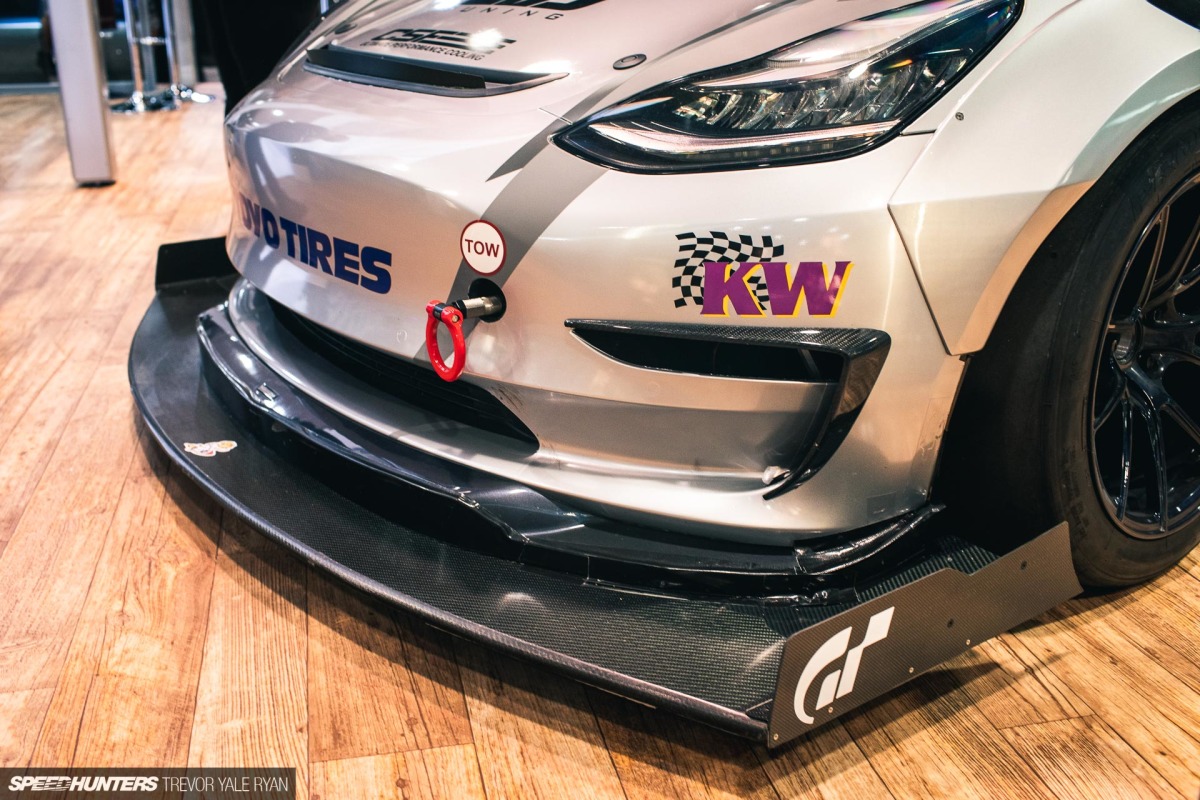
KW provided a custom Competition 3-way coilover solution for this project taking these factors into account. When matched with a functional aero package (courtesy of Voltex and Artisan Spirits) and a hefty cull of excess weight (carbon fibre doors with Lexan windows, carbon roof, carbon rear windshield and a carbon rear trunk lid) the car becomes competitive.
While Evasive’s Tesla did suffer from some gremlins at the 2021 PPIHC, another Model 3 driven by Randy Pobst won its class beating out multiple ICE rivals. It’s still early days in the overall lifetime of EVs in competitive motorsport, but I’m sure we can expect more as the years roll on.
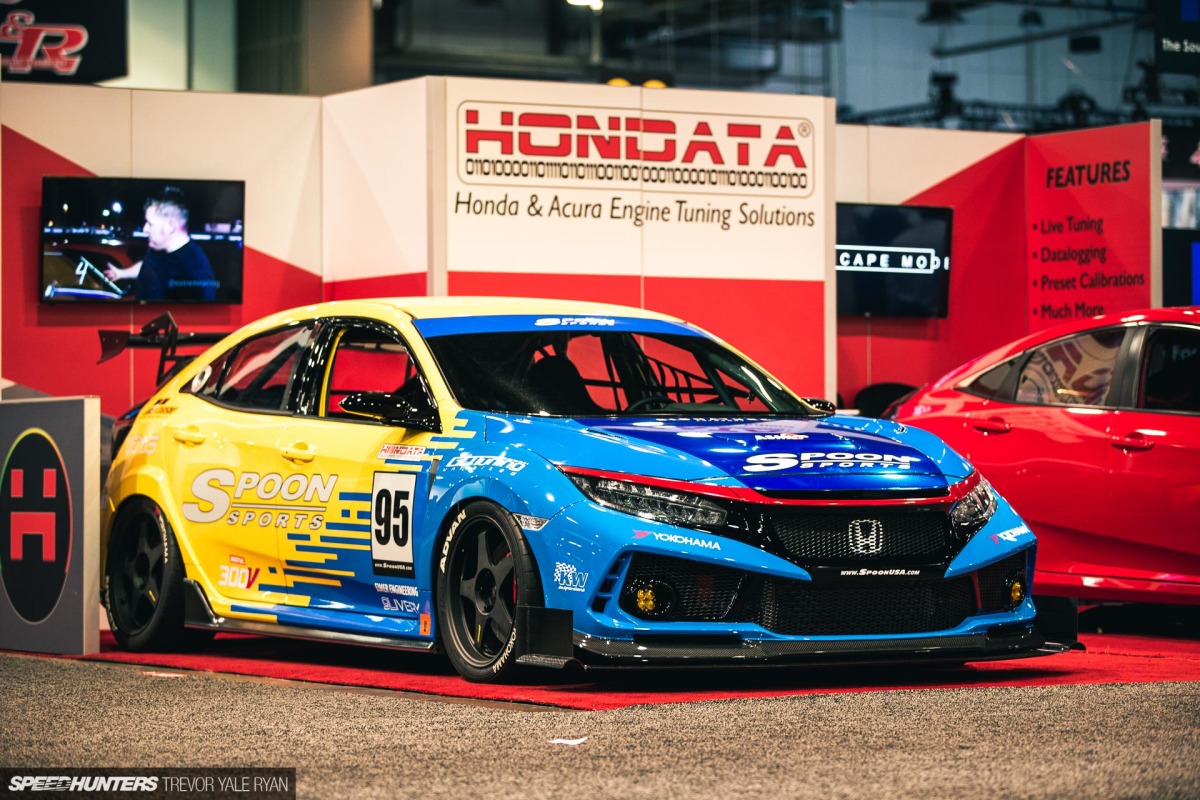
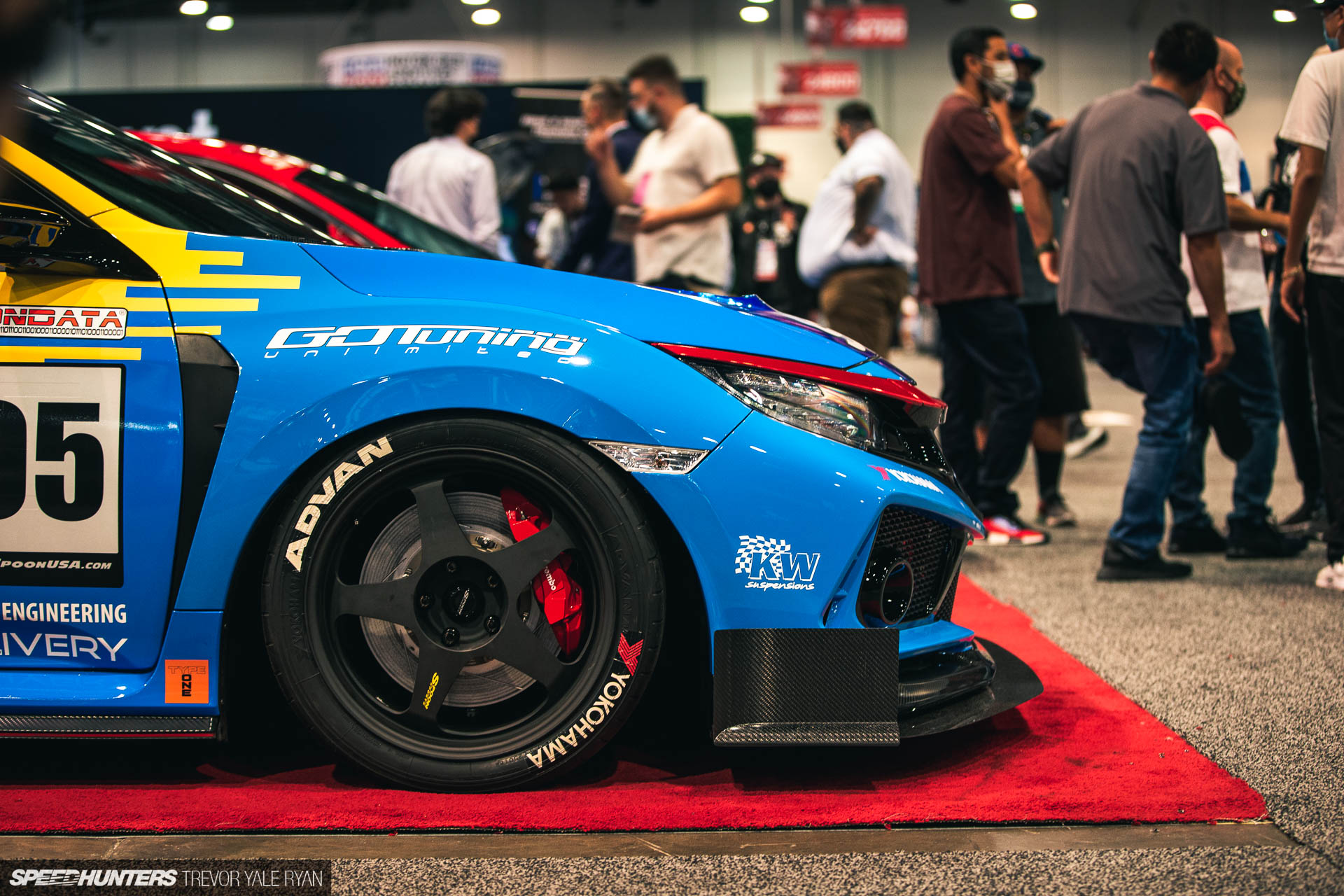
For the time being, we still have plenty of ICE vehicles to keep you interested. On the Hondata stand was Spoon Sports USA’s recently-completed FK8 Honda Civic Type R, also piloted by Dai Yoshihara.
The car has been built for the upcoming 25 Hours of Thunderhill endurance race, and has had input from Ichishima-San of Spoon Sports in Japan.
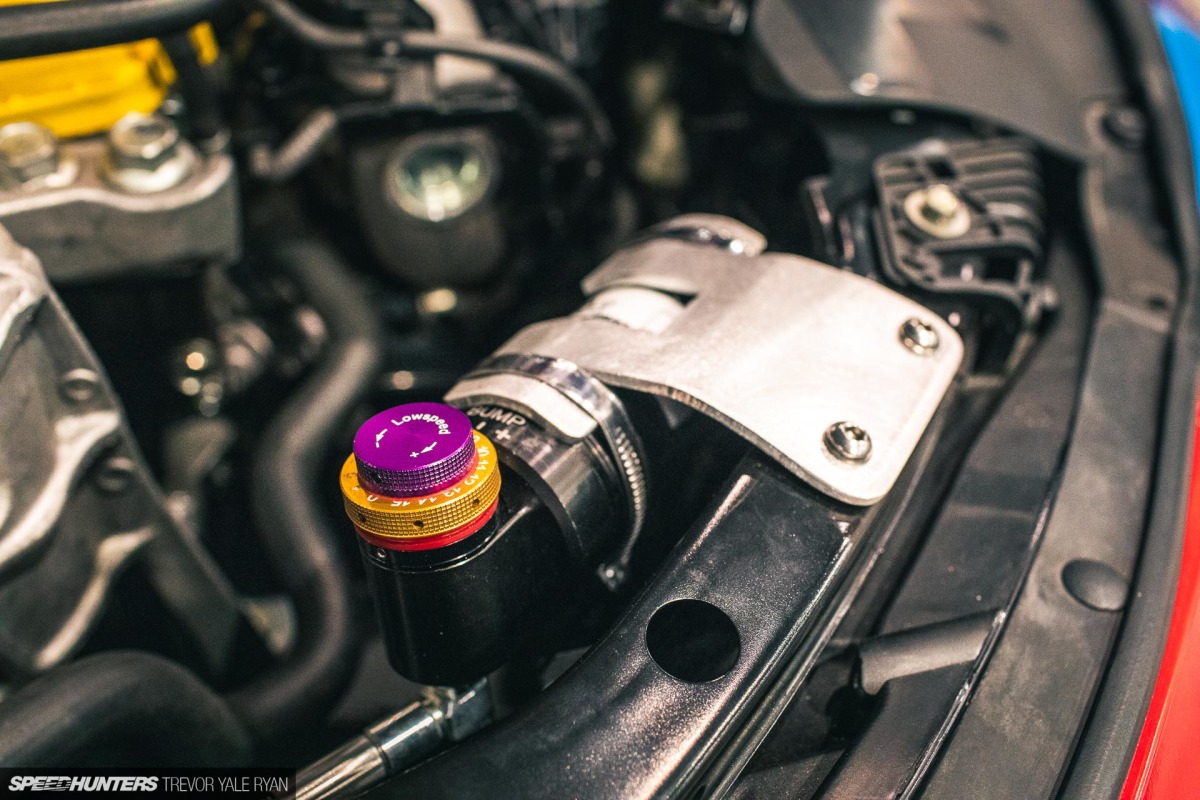
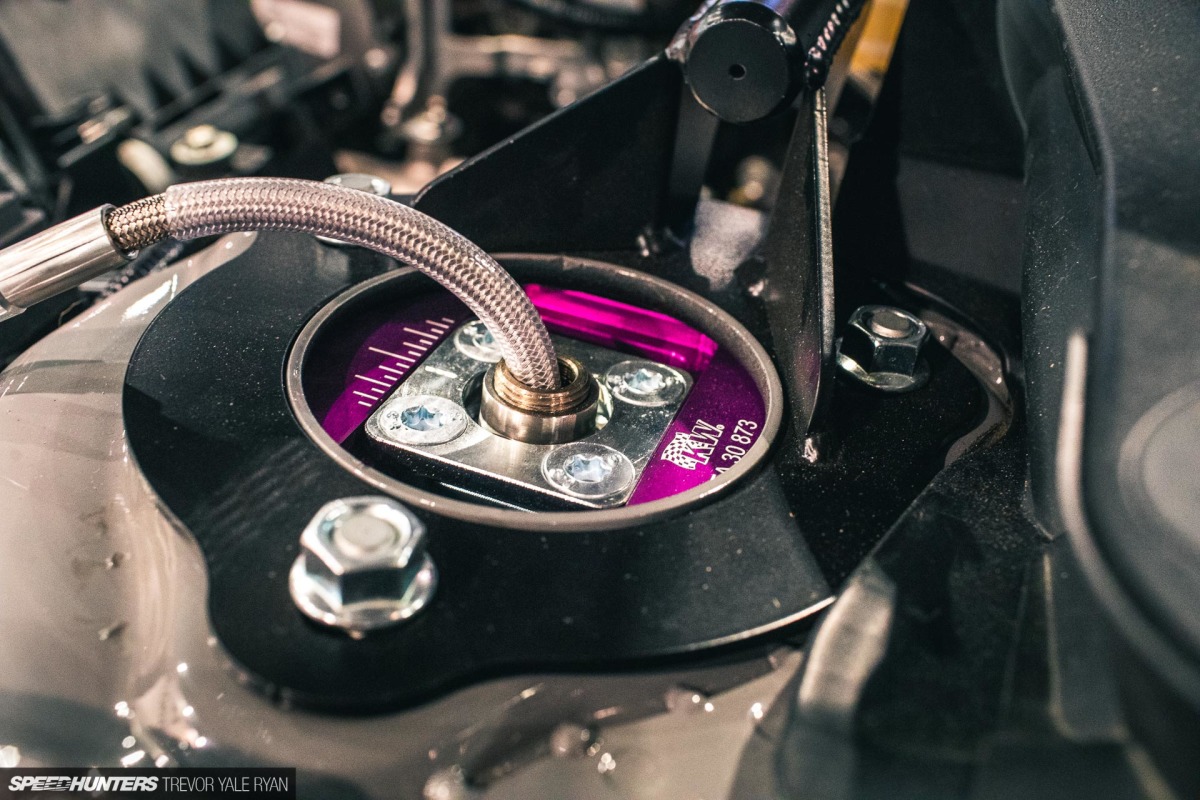
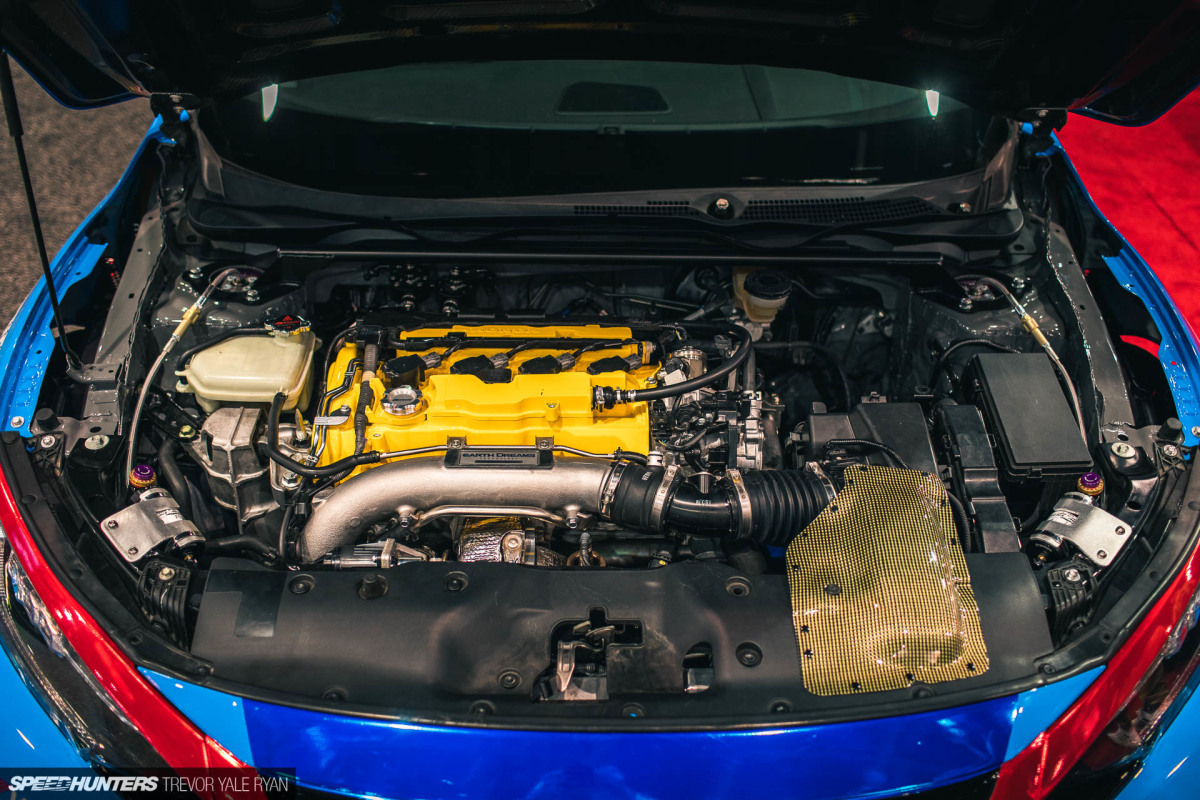
The K20C1 appears to have been retained, although I don’t expect it to be stock. Neither do I expect it to be heavily tuned, as longevity will almost certainly be the goal for its endurance racing appearance.
While trawling the web for more information on this car, I did come across a comment as to why Spoon Sports USA didn’t just buy a TCR-spec Honda Civic Type R and go from there. The response, and I am paraphrasing here, is that you don’t learn anything by buying a race car off the shelf.
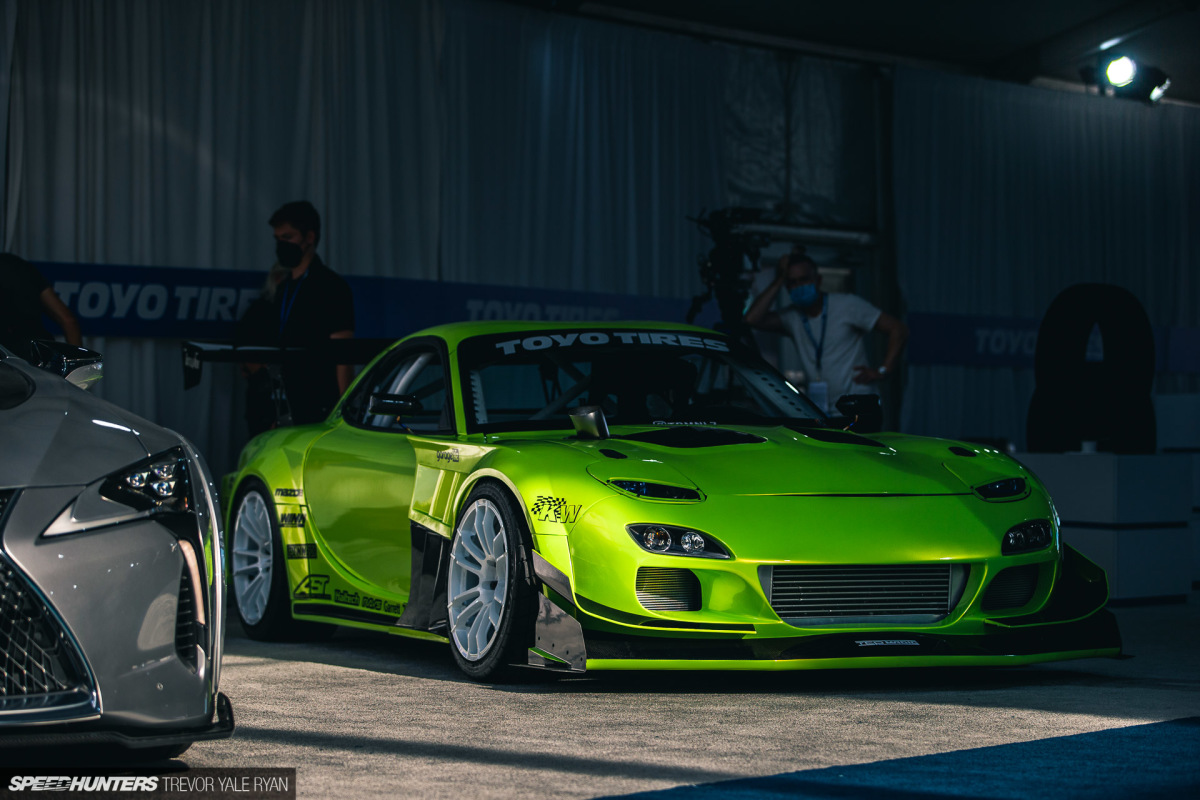
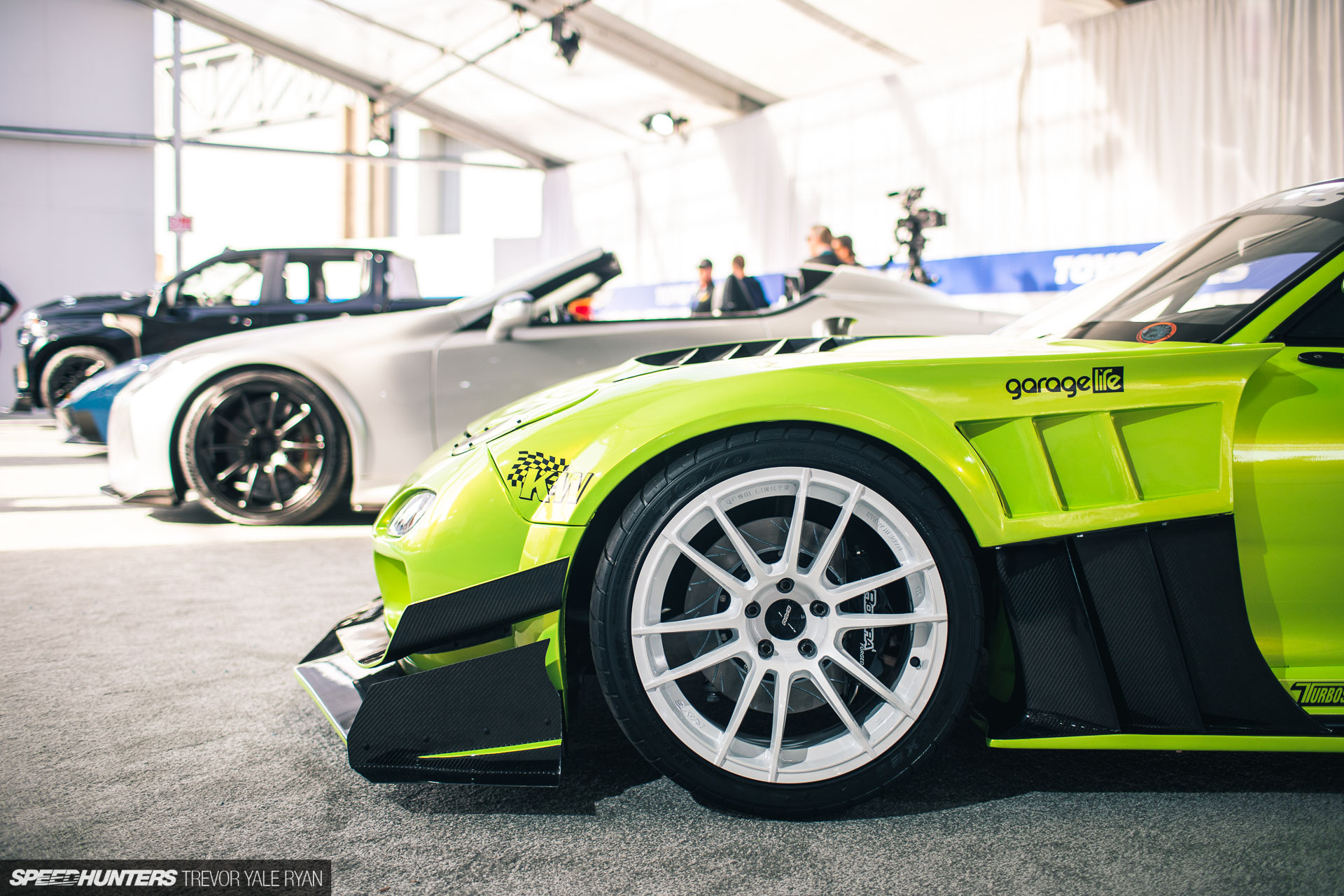
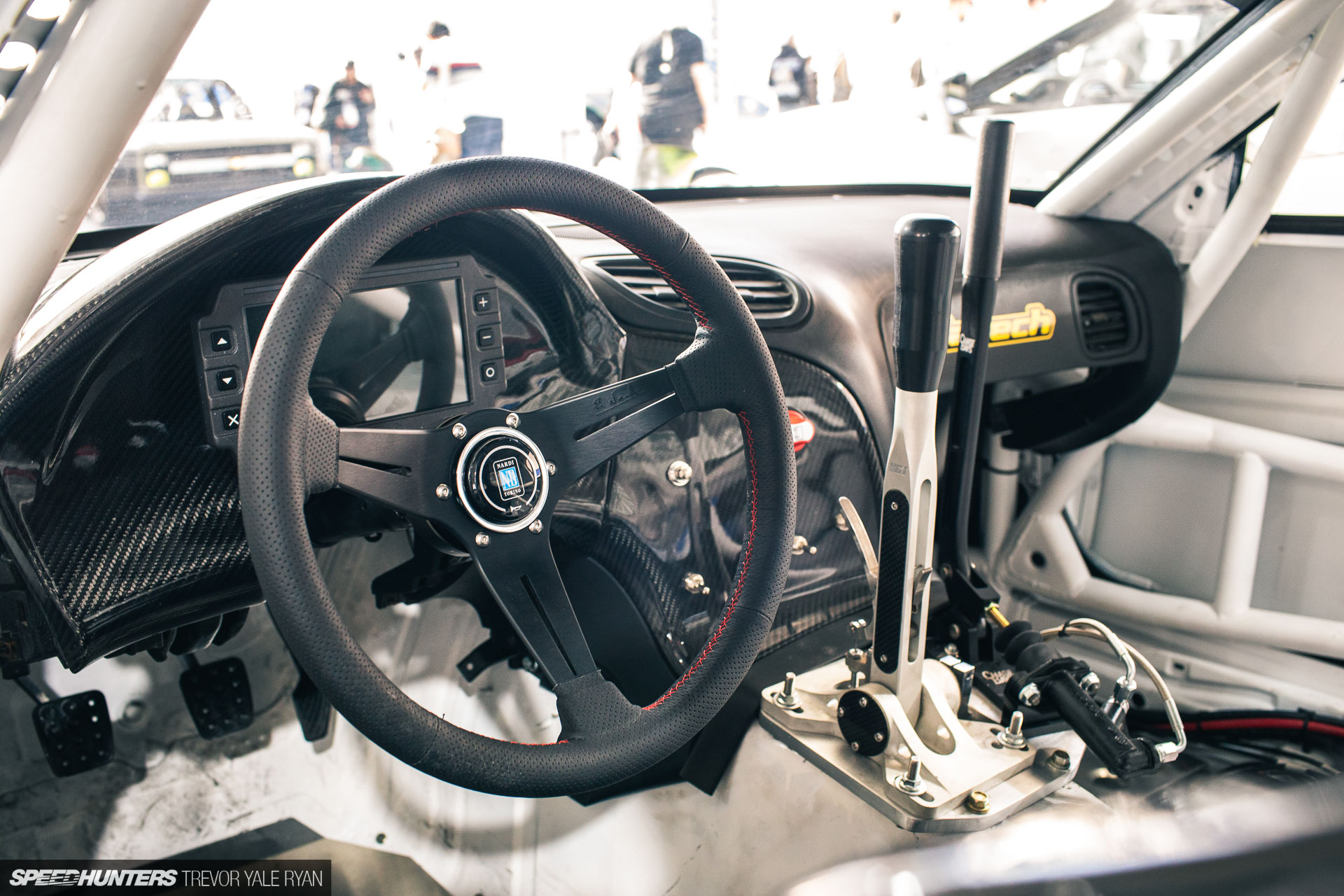
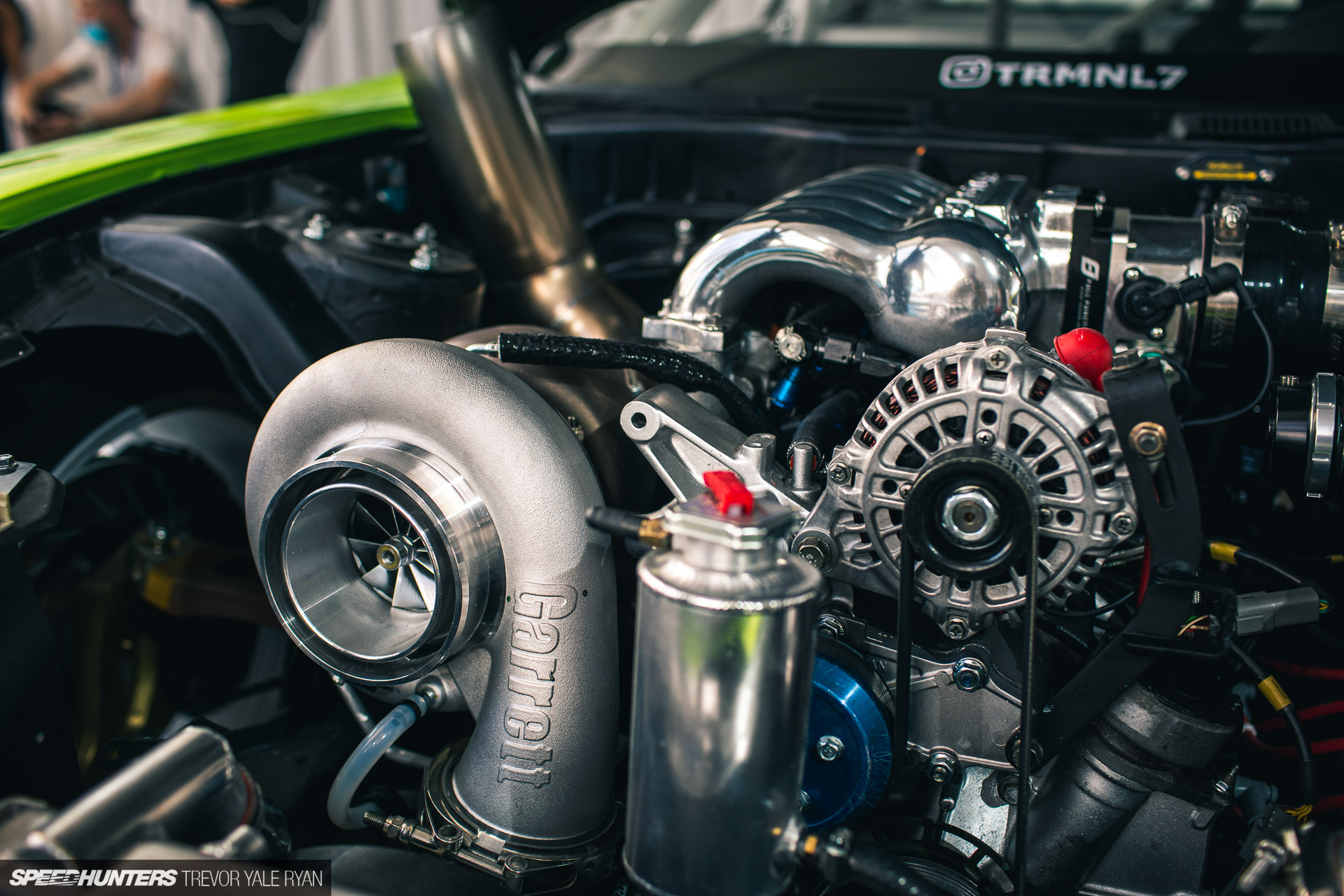
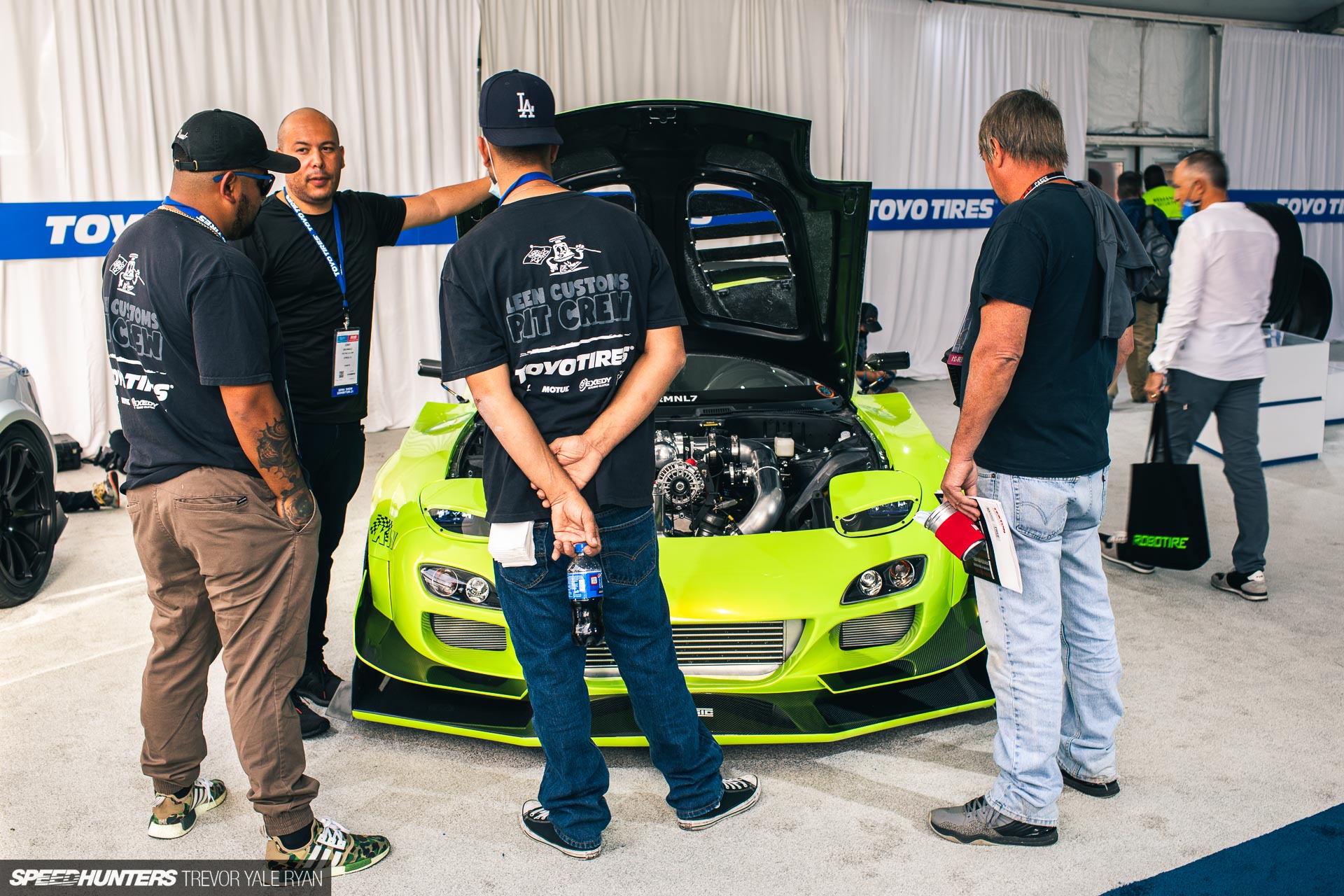
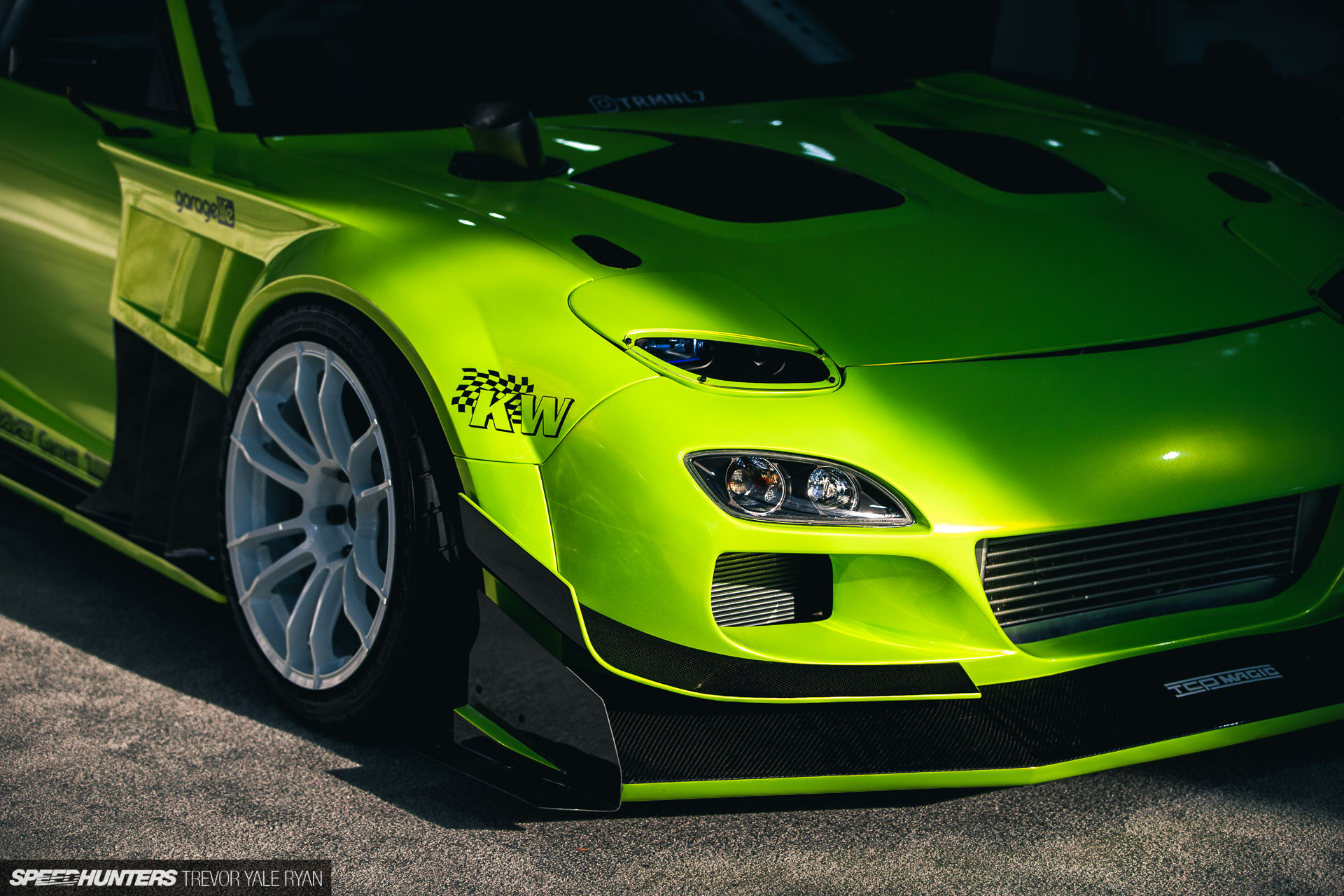
While Jonny Grunwald‘s 1,000whp triple-rotor RX-7 was briefly covered in our first Toyo Treadpass story, I figured it’s worth looking at again from a suspension point of view.
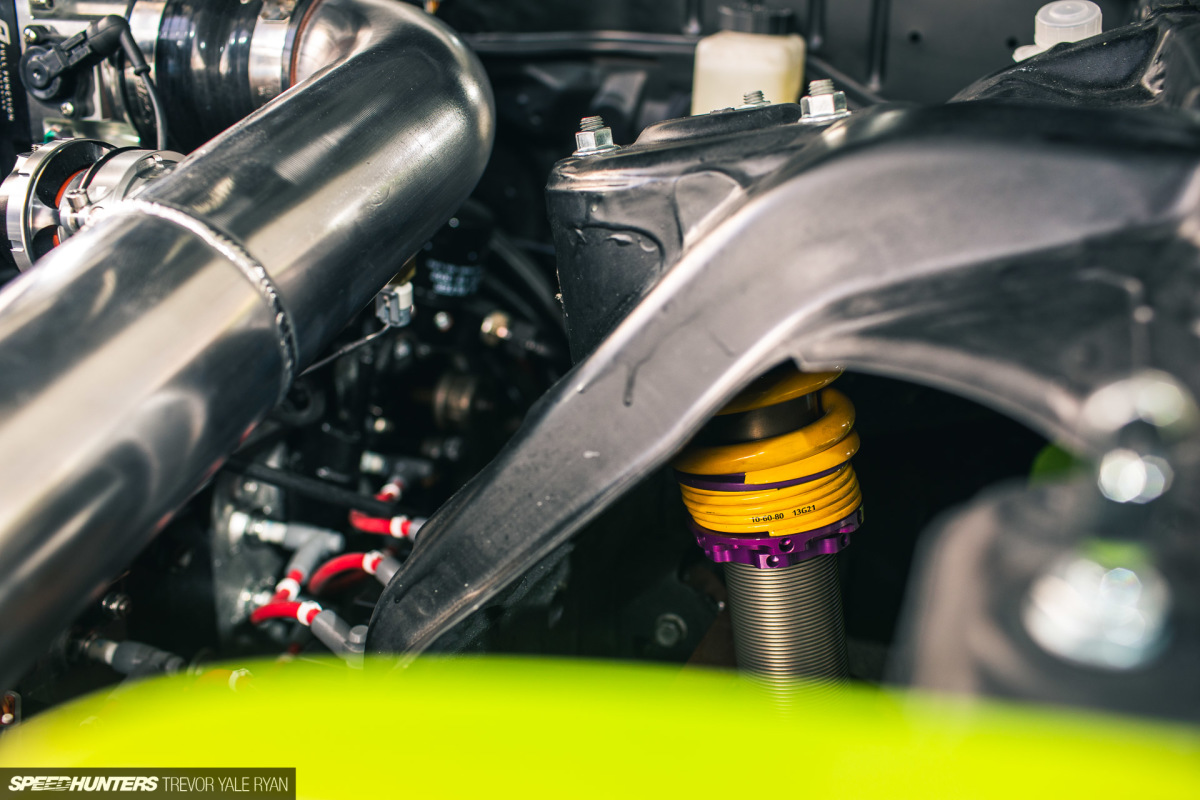
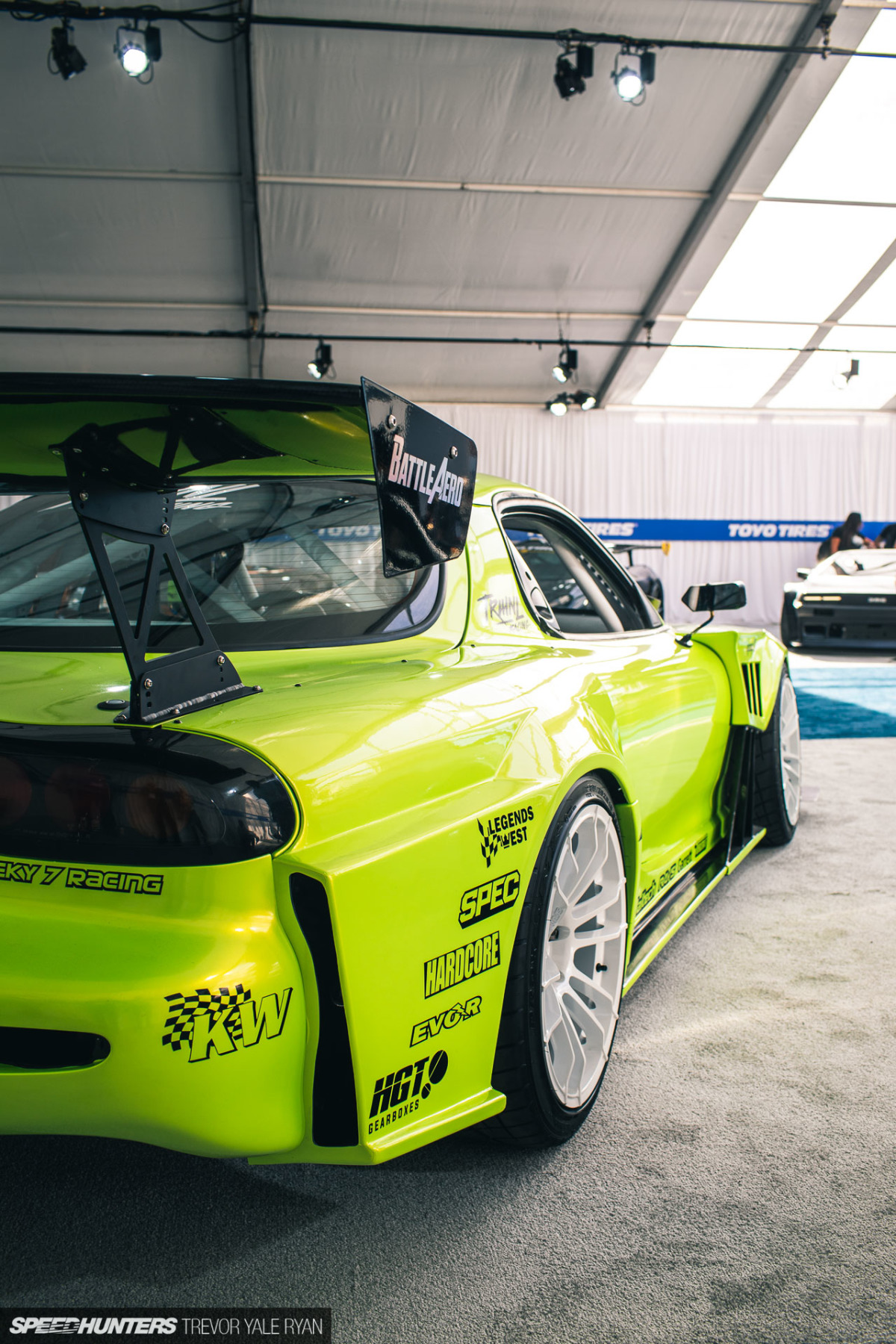
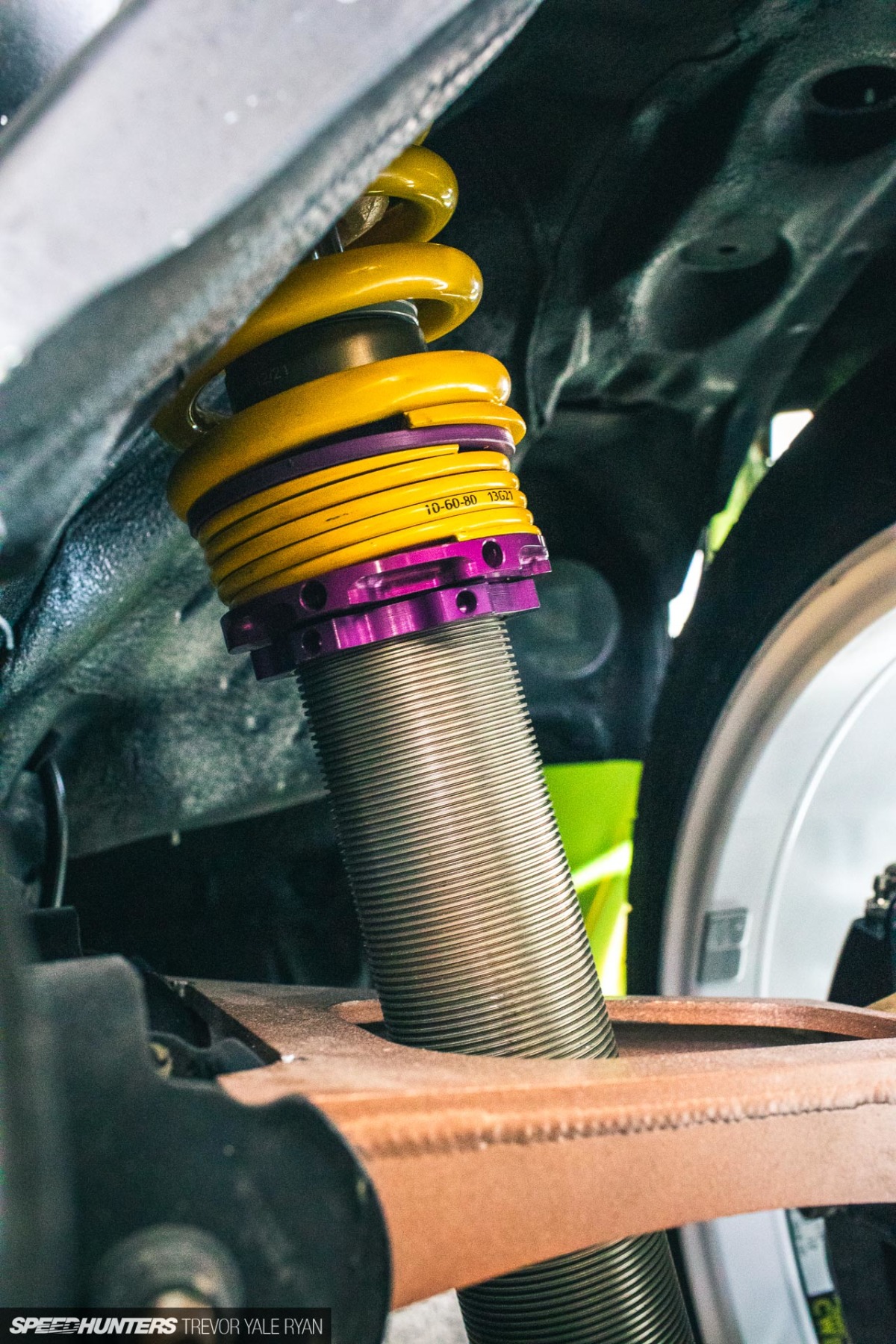
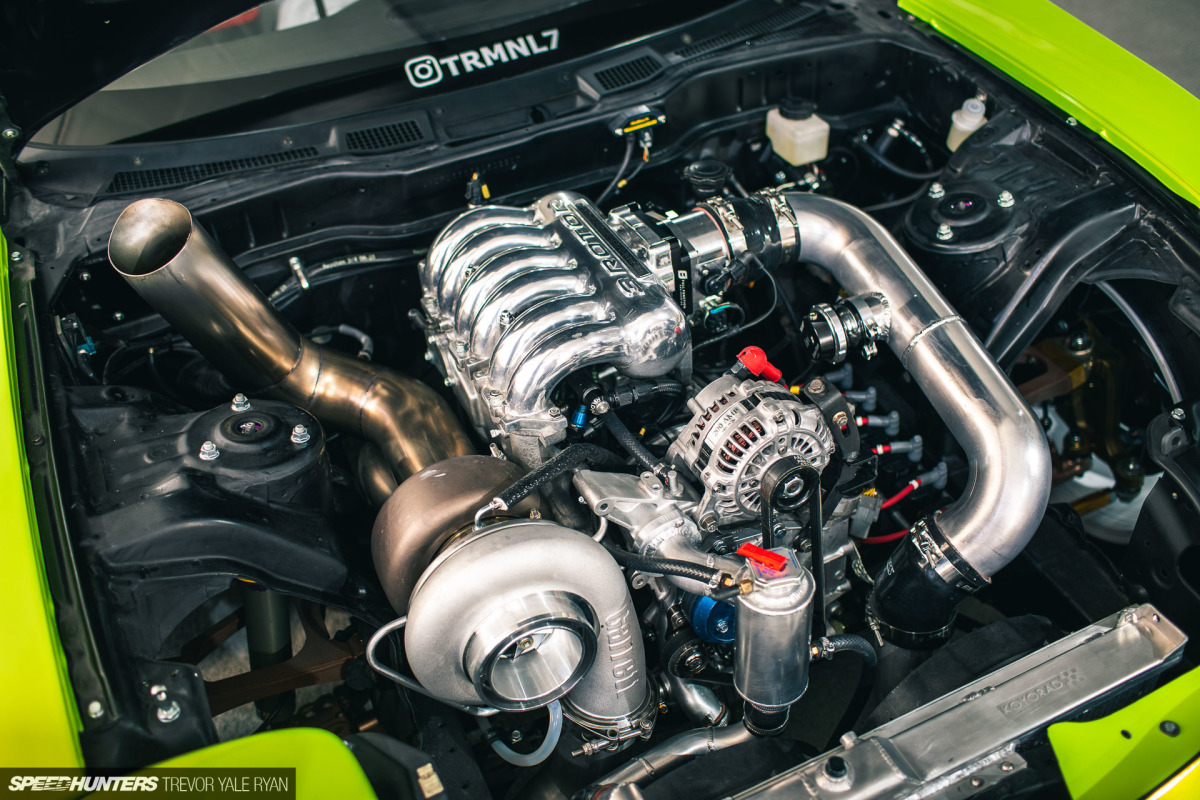
While KW don’t offer an off-the-shelf kit for the FD3S, a set of custom two-way Competition coilovers were created for the Pro-Am drift car based on data gathered from Mad Mike’s TCP Magic-built Formula Drift Japan car.
There’s a still some work to make the car competition-ready, such as the installation of a firewall for the fuel system and for the exhaust to be re-routed out the rear of the car. Dare I say it, but I think this RX-7 could be too nice to drift…
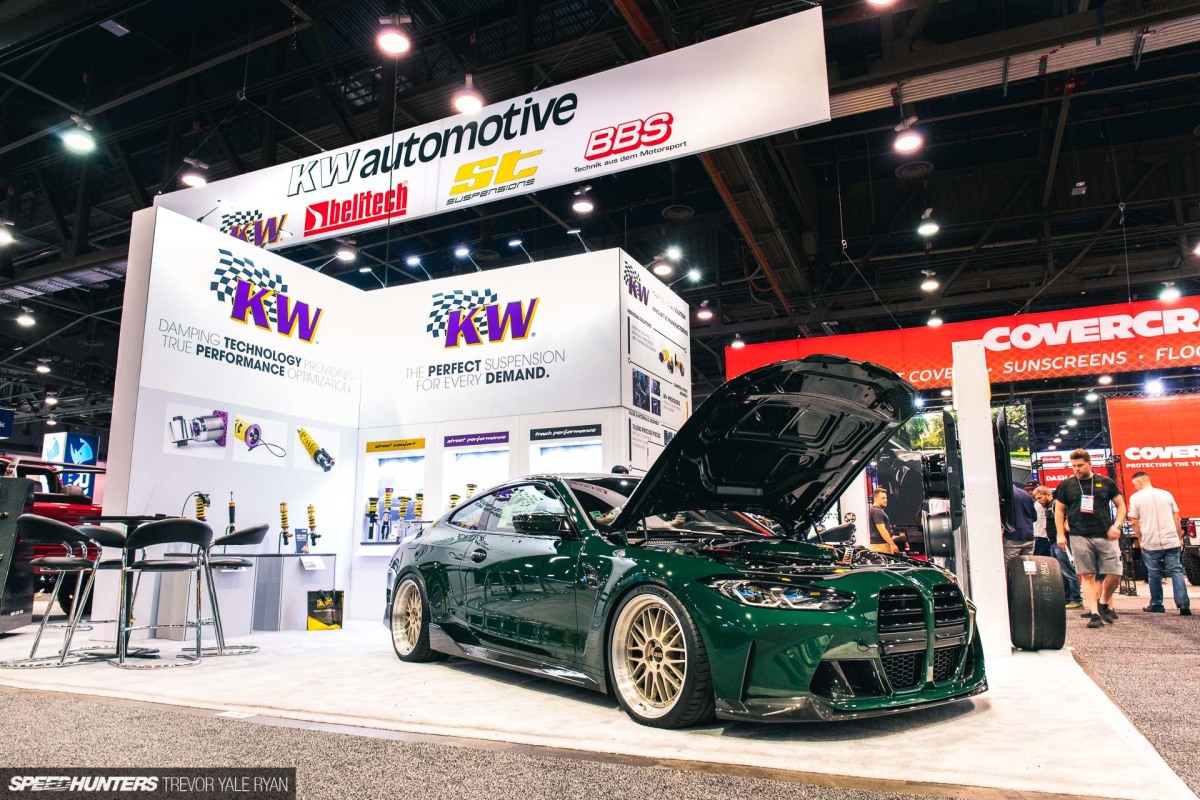
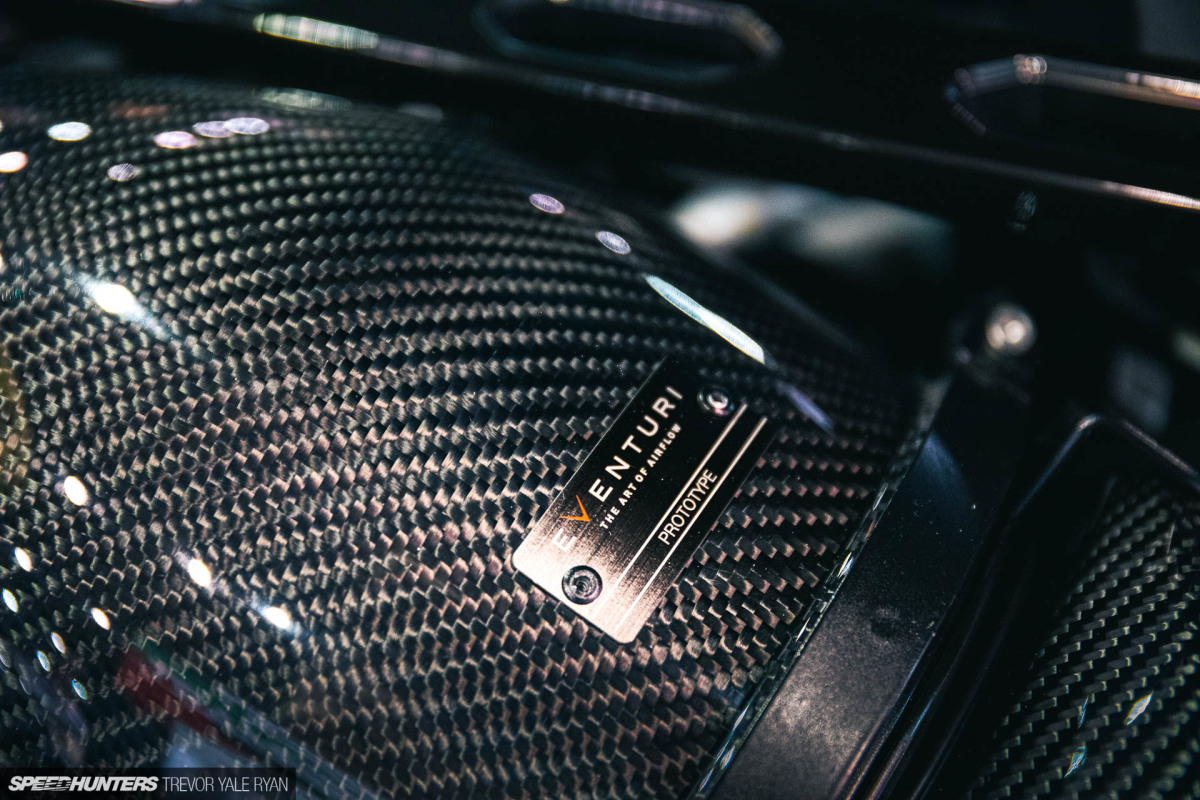
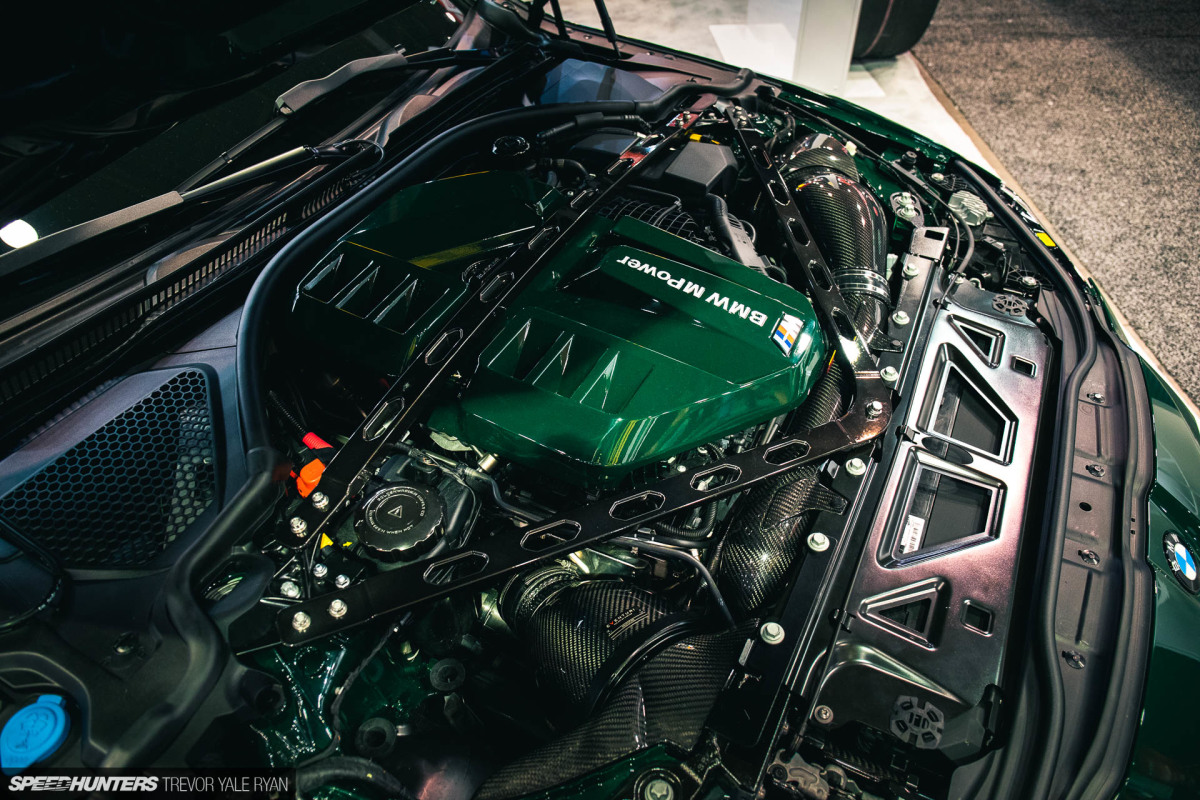
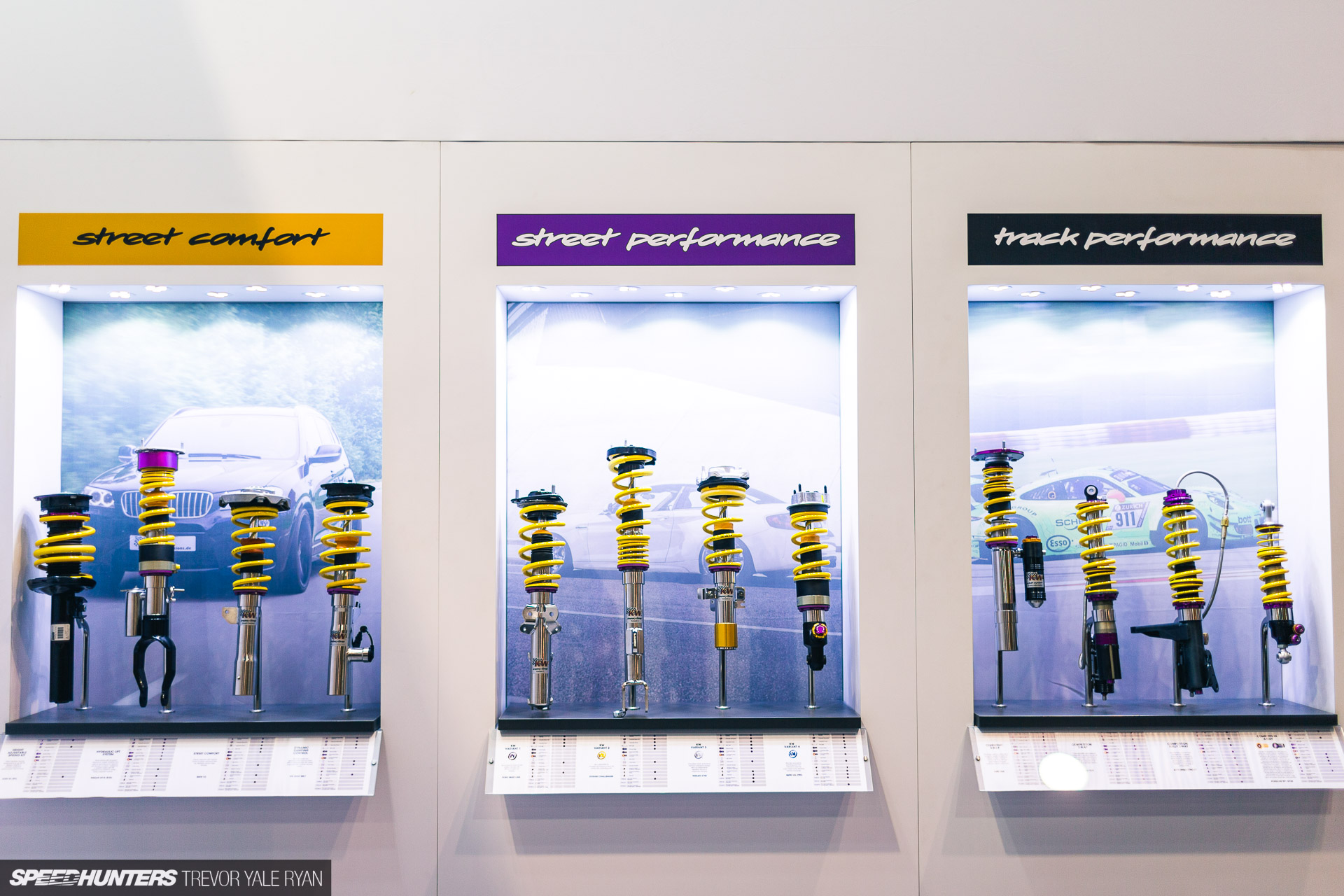
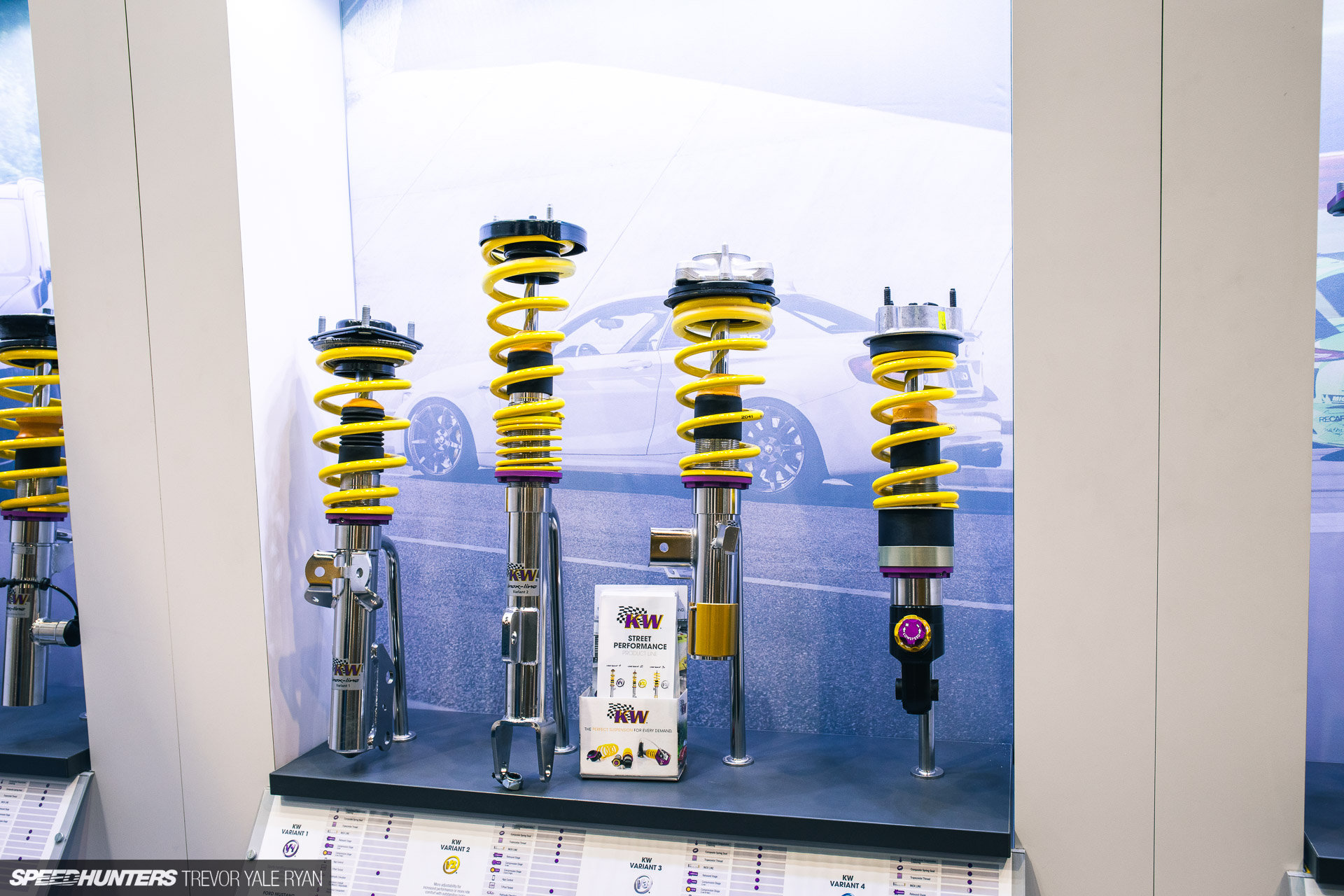
SEMA was an opportunity for KW to showcase some of their latest products to the US market, including this manual transmission G82 BMW M4 on KW Variant 4s with 20-inch BBS LMs.
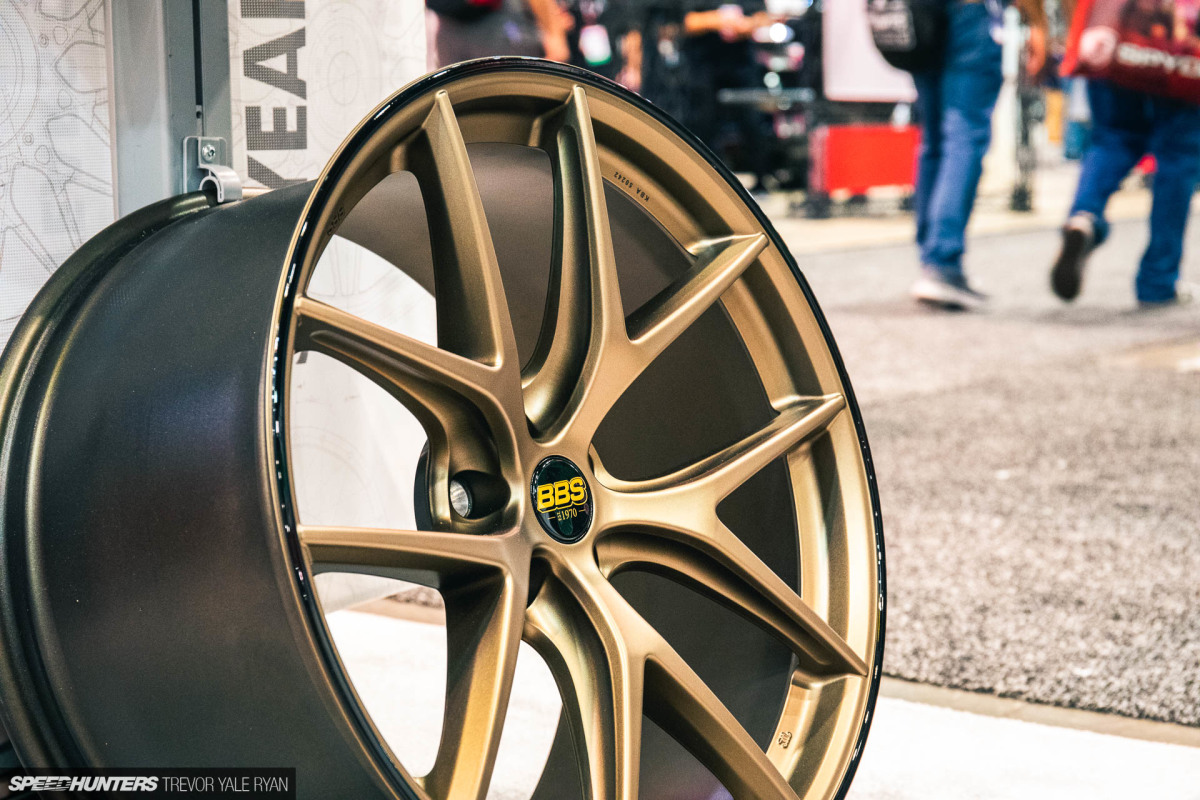
You might have missed that earlier this year KW acquired BBS, and in-turn almost certainly saved the world’s most famous wheel brand from an unenviable fate. I’m not one to normally shout about my own posts, but I think there’s great insight in that feature into both KW and the future of BBS.

I don’t think there’s much point in choosing a side when it comes to the impending flood of electric vehicles into our world. There will always be an industry to support and celebrate the internal combustion engine, and we will always continue to champion them on these very pages.
On a similar note of positivity, we also have the opportunity to shape and enjoy a new approach to car modification. There is so much more to any car than its method of propulsion, and this might be the perfect time for us to implement and learn new things which can be transferred between both EVs and ICE vehicles.
For all of the differences between the two, there’s still enough similarities to keep us involved for a long time to come. I think it’s going to be okay.
Paddy McGrath
Instagram: pmcgphotos
Twitter: pmcgphotos
paddy@speedhunters.com
Photography by Trevor Ryan
Instagram: trevornotryan
tyrphoto.com
This story was brought to you in association with KW Automotive, an official Speedhunters Supplier