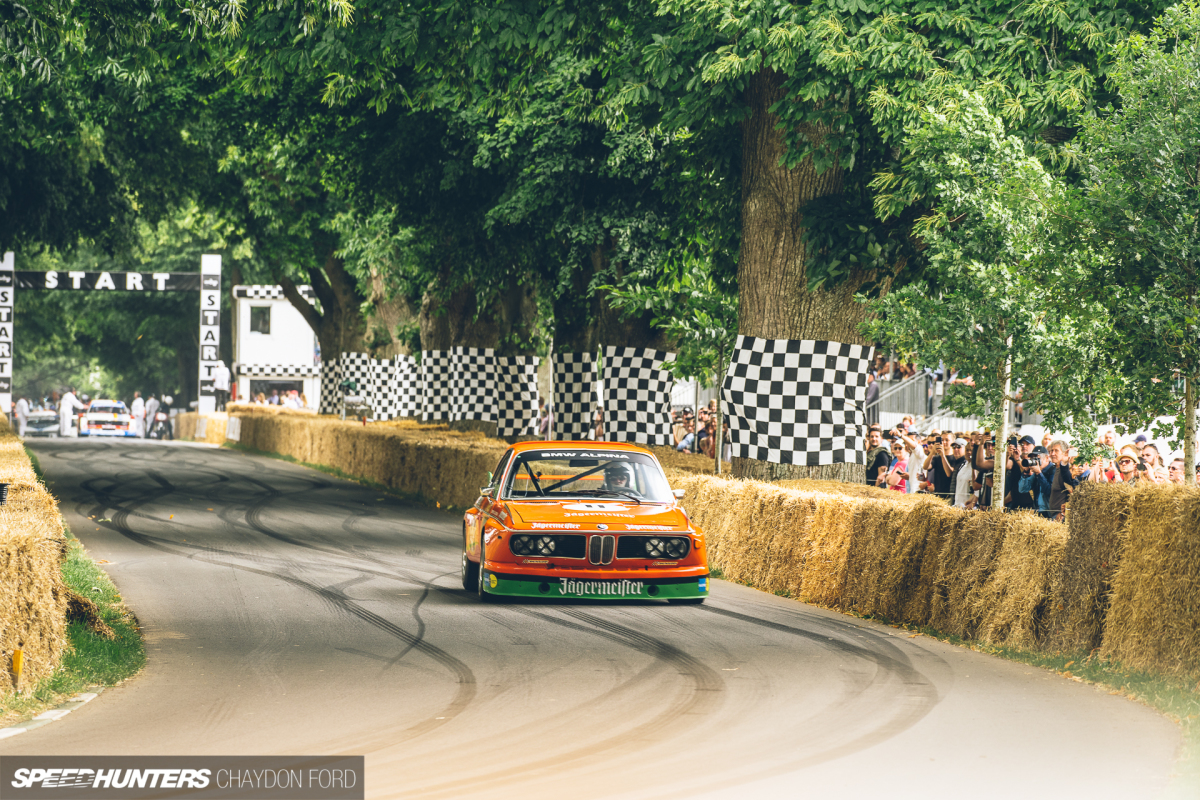
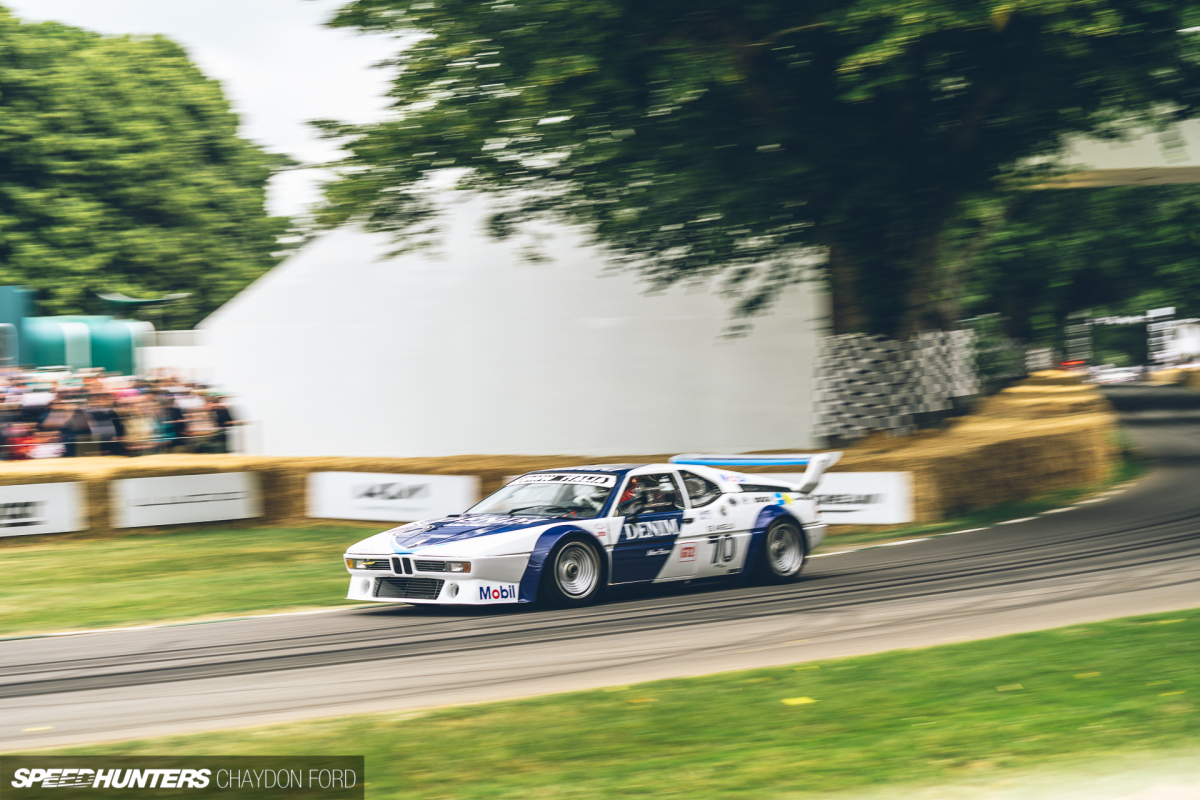
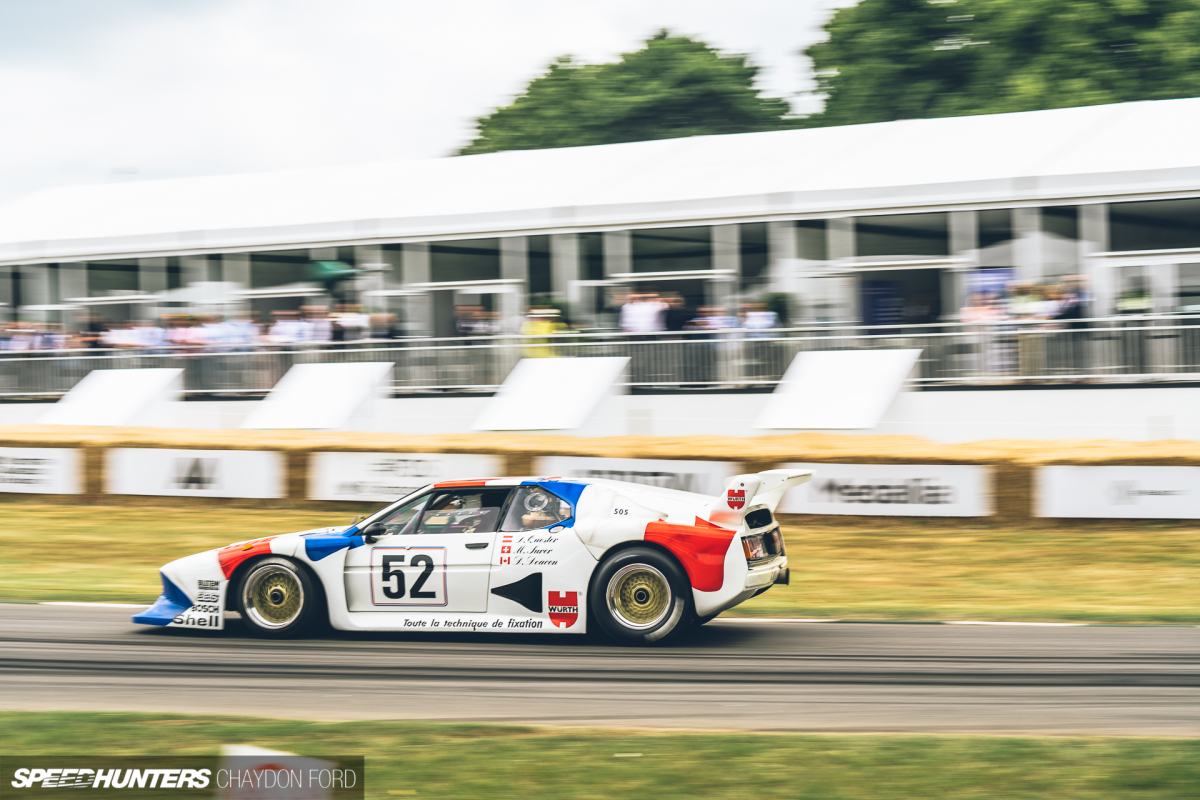
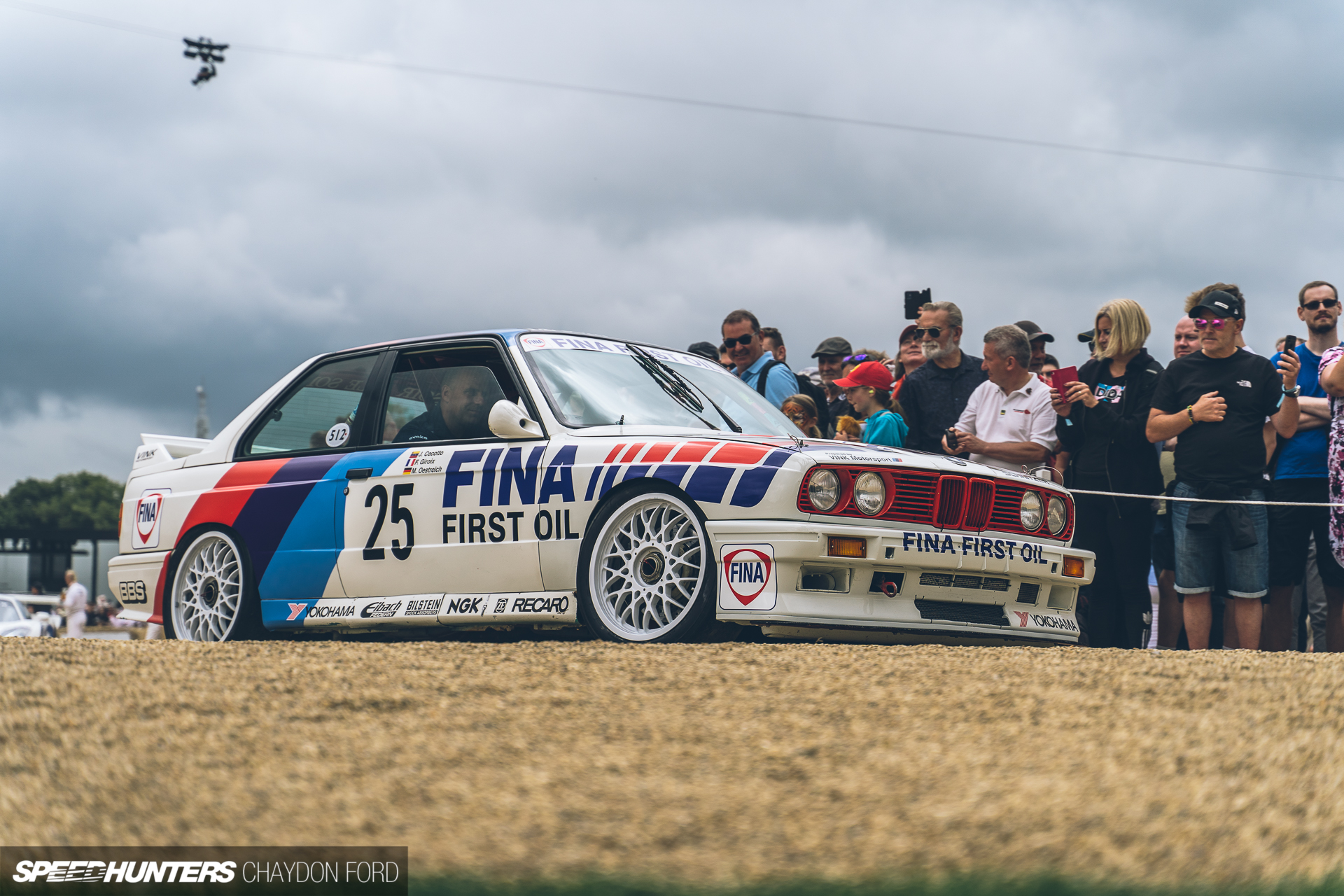
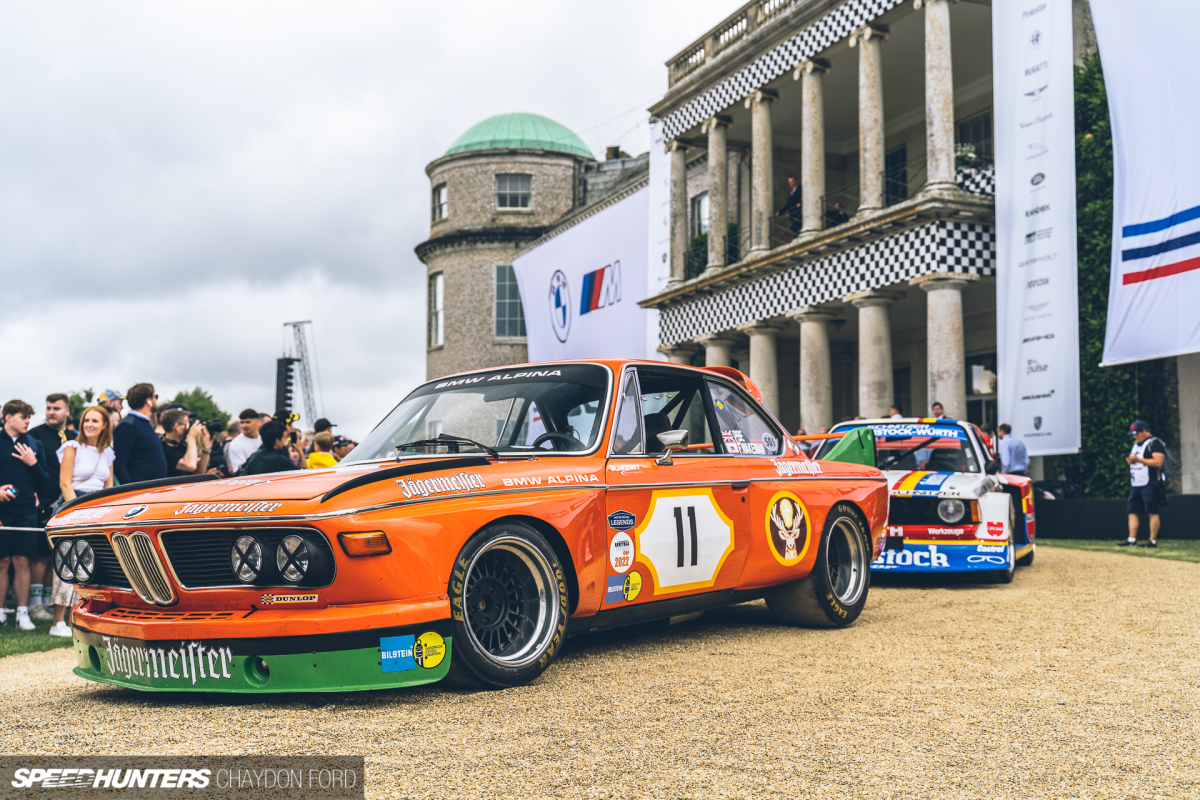
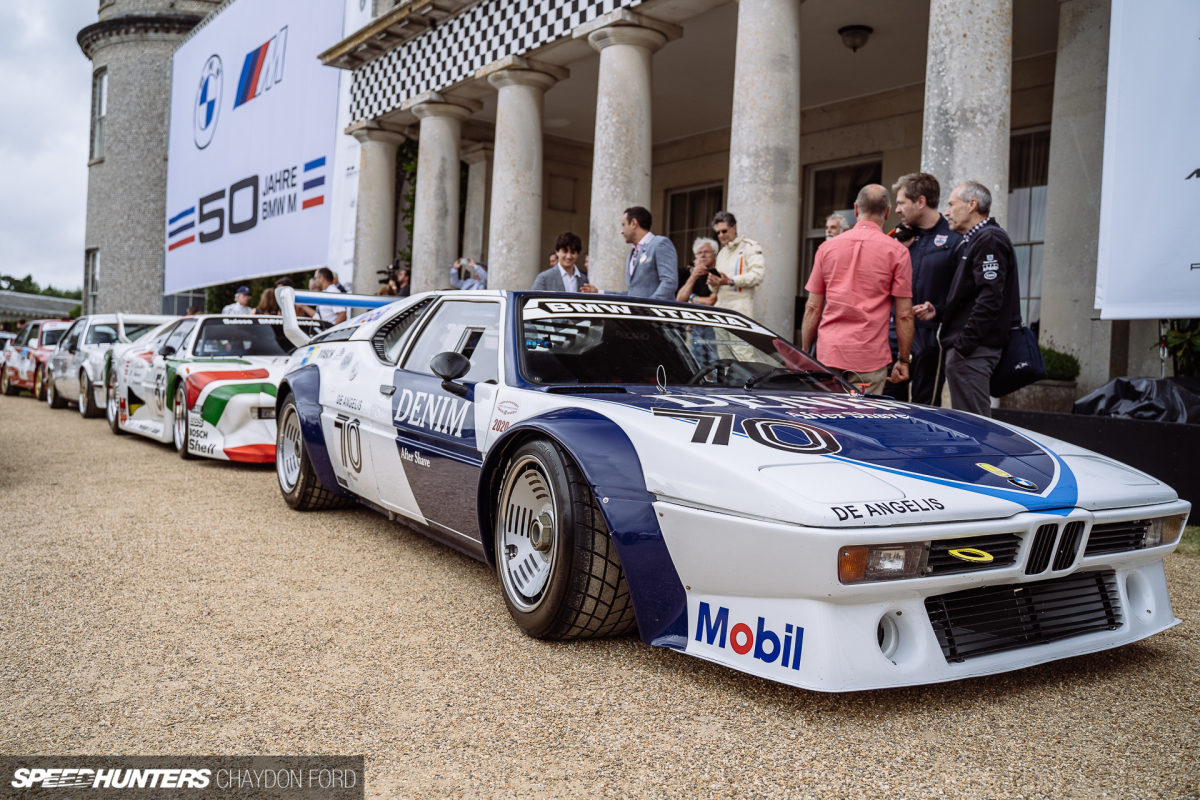
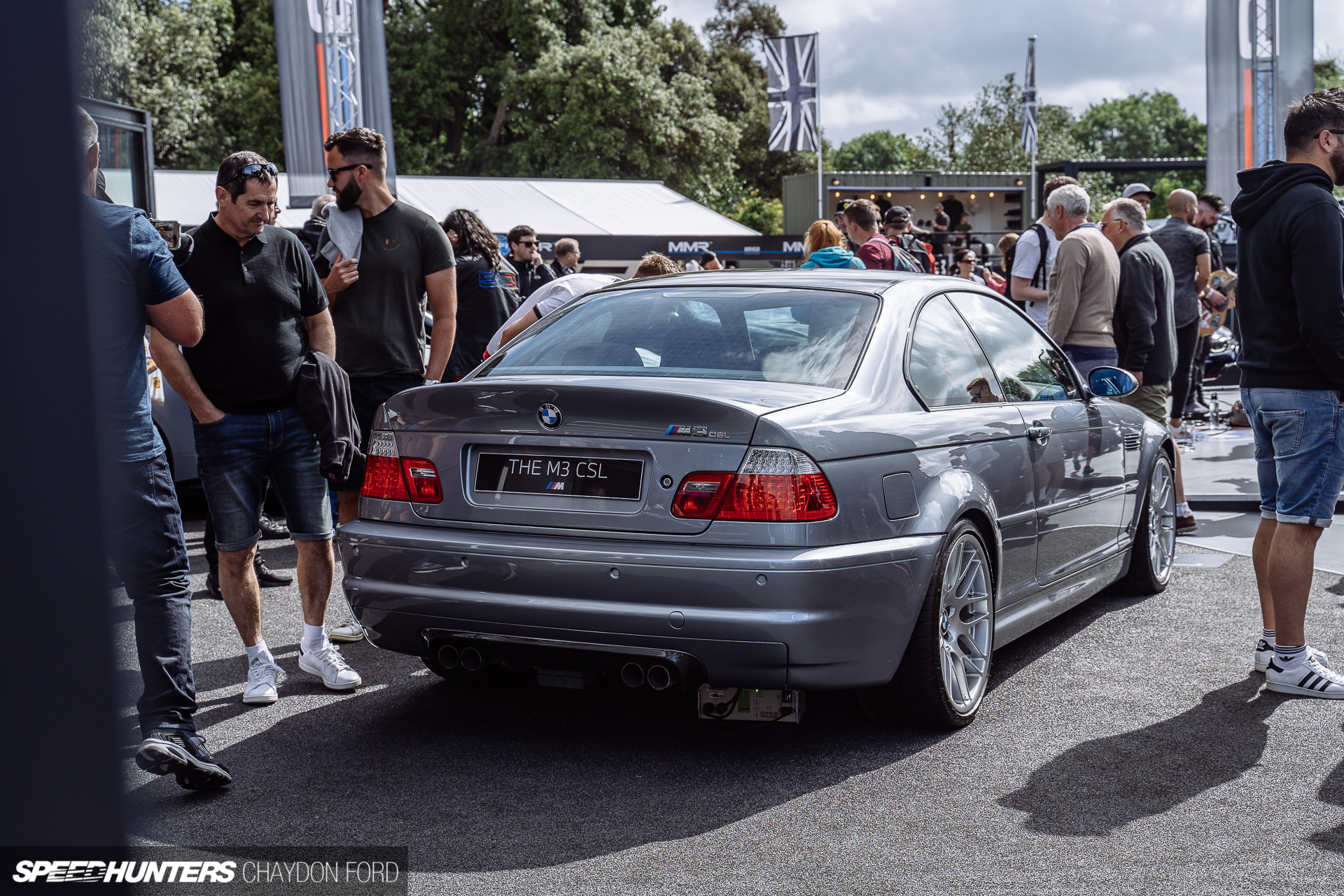
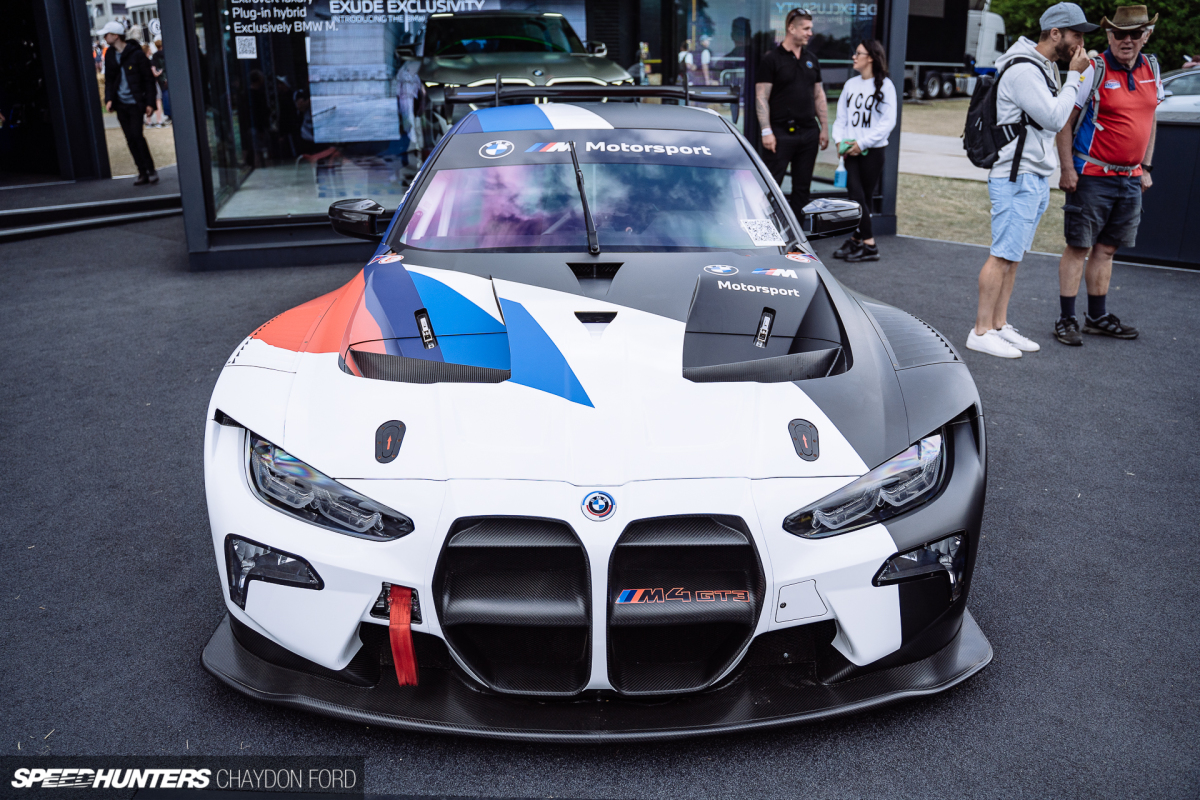
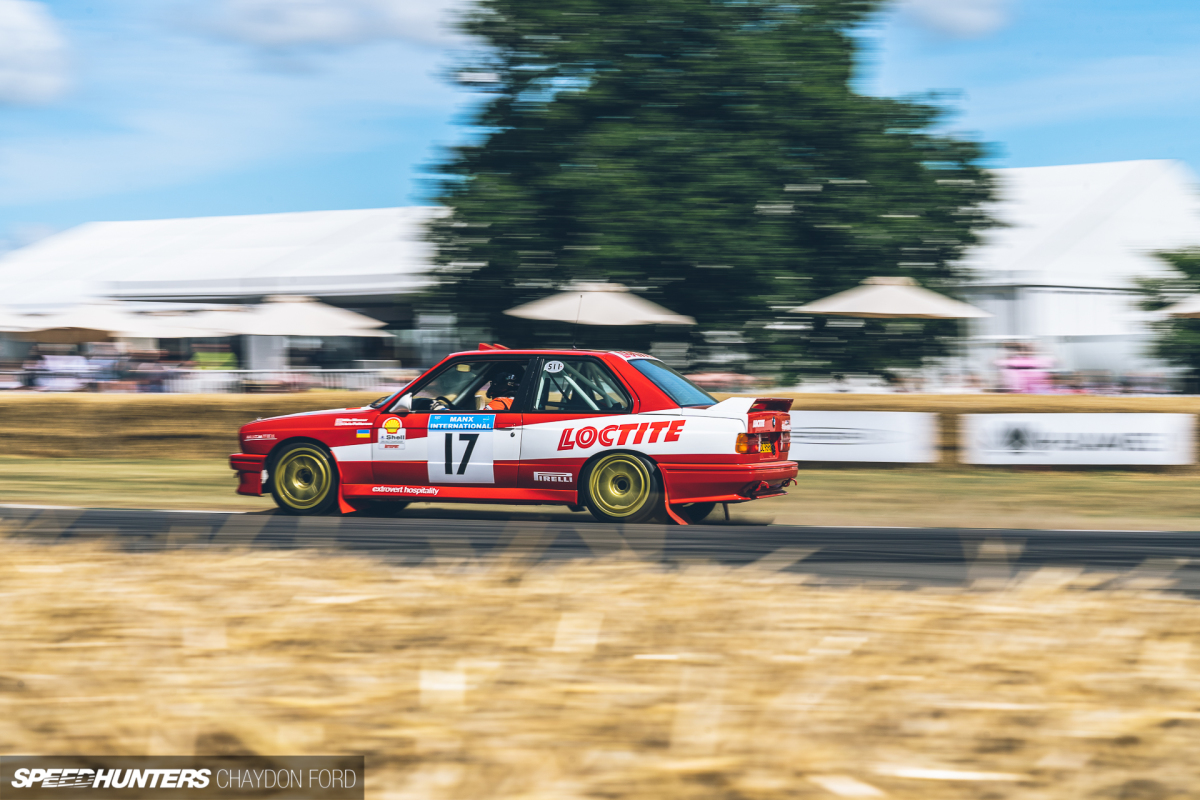
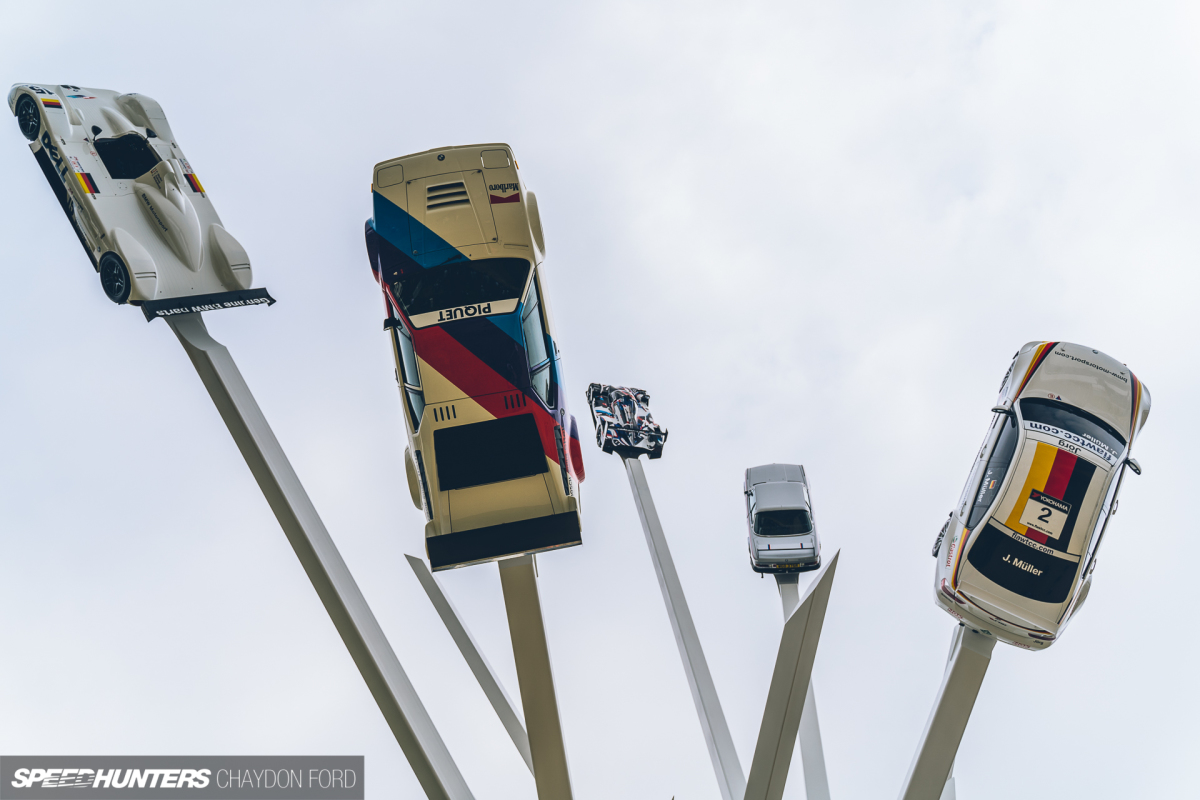
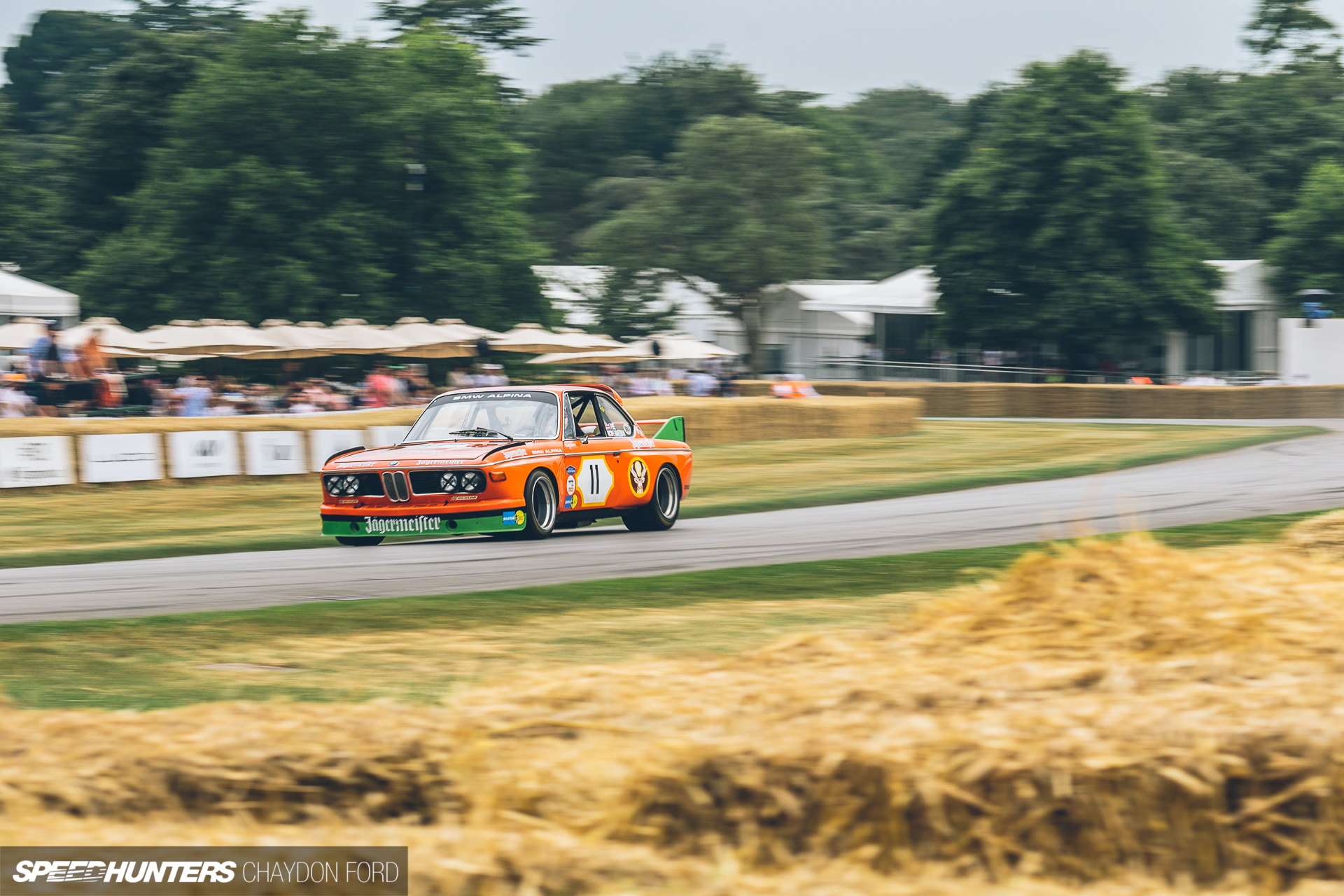
On May 24th, 1972, BMW Motorsport GmbH was founded. Shortly after, the 3.0 CSL won the 1973 European Touring Car Championship, setting the standard which would be met and exceeded with hundreds of further wins in various disciplines including touring cars, endurance racing and Formula 1. Many dozens of M cars, both road and race, have rolled off BMW’s production line over the years, and the Munich-based automaker brought a large number of these models along to the 2022 Goodwood Festival of Speed for this year’s official event theme – 50 Years of BMW M.
There just isn’t enough space to dedicate a feature to every one of the cars showcased in this in half century celebration, so I’ve selected five BMWs from the wider event that stood out to me.
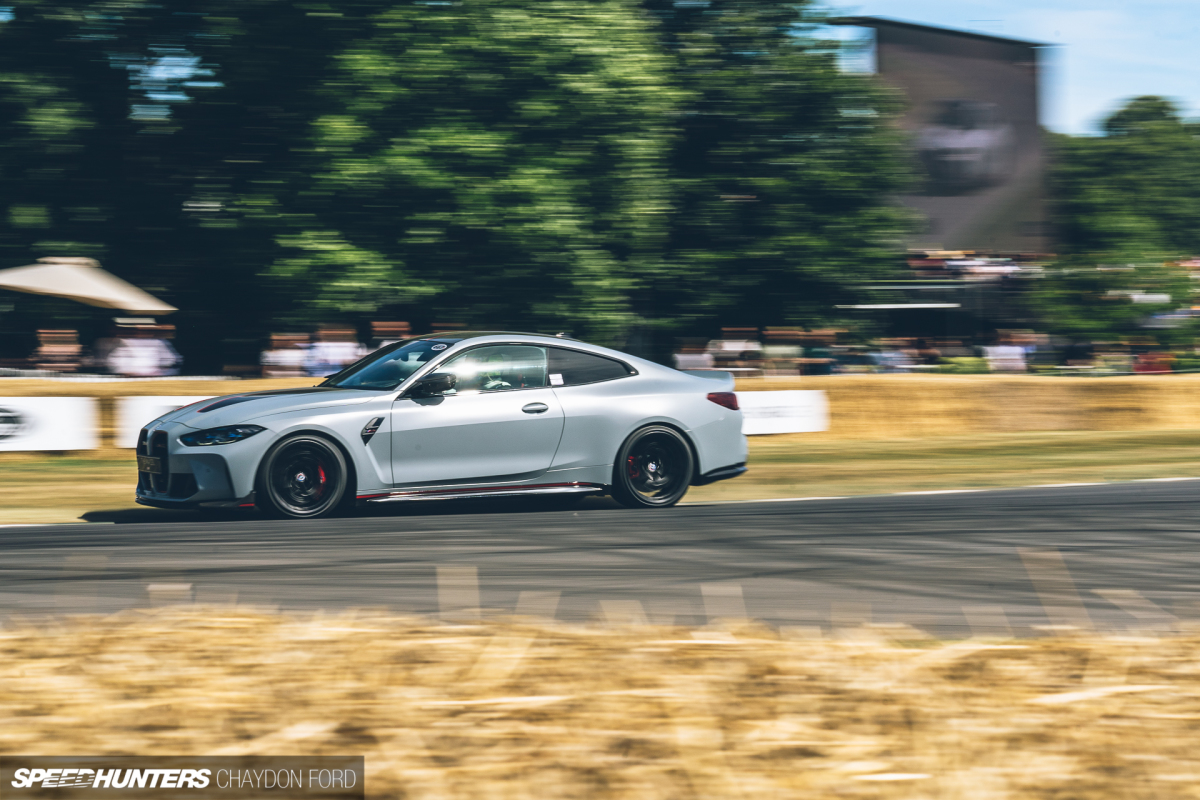
BMW M3 Touring
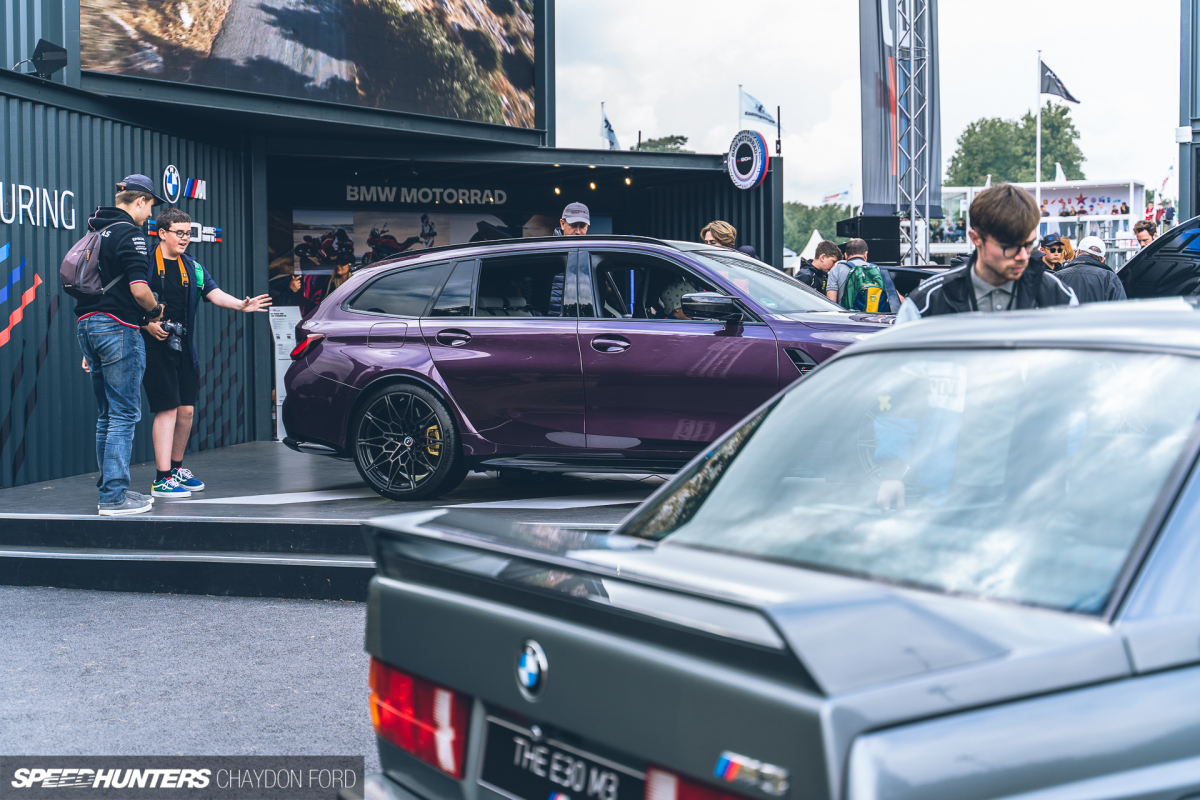
While BMW has had a touring model in the 3 Series lineup since the E30, as well as going so far as to produce a working example of an E46 M3 Touring (a car I’ve lusted over more than I care to admit, having owned an E46 M3), the current generation marks the first production M Touring.

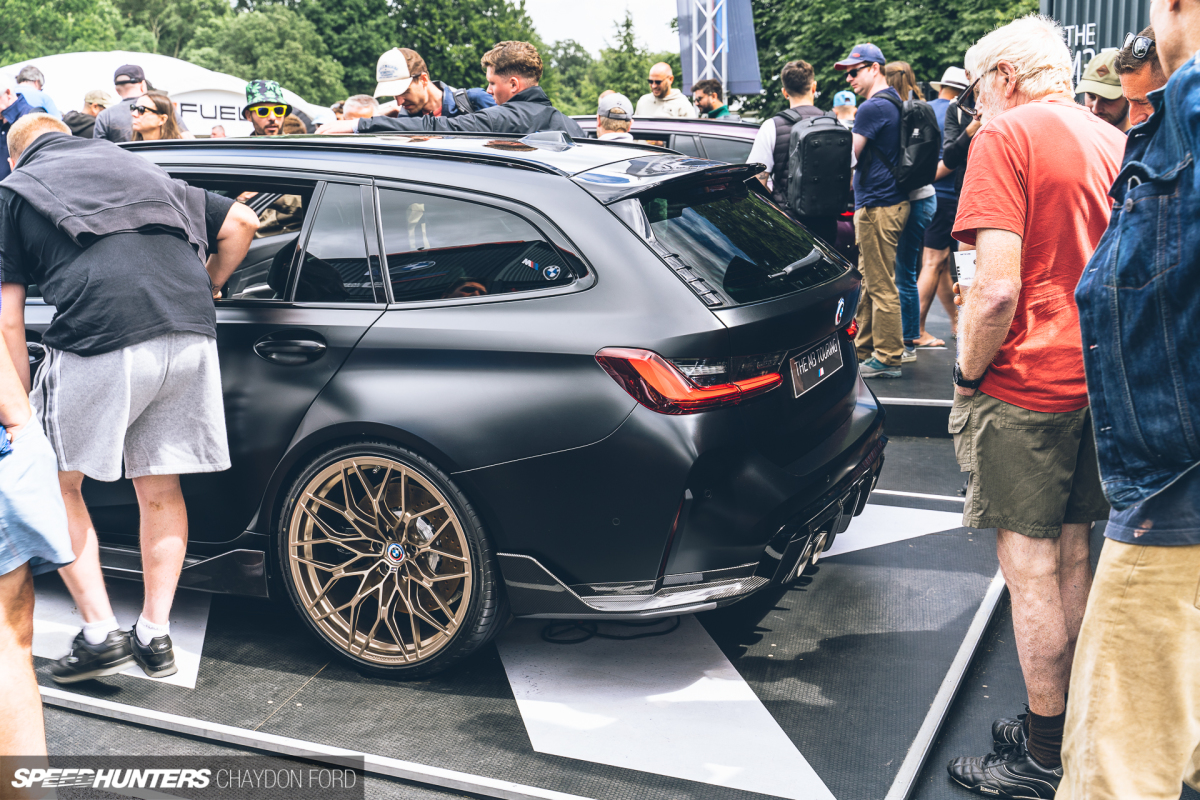
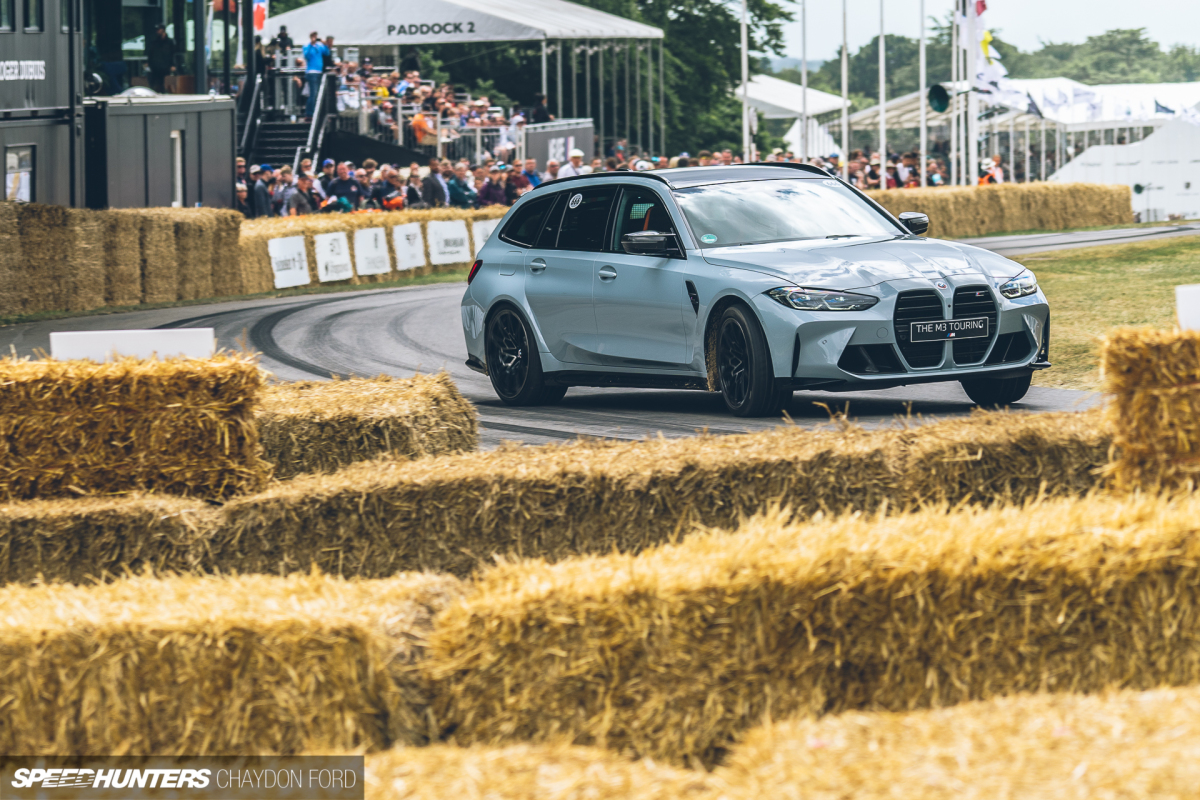
The front end of the G82 generation has proved controversial, with many debating the visual appearance. That said, the model’s performance and handling abilities have been widely praised. While the Touring doesn’t change the look of the front end, the overall improvement to the car’s proportions really makes it look the part with pumped up arches and aero add-ons.

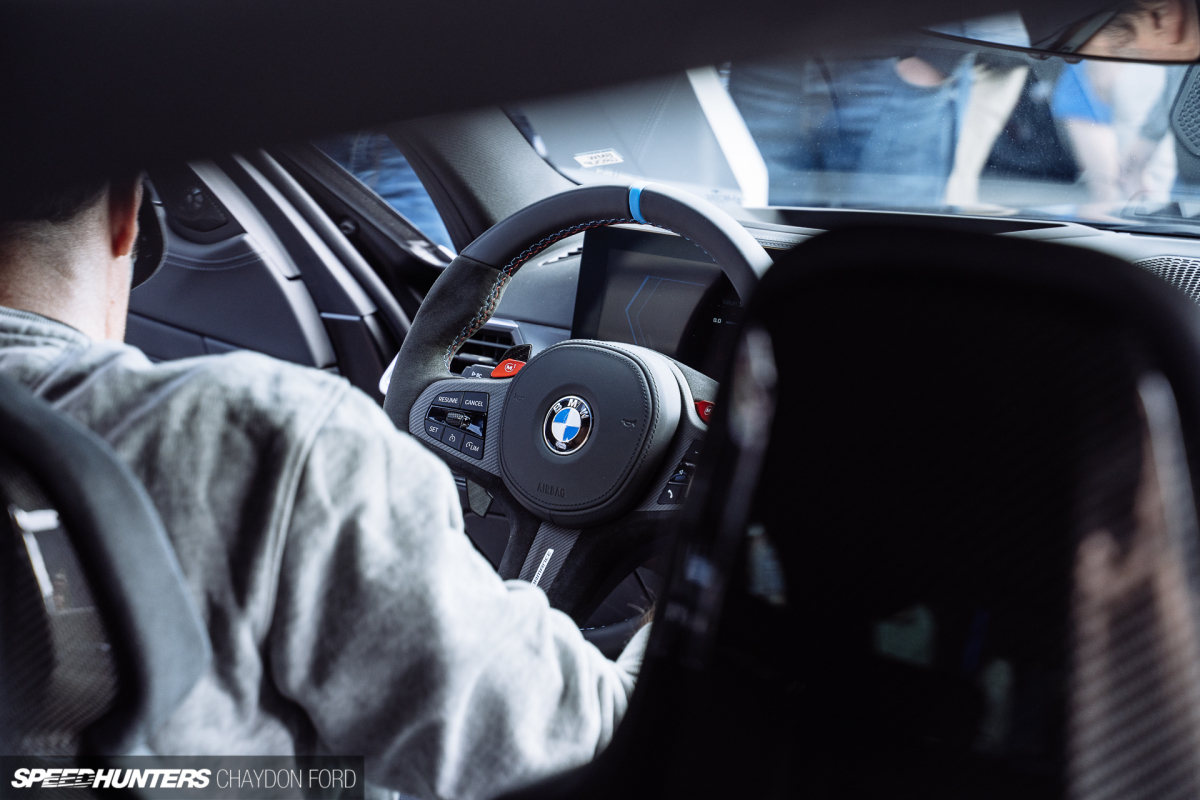
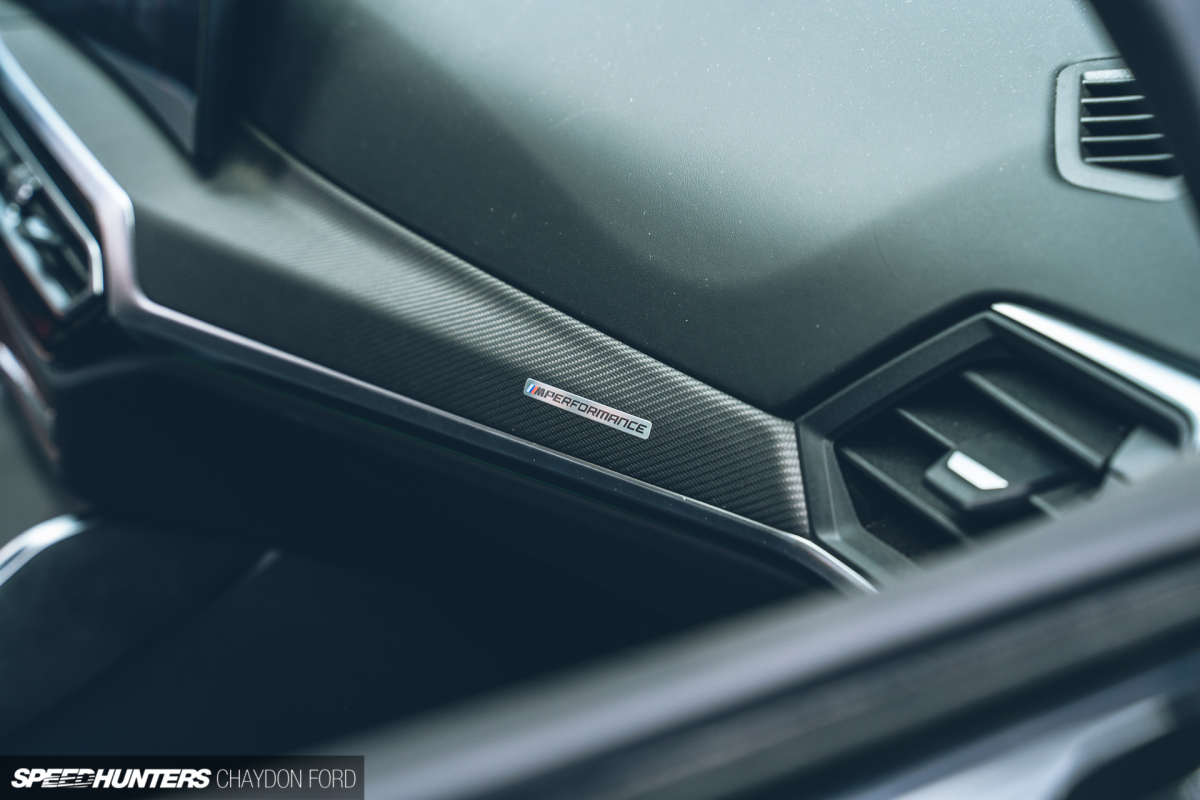
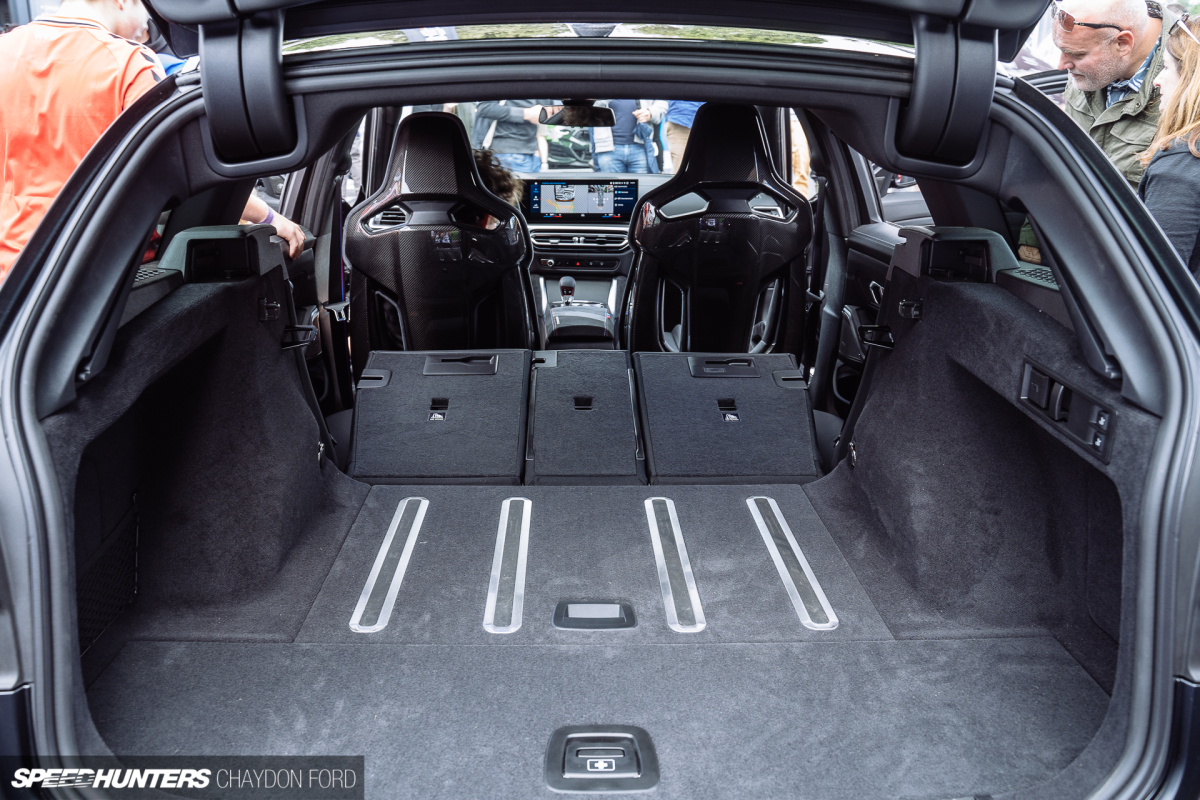

The twin-turbo straight six putting out 510hp in ‘Competition’ trim level gives the M3 Touring performance to live up to its looks. While the model functions in four-wheel drive primarily, when Dynamic Stability Control is completely disabled, the Touring reverts to rear-wheel drive.
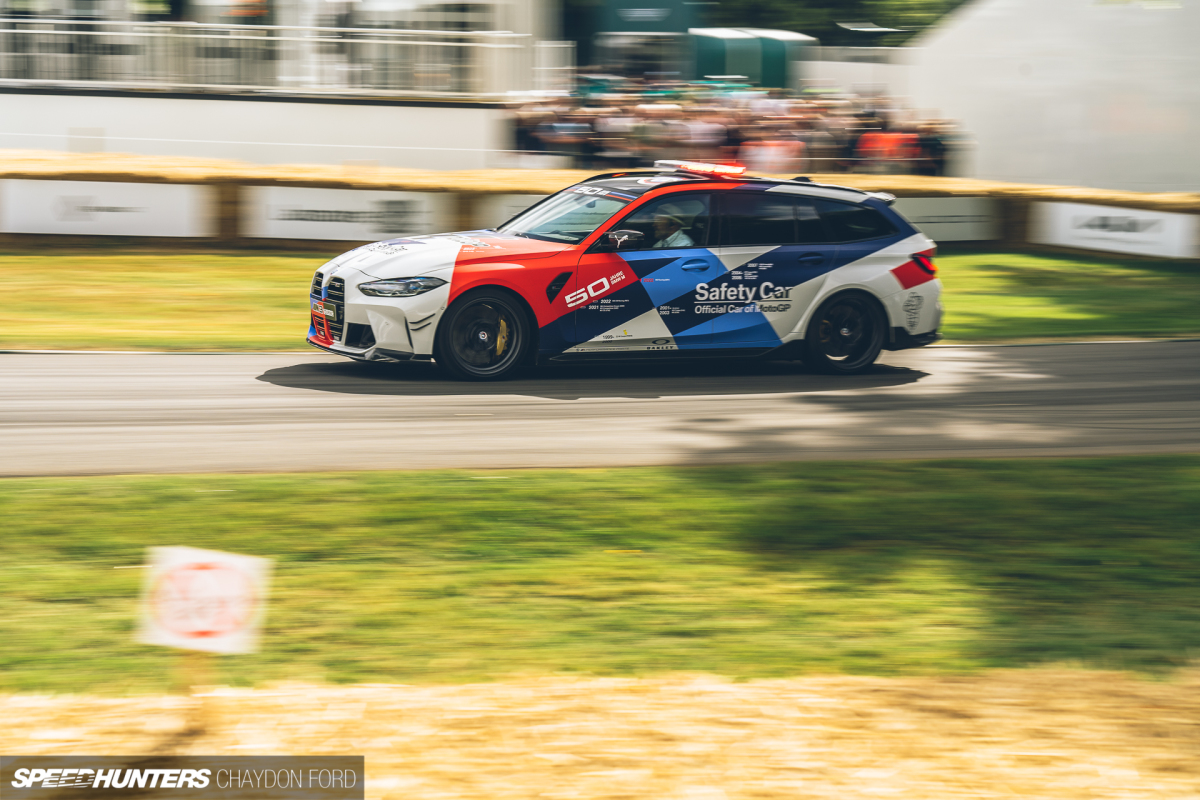

The M3 Touring is also the official safety car for MotoGP, fulfilling the same role during the Festival of Speed. The more observant readers will notice the optional exhaust, with the tips in a trapezoidal layout.
Z4 GT3

How long have you been reading Speedhunters? Long enough to remember that Speedhunters and Need for Speed once sponsored a Z4 GT3? One of the best-sounding cars on the FIA GT roster, the Z4 GT3’s sonorous 4.4L V8 derived from the E92 M3 GTS graced circuits for five years between 2010 and 2015, until BMW replaced it with the M6 GT3.

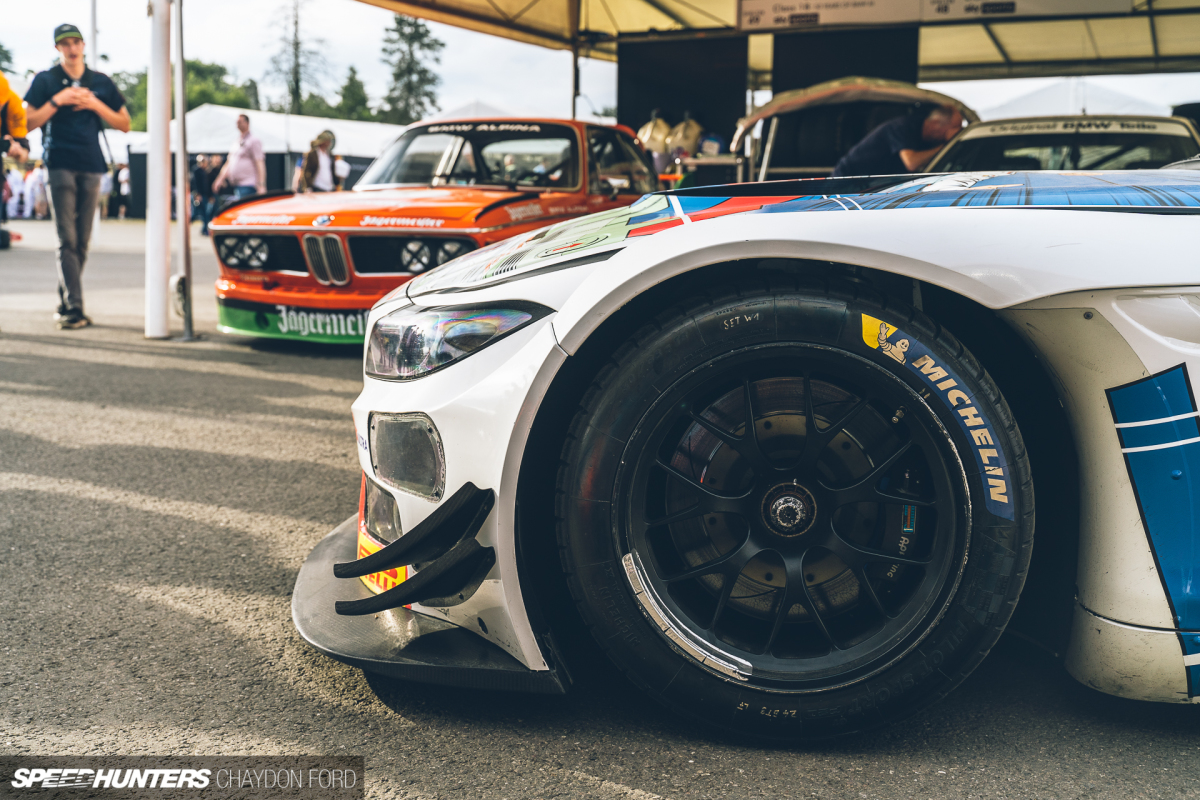
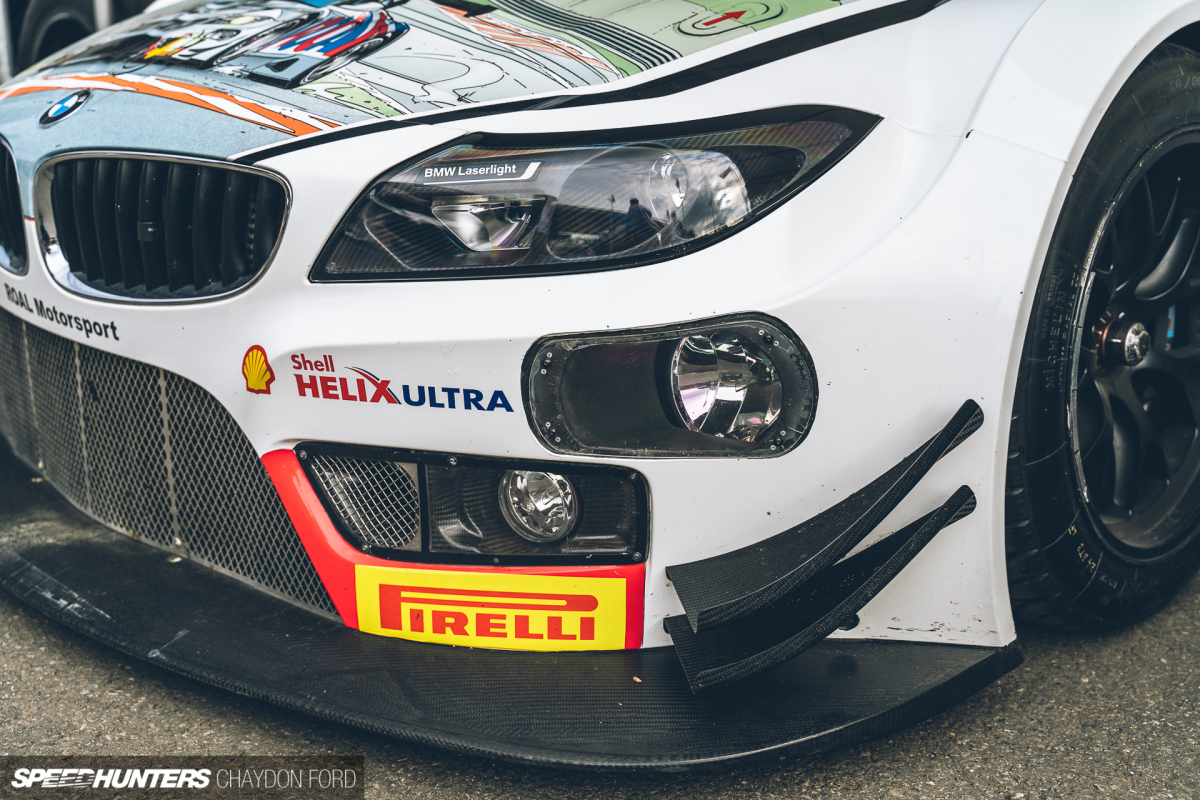
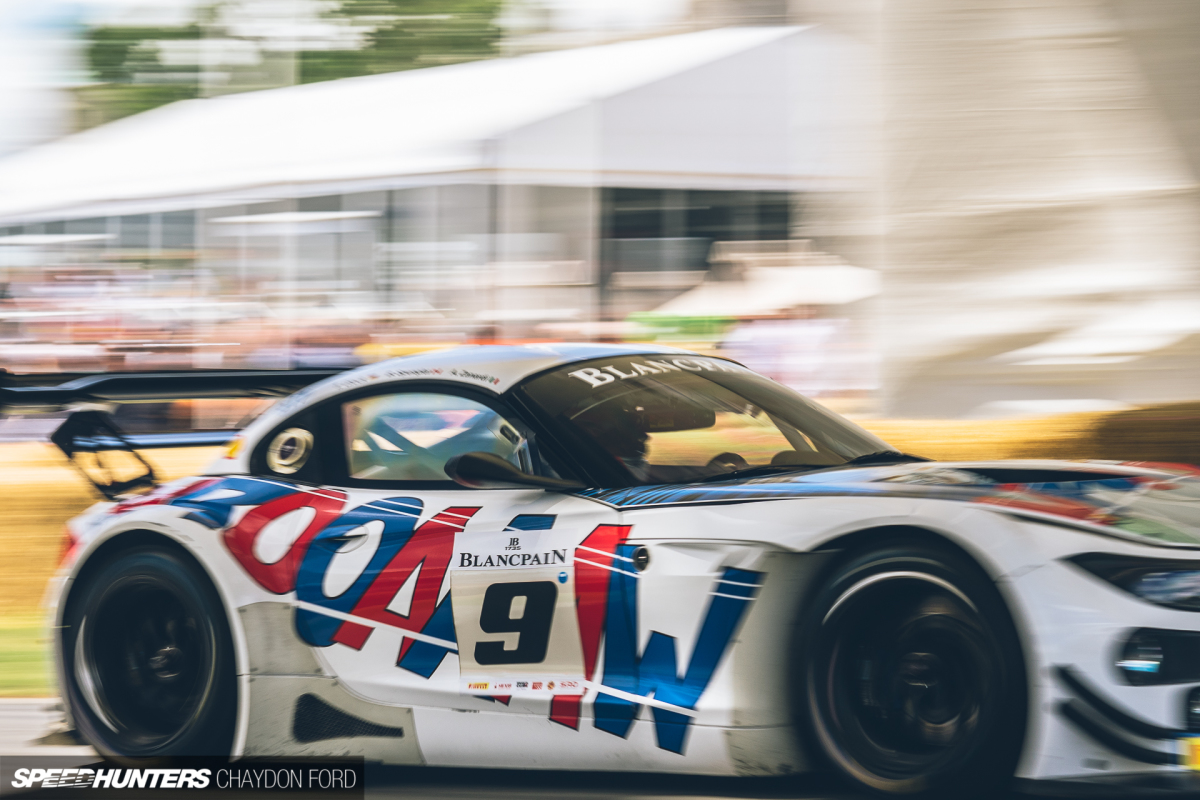

What the car lacked in straight line speed, it more than made up for in handling, with over two dozen teams opting to contest a Z4 in either GT3, IMSA or the JGTC.
This specific car is special for another reason. It was the first time that double amputee Alex Zanardi had shared a cockpit with other drivers, requiring the car to be modified and adapted, allowing for both regular and hand controls to function effectively. It wasn’t in any way detrimental to performance either, with the team running in the top 10 until an issue with the car resulted in a DNF.
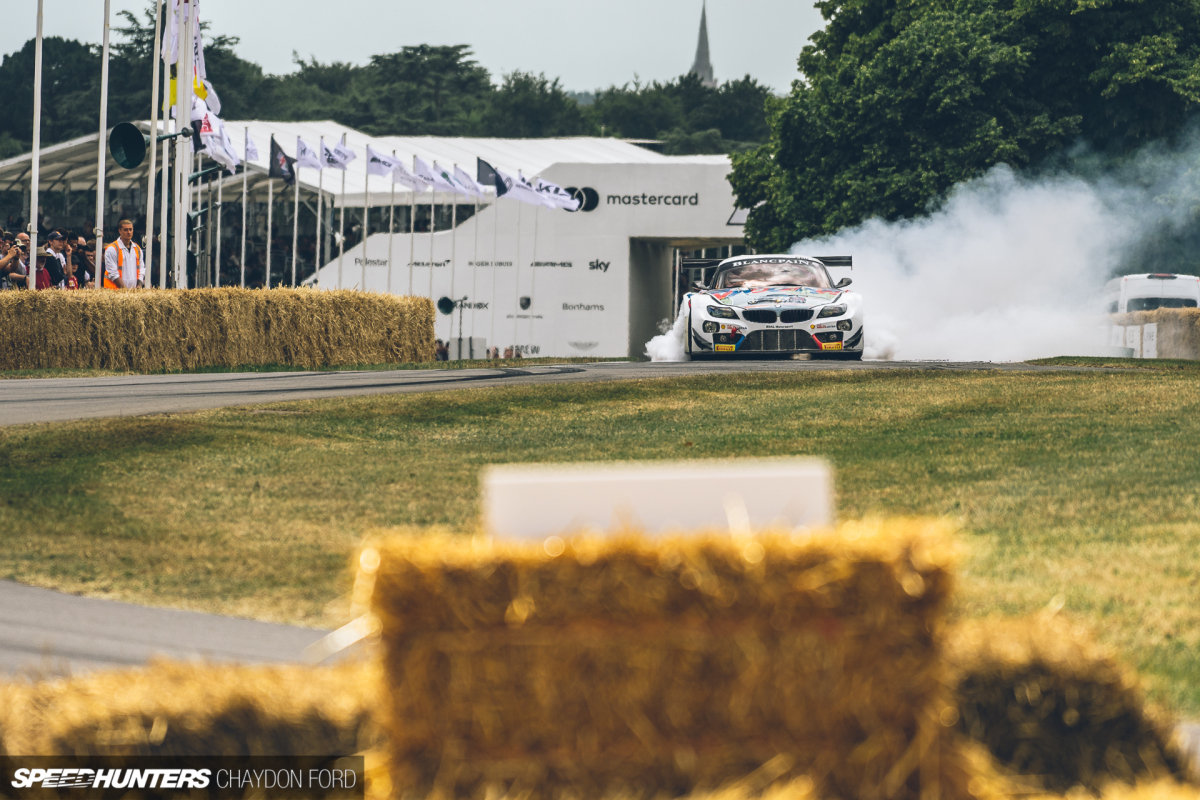
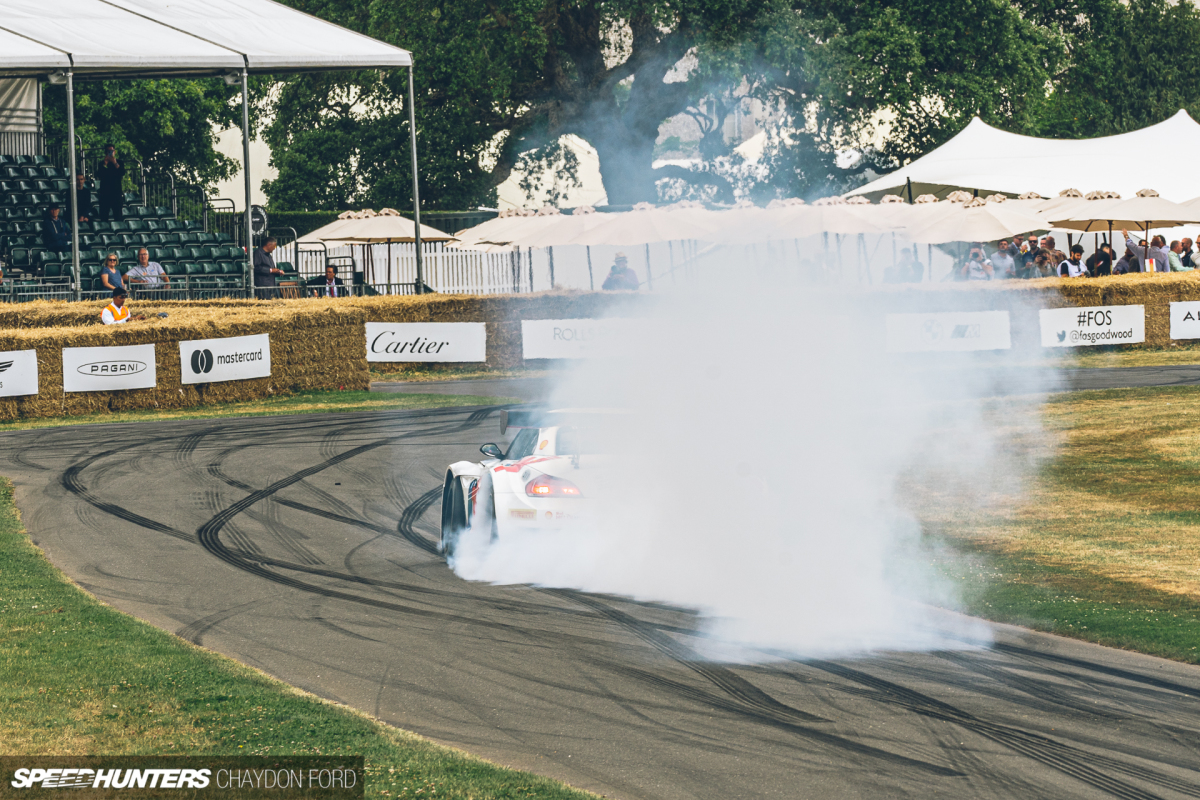
It also does really big, smoky burnouts.
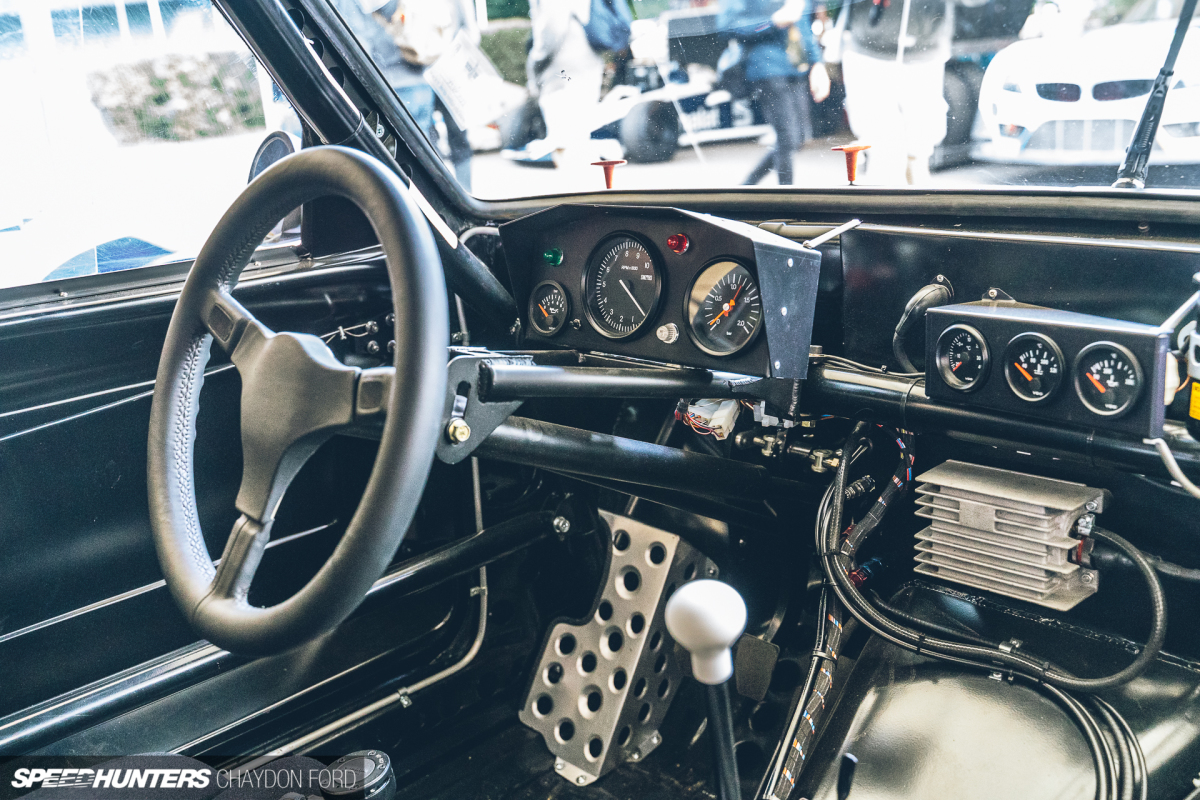
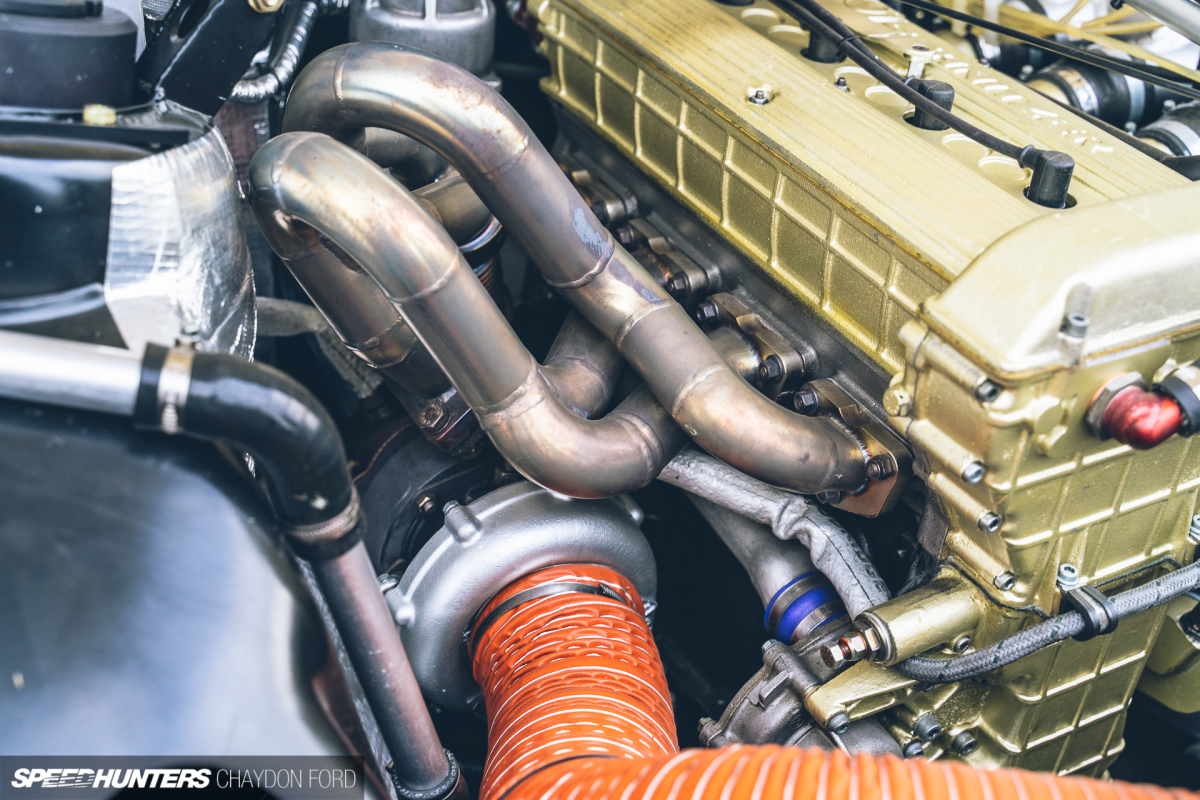
Qwick Motorsport E21
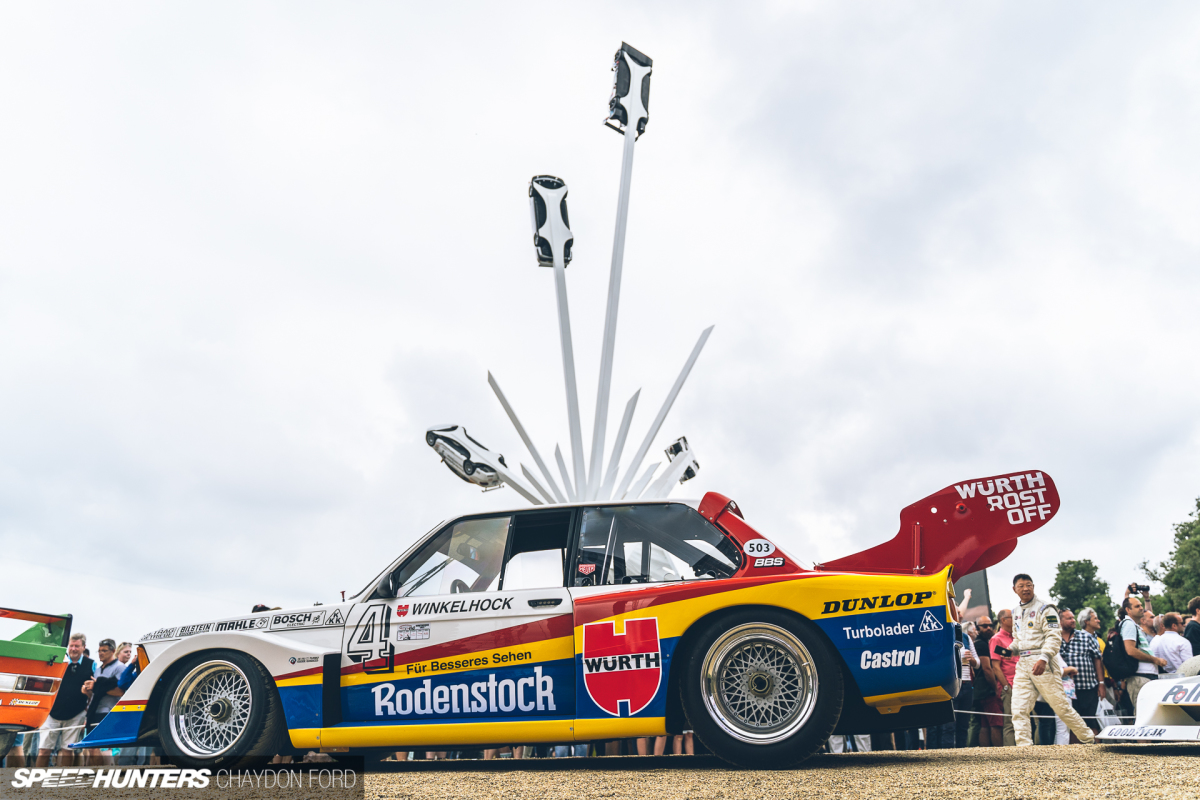
The Group 5 era of racing is defined by almost caricature-like vehicle proportions, big turbos, big arches and big wings. While this particular E21 is not owned by BMW, it is a faithful recreation of the car that was raced in 1979.
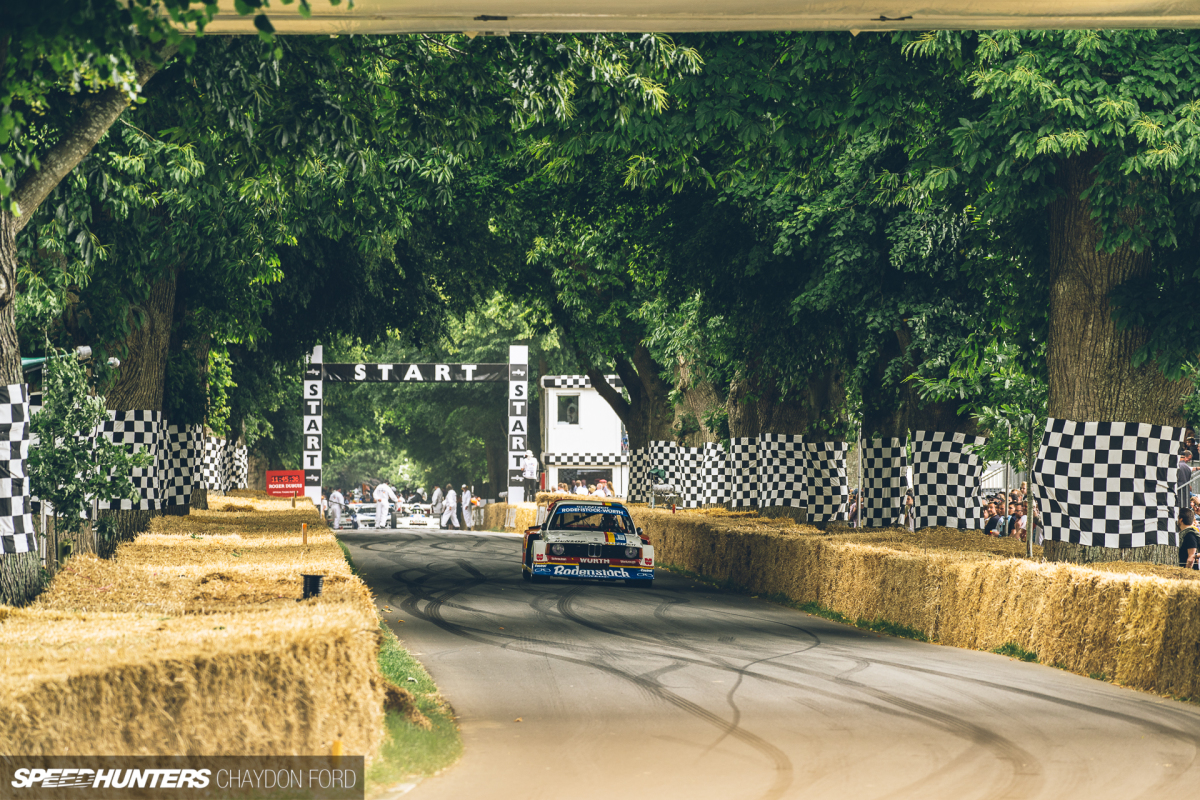
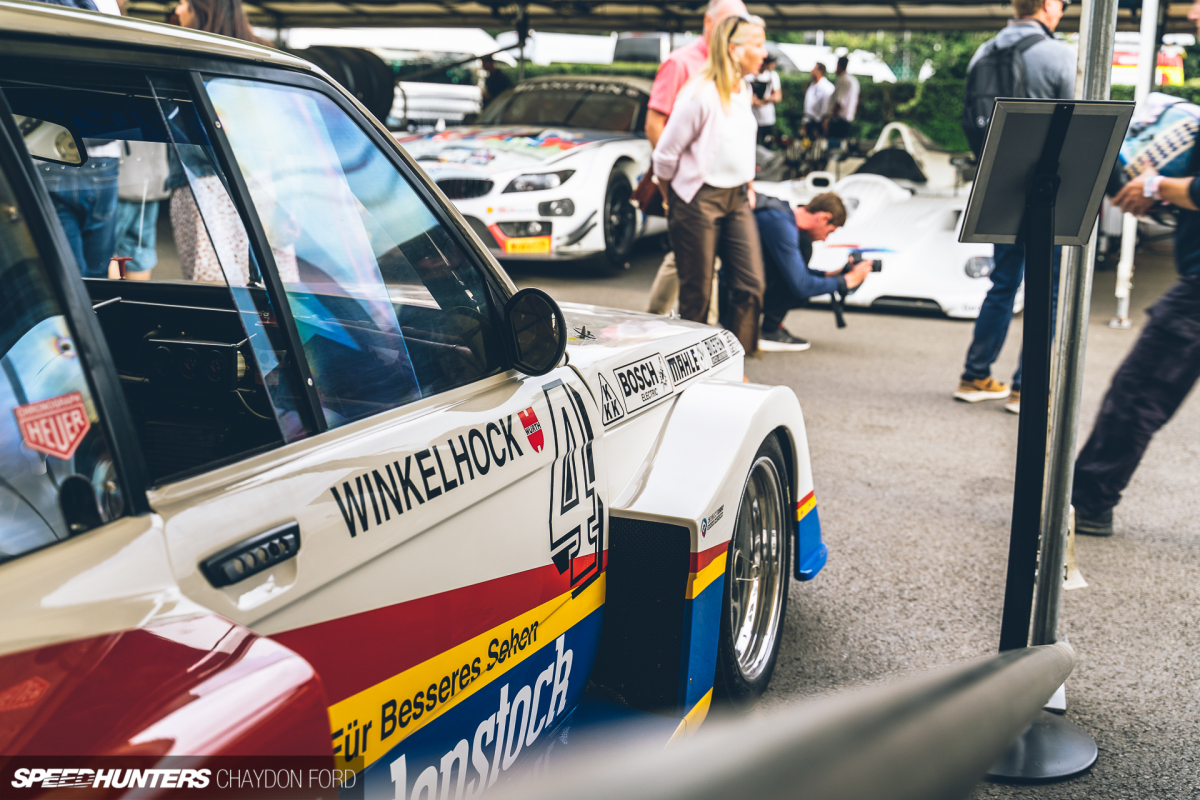
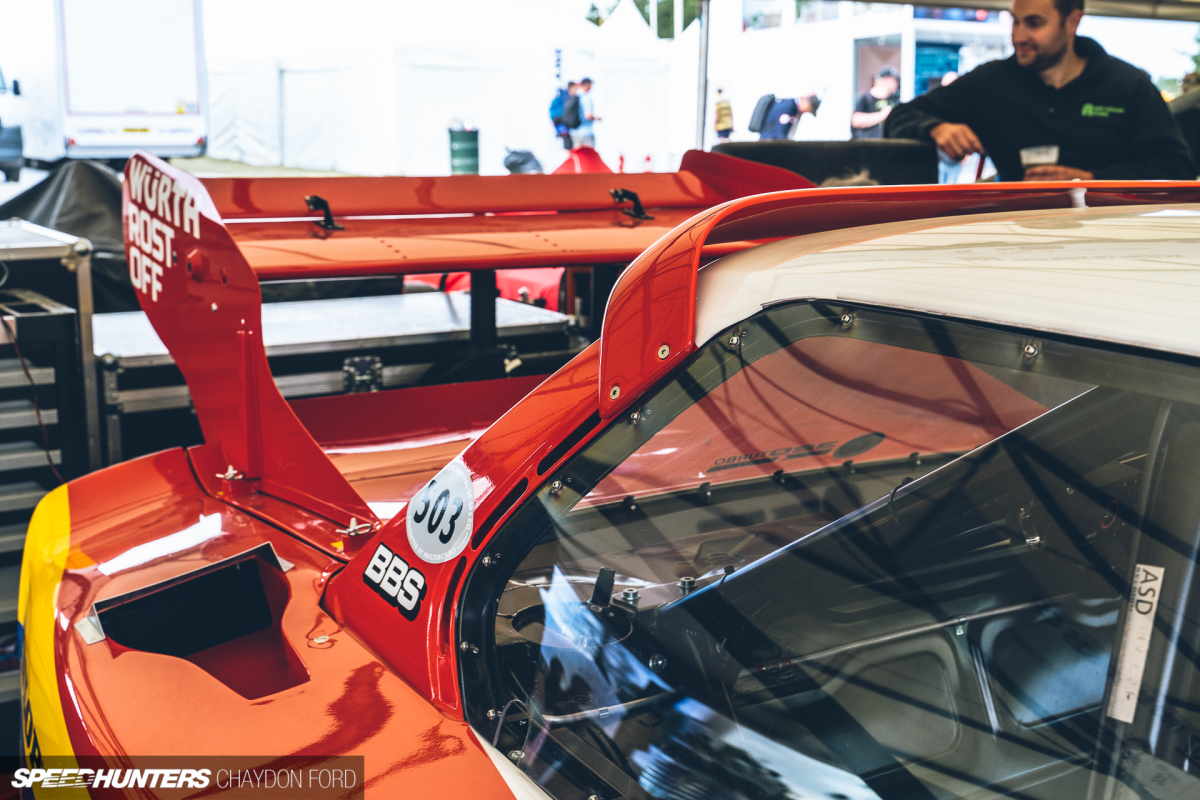


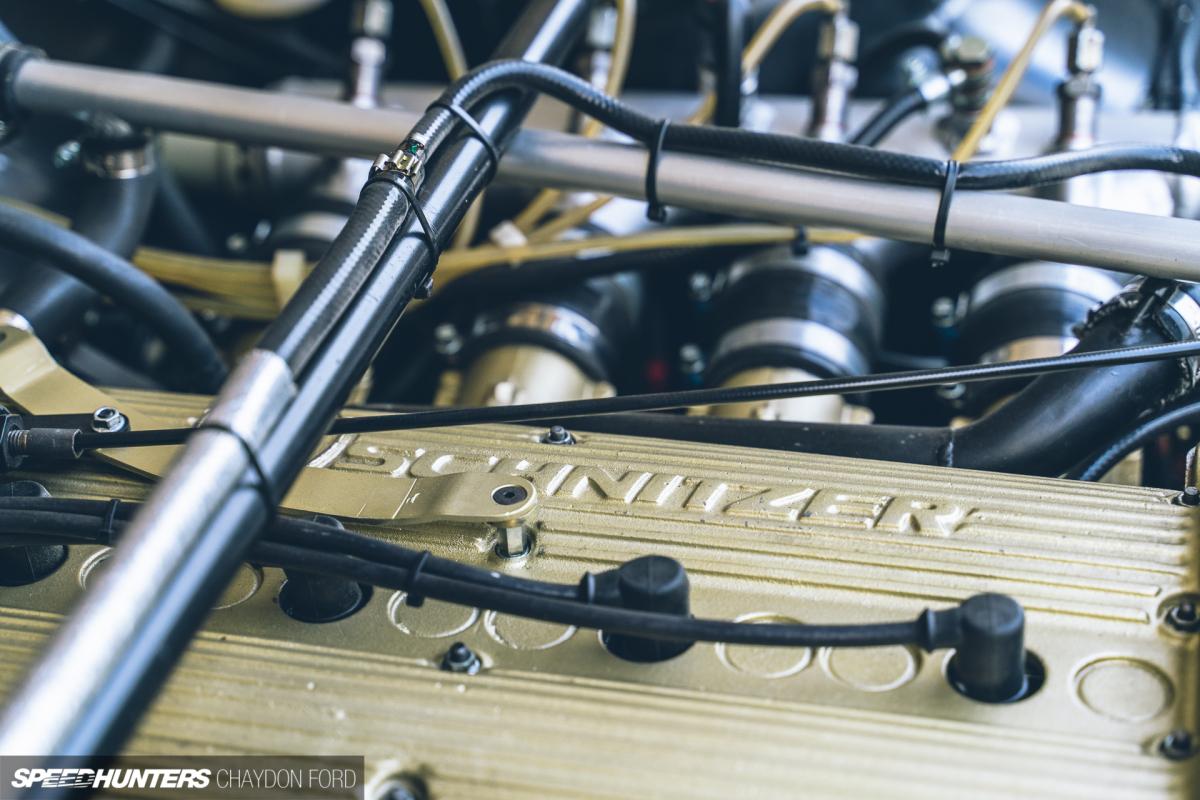

The 490hp that’s been extracted from the mechanically-injected and dry-sumped 20-4 Schnitzer turbo engine that spins to 9,000rpm only has to move 878kg (1,936lb), resulting in an impressive power-to-weight ratio. The motor is run in a ‘straight up and down’ configuration like in a Formula 2 car rather than canted over, just like the naturally aspirated version of the same motor fitted to the March 782 which placed second up the hillclimb over the weekend.
Hats off to Eric Qvick and his team at Qvick Motorsport for an outstanding build.
E24 635CSi Group A
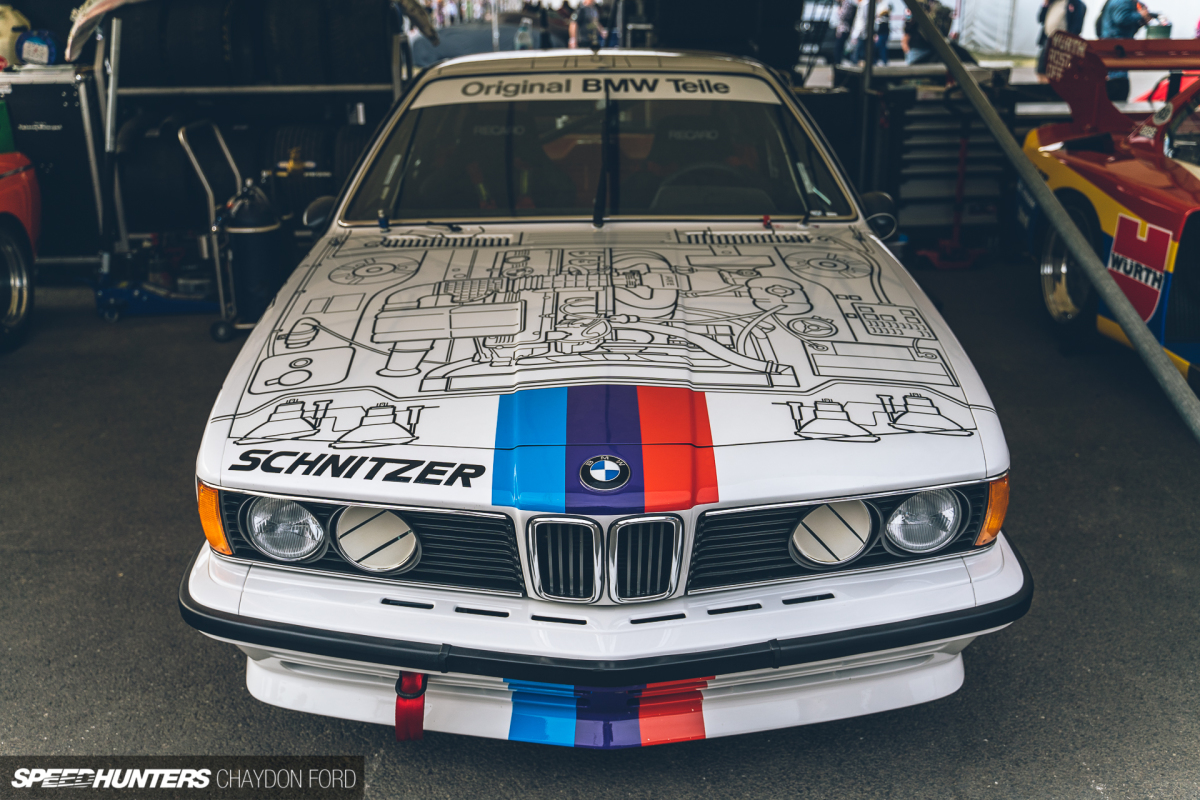
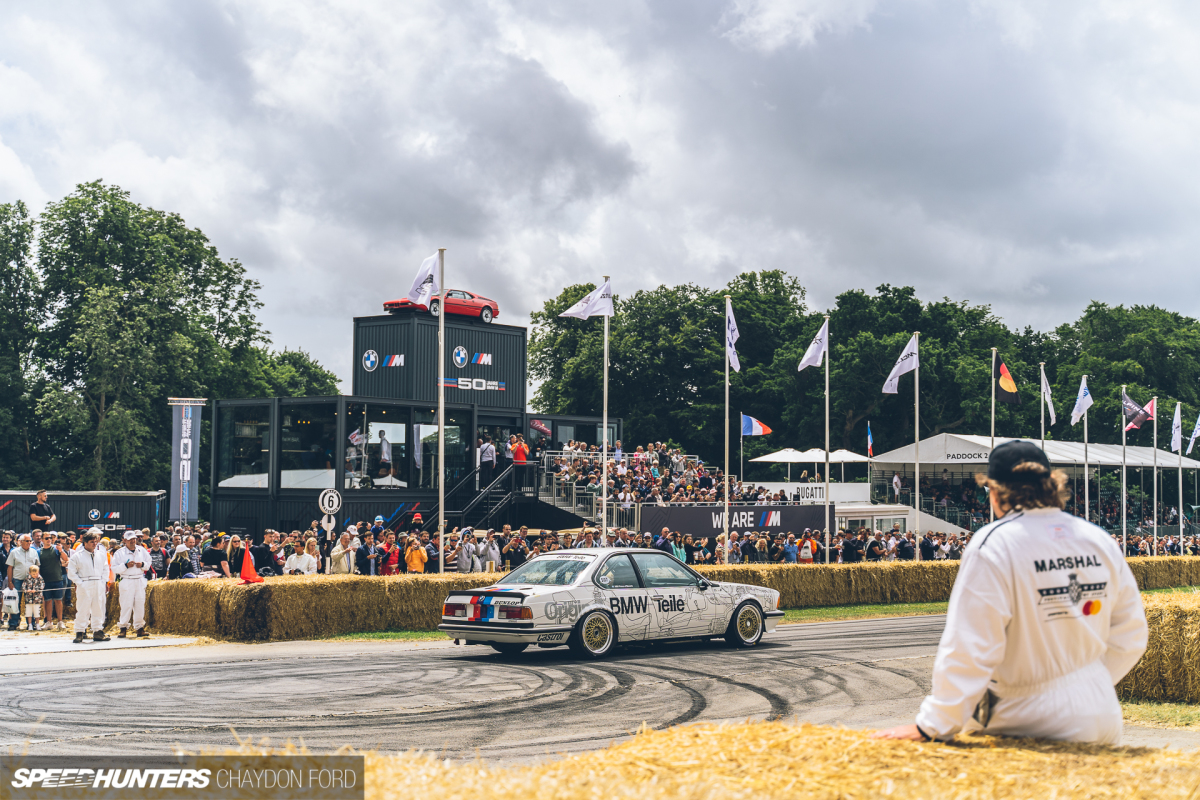

When Tom Walkinshaw Racing’s V12 Jaguar XJ-S coupe entered into the European Touring Car Championship, the 528i quickly became uncompetitive. BMW’s response was the 635CSi.
Built as a successor to the E9 CSL ‘Batmobile’, the 635CSi came powered by a 3.4L M30 inline-six engine developed in conjunction with Alpina.

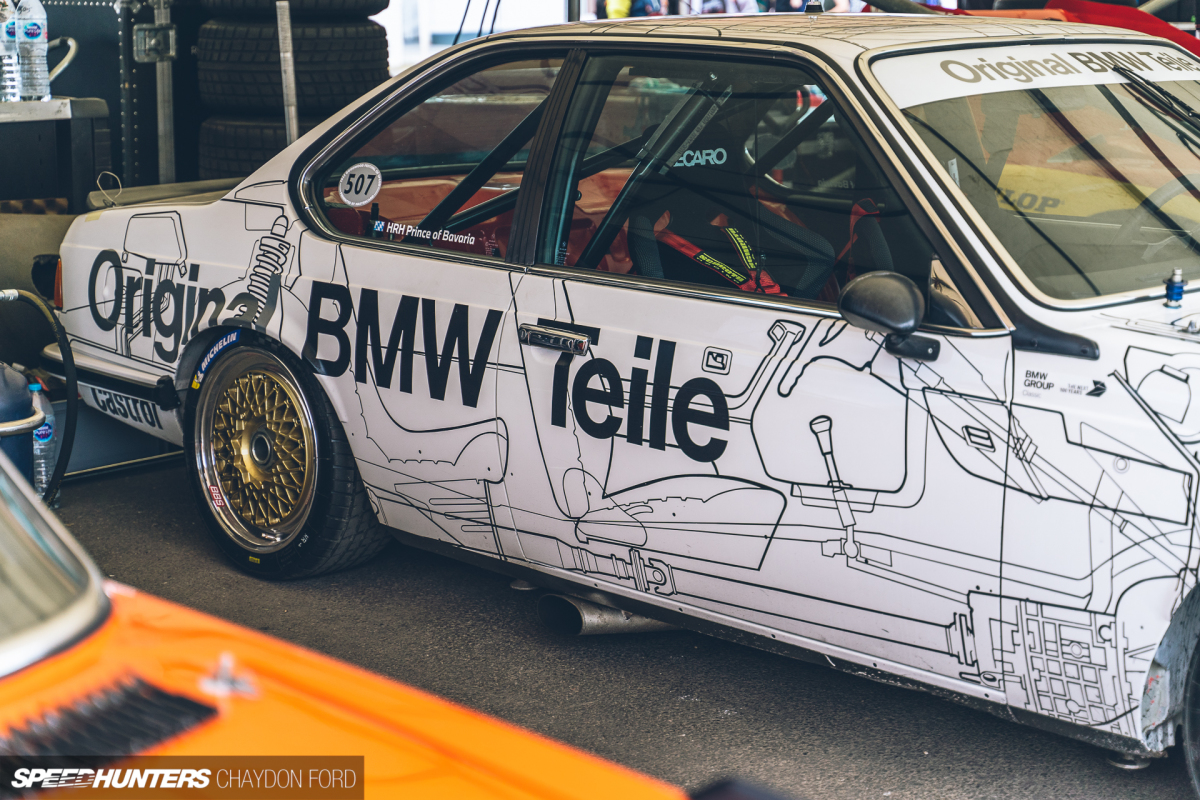
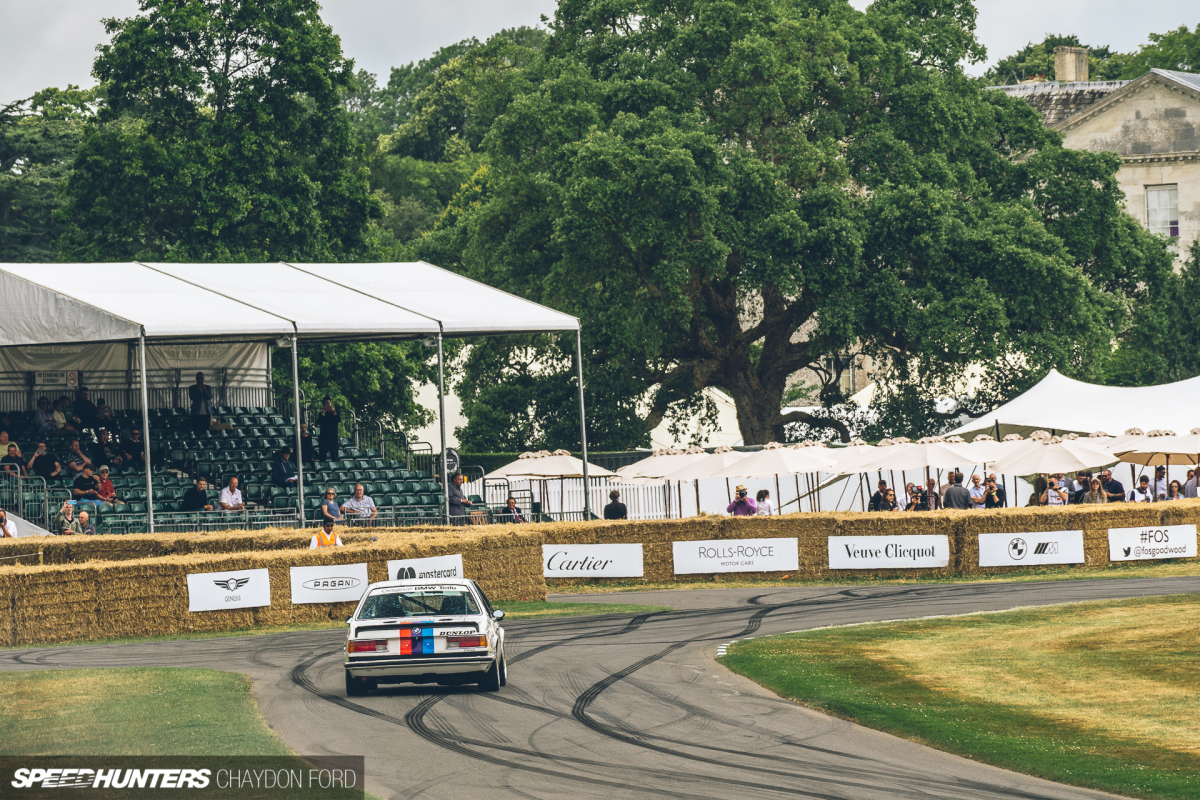

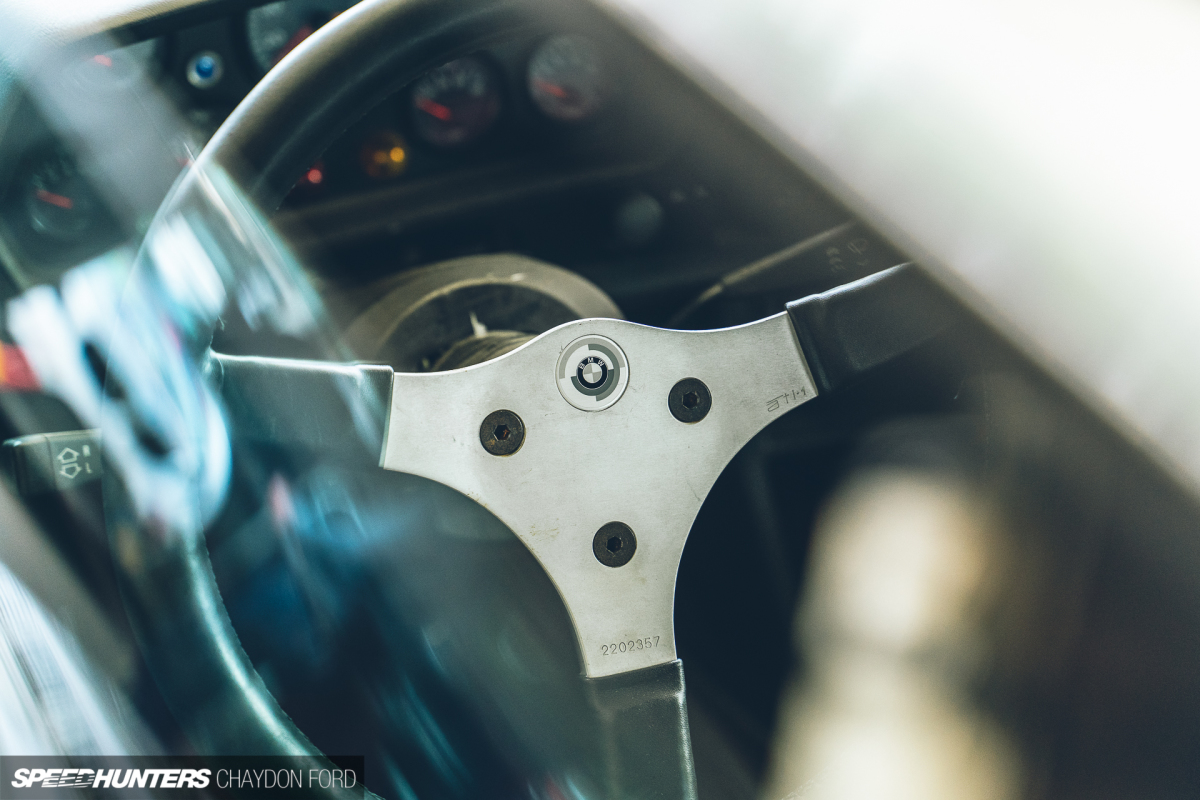
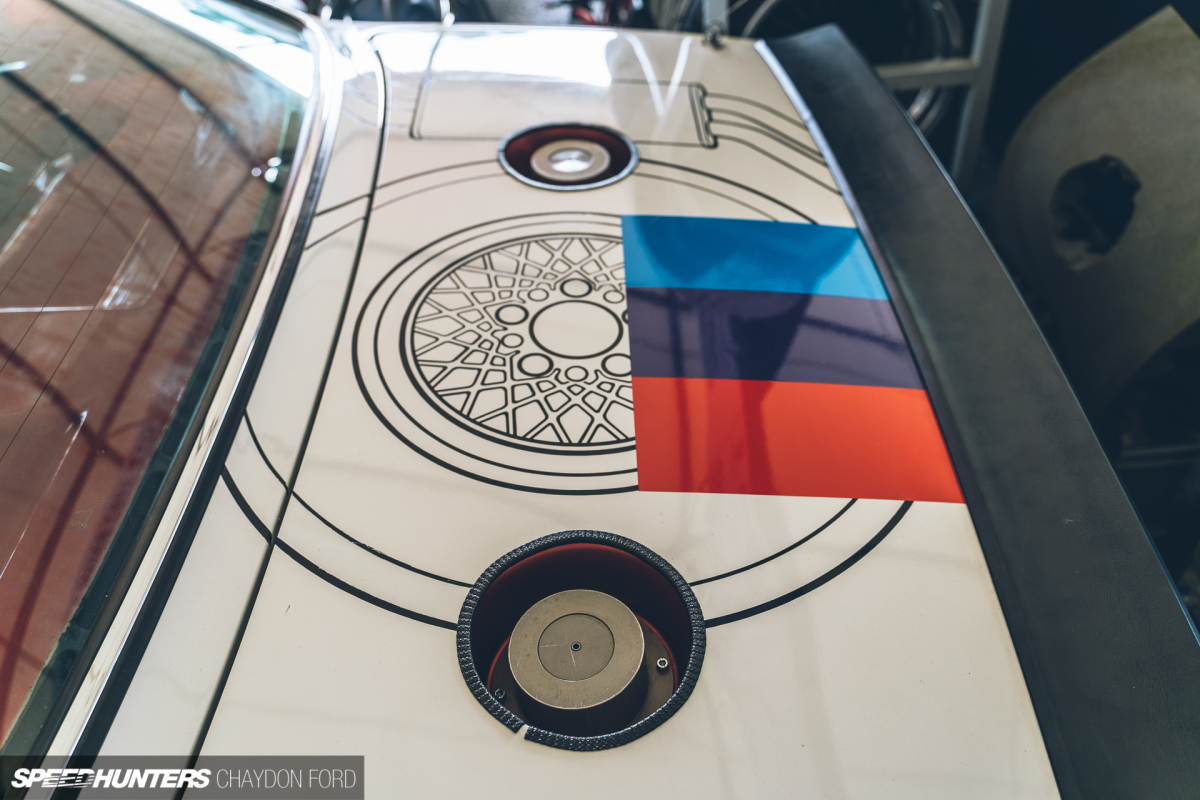

Nicknamed ‘sharknose’ for its distinctive forward-sloped front end, the 635CSi proved successful in not only endurance racing, but also shorter touring car races throughout its tenure – which was long. In fact, having been produced from 1976 to 1989, the E24 is the longest-running production series for BMW.
‘Original Teile’ translates to Original Parts, and this livery was done to promote BMW Genuine Parts, with the design displaying parts in their respective position in the car as if the car was transparent.
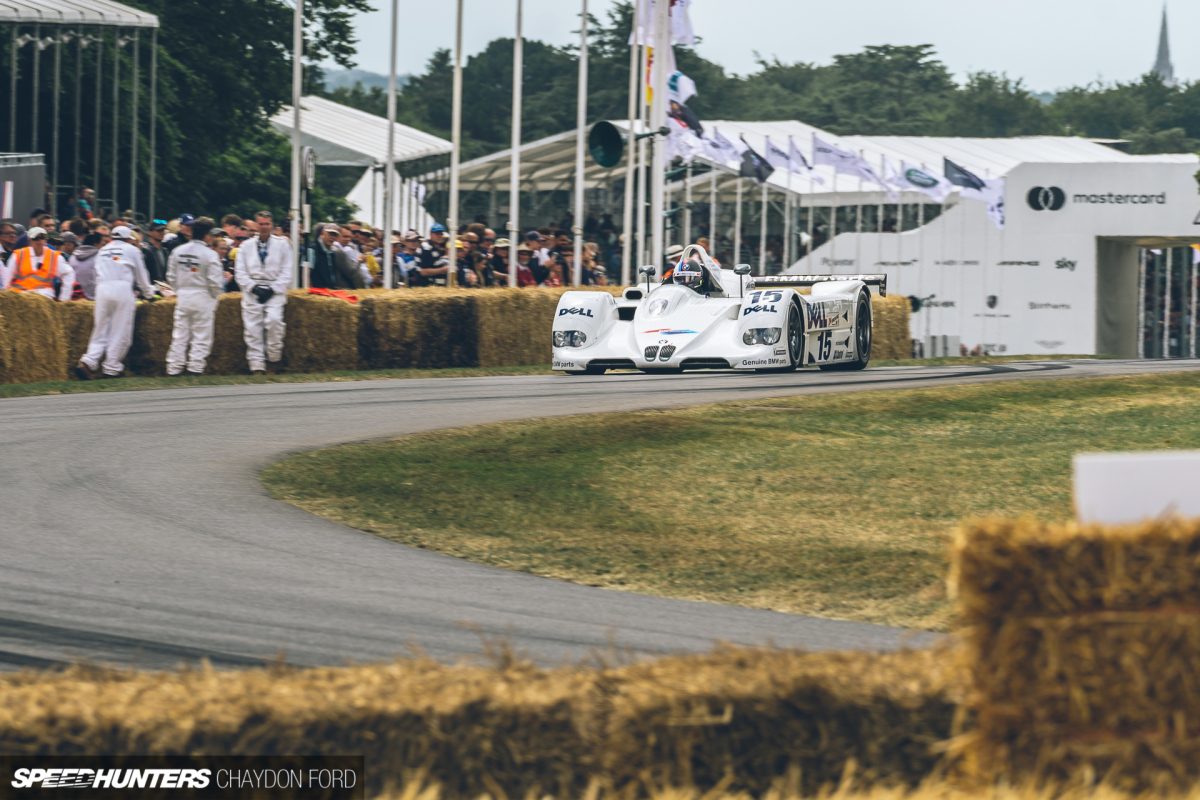
BMW V12 LMR

Providing BMW with its only overall victory at Le Mans in 1999, the LMR was a radical revision of the V12 LM from the previous year’s race. During the 1998 Le Mans 24 Hour, both cars succumbed to engine failure from cooling ducts placed too low in the bodywork, which suffered from residual track surface temperatures. Collaborating with the Williams F1 team. who built the chassis, the 1999 cars had the intakes placed higher, along with exploiting a loophole which meant a smaller roll hoop was placed only behind the driver, providing less drag.
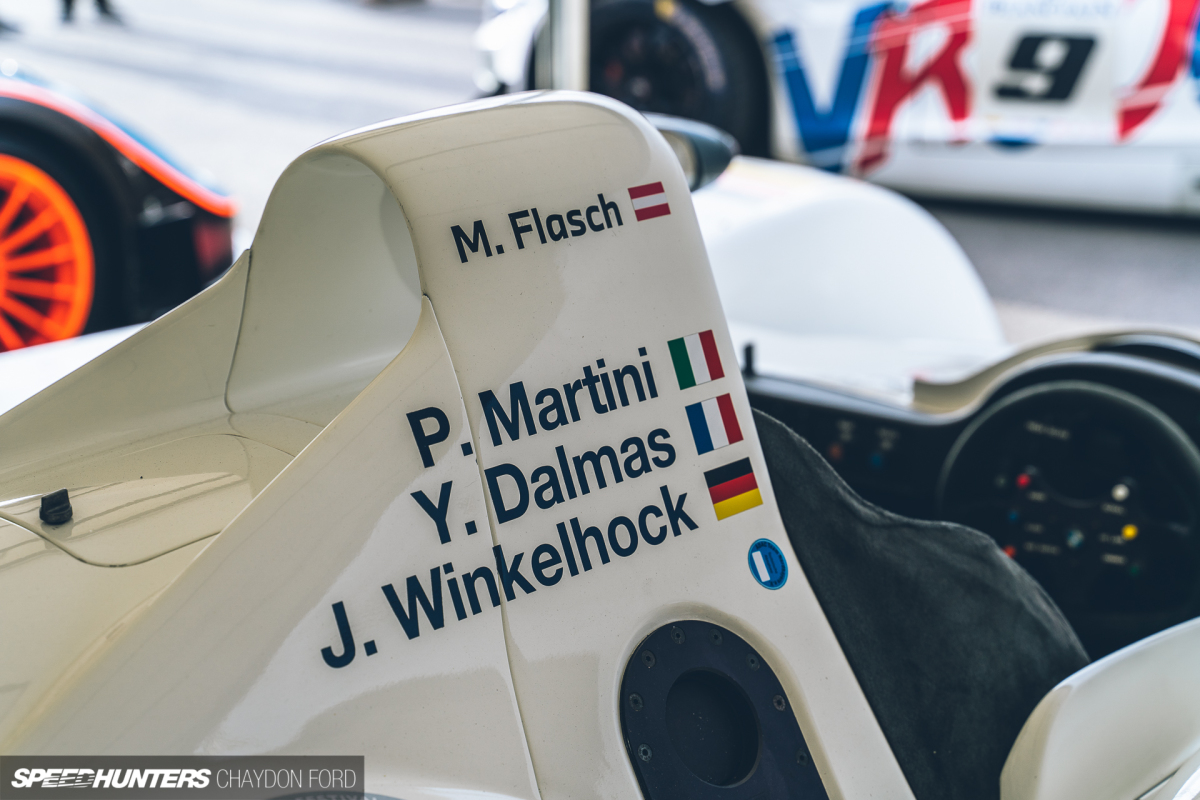
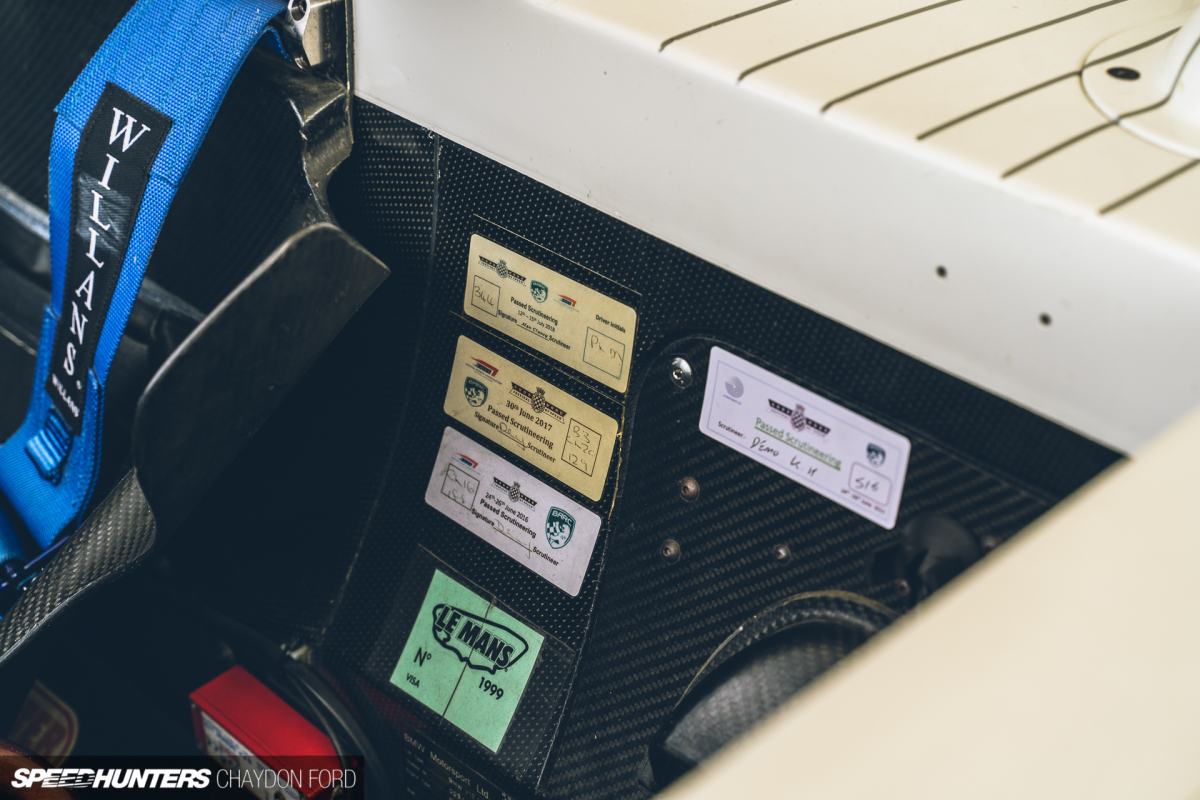

The cars were powered by an iteration of the same S70 engine that powered the McLaren F1, found here in slightly restricted form as the P75. So effective and well designed was the S70, that for more than two decades in unrestricted form, it remained the most powerful production engine emerging from the Bavarian manufacturer, only recently being surpassed by the 626hp M5 CS.
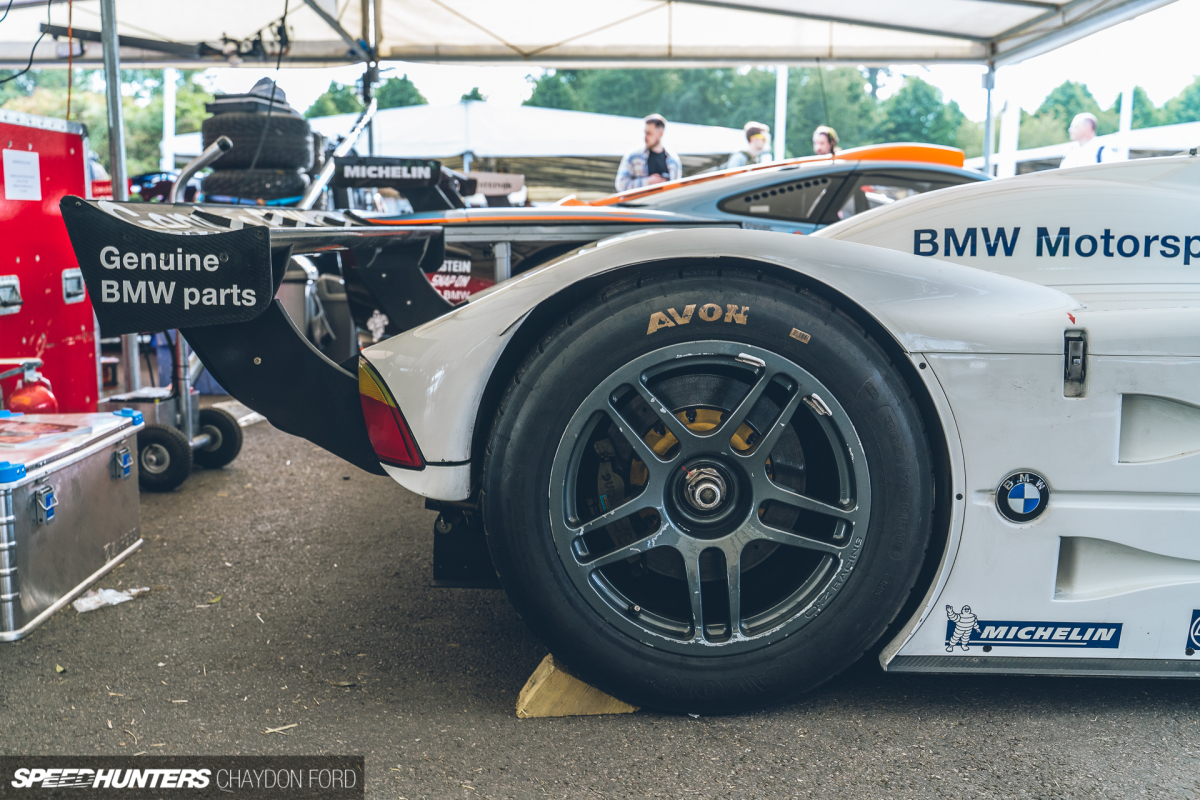

Five decades of the hallowed M badge has resulted in countless trophies on track and delivered engaging, emotive driving experiences from cars which belie their more humble origins on the road. But what of the next 50 years? We are on the precipice of a time where the internal combustion engine’s days seem to be numbered. Despite that, I believe whatever the propulsion method, BMW M will not only continue their high performance legacy, but also continue to preserve their heritage and honour all the cars from their history that have put them on the map.
Chaydon Ford
Instagram: chaycore
BMW related stories on Speedhunters