
As we drove from the airport to Kuala Lumpur during a tropical downpour, a familiar yet alien three-box sedan appeared through the mist of motorway spray.
“What’s that?” I asked Farah Darlings, one-half of Retro Havoc‘s management team. “That’s a Saga,” she replied with a hint of pride. “Do you like it?” I confessed my love for quirky, boxy cars, which led to a playful 45-minute ribbing from Farah about my unusual taste. Welcome to Malaysia.


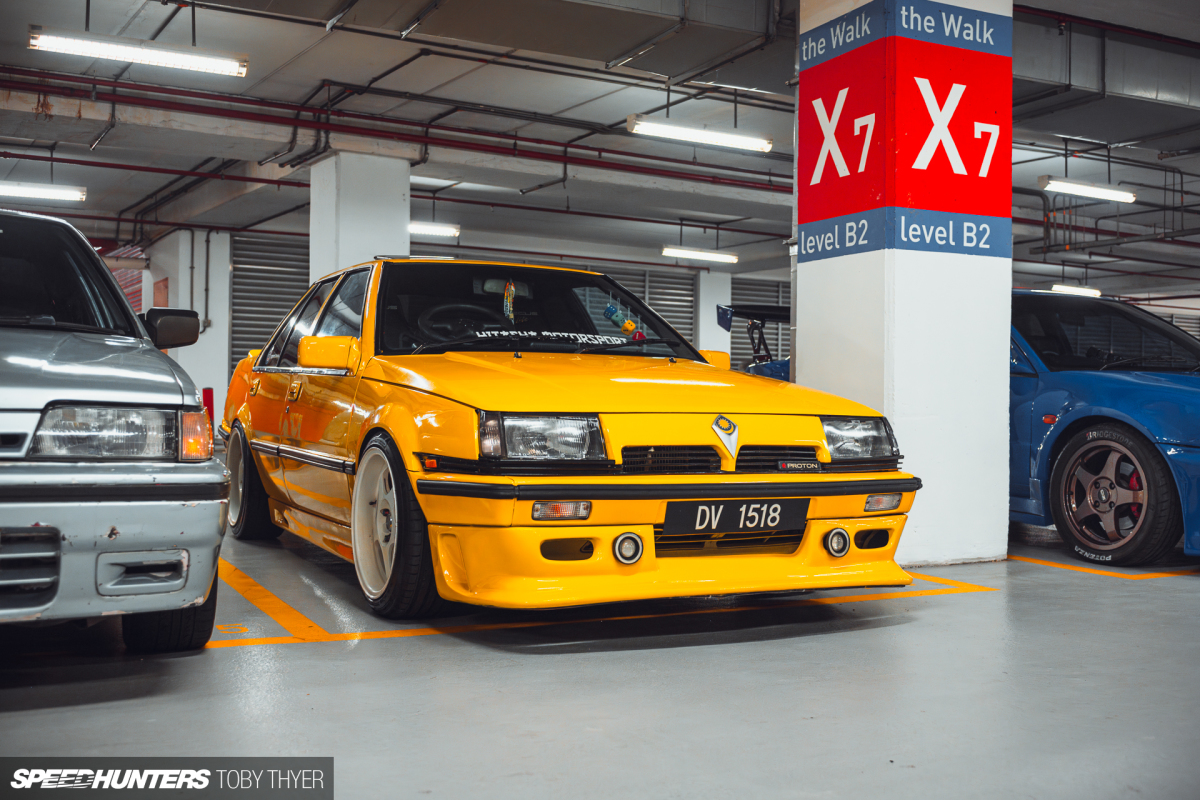
Boxy cars have a charm of their own, though. Even if 1980s technology could have enabled more aerodynamic designs, auto manufacturers would have stuck with the boxy look to match the era’s shoulder pads. A curvy design would have been a marketing disaster.


The Saga’s enduring appeal isn’t just about its sharp, handsome angles; it’s a cornerstone of Malaysian automotive history. As Proton’s first car, the Saga was a pioneering model.
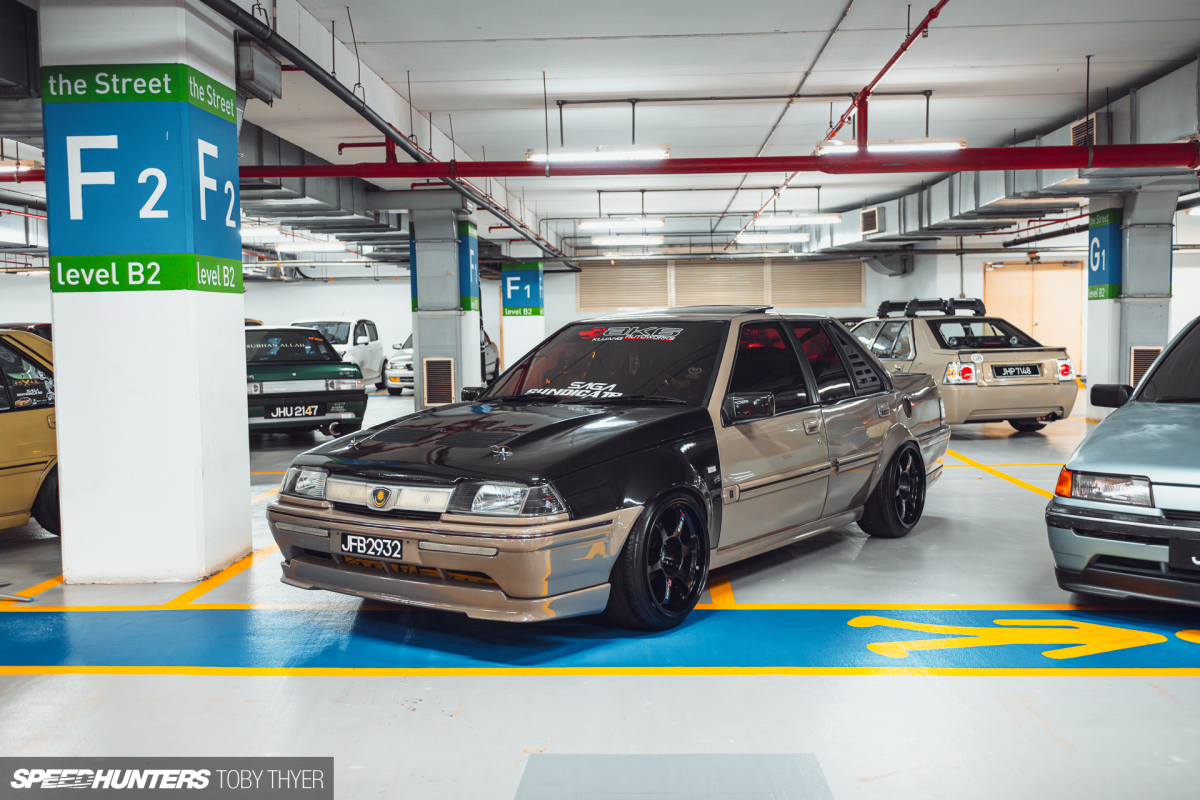
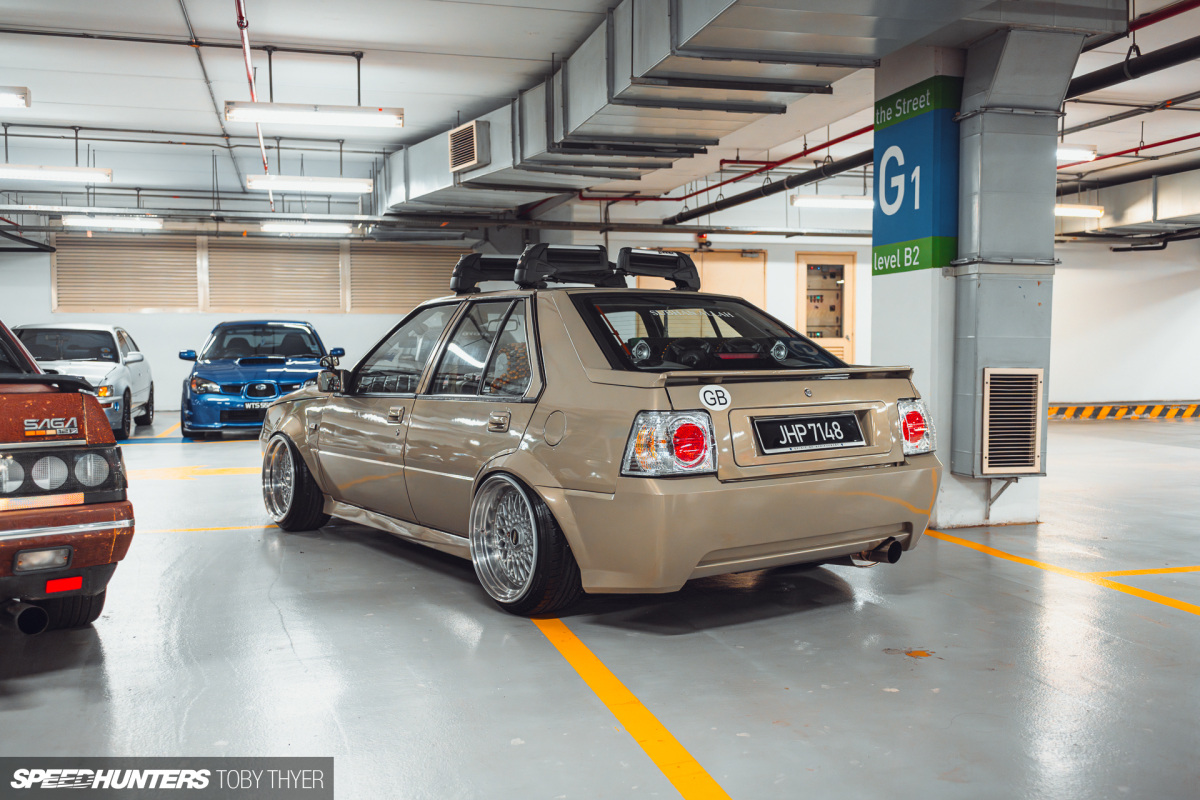
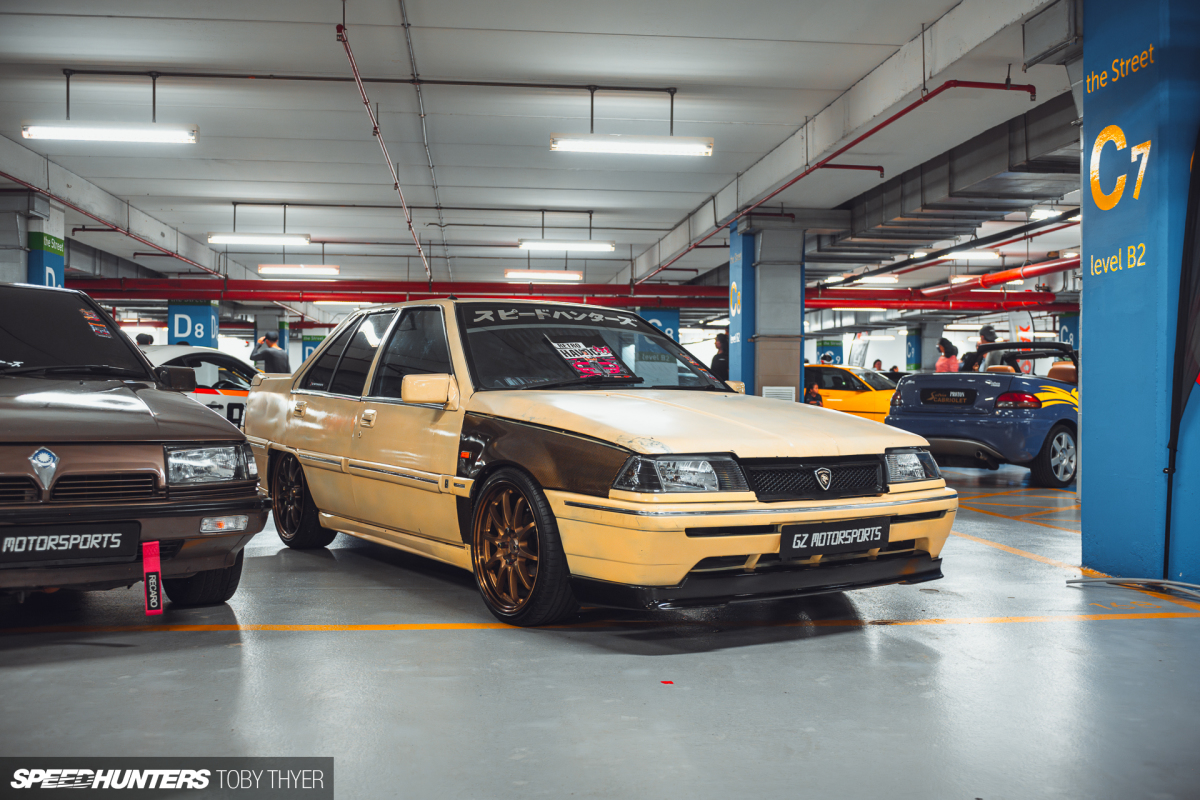
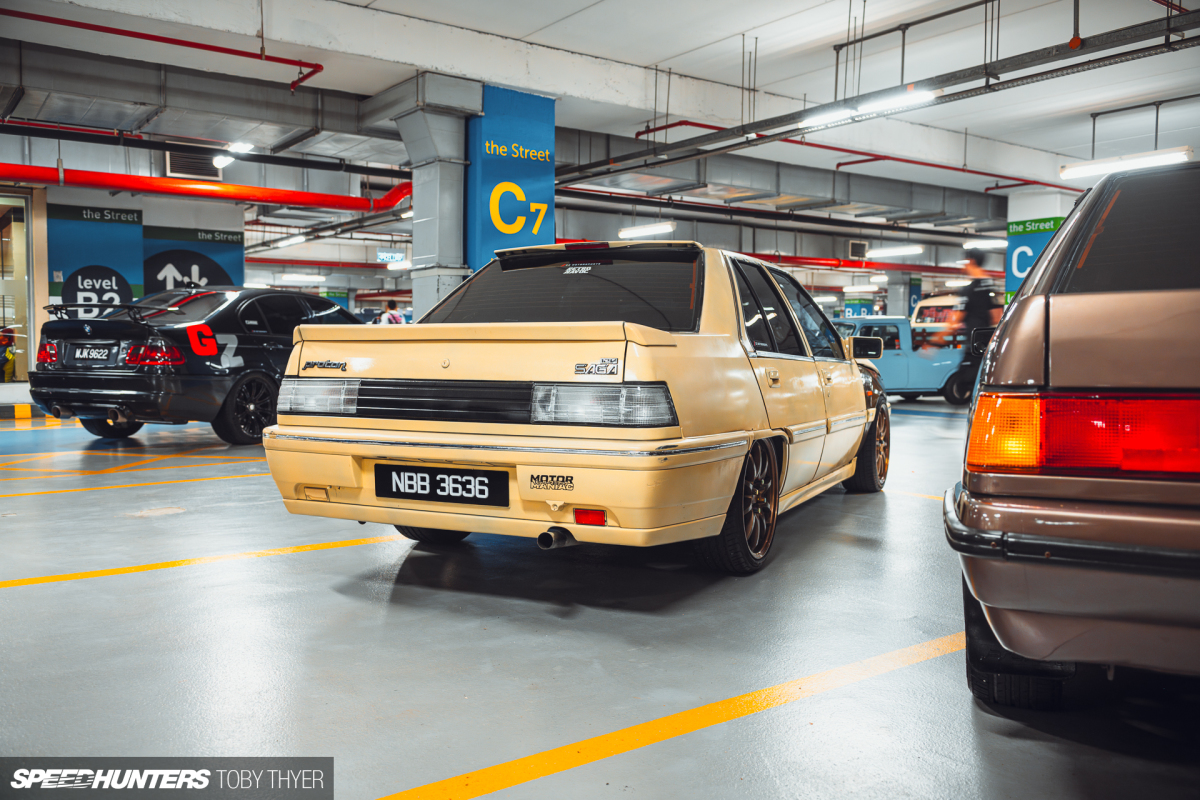
Released in 1985 and based on the Mitsubishi Fiore (Lancer), the Saga was Malaysia’s foray into domestic manufacturing and the global market. It became Proton’s first export, reaching countries like New Zealand, Singapore, and the UK.


Praised for its solid build, feature-rich design, reliability, and competitive pricing, the Saga was marketed as ‘Japanese technology – Malaysian style.’ It quickly became a source of national pride, with the model still in production today.
The owner of the Saga above drove it 8,000 kilometres from southern Malaysia to the northern borders of Thailand, navigating the Golden Triangle’s poppy fields without a hitch.


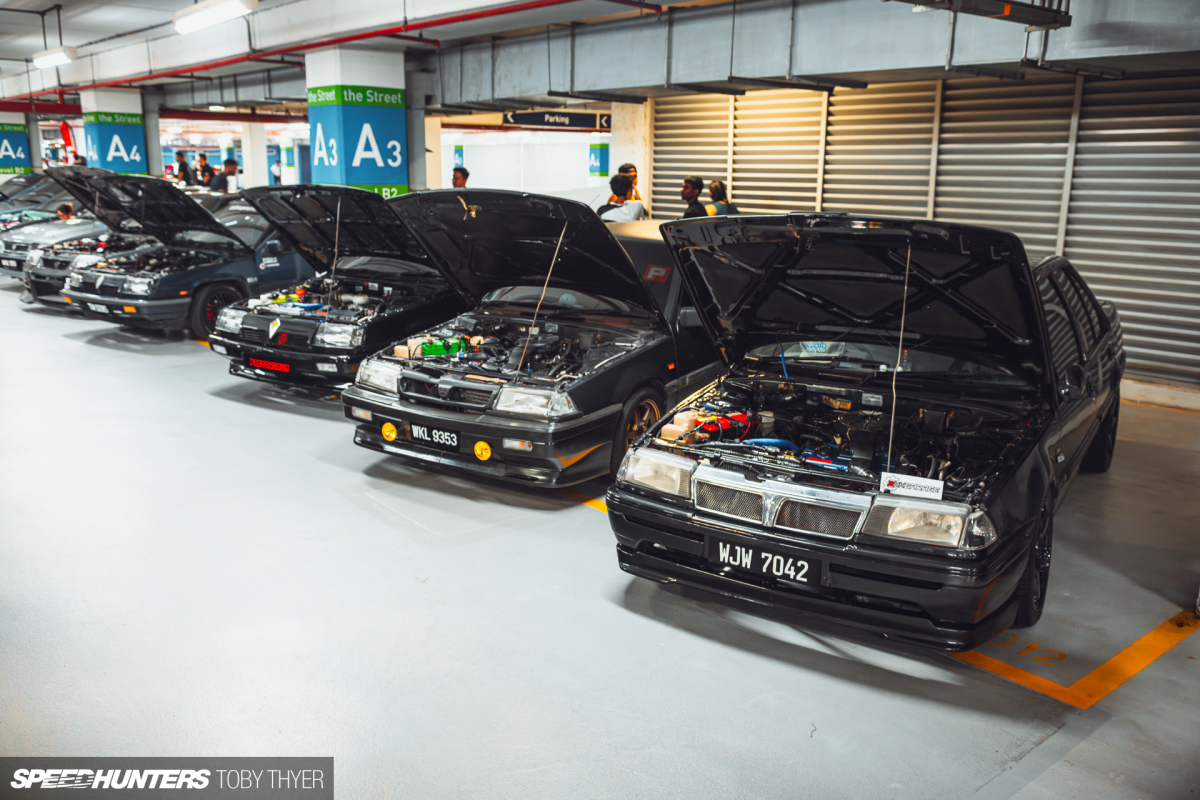
Initially equipped with a Mitsubishi-derived 1.3L 4G13 four-cylinder engine, the Saga soon upgraded to the 1.5L 4G15. By 1990, the engine was further refined to a 12-valve variant, which continues to be used today, marking an incredible 47 years of production.
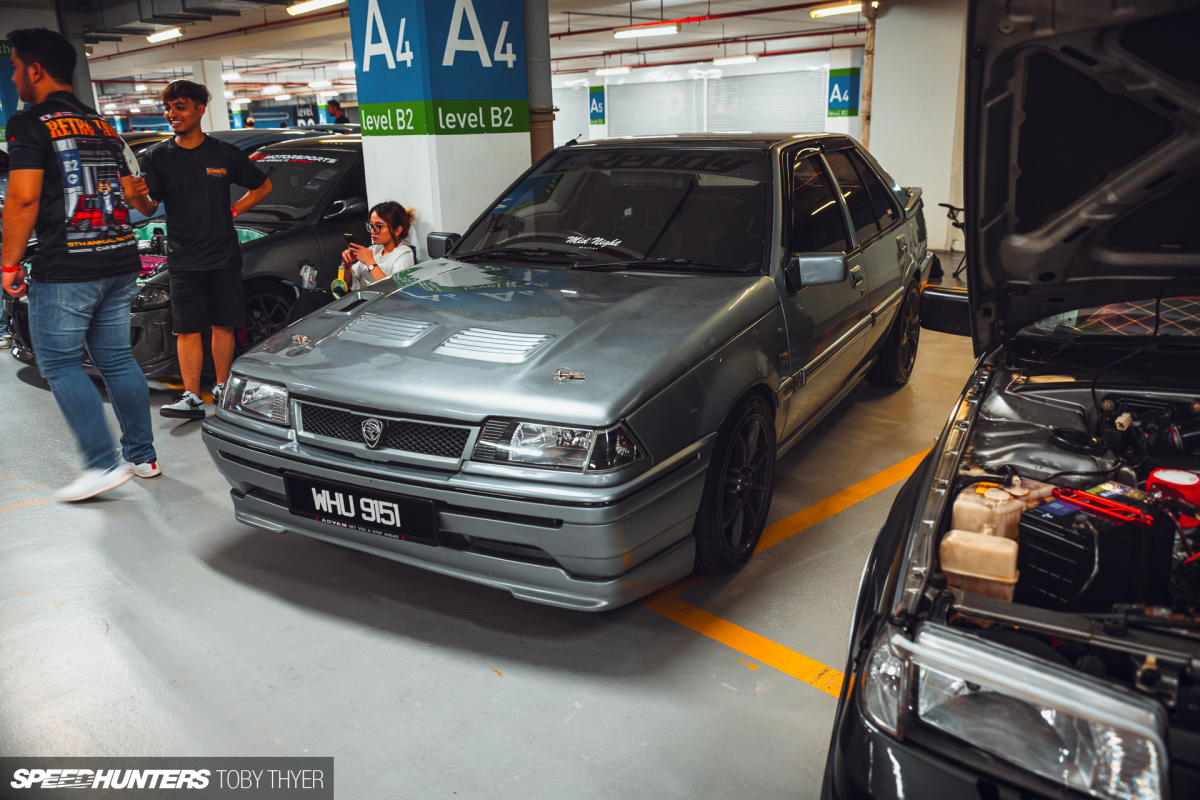
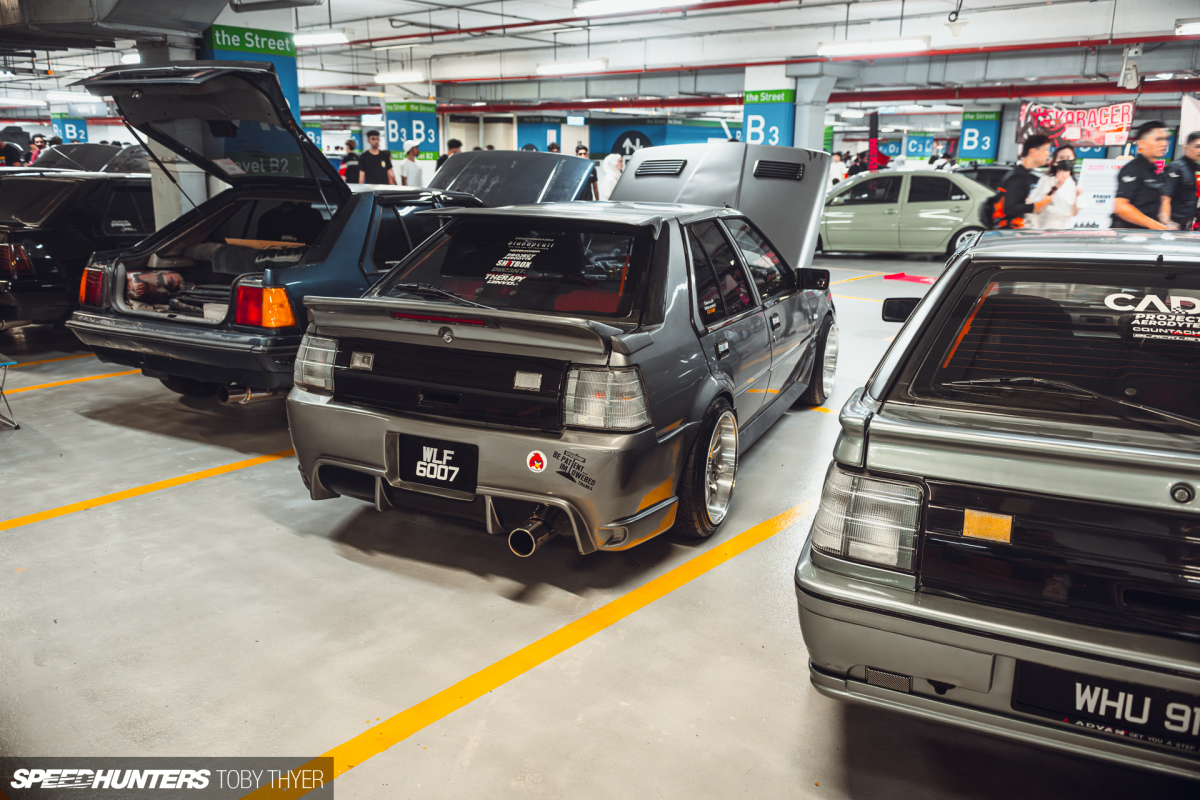
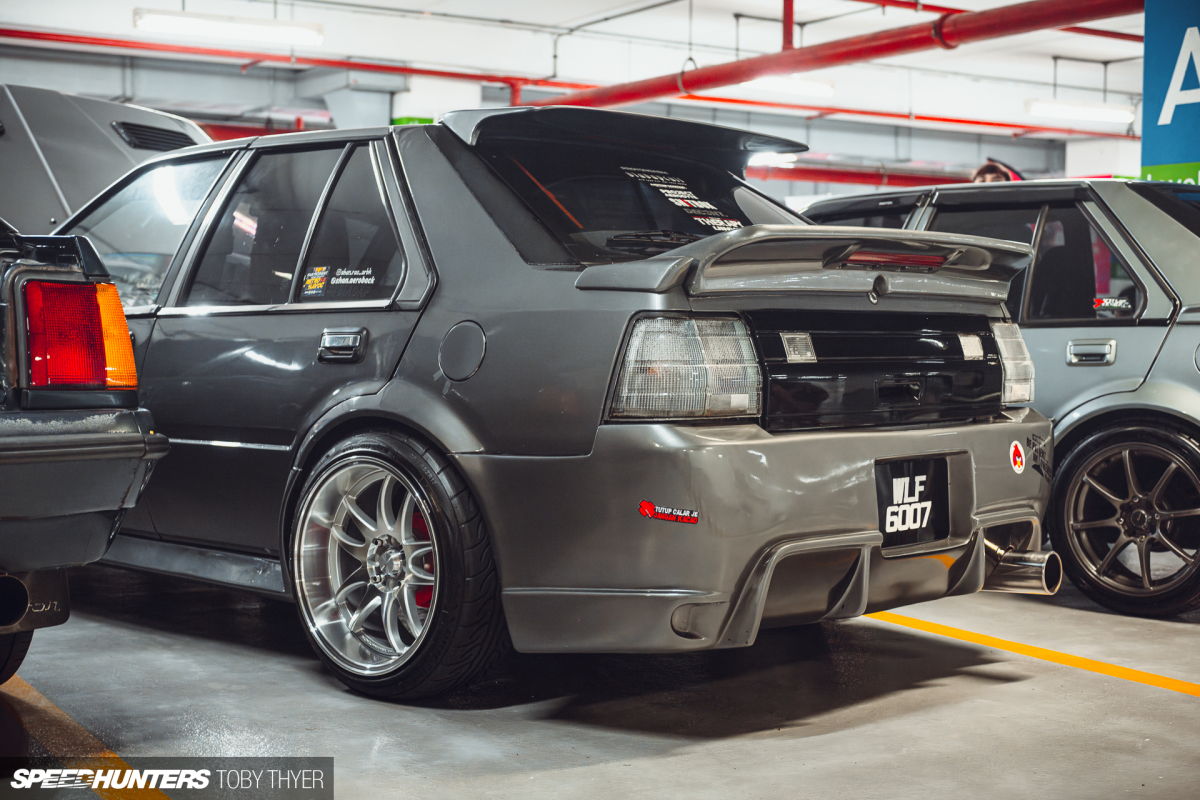
Speaking of long production runs, the first generation Saga ran from 1985 to 2008. That’s a long time to be wearing shoulder pads. To be on sale for 23 years between generations is extraordinary.


As I wandered through the Proton section at Retro Havoc 2024, I encountered two young enthusiasts peering into the engine bay of a blacked-out Saga. I asked them why these cars still hold such reverence and why fans continue to gather in clubs and online forums to celebrate these Japanese-Malaysian mash-ups.
Their answer was simple: patriotism. The Saga embodies Malaysia’s journey to independence, its industrial progress, and national identity.
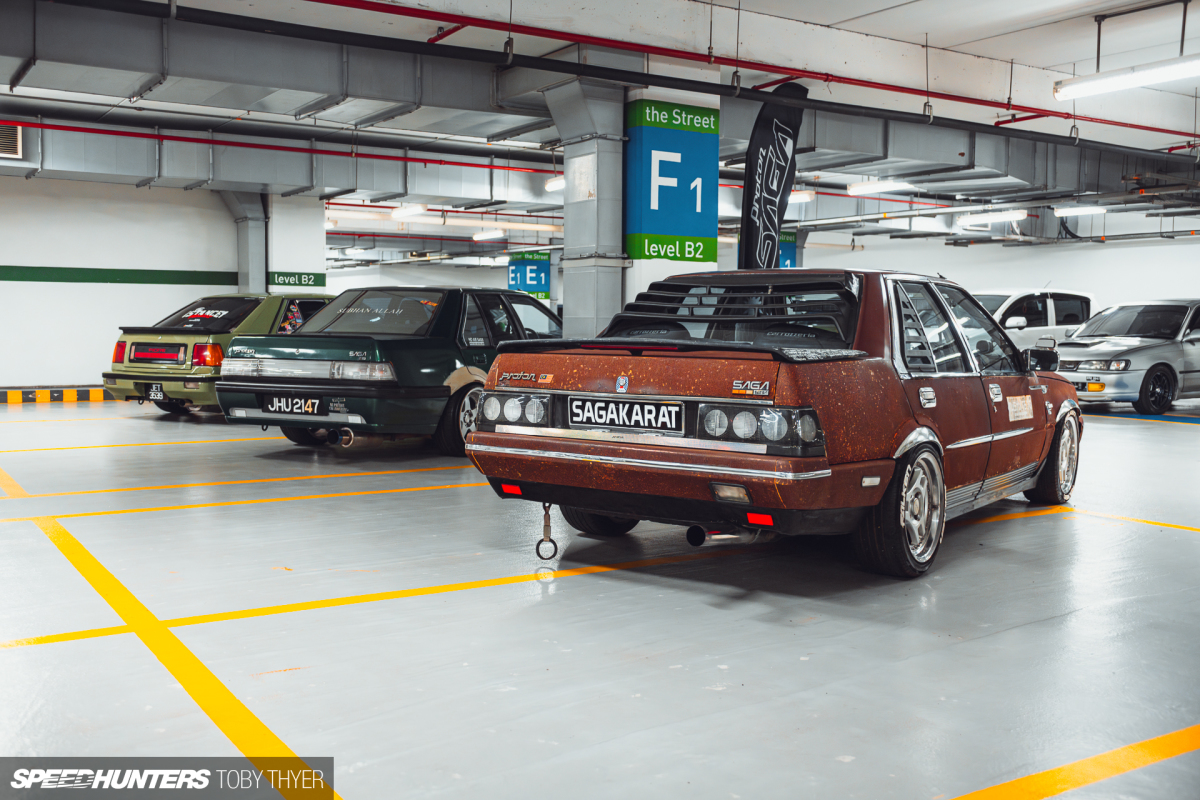


This is the car that transported Malaysian kids to school, endured ice cream spills in summer, embarked on family road trips, and served as the backdrop to teenagers’ first driving lessons. This is the car that, to this day, still inspires a passion for customisation and modification, as evidenced at Retro Havoc.

I have a soft spot for cars like the Proton Saga. They’re cherished for their sentimental value rather than their performance. Much like Vauxhall or Škoda, which began modestly but grew to hold a special place in the hearts of their respective nations, the Saga remains a beloved icon of Malaysian pride.
Toby Thyer
Instagram _tobinsta_
tobythyer.co.uk