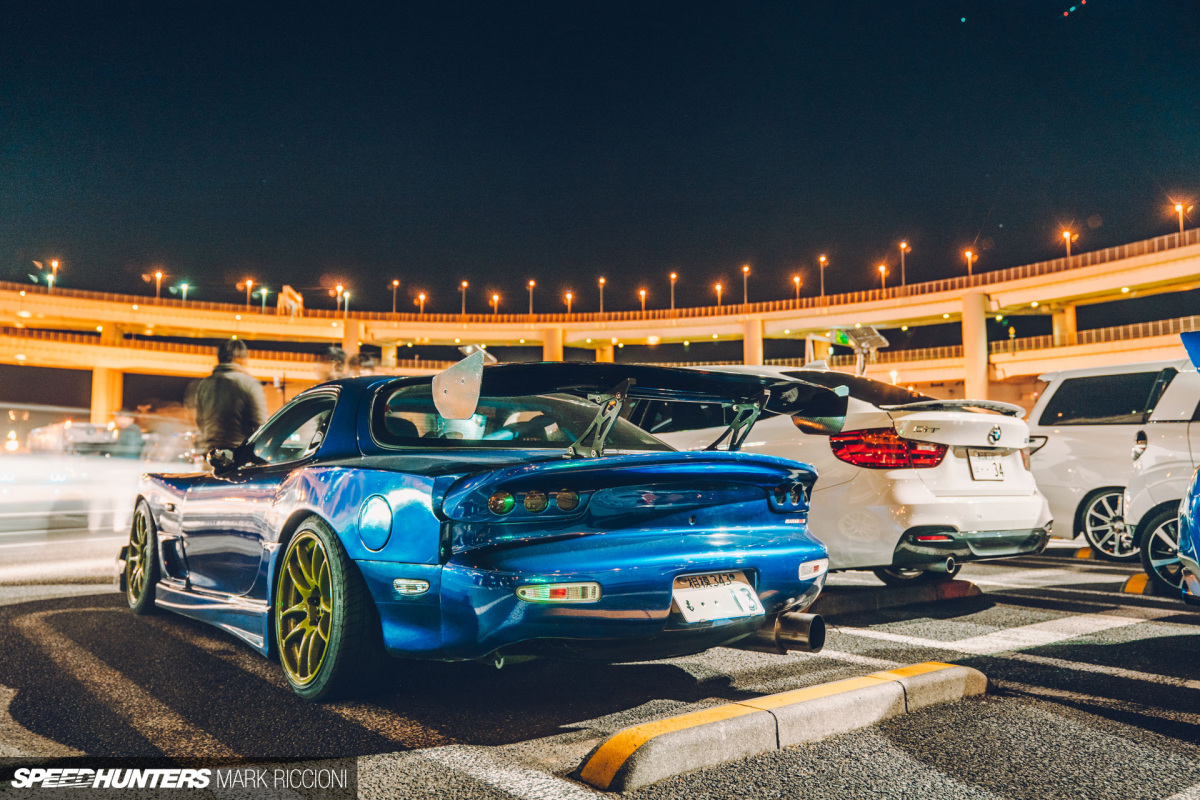
‘You know what we should do tonight? We should stand in a car park, with people we don’t know, looking at things we don’t own, while floating on a man-made island in the middle of Japan.’
I’m trying to think of another situation where this would be considered normal behaviour but, without the context of cars, it’s enough to get you sanctioned. Petrol-heads often get a bad rep for being a bit weird. We also don’t help that stereotype one bit.
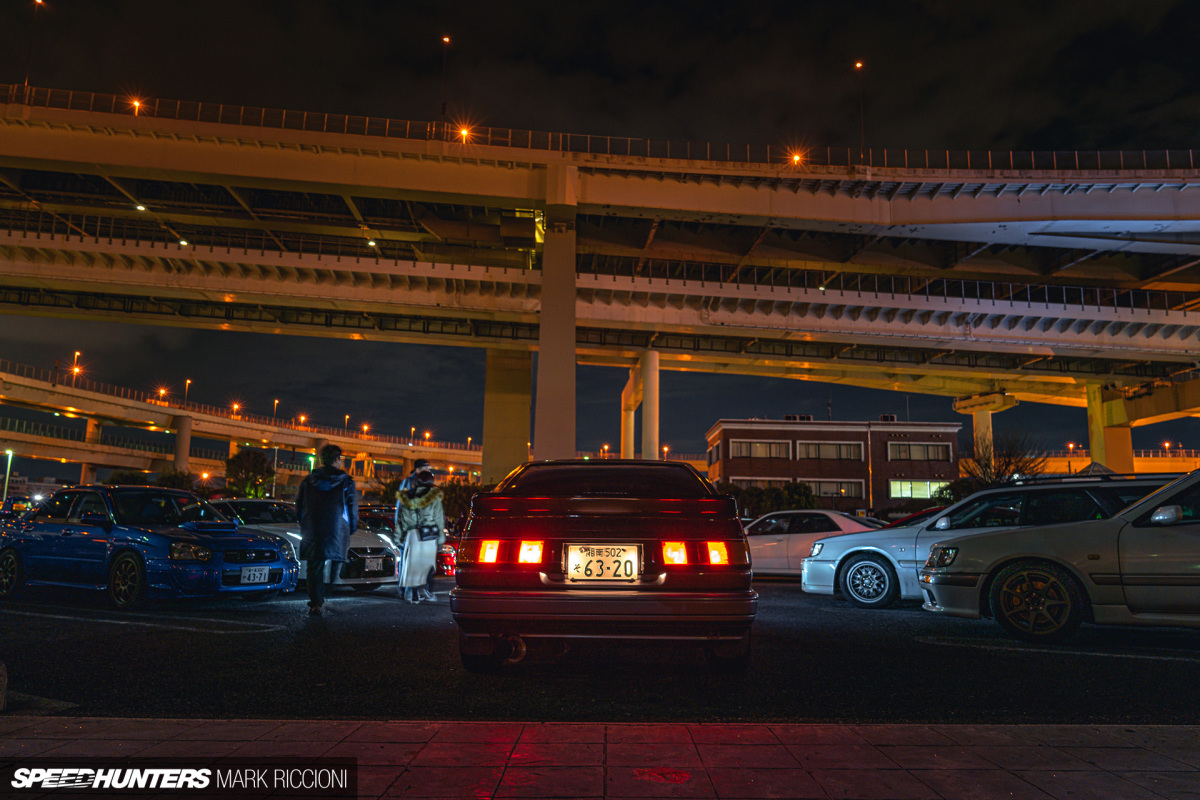
Before I’m looked upon in the same light as adults who dress as Furries and purr at one another, I’ll quickly point out that – surprise, surprise – this isn’t your typical car park. Strap yourselves in for yet another instalment of a Speedhunter getting far too excited about normal things in Japan.


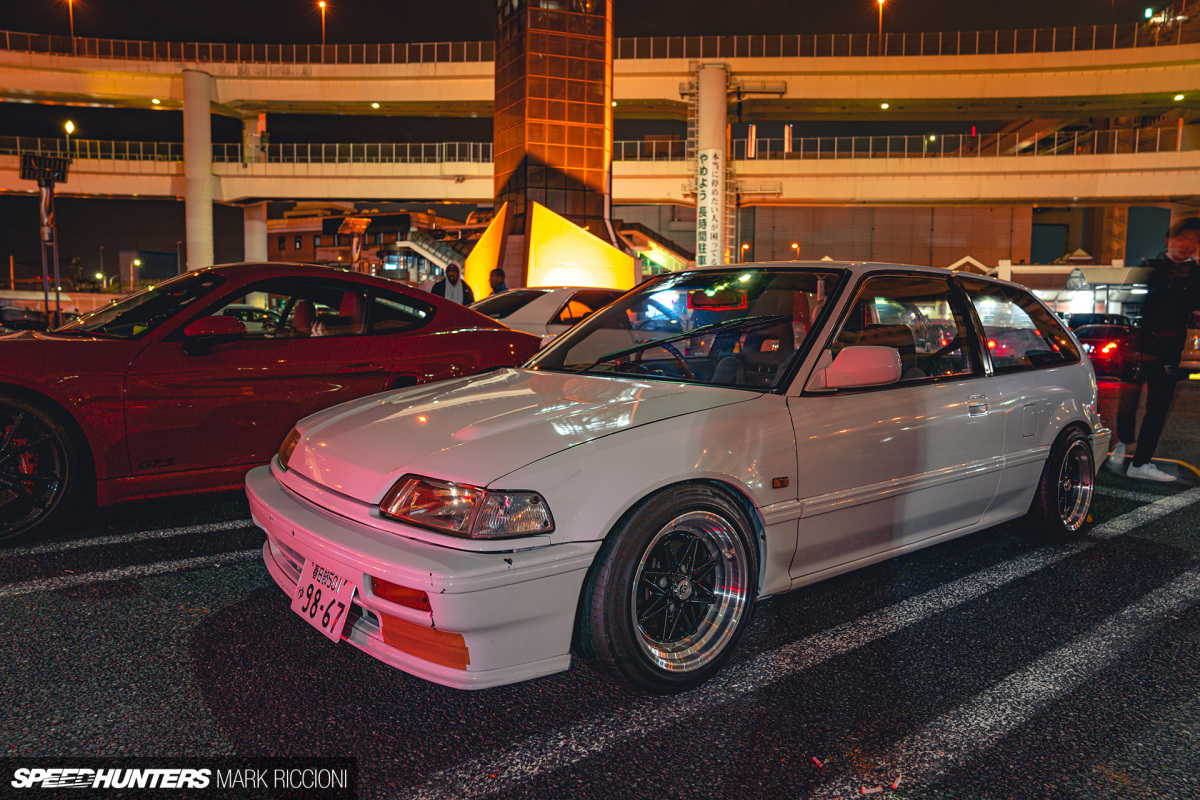
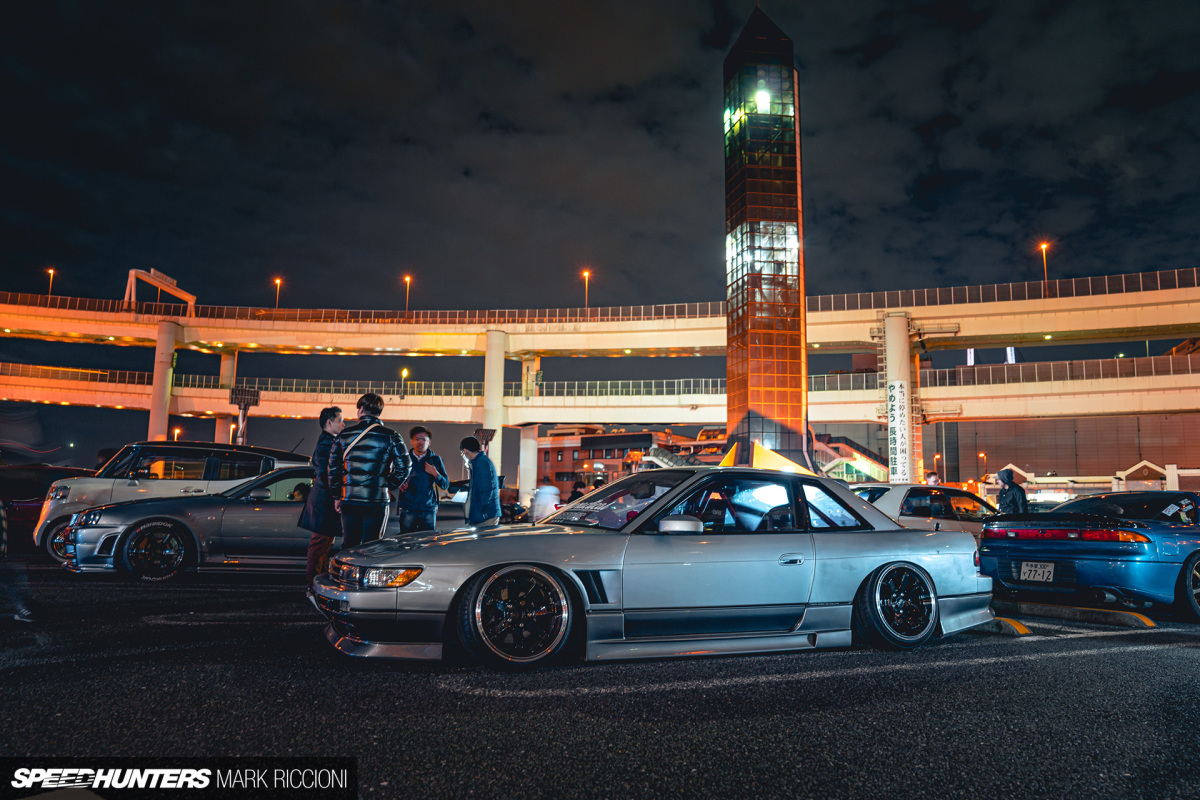
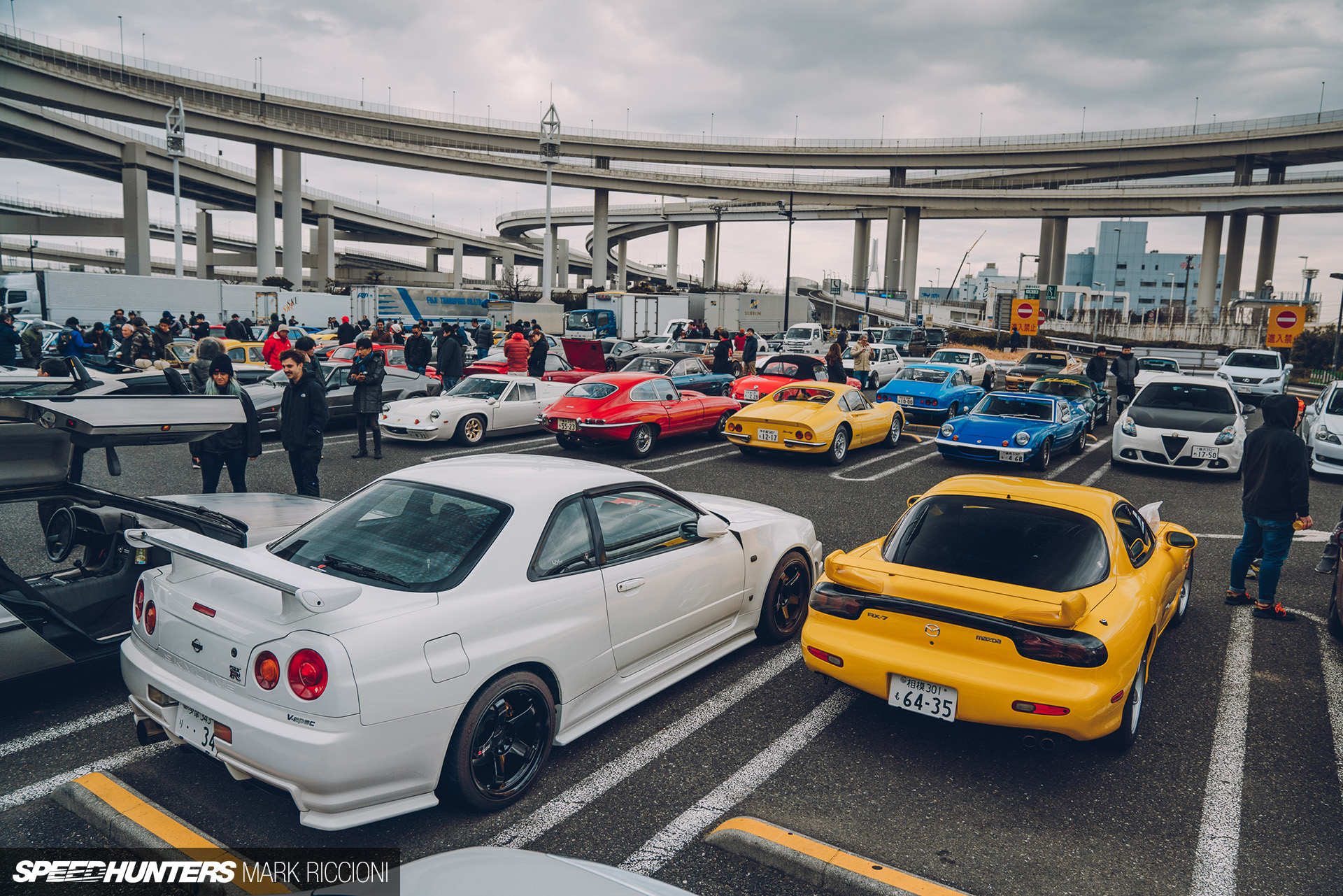
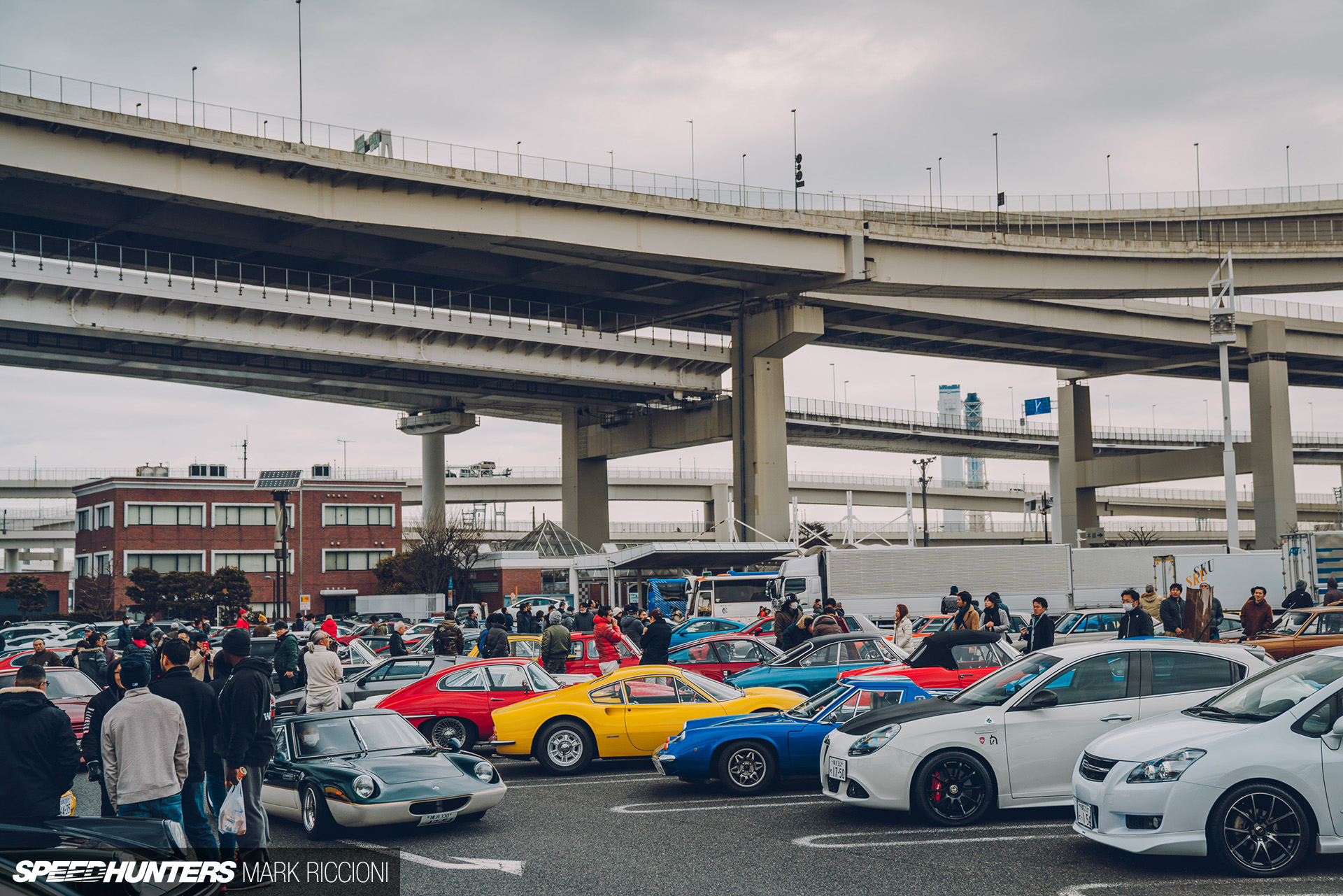
A swirling vortex of concrete wraps around an unsuspecting parking lot nestled between Tokyo and Yokohama. There are no neon lights, no 180bpm pop music and – if you’re a bit thick like me – it’s pretty easy to miss the motorway exit, resulting in a 25-minute detour. This is Daikoku PA.
Show of hands who doesn’t know about Daikoku. Anyone? Nobody? Let’s be honest, this isn’t news; I’ve lost count of how many times it’s been covered on Speedhunters. Cynical readers could classify this as lazy huntin’, but in reality it’s just the gift that keeps on giving.
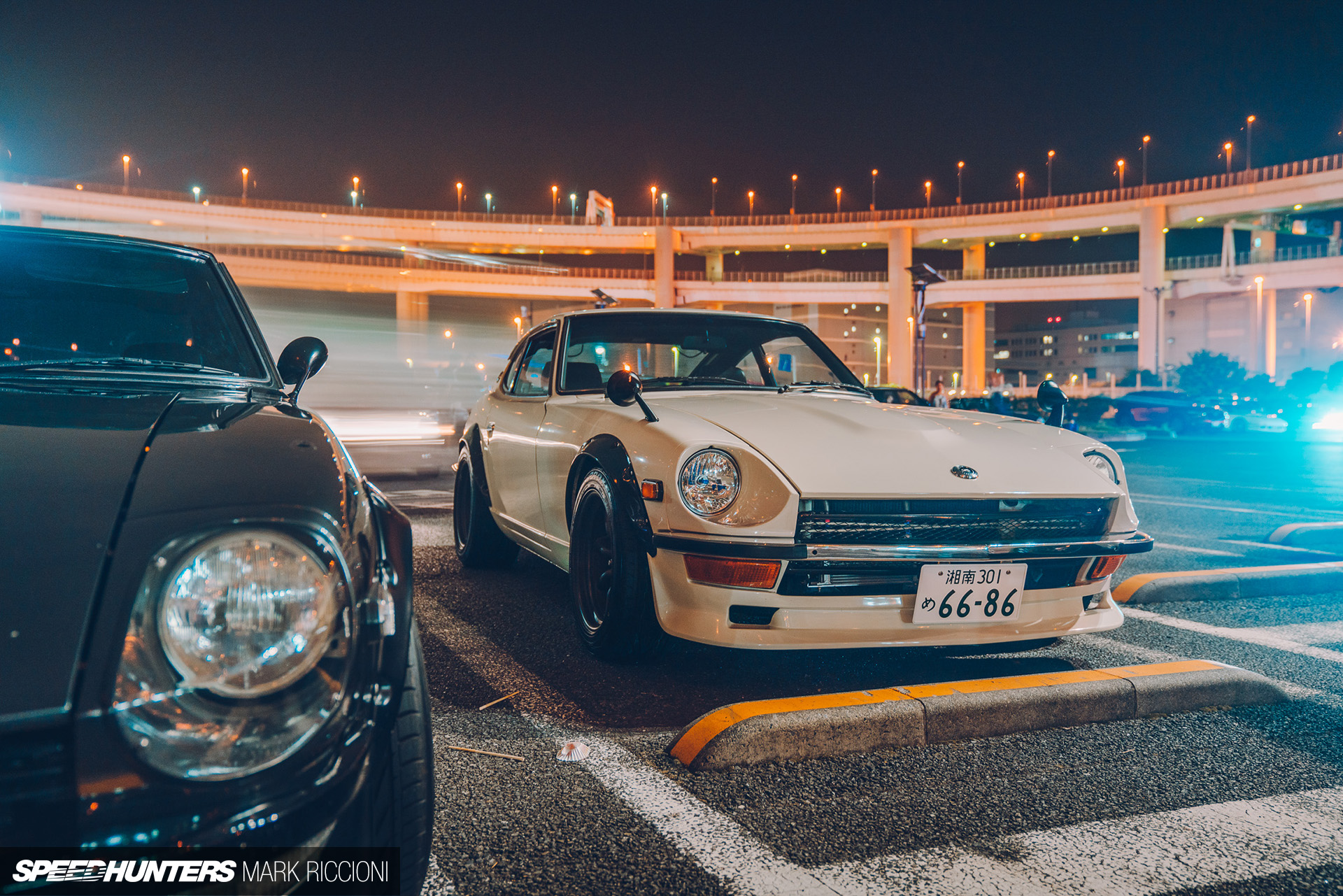

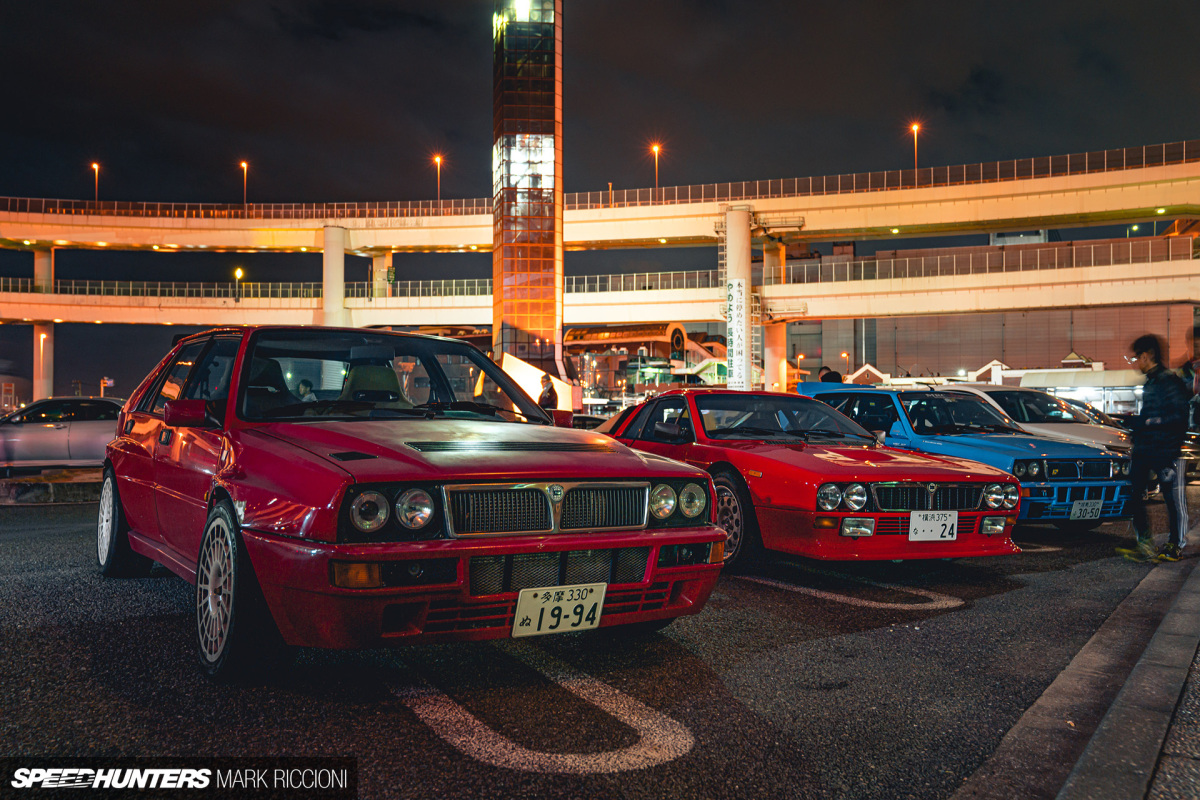
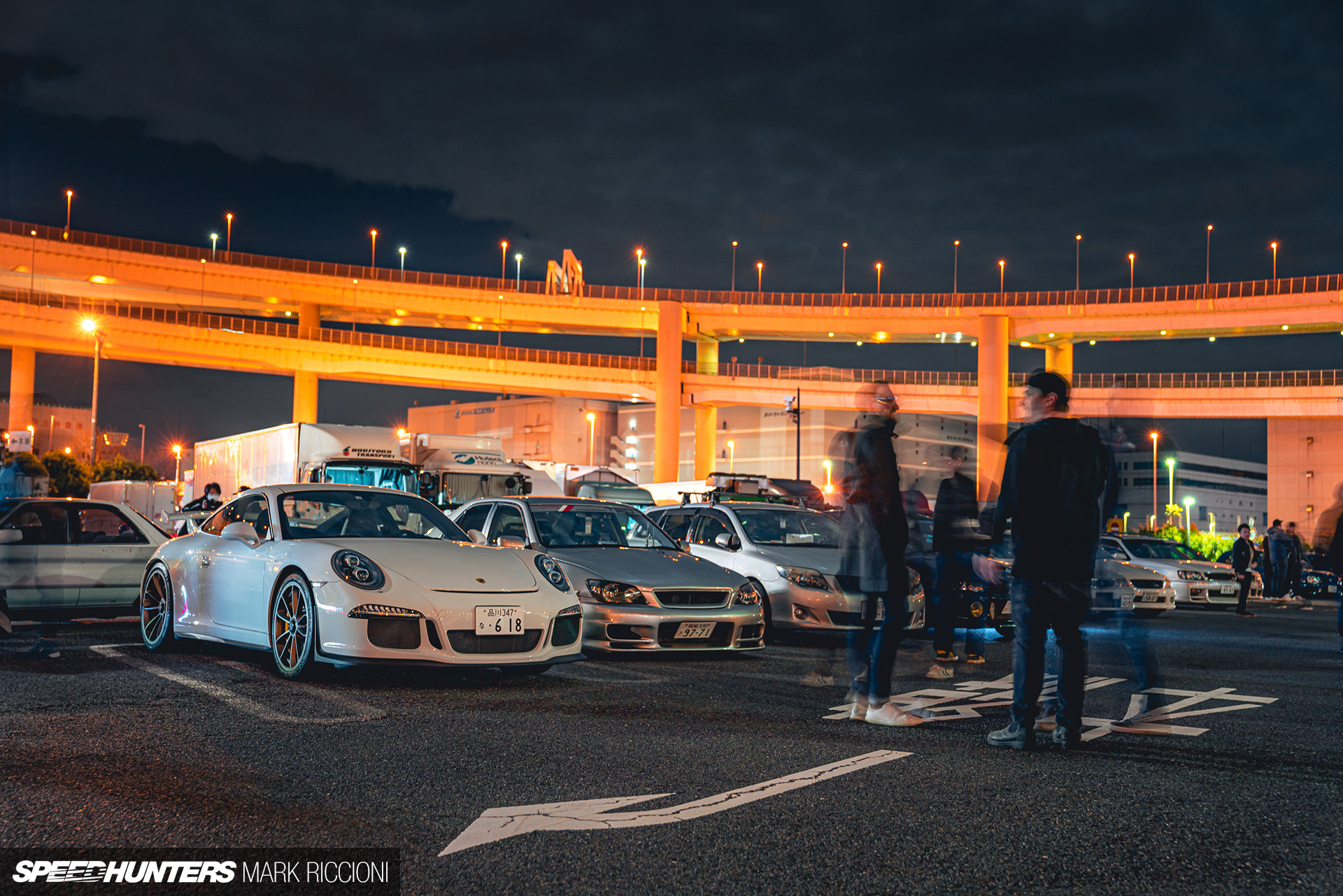
To me, Daikoku PA is the epitome of Japanese car culture; a complex yet ruthlessly efficient design, rows of perfectly symmetrical bays, and the prospect of something different with every visit. And that’s ignoring the spiralling route into here which resembles a special stage in Super Mario. It looks impressive in images, but in real life it’s almost otherworldly.
Over the past decade there’s been a huge rise in cars and coffee-type meets. What started as something relatively quirky is now commonplace in just about every country. Simply take the word ‘car’ (or something automotive based), mix it with some form of condiment, and voila – your new venue awaits. Pistons and pancakes? Turbos and teacakes? Wheels and wasabi? Can we please call a truce on this naming before even the Furries call us odd.
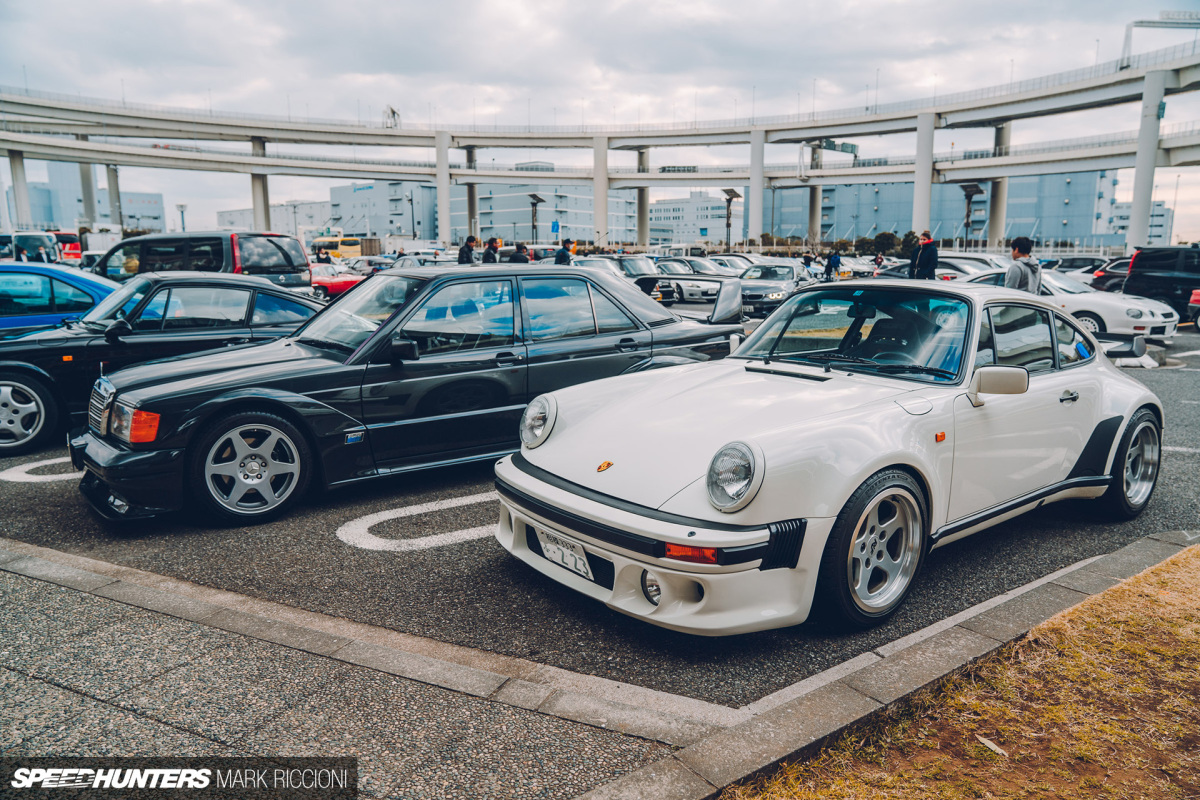
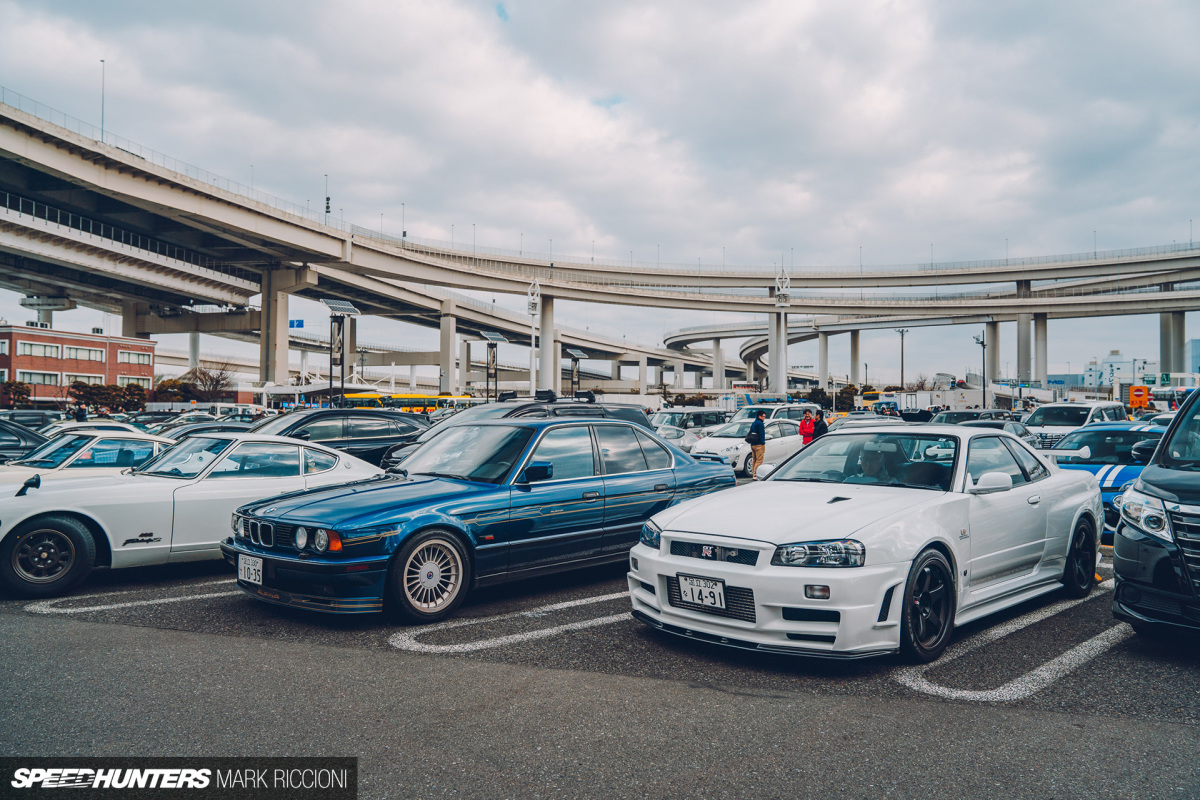
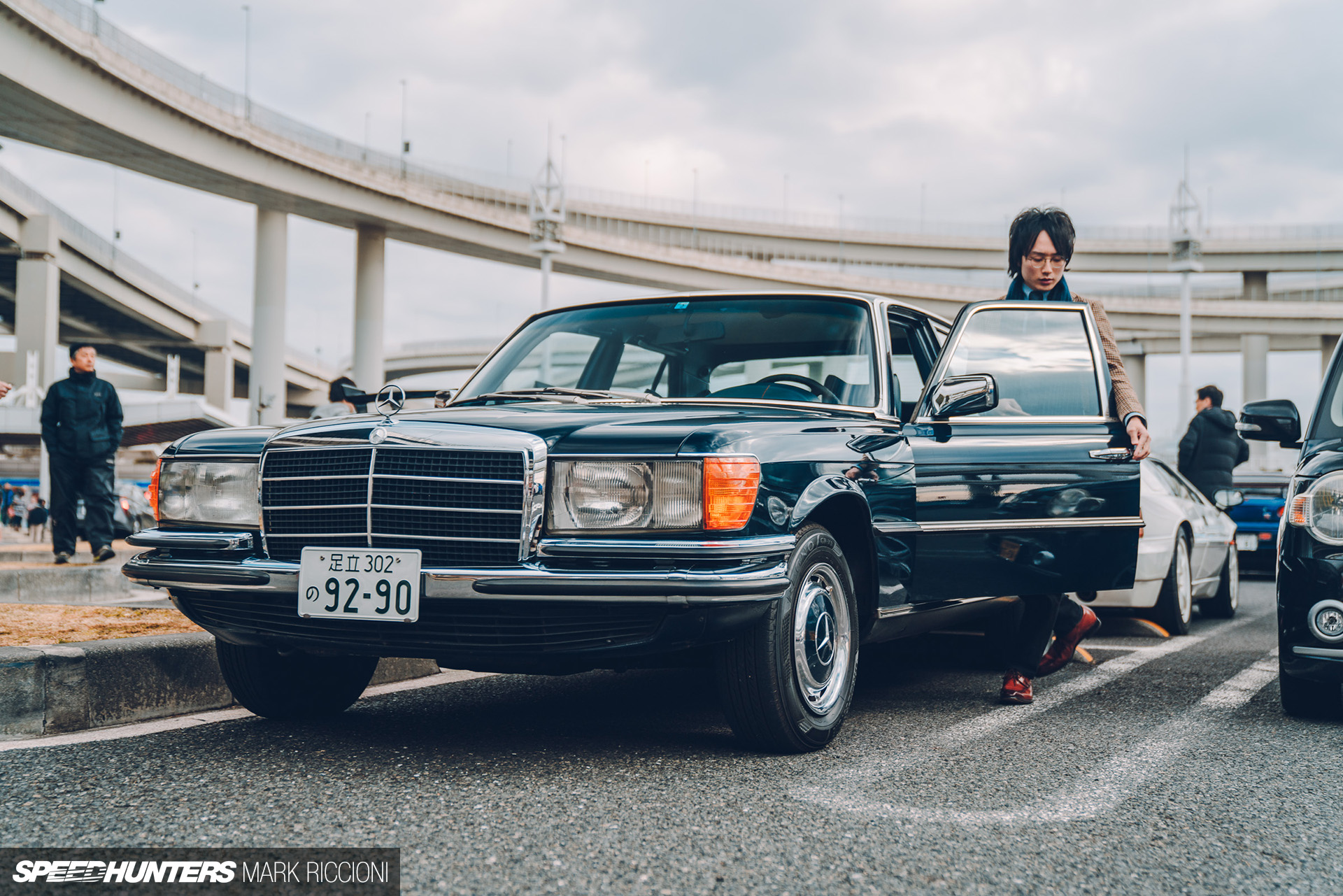
I’m not knocking the idea; we should all be embracing this culture and not shutting it down. But far too often these events become invite-only, or exclusive to those people of an age who enjoy getting up at 5:00am and think 3:30pm is an acceptable time for dinner. Throw in a swarm of iPhone-wielding lemmings conditioned to shout ‘rev it’ at any car trying to leave, and that original recipe soon turns sour. There’s also way too much manufacturer-branded clothing on display.
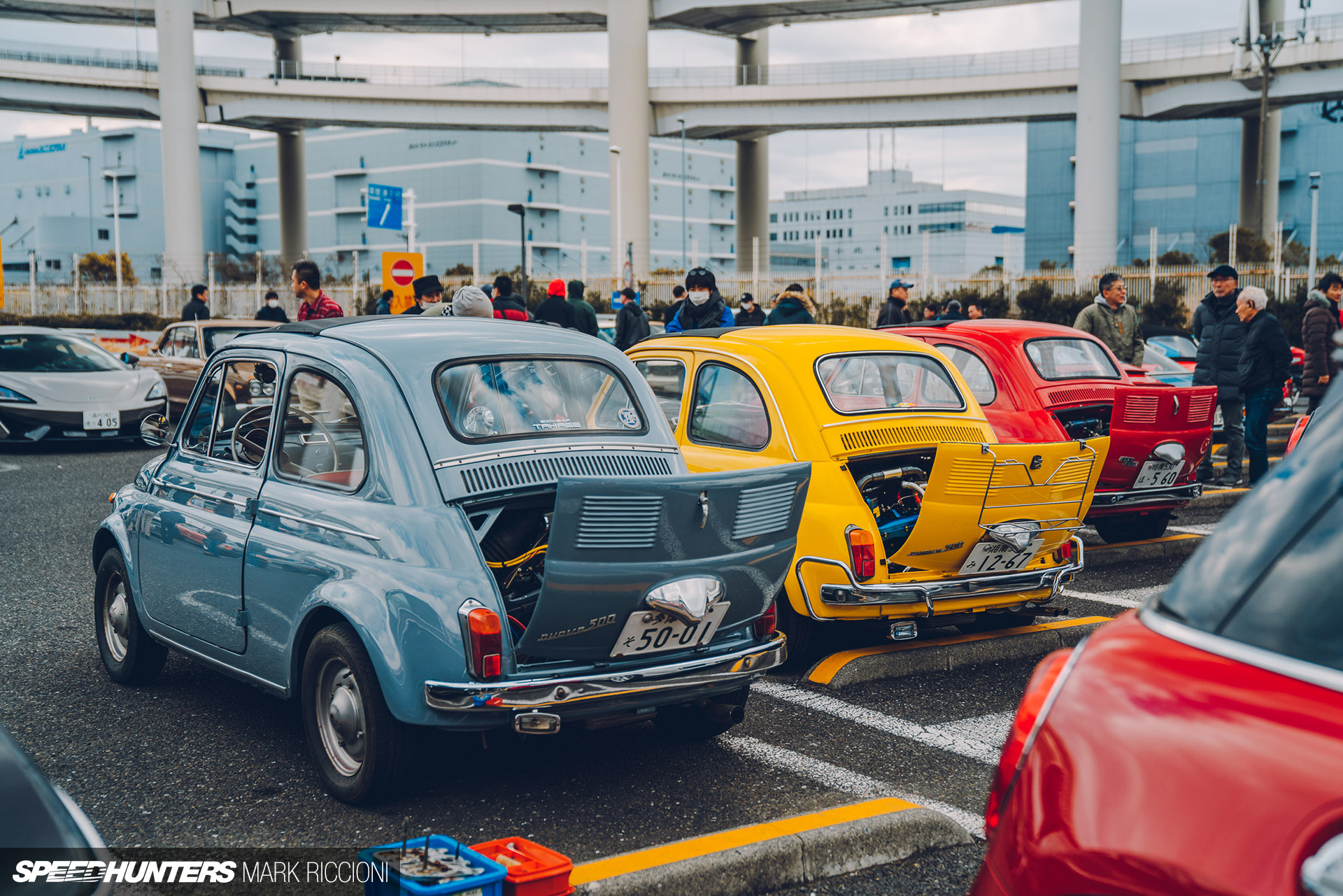
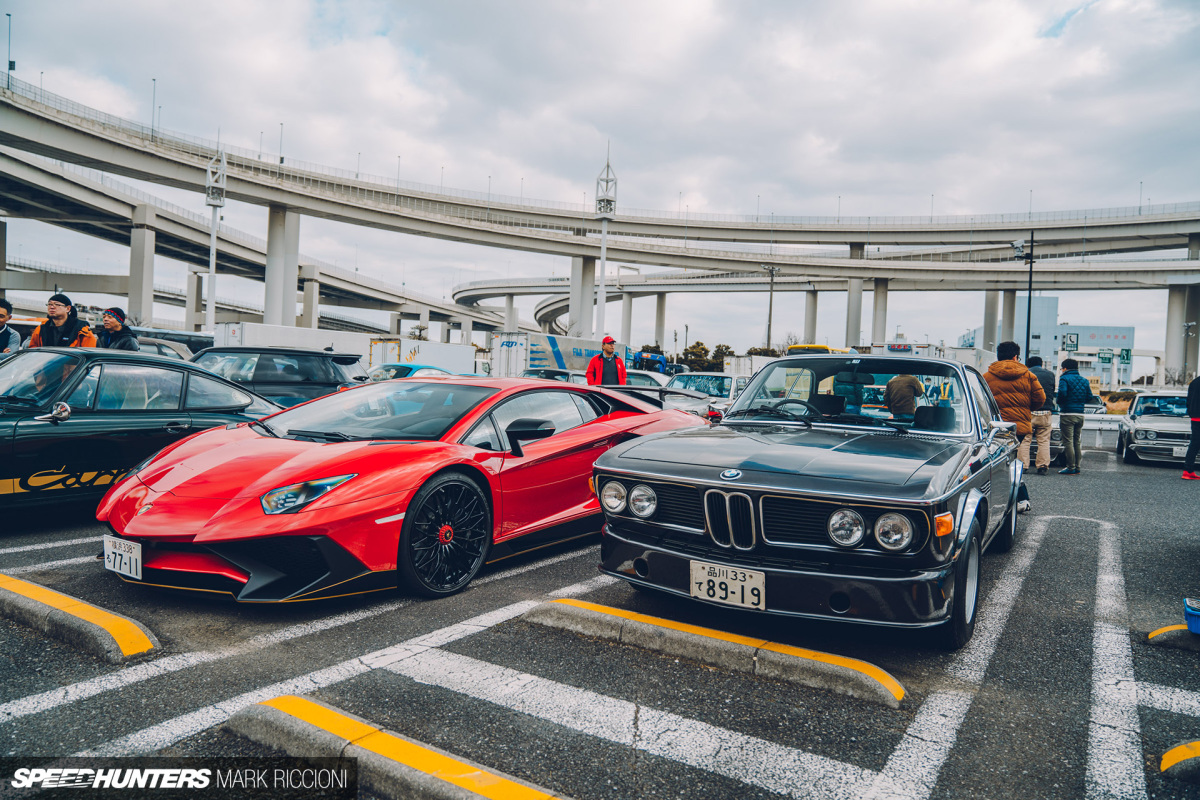
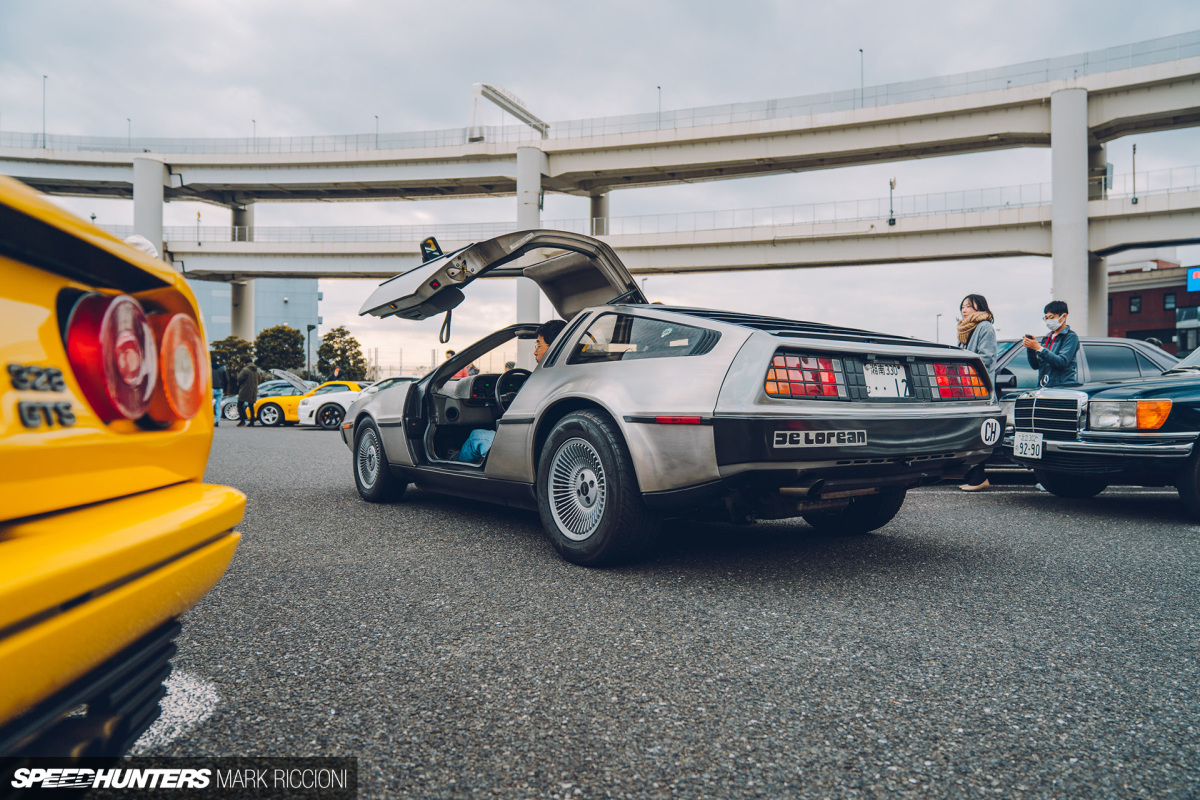
Daikoku PA is the antichrist to all of this. Because it’s not a scheduled car meet or venue – it’s a public rest area, used by millions every year.
For more than 30 years this man-made island has been the hub for impromptu car meets in Japan, and we all know they’re often the best kind of gathering. As part of Daikoku Futo (in Yokohama Harbour), the actual parking area is relatively small compared to the warehouses surrounding it. Anyone want to guess what they house? Yup, tens of thousands of cars ready for export.
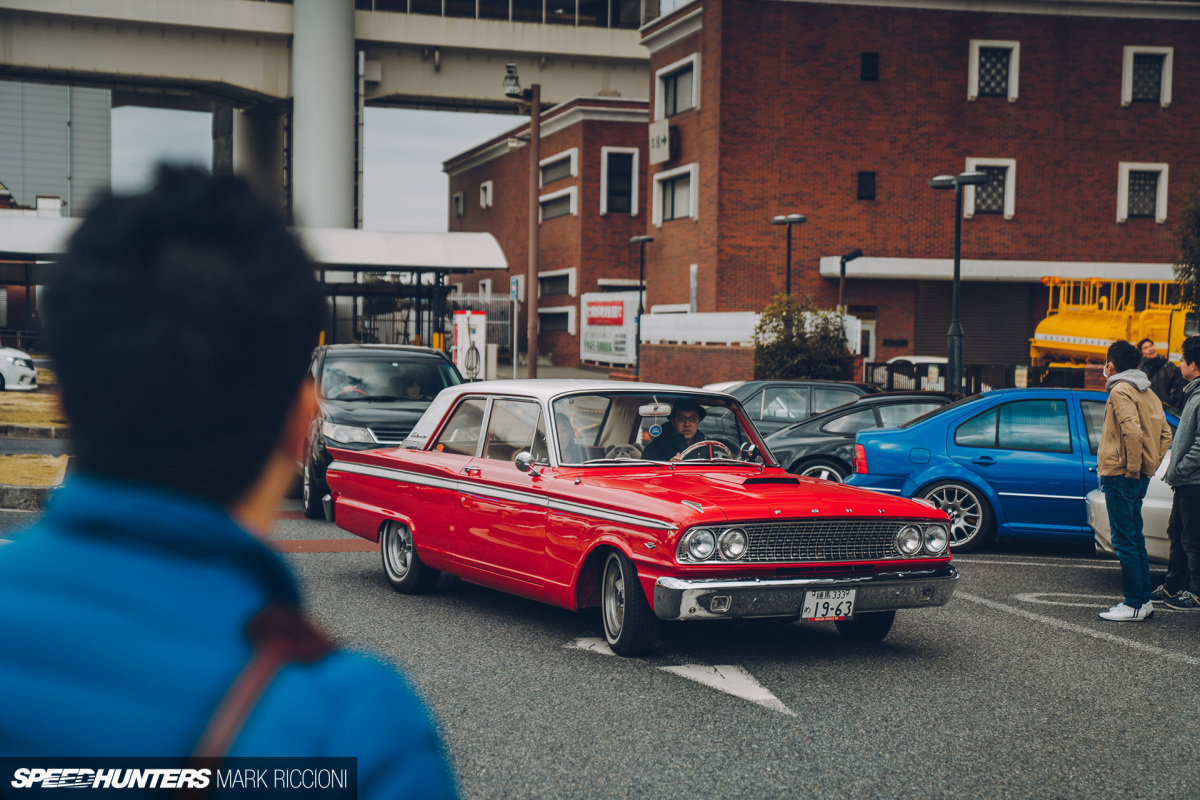
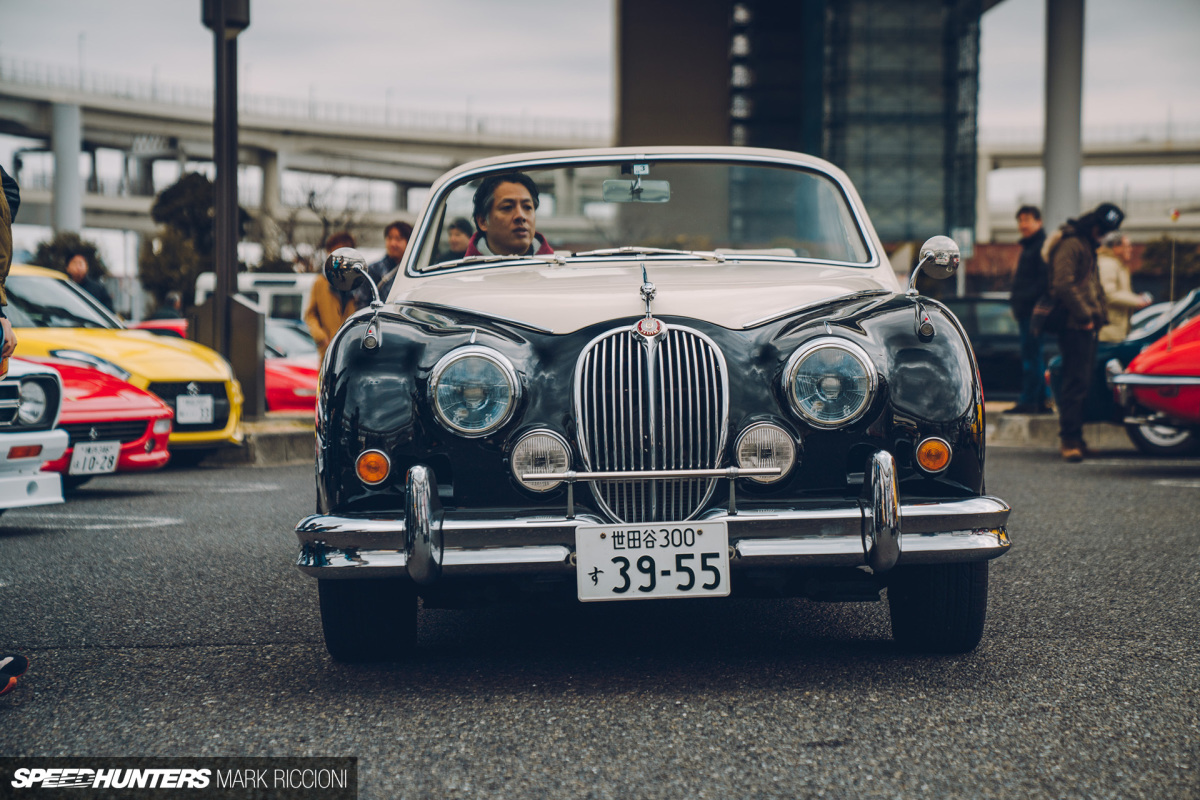
It’s about as industrial as it gets, minus a discount furniture store. I touched on it above, but even the process of arriving into Daikoku PA is an event, something Mike Garrett brilliantly documented back in 2013.
Back to that fairly blunt title; what exactly makes Daikoku PA so special? There are multiple factors at play here, such is the case with most of Japan once you dig a little deeper. First thing’s first, the very nature of rest and parking areas.
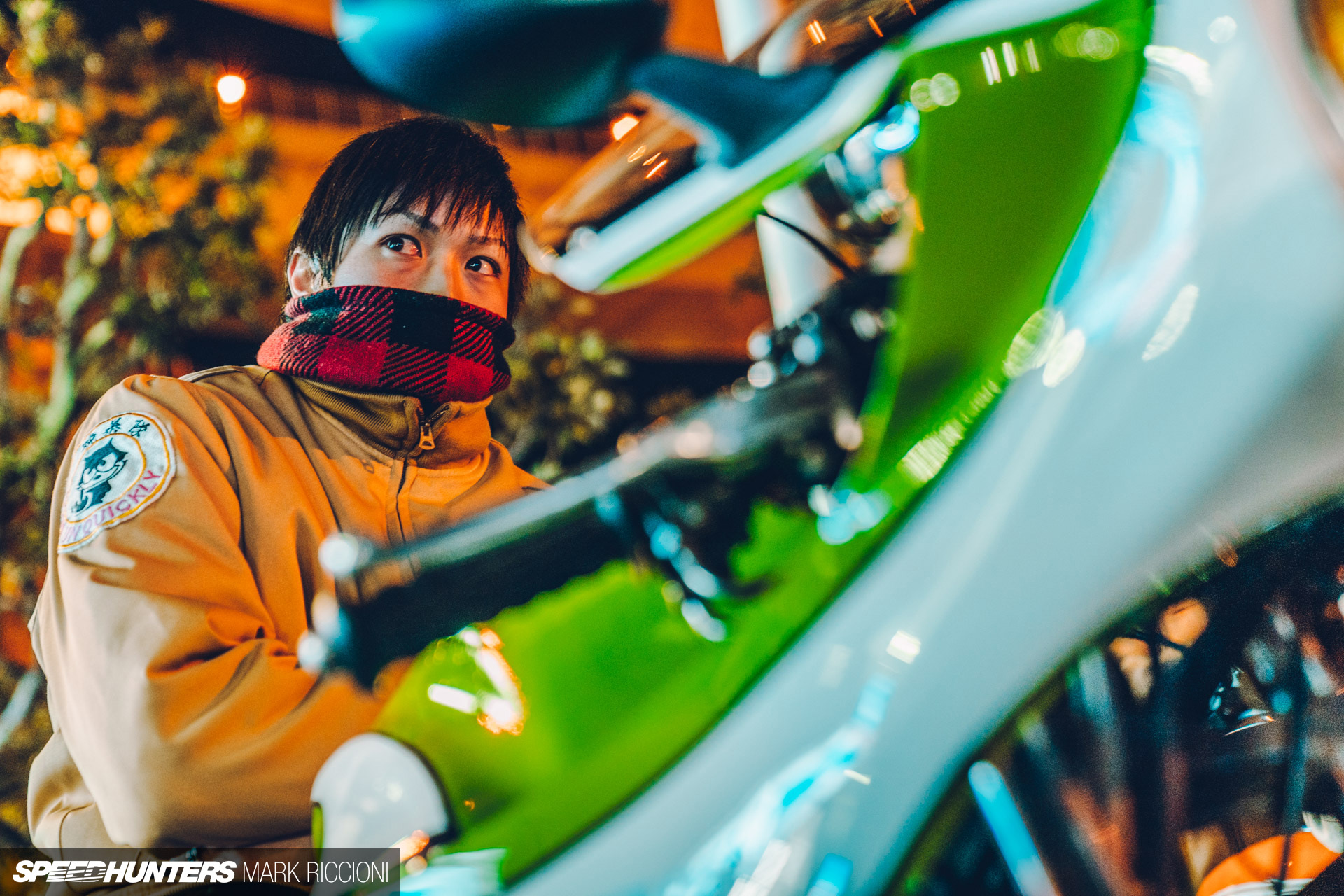
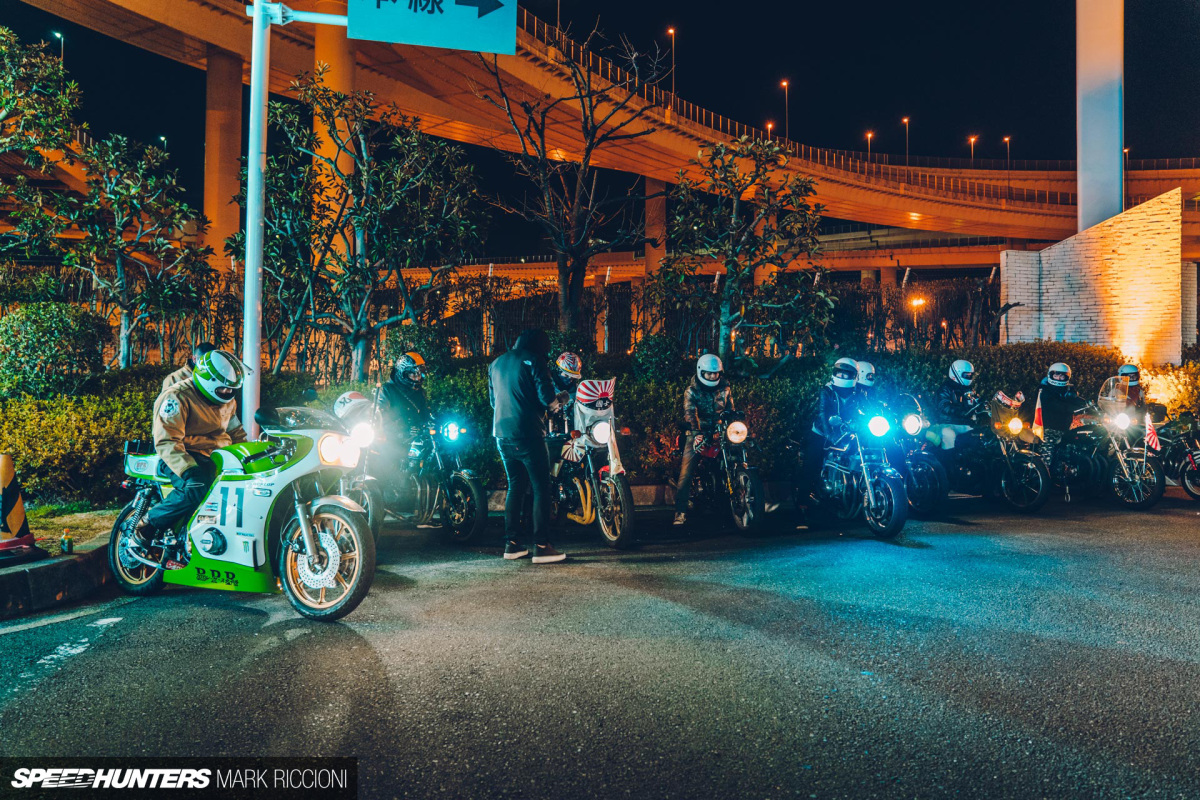
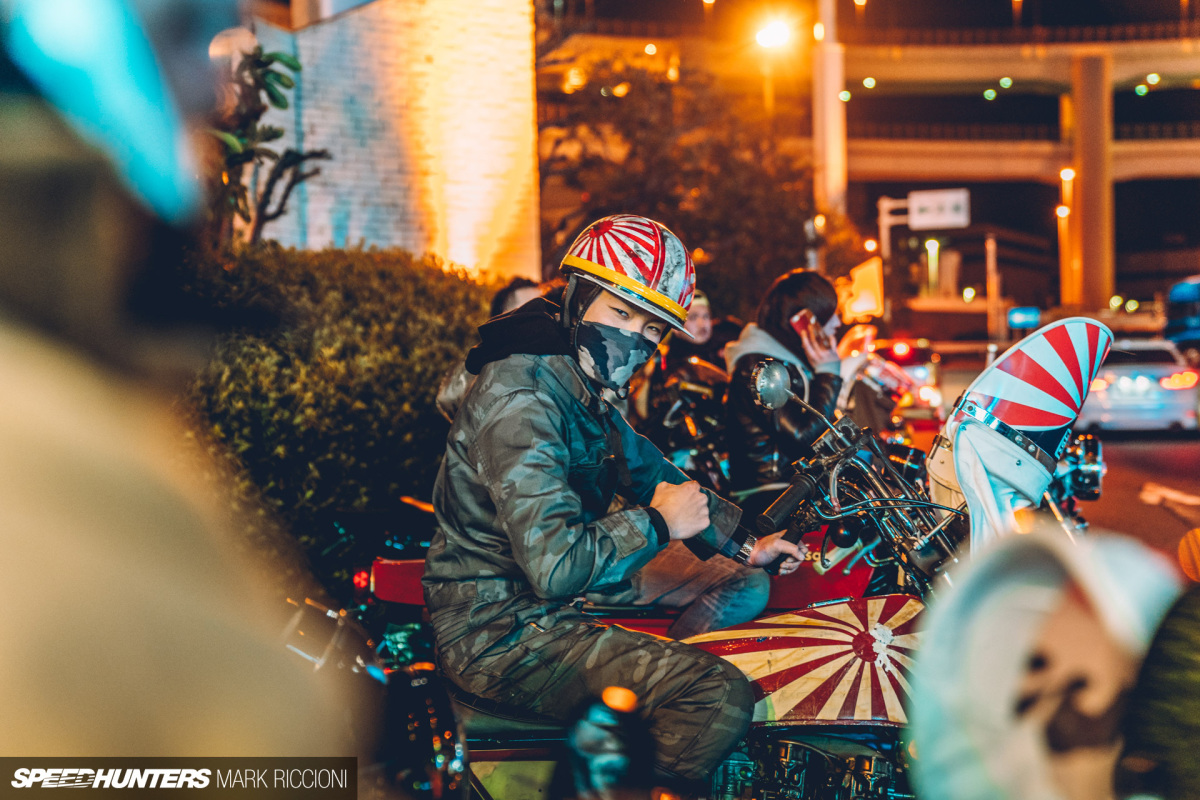
These shouldn’t be confused with traditional service stations, mainly because most rest areas don’t feature fuel stations, which is fantastically irritating to find out the hard way. It’s a very simple concept: drive for a while, take a break. But what I love about ‘em – especially Daikoku – is their clever layout designed with the motorist in mind.
Allow me to go full sad act for a moment here… Anyone who’s driven long journeys knows that frequent stops are the real killer of time. I pride myself on having the bladder of a camel, so if a stop is non-negotiable, I’m all about getting in and out as quick as possible. Coming off a motorway, driving half a mile, stopping at three sets of traffic lights before reaching a free-for-all parking area – before going into a complex where the toilets are located via a bridge – is a great way to lose 20 minutes. If it wasn’t so frowned upon, I’d sooner piss myself mid-drive and get home earlier.
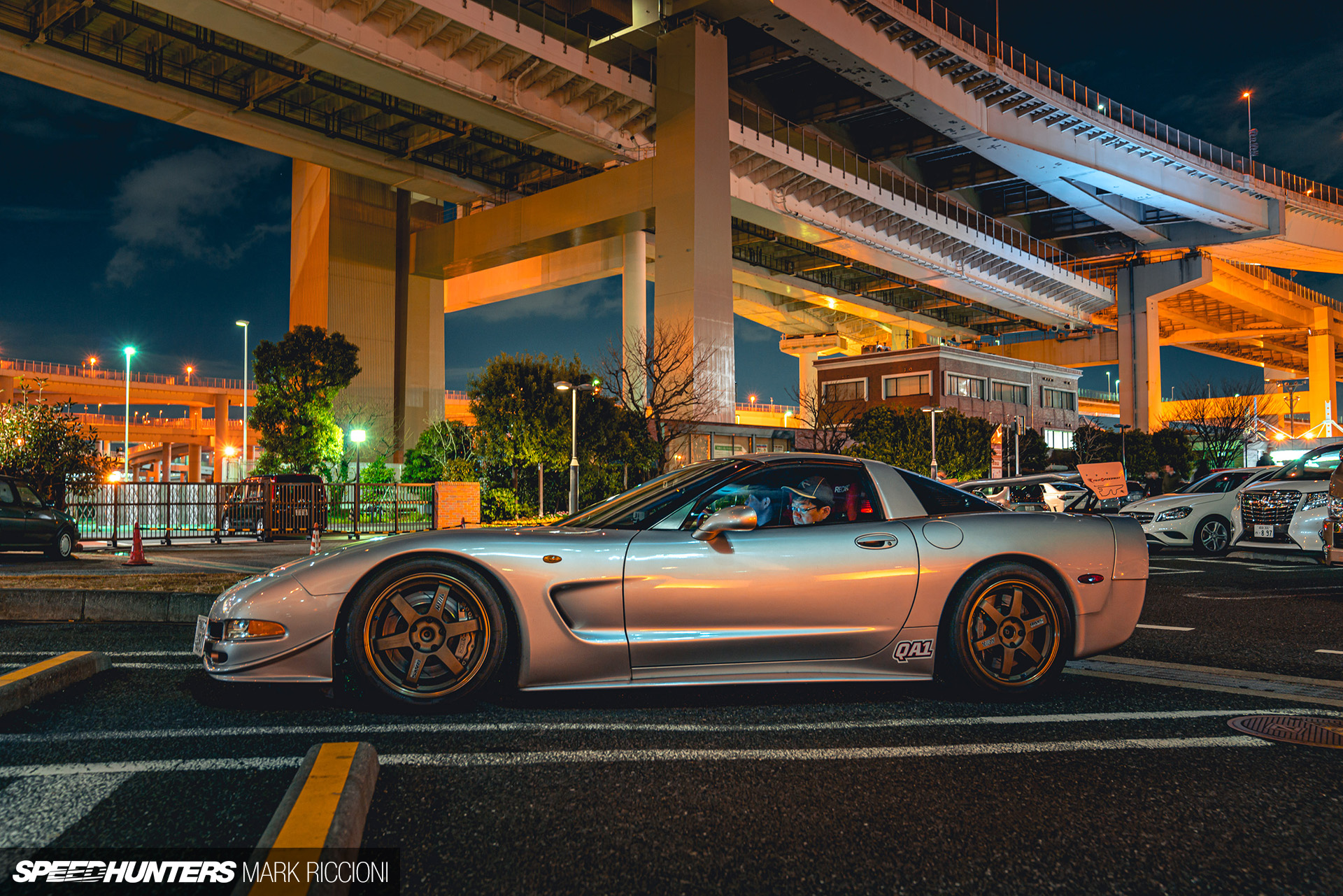
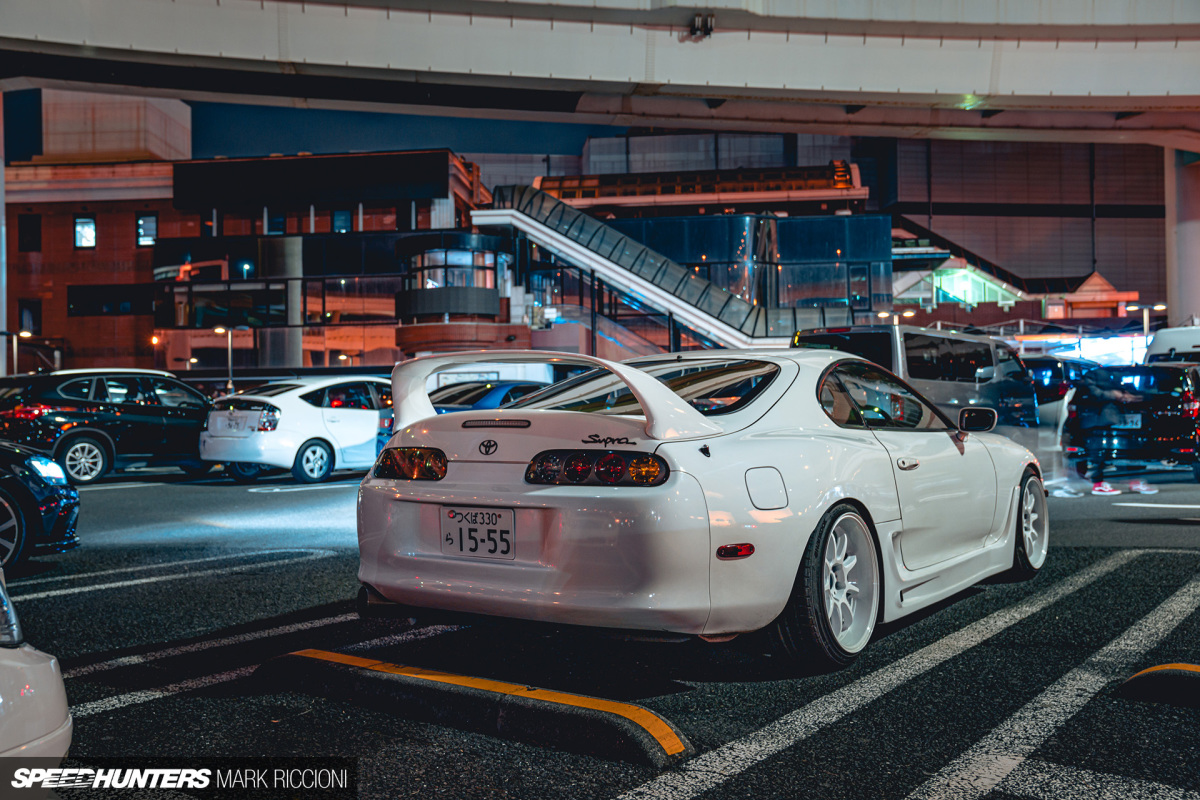
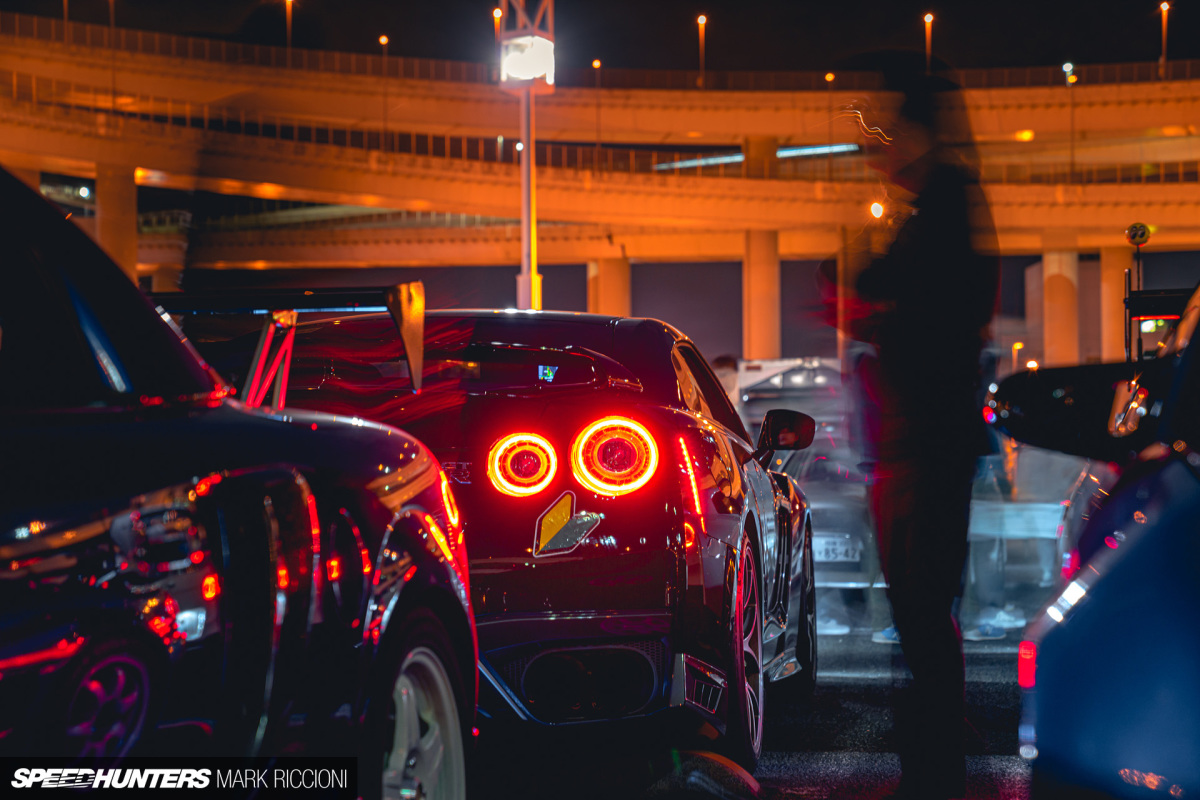
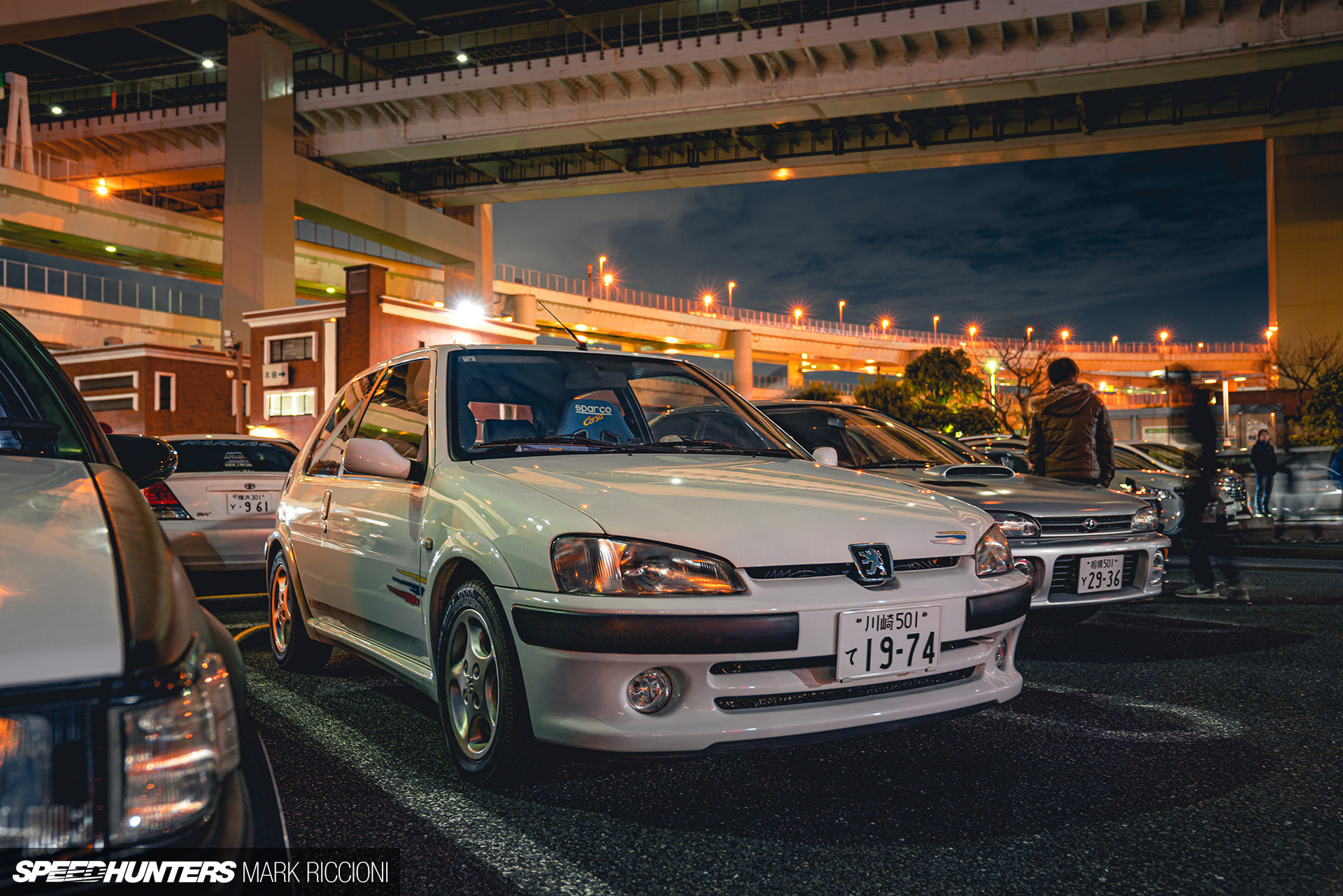
At Daikoku that’s all stripped back. It’s one way in, one way out. No traffic lights, no roundabouts, just motorway junctions once you’re back up to speed. You zig-zag through the parking bays keeping traffic flowing and, depending on how much time you’ve got, there’s levels to the amenities. Happy to sit down? Head to the restaurant – get the katsu, it’s banging. Dashing out and don’t want any human interaction? Pick one of the many vending machines loaded with hot and cold food.
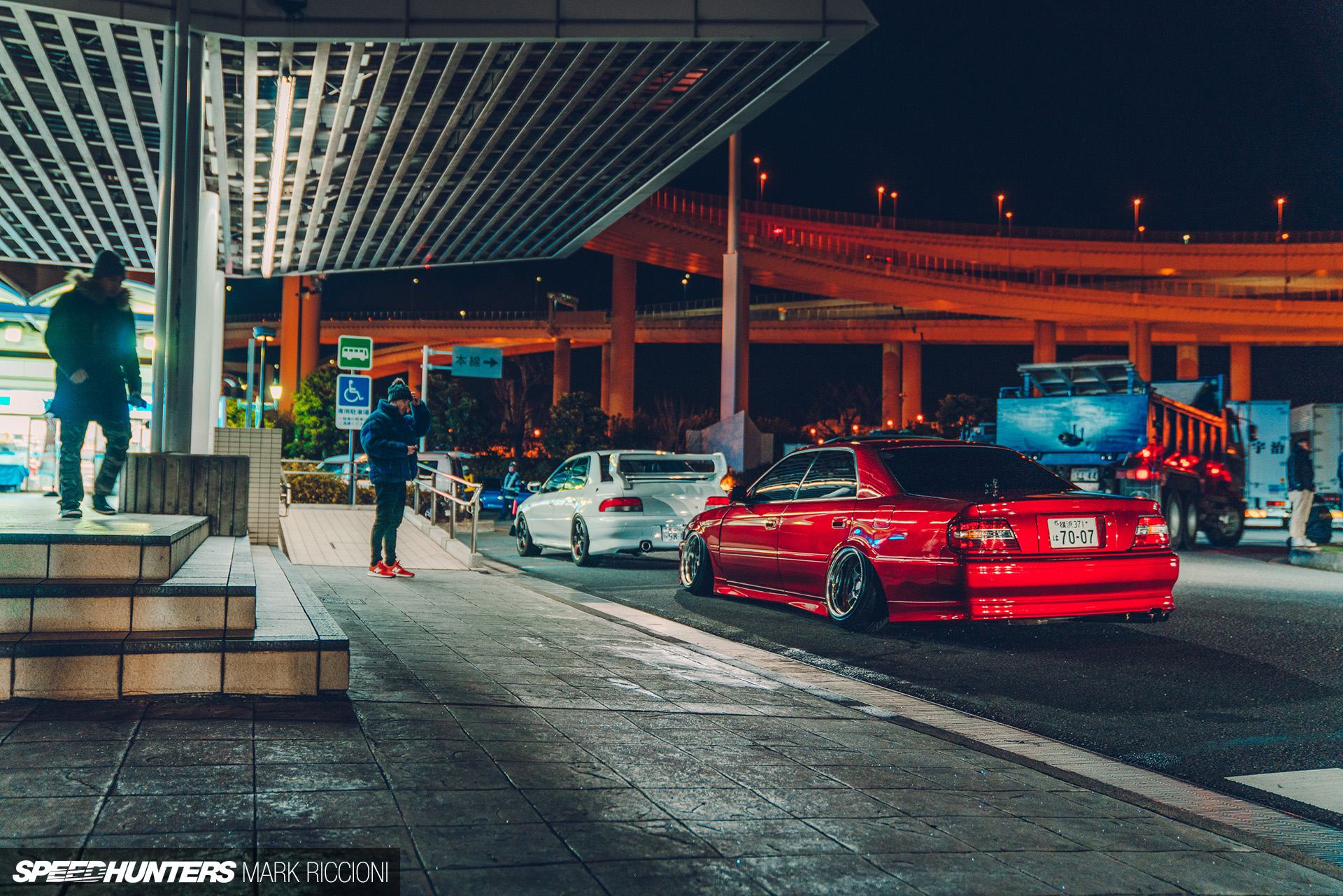
There’s even a Lawson convenience store perfectly placed for the inevitable ‘bugger, I forgot to get a drink’ moment as you’re about to rejoin the motorway.
If you think that’s some next-level geekery by someone who’s spent far too much time in terrible service stations, you’re 100% right. And while I’m on that subject, petrol stations in Japan… they serve petrol, nothing else. They’re not small supermarkets; you fill up and move on. Brilliant. If Gene thinks it’s acceptable to do her mid-week shop after putting £15.02 in her Qashqai, Gene needs throwing into the sea.
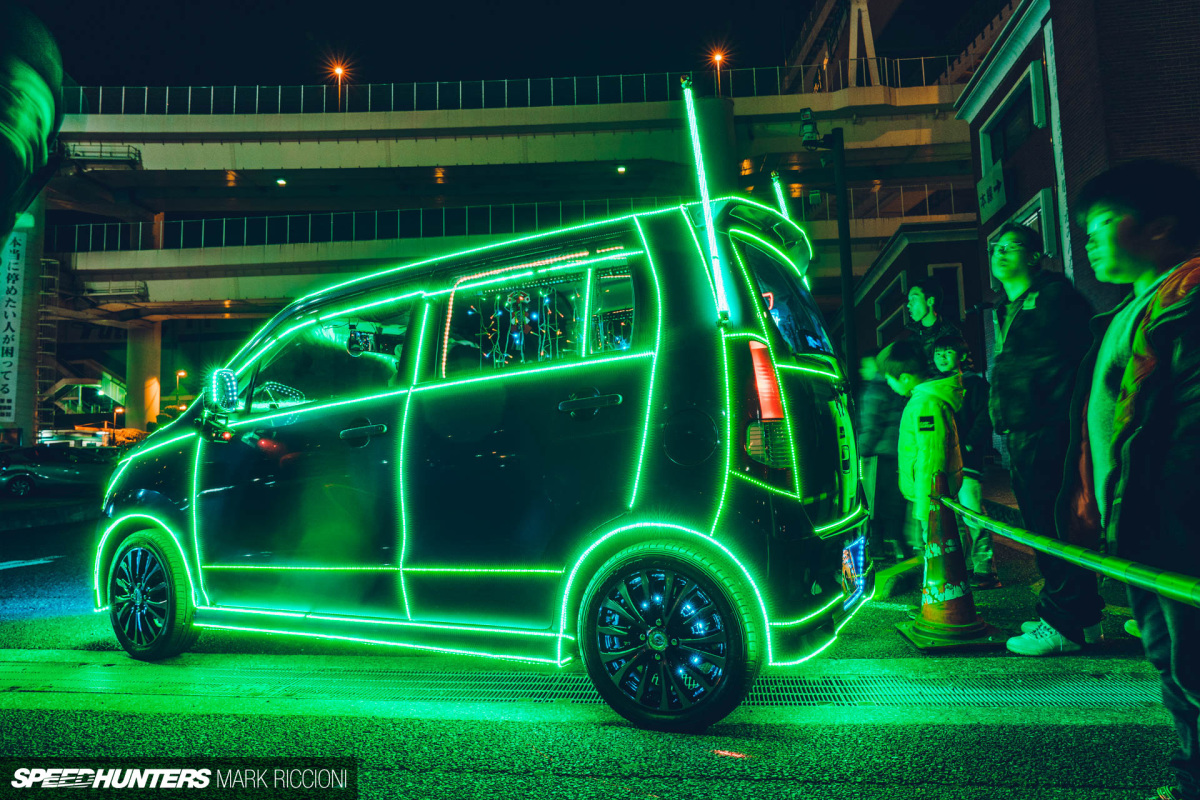
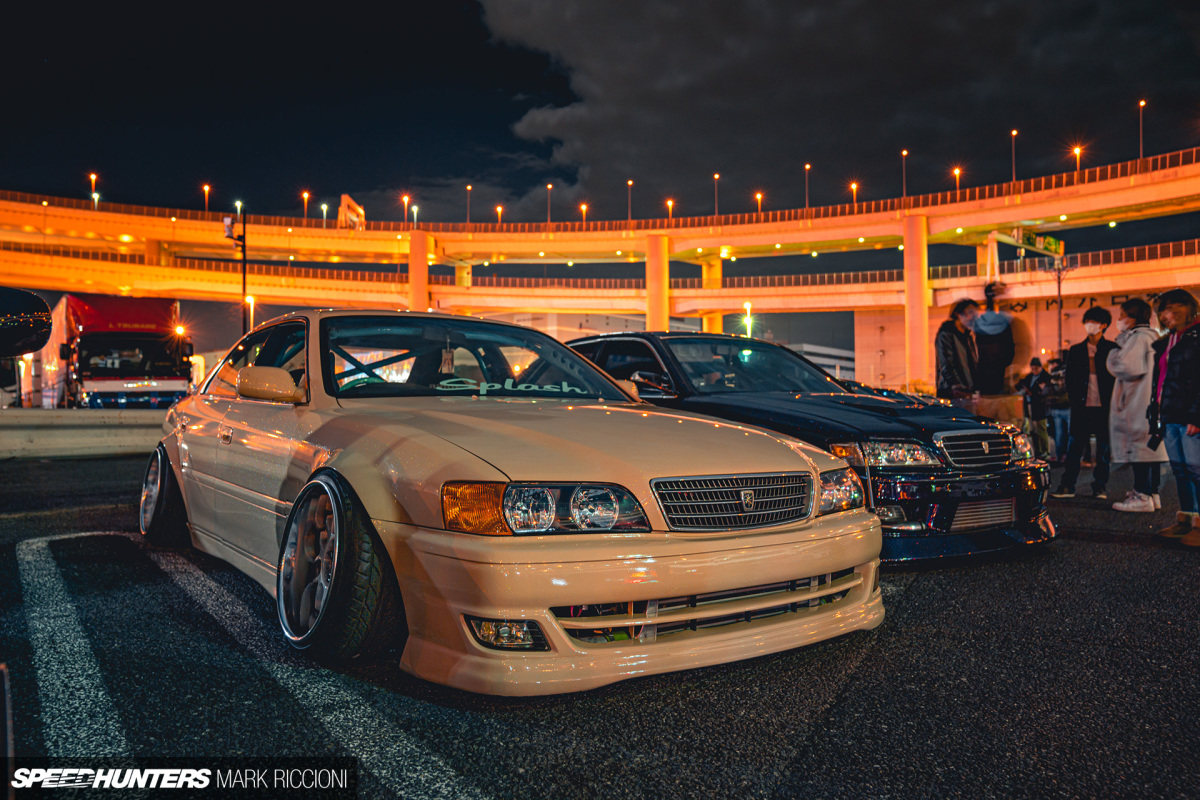
Right, next point. There’s no train or bus service at Daikoku. It exists for the motorist, not the tourist. It’s not exempt from a police shutdown (the station is quite literally on site), and occasionally it’s overrun by western YouTubers who, upon seeing another gaijin, assume you want to listen to why they’re in Japan too. But at its core it’s a rest area designed for motorists and motorists only.
Given Japan’s adoration of the motorcar, it’s unsurprising that Daikoku would become a ‘hub’ for all kinds of car fans. Build it and they will come. Not for too long though, everyone has places to be after.

Then there’s its history, the real reason for its continued appeal. I remember first seeing Daikoku PA on a Max Power DVD back in 1999, way before the internet had completely corrupted society. Back then, my only insight into car ‘gatherings’ was a trip to Santa Pod, which is on par with walking around a prison carpark listening to Original Nuttah on repeat.

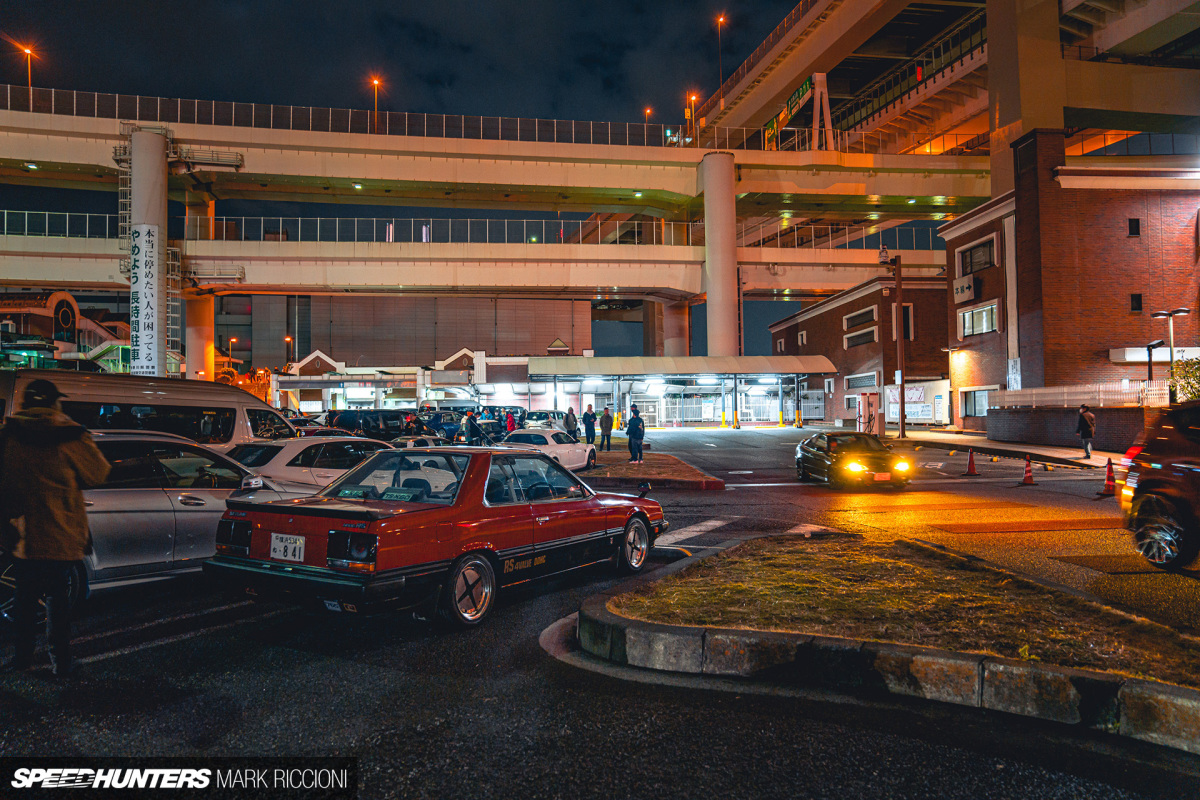
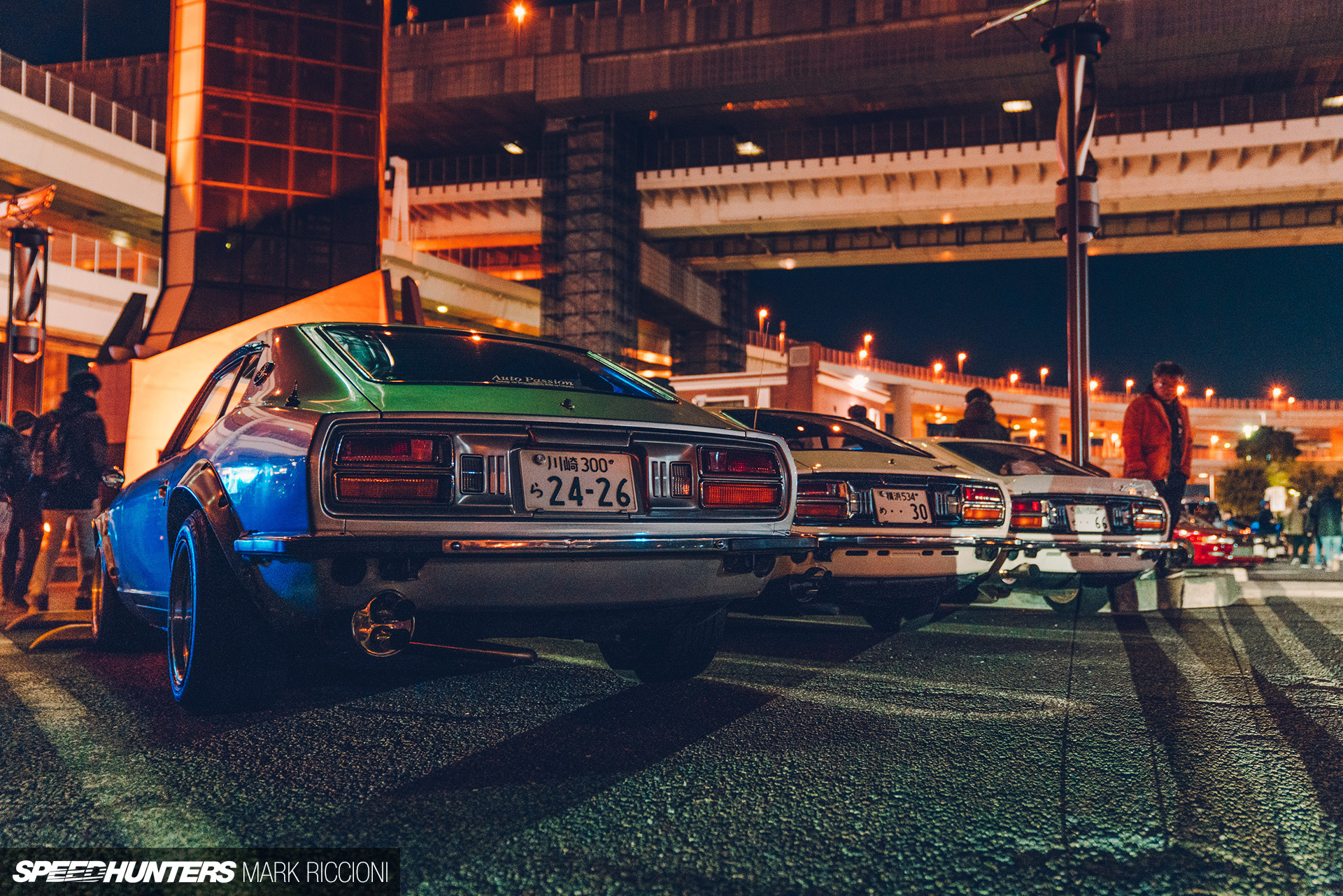
Presented with the sight of hundreds of bonkers cars – mostly models I’d never seen before – lined up at night with a backdrop straight from Blade Runner, I was hooked.
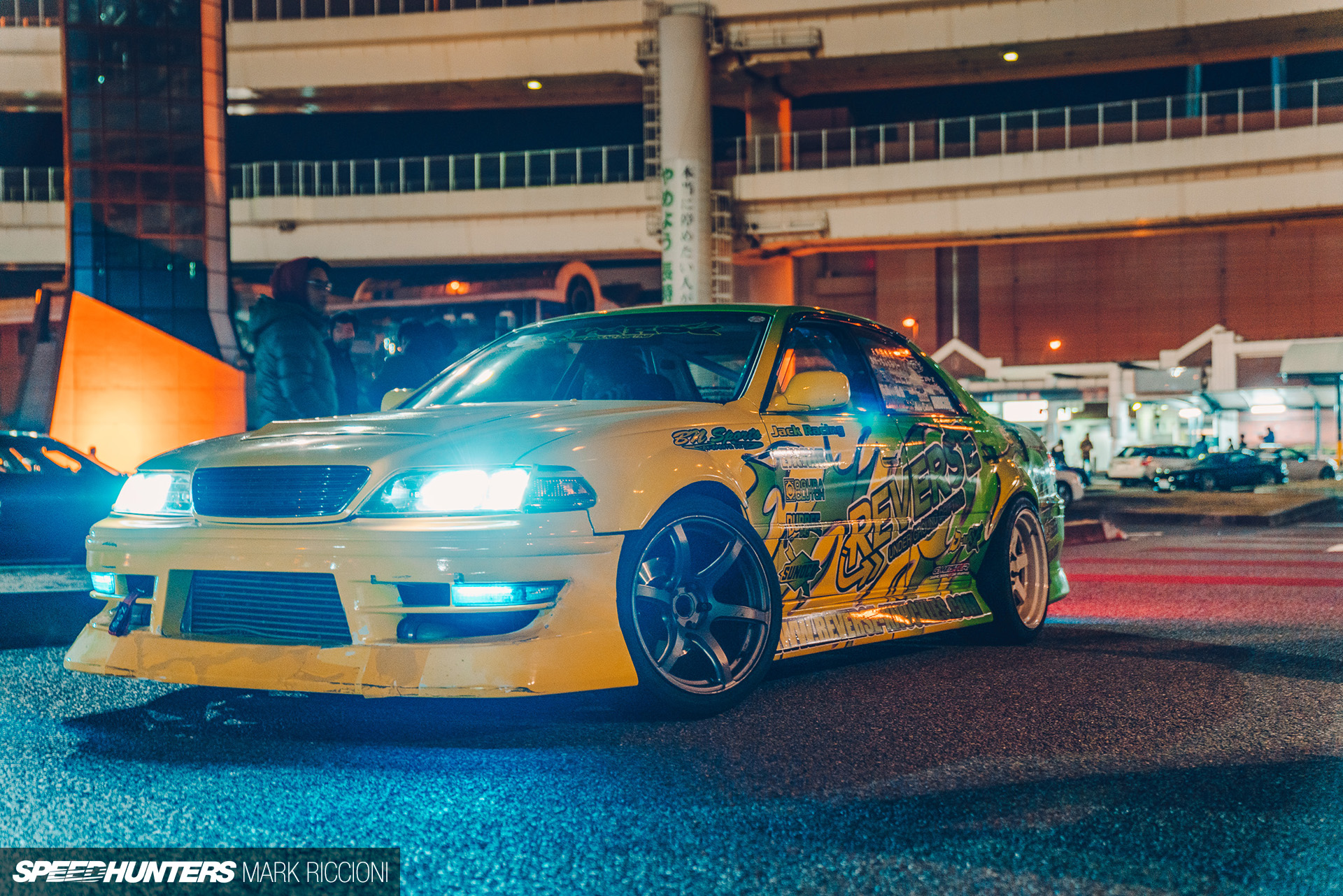
Don’t think it’s not without a bit of mischief, however. If you’ve ever watched any of the old VHS Option films, you’ll regularly see Daikoku as the base for much of its ‘spirited’ drives. The nearby docks, which go awfully quiet in the early hours, become littered with tyre marks as a fleet of JZX100s cool down in the rest area, having definitely not done anything illegal.
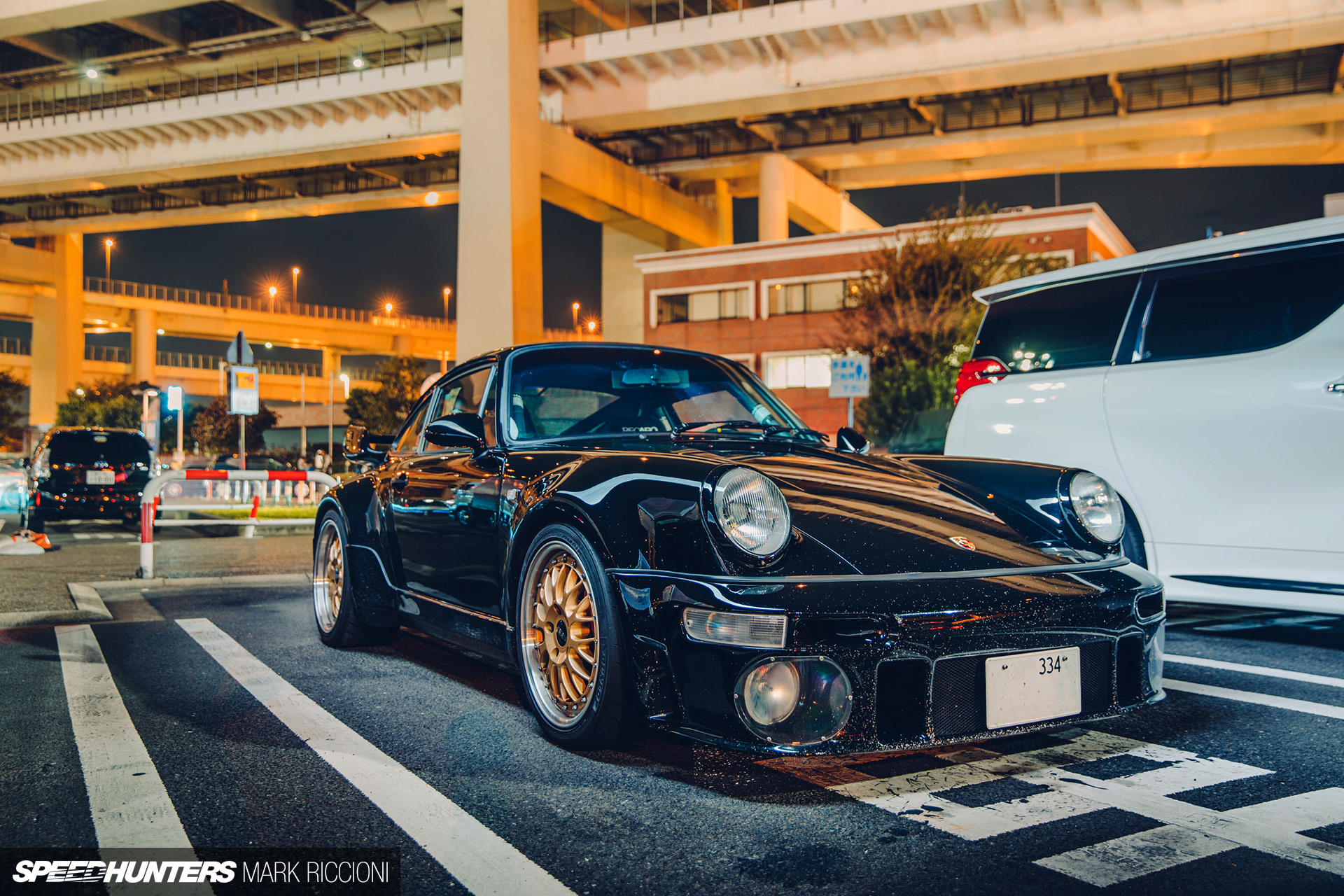
It also happens to be connected to the Bayshore Route, so it wasn’t unusual to see certain cars – or Clubs – meeting at past Midnight before carrying on for some extra curricular activities.
Whichever way you dress up Daikoku, the real reason it remains the best car meet venue is the simple reason it’s free of any prejudice. I’ve ended up here on every visit to Japan, because you can almost guarantee to see something interesting. It encourages you to pop in for half hour, take a short rest on the way home, and gawp at something interesting along the way. There’s no entry fee, there’s no opening hours, and there’s no expectations to stay.
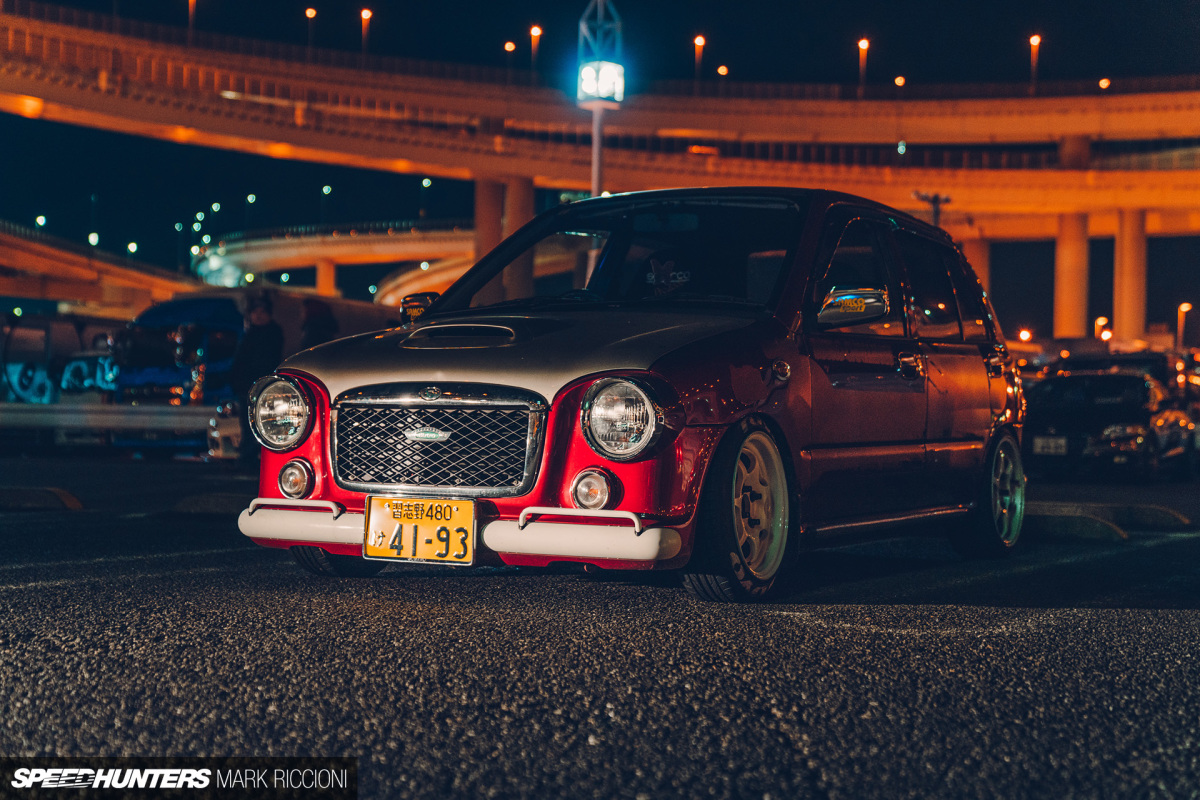

I’ll always find an excuse to swing by Daikoku, and when our friends at Auto Finesse visited Japan for the first time this year, it was a no-brainer. Jet-lagged, awake for 24 hours and exhausted from a day at Tokyo Auto Salon, it did require a little persuading for James and the guys to ignore bed for several hours in exchange for a car park. But that was all quickly forgotten as the sound of a Hakosuka rolled in. You can watch their full experience here.
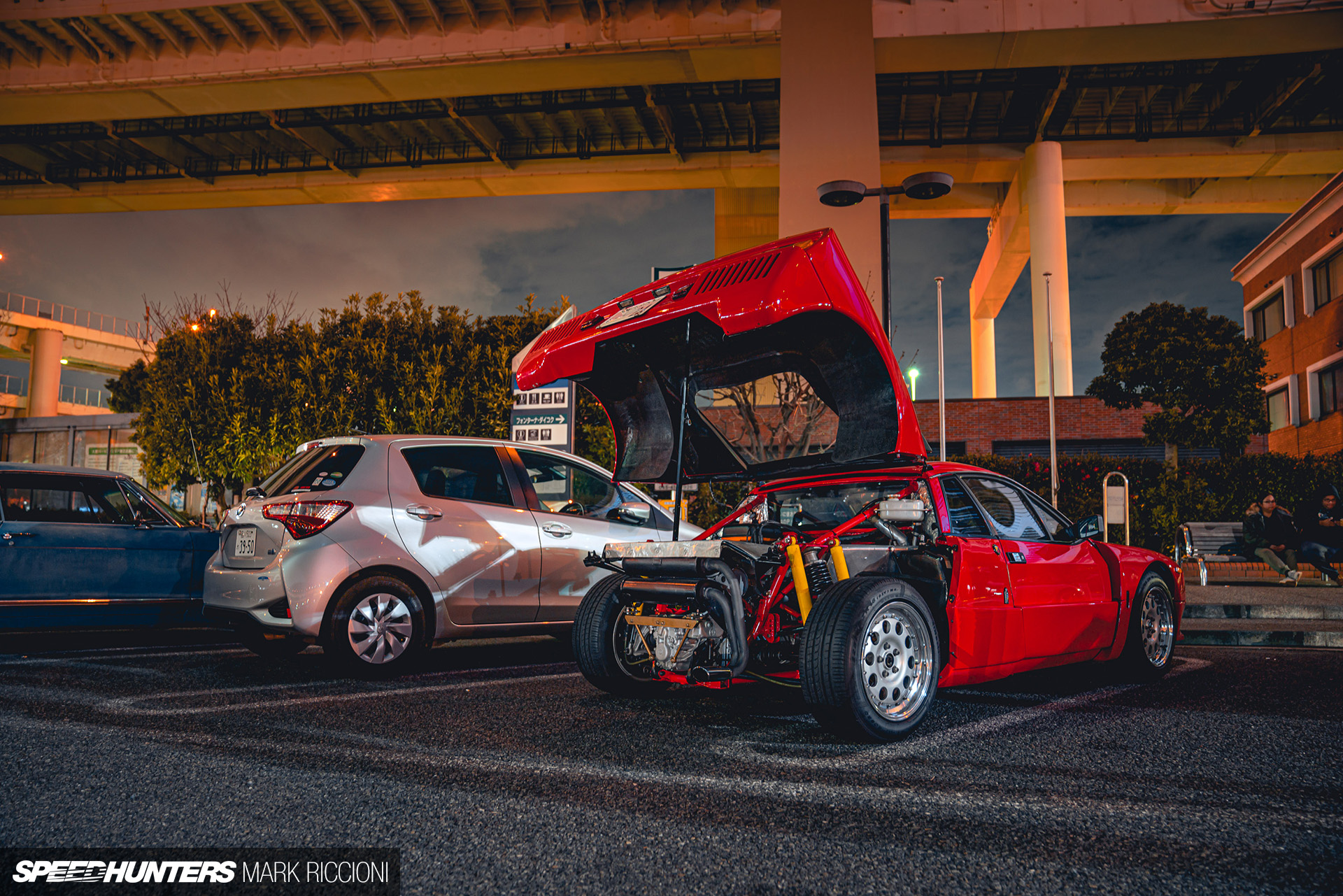
If you want a true representation of how diverse Japan’s car culture is, spend a few hours at Daikoku. I can’t think of anywhere else in the world where you can see a GT-R parked next to a 3000GT… parked next to a Diablo on air suspension, parked next to a 1,200hp Pro Street Camaro.
No flyers, no Facebook group, no nothing. Just car culture in its rawest form.
Mark Riccioni
Instagram: mark_scenemedia
Twitter: markriccioni
mark@scene-media.com
Daikoku PA related stories on Speedhunters