In popular media, the term ‘nerd’ isn’t exactly a glamorous one. Nerds are often depicted as uncoordinated, socially awkward, and physically inept – basically, little more than a collection of undesirable qualities. As a result, many of us end up thinking, at least subconsciously, that being a nerd is a bad thing.
However, anyone interested in anything beyond a superficial level can be (and most likely is) considered a nerd by those not into said thing. For example, to the outside world everyone reading this site is at the very least a car nerd.
Chassis codes, production dates, option lists, engine displacements, turbo trims, and acronym after acronym, we practically speak our own coded language. It’s a shame the decoder ring for this particular language doesn’t come in a box of cereal.
I’ve had the chance to get pretty nerdy in regards to my favorite topics here on Speedhunters, but I have yet to get technical beyond my current comfort level. This post series will change all that, as I’ve humbly accepted the opportunity to dissect a race machine of an unlikely sort.
There’s plenty to come in the way of technical data, practical testing, and head scratching hurdle after head scratching hurdle. Heck, Part 1 features frickin’ laser beams and it’s mostly just an introduction…
Meet The Targa Truck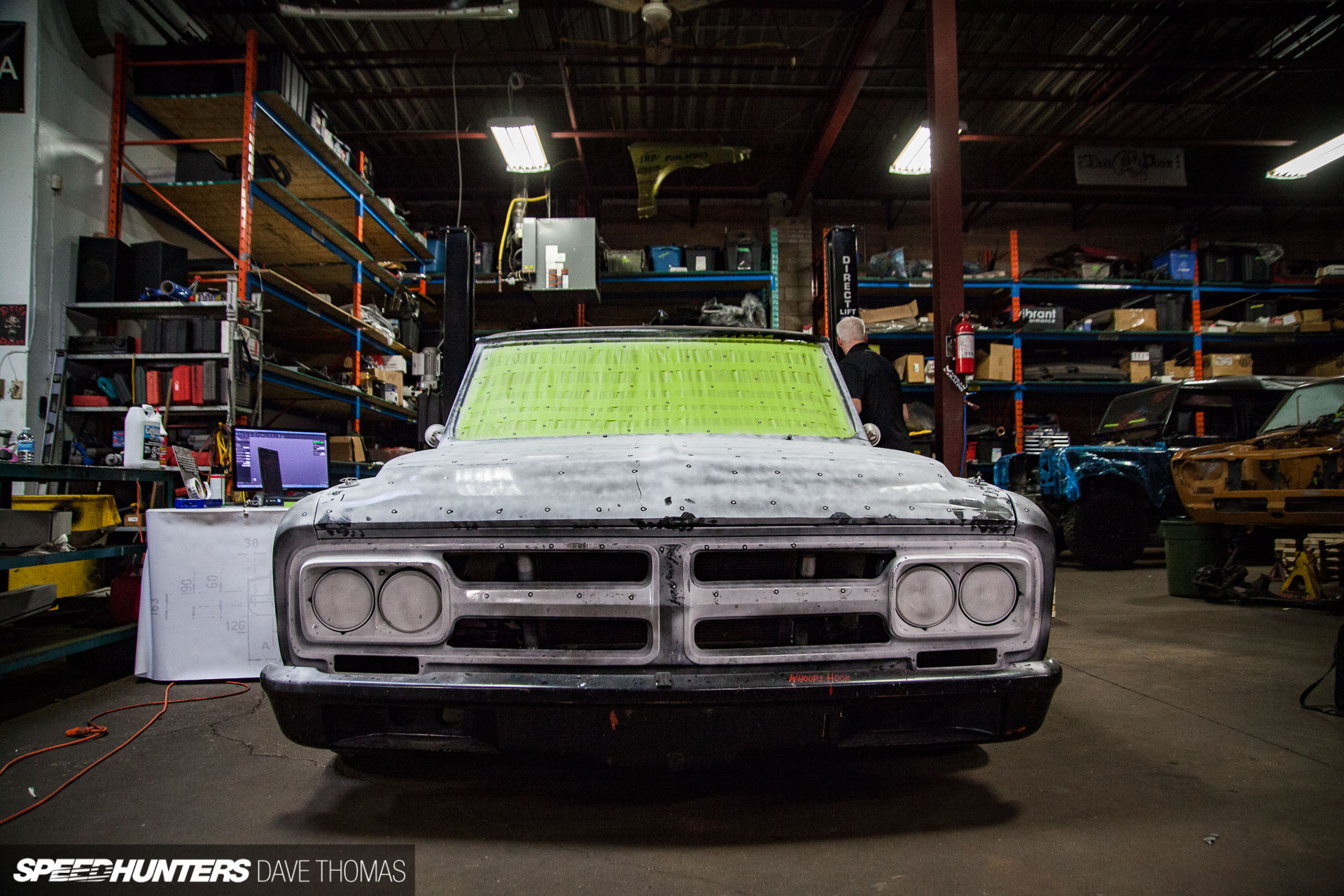
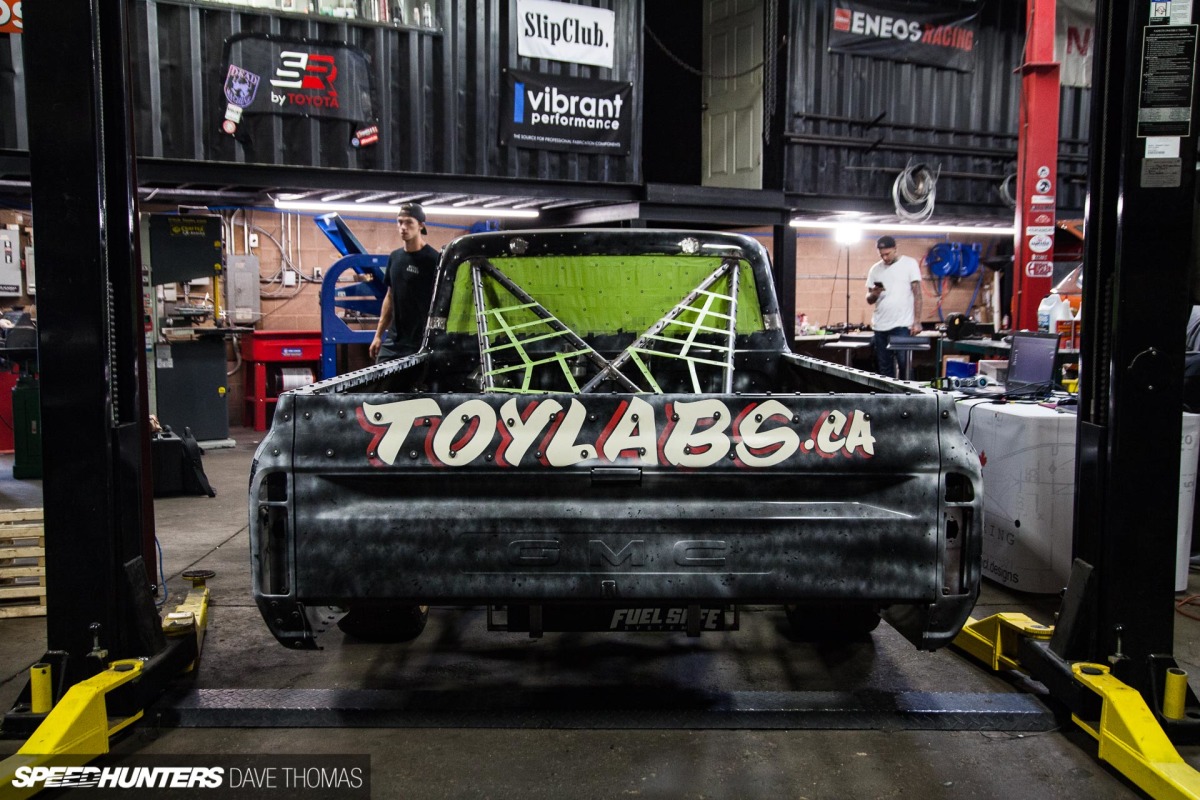
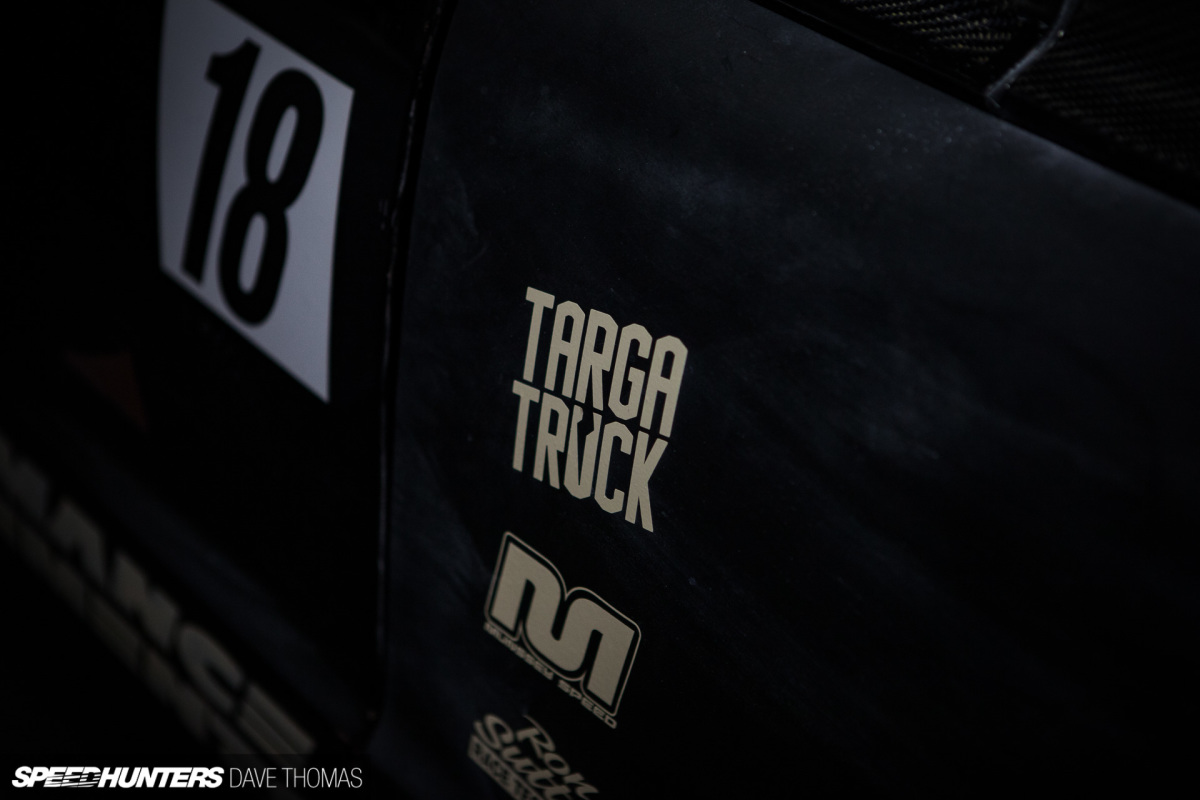
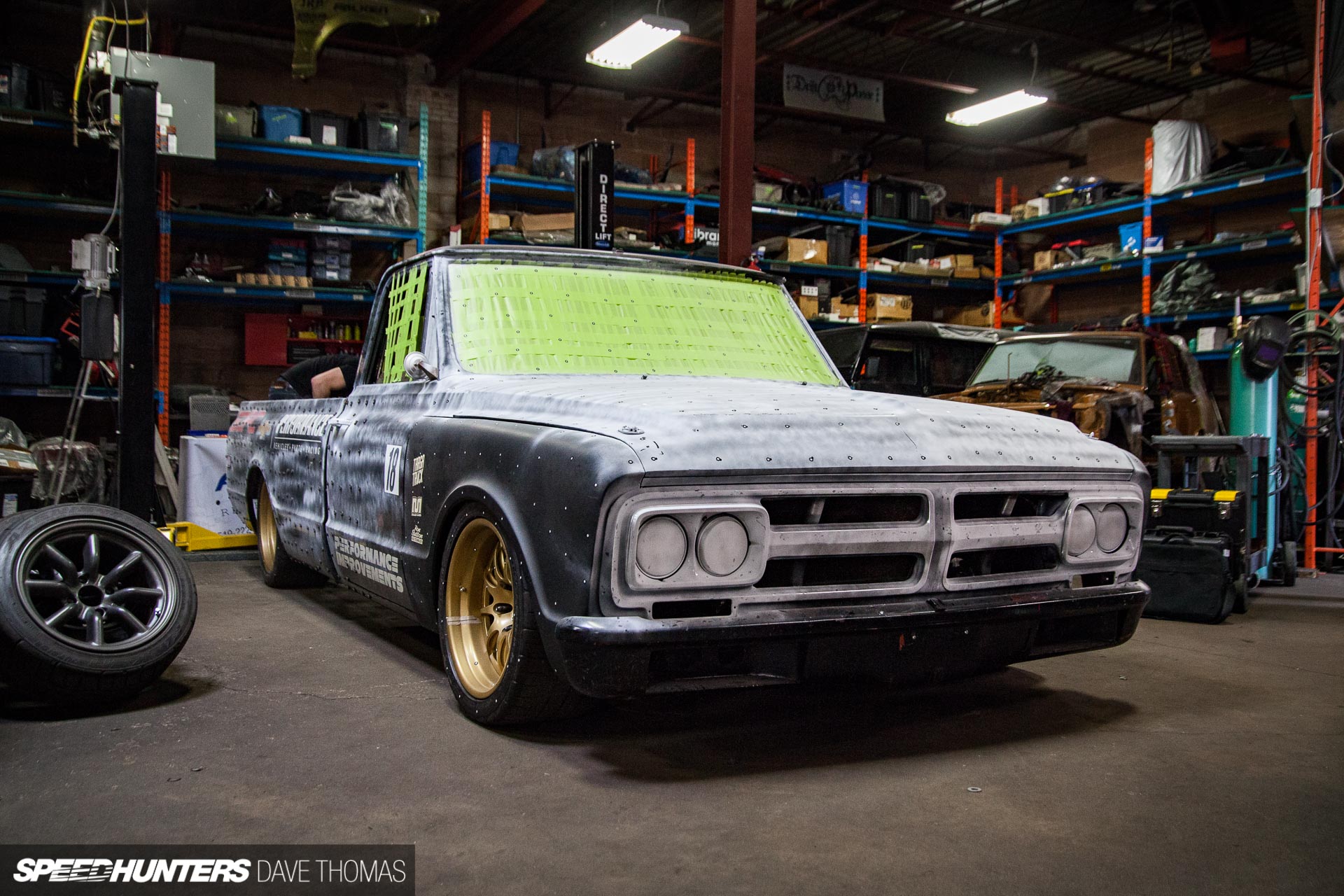
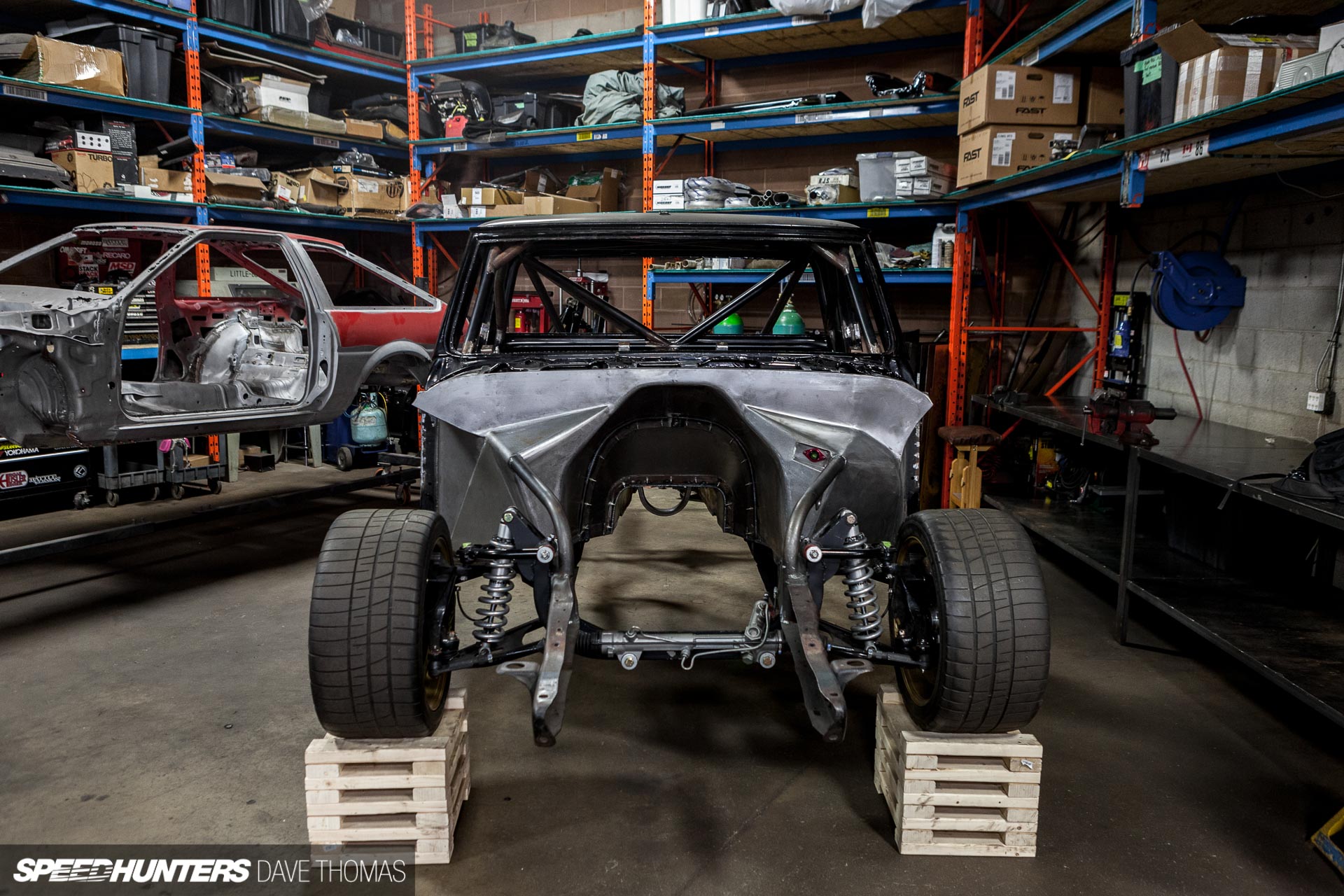
Described in the simplest of terms, the ‘Targa Truck’ is a 1971 GMC 1500 long bed pickup. It was designed by General Motors to haul cargo, not ass. But in the Targa Truck world, that original intent was nearly five decades and five revisions ago. Ergo, a thing of the past.
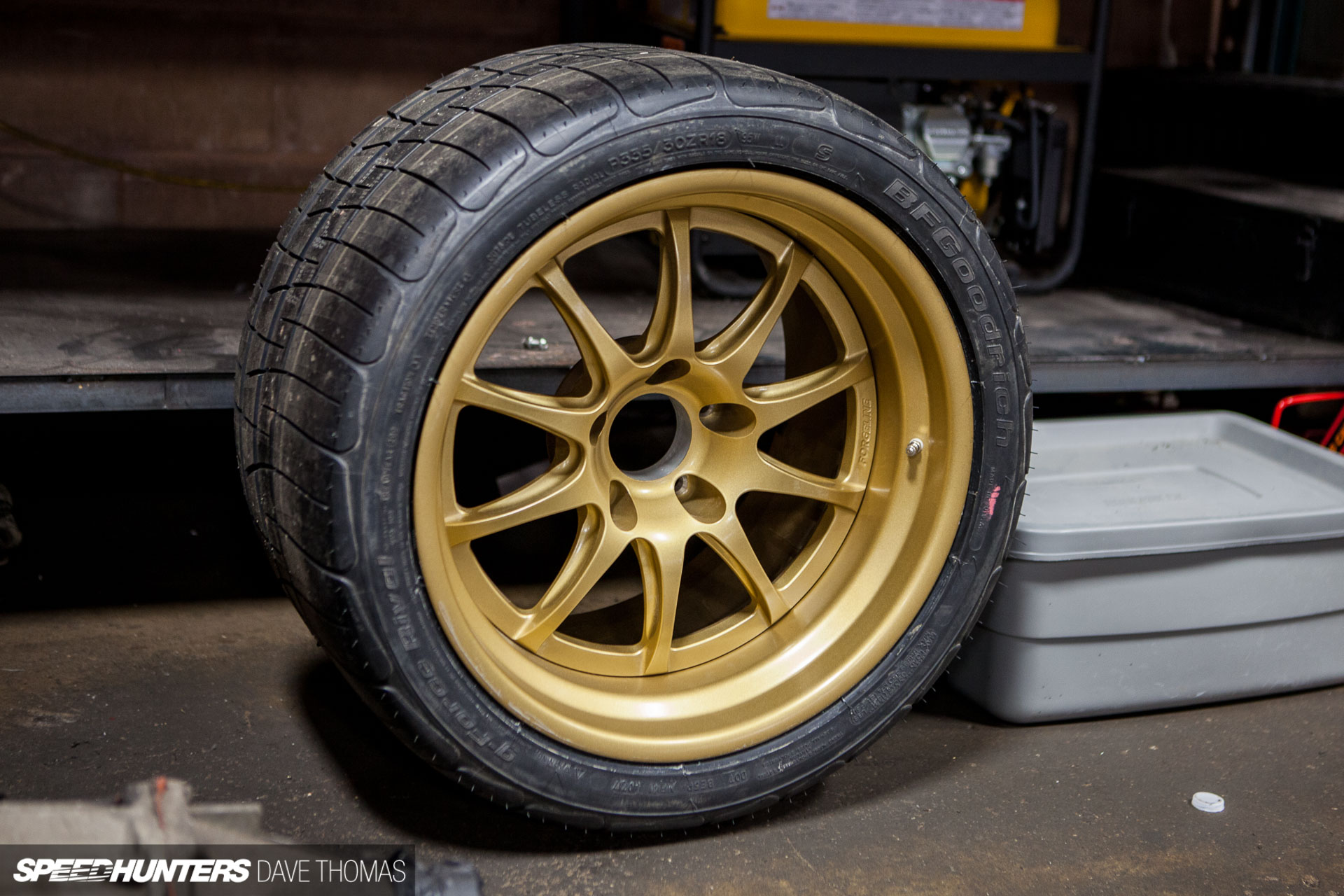
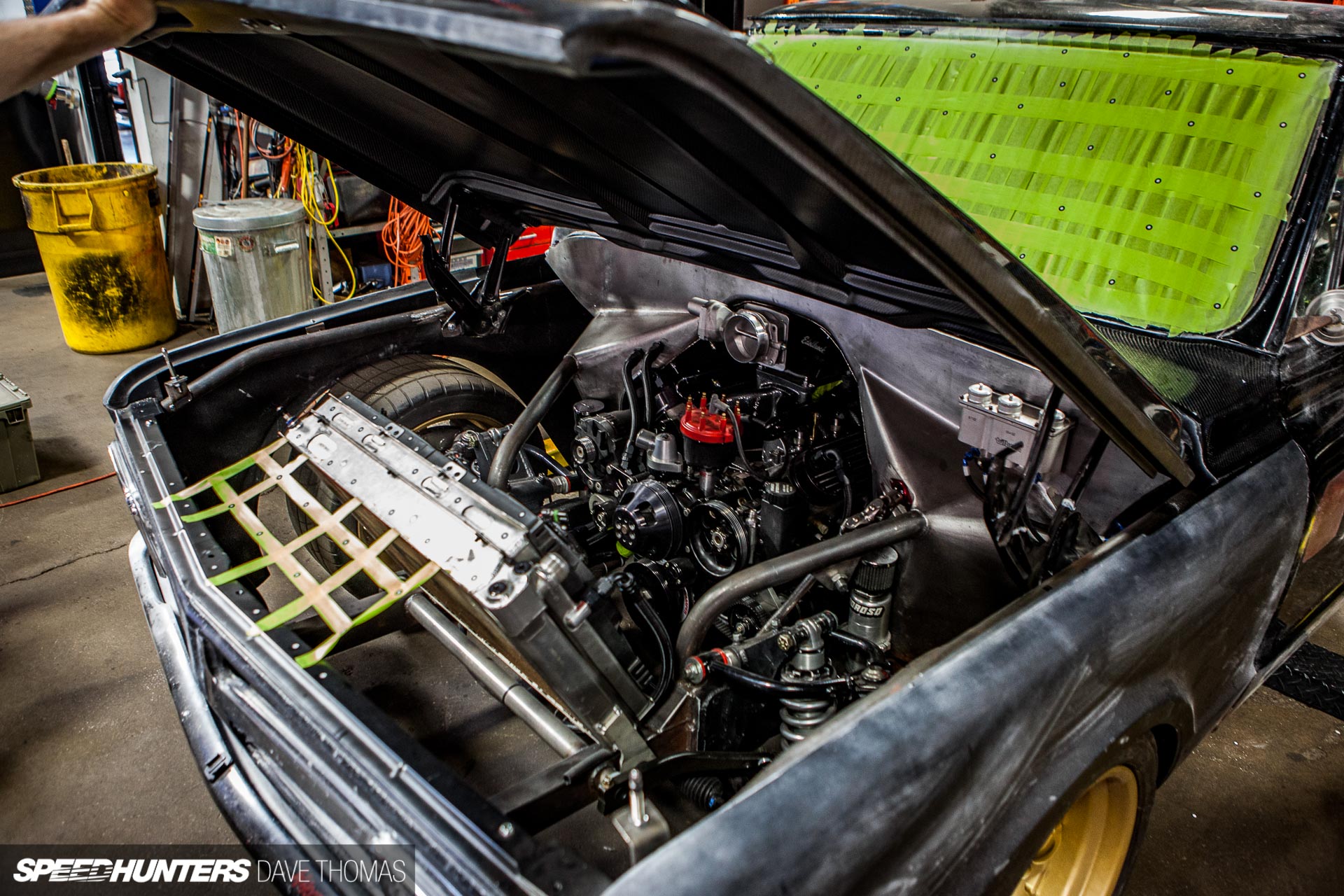
The Targa Truck is now a custom chassis-equipped, carbon fiber front end-wearing, SDPC LS V8-powered behemoth better suited for a back straight than a job site.
As the name implies, the Targa Truck has competed in the Targa Newfoundland. The Targa – race not truck – is a spirited romp through an oceanside province just under 2,000km (1,242mi) from where the truck currently resides.
It’s a challenging, real road course, better suited to smaller vehicles. The Targa Truck was not only the first truck to complete the race, it finished second in the classic vehicle division as a much tamer machine than it is today. Video snippets of the truck doing the Brigus stage are below…
Holding the keys to the black GMC is Mark Bovey, driver in the video above. Mark is truly one of a kind. ‘Can’t’, ‘won’t’, ‘shouldn’t’ and ‘don’t’ are words that have been removed from his vocabulary. Each word simply replaced with ‘how?’
From his entrepreneurial ventures to racing pastime, Bovey is a doer in every way.
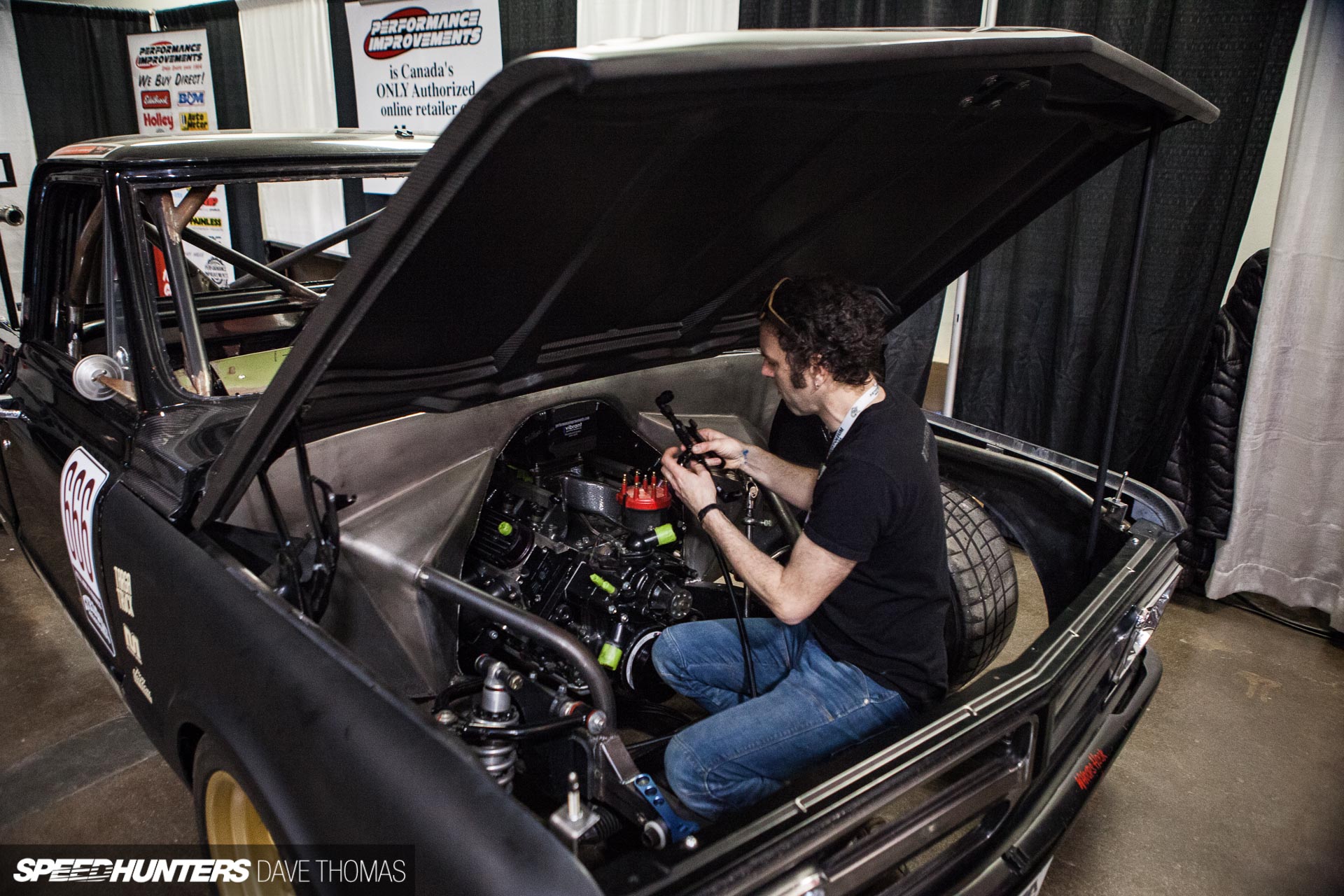
A great example of this is when the truck was called upon to be the booth babe for Performance Improvements at Toronto’s Motorama. Motorama is a three day commitment, and most people would see that as a short, forced, delay in vehicle development.
Not Mark.
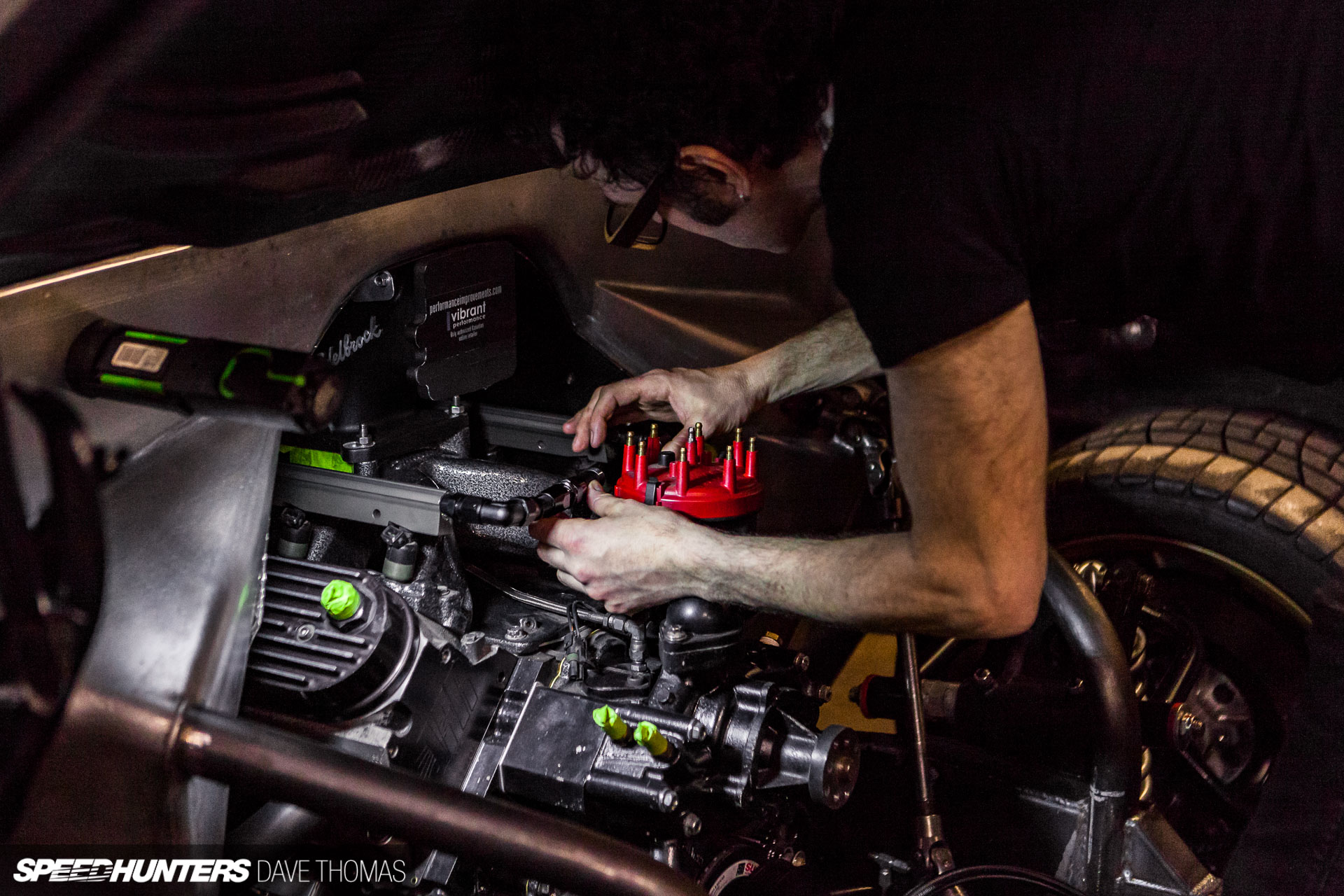
Rather than loose a weekend of precious R&D hours to the show, Mark mocked up the fuel system at the show, in front of both a live and virtual audience.
After completing the Targa, Mark’s sights were set on larger obstacles. The current mountain to be conquered isn’t just a metaphorical one, it’s a physical opponent that goes by the name Washington.
Mark wants to take a serious swing at the famous hill climb in the trusty truck that he’s had since he was a teen. However, before that mountain can be scaled Mark has set about improving himself through a series of professional driving schools. When the time is right and the stars align, Mark will be as ready as his truck is.
Mark’s excitement and eagerness to make his truck and himself a competitive force to be reckoned with is infectious, and I must admit I’ve been holy sucked into Targa Truck fever.
Making A Barn Door Fly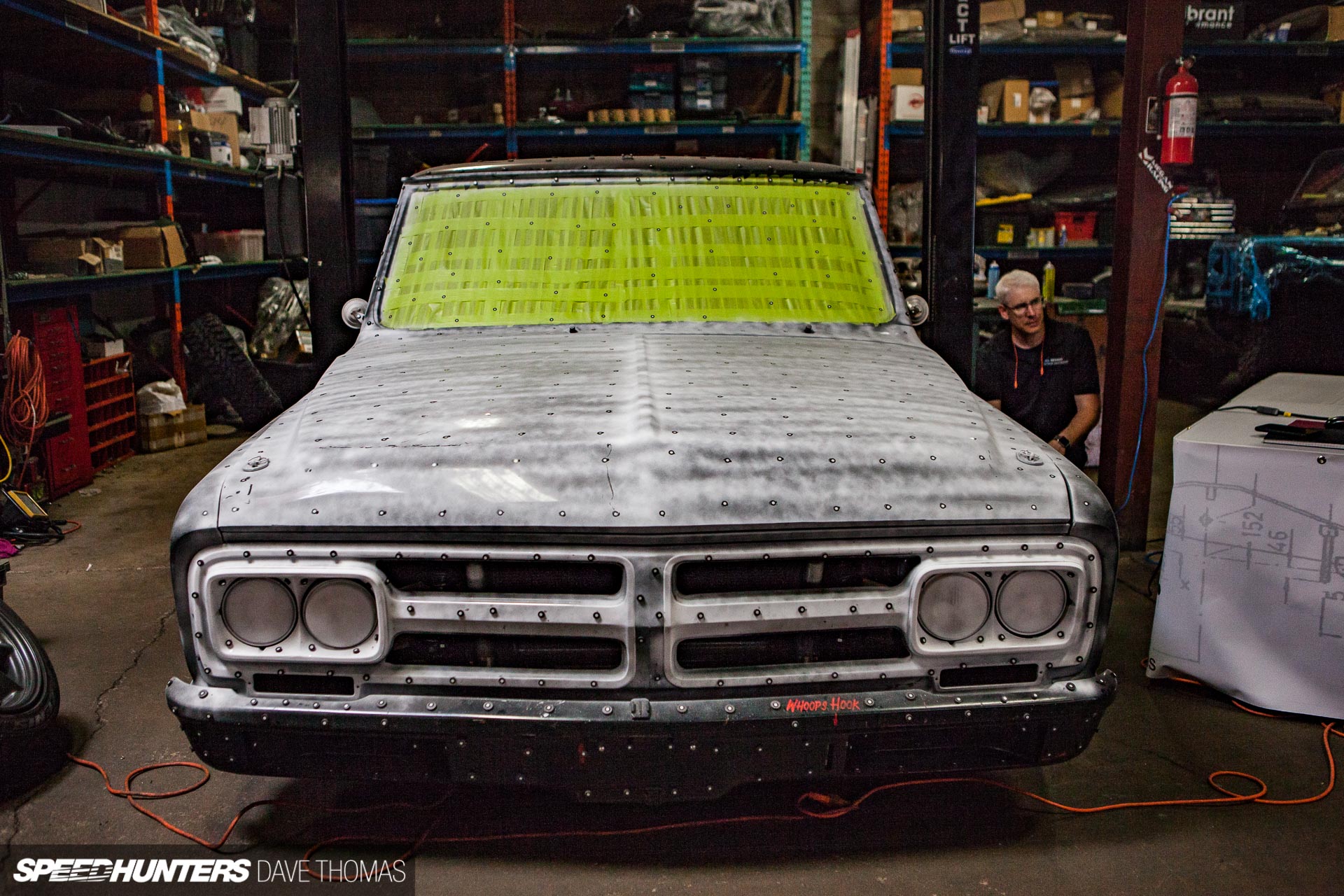
With practicality and not speed being the goal of GMC with the ’71 1500 pickup, it is understandably that from the factory the shape of a C-series truck is not very aerodynamic. Mark has thrown a decent amount of horsepower at that particular design flaw over the years, which has worked fine and dandy, to a point.
However, add a few turns into the equation and areas of improvement quickly emerge.
In an effort to sharpen his blunt instrument, a more refined process needed to be introduced. At this point in time, with so much time and capital invested, guess work is simply no longer desirable. Enter ACL Designs.
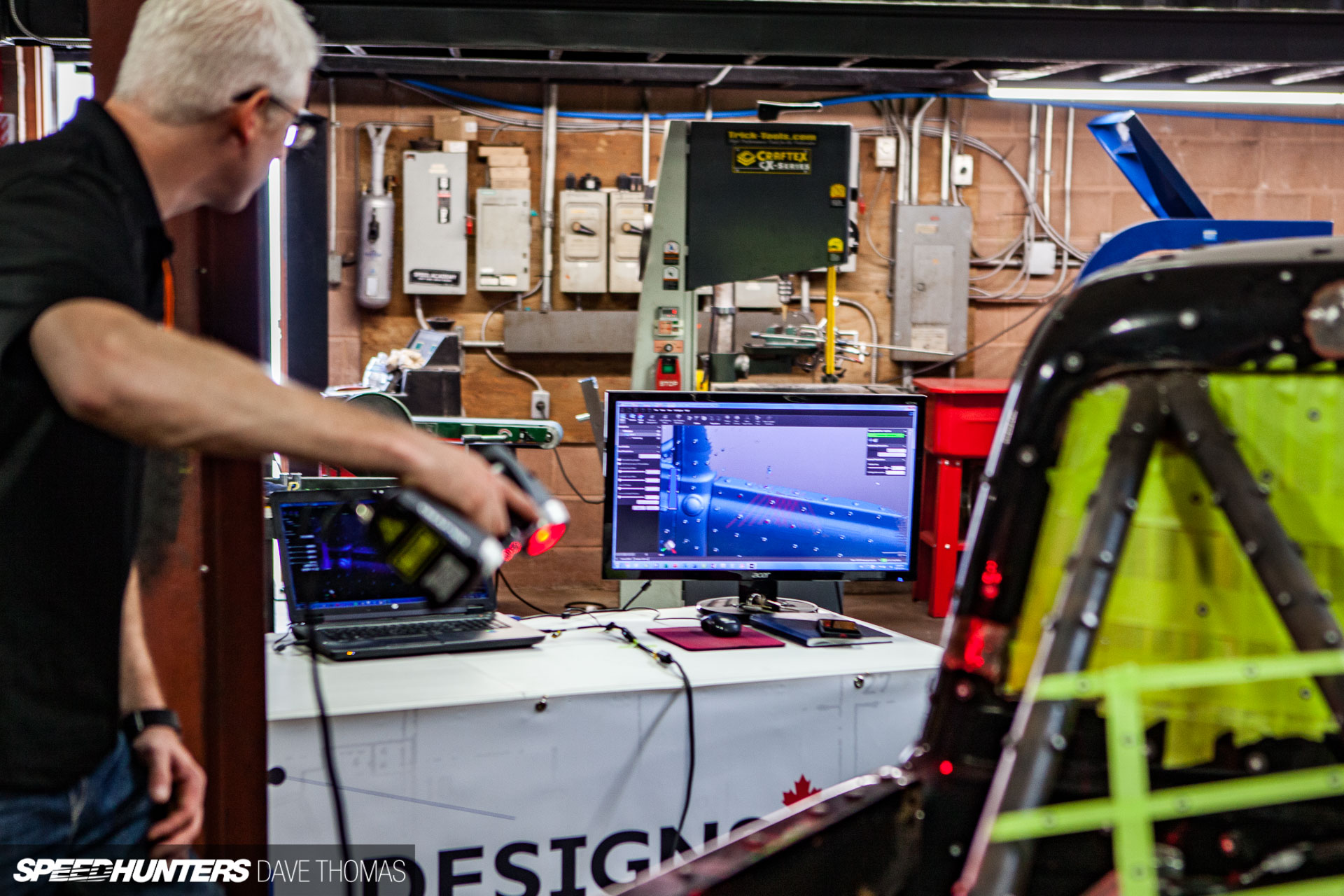
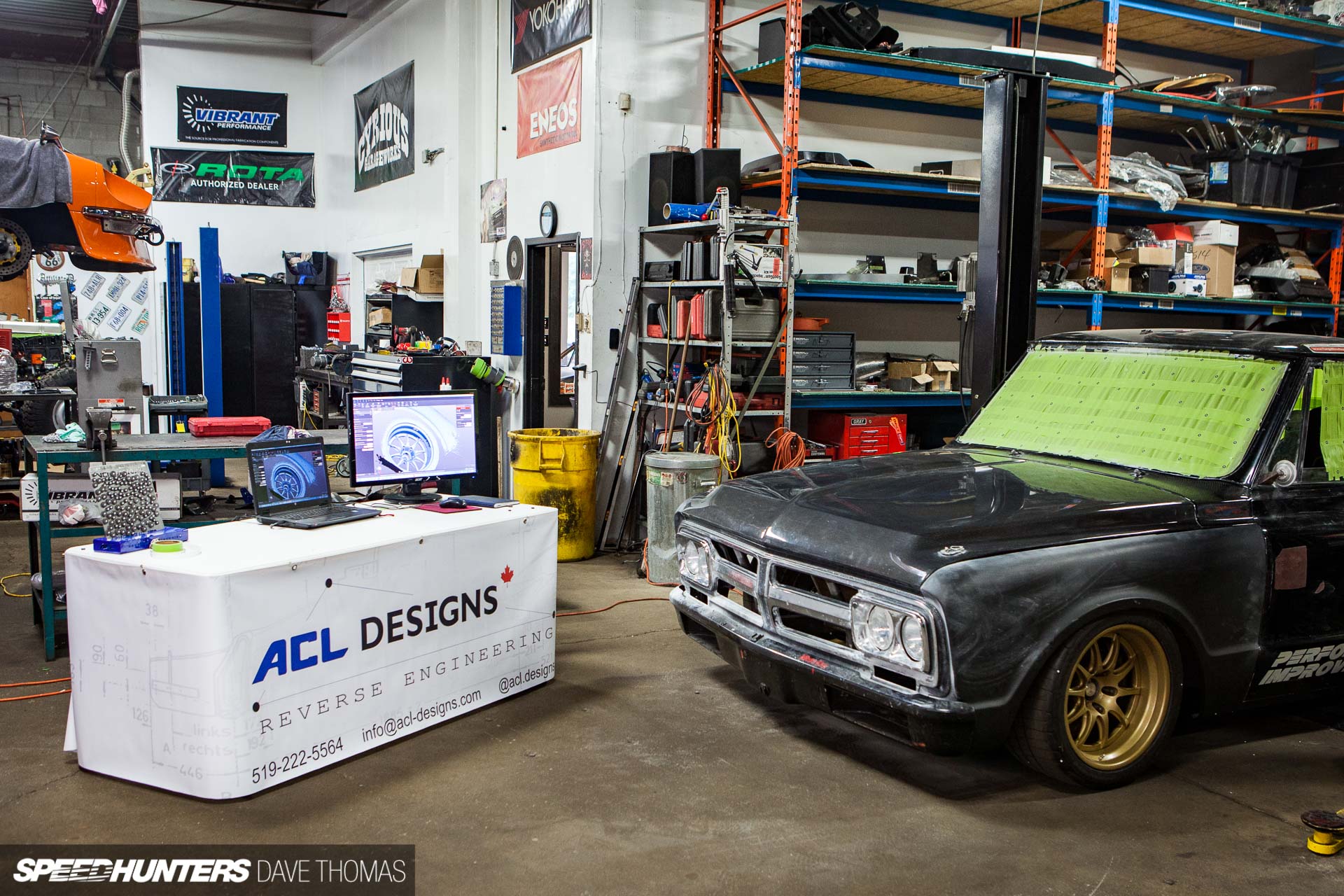
ACL Designs specializes in 3D scanning, 3D modeling, and creating new parts based on existing environments. Because the Targa Truck is so far from what any available C10/1500 3D model might provide, it had to be scanned for the next phases of its development.
Having never seen a vehicle 3D scanned in person before, I headed over to Cyrious Garageworks (a place I’ve shown you before) to observe the process.
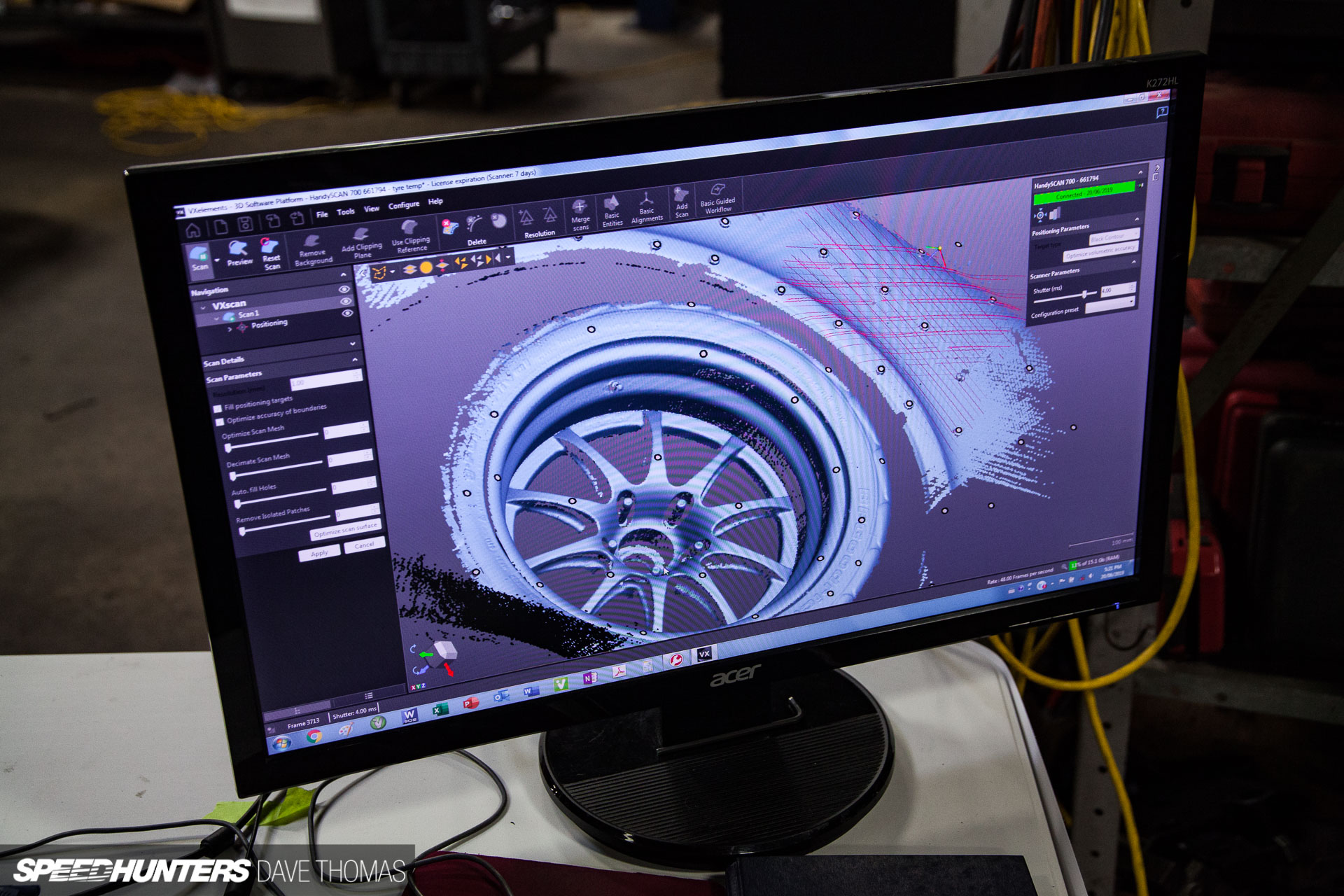
Using the models developed through the scanning process, a vehicle can be run through computational fluid dynamics analysis. The results of CFD testing can be used to digitally create components that make better use of the air that passes over, under, and through the vehicle while it is in motion. Utilizing those three forms of air movement effectively is often referred to as aero testing and design to a layman like myself.
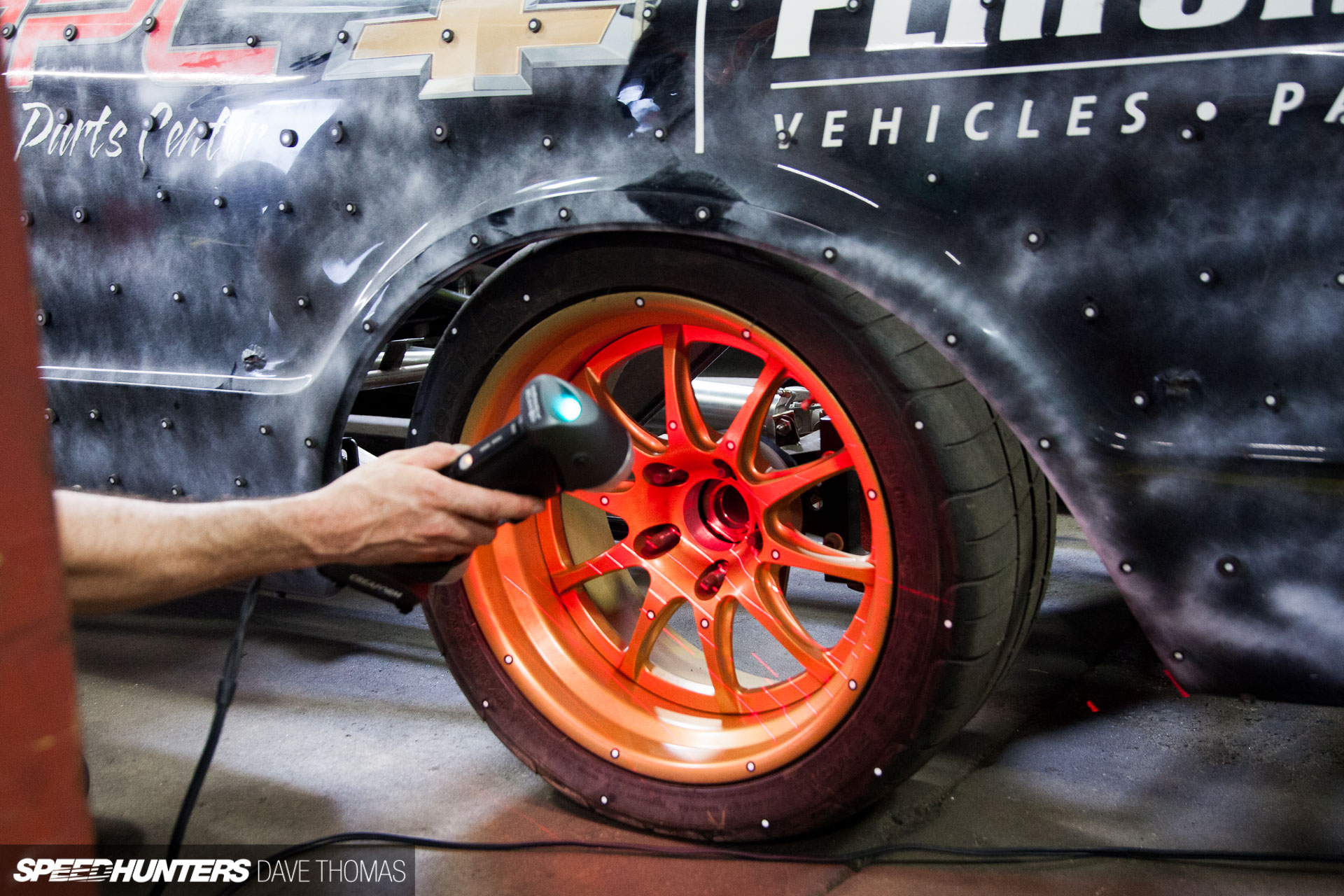
Properly 3D scanning a vehicle in preparation for all of the above is an extremely time-consuming undertaking. In total, scanning the inside, outside and undercarriage took two eight-hour sessions.
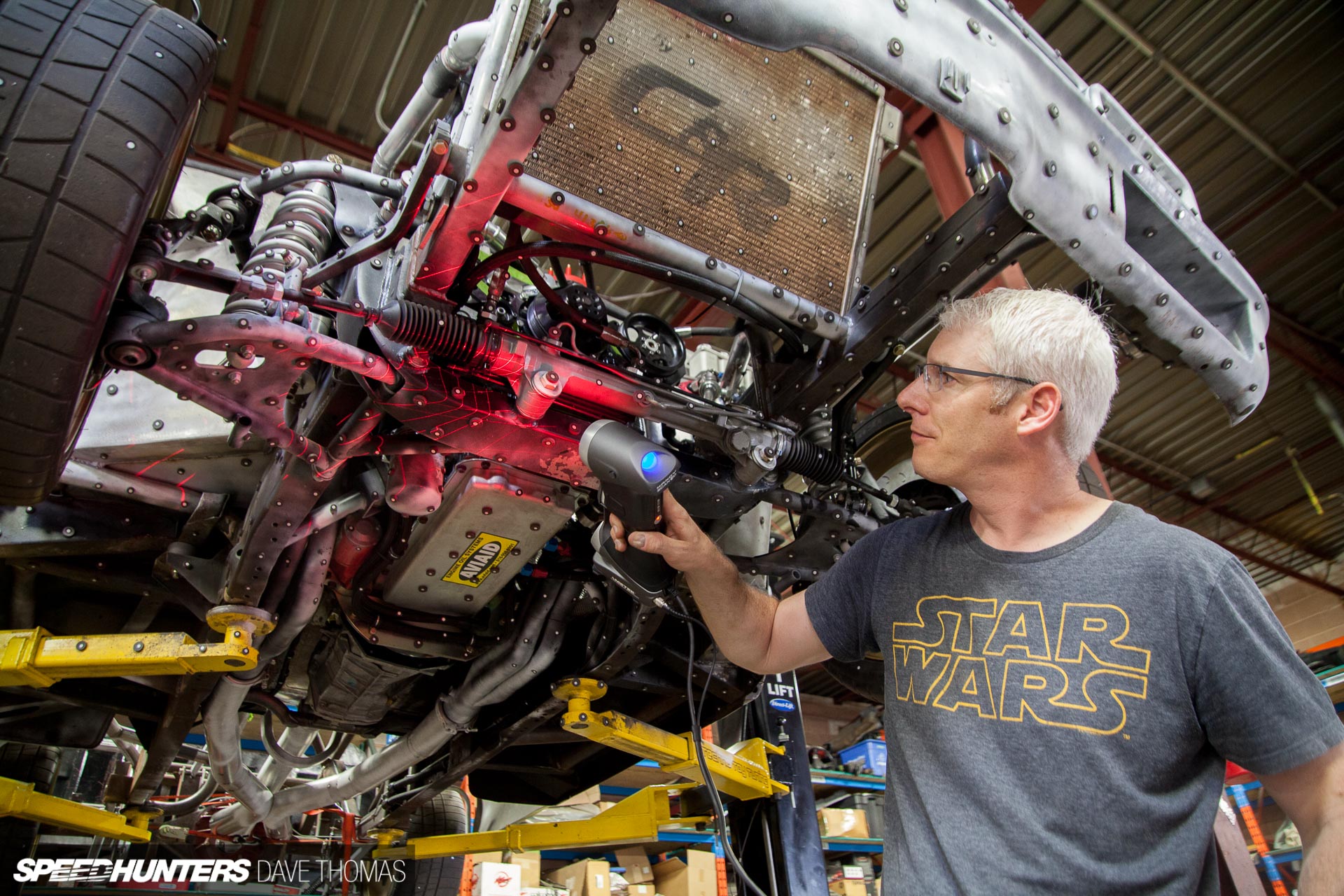
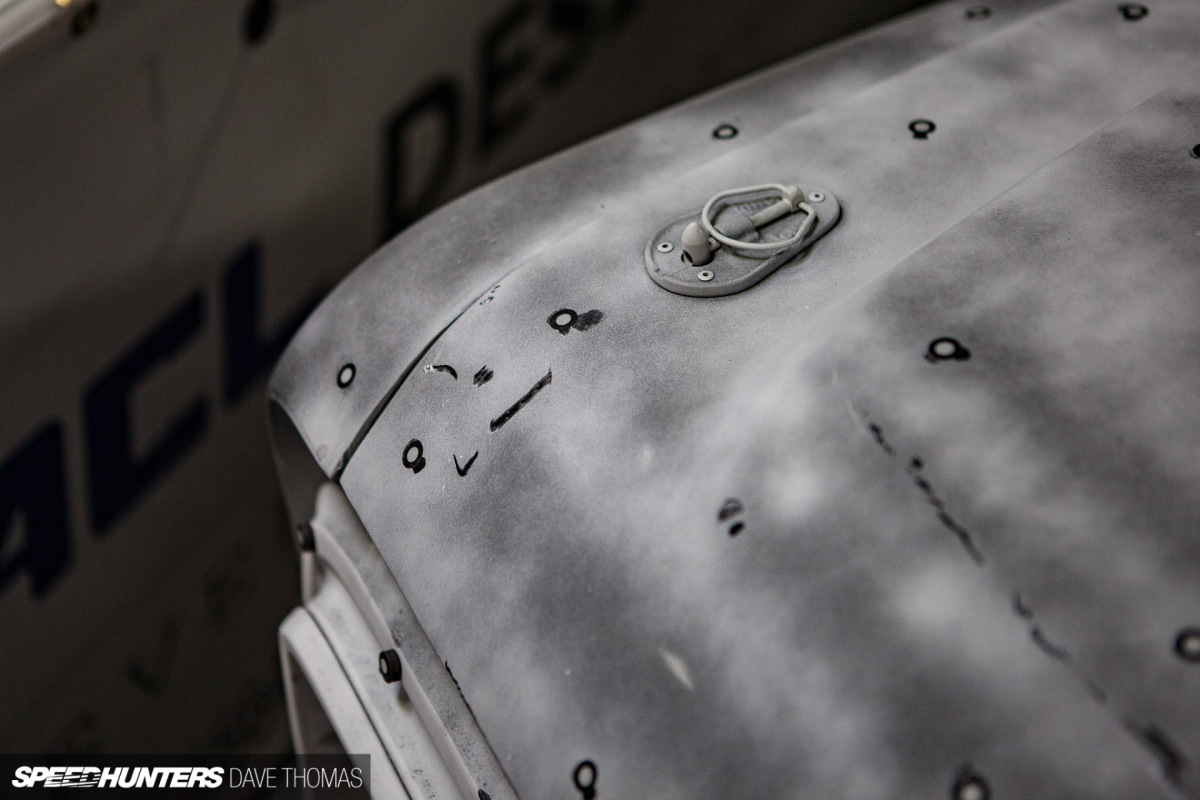
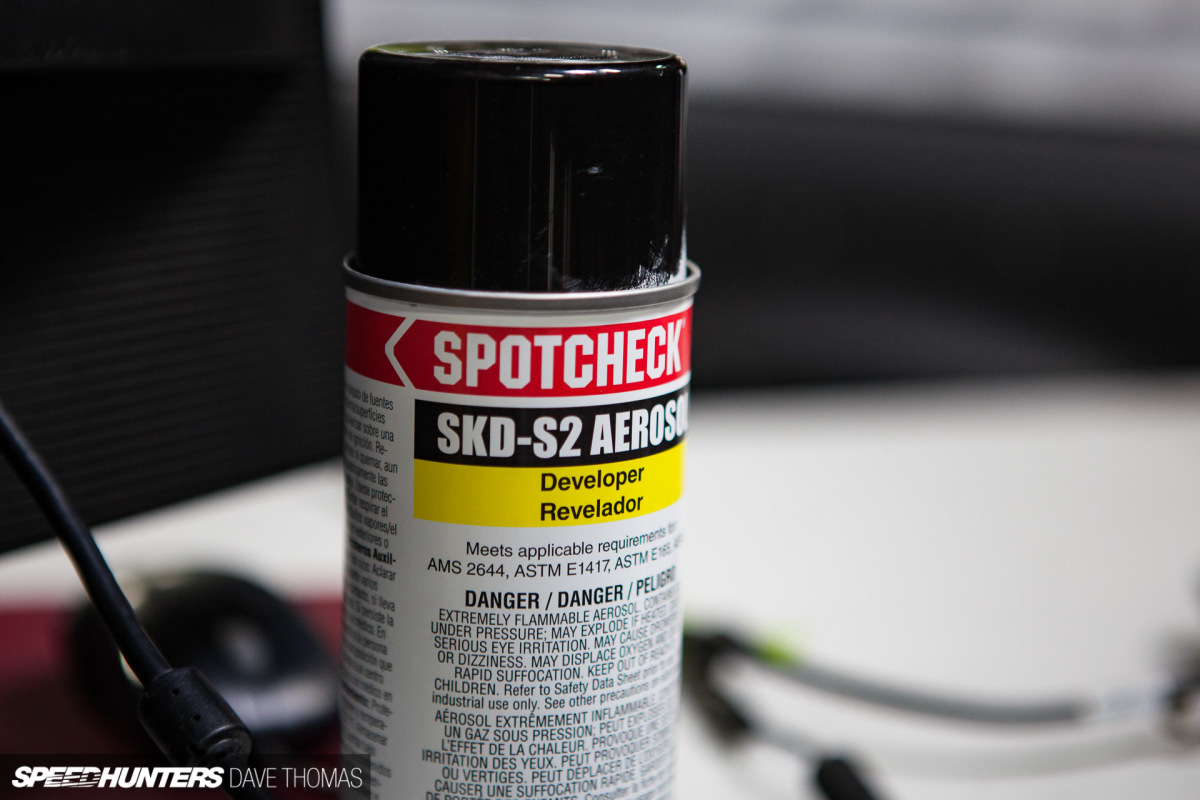
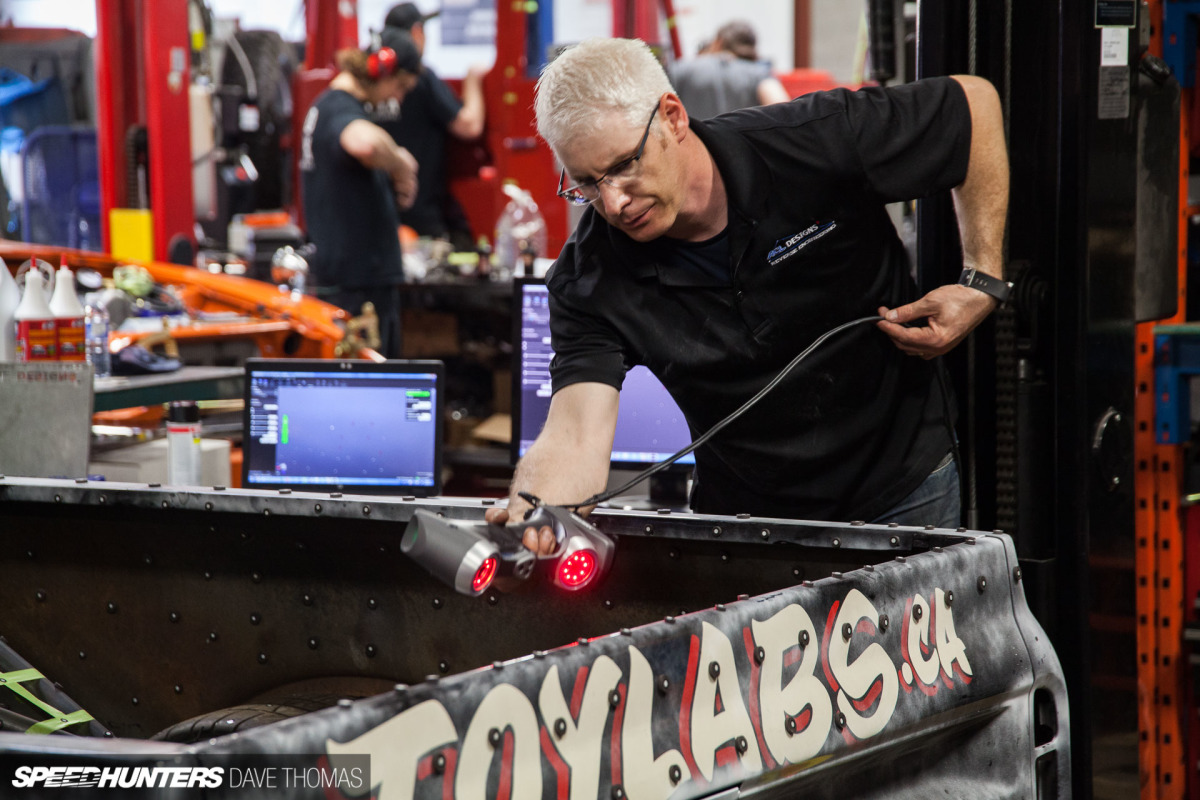
Trevor Lichty, AKA the man on the other end of the ray gun, has been scanning objects of all sorts for over 10 years. If you can think of it, he’s probably scanned it. One of his largest scanning jobs to date was an entire oil refinery. If the Targa Truck took 16 or so hours, I’ll let you run your own the numbers on an oil processing plant…

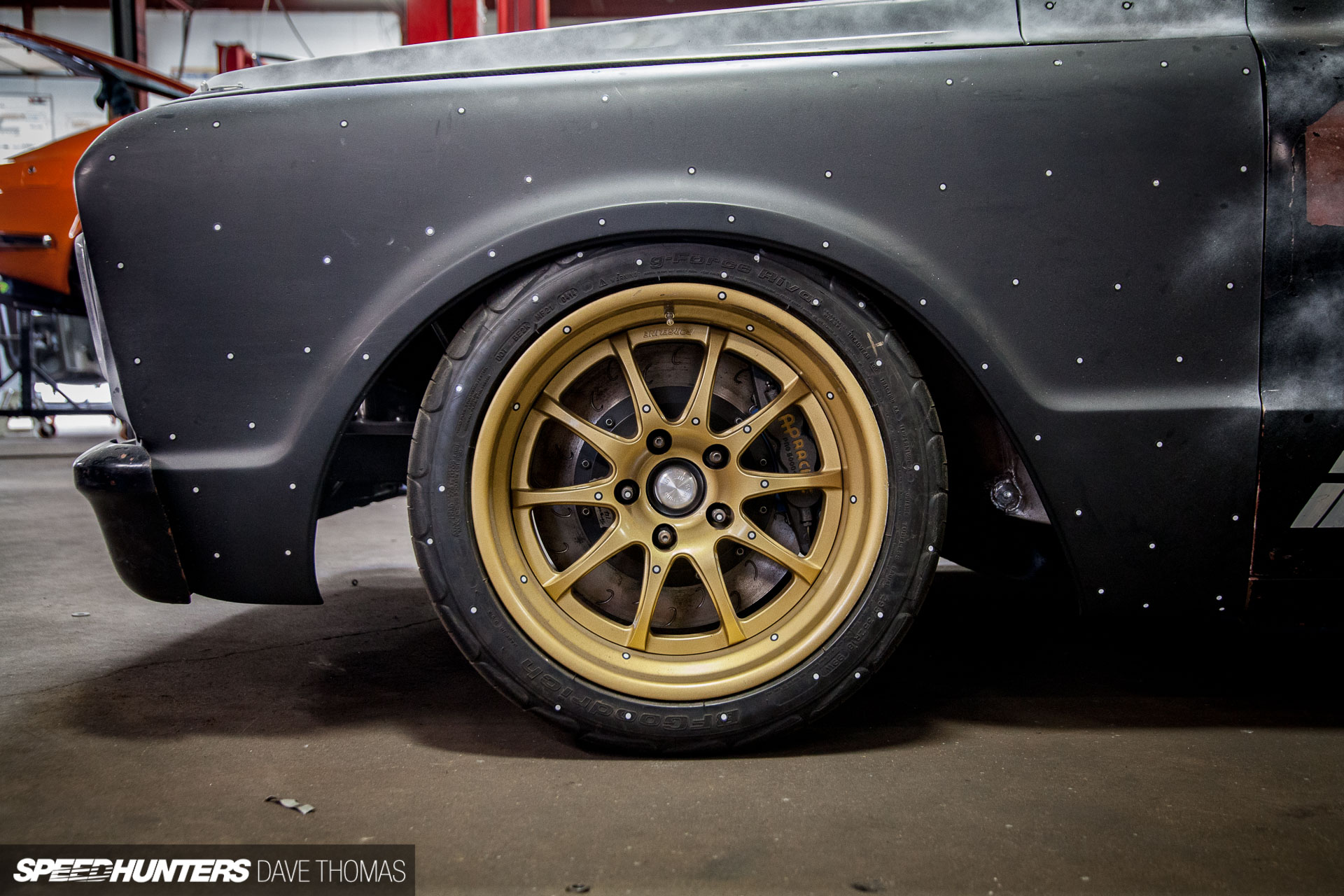
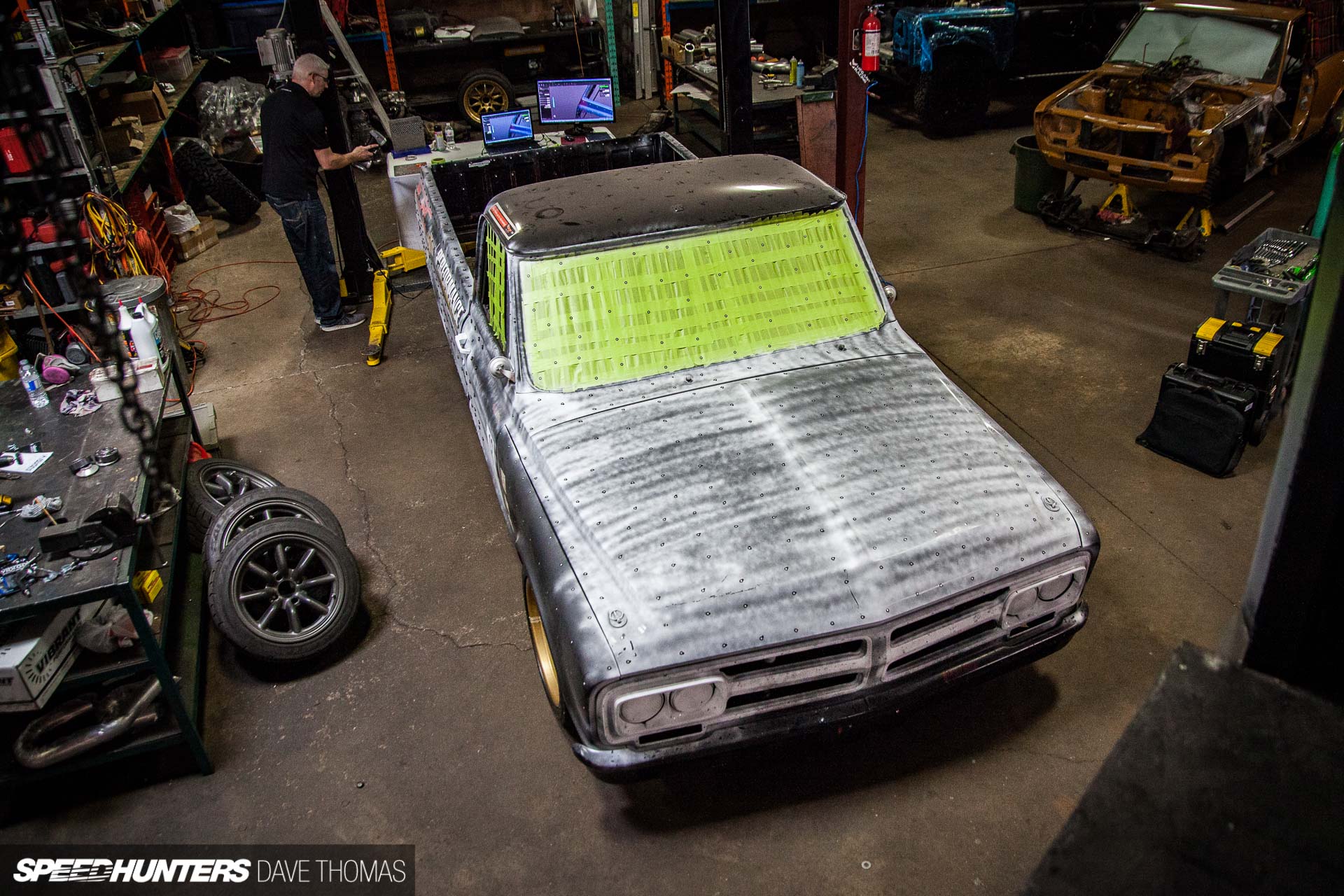
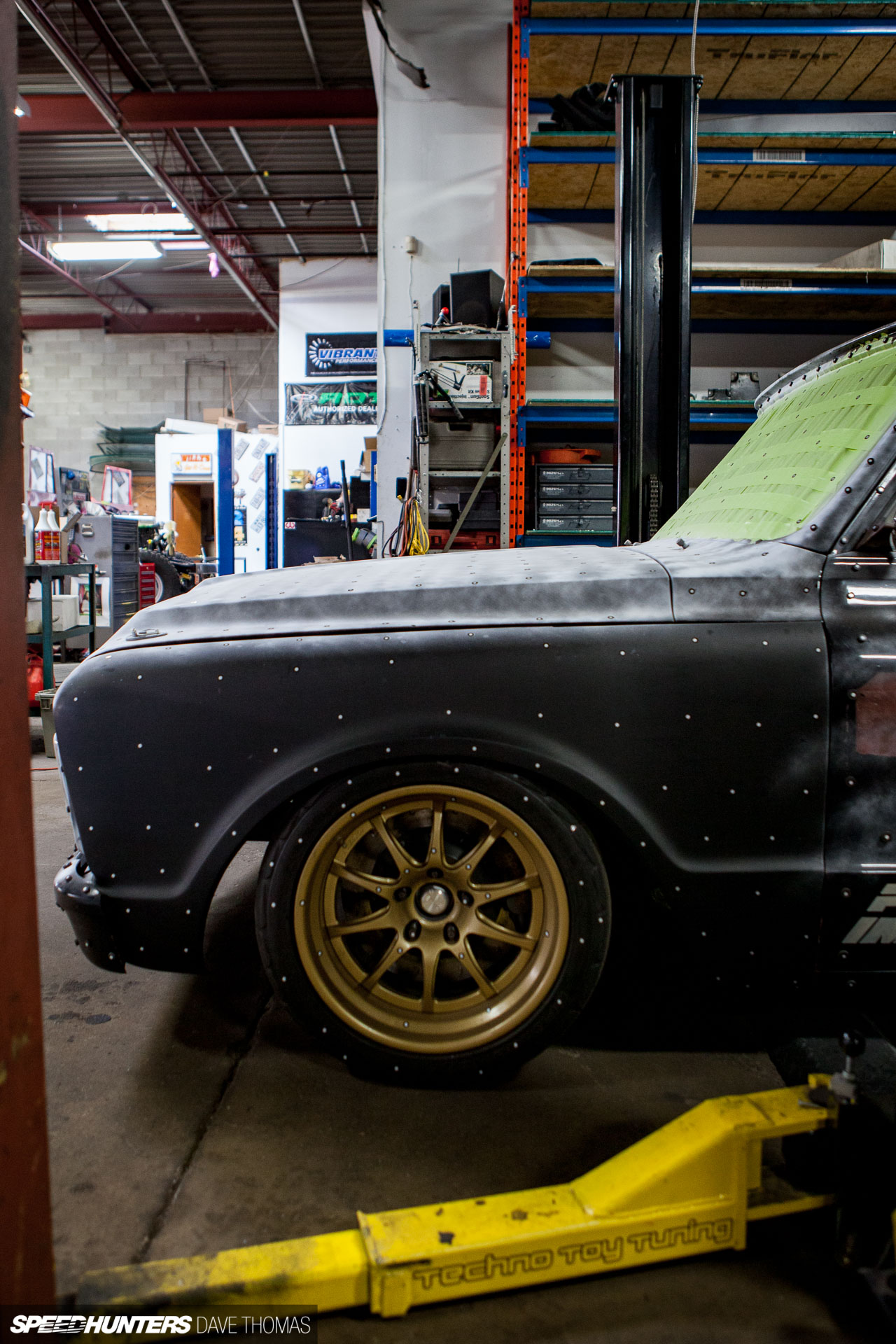
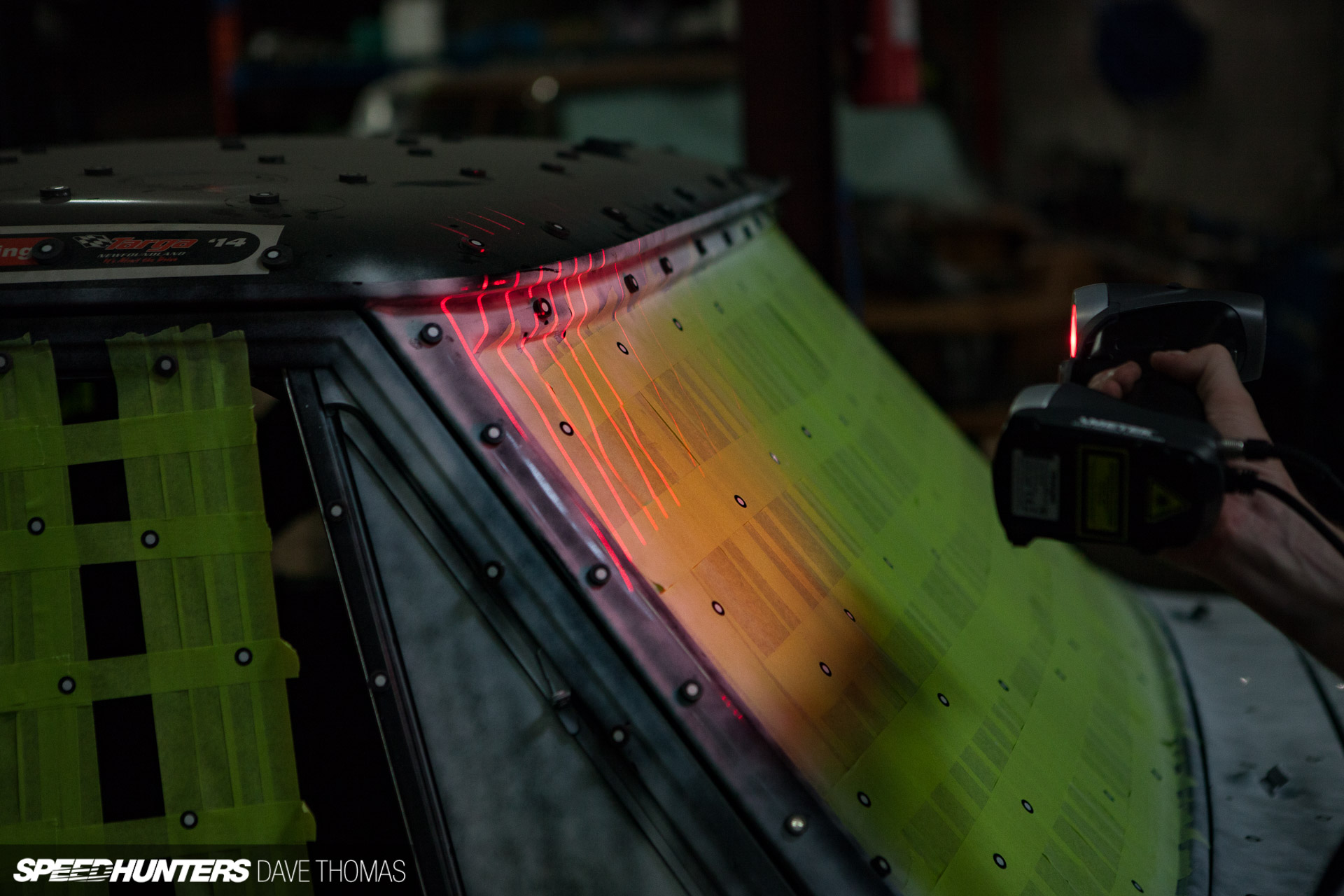
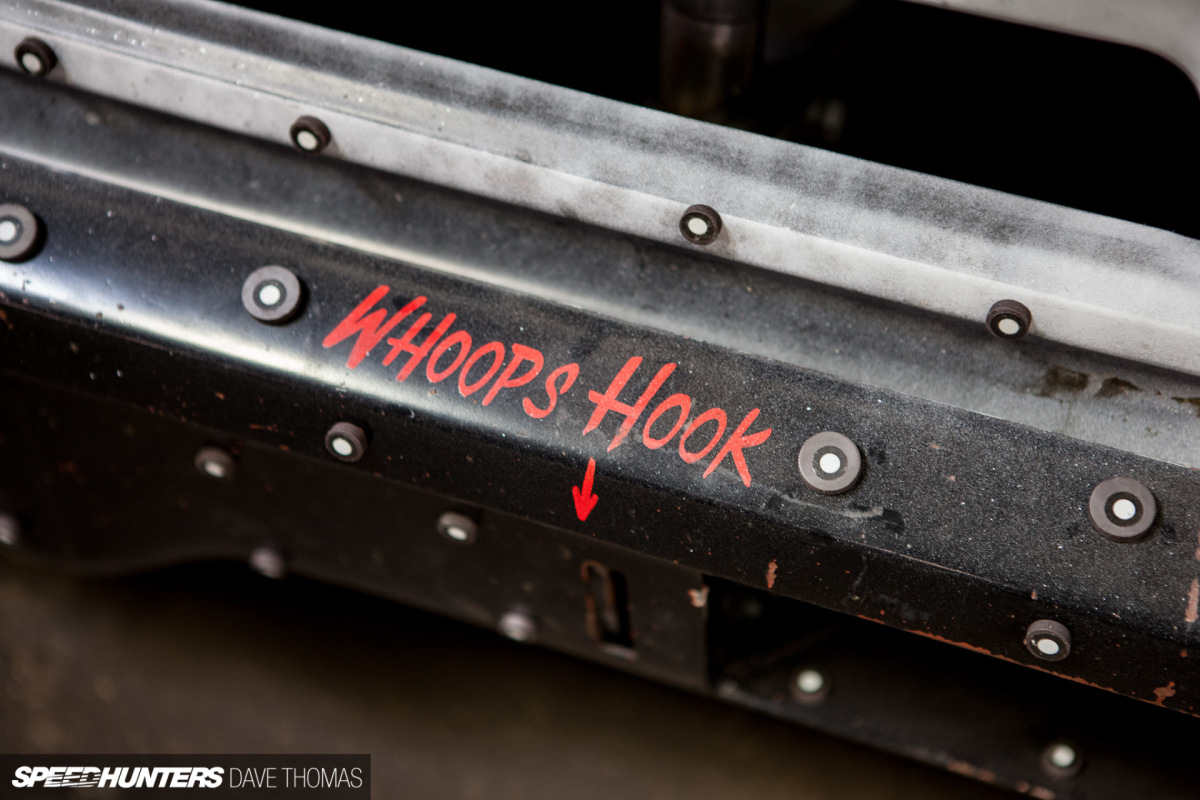
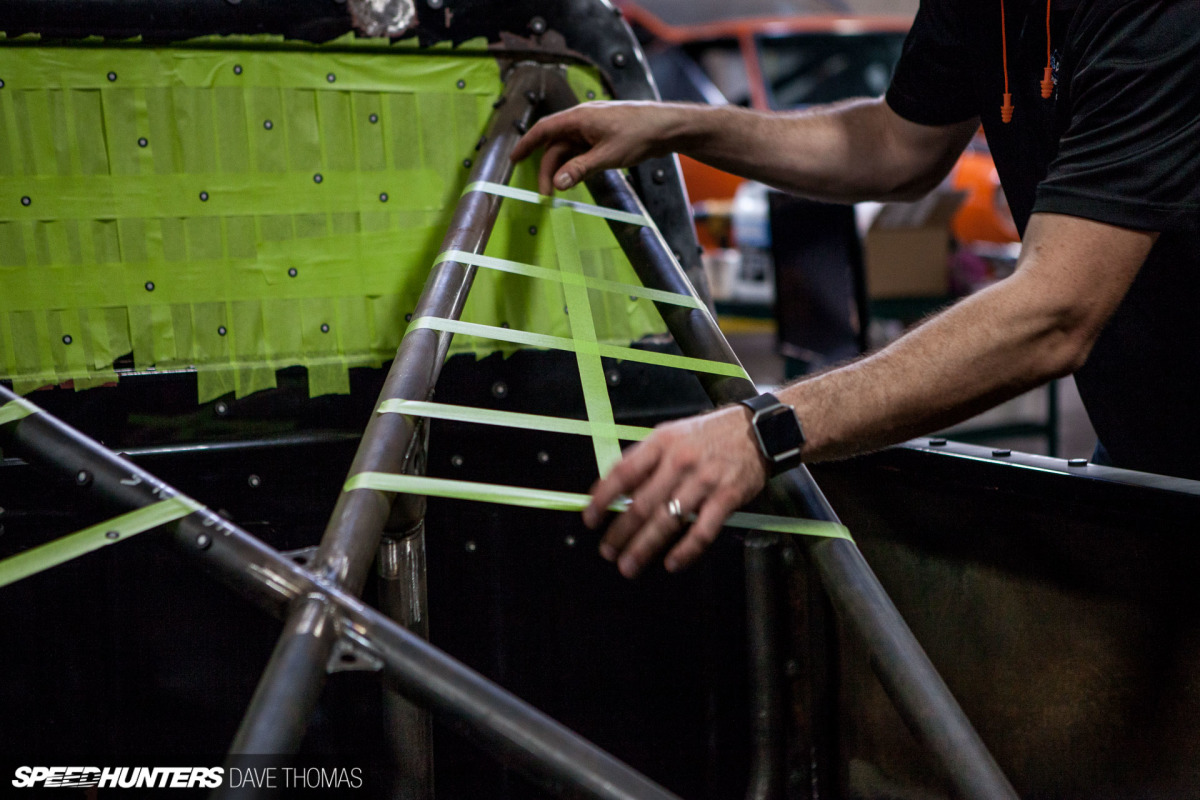
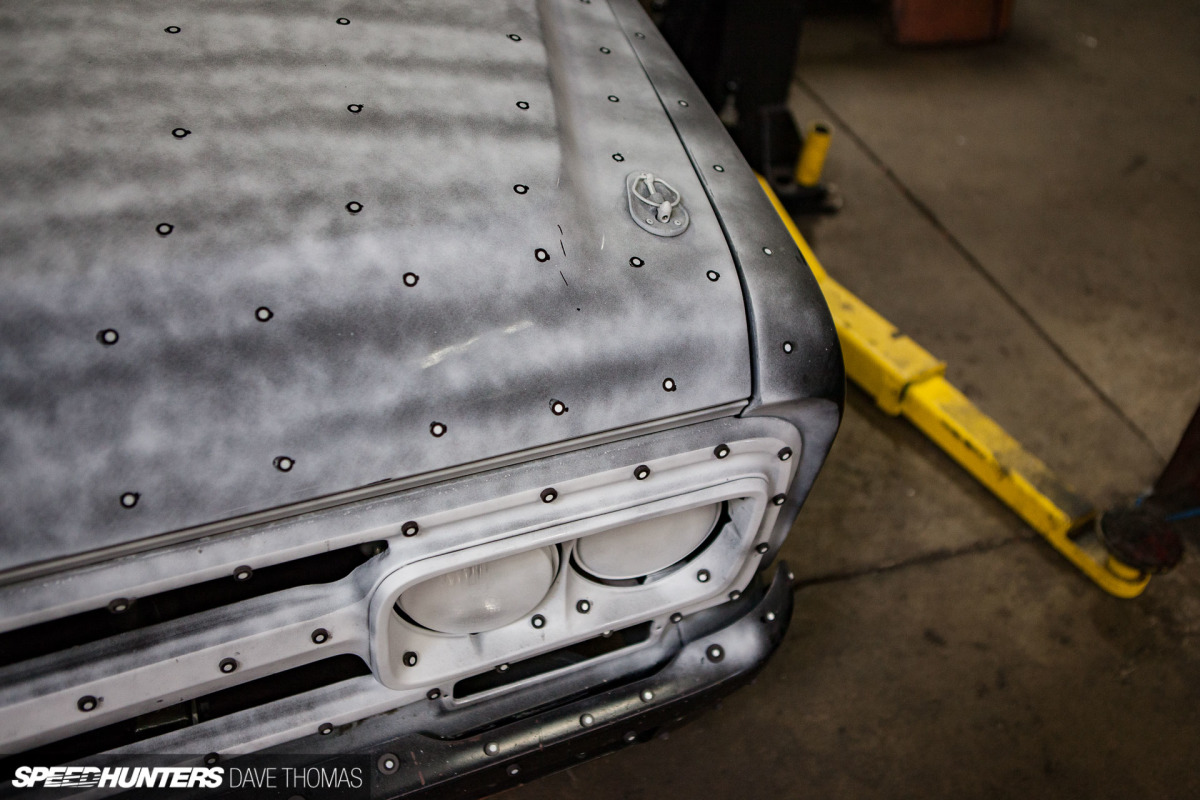
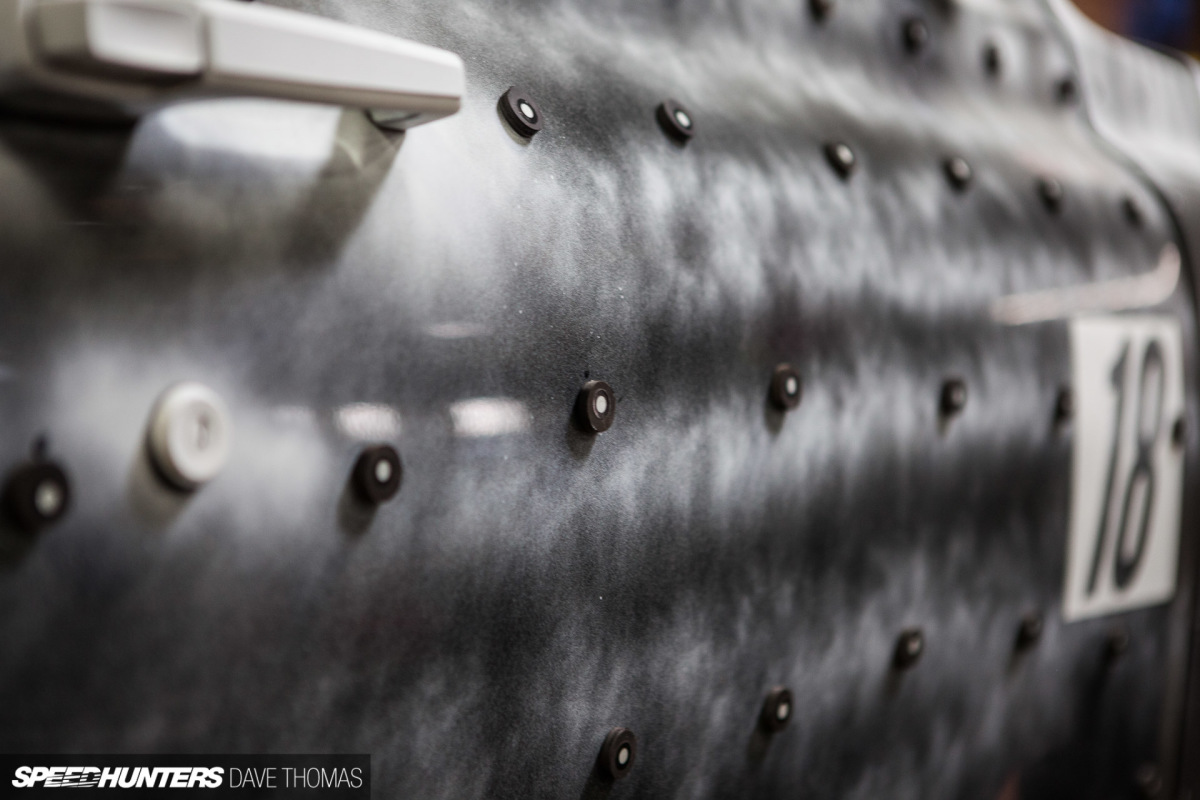
The scanning process starts by first affixing hundreds of reference points all over the vehicle. These white dots are what the scanner picks up on as the lasers pass by. The white dust you see over the vehicle is what Trevor called ‘chalk in a can’. Reflections can confuse the scanner and muddy the data, so the white dust provides a matte finish to overcome the issue.
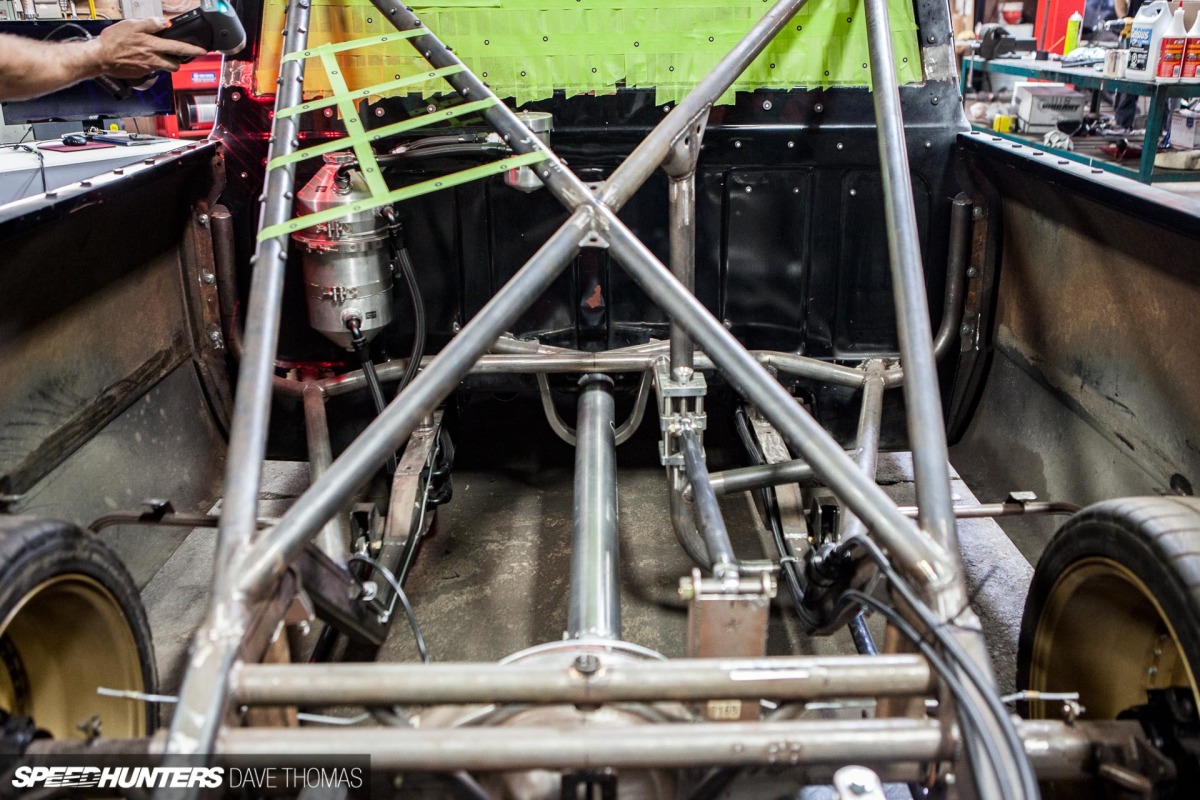
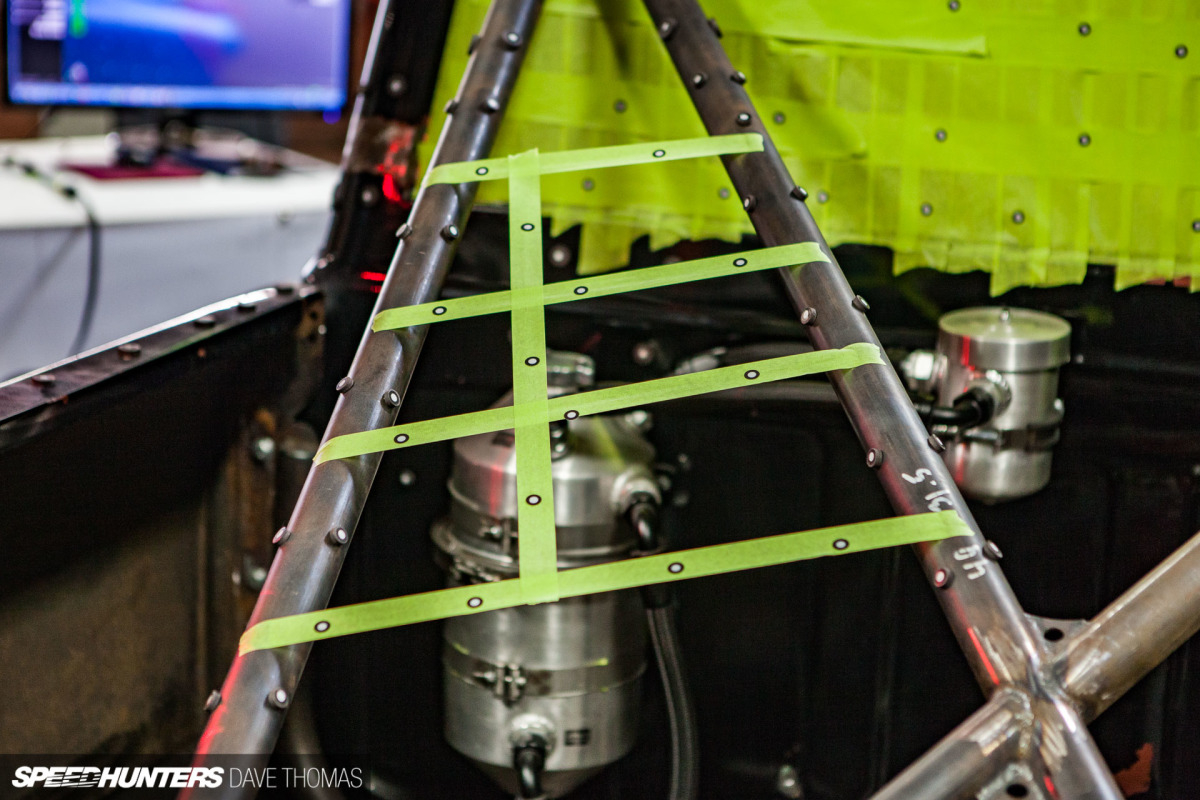
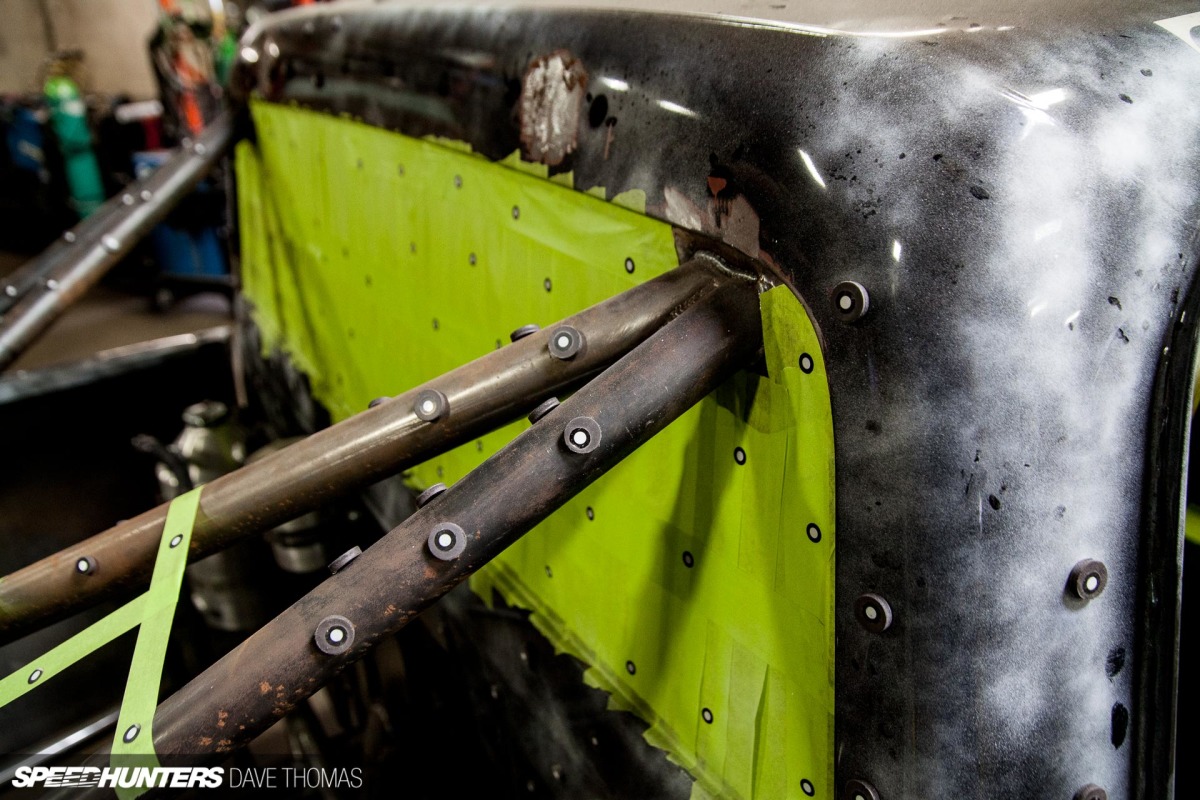
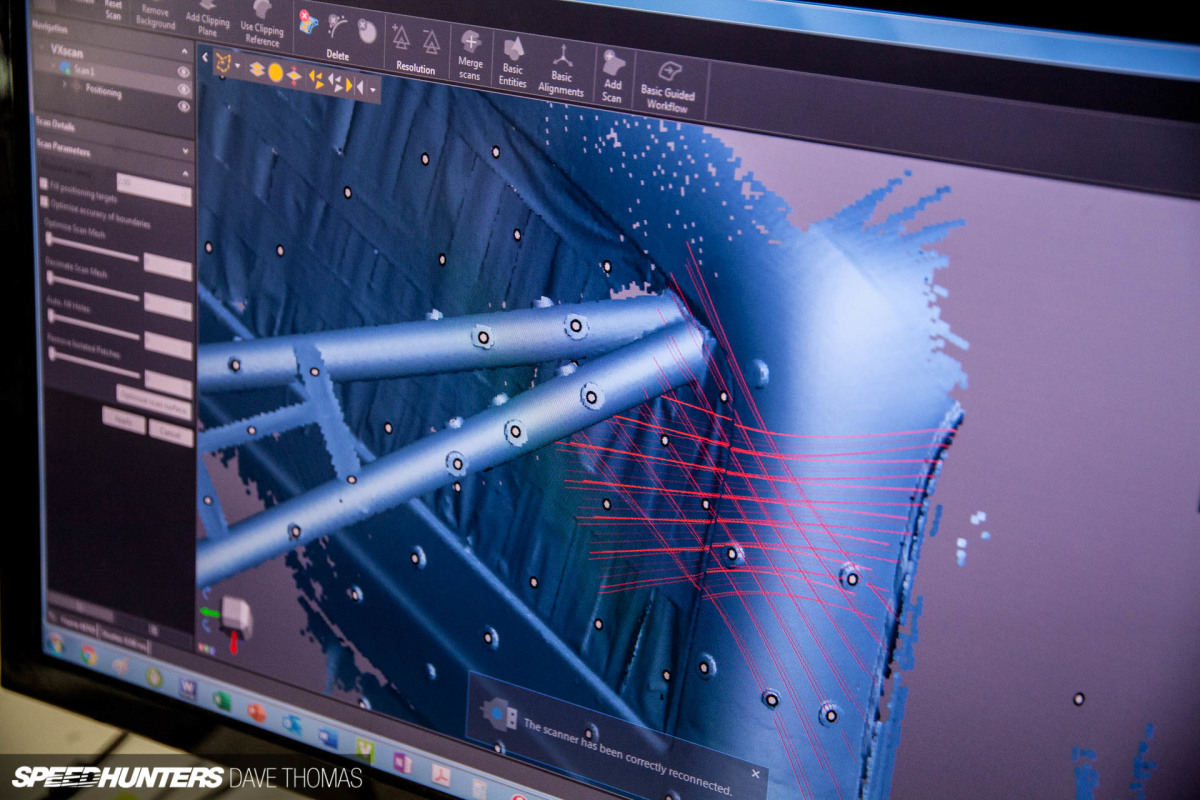
The green masking tape running to and fro bridges the gap between various points of the truck. This helps the scanner to visualize complex, or yet to be filled in sections with higher accuracy. If these areas are not accounted for during scanning they won’t be present in the final model.
A vehicle scan is done one three-foot (approximately) section at a time, because the volumetric accuracy for the scanner is +/- 0.0015″ over three cubic feet. Patience and a refined technique are important at this stage.
Watching Trevor work, I noted his method didn’t seem all that different from watching a body man paint a vehicle.
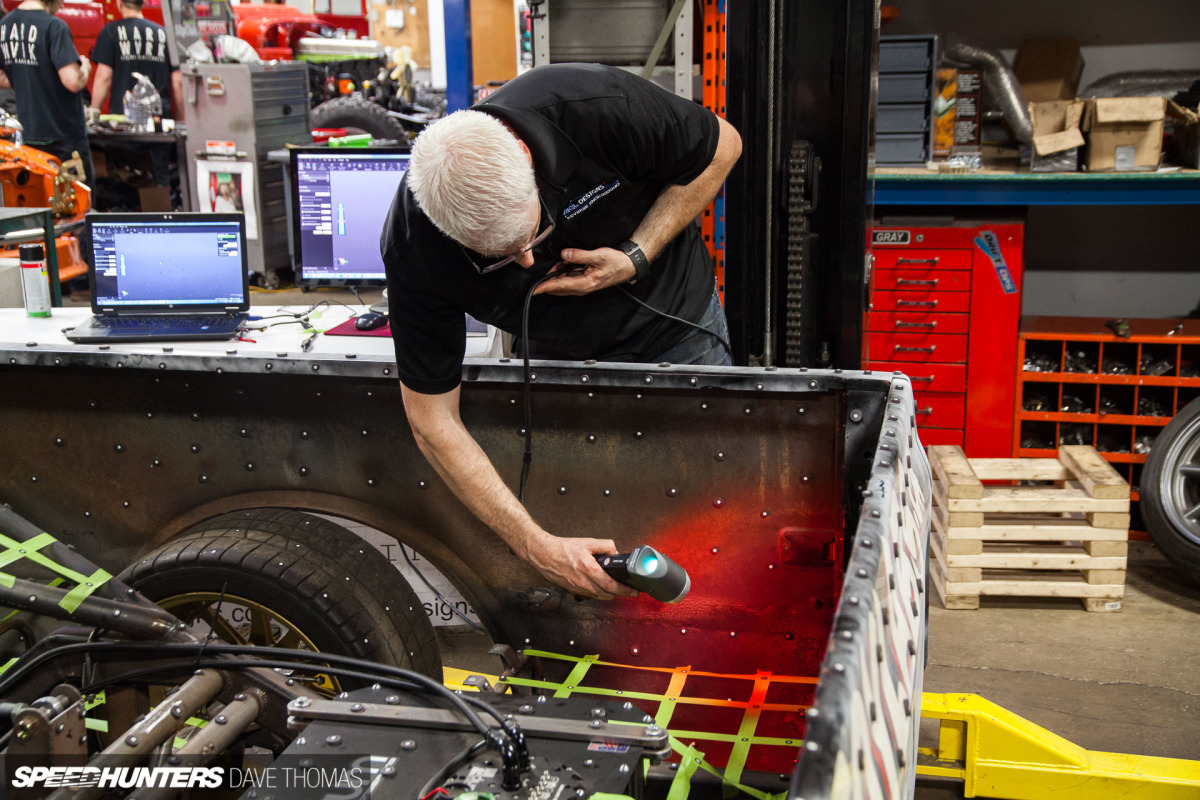
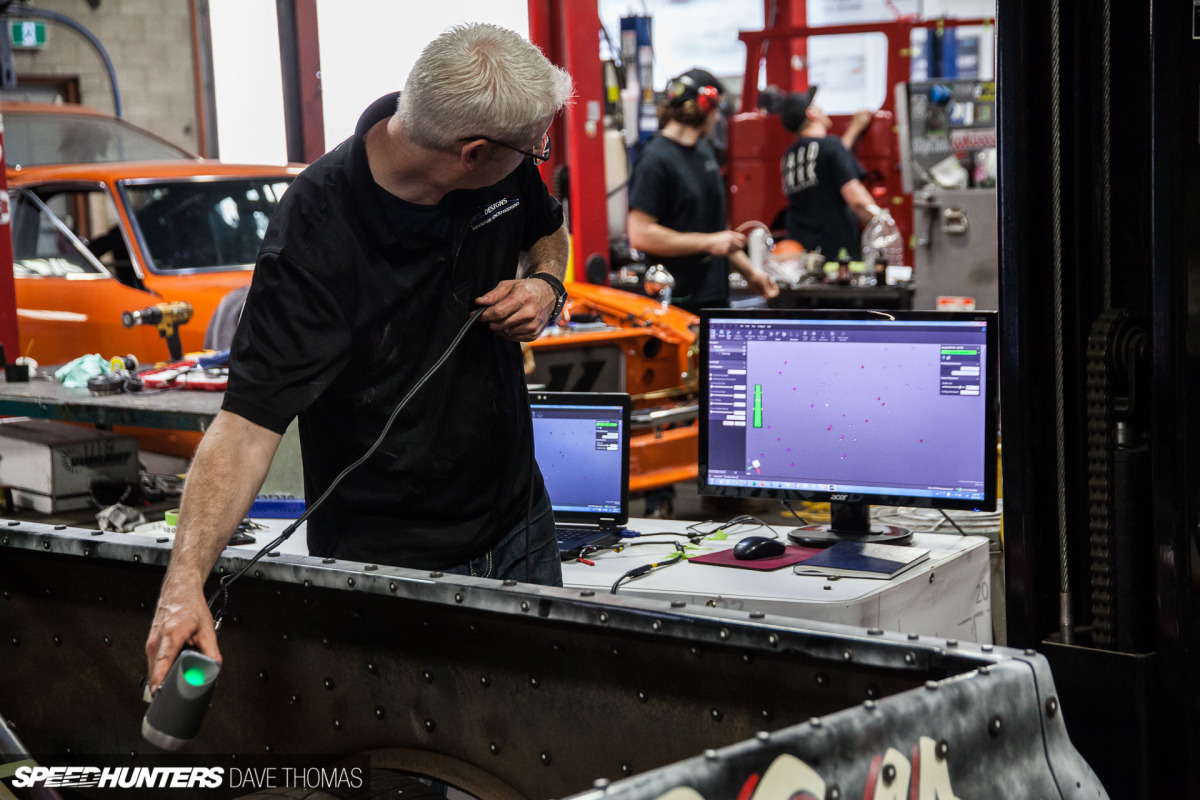
In a perfect world a vehicle would be scanned in its entirety, but that’s not always possible. Lift arms, jack stands, and cumbersome photographers can impede on getting a perfect scan.
Luckily though, through years of experience, Trevor is able to recreate those details afterward. If there’s a part of the vehicle that just plain couldn’t be scanned, reference pictures and owner-supplied measurements will be used to supplement the acquired data.
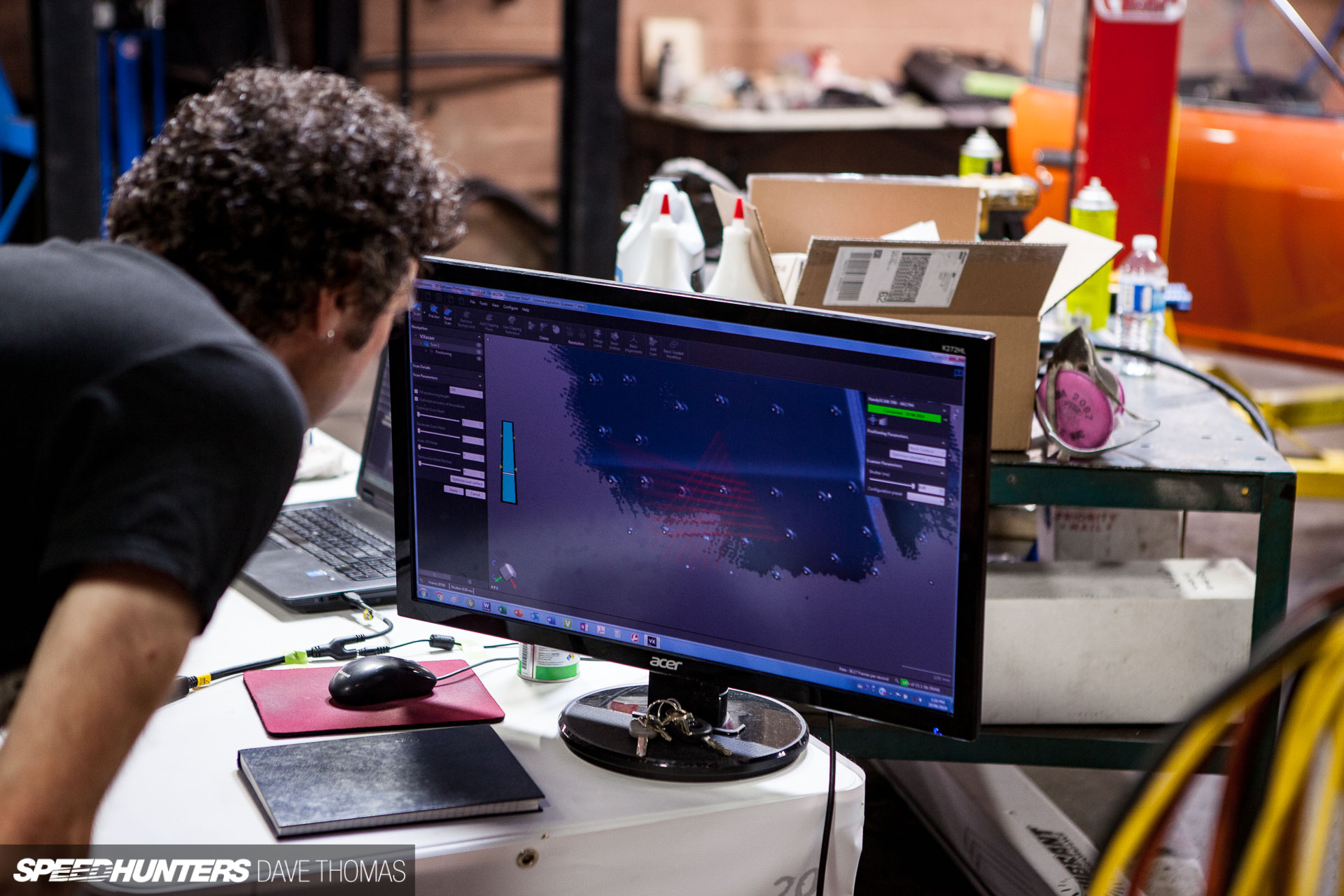
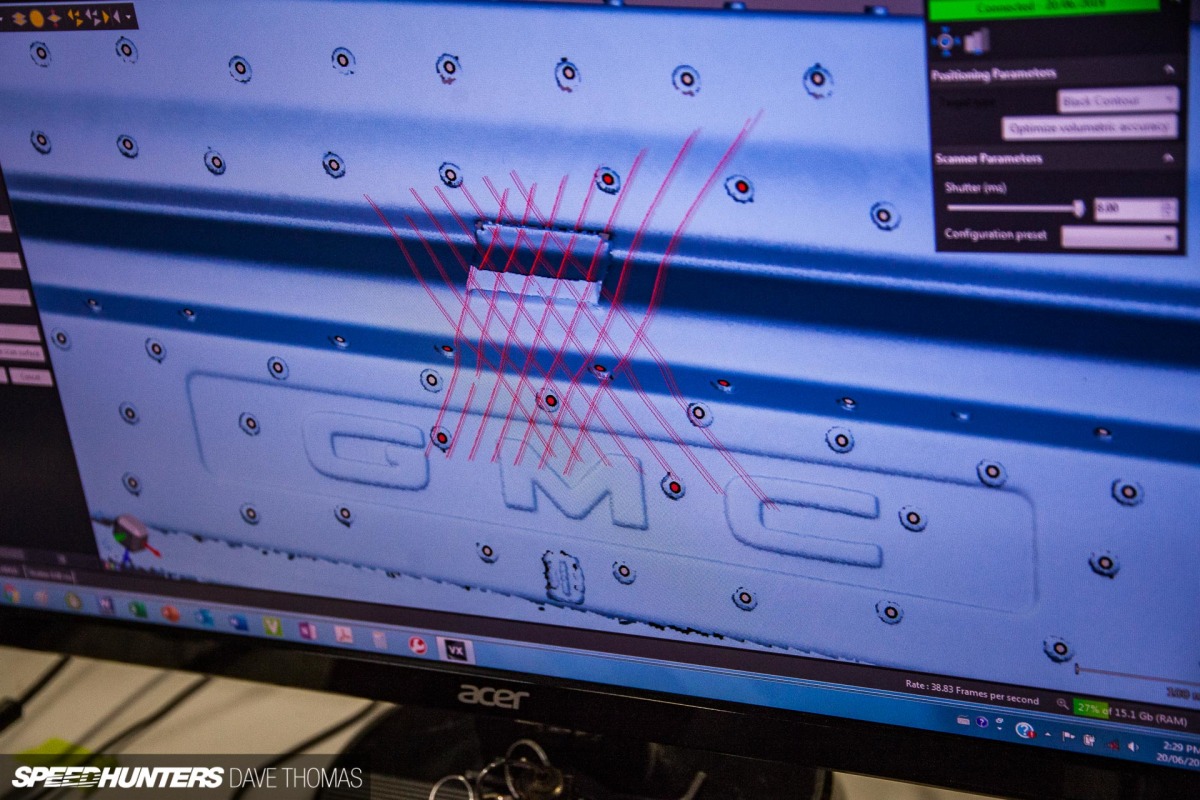

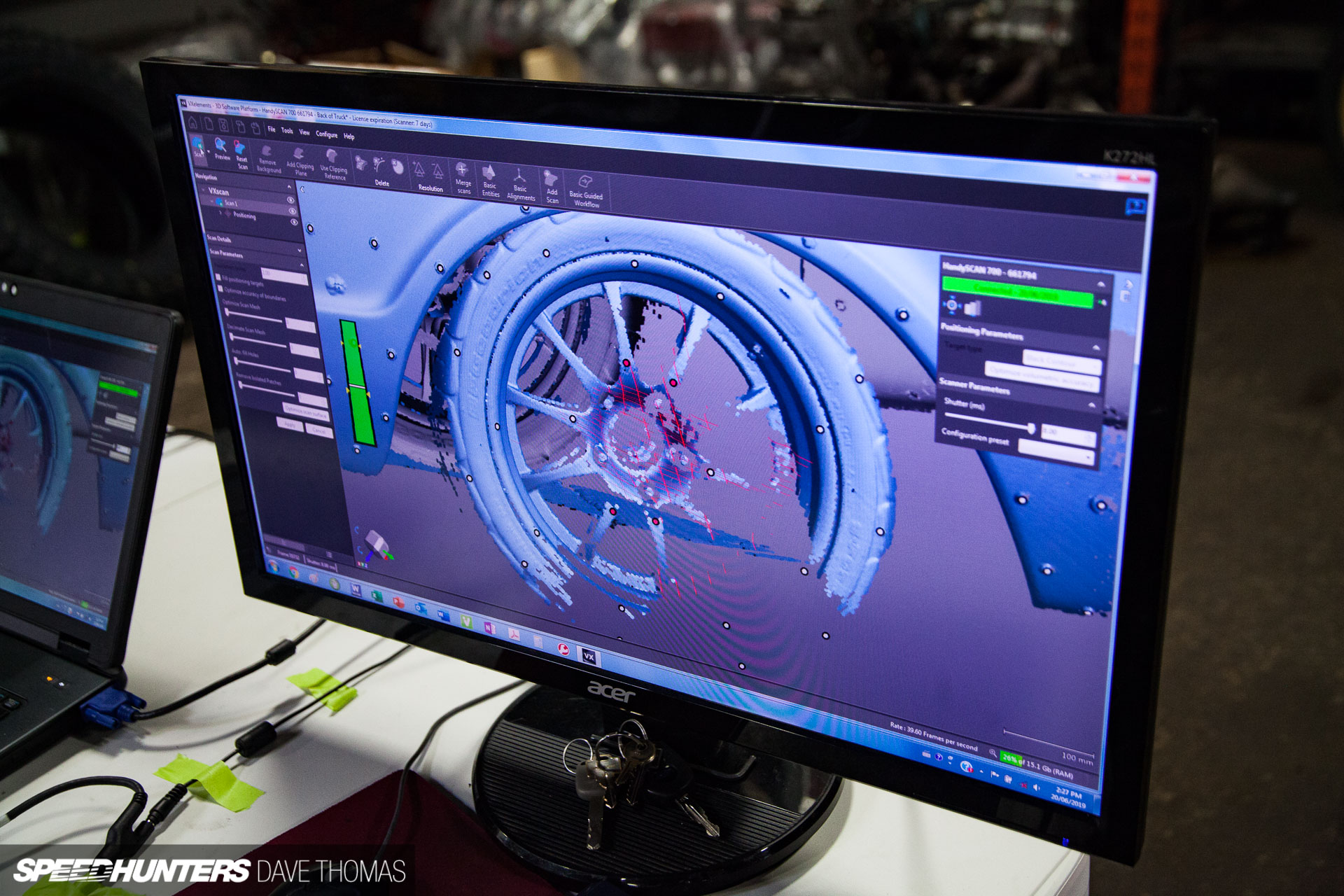
On-site, Trevor uses two computers – each he says has around the spec of a good gaming rig – to capture what he’s scanning.
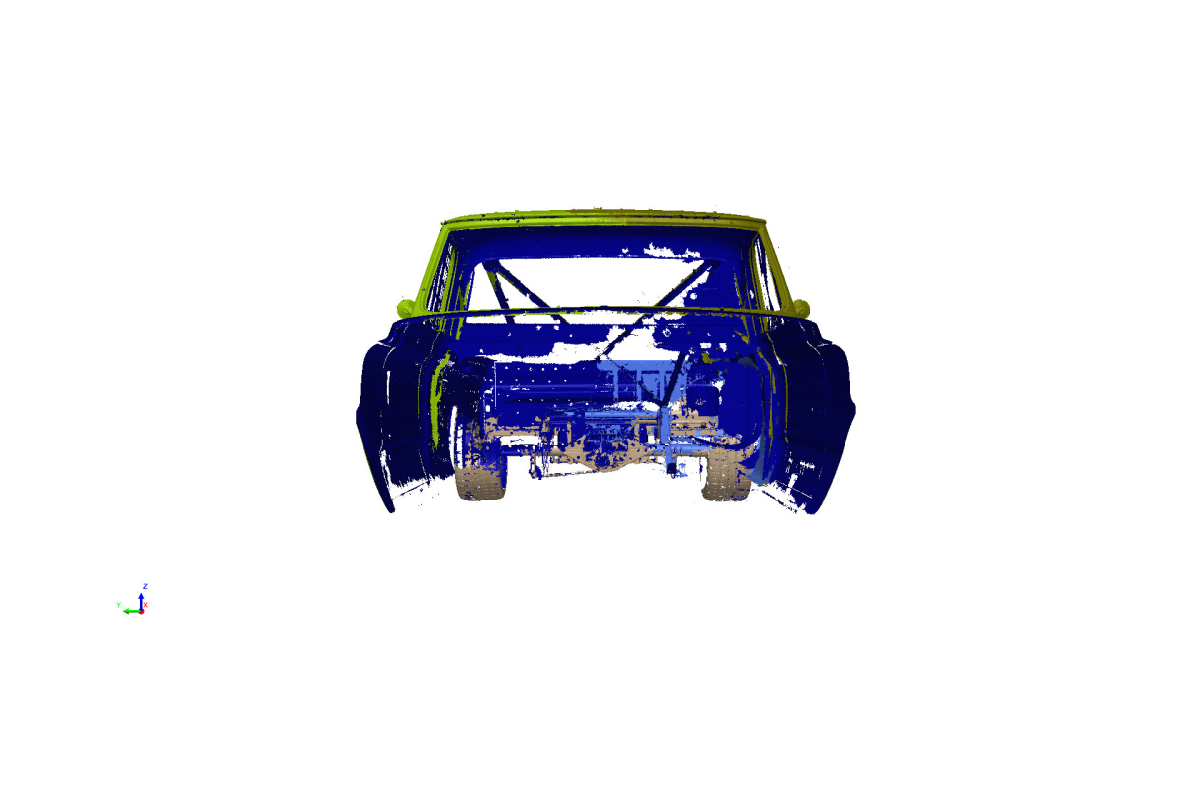
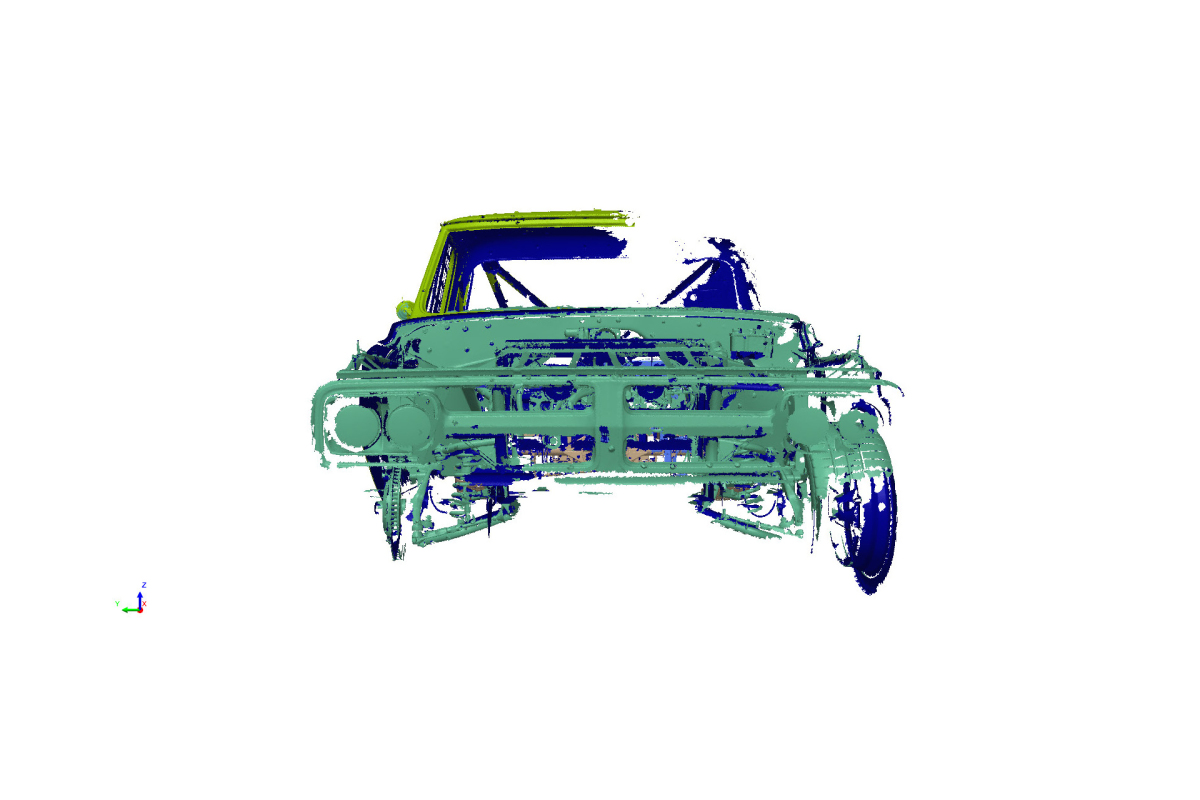
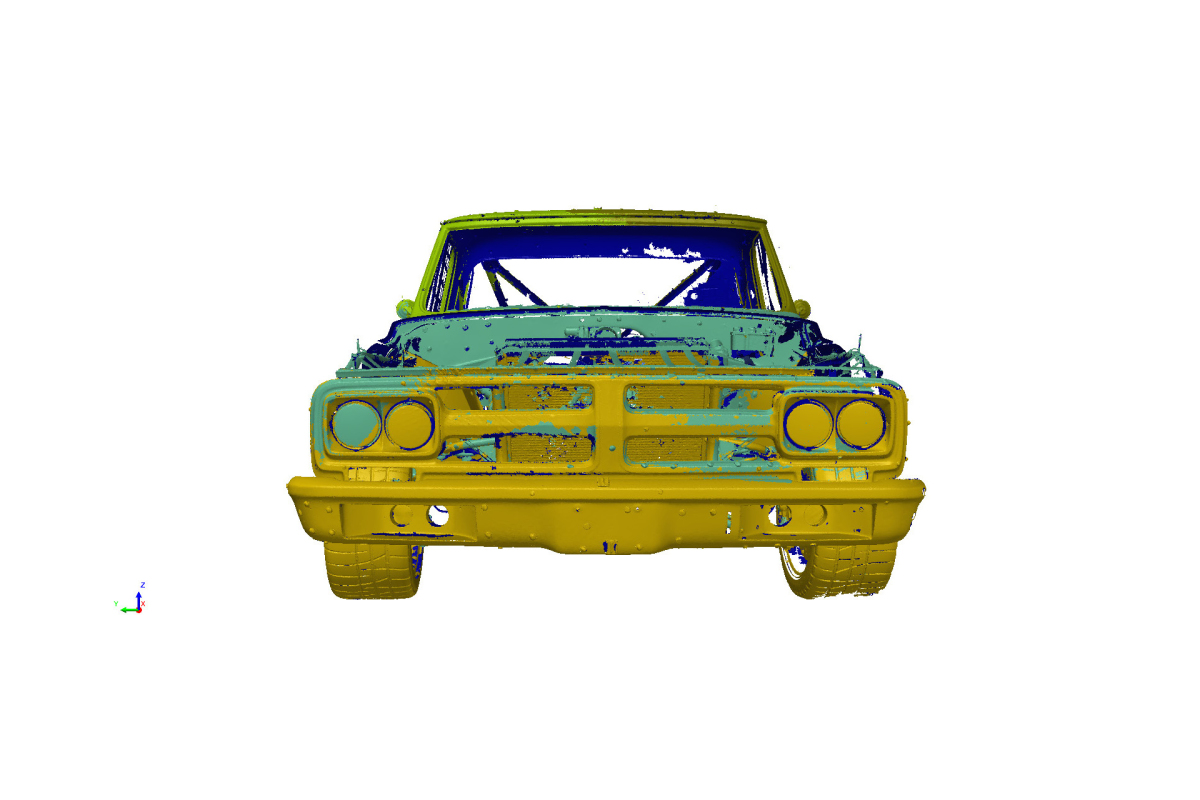
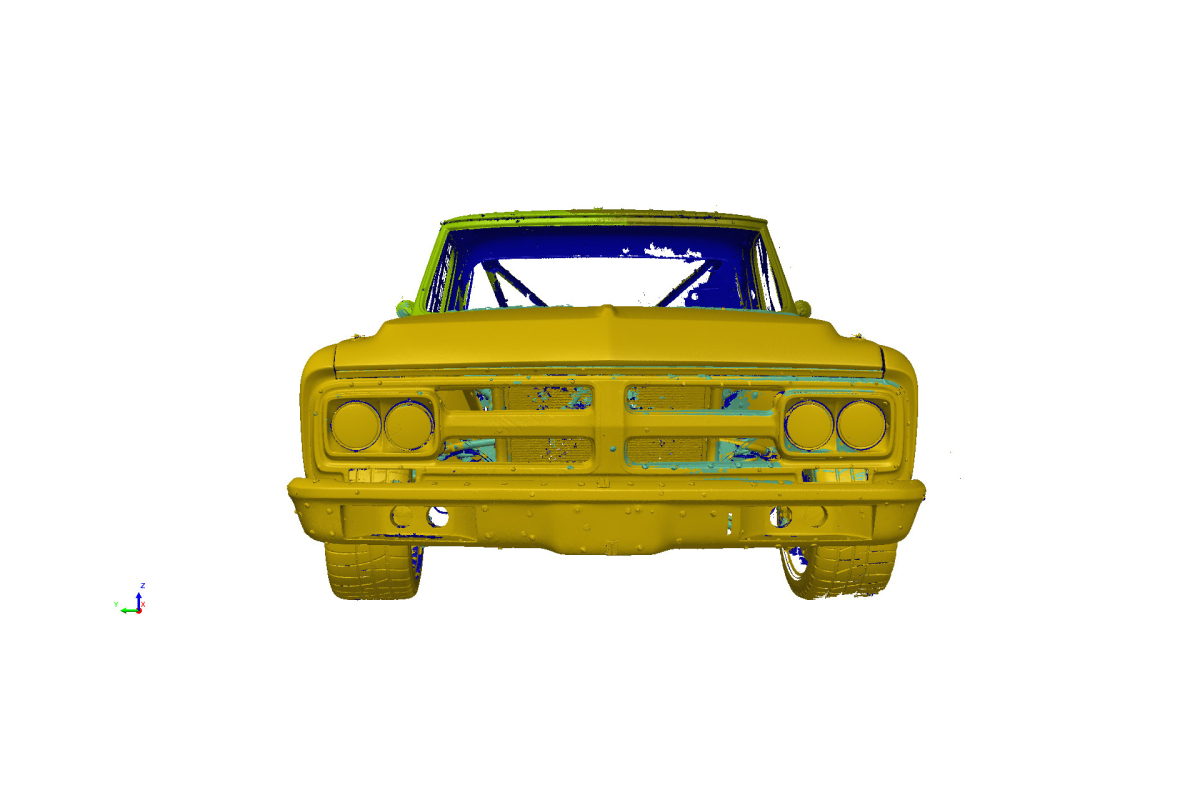
Off-site, Trevor uses another collection of software to assemble the water-tight models. Try as I might, I wasn’t quite able to get him to reveal his exact trade secrets.
TRON
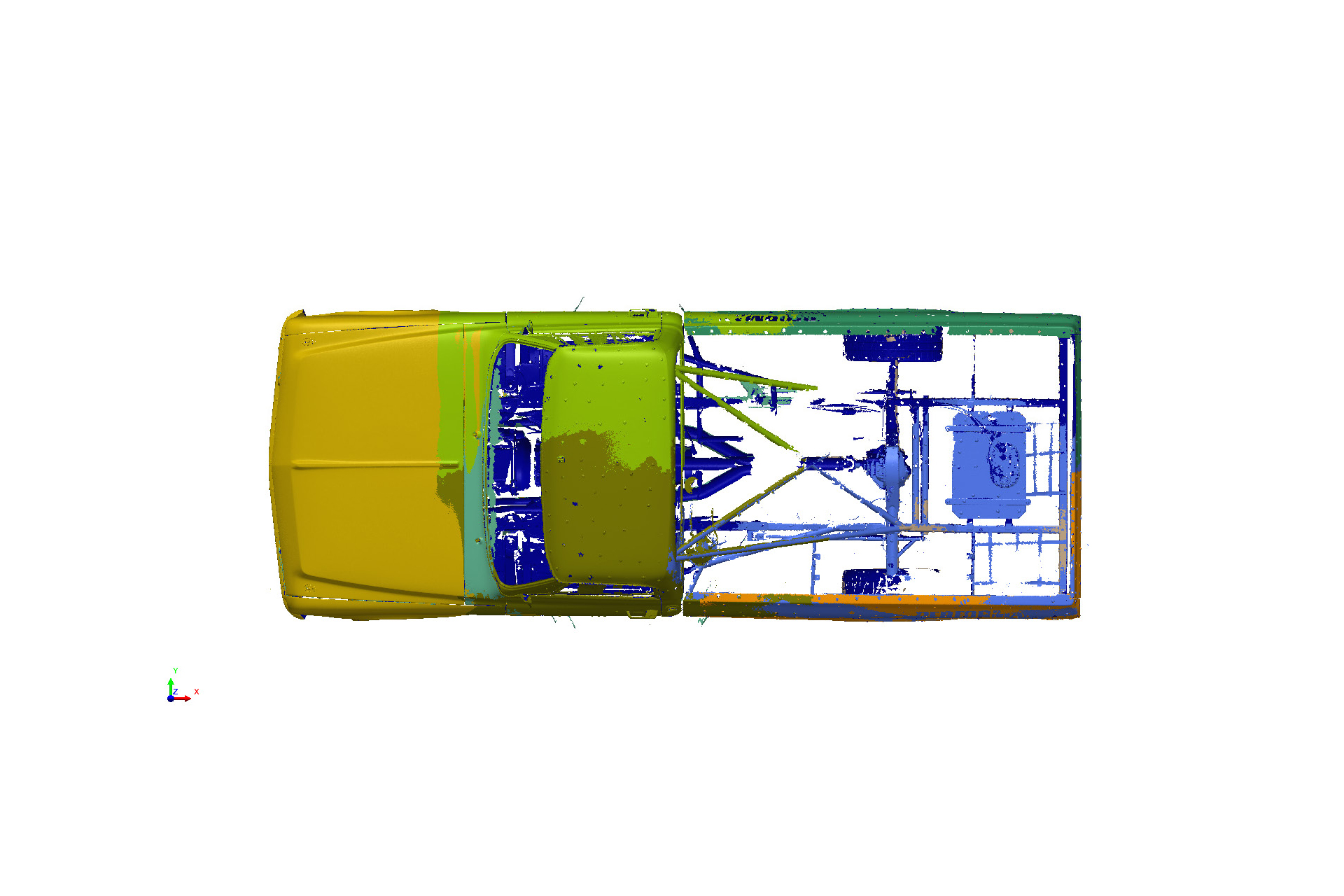
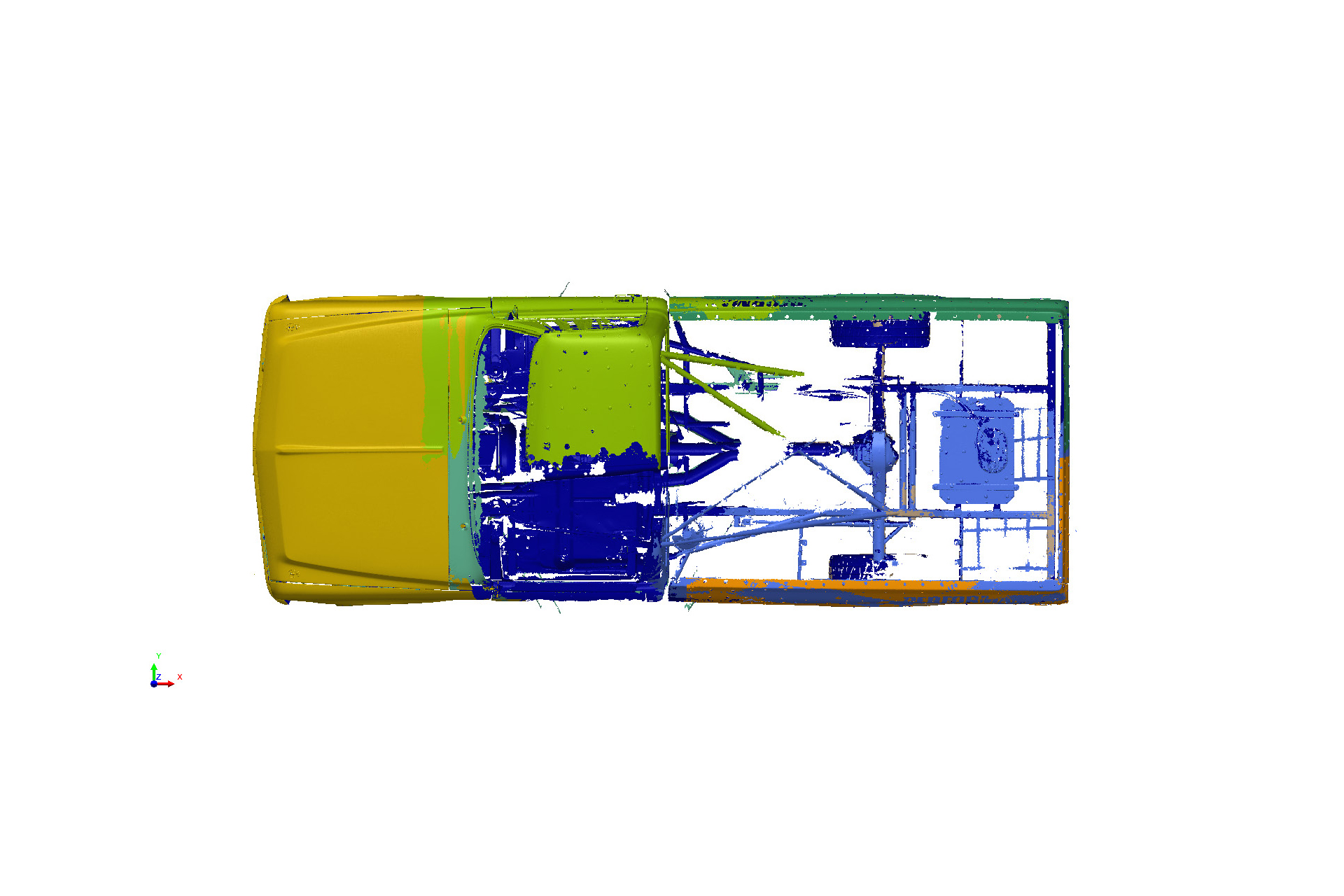
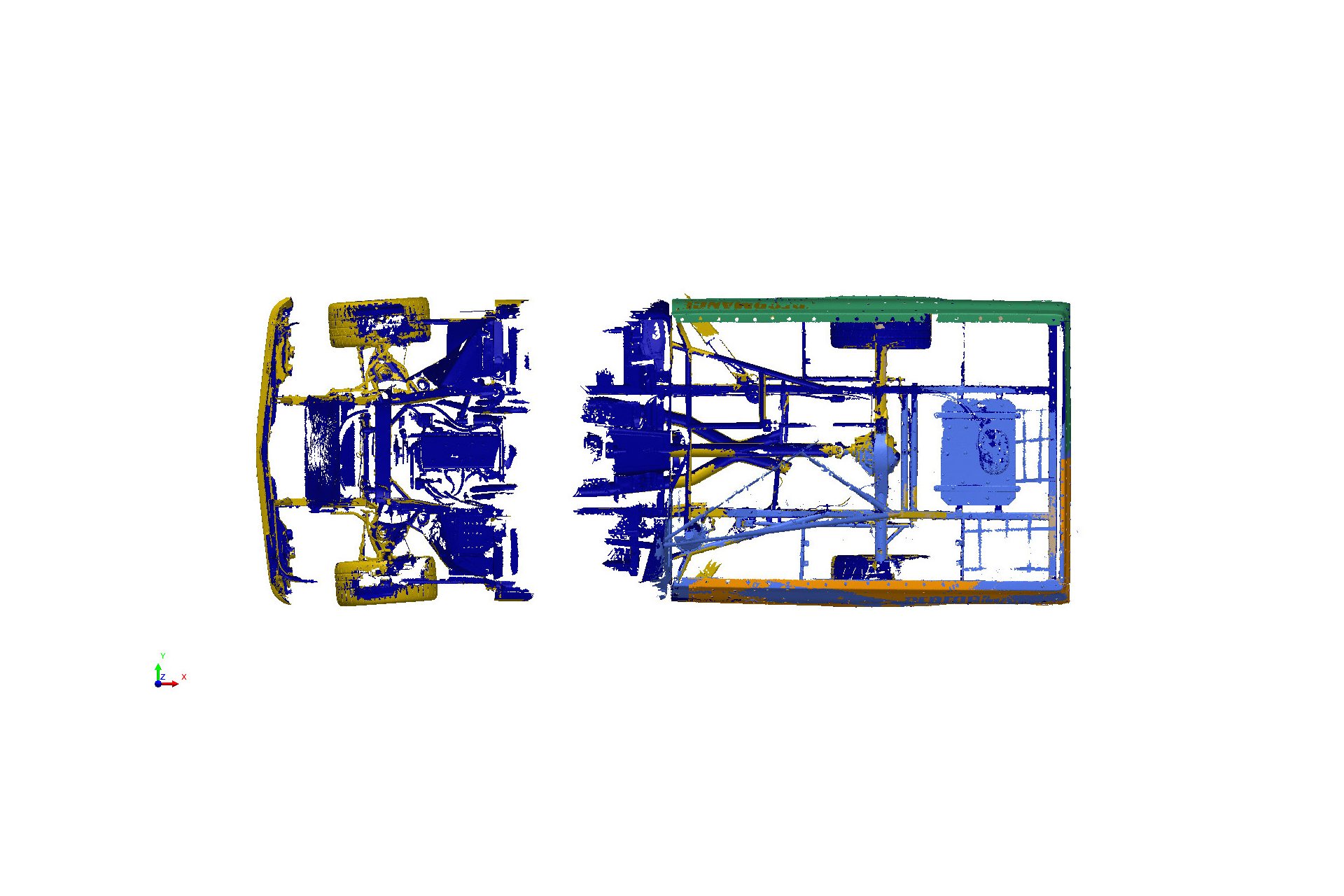
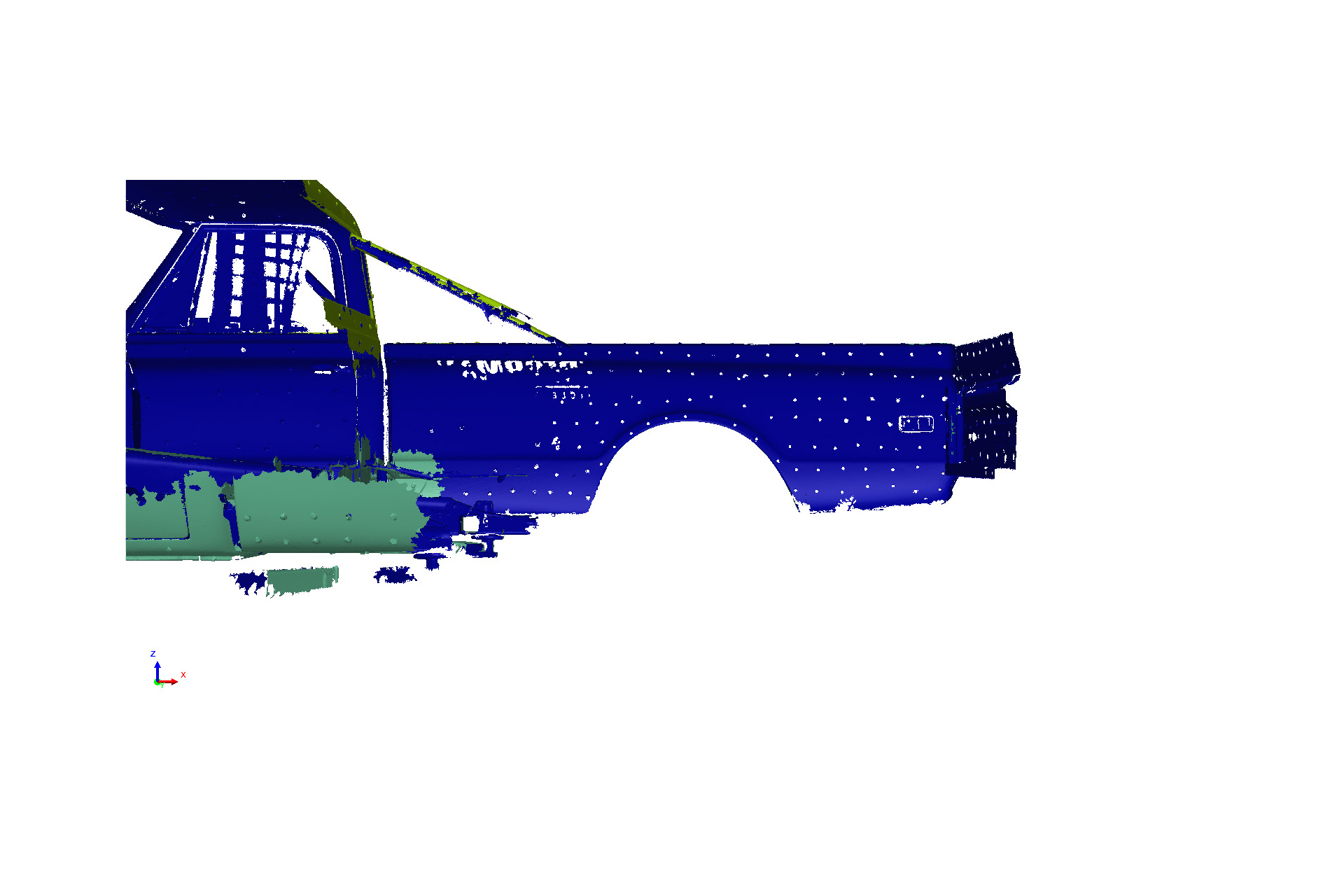
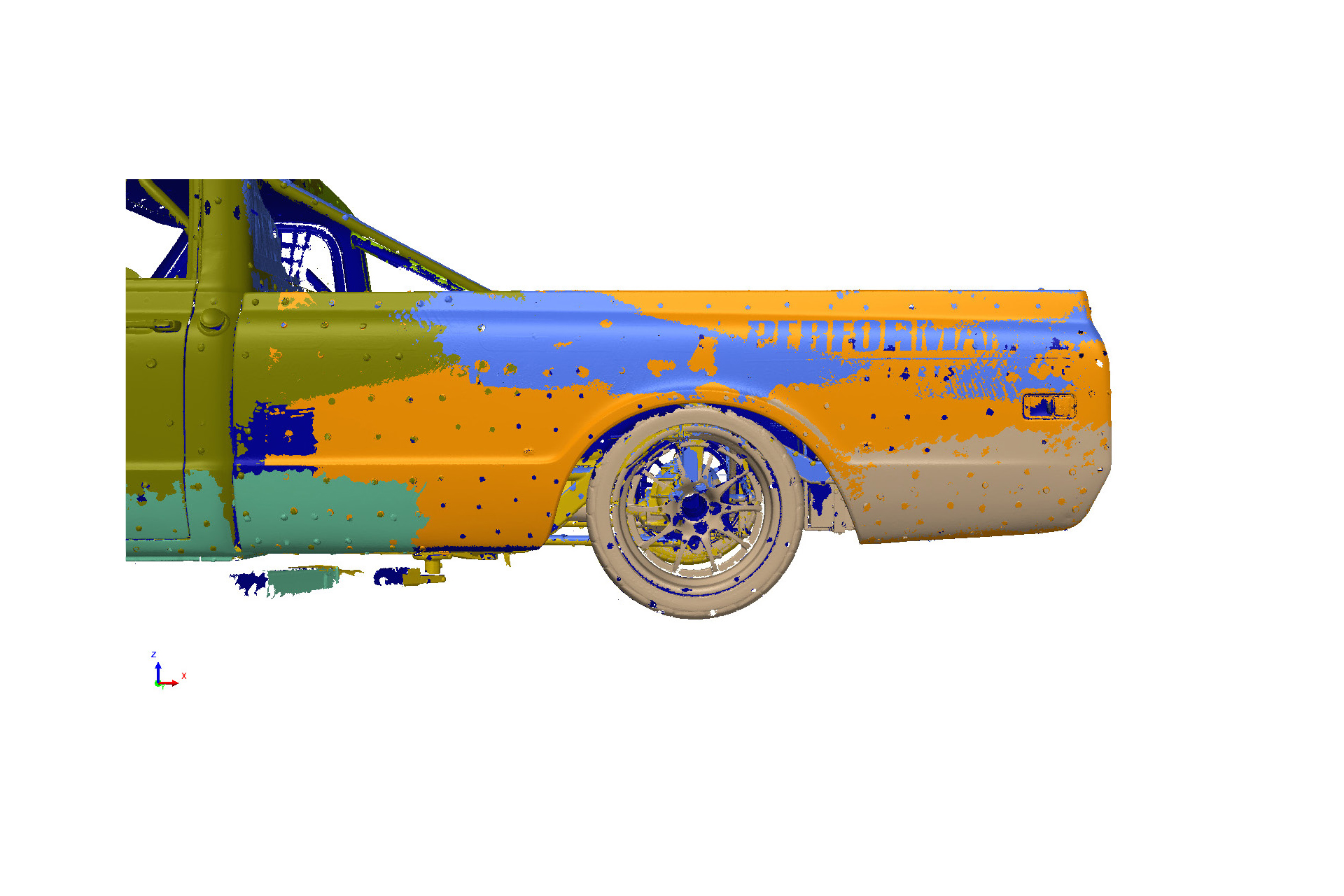
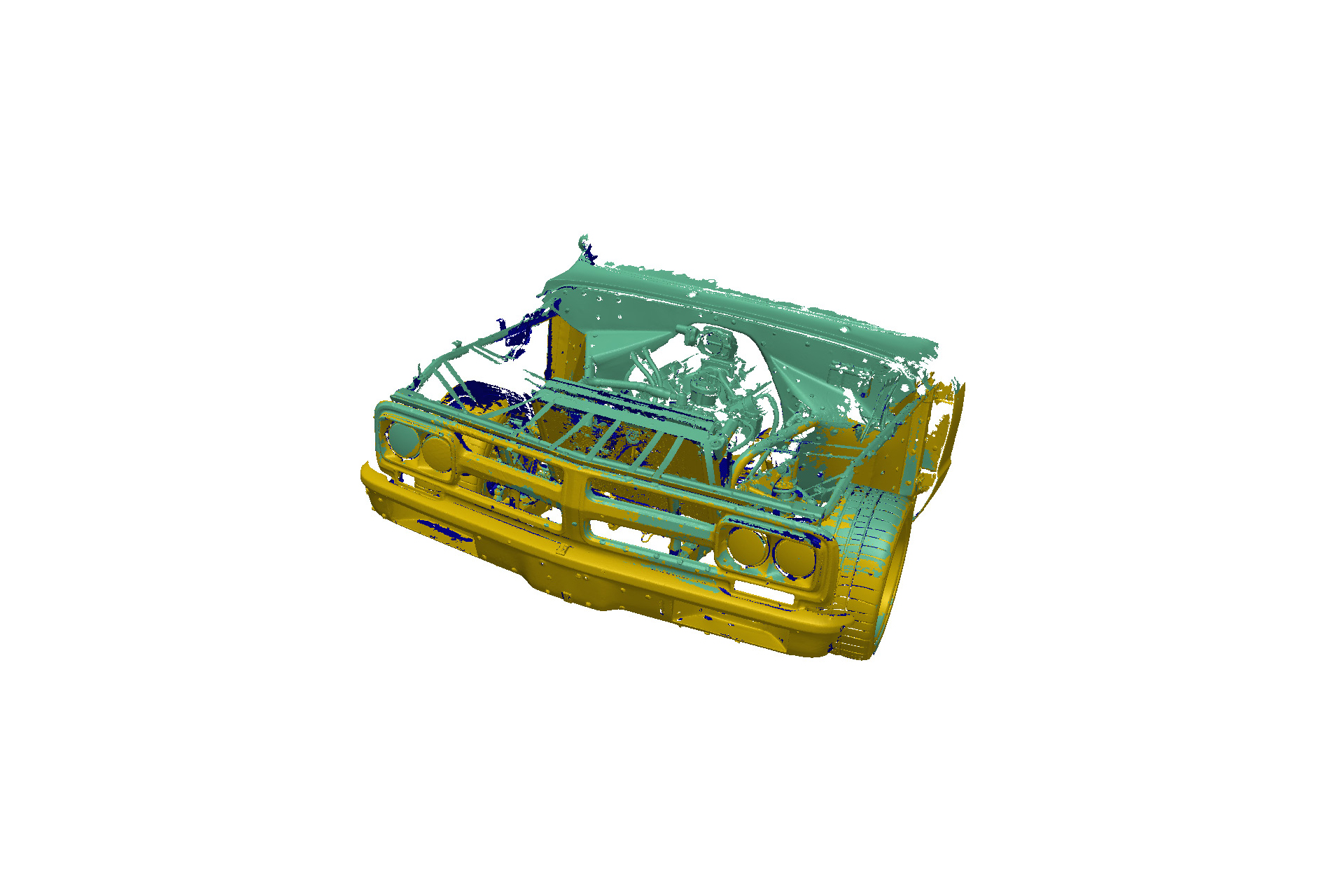
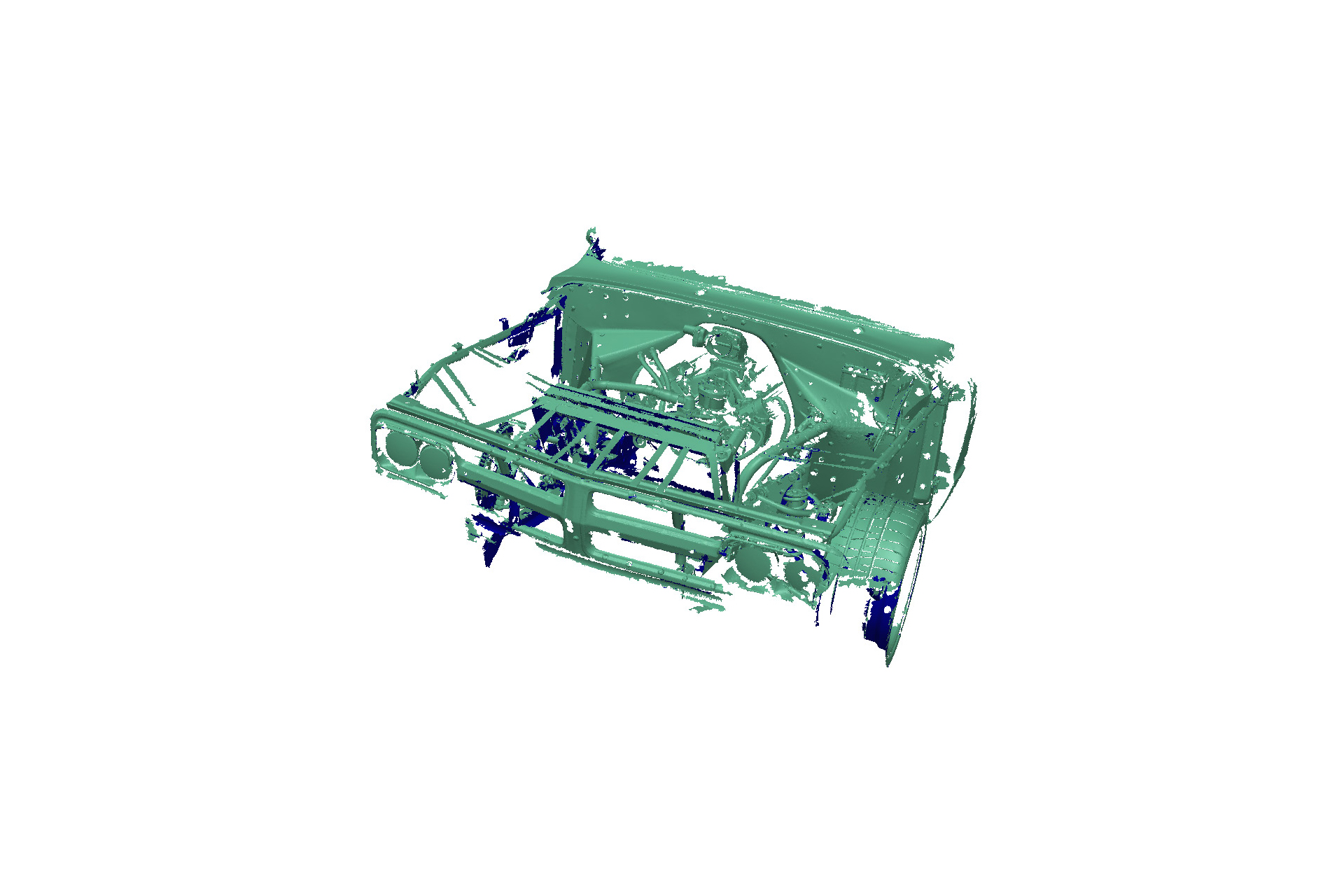
Compared to the vast majority of 3D models you’ve seen on this site, these captures may look rudimentary. The old adage ‘don’t judge a book by its cover’ applies accurately here.
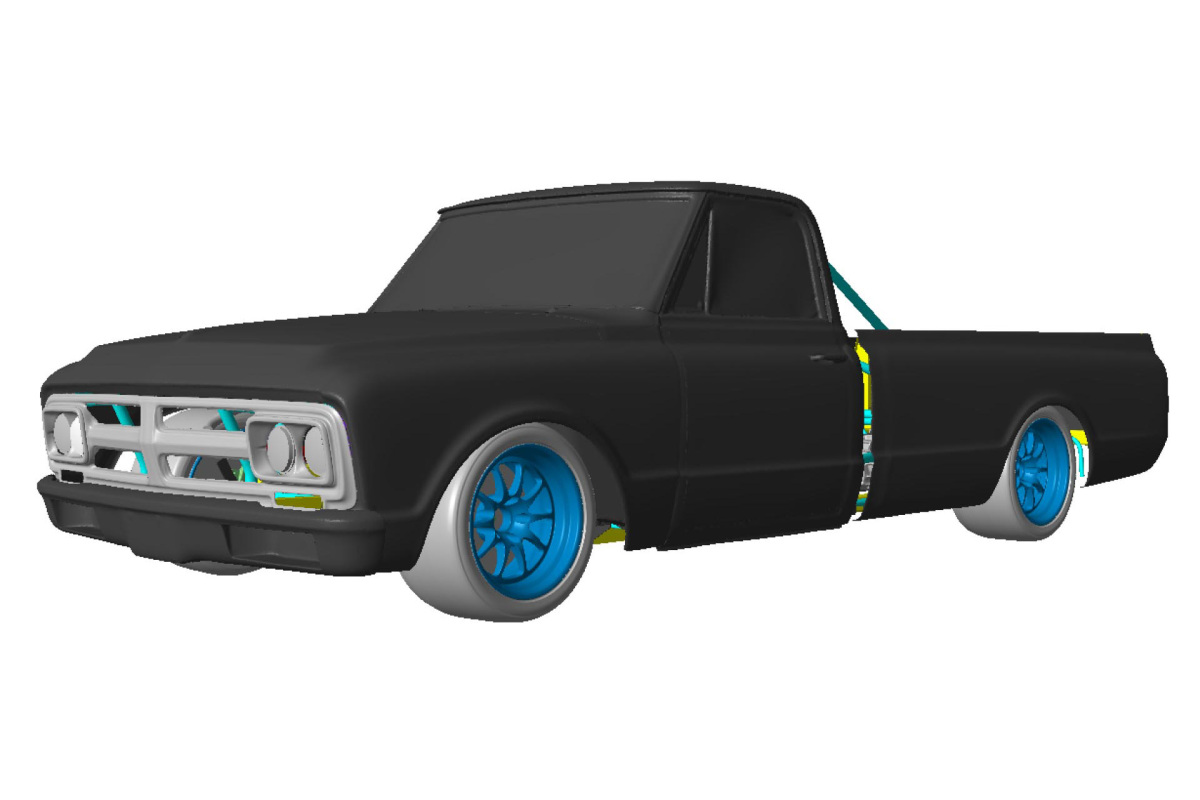
Unlike renders for design’s sake, nothing here is falsified or reimagined. What you see above and below is a precise 3D copy of the Targa Truck, right down to flaws in the paint and gaps in the body work. These models have been created for proper race vehicle development, rather than social media.
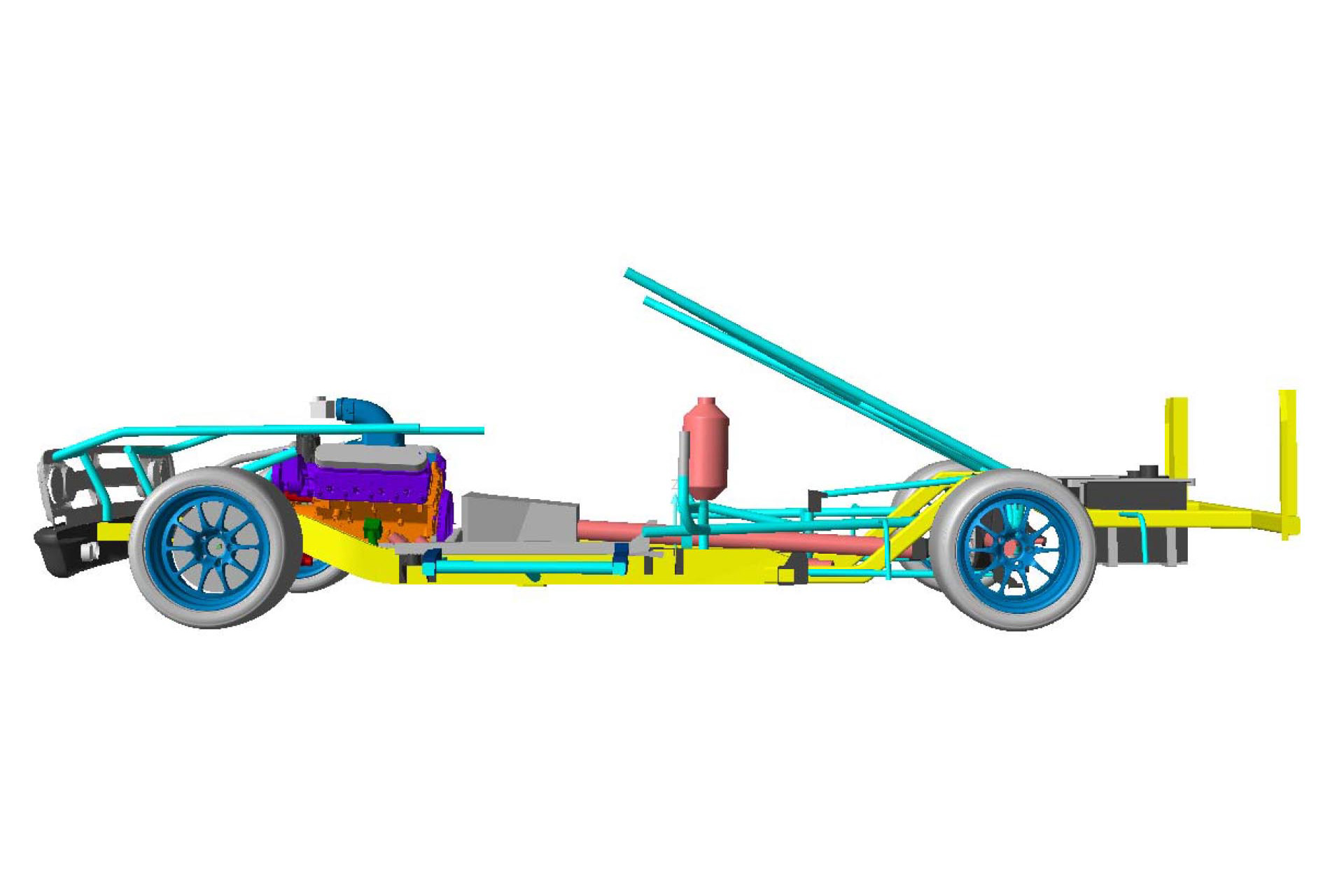
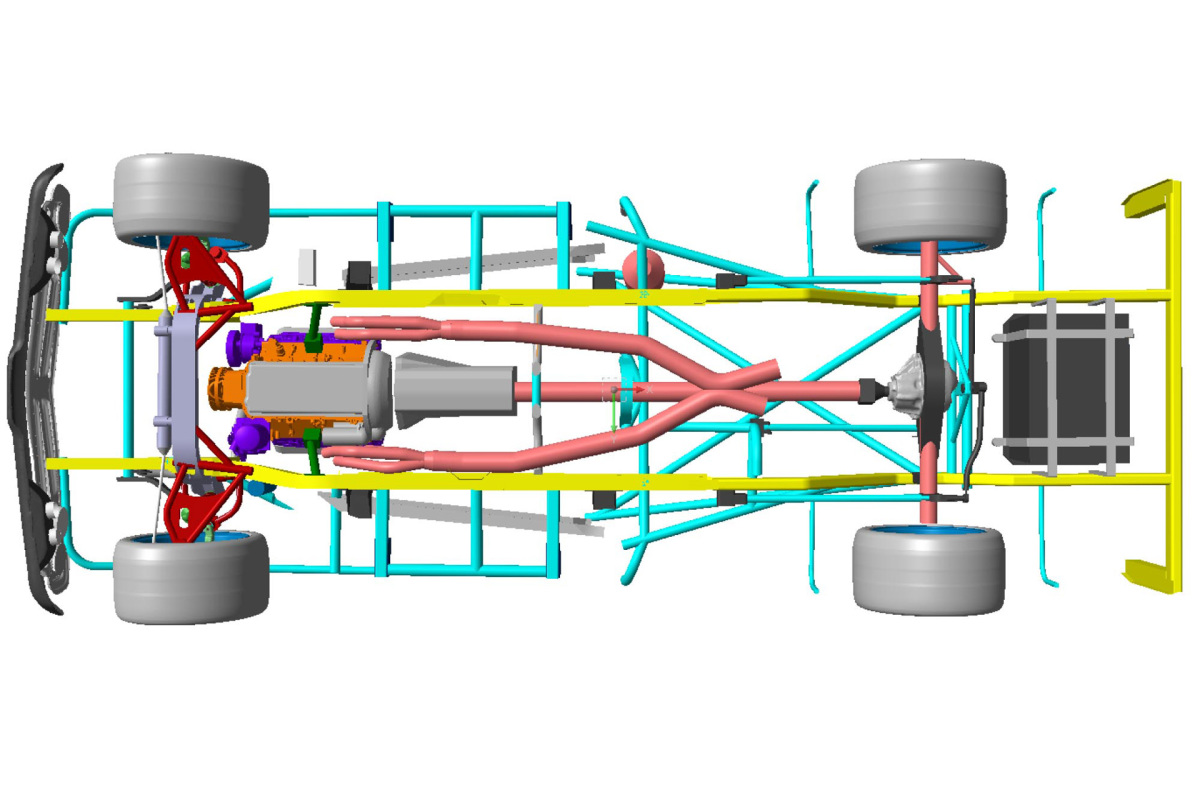
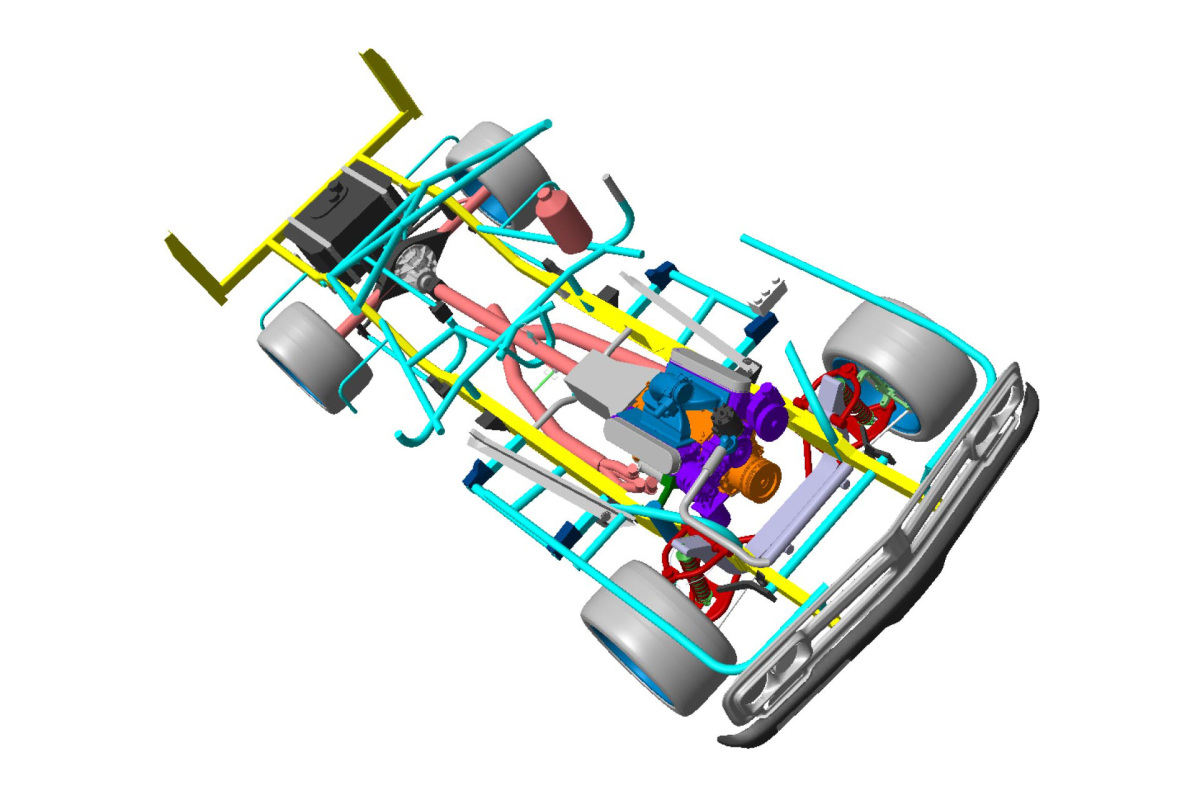
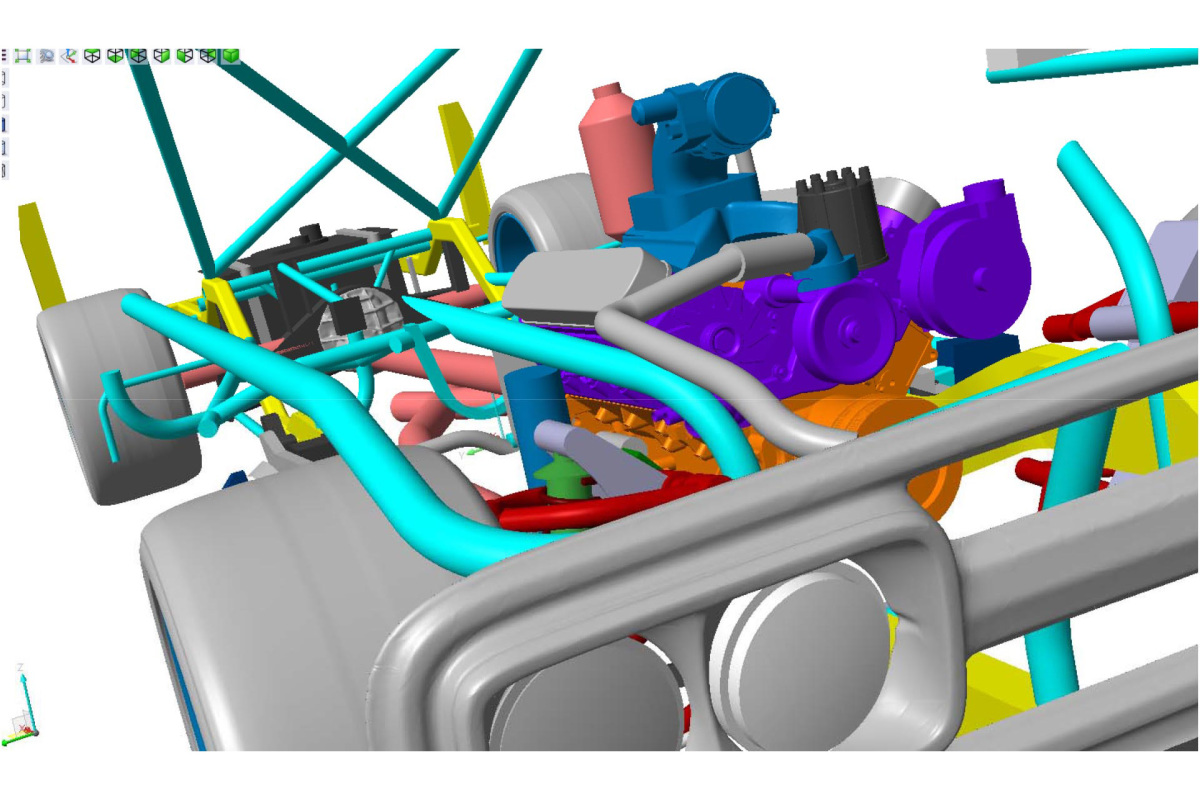
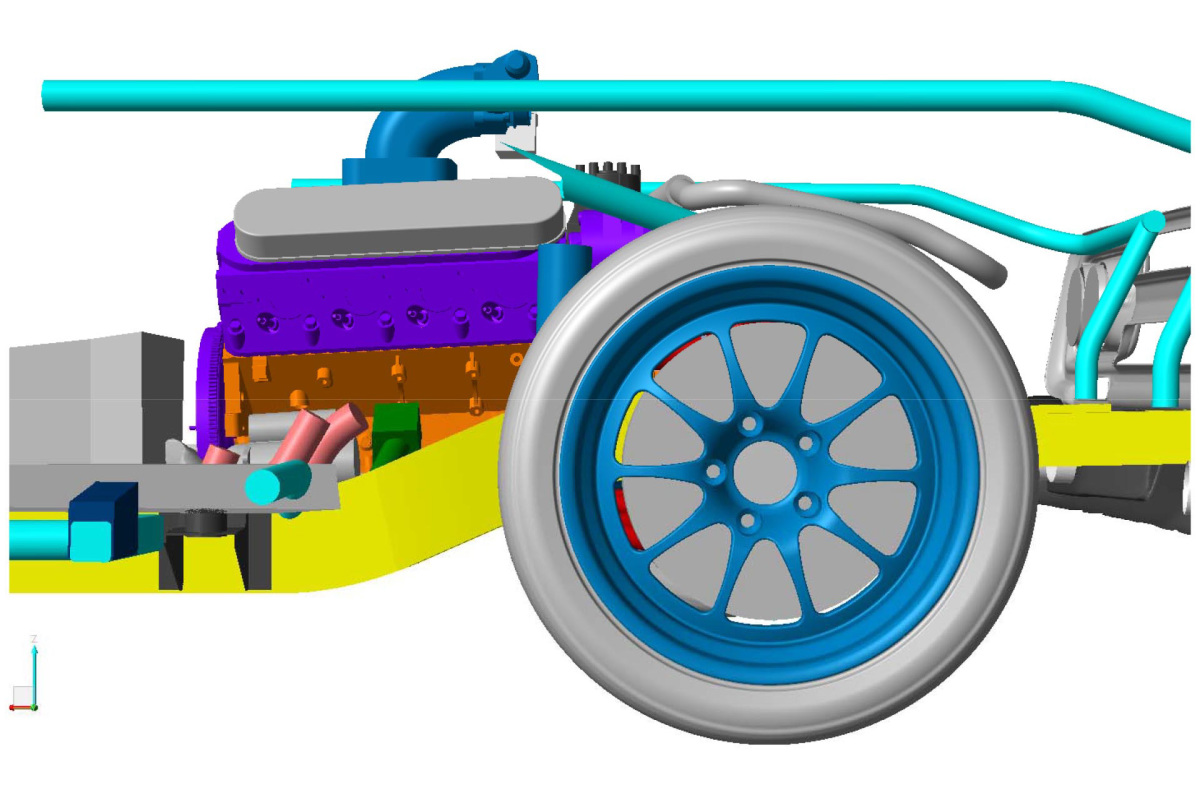
The next phase of Targa Truck development sits with Scott at Australian-based company Aero Design. Scott, who works with 3D models day in and day out, regards these as some of the most complete models he’s had to start with.
Aero Design’s role in the project is to answer a plethora of questions Mark has about what is currently happening with air flow and his barn door. In particular, he’s interested in the high and low pressure zones created by his modifications to the truck so far. What’s turbulent and what isn’t? What works and what doesn’t?
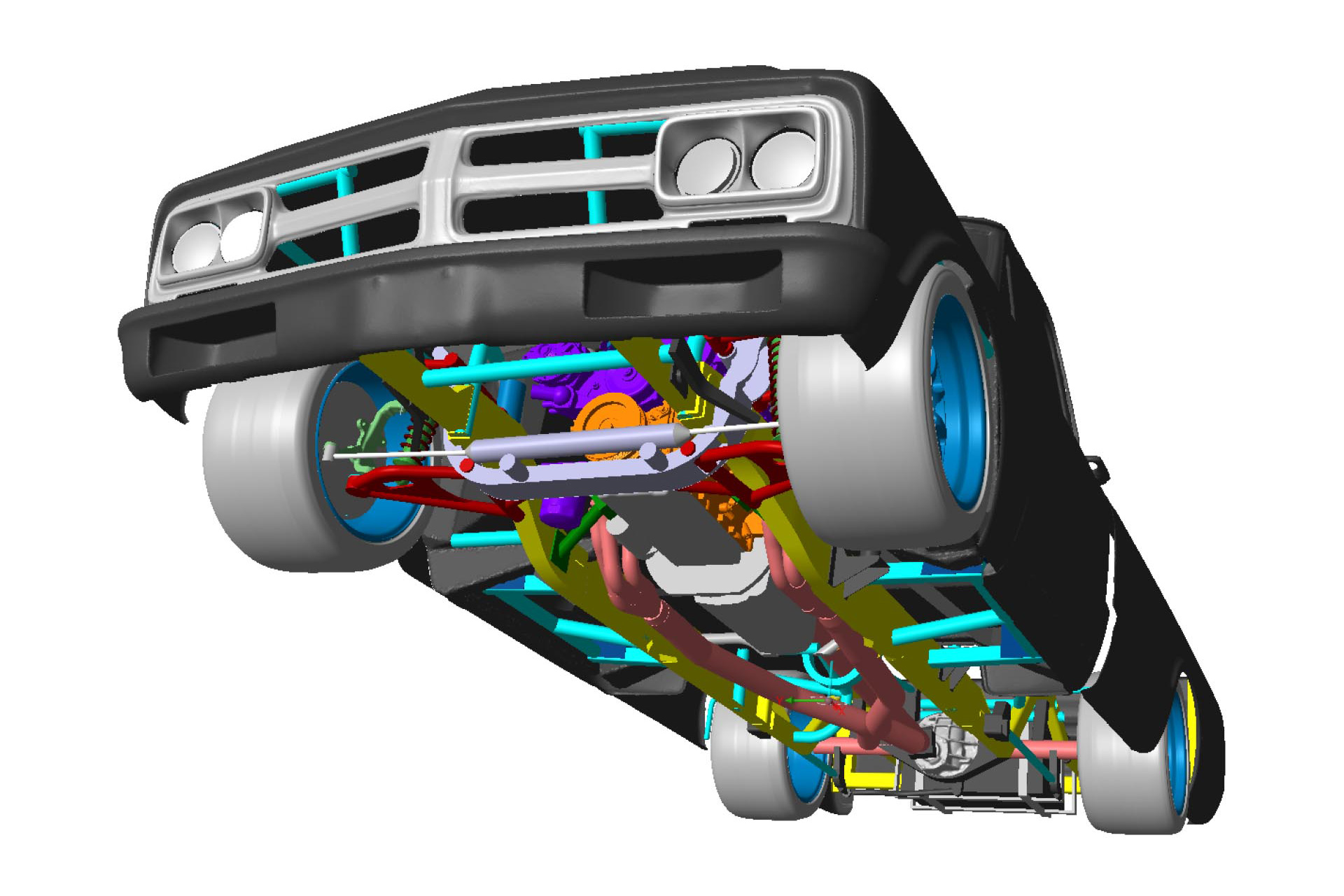
It’s important that the truck uses available air flow effectively, to both provide downforce and cool what needs to be cooled while the vehicle is in motion.
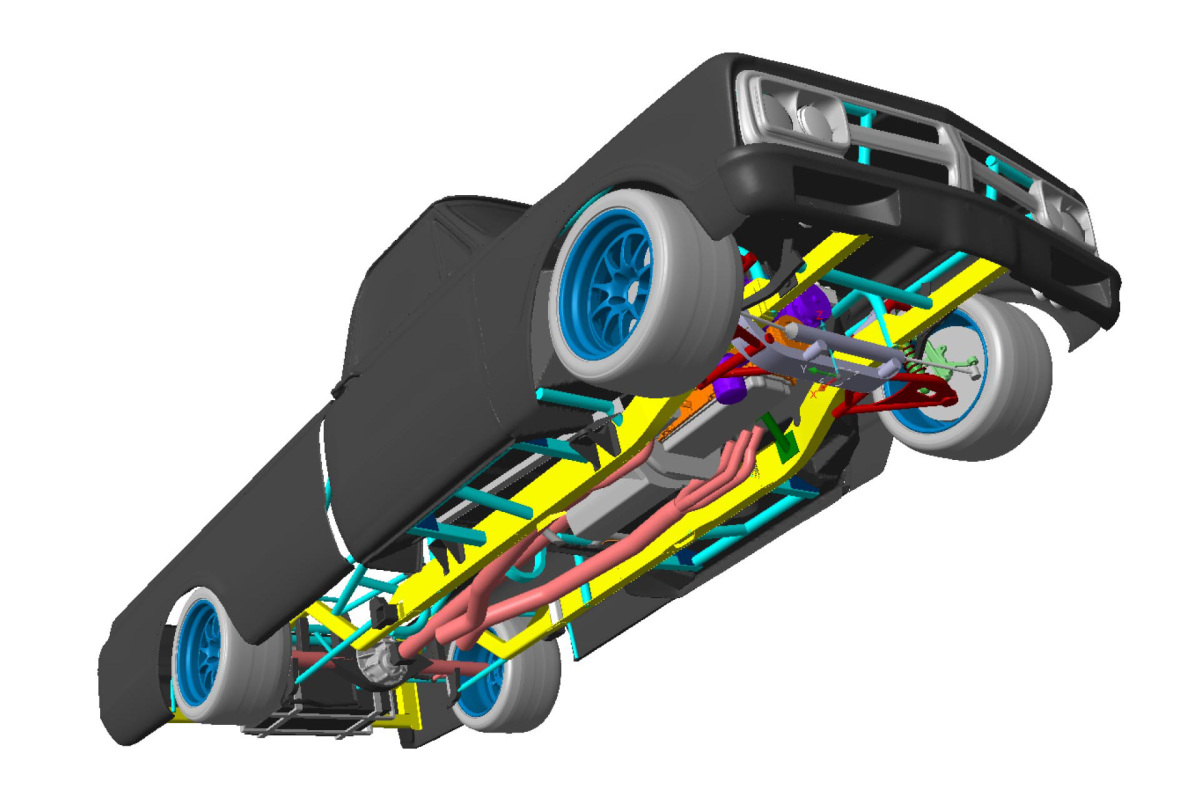
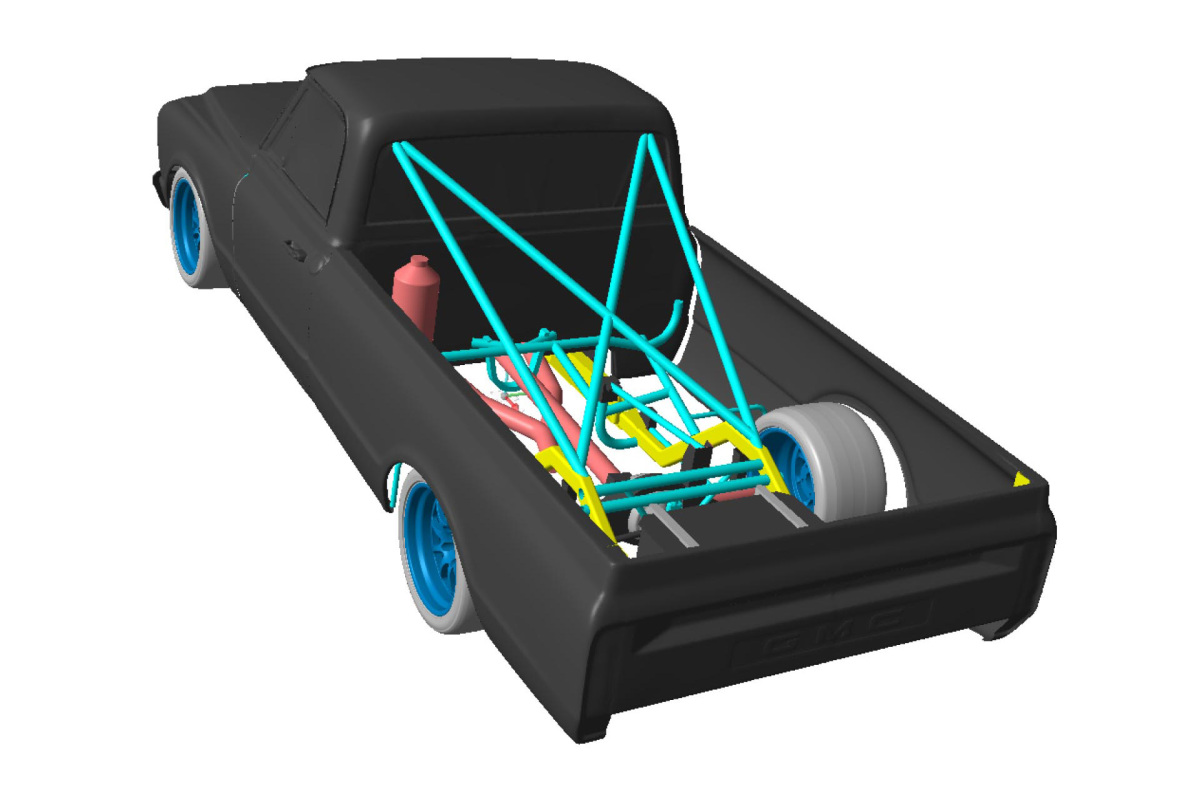
When all of the above is tackled in the digital realm, it will be up to the guys at Cyrious Garageworks to make the virtual components reality using the best materials for the job.
All said and done, Mark’s hope is to have a configurable set of aero components he can mix and match depending on the truck’s application at the time. The most obvious solutions to the problems include things like a front splitter, rear spoiler, and removable tonneau cover, but those could also just be the tip of the truck-shaped iceberg.

For the armchair aero designers reading this, where do you think the most effective changes could be made to the Targa Truck?
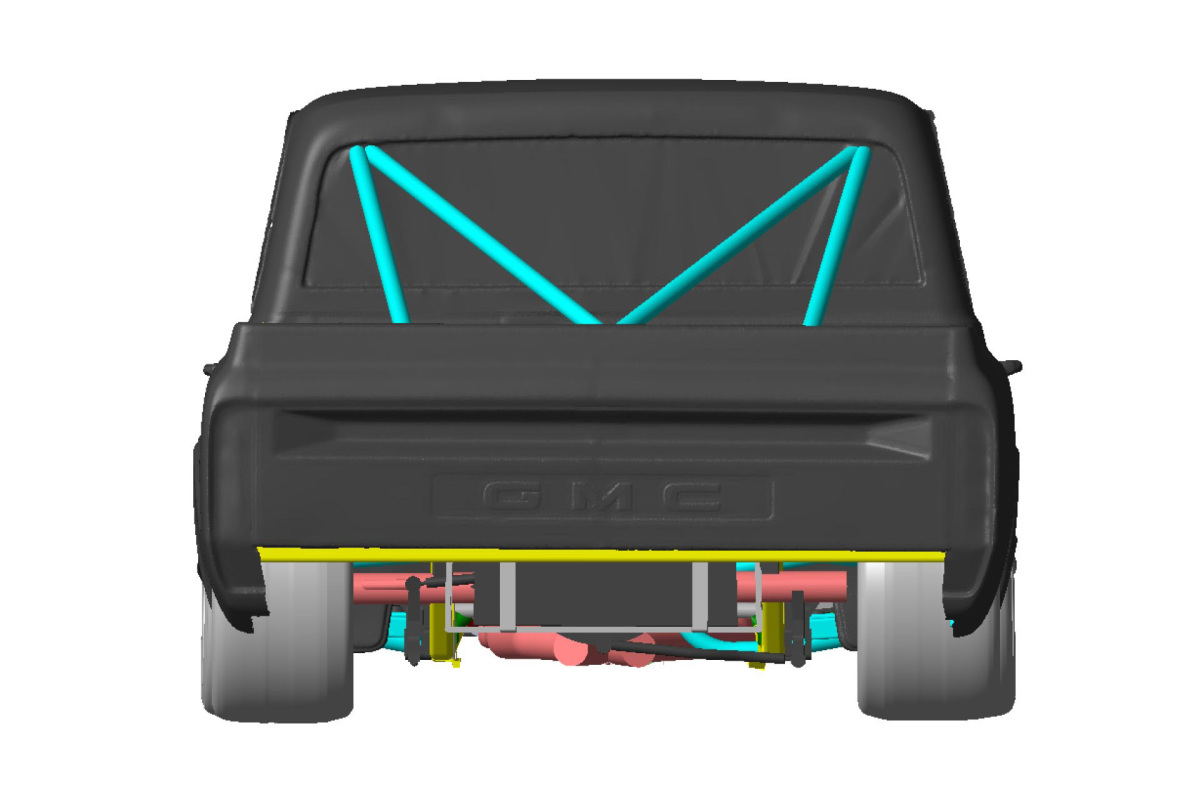
Cyrious, ACL, Aero Design, and Mark have all offered to share their respective processes with us, so expect to see more of the GMC that could in 2020.
If you’re keen to get caught up on the progress so far the Targa Truck, TargaTruck.com or @targatruck are great places to start.
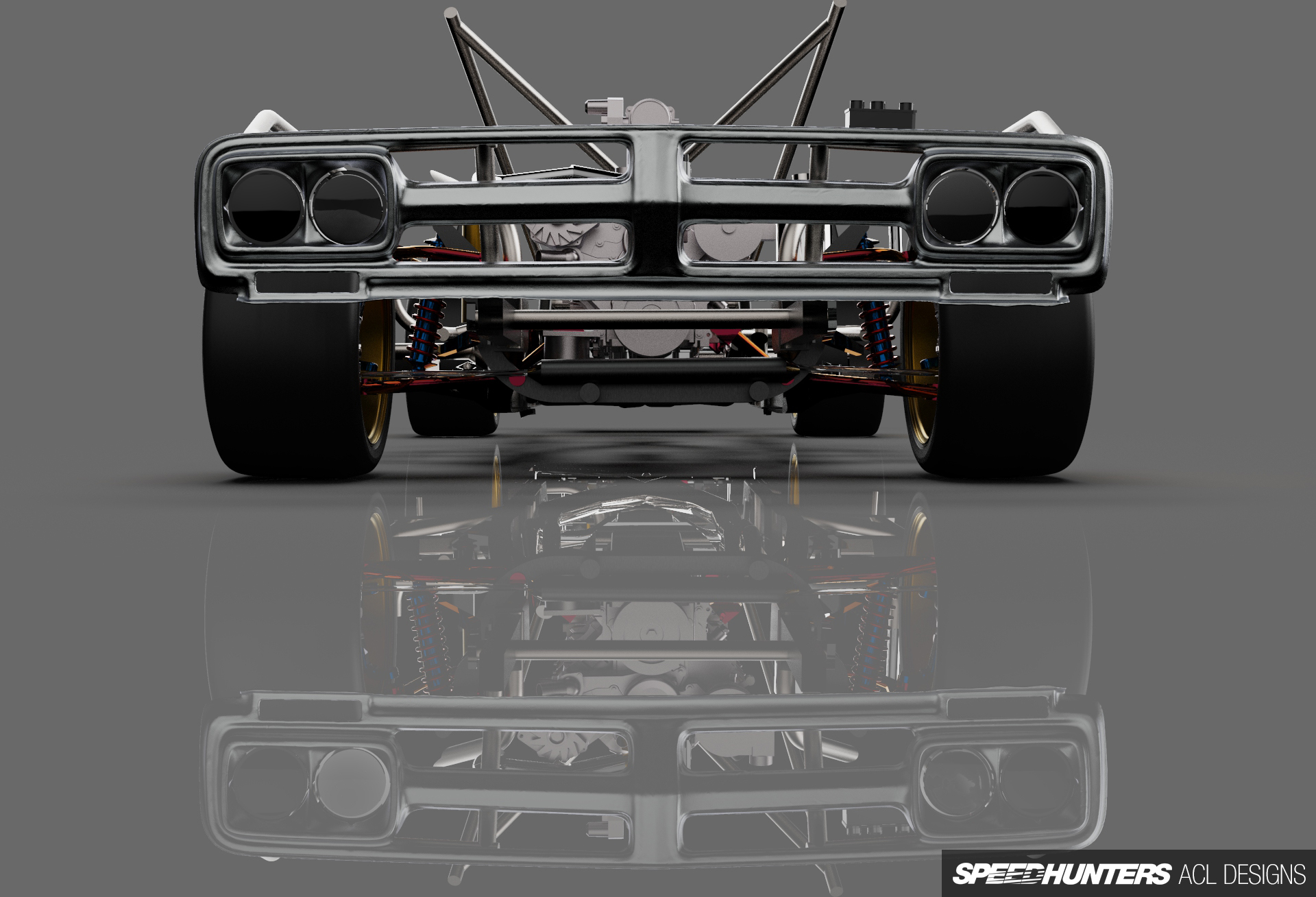
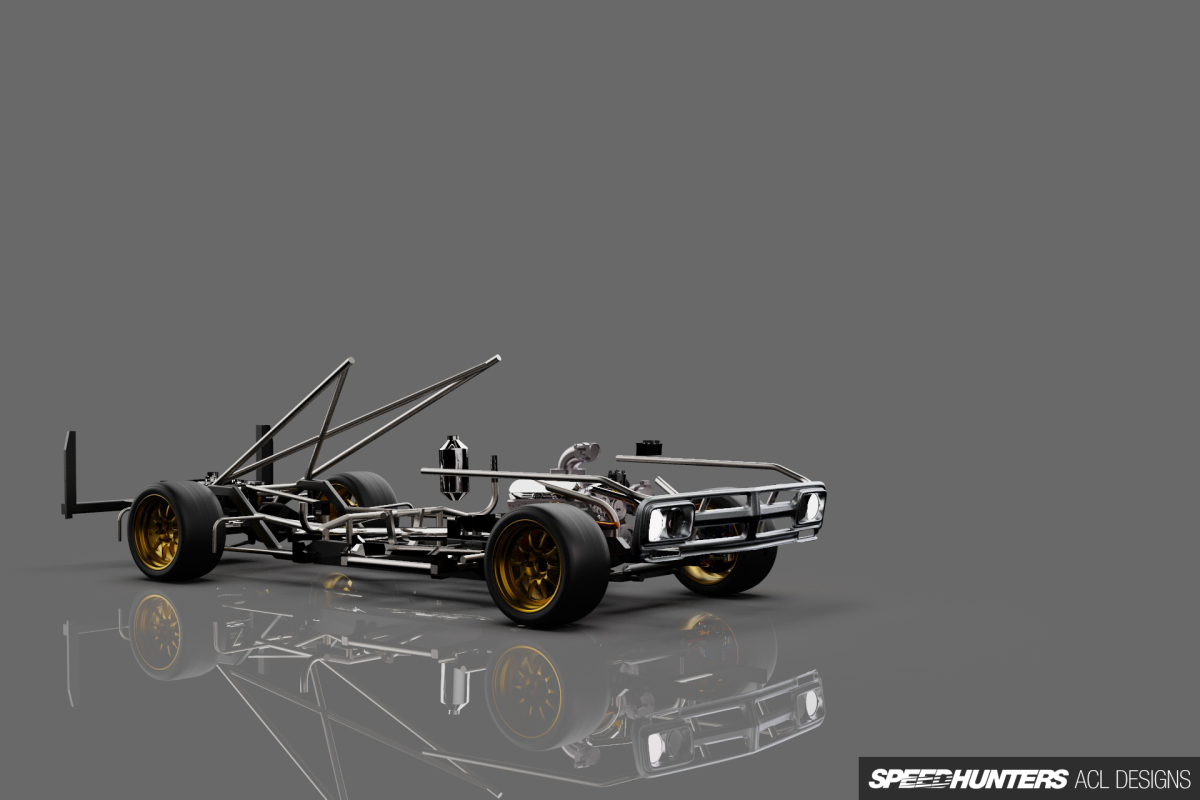
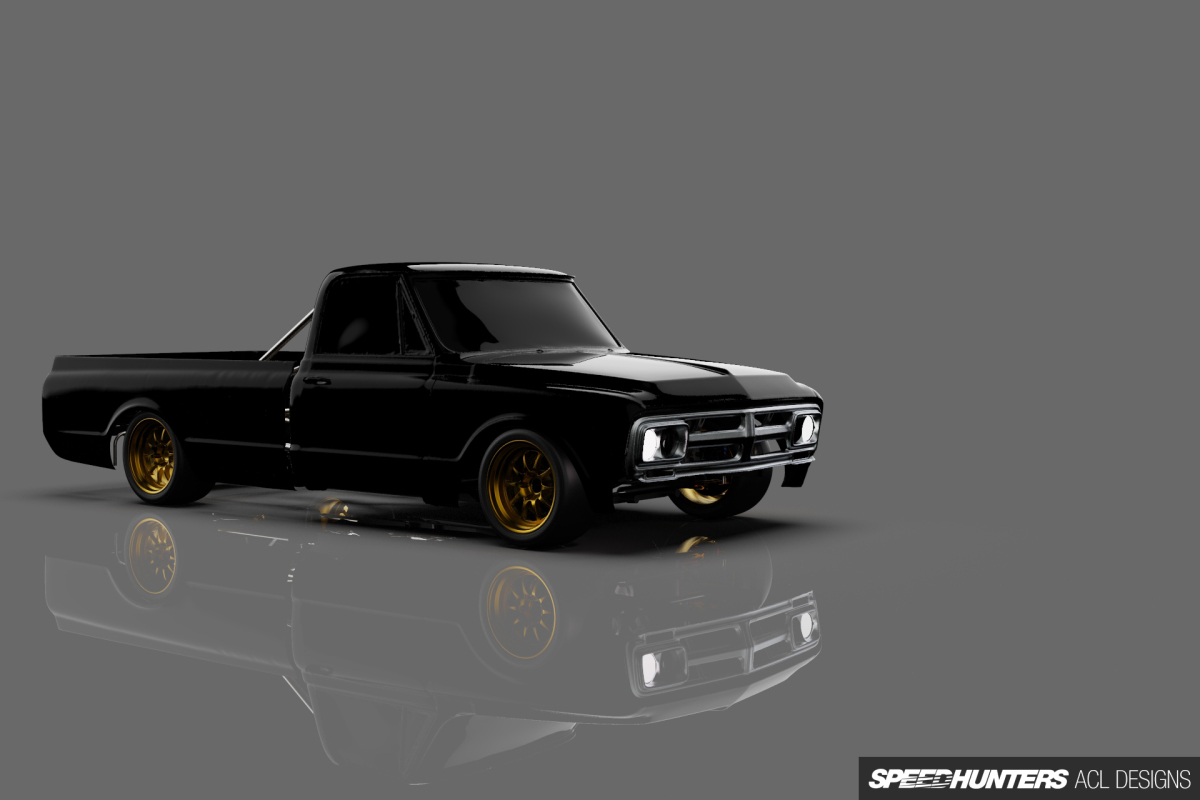
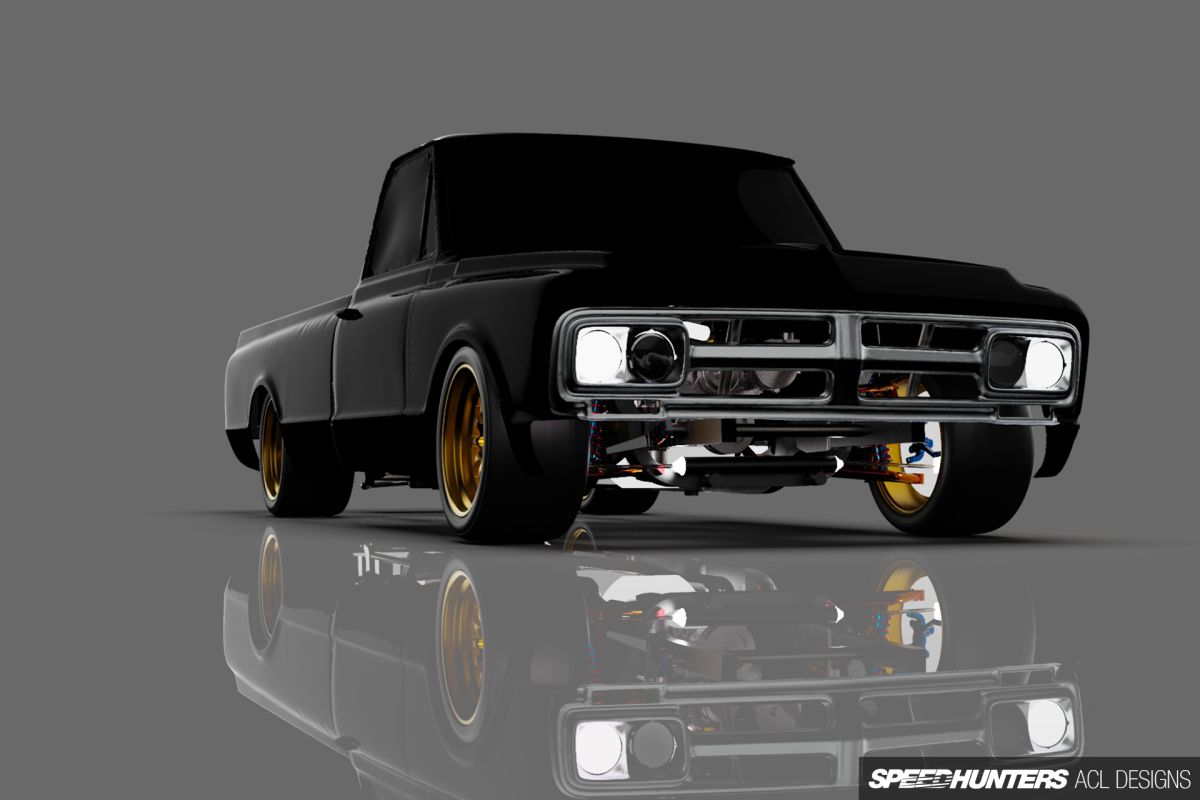
But before you go, remember what I said about 3D models for social media? Once the real work was complete, Trevor created the renders above. In his own words, “I couldn’t resist”.
Dave Thomas
Instagram: stanceiseverythingcom
Tech related stories on Speedhunters
Cutting Room Floor