
If I asked you to think of a car brand that delivers the most kart-like driving experience with its models, a lot of you would surely come back with Lotus – and for good reason.
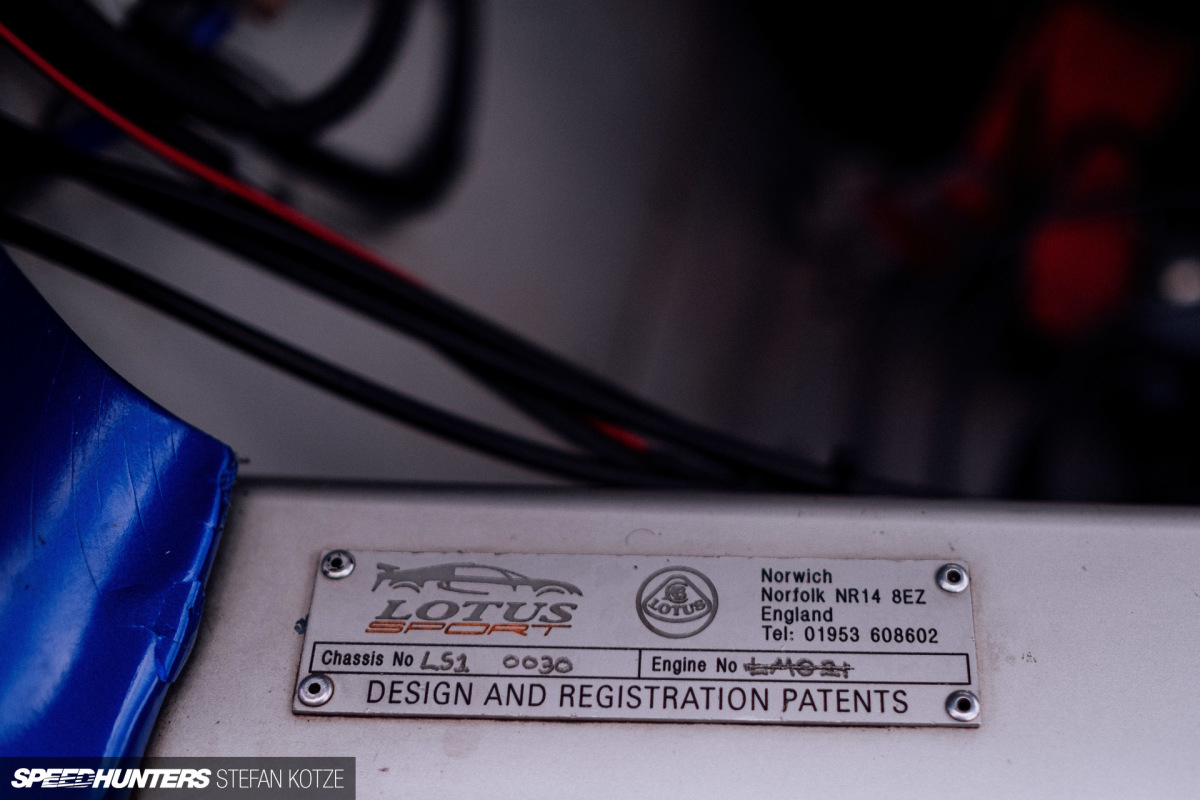
The Lotus recipe starts with a very low kerb weight. The first generation, or Series 1, Lotus Sport Exige – like the one seen here – weighed less than 800kg from the factory. Next, that low kerb weight is supplemented by a small capacity, high-revving four-cylinder engine. The first cars came with a powerplant supplied by Rover, with later models up to the current offerings using Toyota units. Thirdly, a low centre of gravity and fine-tuned suspension provides razor-sharp handling.
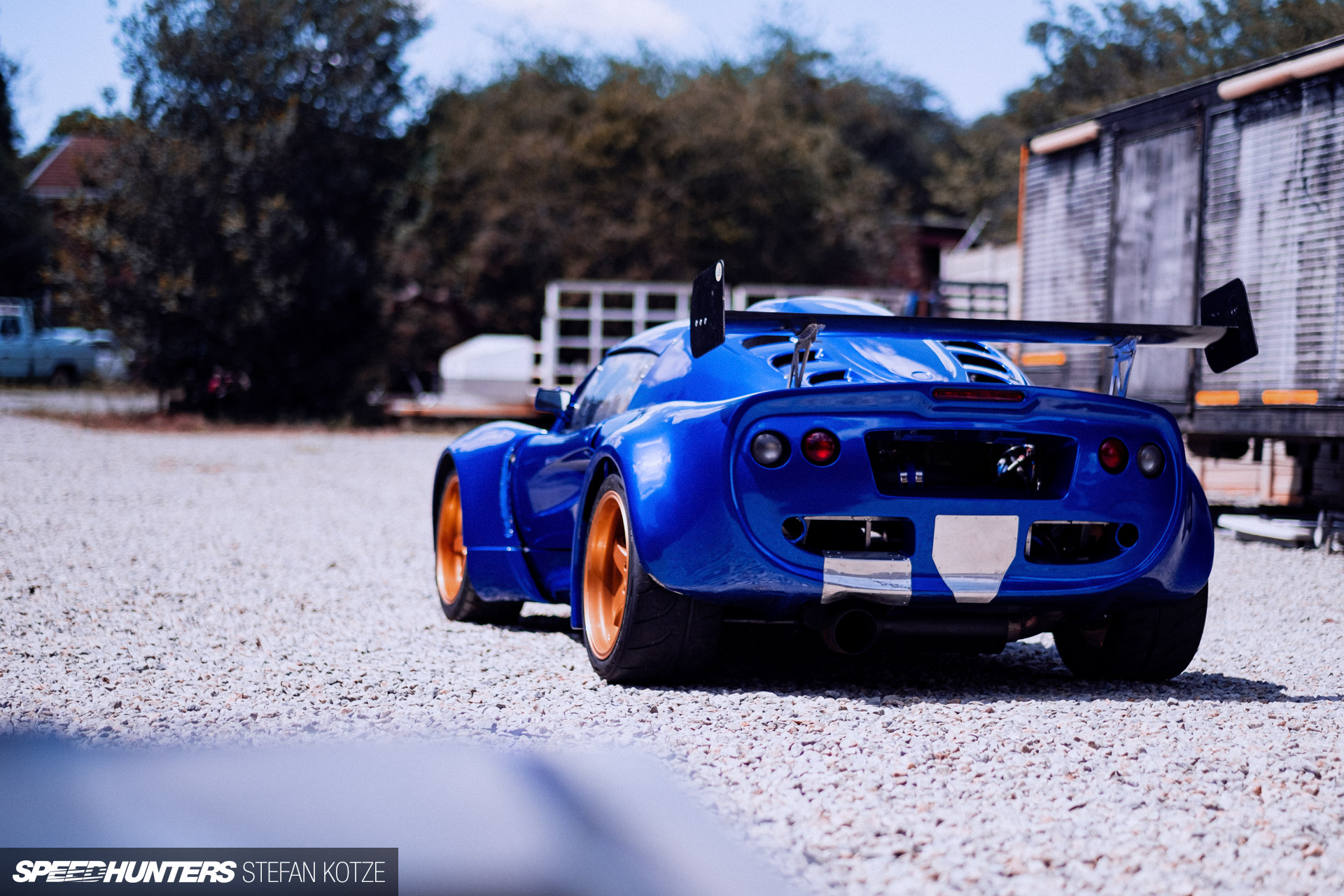

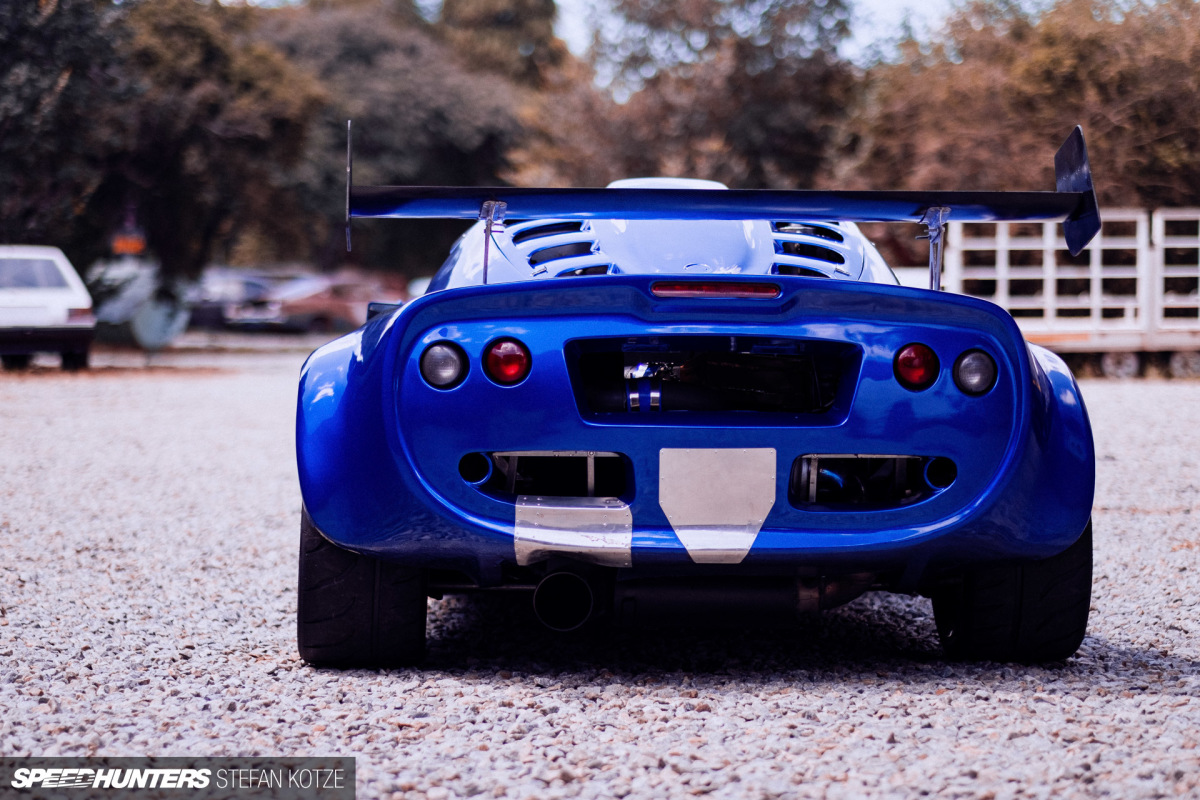
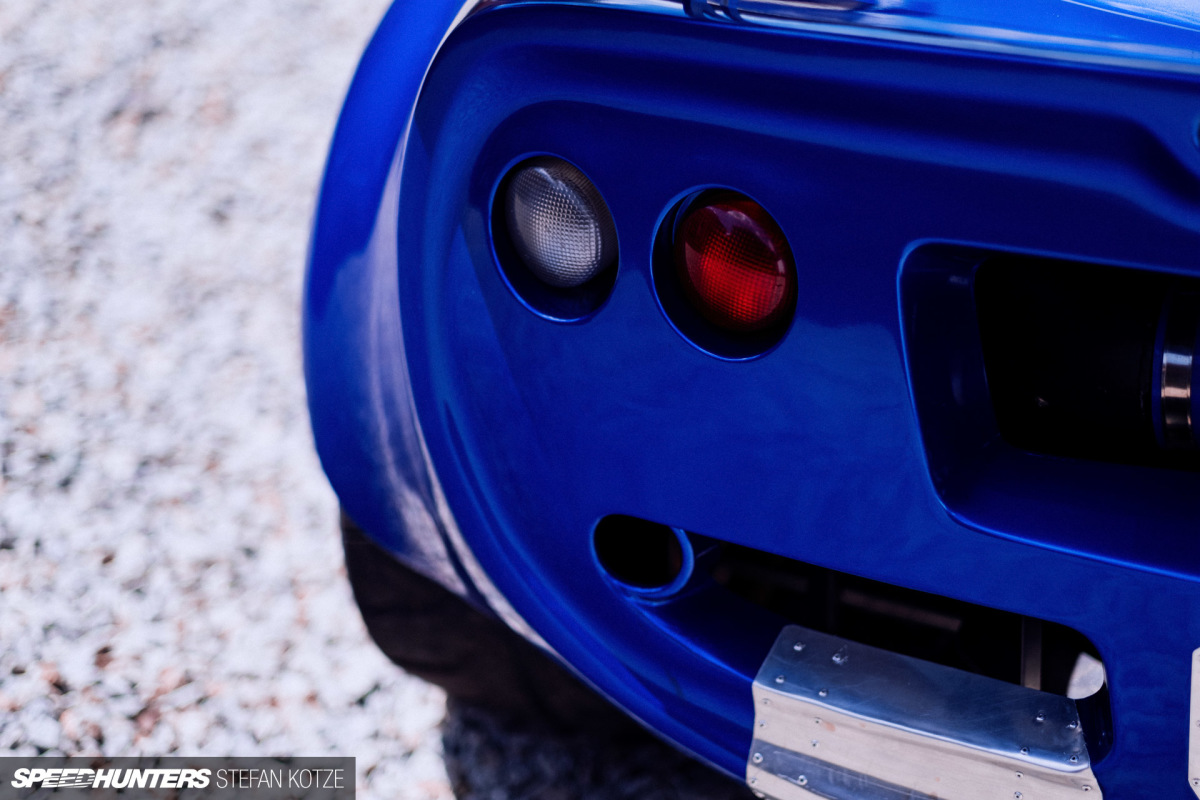
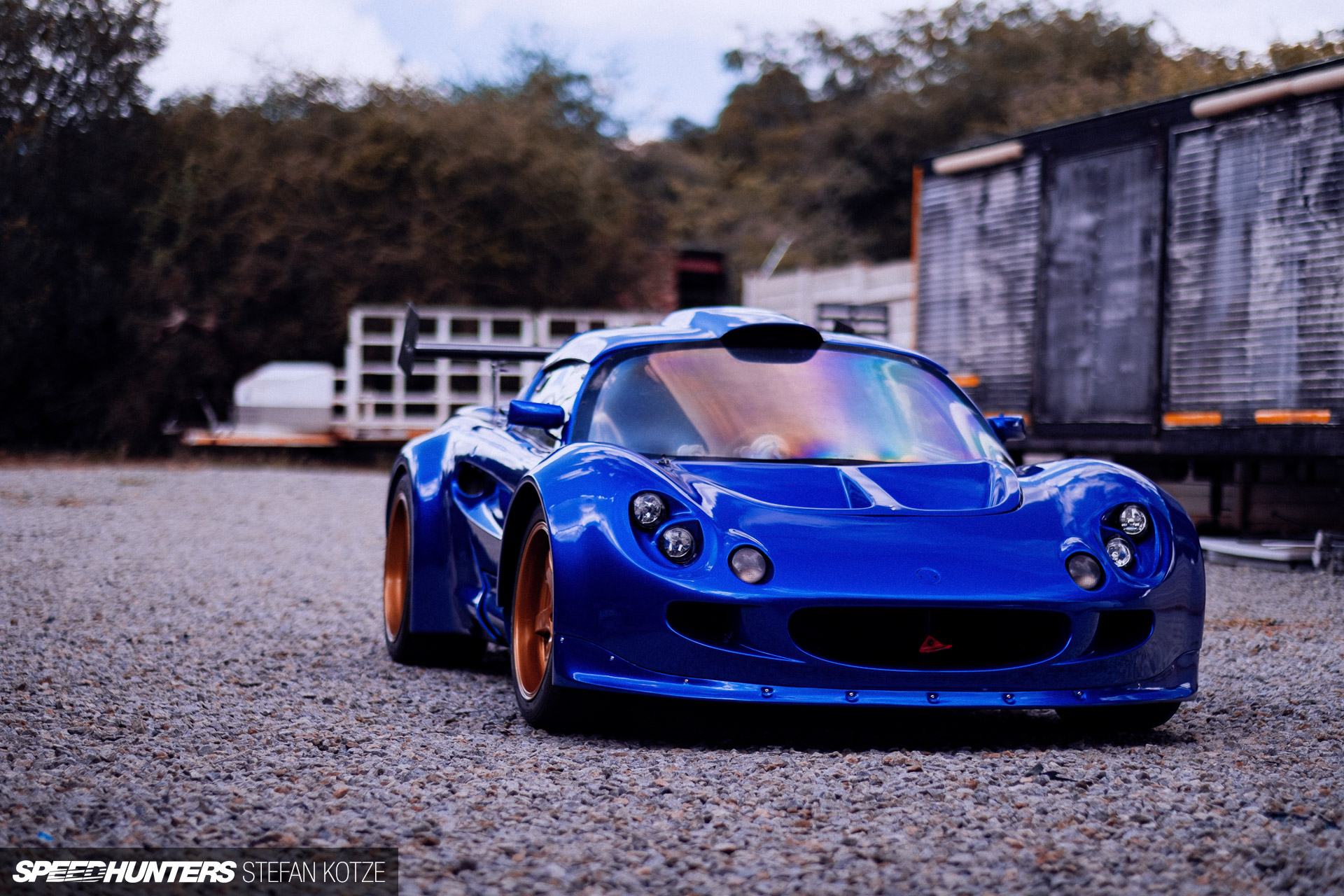
Over the years, Lotus models have also become the subjects of modification. Owners have swapped in all kinds of engines, the most popular being the Honda K-series. But every now and then you find someone that’s gone a different route.
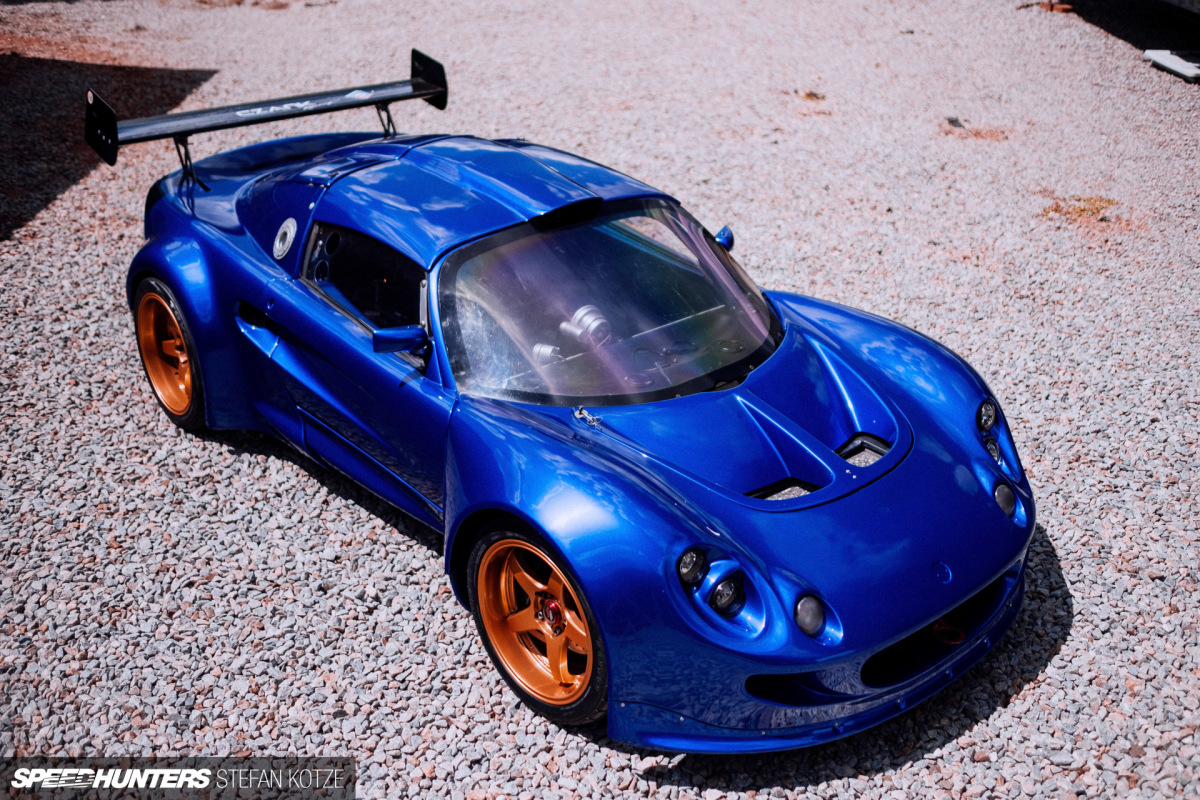
Just a few days ago I showed you an AMG-powered Exige. Now it’s time to look at one powered by a turbo Mazda 13B rotary engine. Aptly, it’s called the Rotus.
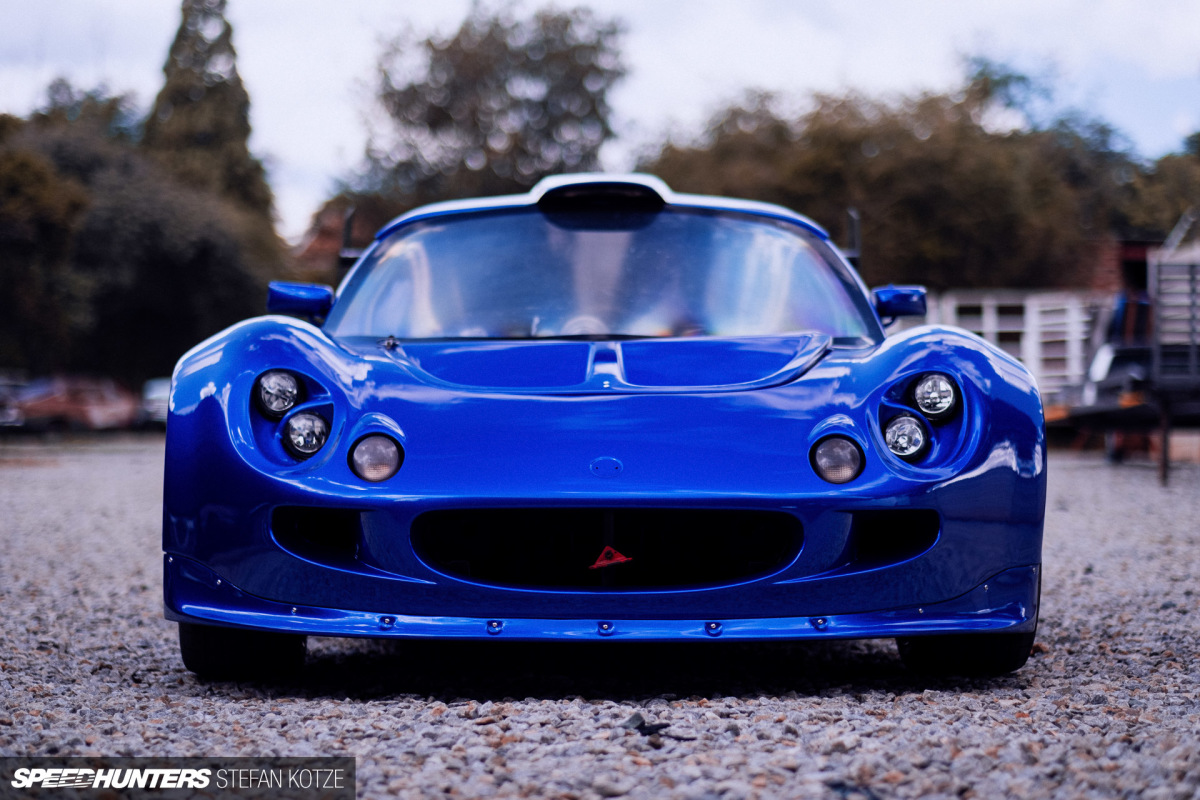
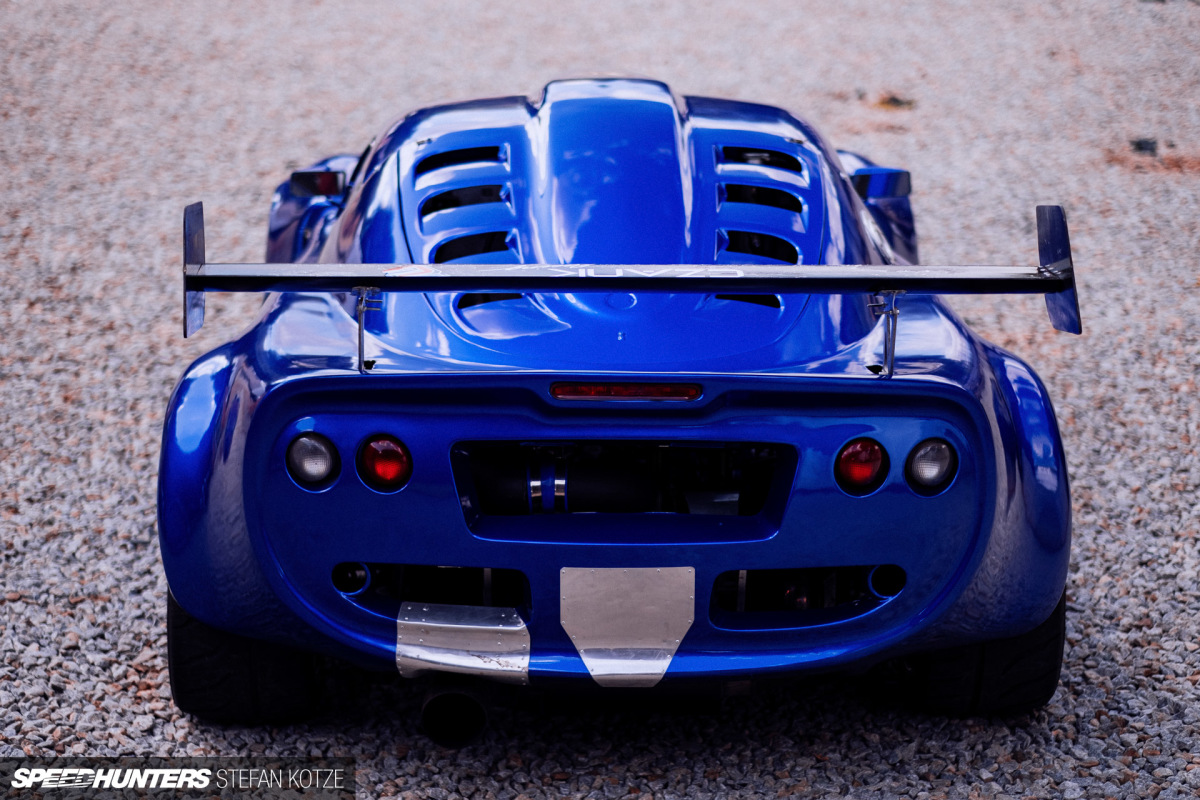
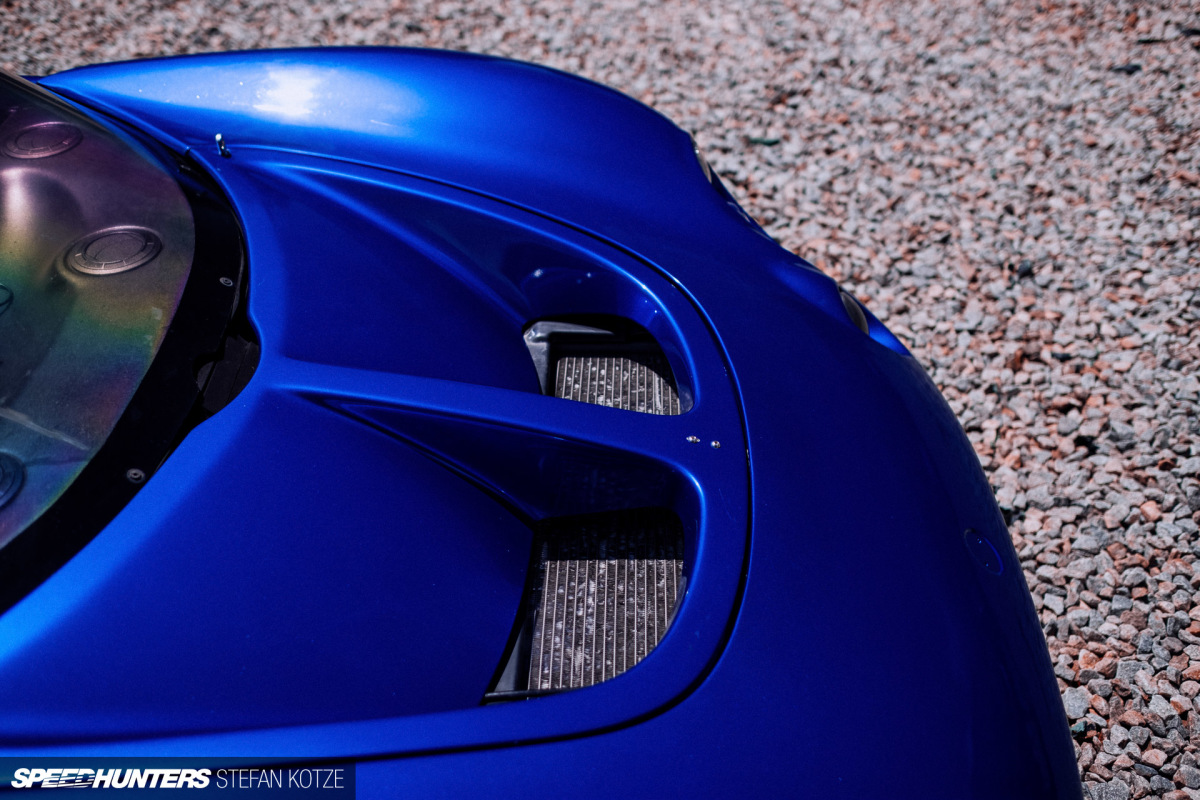
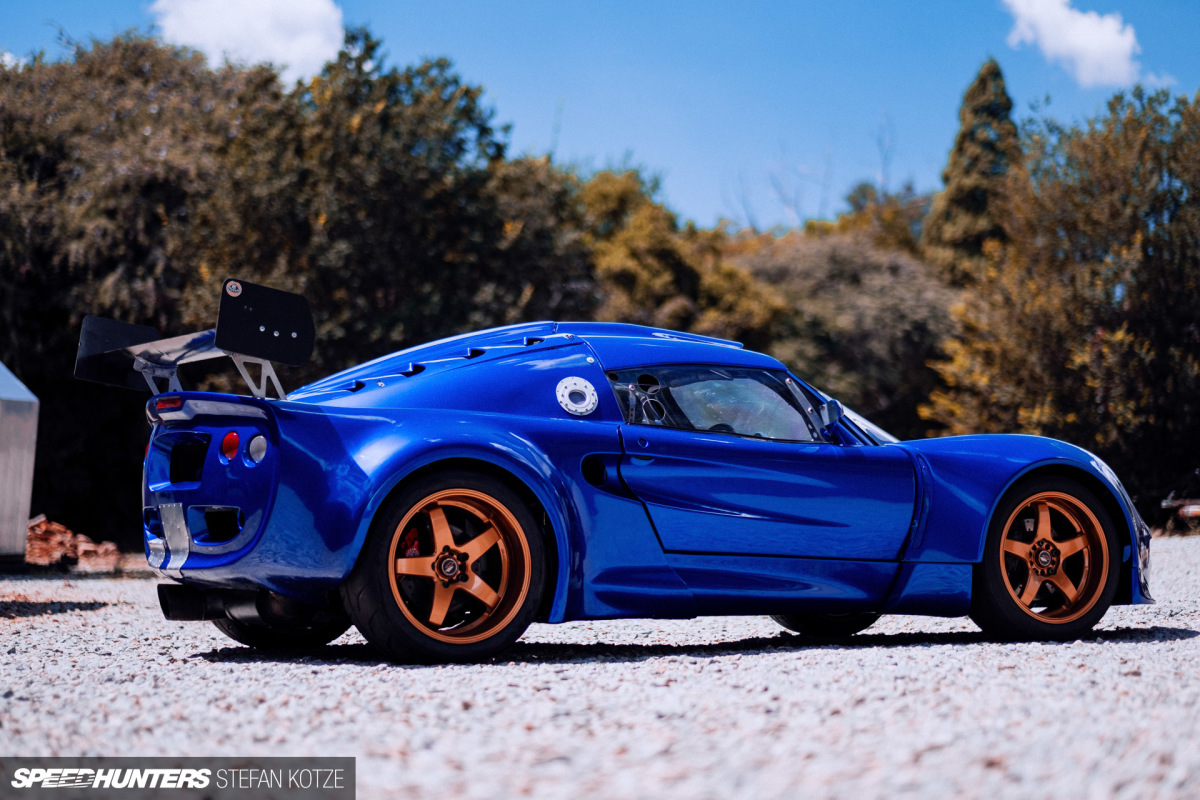
When its owner, Craig, came up with the crazy idea for this race car build, the Exige was more or less a rolling chassis, so the exterior modifications were tackled first. The Lotus wears a custom bodykit constructed in FRP and includes widened rear and front fenders. There’s also a large carbon fiber GT wing added out back.
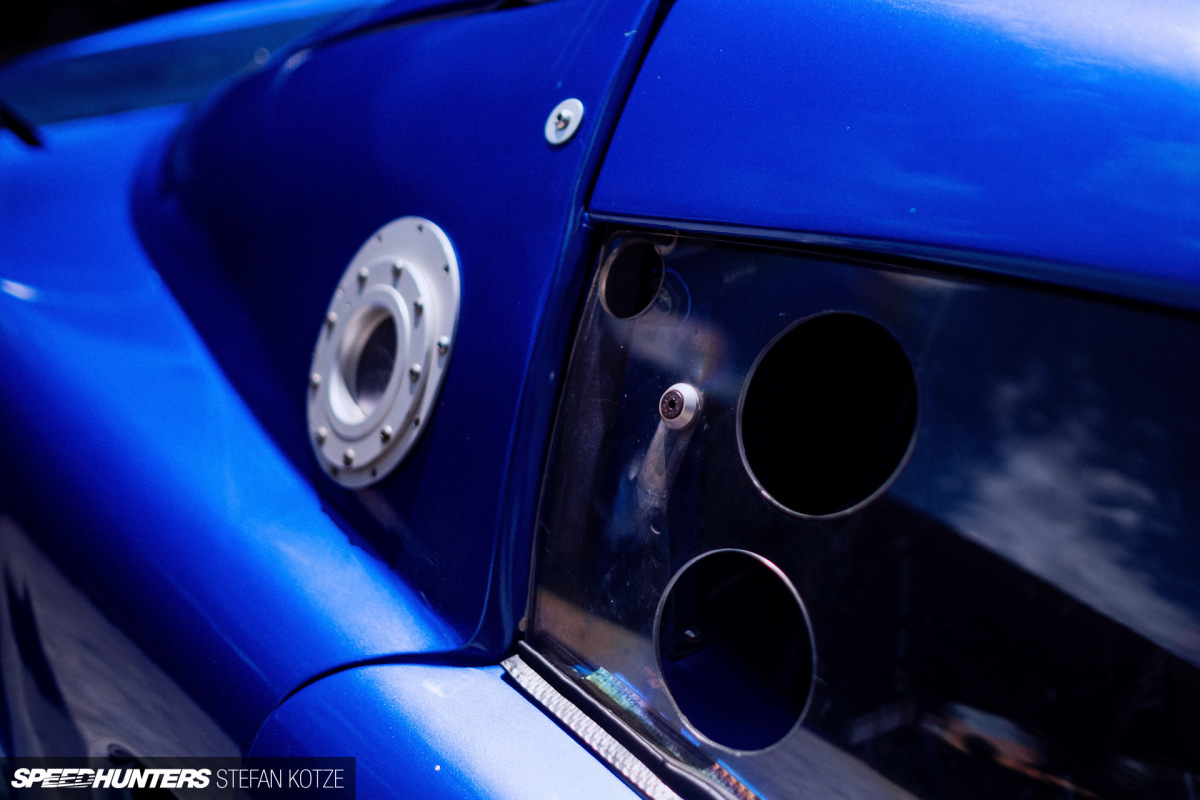
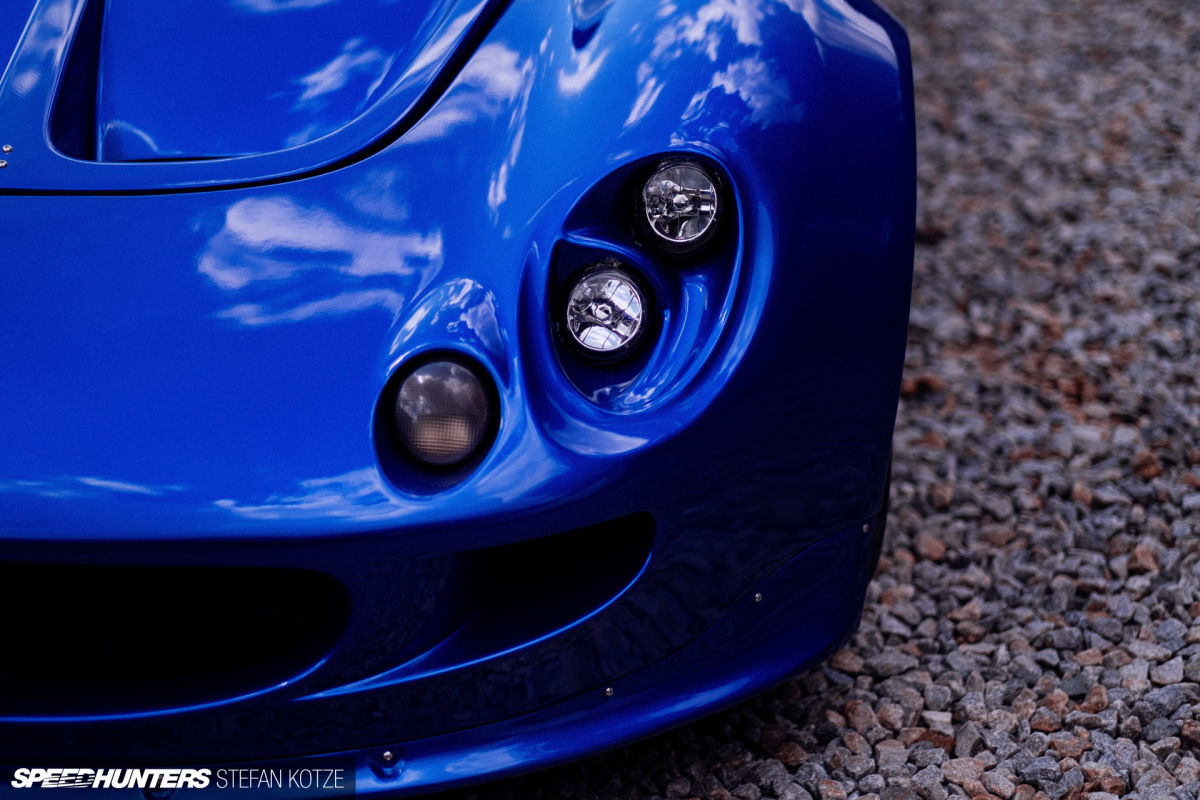
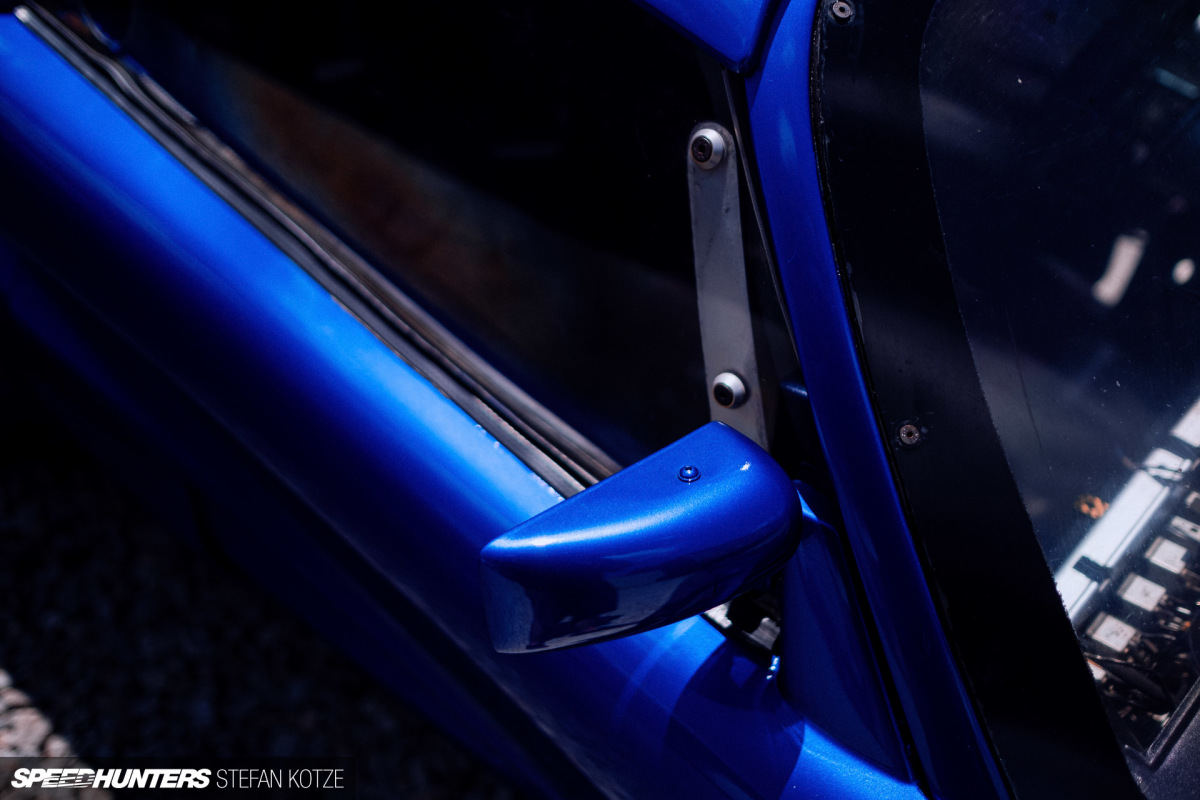
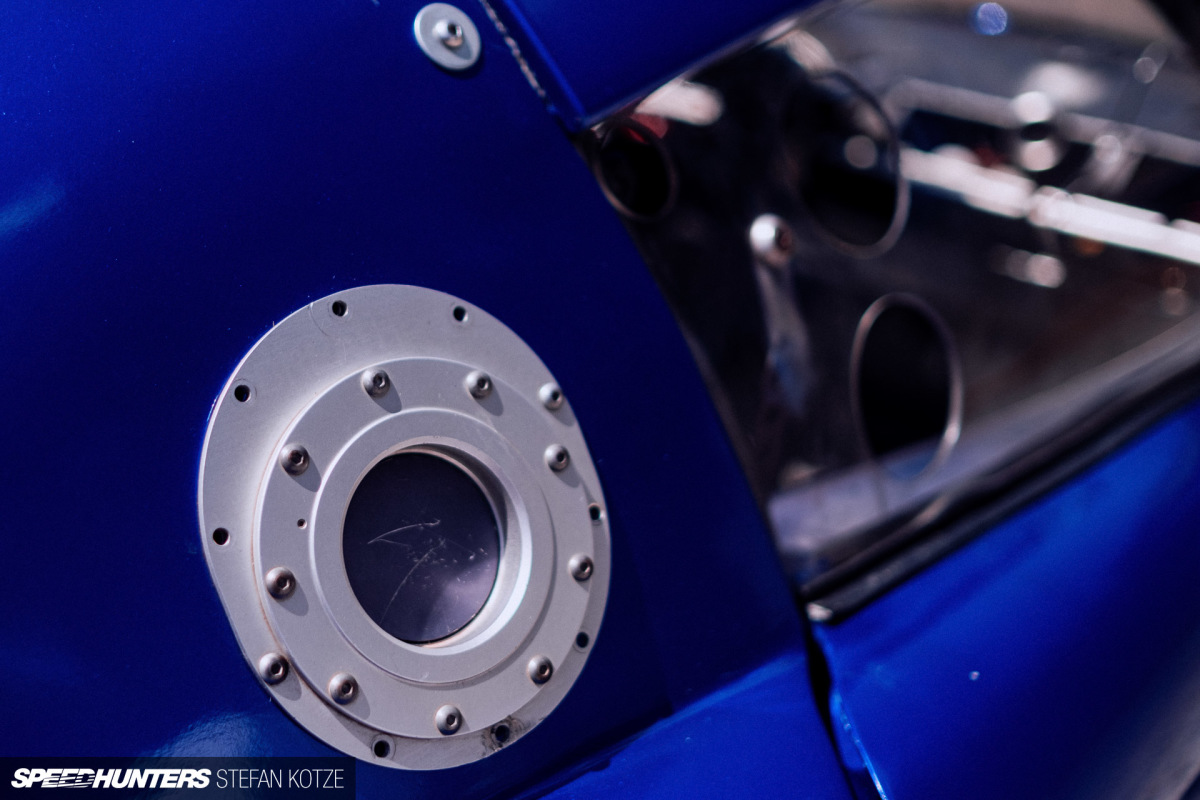
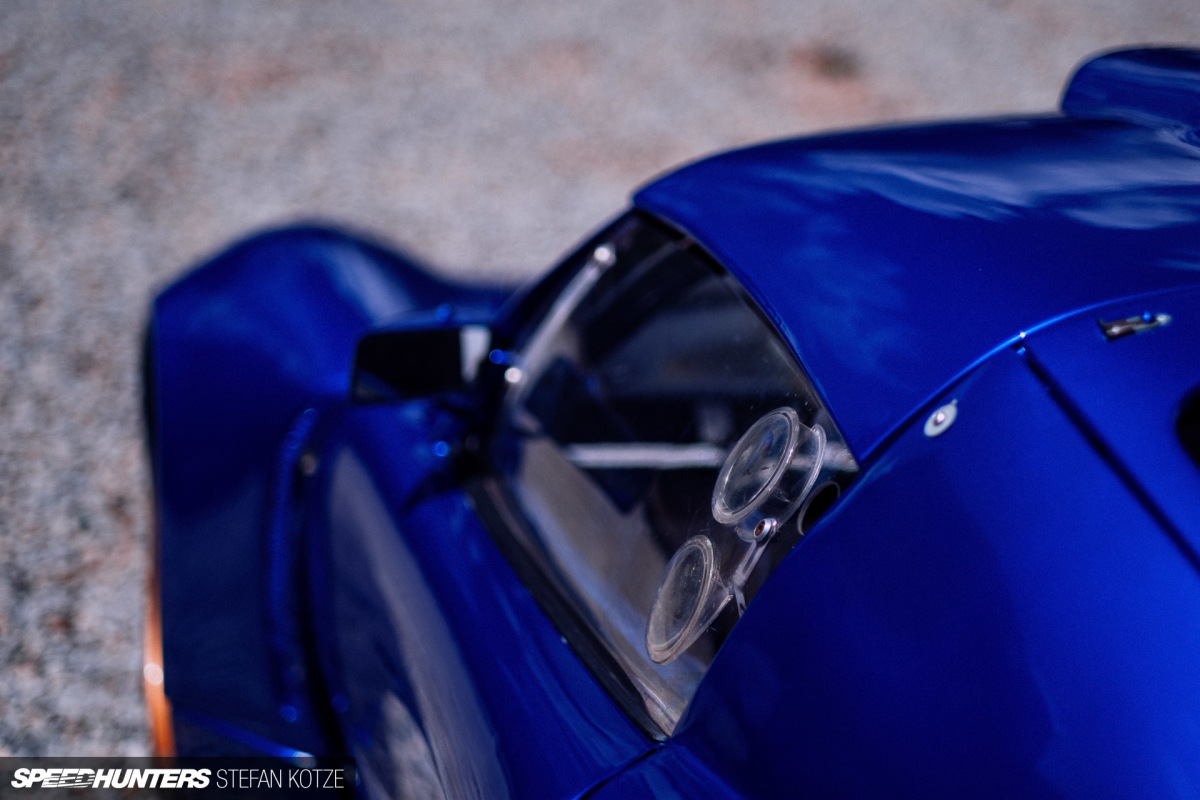
In addition, the headlights were modified by removing the plastic lens covers and fitting dual projectors on each side, the front and rear amber indicator lights were replaced with clear equivalents, compact mirrors were added, and a dry-break fuel filler system was installed. Because you know, rotaries are thirsty at the best of times.

I’ve already mentioned the lightness of a Lotus Exige, but Craig’s example sheds even more weight through the factory glass rear screen being replaced with an FRP cover complete with large vents to aid in heat dissipation. Lexan replaces the side windows and front screen glass too.
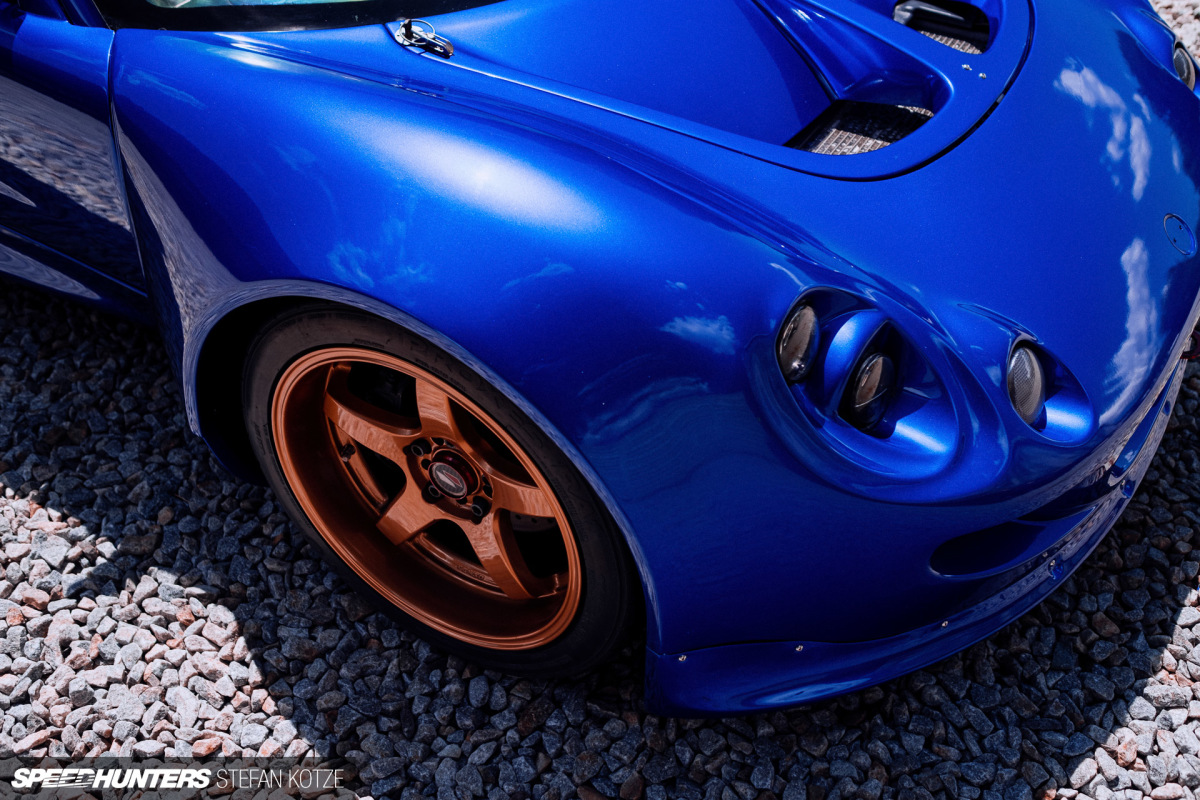
With the body sorted and now able to accommodate a much larger wheel and tire combination, Craig specced up a set of 17x9s for the front end and 18x10s for the rear. To contrast against the new blue paint, the Lensos were refinished in a custom copper color before being wrapped up in 235/40R17 Toyo Proxes RA1s and 295/30R18 Toyo Proxes R888Rs.
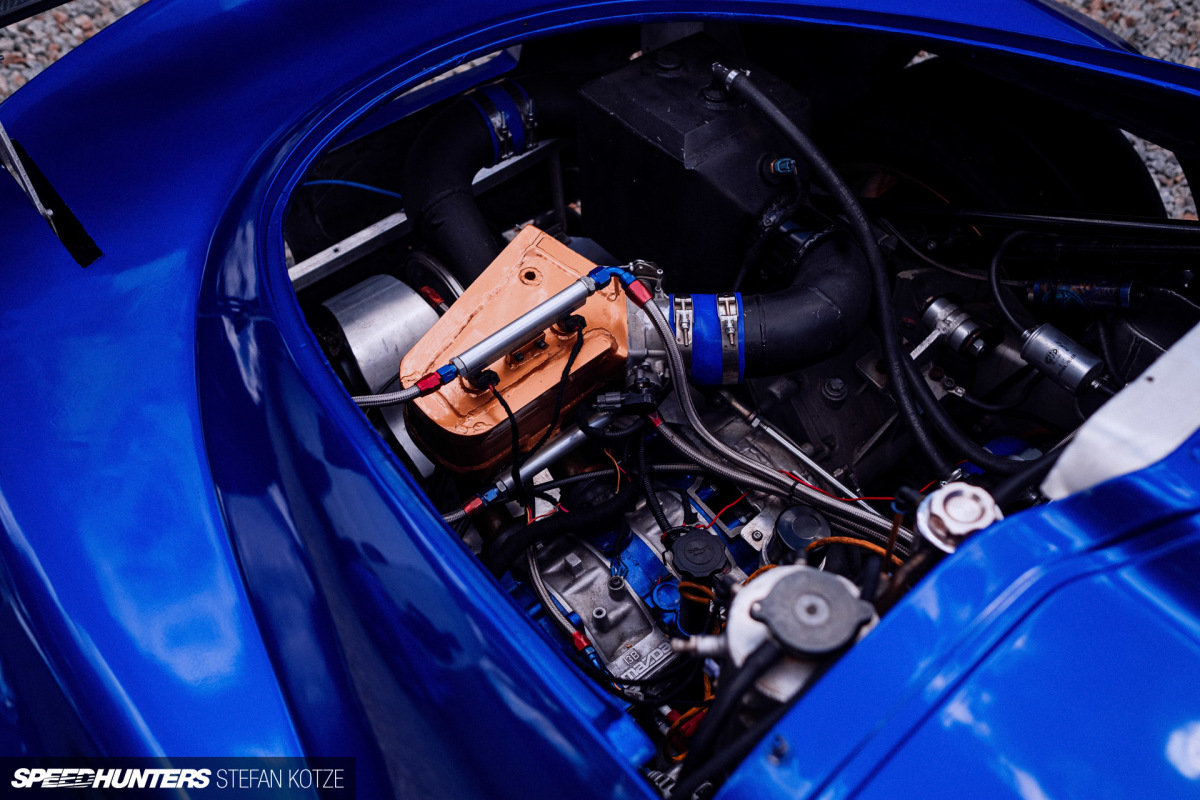
While the car has many notable upgrades, the real talking point of this build sits behind the cockpit. A 13B turbo in stock or lightly tuned form would have been a nice match for the lightweight Lotus, but Craig wanted a little more. Actually, he wanted a lot.
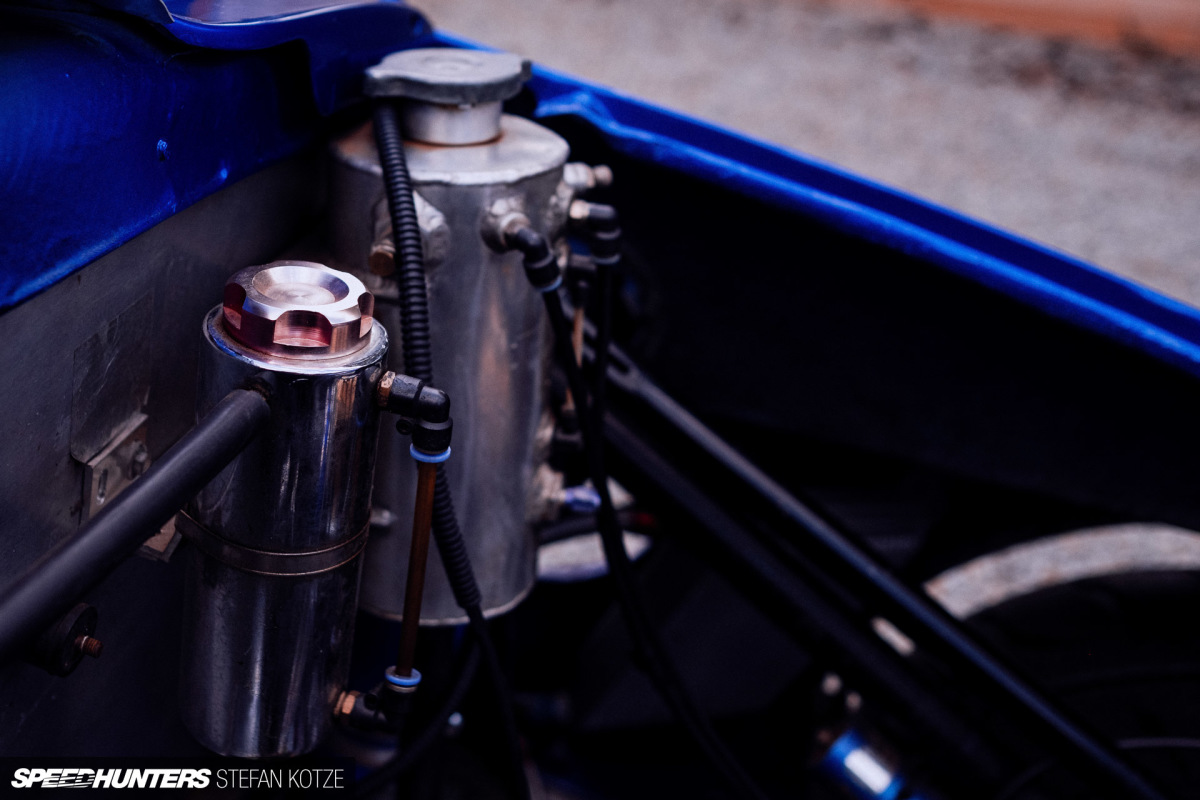
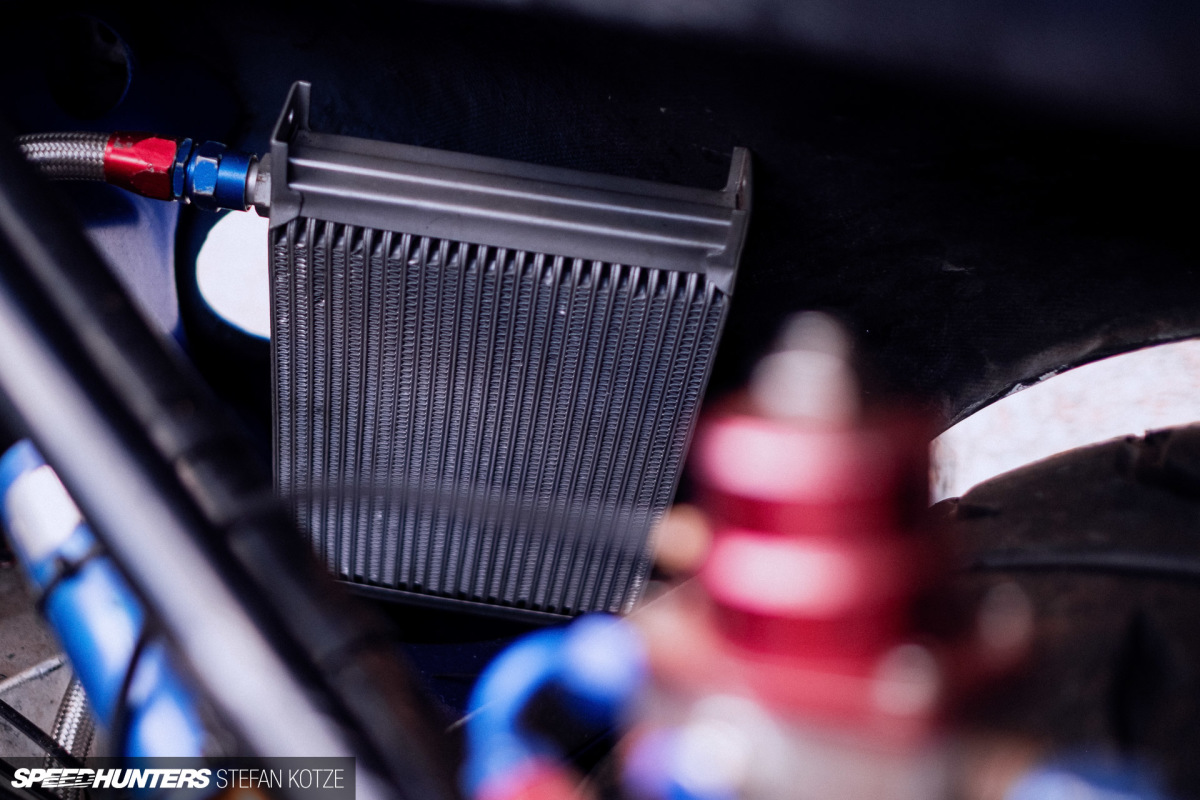
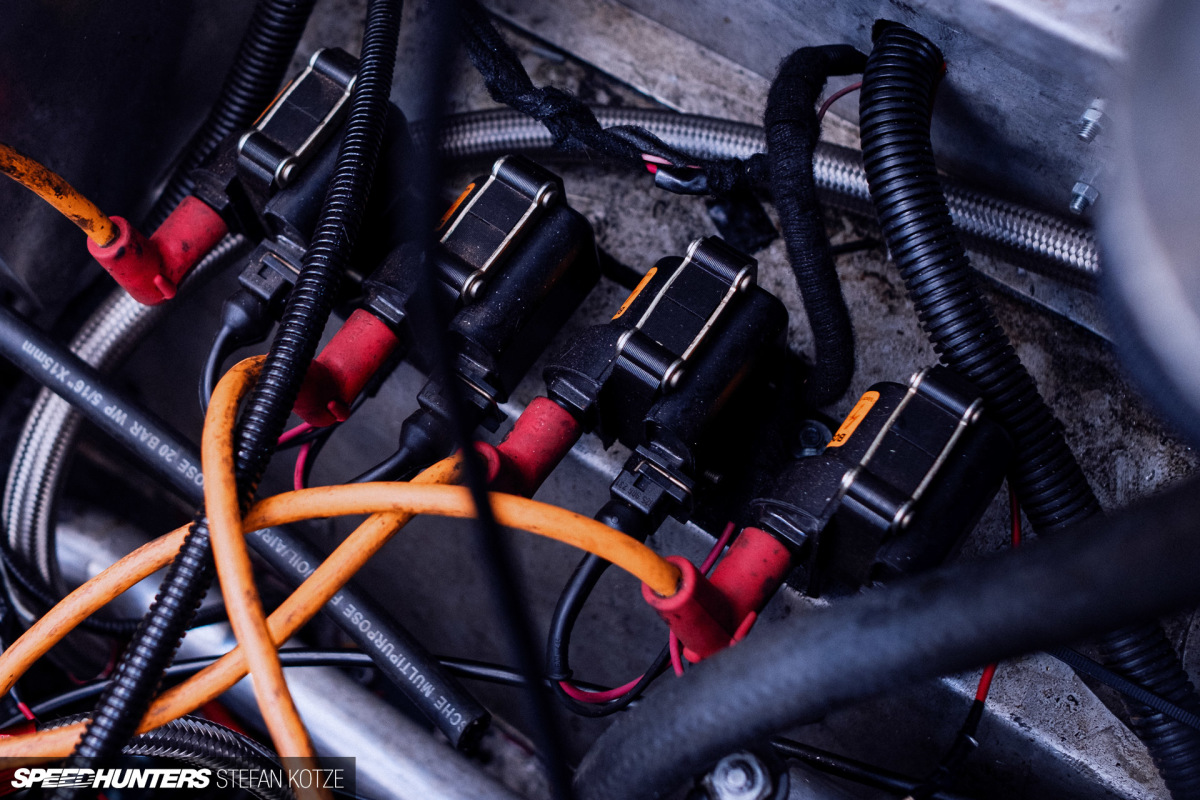
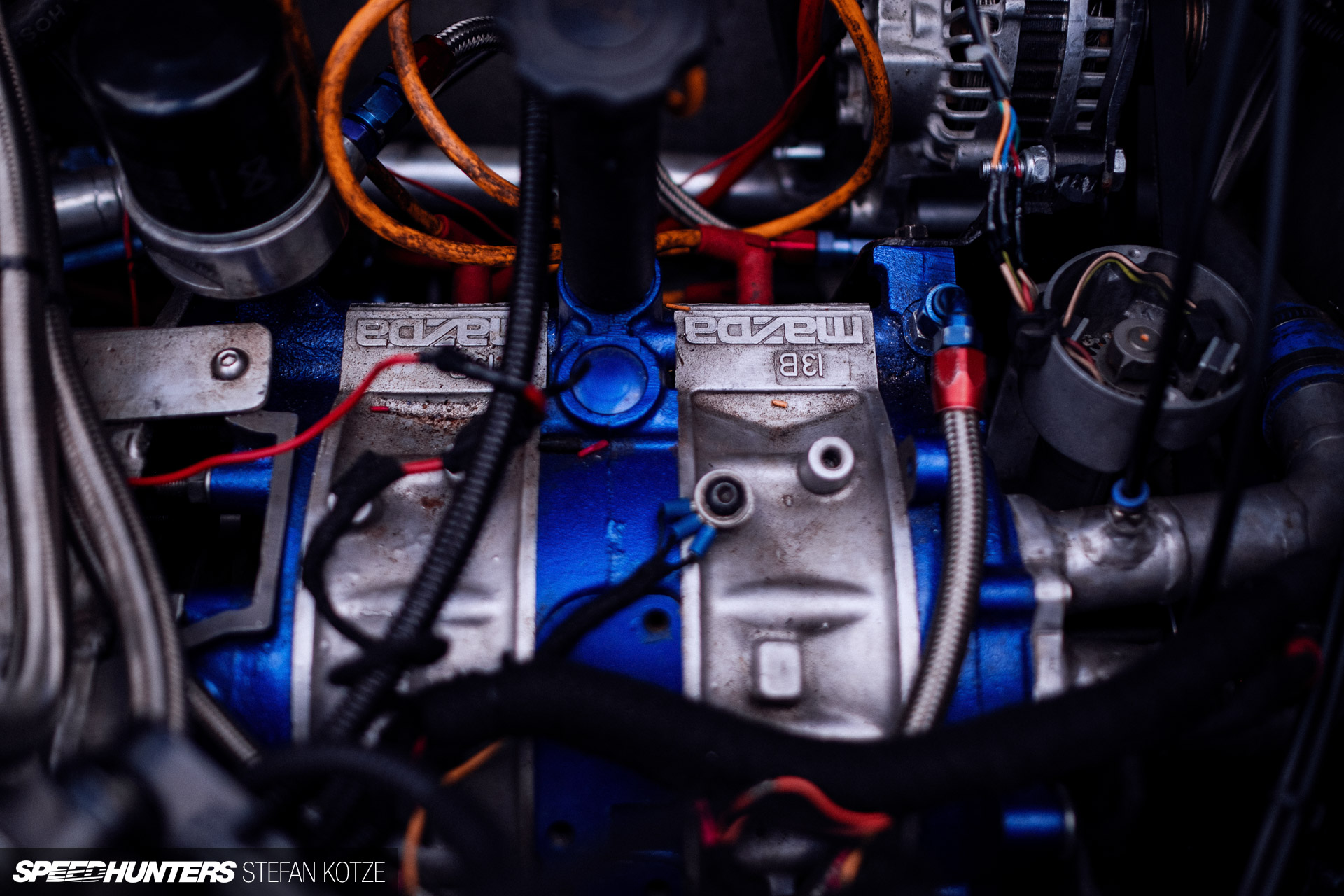
What he’s ended up with is pretty much as extreme as it gets for a 13B twin rotor engine. The factory side ports were filled in and new peripheral intake ports formed right through the rotor housings, providing the engine with a savage idle and low-RPM drivability, but big top-end power.
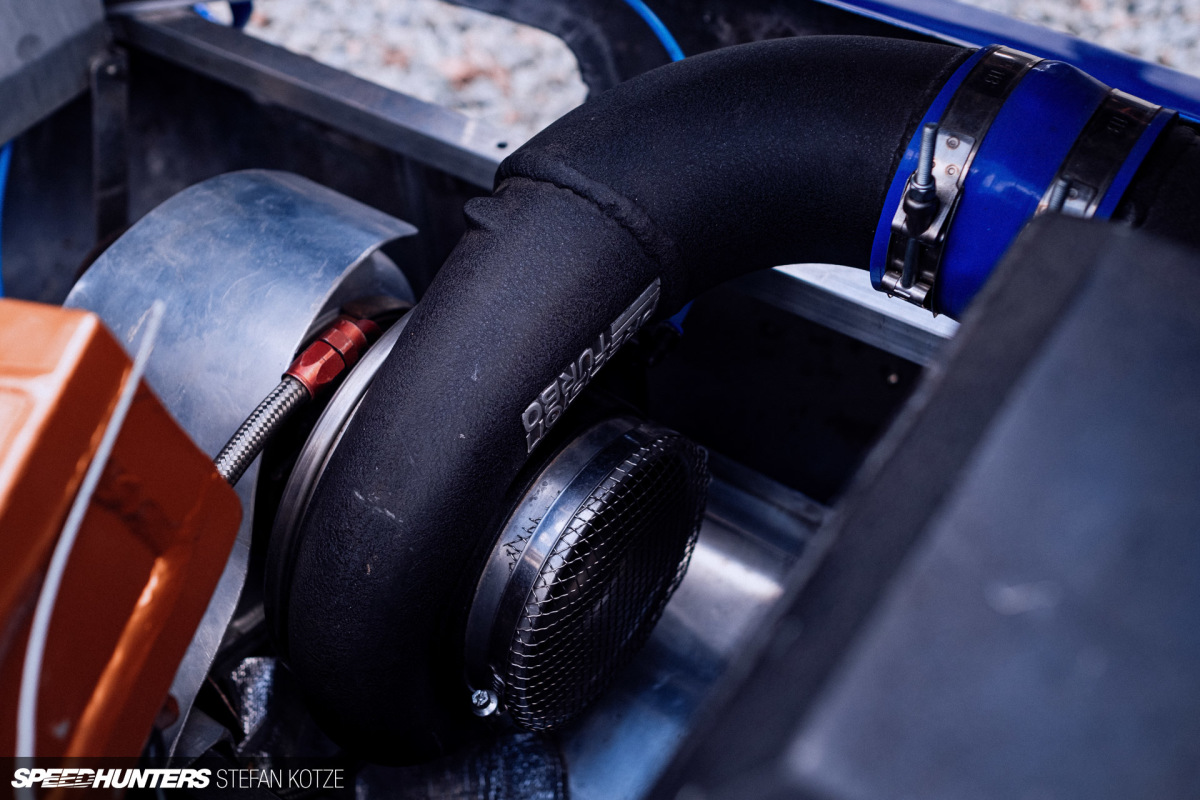
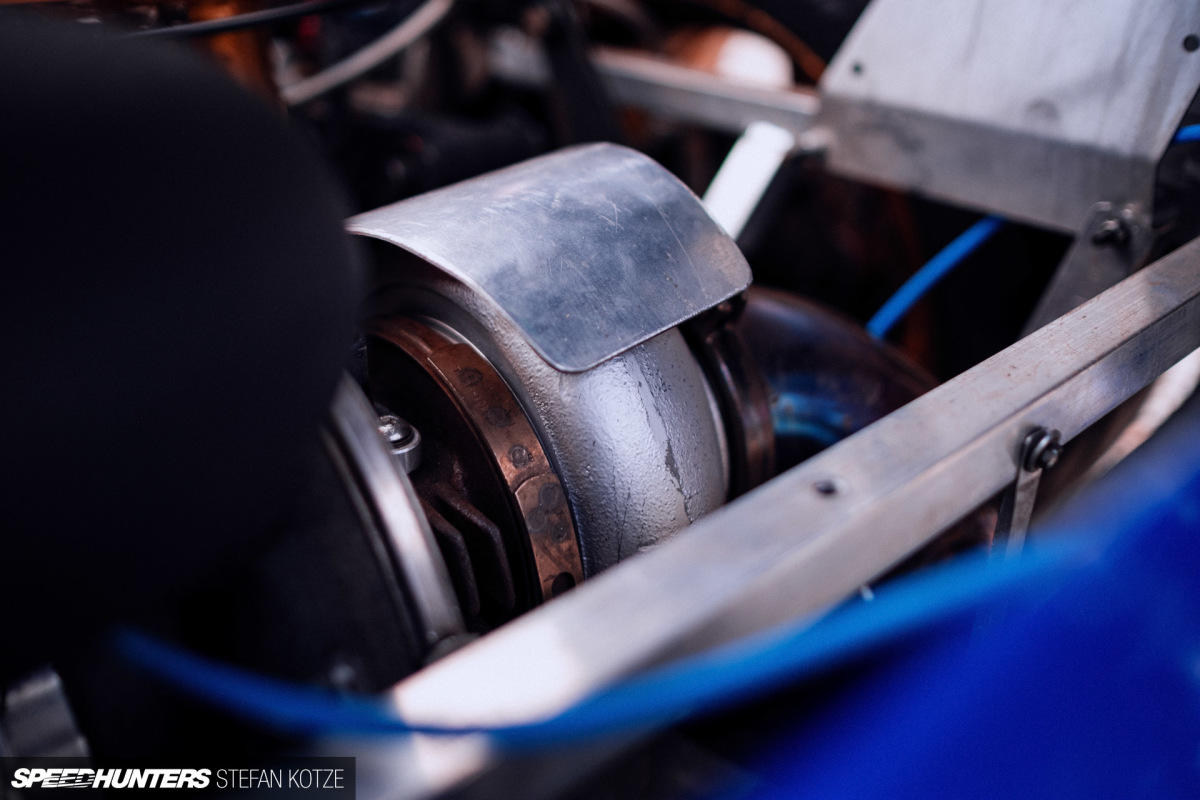
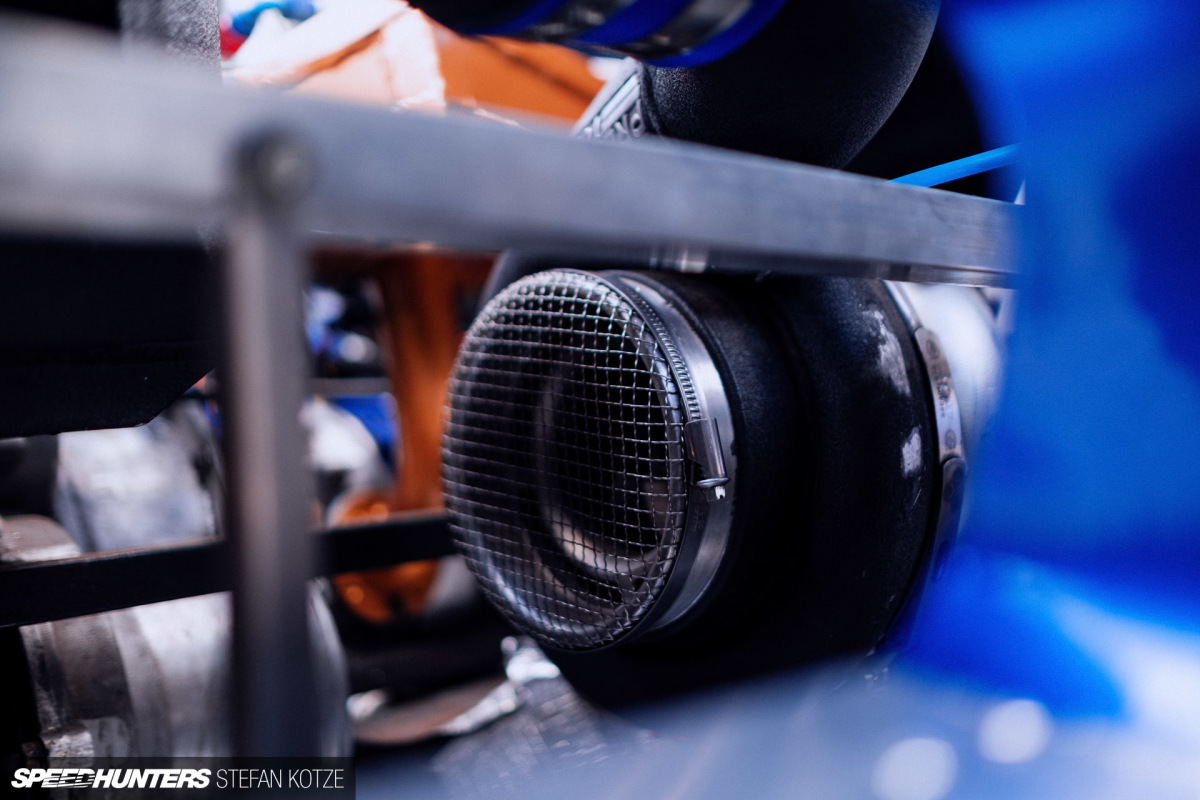
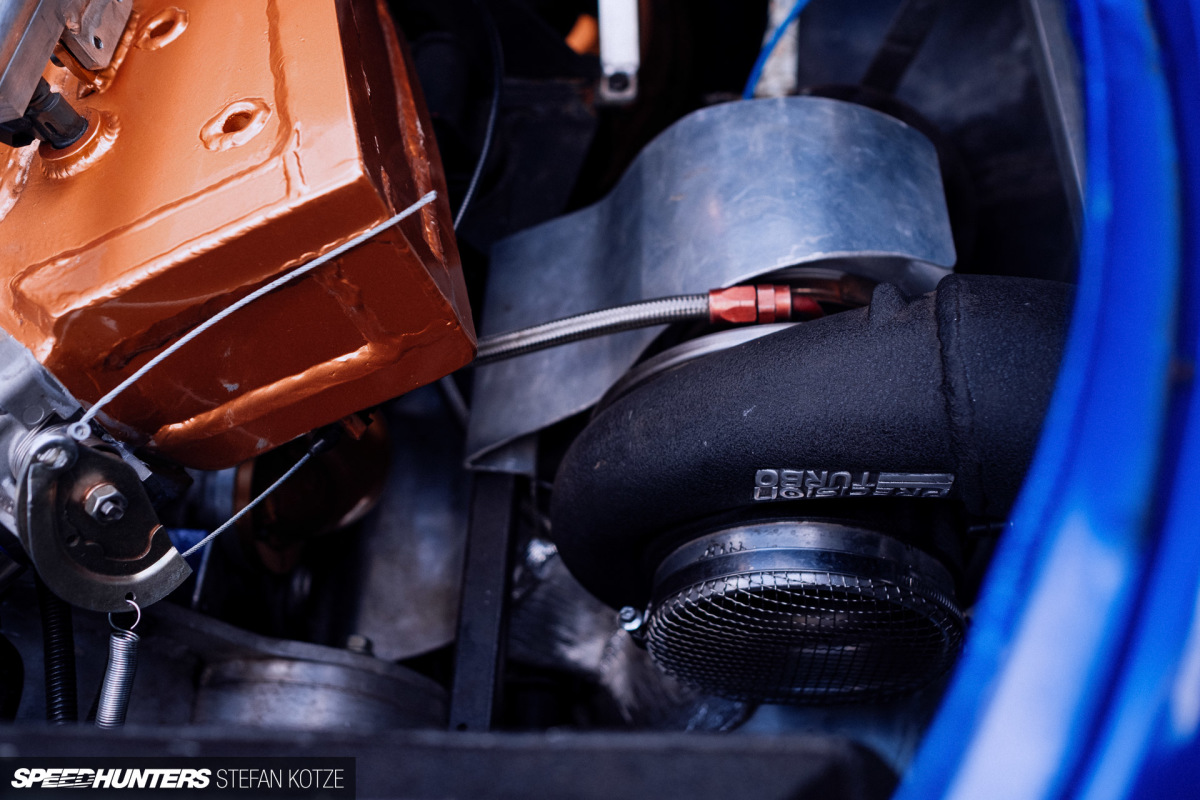
Then there’s the turbo, an 88mm Precision Turbo PT8891 Gen2 CEA unit that’s hard to miss in the engine bay. A solid 30psi of boost pressure is delivered by the big single, with a charge cooler tasked to keep intake temps in check.
As you’d expect, there’s a massive appetite for fuel here, and E100 ethanol is delivered by three Walbro pumps feeding four 2,200cc Denso injectors. Now the quick-fill dry-break makes real sense…
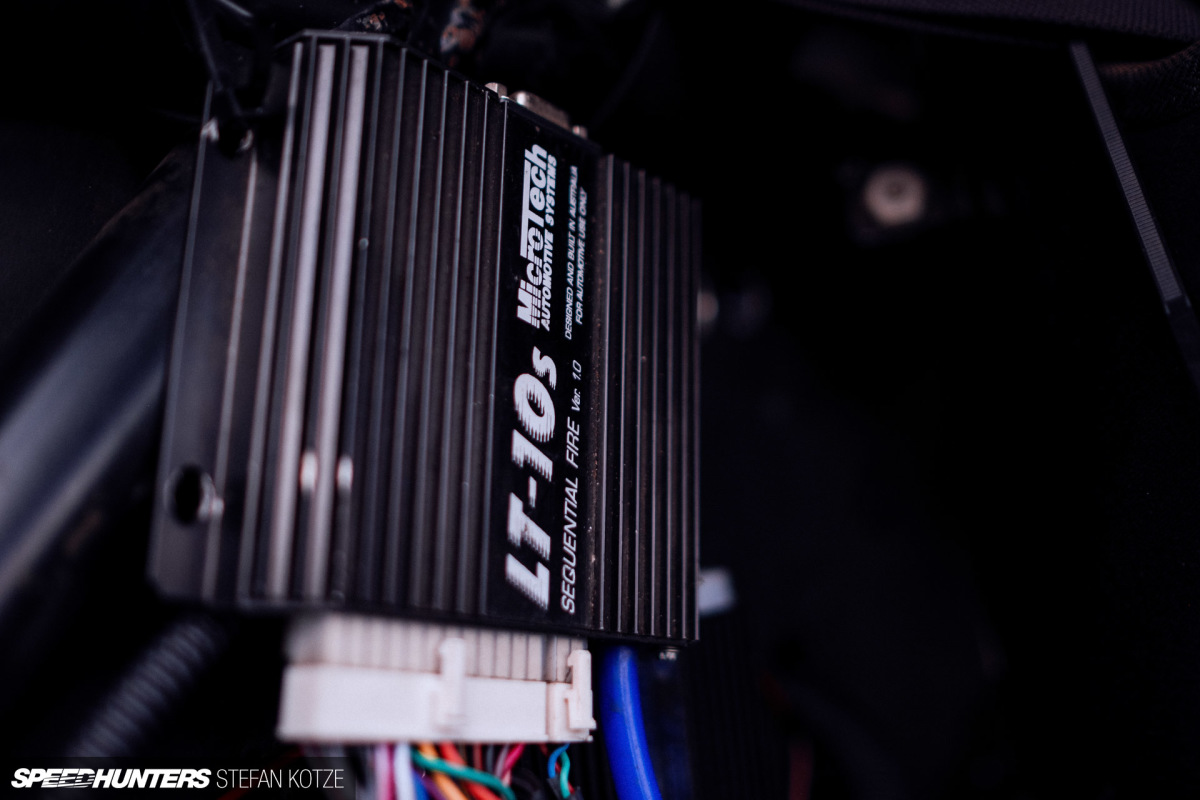

On engine management duties is a MicroTech LT-10s that after tuning revealed a whopping 737whp from the ferocious 13B package. That’s a lot of power for any car, but in a modified Lotus Exige that weighs only 743kg (1,638lb), it’s utter madness.

How Craig manages to harness the power boggles the mind, but BC Racing coilovers and a full AP Racing brake setup on the front end, coupled with upgraded rotors and pads at the rear, provide some extra reassurance. Gear shifts are made through a Hewland sequential transmission.
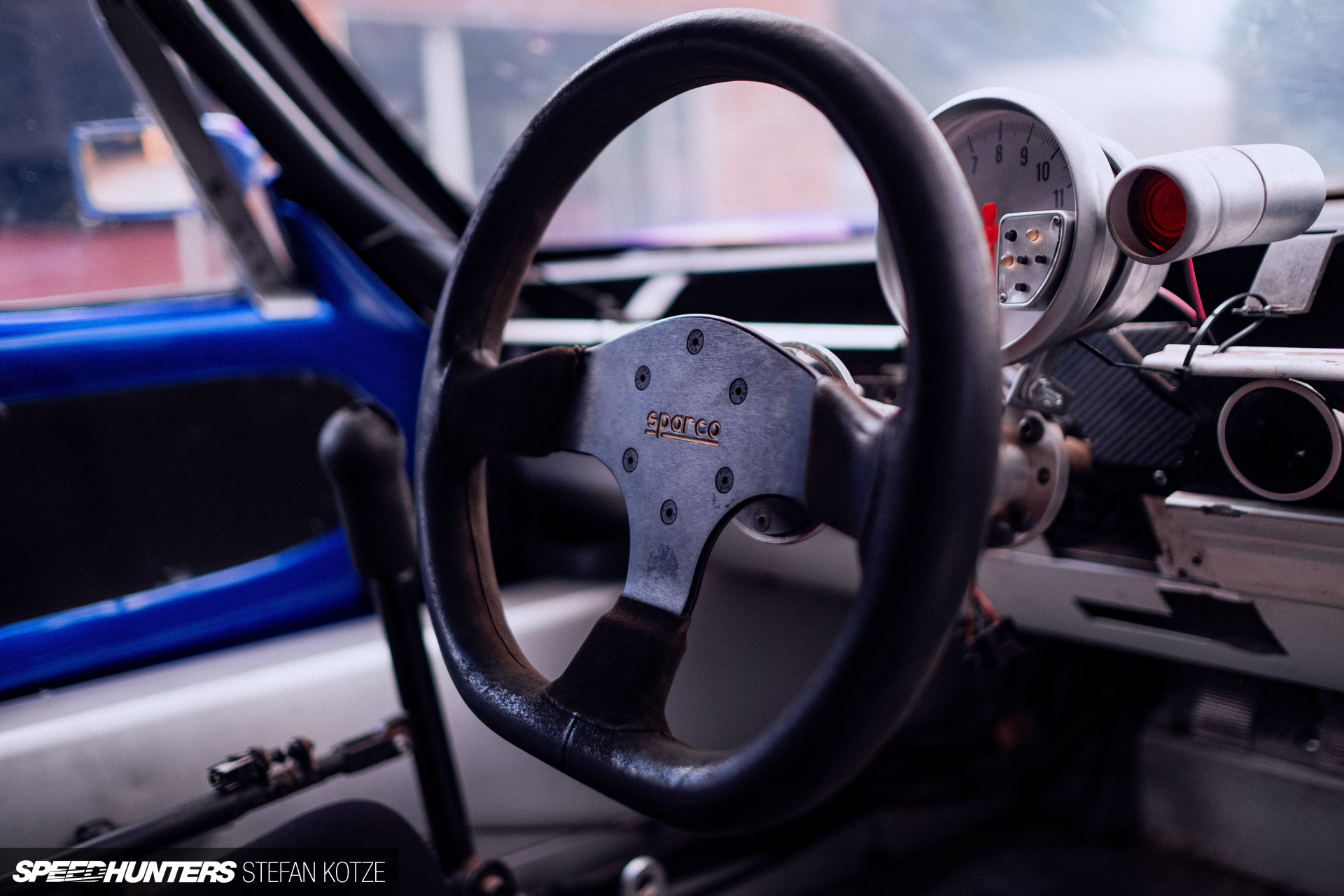
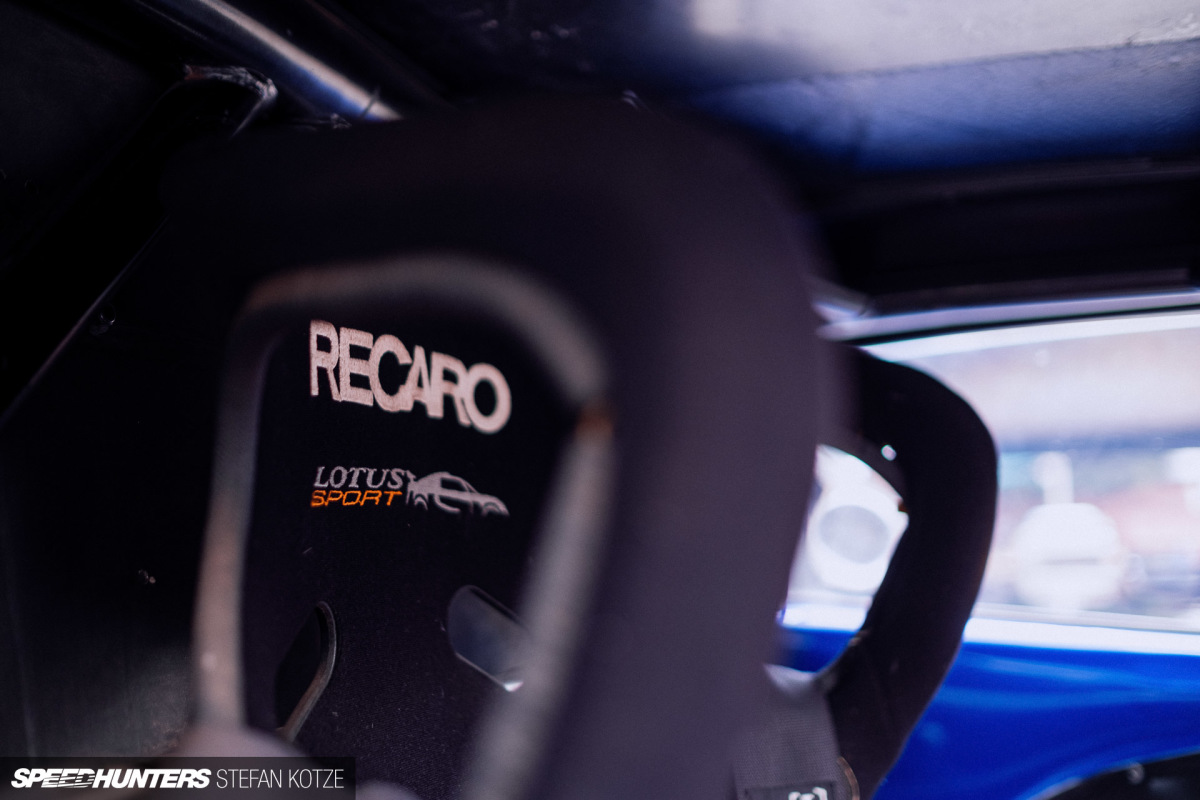
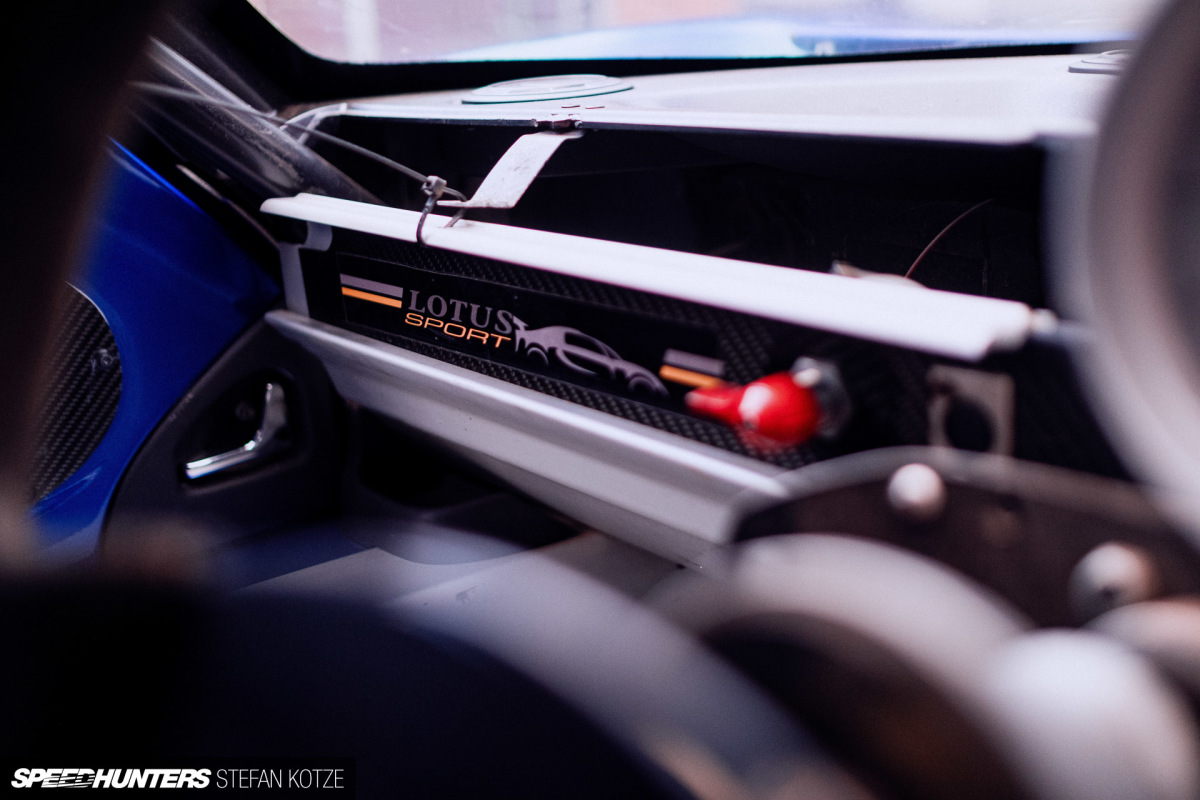
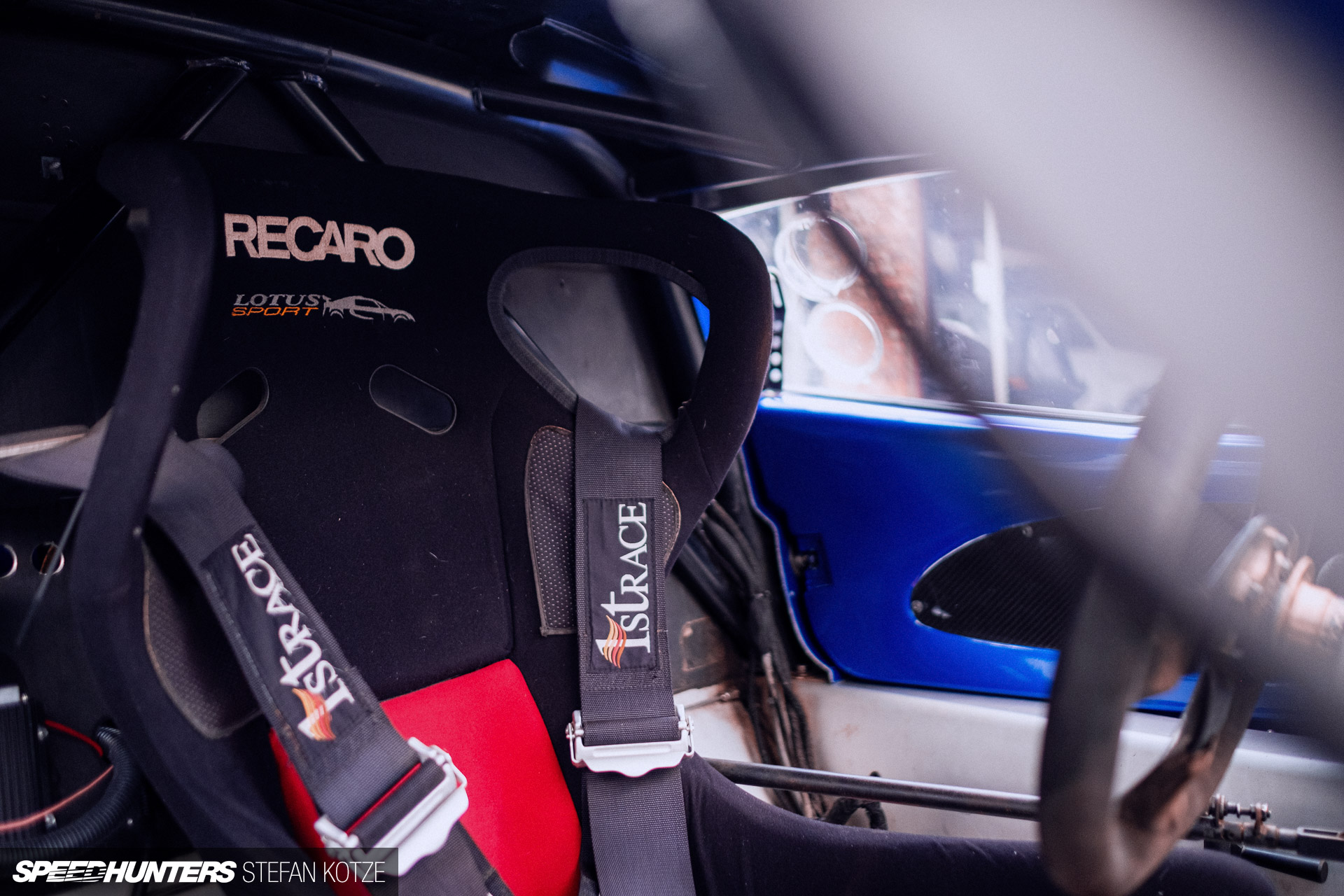
Peeking through the windscreen, you’ll notice that the Sparco steering wheel is not where you’d expect it to be. Yes, this Exige now has a centre driving position with one lone Recaro Lotus Sport seat. The conversion would have taken a bit of work, but the experience from behind the wheel must be worth it.
I don’t know if you could get closer to a car-sized kart – and a Superkart at that – than what Craig has created in the Rotus. All I know is, this thing must be damn scary to drive.
Stefan Kotzé
Instagram: stefankotzephoto
info@stefankotze.com
www.stefankotze.com