
Picture this… It’s summer of ’84, and you’re just leaving the theater after chuckling at a film where Bill Murray fights a host of apparitions and a giant sailor made of marshmallow. Waiting for you in the parking lot is your recently acquired Japanese chariot – a 1982 Toyota Supra. The latest generation of a lineage that would go on to span three more.
Fast forward to the top of the ’90s and naturally you still own the Supra. However, cars are faster now and the desire for a bit more power is real. Selling or trading up would be a betrayal to everything you and the car have gone through, but still, power is power. Your mind is made up; a motor swap is the only reasonable solution.

The new Supras seem to do pretty well with the 3.0L straight-six, single turbo 7M-GTE so why not one of those? No one’s ever done it before? Well, that’s just good reason to be the first.

One year quickly turns to three – being first out of the gate isn’t for the faint of heart – but perseverance pays off. Your car comes out of the garage with 430rwhp spinning Riken mesh wheels.
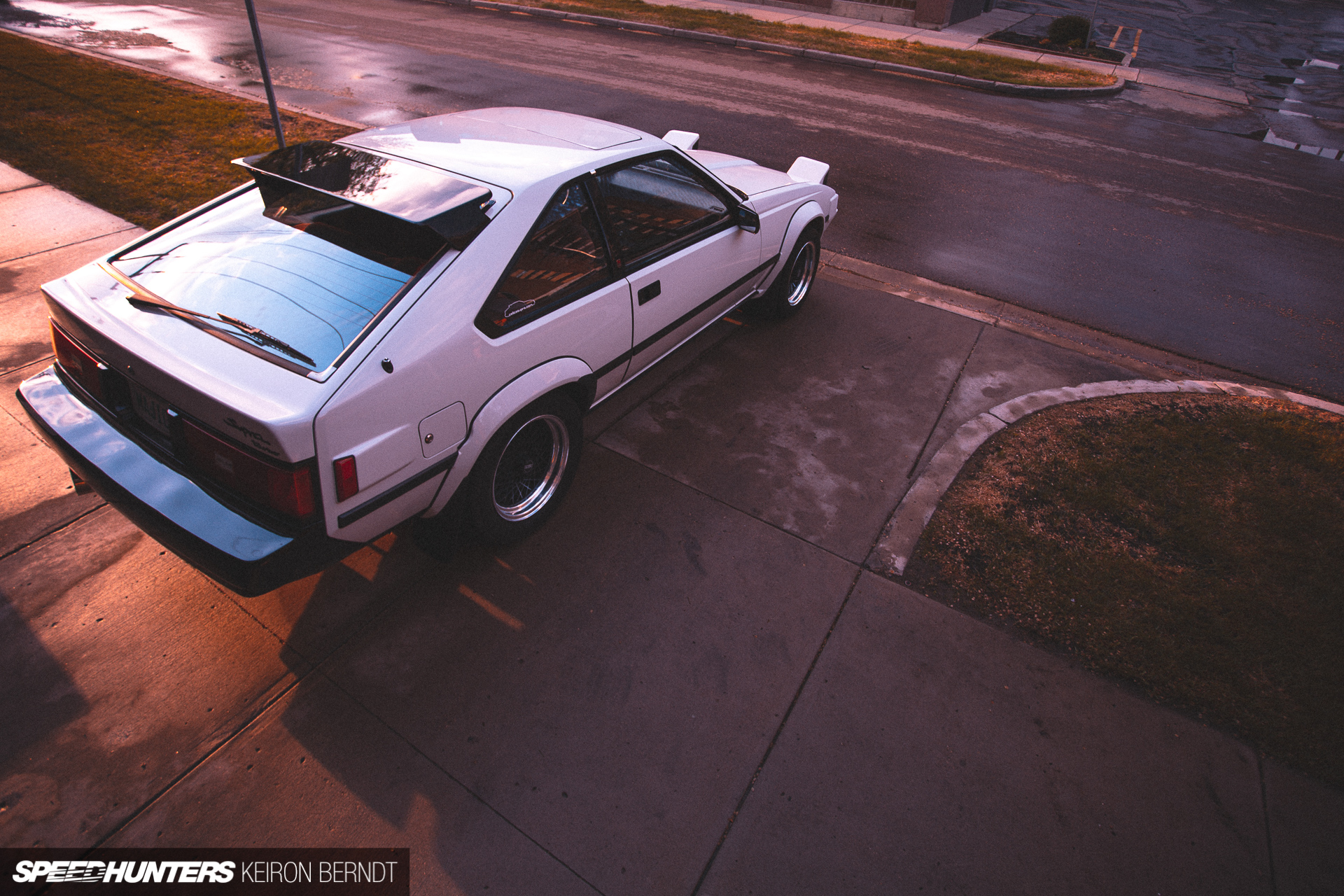
The car and scenario I described above does not apply to this car, nor its owner Aaron. It does, however, describe Aaron’s uncle who in the mid ’90s reputedly became first person to swap a Toyota 7M-GTE motor into a second-generation Toyota Supra.
Aaron, well under driving age at the time, absolutely loved everything about his uncle’s car. “It was the coolest thing on four wheels to my brother, cousins and myself, and the fact my uncle built and owned it gave us bragging rights at the bike racks, and later message boards.”
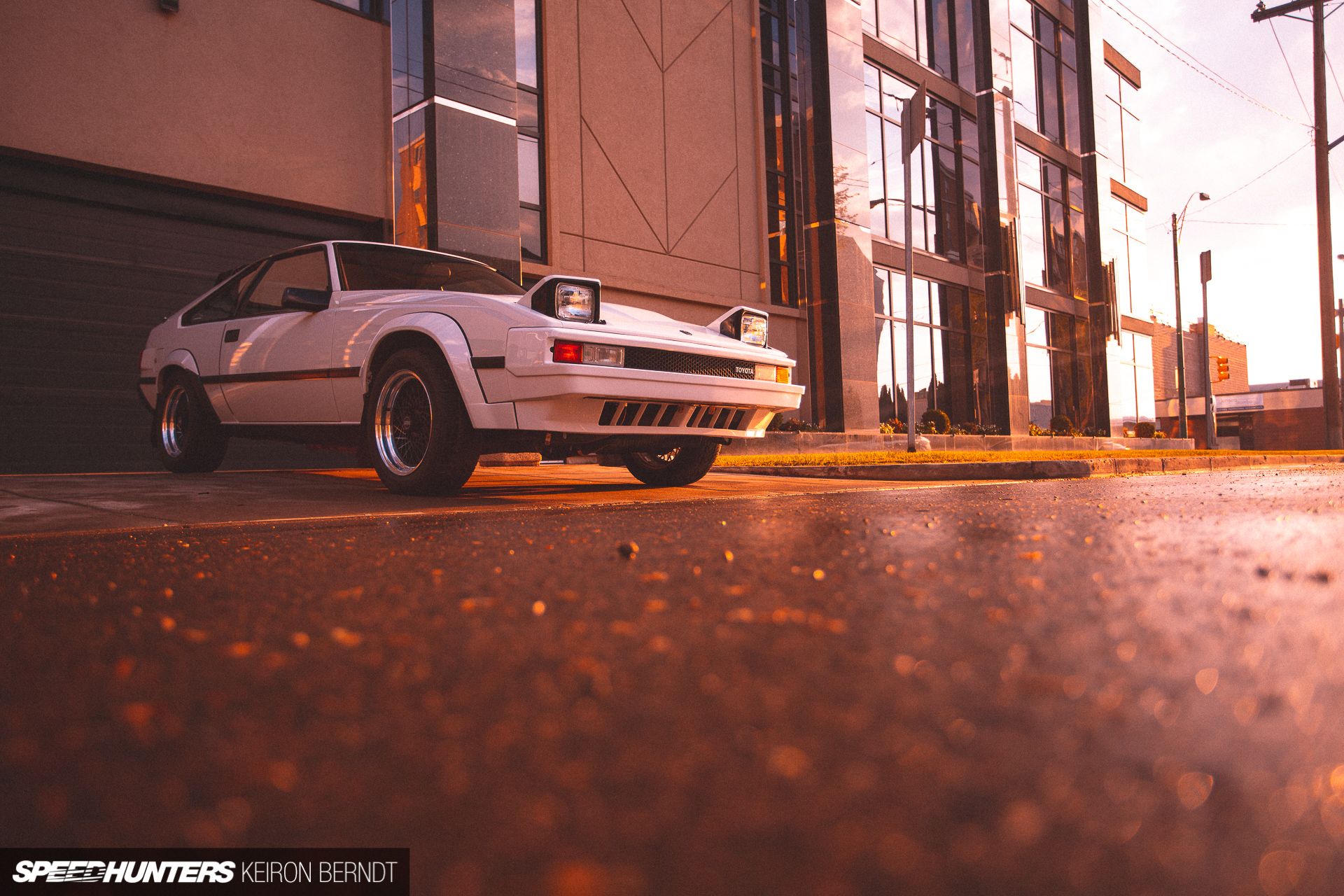
As Aaron grew, the allure of the car only increased, cementing his determination to eventually own one of his own. This is that car.
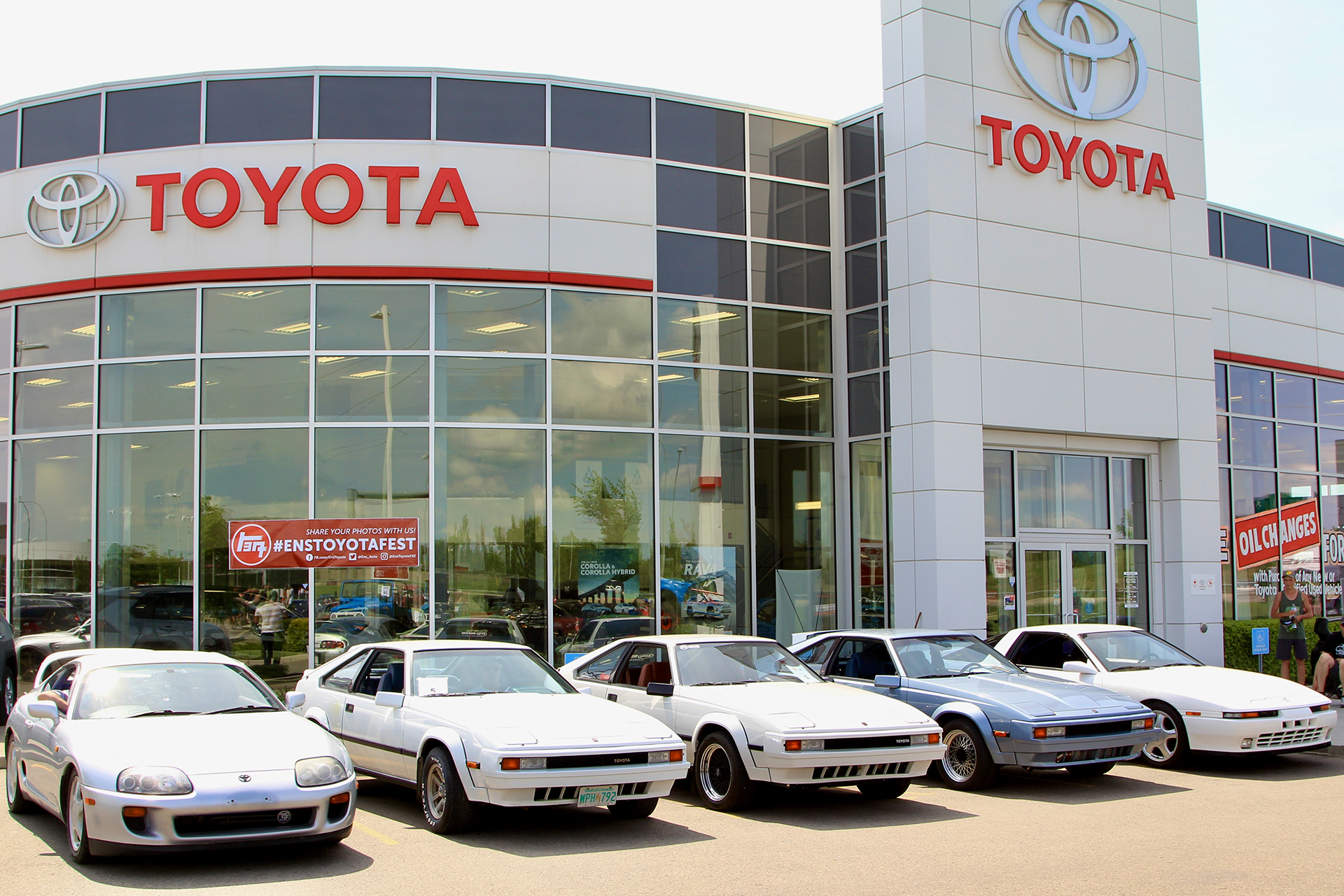
Aaron’s uncle wasn’t the only member of his family to own a Supra. Making up the photo above are cars owned by three of Aaron’s uncles and his cousin. Through the family connection, Aaron came to discover that the western Canadian Supra community as a whole was rather tight-knit.
His car came via that very community, and I was shocked to learn that it was at one point destined for the crusher. A slight miscalculation by the original owner rearranged nearly all of the factory sheet metal forward of the firewall.
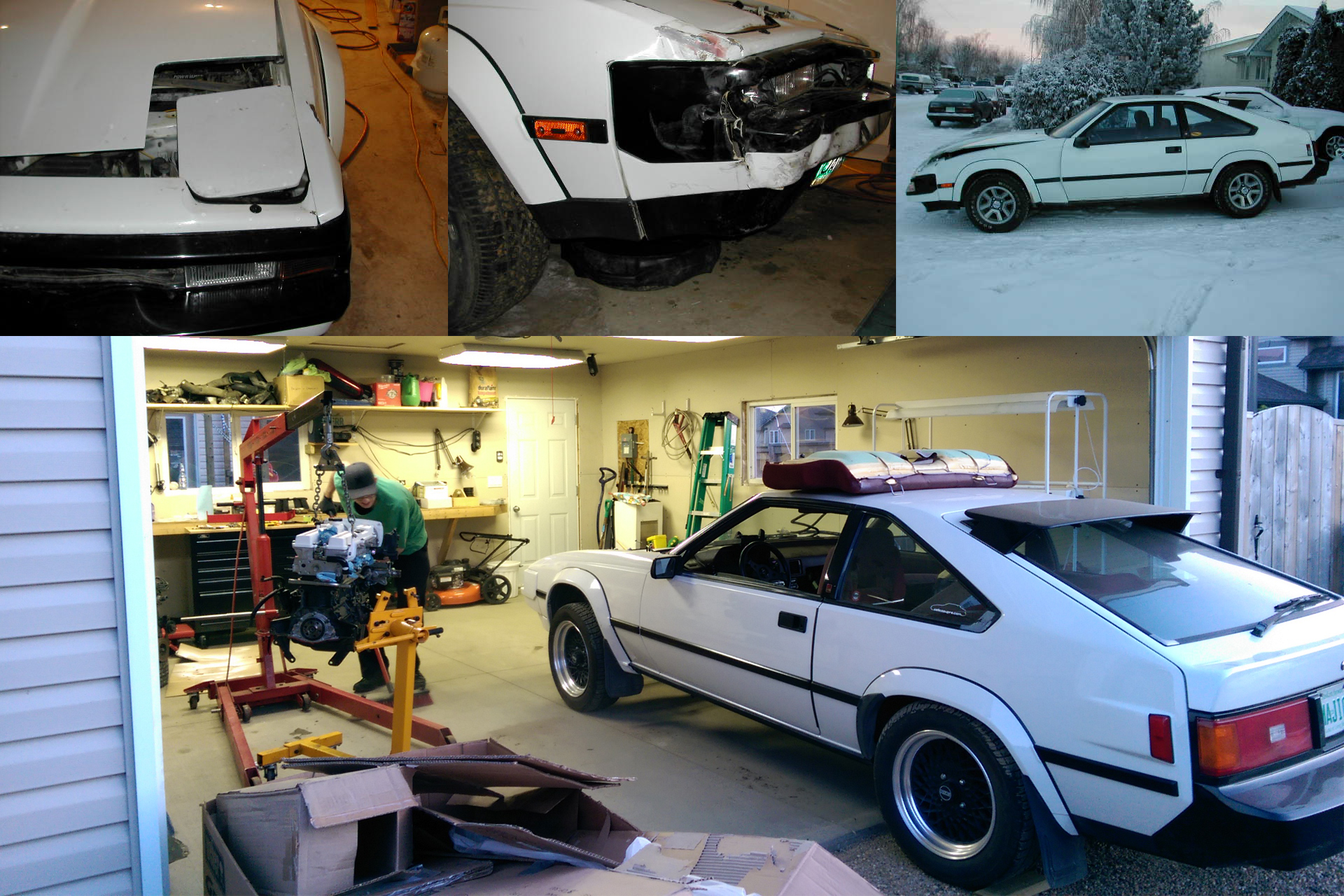
The car was saved by Ray, a long-time family friend who also had a thing for Supras. Sitting on a large stash of NOS (new old stock) Supra parts, Ray rebuilt and re-certified the car for the road.
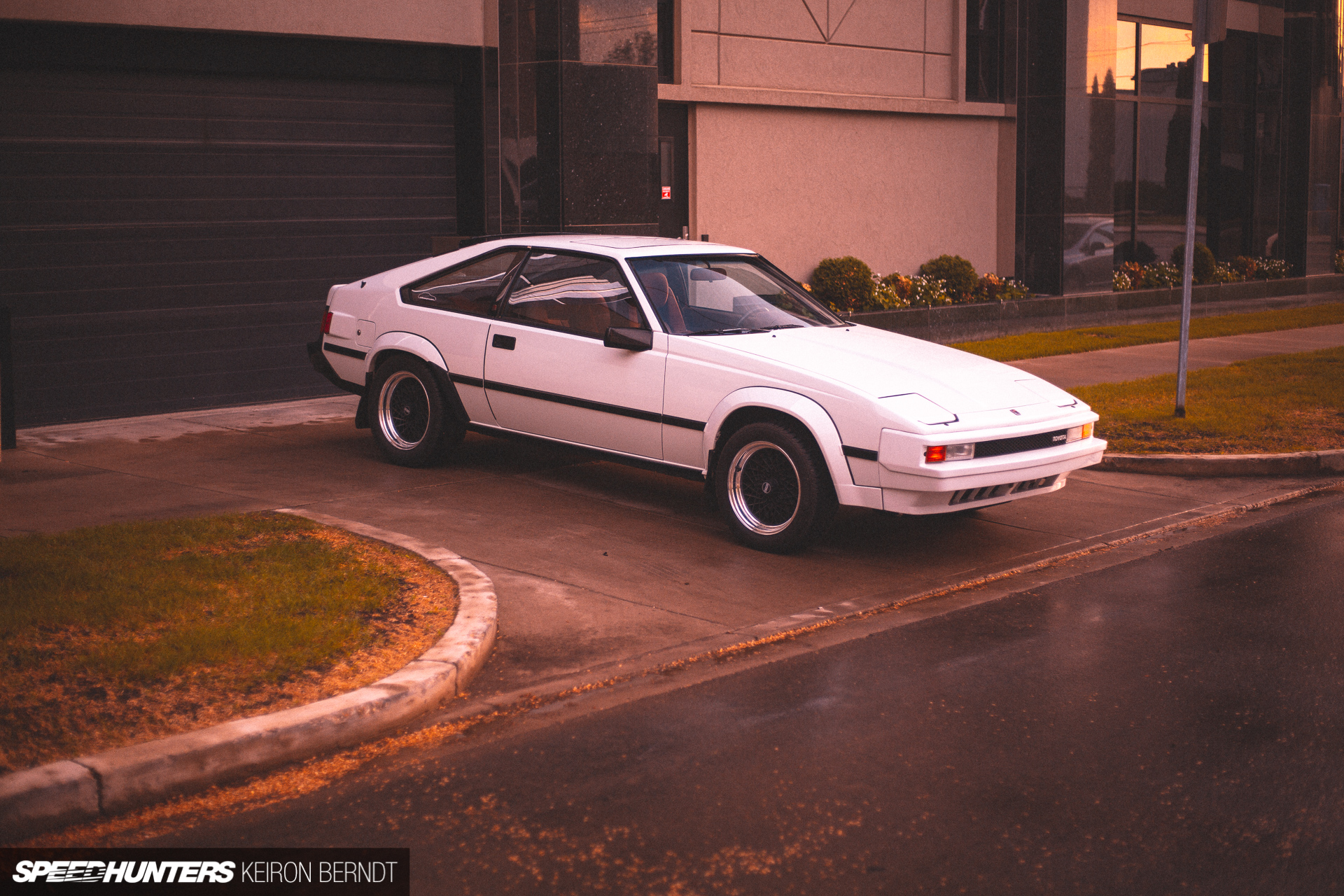
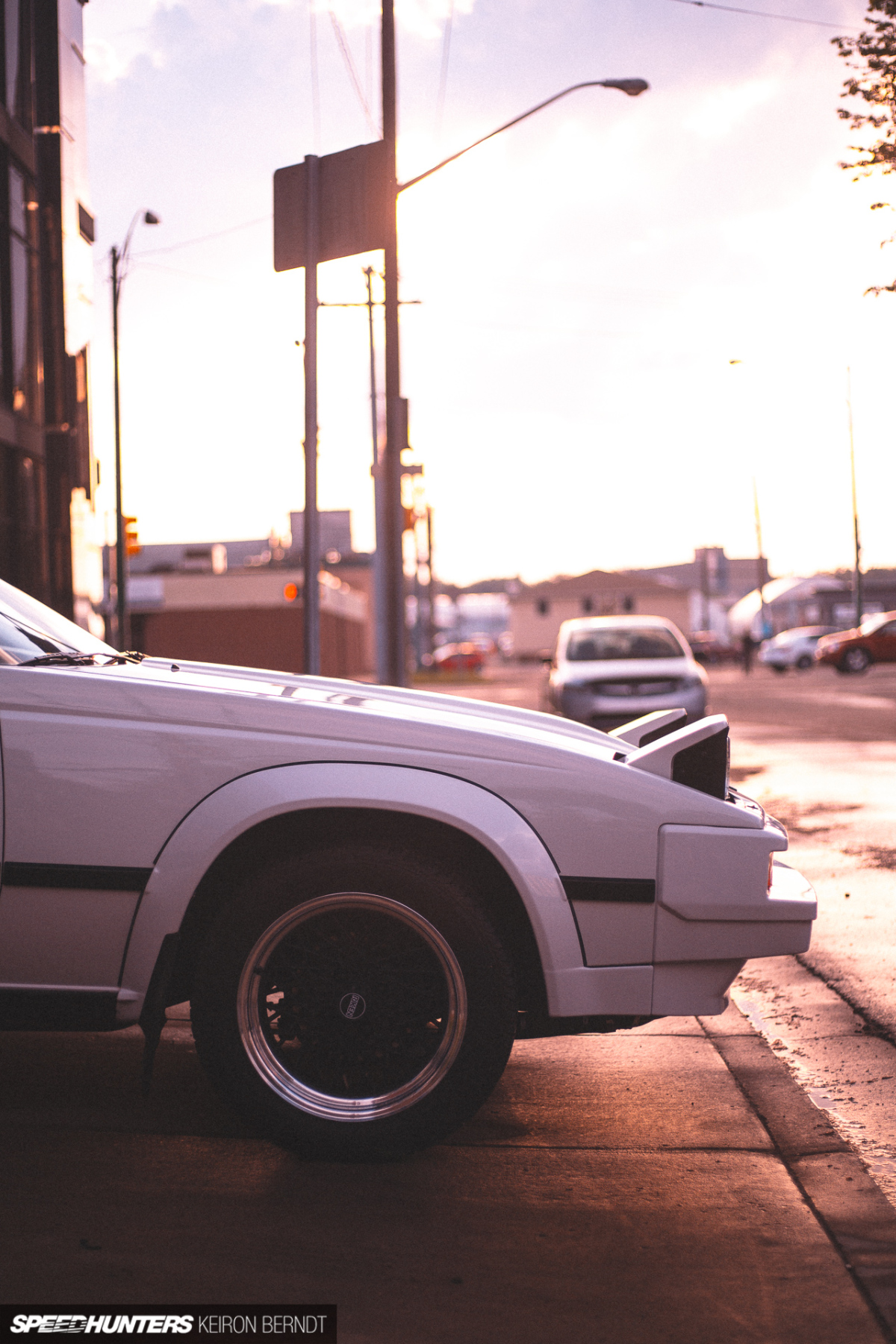
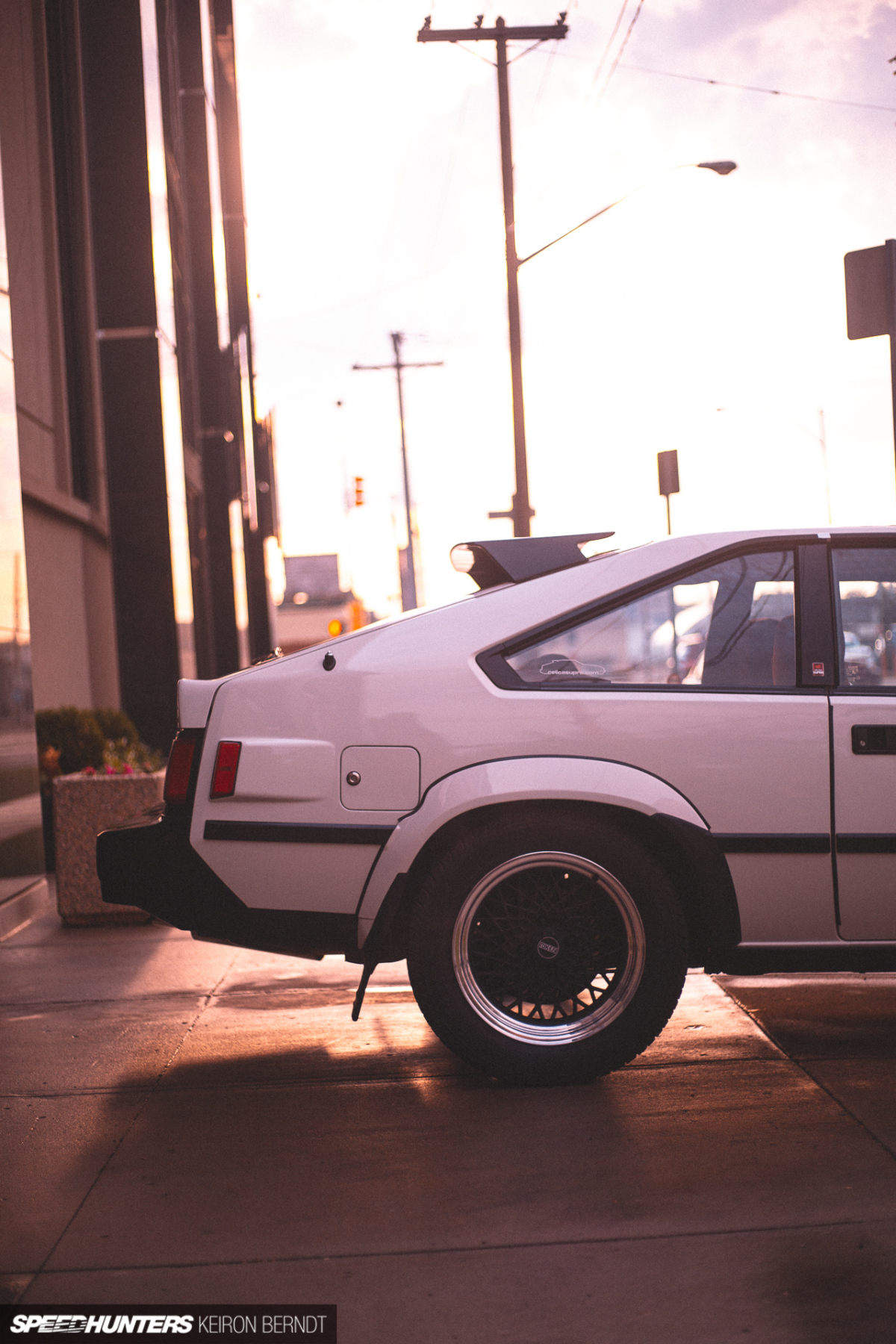
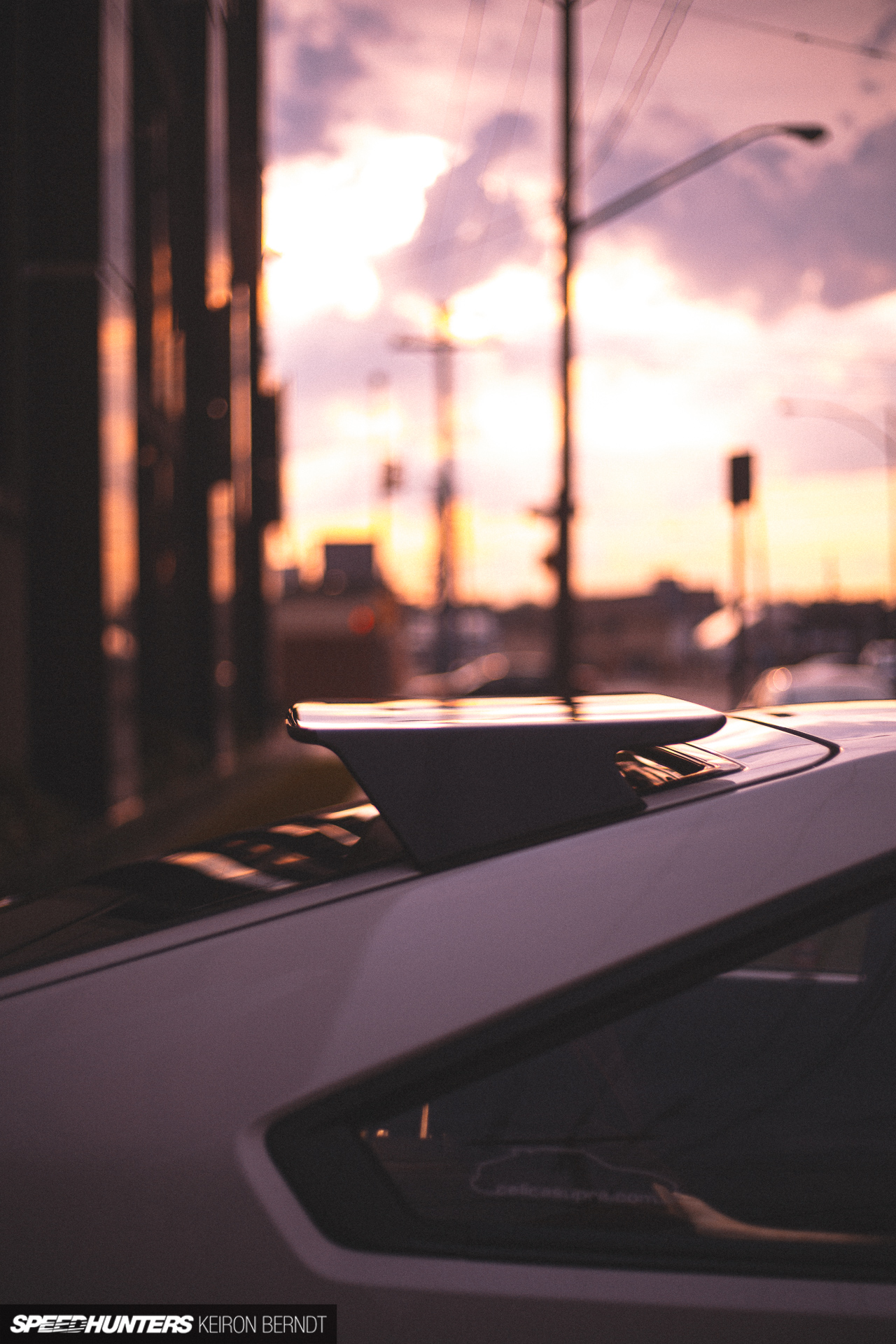
This Supra’s second kick at the can started in 2004, when Aaron took possession. Almost immediately the hunt for the right set of wheels began – by pestering a local Cressida owner. Persistence, bordering on annoyance worked in this case, as one day the owner showed up on Aaron’s doorstep and asked him to make him an offer on the 15-inch Rikens.
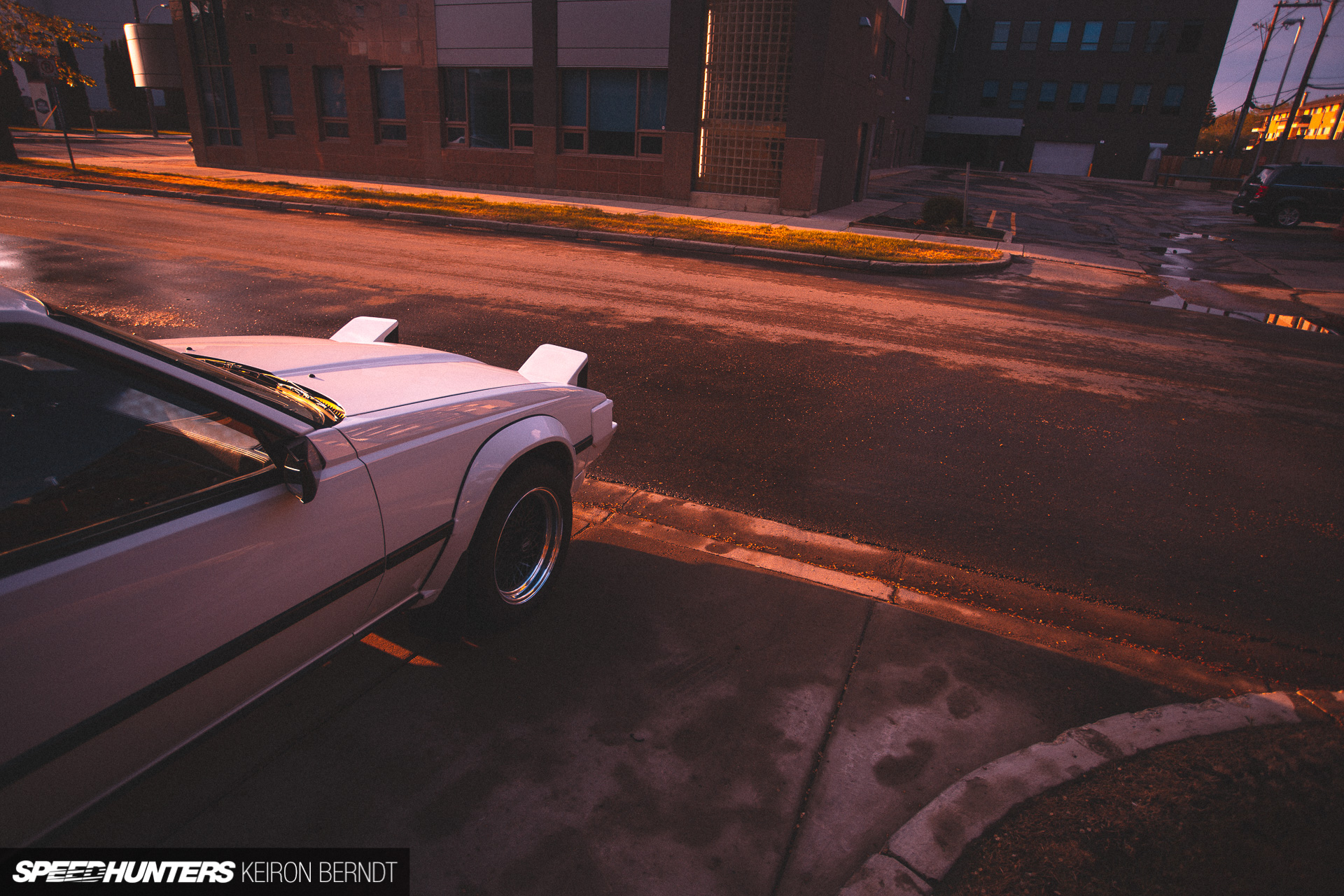
“The wheels are not the exact same as the one’s that were on my uncle’s car, but they are pretty close,” says Aaron.
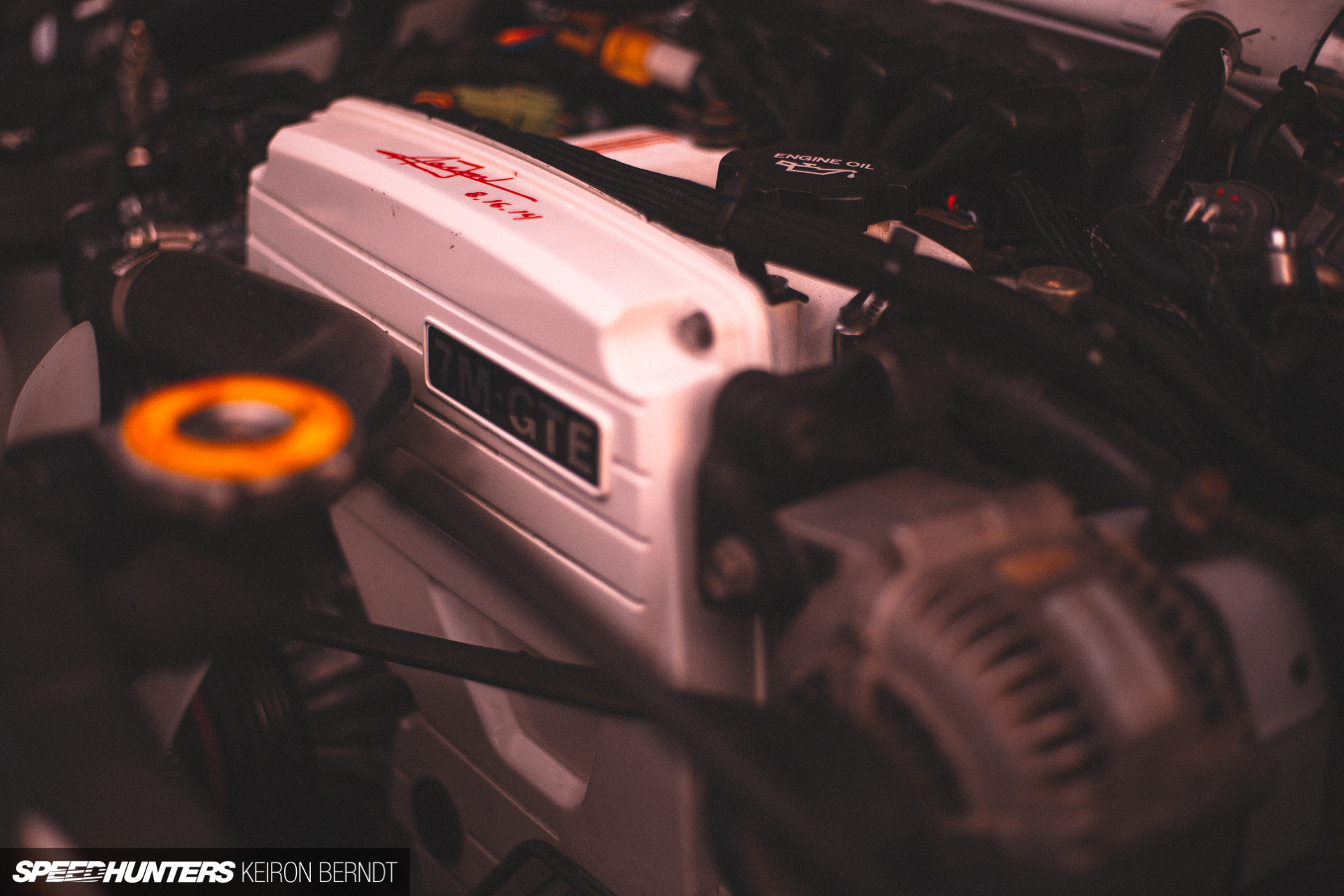
With his uncle’s car playing such a part in Aaron’s decent into Supra madness it shouldn’t come as much surprise that he opted to swap a 7M-GTE into his own car.
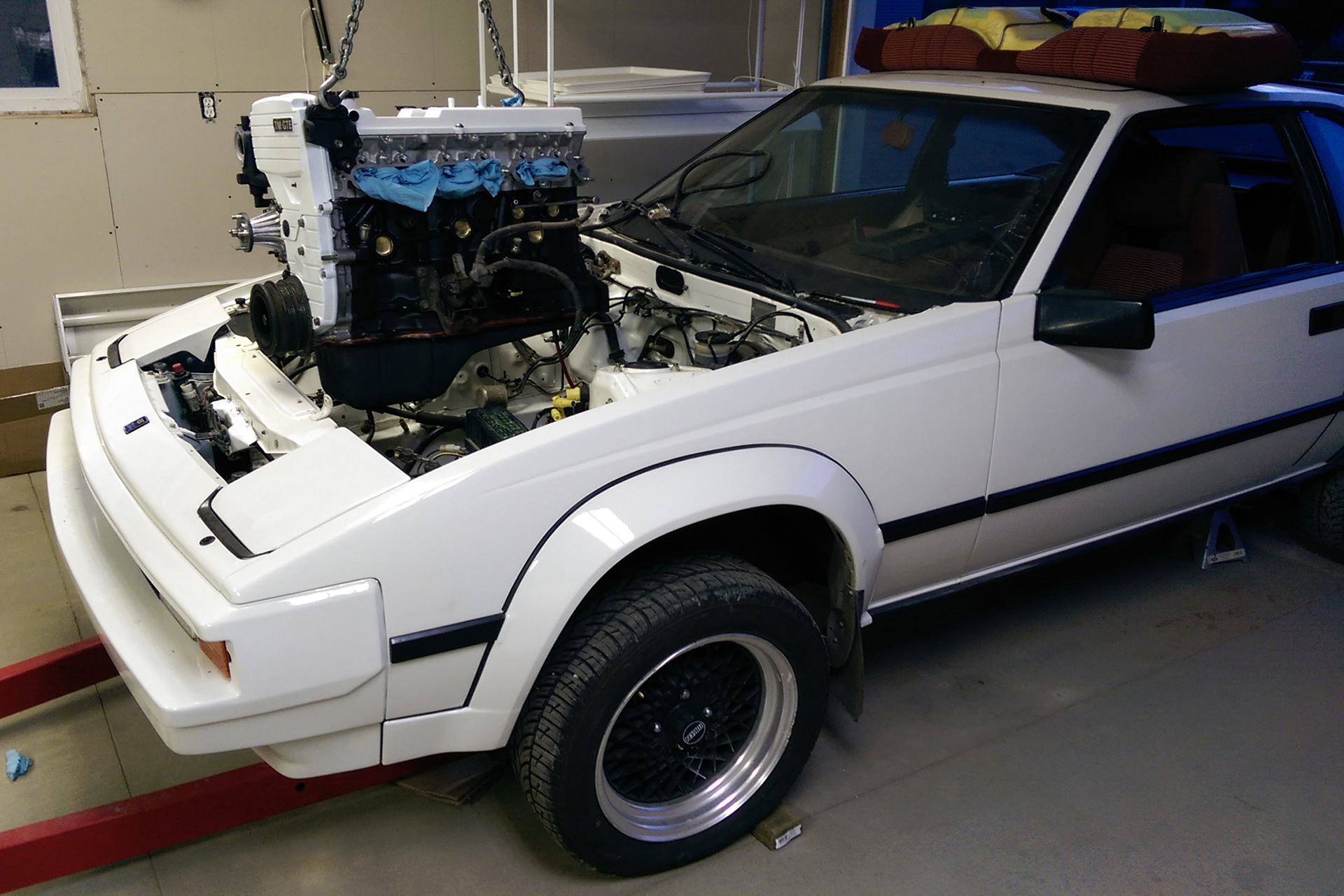
A glutton for punishment, the motor swap was performed just after Aaron became a new father. But, as most parents can attest, hobbies that don’t involve diapers are essential for one’s sanity.
The motor was purchased as ‘running’, and to the seller’s credit it did run just fine. However, due diligence required a quick look inside.
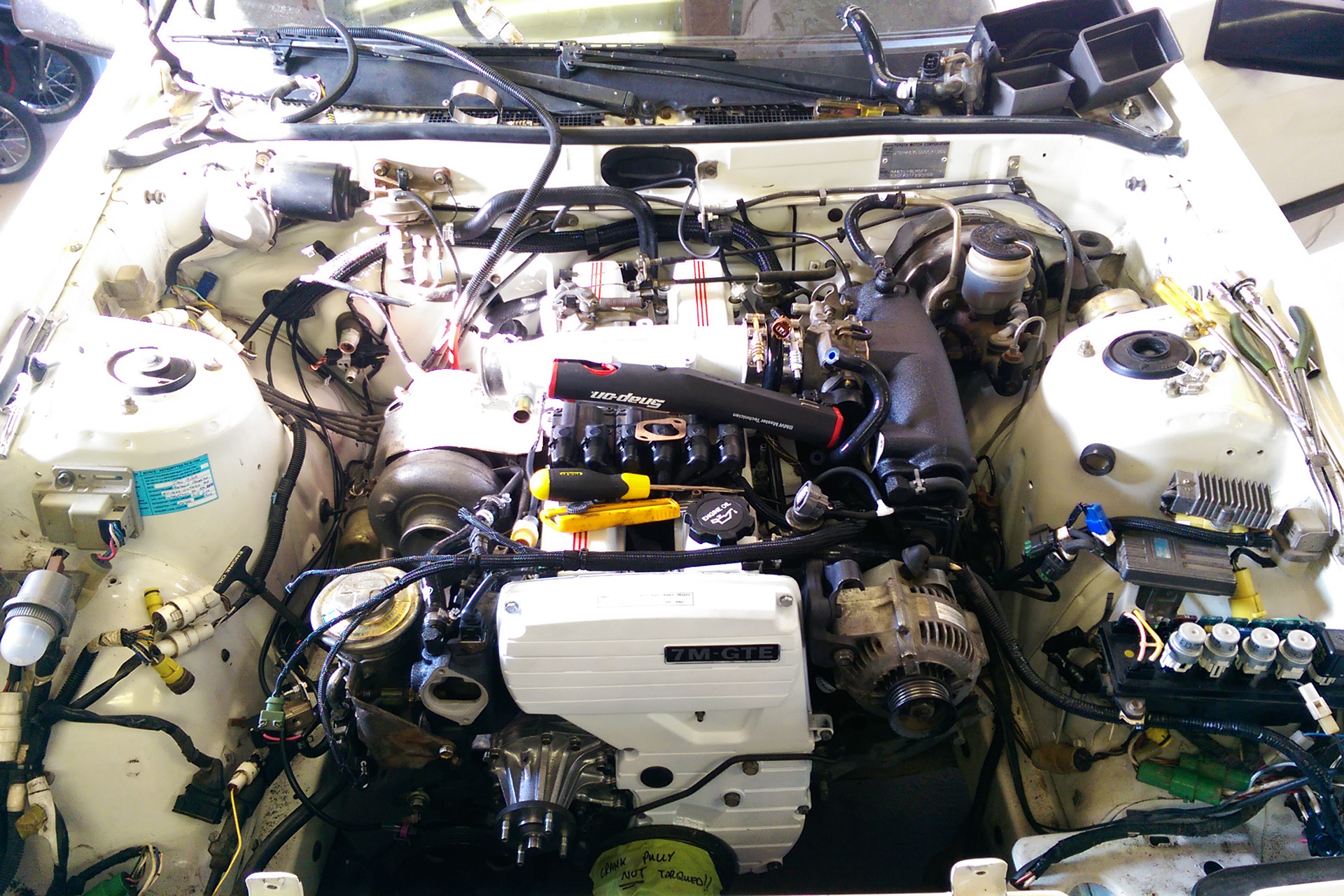
That ‘quick look’ turned in four months at the machine shop. The motor wasn’t in terrible shape, but it was no spring chicken either. Do it once, do it right; when time and money are a rare commodity it’s often the best way to operate.
During its refresh, the motor received .040″ oversized Wiseco forged pistons, and ARP head studs and rod bolts. The entire works also received a good cleaning and a lick of fresh paint on the the intake, valve covers and accessory pieces. Everything outside of the machine work, including final assembly, was done in Aaron’s own garage. As a BMW tech and shop foreman by day, he knows his way around a wrench.
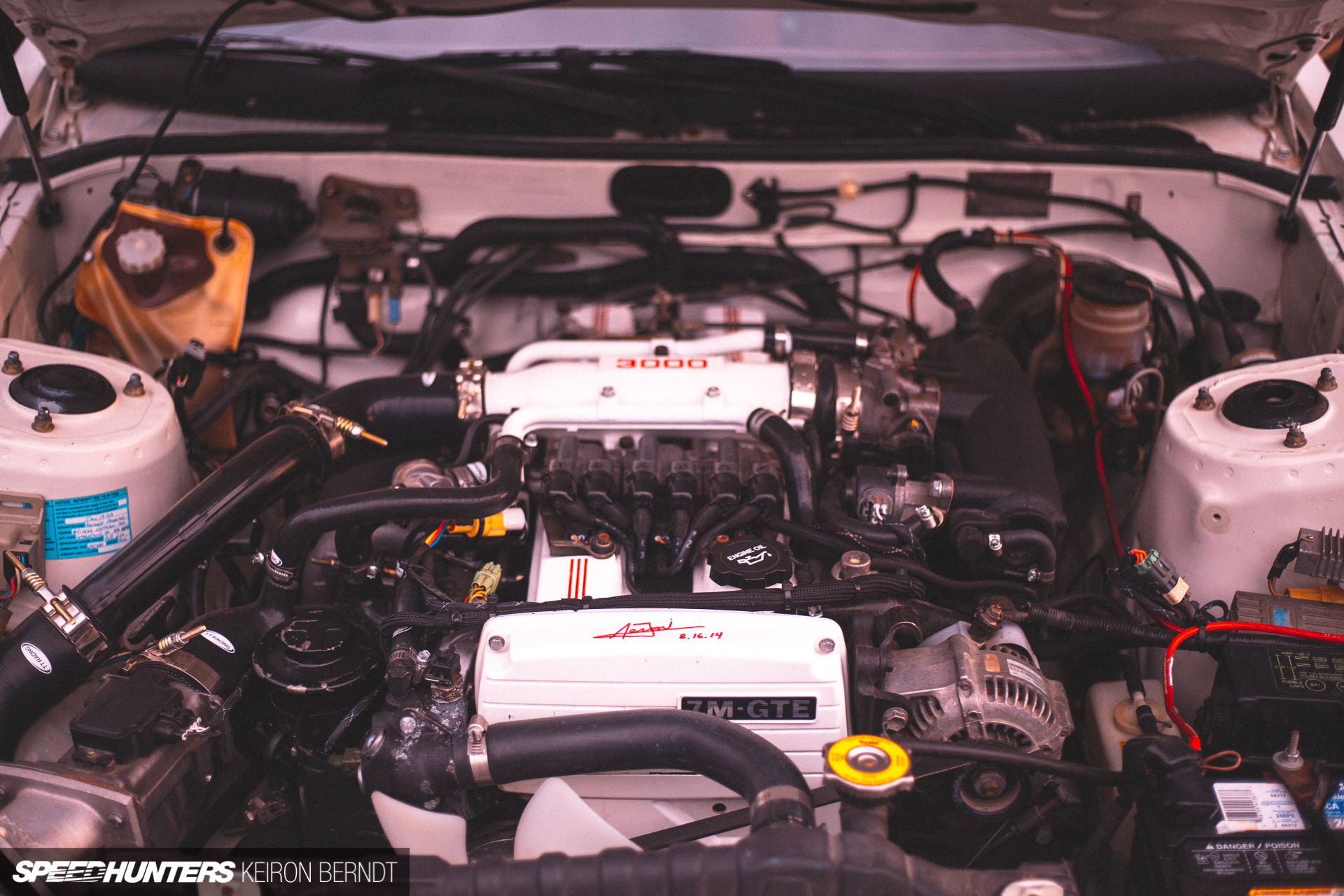
Backing up his considerable efforts under hood is a 3-inch turbo-back exhaust that’s terminated by an HKS Hi-Power stainless steel muffler.
Behind the straight-six is a 5-speed manual transmission running an HKS clutch disc and ACT pressure plate.

Visually, the Supra is in keeping with how cars from this era were presented. It’s not slammed – in fact, it’s not even really lowered much at all – the fender flares are factory, and the glass isn’t tinted. Fittingly, the paint color is also of ’80s vintage; the Alpine White I code was borrowed from the BMW paint book.
The list of what hasn’t been done to impact the car’s appearance is longer than what has been done, but what has been done, both inside and out is incredibly fitting.

The steering wheel is a Grant GT item straight from 1985; when it comes to the prototypical race-styled wheel, the GT is hard to beat. The shift knob is also an older Trust/GReddy item.
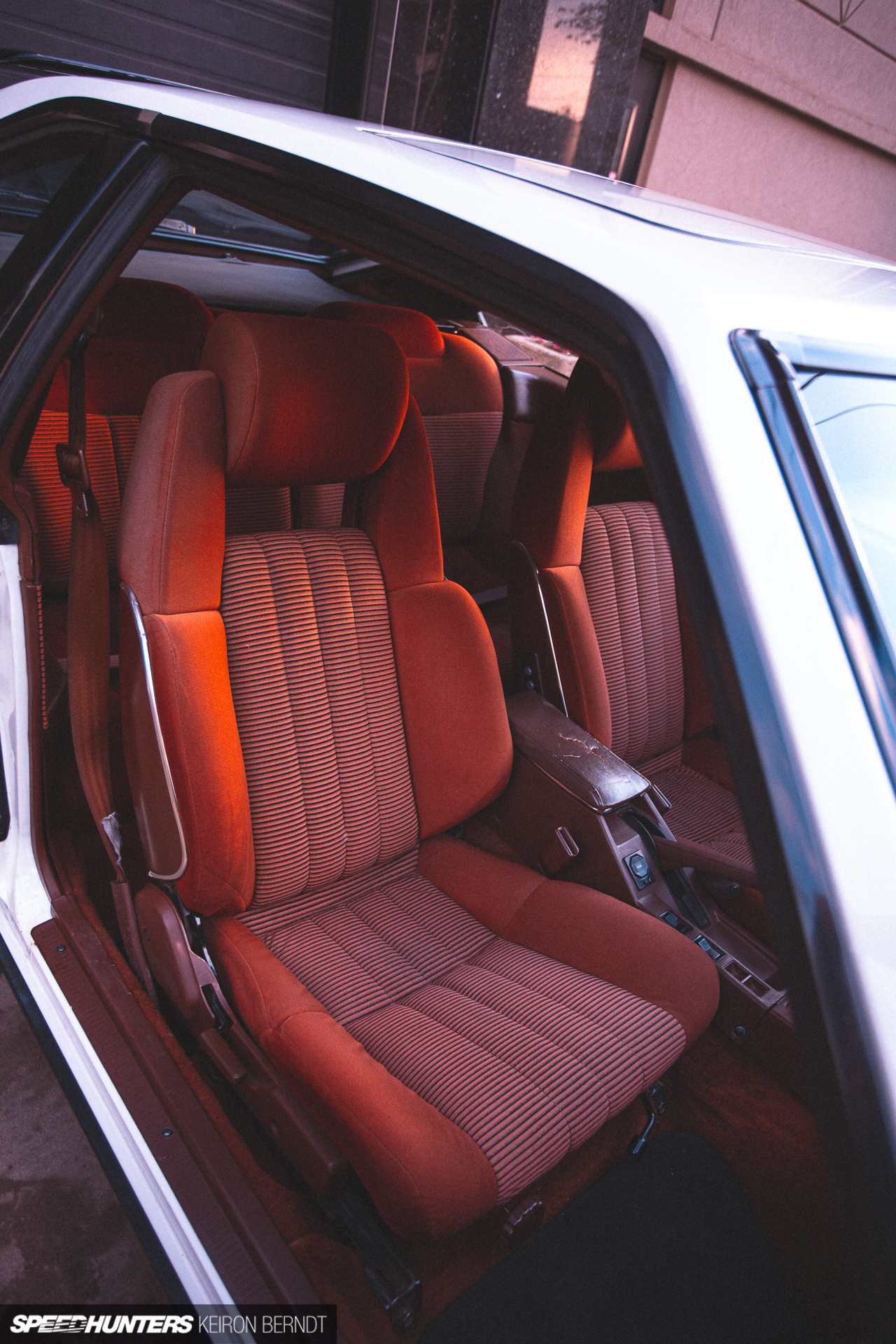
The best of four front seats were combined to create the welcoming interior.

Aaron drives this car a considerable amount, all over the province of Saskatchewan, Canada. Visually, due its relative rarity, it attracts a fair deal of attention.
The term ‘sleeper’ gets thrown around a little too much, but, performance-wise, thanks to the later model engine, this car is capable of surprising many a younger vehicle that might try to act slick.

Since the swap was completed four years ago, Aaron has put more than 5,000 kilometres on the odometer with no end in sight.
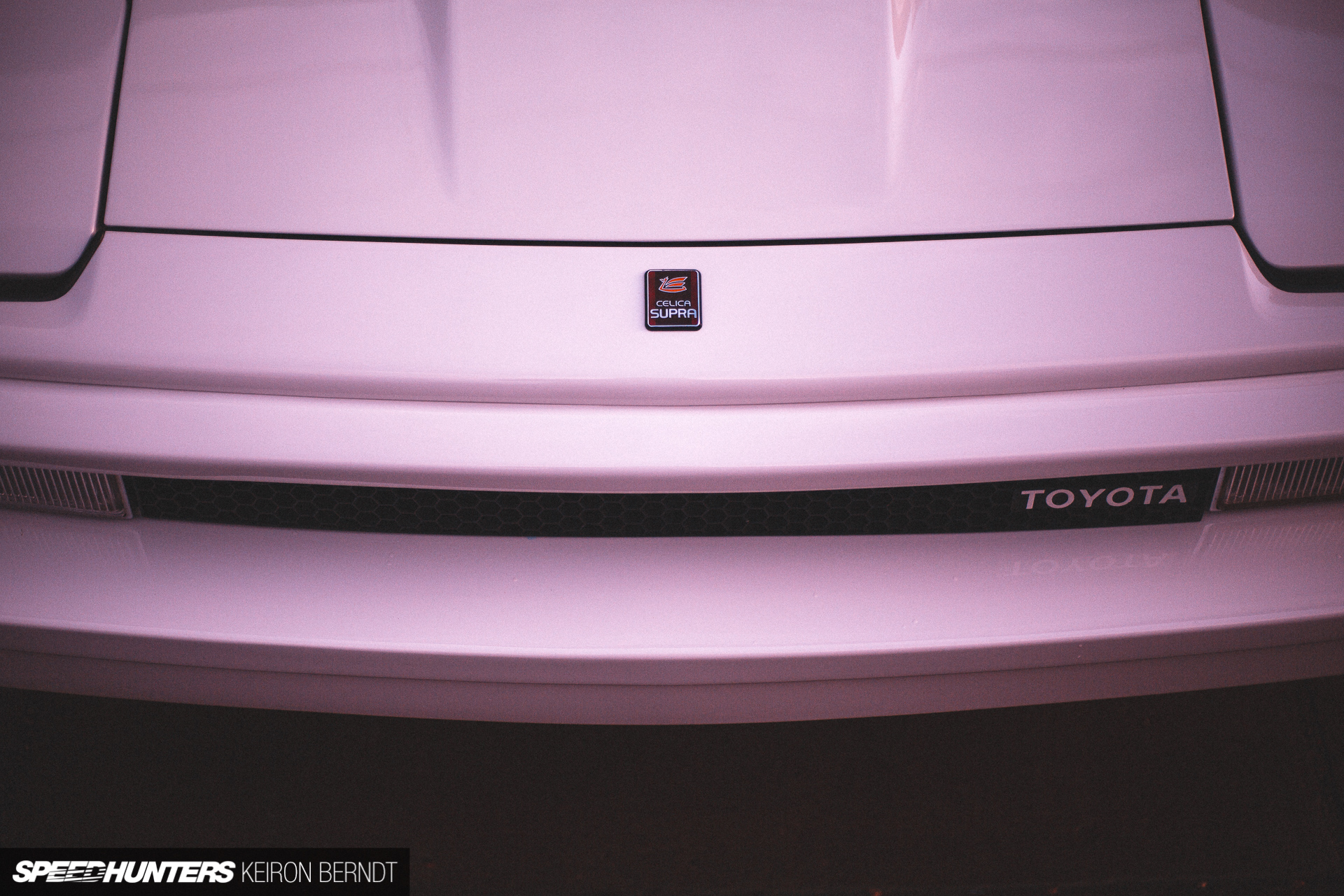
His daughter calls it Daddy’s ‘vroom vroom’, but Aaron thinks all cars deserve a proper name, and the one you’ve all just met is Jessica.
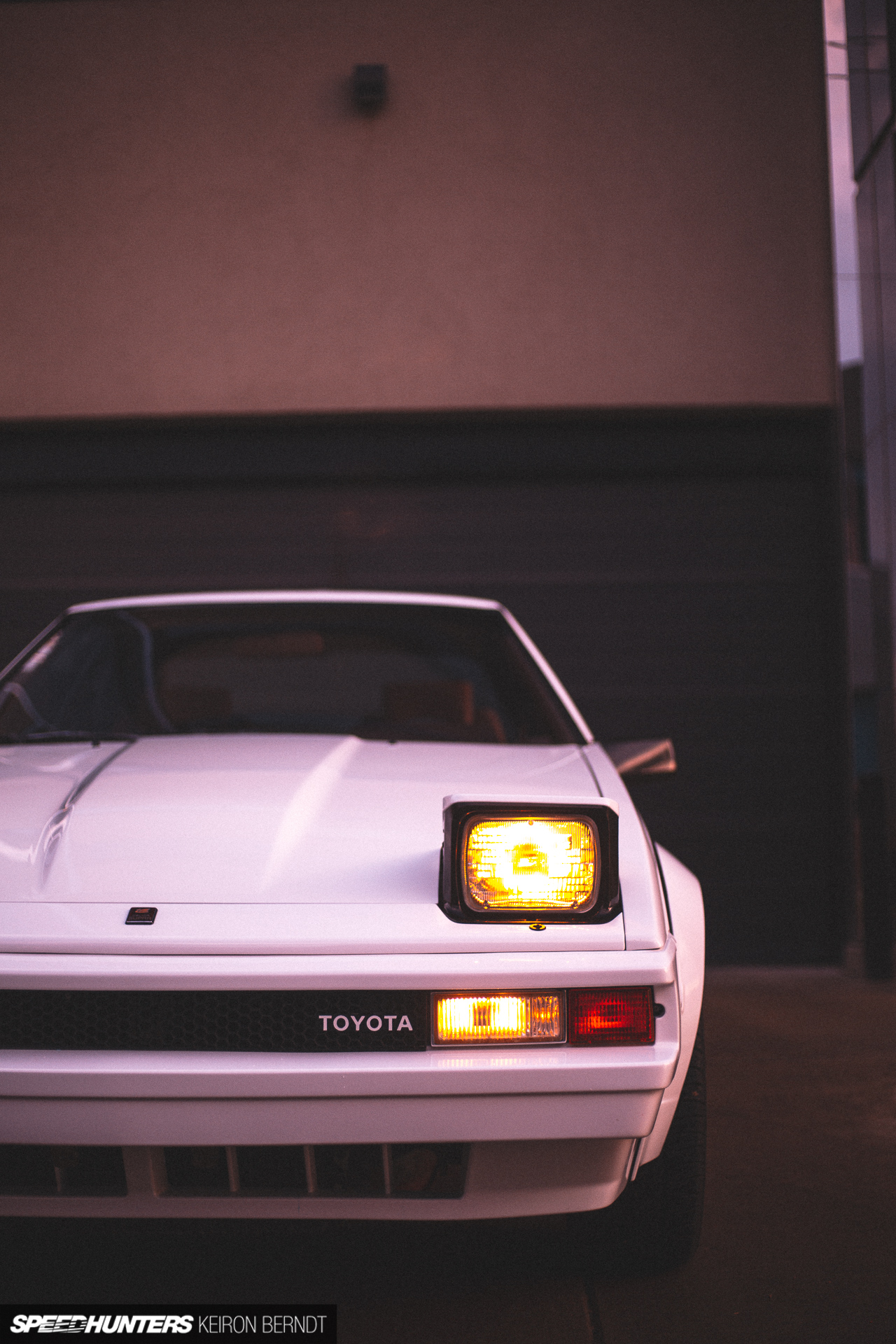
Hi Jessica.
Dave Thomas
Instagram: stanceiseverythingcom
Photos by Keiron Berndt
Instagram: keiron_berndt