
Do you remember your first introduction to the Mazda RX-7? I do.
I was 17, in auto class, and my teacher drew an oval on the board with an odd-looking triangle inside and asked if any of us students knew what it was.

No answer came back, and once he regained the classroom’s attention after writing ‘wankel’ under his drawing, he launched into telling an abridged version of how Mazda used the rotary engine as a way to mark its independence among other Japanese automakers. Several manufacturers, both Japanese and non, invested in development of the rotary engine, but Mazda was the only one to stick it under the hood of various cars fit for public consumption.
In the late ’90s, the time of his lesson, the only Mazda model left with a rotary engine was the RX-7.

Once Mr. Dinner (real name) got into a more technical description of the motor – its use of the constantly-firing combustion cycle, oval-shaped housing, spark plug placement, and intended location and function of the apex seals – I seem to distinctly remember many eyes glazing over. When the lesson was finished, most of the class buggered off, but a friend and I stayed at the board attempting to make sense of the sorcery we’d just been exposed to.

At the time, each of us were you’re typical V8 fanatics; if it didn’t have push rods and Flowmasters were were somewhat out of our element. That said, I was intrigued by the rotary engine’s uniqueness, but still skeptical (you’ll have to forgive me, I was young and ignorant).
Skepticism didn’t turn into interest until I heard my first truly tuned rotary. ‘Brap, brap brap‘ gave the ‘thump, thump, thump’ I was used to a serious run for its money.
BraptizedAt launch, Mazda put the rotary engine in a variety of vehicles, but I don’t think it can be disputed that it’s seen most of its market adoption in the RX-7. It’s a tough call to say whether or not the RX-7 would still have the immense following it does today if it had been fitted with a more traditional power plant, because many a well-designed car has been made or broken by a curious, or simply uninspiring engine choice.
As gear-heads, turning our collective enthusiasm toward a car that can be a temperamental, oil-burning, money-consuming enigma seems entirely illogical. But then again, logic likely drives less than 20% of our car-buying decisions.

Despite its faults, the RX-7 remains on a pedestal of greatness. I have a friend who currently has three of them. None run and I swear each time I open WhatsApp there’s a message informing me he’s bought another; bless his wife and accountant. I’m willing to bet that most of you have that same friend, and if you don’t, you might be that friend…
But again, why do we love these cars? Are we gluttons for punishment, intrigued by their mystique, or is it something else? Is taming a rotary similar to being a snake charmer, something that takes a special amount of dedication and bites to the arm to master?
Outside In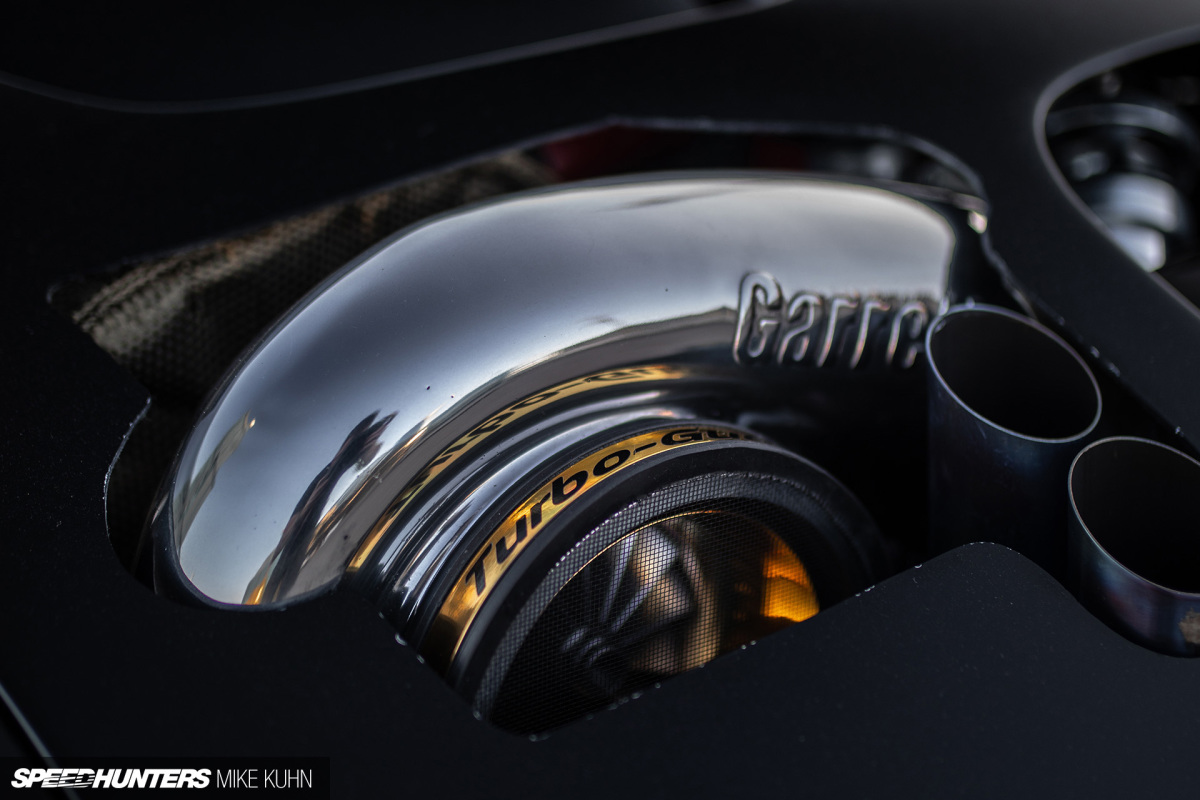
Stepping away from the conundrum that consumes fuel, oil, and money under the hood, I challenge you to name a Japanese vehicle that has looked as consistently great throughout its entire model run as the RX-7 did. Sure, that run ended in 2002 (before cars seem to continuously balloon in size), but perhaps it’s best to take the Seinfeld route and go out on top rather than whimper into non-existence.


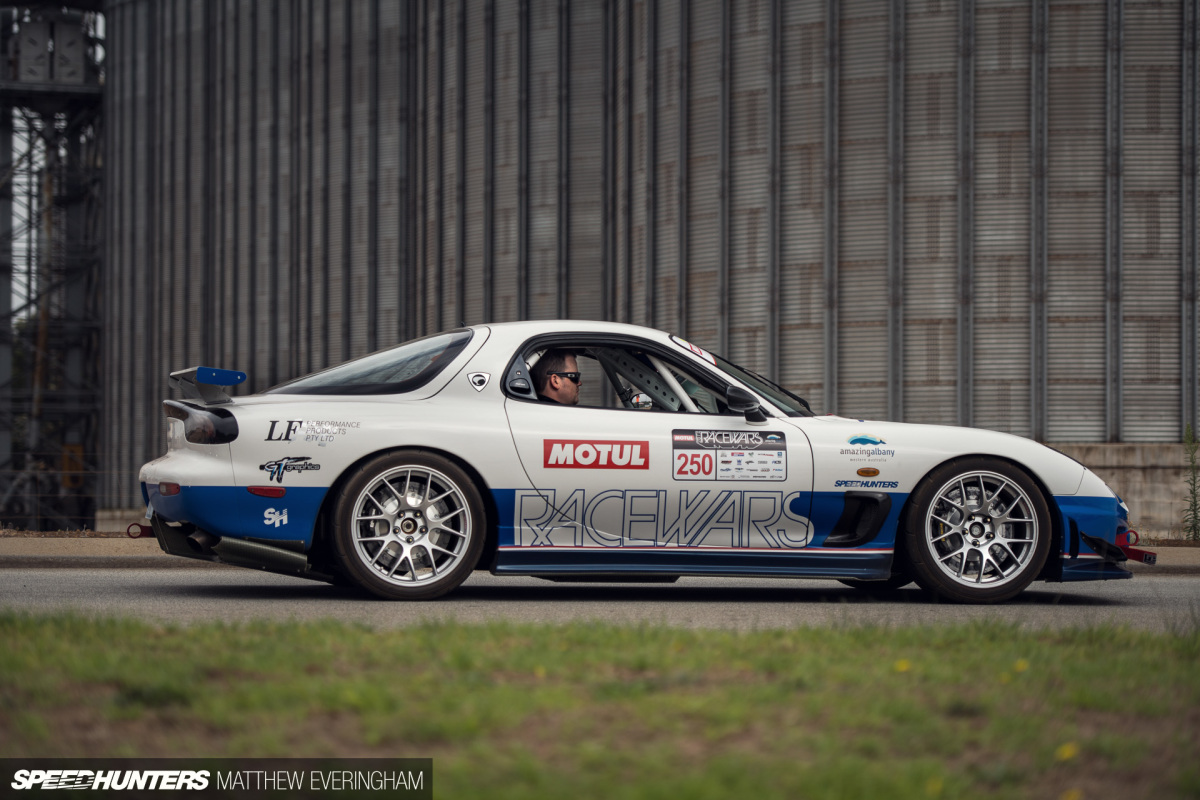
From Matasaburo Maeda, to Akio Uchiyama, to Tom Matano and Yoichi Sato, all designers both tapped into and carried the torch appropriately from one generation to another. I’m sure some of you have your own favorites, but I honestly have a hard time picking a single, visually-superior version. They all just look so damn good. And not even just one way.
Inside OutNon-superficially, a quirky motor and great styling falls entirely flat if the driving experience is well… sh*t. But the RX-7’s is far from that. The chassis has always maintained an ideal balance and remained fairly light. Early model RX-7s featured a live axle, 4-link rear end, but that was later refined out and replaced with a very capable independent rear suspension.
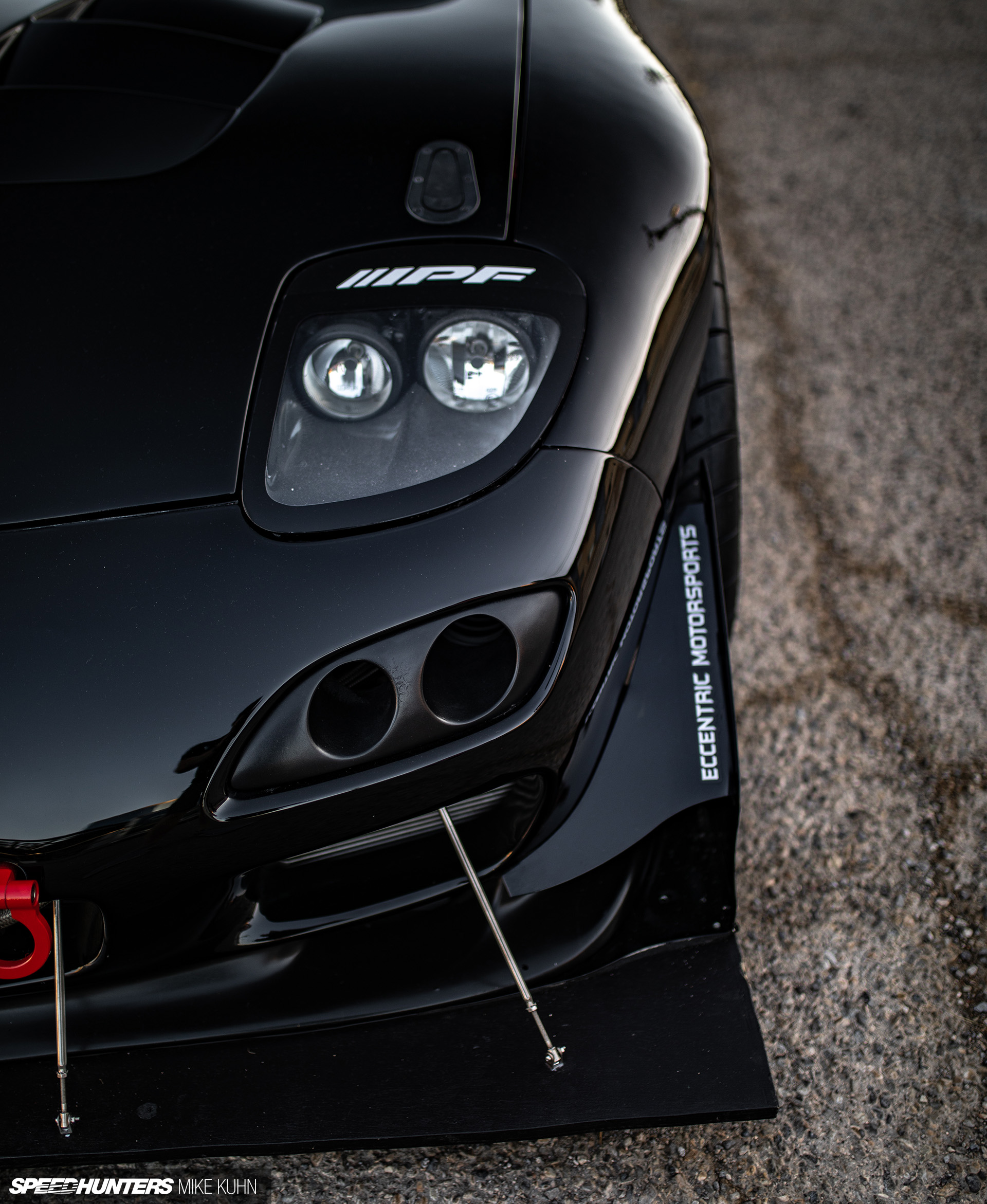
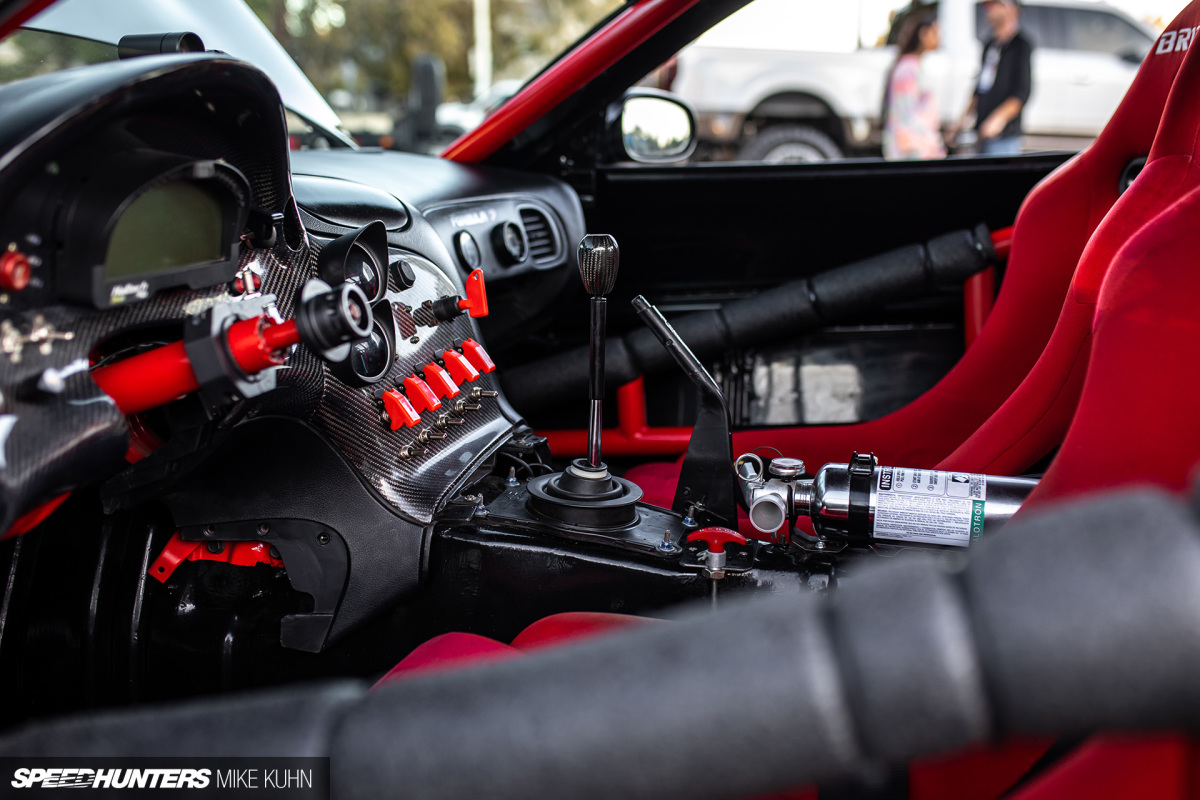
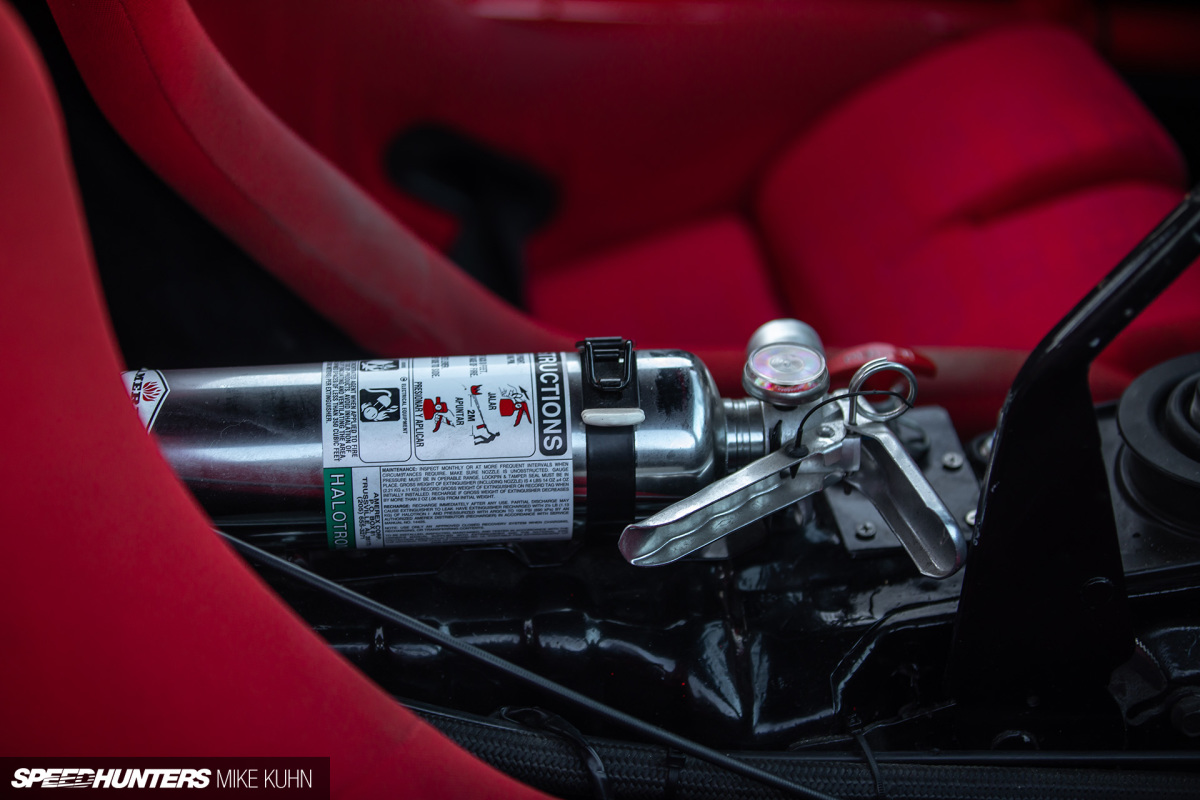
The cars didn’t make a ridiculous amount of horsepower in any iteration, but the power-to-weight ratio was always quite respectable – especially with the turbocharged models. As time has gone on and we’ve grown to better understand the rotary, some real fire-breathing monsters have been created.
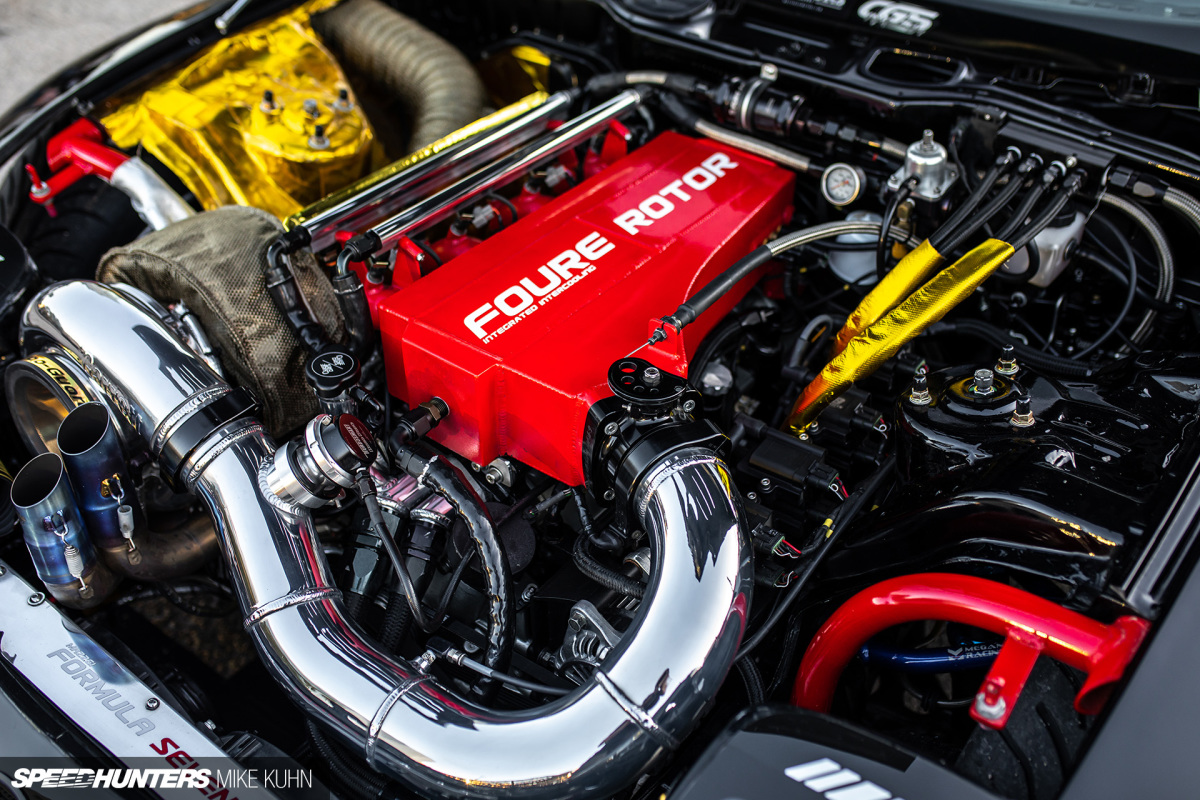
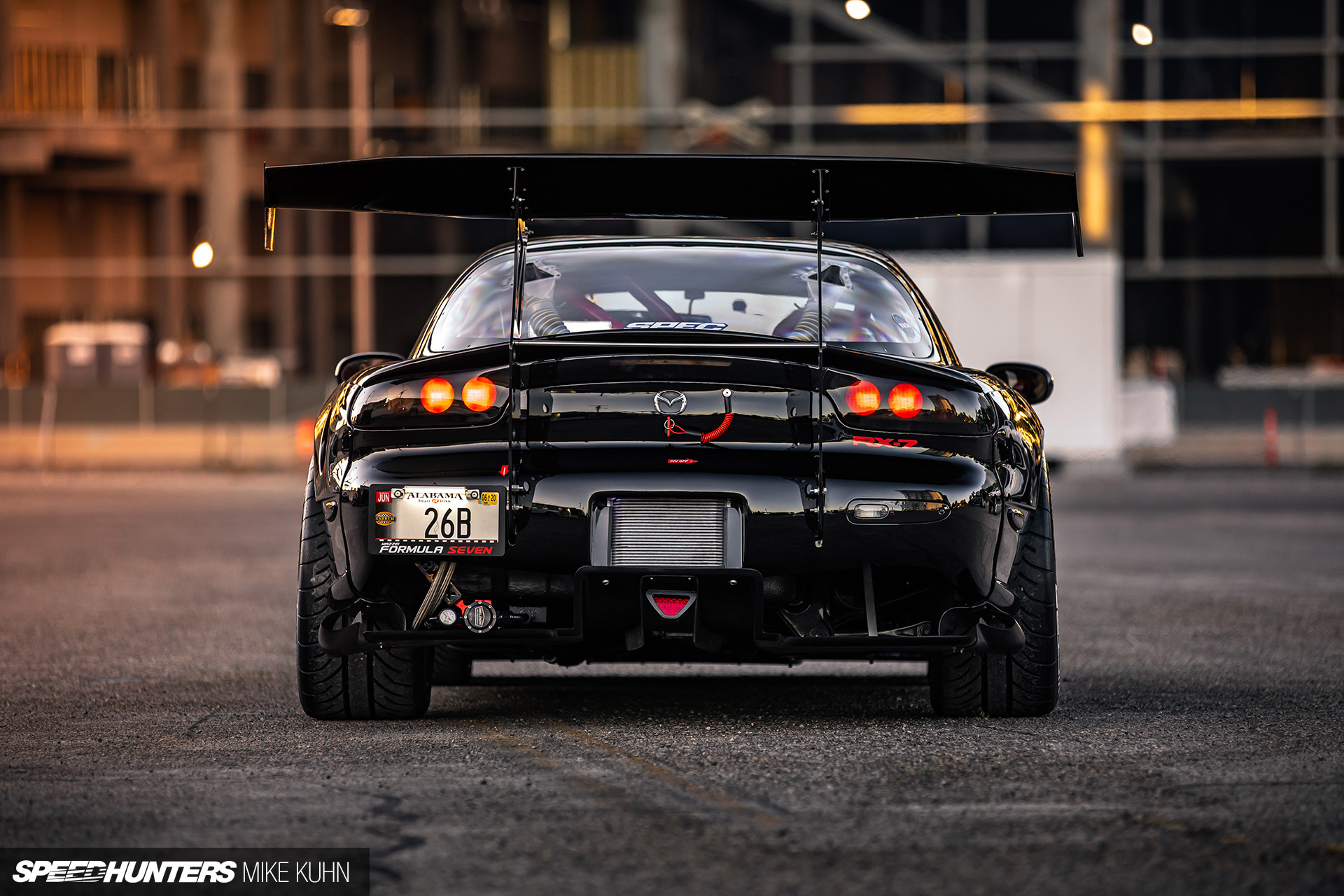
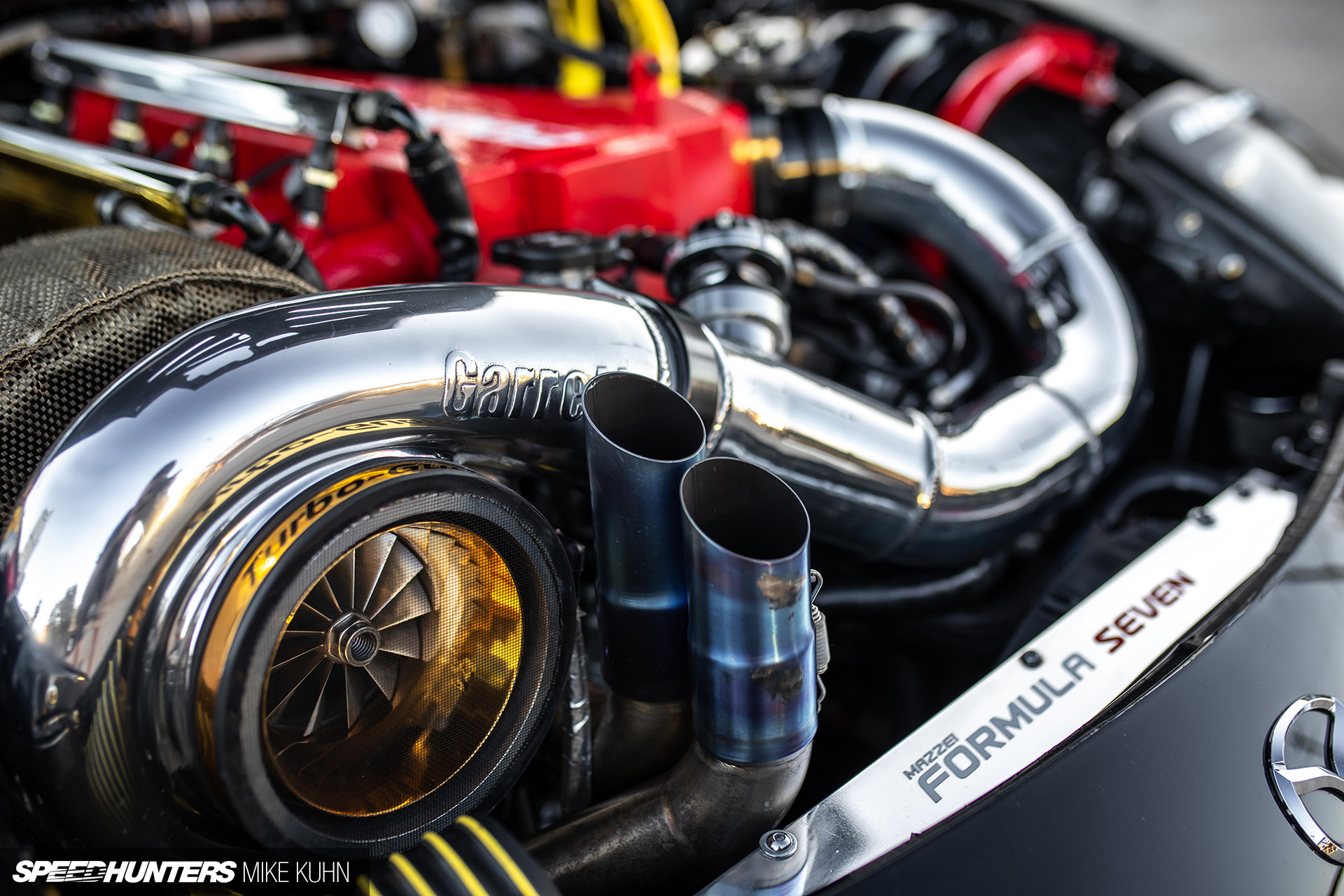
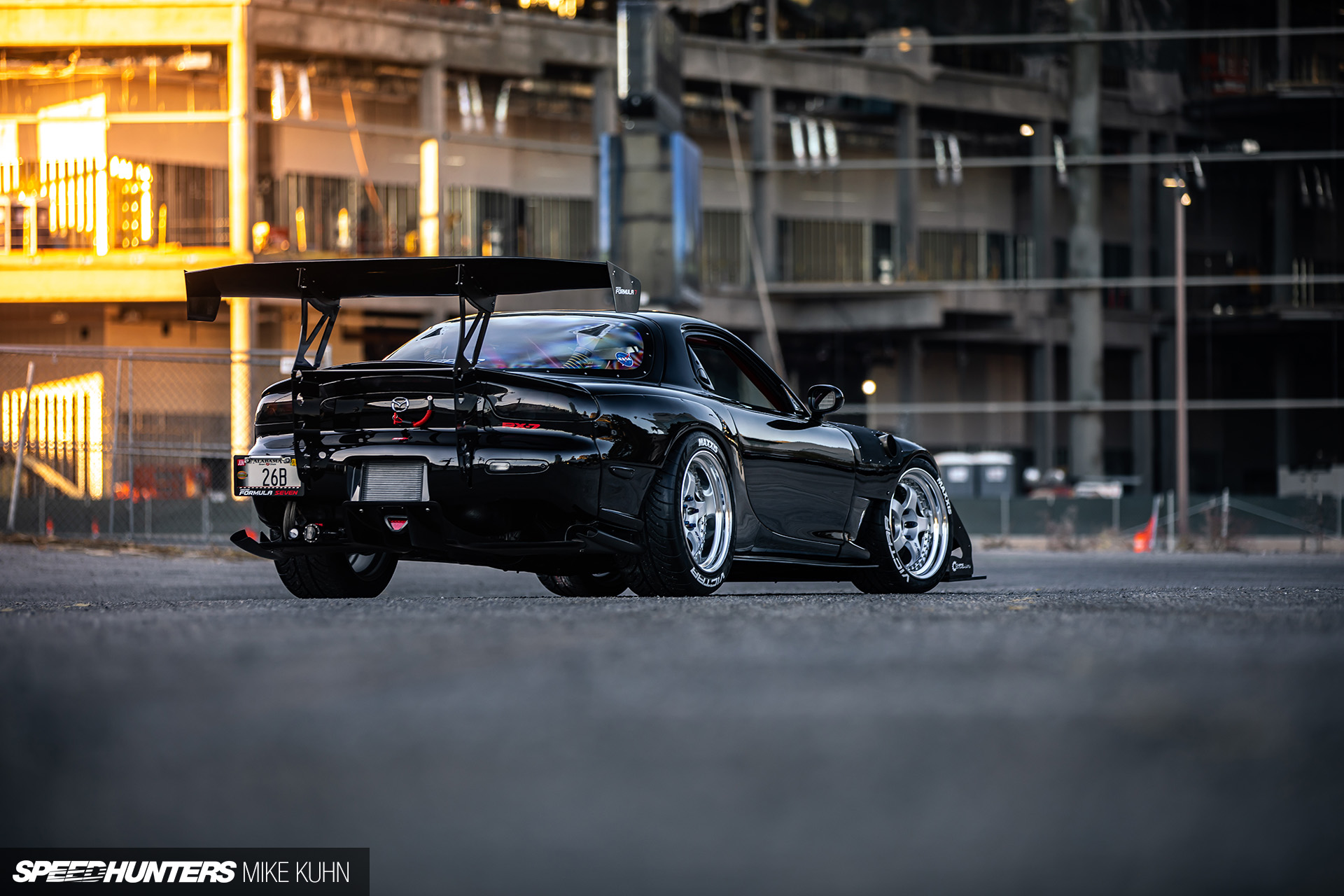
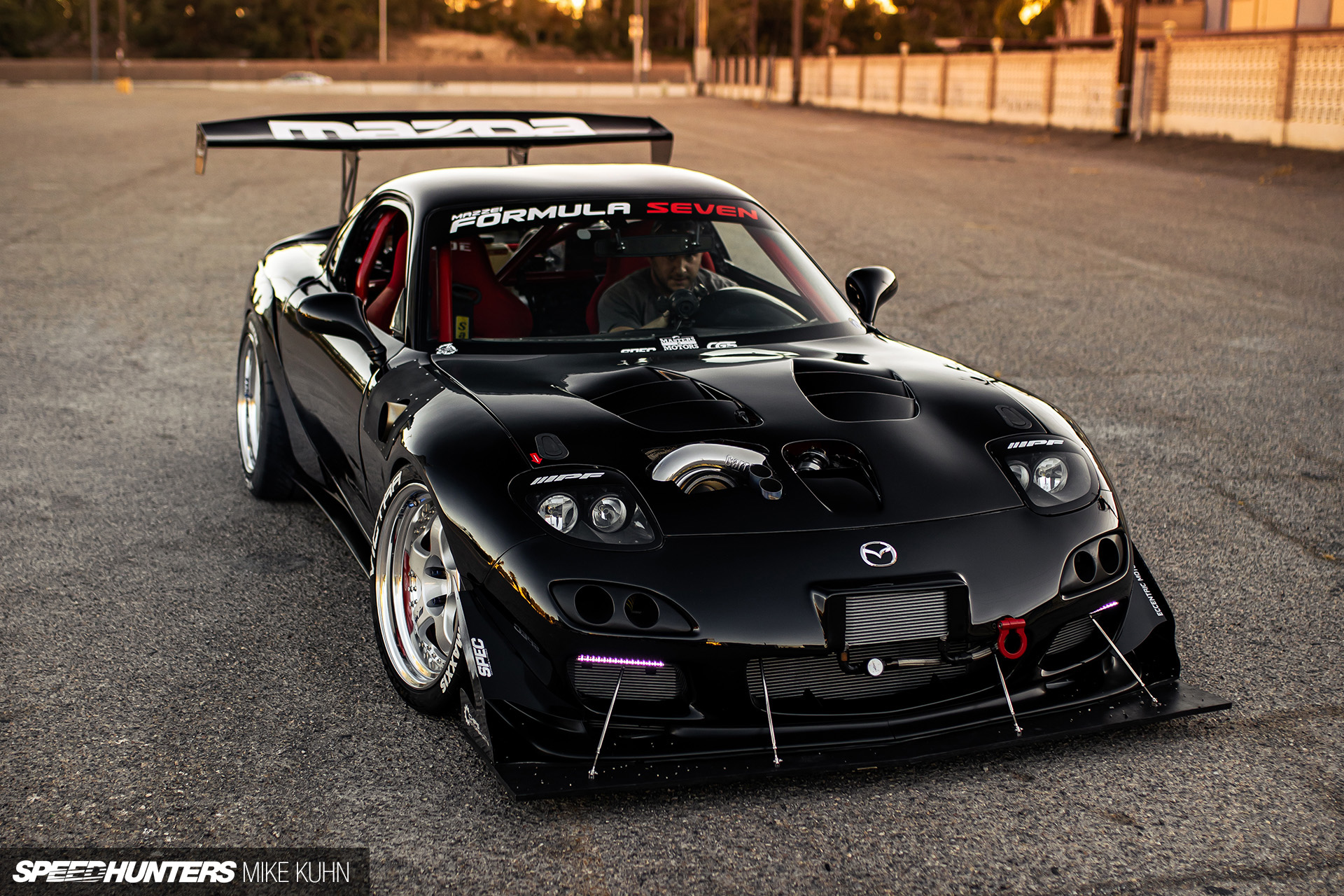
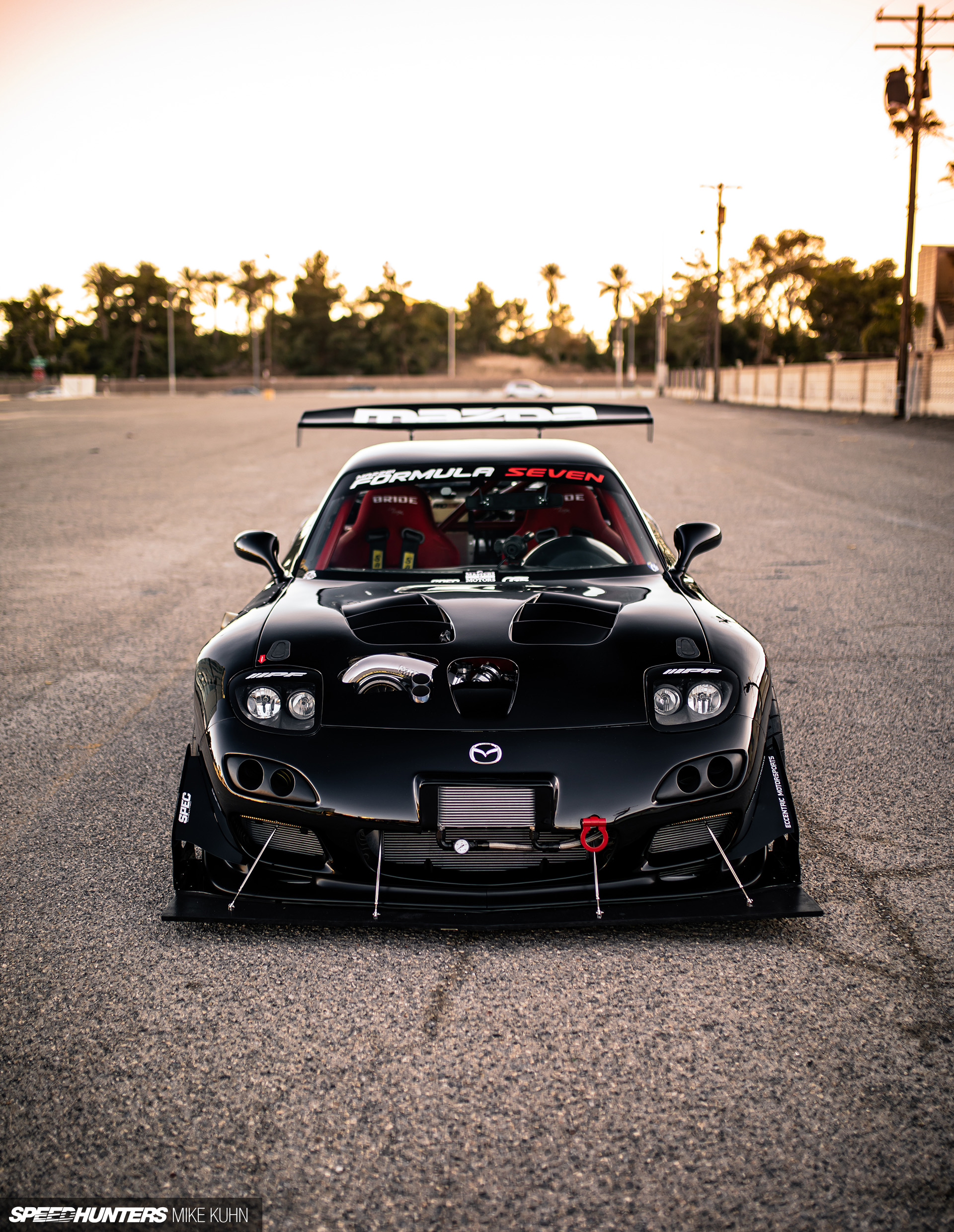
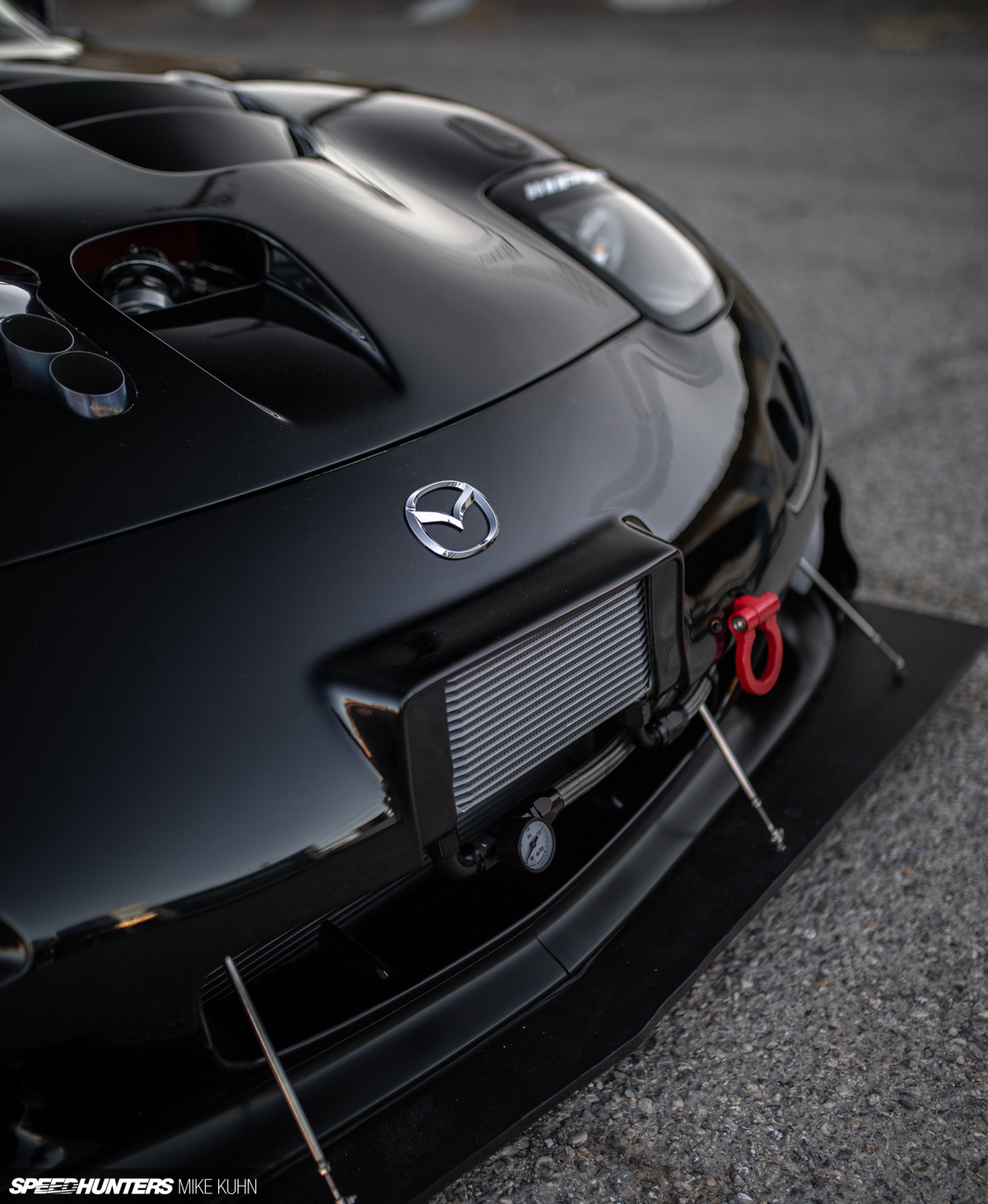
We’ve featured David Mazzei’s ‘Formula Seven’ before, so you’ll have to forgive the abridged rundown. But if you’re not familiar, this car quite literally both breathes and spits fire putting down 1,000whp.
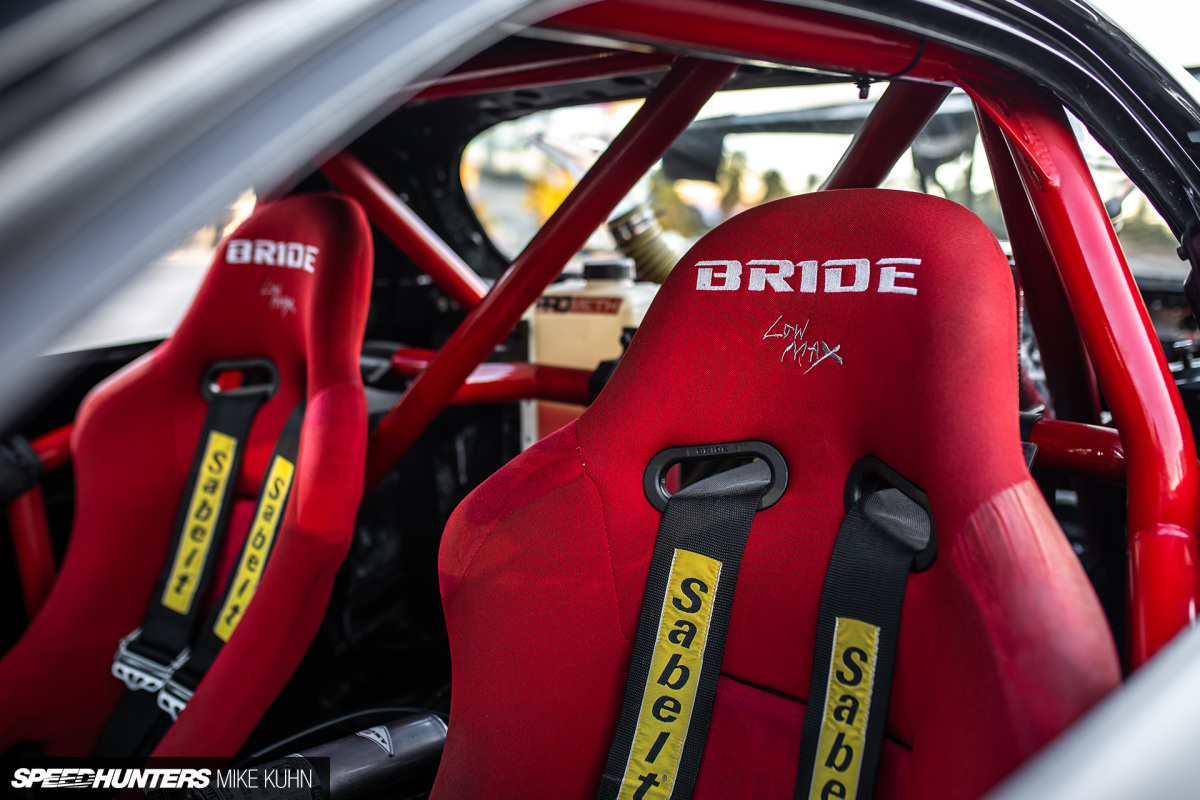
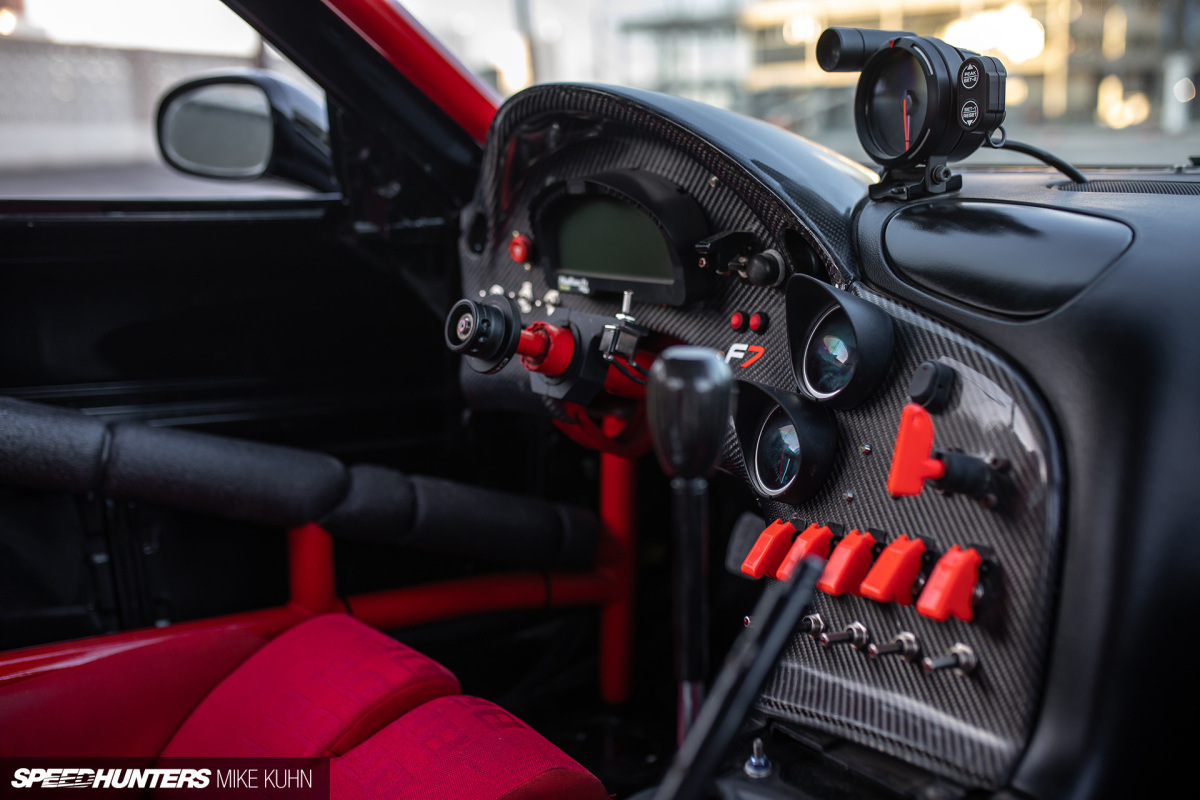
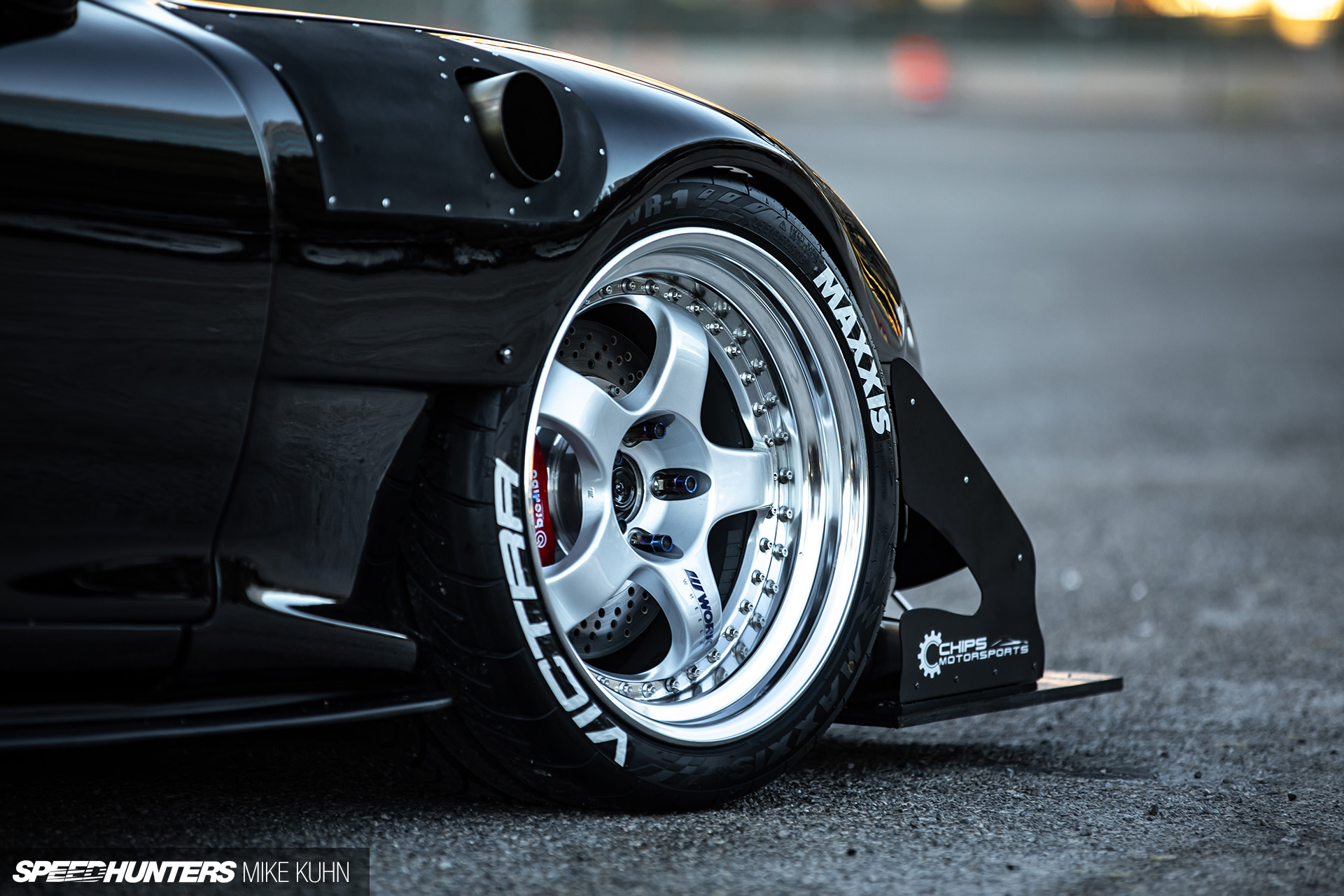
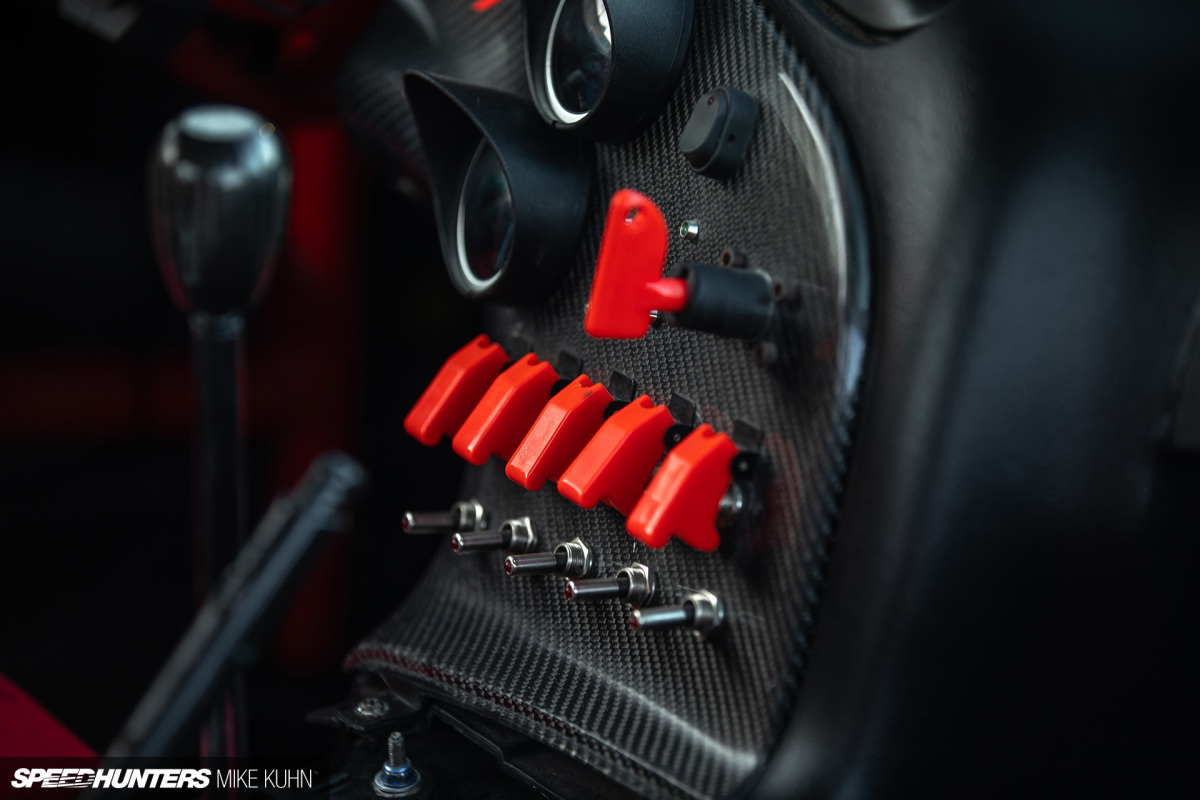
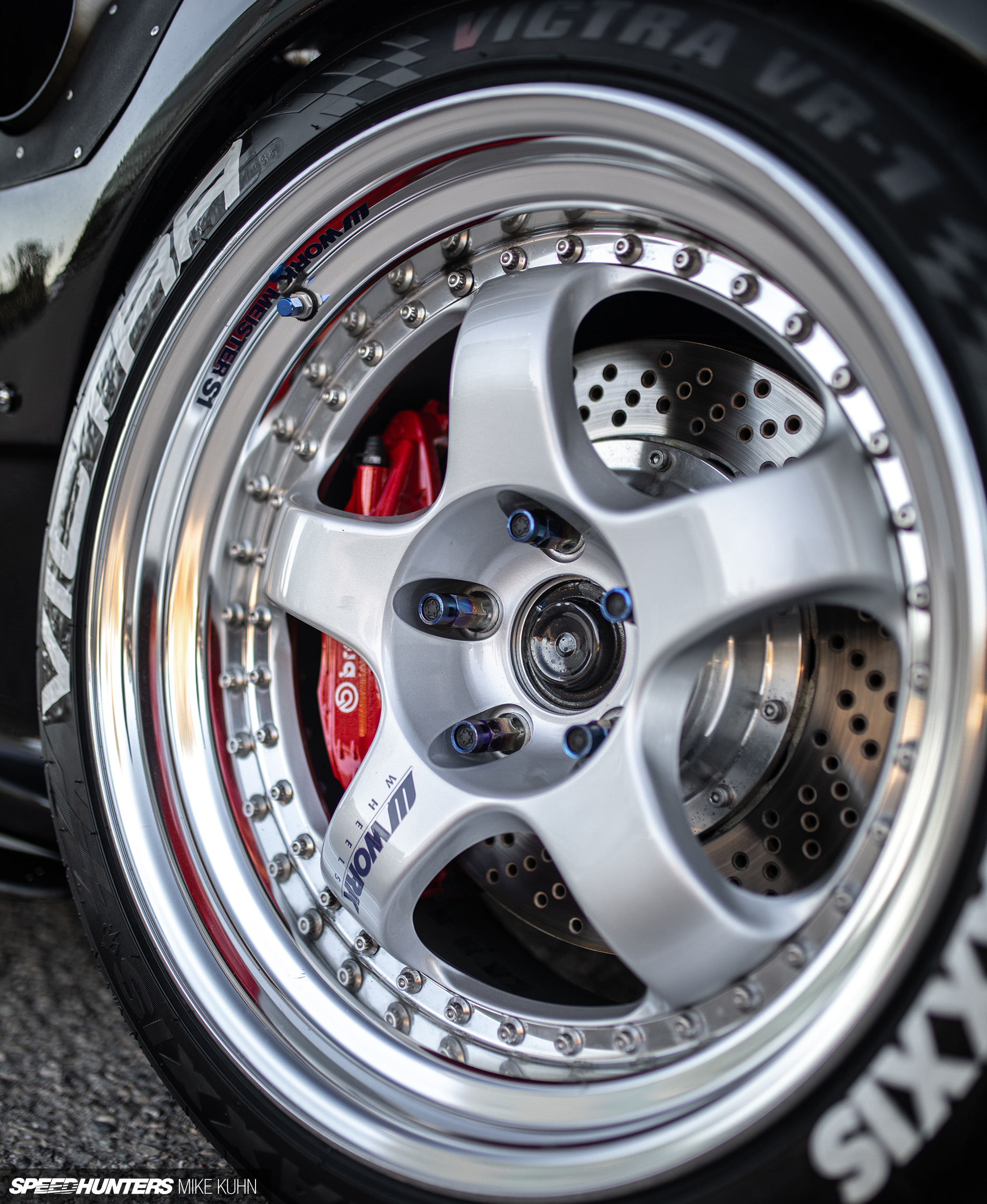
David‘s car is more than just fireworks under the hood of course. The custom four-rotor 26B turbo motor sits between a tube front end, it rides on Megan Racing coils, and the driver straps in for the ride via a Sabelt 6-point harness and Bride Vios III seat. Feed front fenders, and rear over-fenders thankfully remain faithful to the original body lines, so all the aforementioned praise I showered upon the FD3S’s OEM design remains true.
Cars like David’s prove that the incredibly well balanced nature of the RX-7 make them great for any build. Street, rally, drift, drag or circuit – with an RX-7 the possibilities are endless, arguably even more so if you perform the sacrilegious act of yanking the motor that made the car famous from its moorings. But let’s not go there during this rotary-themed month on Speedhunters.


Instead, I’d like to ask what makes the RX-7 such a significant vehicle to you? We’ve celebrated specific rotary events this month, but for this post let’s just celebrate why we each love the platform as individuals.
Is it the engine, track capability, or is it something much simpler like the car’s repeated pop culture influences or the resurgence of the rad era? Perhaps it’s something I’m missing entirely. We’d really love to know. Especially those of us on the staff with space in our garage, money in our pockets, and a lack of sense in our brains.
Dave Thomas
Instagram: stanceiseverythingcom
Photos by Mike Kuhn
Instagram: mikekuhnracing